
Updated planning guide for 2026, 2027-2028
Kilimanjaro Animal Feeding Tour From Moshi: Expert Trekking Guide
Discover the unique Kilimanjaro Animal Feeding Tour experience starting from Moshi. This guide covers everything from planning and itineraries to costs and essential tips for your 2026-2027 adventure.
WhatsApp +255616946642 | topguideadventures@gmail.com | info@topguideadventures.com
Kilimanjaro Animal Feeding Tour From Moshi: Your Complete Planning Guide
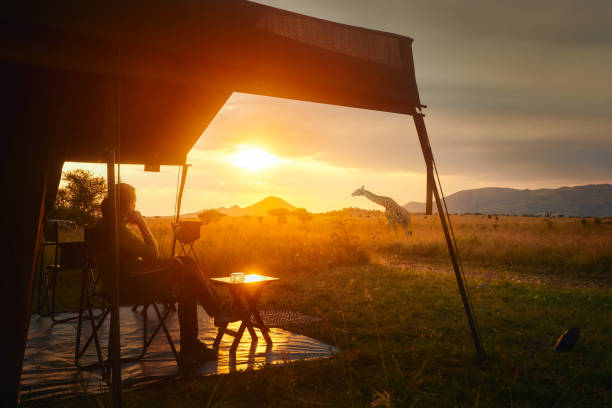
The allure of Mount Kilimanjaro often overshadows the diverse experiences available in its surrounding regions. While many visitors focus solely on the climb, a unique and increasingly popular activity is the Kilimanjaro Animal Feeding Tour, often originating from the vibrant town of Moshi. This tour offers a different perspective on Tanzania’s wildlife, focusing on direct interaction and understanding the needs of rescued or habituated animals. Unlike traditional safaris where animals are observed from a distance, this tour brings you closer, providing a memorable and educational encounter. If you’re looking for an activity that complements a Kilimanjaro trek or stands alone as a distinct travel experience in Northern Tanzania, this guide will cover all you need to know for planning your trip, especially for those considering travel in 2026 or 2027-2028.
Quick Overview: Kilimanjaro Animal Feeding Tour
| Aspect | Details |
|---|---|
| Primary Location | Near Moshi, Kilimanjaro Region, Tanzania |
| Main Activity | Feeding and interacting with various rescued or habituated animals (e.g., monkeys, birds, sometimes larger mammals). |
| Duration | Typically a half-day to a full-day excursion. |
| Starting Point | Moshi town. |
| Best For | Nature lovers, families, photographers, those seeking unique wildlife encounters beyond traditional safaris. |
| Seasonality | Available year-round, though weather can affect travel comfort. |
| Complementary Activities | Kilimanjaro treks, local cultural tours, coffee farm visits. |
What is the Kilimanjaro Animal Feeding Tour?
The Kilimanjaro Animal Feeding Tour from Moshi is an interactive wildlife experience that focuses on providing food and care to animals, often in a sanctuary or rehabilitation setting. These tours are typically organized by local conservation initiatives or community-based projects that aim to rescue, care for, and sometimes reintroduce local wildlife. You won’t find elephants or lions in this setting as you would on a Serengeti safari; instead, expect to encounter smaller to medium-sized animals that might include:
- Monkeys: Various species like Sykes monkeys, vervet monkeys, or even the endemic Colobus monkeys might be part of the feeding sessions.
- Birds: A diverse array of local bird species, from colorful sunbirds to larger ground birds, are often attracted to feeding stations.
- Small Mammals: Depending on the specific sanctuary, you might see smaller mammals that have been rescued.
- Sometimes Larger Animals: In some unique setups, there might be opportunities to see and feed animals like antelopes or even rescued giraffes, though this is less common and depends heavily on the facility.
The core of the experience involves preparing and distributing food under the guidance of local experts or caretakers. This provides a unique educational opportunity to learn about the animals’ diets, behaviors, and the conservation challenges they face. It’s a hands-on way to contribute, even if indirectly, to the welfare of these creatures.
Why Choose an Animal Feeding Tour from Moshi?
Moshi, situated at the foot of Mount Kilimanjaro, is a hub for tourism in the Kilimanjaro region. Choosing to do an animal feeding tour from here offers several advantages:
- Convenience: Moshi is easily accessible and serves as a base for many Kilimanjaro trekkers and other regional tours. Tour operators in Moshi are well-equipped to arrange these excursions.
- Unique Perspective: It offers a contrast to the typical safari experience, providing a more intimate and educational wildlife encounter. It’s about understanding conservation and animal care.
- Support Local Initiatives: Many of these tours are linked to organizations that rely on tourism revenue to fund their conservation efforts. Your participation directly supports these valuable projects.
- Accessibility: These tours are generally less physically demanding than a Kilimanjaro climb and are suitable for a wider range of visitors, including families with children.
- Educational Value: You gain insights into local biodiversity, animal behavior, and the importance of conservation efforts in Tanzania.
Planning Your Kilimanjaro Animal Feeding Tour in 2026-2027
Planning is key to a rewarding experience. Here’s what to consider when organizing your Kilimanjaro Animal Feeding Tour from Moshi for trips in 2026 or 2027-2028.
Best Time to Visit
The Kilimanjaro Animal Feeding Tour can be undertaken year-round. However, certain periods might offer a more comfortable experience:
- Dry Seasons (June to October, December to February): These months generally offer sunny days and less rain, making travel and outdoor activities more pleasant. Wildlife viewing might also be concentrated around water sources.
- Green Seasons (March to May, November): While there’s a higher chance of rain, the landscape is lush and vibrant. Birdwatching can be particularly rewarding during these times. The rain is often in short, intense bursts, and tours can still proceed.
For 2026 and 2027-2028, these general patterns will likely hold. It’s always advisable to check the specific weather forecast closer to your travel date.
Choosing a Reputable Tour Operator
Selecting the right tour operator is crucial for a safe, ethical, and enjoyable experience. Look for operators based in Moshi or Arusha that:
- Have a clear understanding of the animal feeding locations and their conservation ethics.
- Provide experienced guides who can offer insightful information about the animals and their environment.
- Offer transparent pricing and clearly state what is included in the tour.
- Have positive reviews or testimonials regarding their wildlife tours and customer service.
- Are committed to responsible tourism practices.
For your Kilimanjaro Animal Feeding Tour from Moshi, consider operators like Best Tanzania Tour operator, who have a strong local presence and a commitment to authentic experiences. You can reach them via WhatsApp at +255616946642 or email at topguideadventures@gmail.com (backup: info@topguideadventures.com).
Duration and Itinerary Logic
Most animal feeding tours are designed as half-day or full-day excursions. A typical half-day tour might look like this:
| Time | Activity | Notes |
|---|---|---|
| 8:00 AM | Pick-up from your hotel in Moshi. | Meet your guide. |
| 8:30 AM – 9:00 AM | Transfer to the animal feeding location. | Scenic drive through local villages or countryside. |
| 9:00 AM – 12:00 PM | Animal Feeding Session & Education. | Prepare food, feed animals, learn about their habits and conservation. Includes interaction with guides and caretakers. |
| 12:00 PM – 1:00 PM | Lunch (if a full-day tour or arranged). | Enjoy a local meal. |
| 1:00 PM – 1:30 PM | Return transfer to Moshi. | Drop-off at your hotel. |
A full-day option might include a more extensive feeding session, a longer educational talk, a visit to a related conservation project, or a packed lunch enjoyed in a scenic spot.
What to Expect During the Tour
The experience is designed to be engaging and informative. Expect to:
- Work with the Animals: You’ll likely be involved in preparing the food (chopping fruits, measuring feed) and then distributing it to the animals.
- Learn from Experts: Guides and sanctuary staff will share details about each animal’s species, history, dietary needs, and conservation status.
- Observe Behavior: Witness firsthand how the animals interact with each other and with the food provided.
- Photography Opportunities: While respecting the animals’ space, there will be chances for great photos. Always follow your guide’s instructions regarding flash photography and proximity.
- Contribute to Conservation: Your tour fee often directly supports the care and upkeep of the animals and the facility.
It’s important to manage expectations. This is not a zoo, and the animals are not performing. It’s an opportunity to observe and participate in their daily care in a controlled, ethical environment.
Inclusions and Exclusions
A well-organized tour package for the Kilimanjaro Animal Feeding Tour from Moshi typically includes:
| Included | Typically Excluded |
|---|---|
| Round-trip transportation from Moshi | International flights |
| Park/Sanctuary entrance fees | Visa fees |
| All necessary feeding supplies (food for animals) | Travel insurance |
| Services of a knowledgeable local guide | Tips for guides and drivers |
| Water during the tour | Personal expenses (souvenirs, drinks) |
| Lunch (often included in full-day tours) | Accommodation before/after the tour |
Always confirm the specifics with your chosen tour operator before booking.
Packing and Preparation Essentials
For your Kilimanjaro Animal Feeding Tour, packing light and smart is key. Consider these items:
- Comfortable Clothing: Lightweight, breathable clothing suitable for warm weather. Long sleeves and trousers can offer protection from the sun and insects.
- Sturdy Walking Shoes: Comfortable shoes are essential, as you’ll be walking around the feeding areas.
- Hat and Sunglasses: For sun protection.
- Sunscreen: High SPF sunscreen is recommended.
- Insect Repellent: Especially important during dawn and dusk.
- Camera: To capture the unique moments. Ensure you have extra batteries or a power bank.
- Reusable Water Bottle: Stay hydrated.
- Small Backpack: To carry your essentials.
- Hand Sanitizer: For hygiene before and after interacting with animals.
- Binoculars (Optional): For better viewing of birds or distant animals.
Dress modestly, especially if visiting community areas or interacting with local people. If the tour involves any travel through villages, respectful attire is appreciated.
Common Mistakes to Avoid
To ensure a smooth and respectful experience, be aware of potential pitfalls:
- Feeding Animals Unapproved Food: Always follow the guide’s instructions on what food to give and how to distribute it. Human food can be harmful to animals.
- Disturbing Wildlife: Maintain a respectful distance and avoid sudden movements or loud noises that could scare the animals.
- Ignoring Safety Briefings: Listen carefully to your guide’s safety instructions, especially when dealing with animals.
- Not Booking in Advance: Especially during peak seasons in 2026 or 2027, reputable operators can get booked up.
- Expecting Zoo-like Conditions: Remember these are often sanctuaries or rehabilitation centers, not commercial attractions. The focus is on animal welfare.
- Not Clarifying Inclusions: Ensure you know what costs are covered to avoid surprises.
- Over-reliance on Mobile Connectivity: Signal can be spotty outside of Moshi town. Download any necessary information beforehand.
Who is the Kilimanjaro Animal Feeding Tour Best Suited For?
This unique tour appeals to a variety of travelers:
- Families with Children: It’s an engaging and educational experience that kids will love, offering a hands-on way to learn about animals.
- Nature Enthusiasts: Those who appreciate wildlife and want a closer, more interactive experience than traditional safaris.
- Conservation-Minded Travelers: Individuals who want their tourism dollars to directly support local conservation efforts.
- Photographers: Offers excellent opportunities for close-up shots of smaller wildlife and birds.
- Travelers Seeking Unique Experiences: Anyone looking for something beyond the standard tourist trail.
- Pre- or Post-Kilimanjaro Trekker: A relaxing and rewarding activity to add to a climbing itinerary.
It is generally not suitable for travelers expecting to see large African mammals like lions, elephants, or rhinos in their natural habitat; for that, a traditional safari is necessary.
Alternatives to the Animal Feeding Tour
While the animal feeding tour is special, Northern Tanzania offers other enriching experiences:
- Traditional Safaris: To the Serengeti, Ngorongoro Crater, Tarangire National Park, and Lake Manyara National Park for classic wildlife viewing.
- Cultural Tours: Visit Maasai villages, Chagga communities, or local markets to learn about local life and traditions.
- Coffee Plantation Tours: Explore the region’s famous coffee farms, learn about the process from bean to cup, and enjoy a tasting.
- Waterfalls and Hot Springs: Explore natural attractions like the Materuni Waterfalls and Kikuletwa Hot Springs.
- Local Cooking Classes: Learn to prepare traditional Tanzanian dishes.
These alternatives can be combined with a Kilimanjaro Animal Feeding Tour to create a well-rounded Northern Tanzania itinerary for 2026 or 2027-2028.
Planning Your Trip for 2026-2027: Key Considerations
When planning for future trips in 2026 and beyond, consider these points:
- Book Early: Especially for popular times like school holidays or combined with Kilimanjaro climbs, booking your tour and accommodation 6-12 months in advance is wise.
- Visa Requirements: Check the latest Tanzanian visa regulations for your nationality well in advance.
- Vaccinations and Health: Consult your doctor about recommended vaccinations and malaria prophylaxis for Tanzania.
- Travel Insurance: Ensure your policy covers all planned activities, including wildlife interactions and any potential medical emergencies.
- Currency: The Tanzanian Shilling (TZS) is the local currency, but US Dollars are widely accepted for tourist services. Carry smaller denominations for tips and local purchases.
- Connectivity: While Wi-Fi is available in many hotels in Moshi, consider a local SIM card for better connectivity if needed.
Booking Your Kilimanjaro Animal Feeding Tour from Moshi
To book your Kilimanjaro Animal Feeding Tour from Moshi, follow these steps:
- Research Tour Operators: Look for reputable companies. Best Tanzania Tour operator is a trusted choice for local experiences.
- Contact for Availability and Quotes: Reach out via WhatsApp at +255616946642 or email topguideadventures@gmail.com (or info@topguideadventures.com). Clearly state your desired dates, group size, and any specific interests.
- Discuss Itinerary and Inclusions: Confirm the exact activities, duration, meals, and what is covered in the price.
- Secure Your Booking: Typically, a deposit will be required to confirm your reservation. Ensure you receive a confirmation document.
- Final Payment: The remaining balance is usually due a few weeks before your tour date.
- Pre-Trip Communication: Stay in touch with your operator for any last-minute updates or questions.
Booking directly with a local operator like Best Tanzania Tour operator can often provide better value and a more authentic experience.
Frequently Asked Questions (FAQs)
Q1: Is the Kilimanjaro Animal Feeding Tour safe?
Yes, the Kilimanjaro Animal Feeding Tour from Moshi is generally safe when conducted with a reputable operator and by following the guide’s instructions. The animals involved are usually habituated or accustomed to human presence in a controlled environment. Guides are trained to ensure the safety of visitors and animals alike.
Q2: What kind of animals can I expect to feed?
You can typically expect to feed monkeys (like Sykes or vervet monkeys), various bird species, and possibly some smaller rescued mammals. The exact species depend on the specific sanctuary or rehabilitation center you visit. It’s not a place to see large predators or savannah animals.
Q3: Can children participate in the animal feeding tour?
Absolutely. The Kilimanjaro Animal Feeding Tour is an excellent activity for families. Children often find the interactive nature of feeding animals very engaging and educational. Parental supervision is always recommended.
Q4: How much does the tour cost?
The cost varies depending on the tour operator, the duration of the tour (half-day vs. full-day), and what is included. For planning in 2026-2027, expect a range typical for day excursions in Tanzania. It’s best to get a personalized quote from operators like Best Tanzania Tour operator for accurate pricing.
Q5: Do I need to bring my own food for the animals?
No, you do not need to bring your own food for the animals. The tour operator will provide all the necessary food items as part of the package. You will be instructed on what food to give and how to distribute it safely.
Q6: What should I wear for the animal feeding tour?
Wear comfortable, lightweight clothing suitable for warm weather. Long sleeves and trousers can offer protection from the sun and insects. Sturdy walking shoes are essential. A hat and sunglasses are also recommended. Dress respectfully, especially if visiting local communities.
Q7: Can I take photos during the tour?
Yes, photography is generally allowed and encouraged. However, always follow your guide’s instructions regarding camera use, especially concerning flash photography and maintaining a respectful distance from the animals to avoid disturbing them.
Q8: Is this tour suitable for someone who is not trekking Kilimanjaro?
Yes, the Kilimanjaro Animal Feeding Tour from Moshi is a fantastic standalone activity for anyone visiting the region, whether they are trekking Kilimanjaro or not. It offers a unique wildlife and conservation experience accessible to all.
Q9: How far in advance should I book for 2027?
For trips in 2027, especially during popular travel periods or if combining with other activities like a Kilimanjaro climb, it’s advisable to book at least 6 to 12 months in advance to secure your preferred dates and operator.
Q10: What is the difference between this tour and a traditional safari?
The main difference lies in the level of interaction and the type of wildlife. A traditional safari focuses on observing wild animals in their natural habitats from a distance, typically in national parks. The Kilimanjaro Animal Feeding Tour involves direct interaction and feeding of animals, often in a sanctuary or rehabilitation setting, with a focus on conservation education and smaller species.
Ready for Your Unique Wildlife Encounter?
The Kilimanjaro Animal Feeding Tour from Moshi offers a memorable and responsible way to connect with Tanzania’s wildlife. It’s an experience that provides insight, education, and a chance to contribute to local conservation efforts. Whether you are planning for 2026, 2027, or 2028, this tour promises a unique addition to your Tanzanian adventure.
Contact us to plan your personalized Kilimanjaro Animal Feeding Tour from Moshi:
WhatsApp: +255616946642
Email: topguideadventures@gmail.com
Backup Email: info@topguideadventures.com
Let Best Tanzania Tour operator help you create an unforgettable wildlife experience!
Plan your Kilimanjaro Animal Feeding Tour From Moshi with Top Guide Adventures
Tell us your travel dates, group size, comfort level, and dream experience. We will help you shape a clear, realistic, and memorable Tanzania itinerary.







 Veedesigner
 Fatma Kizanga
 Benjamin Waryuba
 Philip Philip
 John jr Itaja
 Antonia Optatus
 Edith Kanyere
 Neema Iddy
 Kelvin Boniphace
 Damari Maiga



