
Updated planning guide for 2026, 2027-2028
Serval Wildlife Tour From Moshi: Complete Guide 2026-2027-2028
Discover the thrill of a Serval wildlife tour starting from Moshi. This detailed guide covers everything you need to plan your adventure, from best seasons and routes to what to pack and how to book your unforgettable experience in Tanzania.
WhatsApp +255616946642 | topguideadventures@gmail.com | info@topguideadventures.com
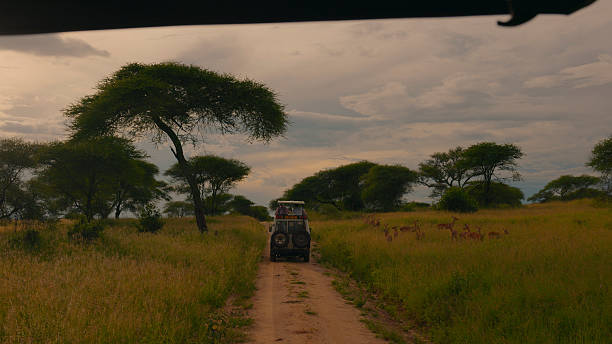
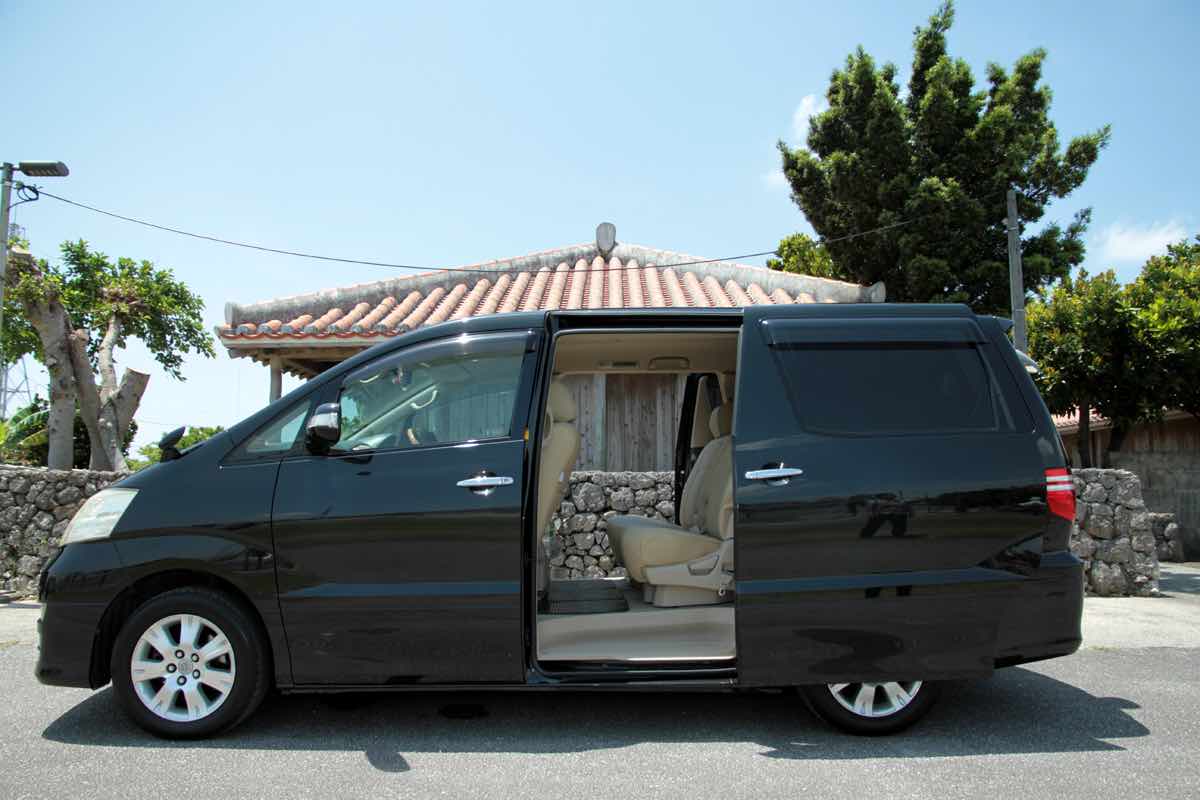
Serval Wildlife Tour From Moshi: Your Ultimate Planning Guide
For many travelers, the dream of seeing Africa’s incredible wildlife is often centered around the iconic ‘Big Five’. However, Tanzania offers a far richer and more diverse wildlife spectacle, including the elusive and graceful serval. If you’re based in Moshi, the gateway to Mount Kilimanjaro and a hub for Northern Tanzania adventures, a dedicated Serval wildlife tour from Moshi is an exceptional way to experience these captivating felines and much more. This guide provides an in-depth look at planning such a tour, covering everything from understanding the serval’s habitat to crafting the perfect itinerary for your 2026 or 2027 adventure.
This isn’t just about spotting one specific animal; it’s about understanding the delicate ecosystems they inhabit and appreciating the full breadth of Tanzania’s natural heritage. A well-planned tour will immerse you in these environments, offering opportunities to see servals alongside a myriad of other species, birds, and stunning landscapes. Let’s explore how to make your serval-focused safari from Moshi a reality.
Quick Facts: Serval Wildlife Tour From Moshi
| Aspect | Details |
|---|---|
| Primary Focus | Observing Servals in their natural habitat, alongside other wildlife and birds. |
| Starting Point | Moshi, Tanzania. |
| Key Habitats for Servals | Grasslands, savannas, wetlands, and open woodlands near water sources. Specific areas include Serengeti National Park (especially areas like Moru Kopjes and Seronera Valley), Ngorongoro Conservation Area, and some parts of Tarangire National Park. |
| Best Time to Visit (for Servals) | Generally during the dry seasons (June-October and December-February) when grasslands are shorter, making them easier to spot, and animals congregate near water. However, servals can be seen year-round. |
| Typical Tour Duration | 3 days to 7 days, depending on the parks visited and desired pace. |
| Associated Wildlife | Lions, leopards, elephants, giraffes, zebras, wildebeest, numerous bird species, and other small predators. |
| Accommodation | Safari lodges, tented camps (luxury and mid-range), and budget campsites. |
| Travel Style | Private safari vehicle with a dedicated guide, or joining a small group tour. |
Understanding the Serval: A Unique Feline Encounter
Before we detail the tour logistics, it’s essential to appreciate the animal you’re hoping to see. The serval (Leptailurus serval) is a medium-sized wild cat native to Africa. What sets it apart is its remarkable build: long legs, large ears, and a relatively short tail. These adaptations are key to its hunting strategy.
Servals are crepuscular and nocturnal hunters, meaning they are most active at dawn and dusk, and during the night. Their large ears allow them to pinpoint the exact location of prey, often rodents, birds, and insects, hidden in tall grass. Their powerful legs enable them to leap high into the air to catch birds in flight or pounce on ground-dwelling prey with incredible accuracy. Unlike lions or leopards, servals are typically solitary animals, making them more challenging to spot.
Their preferred habitats are grasslands, savannas, and areas with dense cover near water sources. This makes parks like the Serengeti and Ngorongoro Crater prime locations, as they offer these diverse environments. A specialized Serval wildlife tour from Moshi aims to maximize your chances of observing these magnificent cats in their element.
Why Choose a Serval-Focused Tour from Moshi?
Moshi, situated at the foot of Mount Kilimanjaro, is a natural starting point for many Tanzanian adventures. Its proximity to major national parks and conservation areas makes it an ideal logistical base. Opting for a tour that specifically highlights serval sightings offers several advantages:
- Specialized Knowledge: Guides on such tours are often more attuned to serval behavior and preferred habitats, increasing your chances of a sighting.
- Targeted Itinerary: The route will be designed to include areas known for serval populations, rather than a general safari that might not prioritize these specific sightings.
- Deeper Appreciation: Focusing on a less commonly sought-after animal encourages a deeper understanding and appreciation of the entire ecosystem.
- Less Crowded Experiences: While popular parks are visited, a serval focus might lead you to slightly less-trodden paths within these parks, offering more intimate wildlife encounters.
- Combine with Other Interests: A serval tour can easily be combined with other Tanzanian highlights like Mount Kilimanjaro treks, cultural visits, or visits to other parks.
Best Time for a Serval Wildlife Tour from Moshi
While servals can be seen year-round, certain periods offer better conditions for spotting them and for overall safari enjoyment. The key factor is vegetation density and animal concentrations.
Dry Seasons (June to October and December to February):
- Pros: Grasslands are shorter, making it easier to spot servals and other animals. Wildlife congregates around permanent water sources, leading to predictable sightings. Pleasant weather with less rain. Ideal for general game viewing across parks like the Serengeti and Tarangire.
- Cons: Can be busier with tourists, especially in July and August. Water sources might be limited in some areas.
Green Seasons (November and March to May):
- Pros: Lush landscapes, beautiful scenery. Fewer tourists, potentially lower prices. Excellent for birdwatching as migratory birds are present. Newborn animals are often seen in the early green season (around February/March).
- Cons: Dense vegetation can make spotting smaller animals like servals more challenging. Heavy rains can impact road conditions and make travel difficult in some areas.
For a 2026 or 2027 Serval wildlife tour from Moshi, targeting the dry seasons (June-October or December-February) is generally recommended for optimal viewing conditions. However, if your priority is fewer crowds or specific photographic opportunities (like newborns), the shoulder months can also be rewarding.
Key Destinations for Serval Sightings from Moshi
Your Serval wildlife tour from Moshi will likely focus on national parks and conservation areas accessible from the northern circuit. Here are the prime locations:
- Serengeti National Park: This is arguably the best place to see servals. Look for them in the open grasslands and savannas, particularly around the Seronera Valley and Moru Kopjes. The vast plains offer excellent opportunities, especially during the dry season when vegetation thins out.
- Ngorongoro Conservation Area (NCA): The Ngorongoro Crater floor, with its diverse habitats including grasslands and swamps, is a good spot. Servals are often seen on the crater rim or in the surrounding plains of the NCA as well. The dense crater floor ecosystem supports a rich variety of prey.
- Tarangire National Park: Known for its large elephant herds and baobab trees, Tarangire also offers opportunities to spot servals, especially in its grasslands and acacia woodlands, particularly during the dry season when animals are drawn to the Tarangire River.
- Lake Manyara National Park: While famous for its tree-climbing lions and large buffalo herds, the diverse vegetation around the lake and in the woodlands can also be a habitat for servals, though sightings might be less frequent than in the Serengeti or Ngorongoro.
Area Overview: Northern Tanzania Safari Circuit
Route Logic: Moshi -> Tarangire -> Lake Manyara -> Ngorongoro -> Serengeti -> Moshi
This is a common and efficient route, often customized based on tour length and specific interests.
Illustrative Flow:
- Day 1: Depart Moshi, drive to Tarangire National Park. Afternoon game drive. Overnight near Tarangire.
- Day 2: Morning game drive in Tarangire, then drive towards Lake Manyara. Afternoon game drive. Overnight near Lake Manyara or Karatu.
- Day 3: Morning exploration of Ngorongoro Crater. Afternoon drive towards Serengeti National Park. Overnight in Serengeti.
- Day 4-X: Multiple days exploring different regions of the Serengeti, focusing on areas known for servals and other wildlife.
- Final Day: Morning game drive in Serengeti, then drive back to Moshi (a long drive, often broken with an overnight stop, or fly out from an airstrip).
Note: This is a simplified illustration. Actual itineraries vary greatly. Flights from Arusha or Serengeti airstrips to Kilimanjaro International Airport (JRO) can significantly reduce travel time back to Moshi.
Sample Itinerary: 5-Day Serval Wildlife Tour From Moshi
This sample itinerary focuses on maximizing serval sighting opportunities while experiencing the best of Tanzania’s Northern Circuit. It assumes a private safari departing from Moshi.
Day 1: Moshi to Tarangire National Park
- Morning: After breakfast in Moshi, meet your guide and depart in your private 4×4 safari vehicle for Tarangire National Park (approx. 4-5 hours drive).
- Lunch: Enjoy a packed lunch en route or upon arrival at a picnic site.
- Afternoon: Begin your game drive in Tarangire, famous for its large elephant herds, baobab trees, and diverse birdlife. Keep an eye out for servals in the open grasslands and acacia woodlands.
- Evening: Check into your lodge or camp near Tarangire. Dinner and overnight.
Day 2: Tarangire to Ngorongoro Conservation Area
- Morning: Early morning game drive in Tarangire to catch more wildlife activity.
- Late Morning: Drive towards the Ngorongoro Conservation Area (NCA), stopping for lunch in Karatu or at a scenic viewpoint.
- Afternoon: Descend into the Ngorongoro Crater for an unforgettable game drive. The crater floor is a natural amphitheater teeming with wildlife, including lions, rhinos, hippos, and flamingos. Servals are often spotted in the grasslands here.
- Evening: Ascend from the crater and check into your lodge or tented camp on the crater rim or in Karatu. Dinner and overnight.
Day 3: Ngorongoro to Serengeti National Park
- Morning: After breakfast, depart for the legendary Serengeti National Park. The drive itself is a game drive, passing through the NCA and potentially witnessing Maasai bomas (villages) and unique landscapes.
- En route: Consider a visit to Olduvai Gorge (optional, extra cost) for a glimpse into early human history.
- Lunch: Enjoy a picnic lunch en route or upon arrival in the Serengeti.
- Afternoon: Begin your game drive in the Serengeti, heading towards your camp/lodge in the Seronera area, known for its resident wildlife and good chances of spotting servals.
- Evening: Check into your lodge or tented camp. Dinner and overnight in the Serengeti.
Day 4: Exploring the Serengeti
- Full Day: Dedicated game drives in the Serengeti. Your guide will focus on areas with higher probabilities of serval sightings, such as the Seronera Valley and its surrounding plains. You’ll also encounter lions, leopards, cheetahs, elephants, giraffes, and a vast array of plains game. Early morning and late afternoon drives are often most productive for predators and elusive cats.
- Evening: Return to your lodge/camp for dinner and overnight.
Day 5: Serengeti to Moshi
- Morning: Enjoy a final early morning game drive in the Serengeti.
- Late Morning: After breakfast, drive towards the nearest airstrip (e.g., Seronera Airstrip) for your flight back to Kilimanjaro International Airport (JRO) or Arusha. This significantly reduces travel time compared to driving all the way back to Moshi.
- Afternoon: Upon arrival at JRO/Arusha, you will be transferred back to Moshi or your onward destination.
Note: This itinerary can be extended to 6 or 7 days for more in-depth exploration of the Serengeti or to include additional parks. For 2026-2027 travel, booking well in advance is recommended.
What to Expect on Your Serval Wildlife Tour
A Serval wildlife tour from Moshi is an immersive experience into the wild heart of Tanzania. Here’s what you can anticipate:
- Early Mornings and Late Evenings: To maximize wildlife viewing opportunities, especially for elusive animals like servals, expect to start your days early and finish late.
- Game Drives: You’ll spend most of your time in a customized 4×4 safari vehicle with a pop-up roof, driven by an experienced local guide. Game drives involve traversing park roads and tracks, stopping for sightings, and sometimes venturing off-road (where permitted) for better views.
- Comfort and Amenities: Accommodation ranges from luxurious lodges with swimming pools and fine dining to comfortable tented camps offering a more rustic yet still comfortable experience, and basic campsites for the budget-conscious. All provide meals and a place to rest.
- Guide Interaction: Your guide is your expert companion. They possess extensive knowledge of animal behavior, tracks, and habitats, and are skilled drivers. They will answer your questions, share insights, and work to find the animals you’re hoping to see.
- The Thrill of the Chase: Spotting a serval is not guaranteed. It requires patience, a good guide, and a bit of luck. The excitement builds with every rustle in the grass or flicker of movement.
- Diverse Wildlife: While servals are a focus, you will see an incredible array of other animals. Be prepared for close encounters with elephants, giraffes, zebras, wildebeest, various antelopes, monkeys, baboons, and a spectacular variety of birdlife. Predators like lions, leopards, and cheetahs are also frequently seen.
- Scenery: Beyond the wildlife, you’ll be captivated by the breathtaking landscapes – vast savannas, acacia woodlands, dramatic kopjes (rocky outcrops), and the distant silhouette of Mount Kilimanjaro.
Inclusions and Exclusions: What Your Tour Covers
When booking a Serval wildlife tour from Moshi, it’s crucial to understand what is included in the price. Tour operators provide detailed lists, but generally:
| Common Inclusions | Common Exclusions |
|---|---|
| Park Entrance Fees: All fees for the national parks and conservation areas visited. | International Flights: Flights to and from Tanzania. |
| Accommodation: Lodges, tented camps, or campsites as per your chosen itinerary and budget. | Visa Fees: Cost of Tanzanian visa. |
| Meals: Typically full board (breakfast, lunch, dinner) during the safari. Sometimes lunch is a picnic. | Gratuities: Tips for your guide, cook, and lodge staff. |
| Vehicle and Guide: Private 4×4 safari vehicle with a professional, English-speaking driver-guide. | Personal Expenses: Drinks (alcoholic and soft), laundry, souvenirs, personal travel insurance. |
| Activities: Scheduled game drives as per itinerary. | Optional Activities: Hot air balloon safaris, cultural visits (e.g., Maasai village tours), Olduvai Gorge entrance fees. |
| Bottled Water: Usually provided in the safari vehicle during game drives. | Tanzania Travel Insurance: Highly recommended but usually not included. |
Packing Essentials for Your Serval Safari
Packing smart is key to a comfortable and enjoyable safari. Focus on lightweight, practical items.
- Clothing:
- Lightweight, neutral-colored clothing (khaki, beige, green, brown). Avoid bright colors and black/dark blue (attracts tsetse flies).
- Long-sleeved shirts and trousers for sun and insect protection.
- T-shirts and shorts for warmer days.
- A warm fleece or jacket for cool mornings and evenings, especially in the Crater and Serengeti.
- A waterproof/windproof jacket.
- Comfortable walking shoes or hiking boots (if planning any walking safaris or hikes).
- Sandals or flip-flops for relaxing at the lodge/camp.
- Swimsuit (if your lodge has a pool).
- Accessories:
- Wide-brimmed hat for sun protection.
- Sunglasses.
- Scarf or bandana for dust protection.
- Binoculars (essential for wildlife viewing!).
- Camera with extra batteries, memory cards, and a zoom lens. A dust-proof bag is useful.
- Power bank or car charger for electronics.
- Headlamp or small flashlight.
- Health & Toiletries:
- Personal medications.
- Insect repellent with DEET.
- Sunscreen (high SPF).
- Hand sanitizer.
- Basic first-aid kit.
- Personal toiletries (biodegradable options are appreciated).
- Documents & Money:
- Passport (with at least 6 months validity and blank pages).
- Visa for Tanzania (apply in advance or on arrival).
- Flight tickets and itinerary.
- Travel insurance details.
- Copies of important documents (stored separately).
- Cash (USD is widely accepted for tips and small purchases, but have some Tanzanian Shillings too). Credit cards are accepted at lodges but not always for tips or small vendors.
Tip: Most lodges and camps offer laundry services, so you don’t need to pack an outfit for every single day.
Common Mistakes to Avoid on Your Serval Safari
To ensure your Serval wildlife tour from Moshi is as smooth and rewarding as possible, be aware of these common pitfalls:
- Not Booking in Advance: Especially for peak seasons (2026-2027), popular lodges and safari vehicles get booked up months, even a year, in advance.
- Choosing the Wrong Tour Operator: Research thoroughly. Look for operators with good reviews, clear communication, and a genuine commitment to responsible tourism. Avoid extremely cheap deals, as they often compromise quality, safety, or guide pay.
- Underestimating Travel Times: Distances in Tanzania are large, and road conditions can vary. Build buffer time into your itinerary and don’t try to cram too much into one day.
- Ignoring Your Guide: Your guide is an invaluable resource. Listen to their advice regarding safety, best viewing times, and etiquette.
- Overpacking: Luggage restrictions on small bush planes (if flying out) are strict. Stick to soft-sided duffel bags where possible.
- Expecting Guaranteed Sightings: Wildlife is wild. While guides are skilled, servals are elusive. Appreciate all sightings and the overall safari experience, not just the target animal.
- Not Being Prepared for Weather Changes: Tanzania can experience sudden weather shifts, from intense sun to rain. Be ready for varying conditions.
- Forgetting Essential Gear: Binoculars, a good camera, and sun protection are non-negotiable.
- Not Informing Operator of Special Needs: If you have dietary restrictions, medical conditions, or specific interests, communicate them well in advance.
Who is a Serval Wildlife Tour From Moshi Best Suited For?
A Serval wildlife tour from Moshi is ideal for:
- Wildlife Enthusiasts: Those with a passion for animals, particularly felines, and a desire to see a wider range of species beyond the Big Five.
- Photographers: The opportunity to capture unique shots of the serval and the diverse landscapes and other wildlife.
- Nature Lovers: Individuals who appreciate the beauty of untouched wilderness and are interested in understanding ecosystems.
- Repeat Safari Goers: Travelers who have experienced the classic safaris and are looking for something more specific and potentially challenging.
- Adventurous Travelers: Those who enjoy the thrill of searching for elusive animals and are comfortable with the unpredictability of wildlife encounters.
- Couples and Small Groups: Private tours offer an intimate and customizable experience perfect for romantic getaways or family adventures.
It might be less suited for travelers expecting guaranteed sightings of specific animals every day, or those who prefer highly structured, predictable experiences without much driving or early starts.
Alternatives to a Dedicated Serval Tour
If a dedicated serval tour isn’t exactly what you’re looking for, or if you want to combine it with other experiences, consider these options:
- Classic Northern Circuit Safari: This is the most popular option, covering Tarangire, Lake Manyara, Ngorongoro, and the Serengeti. Serval sightings are possible but not the primary focus. This offers a broader overview of Tanzania’s wildlife.
- Serengeti-Specific Safari: Spending more time in the Serengeti, especially in areas like Seronera, significantly increases your chances of seeing servals, leopards, and other cats, alongside the Great Migration (depending on the time of year).
- Walking Safaris: Some areas outside the main parks, or designated walking zones within parks (like parts of the NCA or western Serengeti), offer walking safaris. These can sometimes provide excellent opportunities for spotting smaller predators and birds in more detail, though servals are still elusive.
- Birdwatching Tours: If birds are a major interest, specialized birding tours will naturally take you to habitats frequented by servals and offer incredible avian diversity.
Planning Your 2026-2027 Serval Wildlife Tour
Planning ahead is crucial for a successful safari, especially for travel in the upcoming years. Here’s a guide for your 2026-2027 trip:
12-18 Months Before Travel (2025 for 2026-2027 trips):
- Research Tour Operators: Identify reputable Tanzanian tour operators specializing in custom safaris. Look for those with clear communication, good online reviews, and expertise in wildlife spotting. Contact a few to discuss your interests, especially your focus on servals.
- Define Your Budget: Safari costs vary widely based on accommodation style (budget camping, mid-range lodges, luxury camps), group size (private vs. shared), and duration.
- Choose Your Travel Dates: Consider the best time of year for serval sightings and overall weather conditions. Book major holidays or peak seasons early.
6-12 Months Before Travel:
- Book Your Safari Package: Confirm your itinerary with your chosen operator and pay the deposit. This secures your preferred lodges and safari vehicle.
- Book International Flights: Flights to Kilimanjaro International Airport (JRO) can be more expensive if booked last minute.
- Consider Travel Insurance: Research and select comprehensive travel insurance that covers medical emergencies, trip cancellations, and lost luggage.
3-6 Months Before Travel:
- Visa Application: Check visa requirements for your nationality and apply if necessary. Many nationalities can get a visa on arrival, but an online application is often smoother.
- Vaccinations and Health Advice: Consult your doctor or a travel clinic about recommended vaccinations (e.g., Yellow Fever, Hepatitis A/B) and malaria prophylaxis.
- Start Packing: Begin gathering your safari essentials.
1-3 Months Before Travel:
- Final Payments: Make any remaining payments for your safari package.
- Confirm Details: Reconfirm flight details, accommodation, and safari arrangements with your operator.
- Currency: Arrange for USD cash for tips and any local currency needed.
Week of Travel:
- Pack Final Items: Ensure you have everything. Double-check documents.
- Inform Bank: Let your bank know your travel dates to avoid card issues.
- Charge Electronics: Ensure all cameras, phones, and power banks are fully charged.
Booking Your Serval Wildlife Tour From Moshi
Choosing the right tour operator is paramount for a successful Serval wildlife tour from Moshi. At Best Tanzania Tour Operator, we specialize in crafting personalized safari experiences that cater to your specific interests, including wildlife photography and tracking elusive species like the serval.
We understand the nuances of finding these beautiful cats and design itineraries that maximize your chances without compromising the overall safari experience. Our experienced guides are knowledgeable about serval habitats and behaviors, ensuring you have an expert leading your search.
To get started with planning your 2026 or 2027 Serval wildlife tour:
- Contact Us: Reach out via WhatsApp at +255616946642 for immediate inquiries.
- Email: Send your detailed requests or questions to topguideadventures@gmail.com.
- Backup Email: For any urgent matters or if you don’t receive a prompt reply, use info@topguideadventures.com.
We will work with you to create a bespoke itinerary, select the best accommodation for your budget and style, and ensure all logistical details are handled. Let us help you plan an unforgettable adventure in Tanzania!
Frequently Asked Questions (FAQs)
Q1: Is it guaranteed that I will see a serval on this tour?
A: While we design tours to maximize opportunities and use guides with expertise in serval habitats, sightings of any wild animal, especially elusive ones like servals, cannot be guaranteed. Wildlife viewing is subject to natural behaviors and conditions. The tour offers the best possible chances.
Q2: What is the best time of year for a Serval wildlife tour from Moshi in 2026-2027?
A: For serval sightings, the dry seasons (June-October and December-February) are generally best as shorter grass makes them easier to spot. However, servals can be seen year-round. These periods also offer pleasant weather for safaris.
Q3: How long should my Serval wildlife tour be?
A: A minimum of 4-5 days is recommended to cover key parks like Tarangire, Ngorongoro, and Serengeti. For a more relaxed pace and better chances of seeing a variety of wildlife, including servals, 6-7 days is ideal. Longer tours are also possible.
Q4: What is the difference between a private and a group tour?
A: A private tour means you have exclusive use of the safari vehicle and guide, offering maximum flexibility in your itinerary and game drives. A group tour involves sharing a vehicle and guide with other travelers, which is usually more budget-friendly but offers less flexibility.
Q5: Are there any specific parks that are better for servals than others?
A: The Serengeti National Park, particularly the Seronera Valley and Moru Kopjes areas, is widely considered one of the best places to spot servals. The Ngorongoro Crater and its surrounding NCA also offer good opportunities.
Q6: What kind of accommodation can I expect?
A: Accommodation options range from budget campsites and mid-range lodges to luxury tented camps and lodges. The choice depends on your budget and preference. We can tailor the accommodation to your needs.
Q7: What should I pack for a safari focused on servals?
A: Pack light, neutral-colored clothing, a warm jacket, comfortable shoes, a hat, sunglasses, insect repellent, sunscreen, a camera, and binoculars. Refer to the packing list in this guide for more details.
Q8: Is it safe to travel in Tanzania for a safari?
A: Tanzania is considered a safe destination for tourism, especially in the national parks and tourist areas. Reputable tour operators prioritize safety, and guides are trained to handle various situations. It’s always wise to follow your guide’s instructions and be aware of your surroundings.
Q9: Can I combine a Serval wildlife tour with climbing Mount Kilimanjaro?
A: Yes, this is a very popular combination. Many travelers climb Kilimanjaro first and then relax on a safari, or vice-versa. We can arrange custom packages that include both experiences, ensuring smooth transitions between activities.
Q10: How much should I tip my safari guide?
A: Tipping is customary and greatly appreciated. A general guideline for a private safari is around $20-30 USD per day for the driver-guide, and potentially a smaller amount for a camp/lodge staff. Your tour operator will provide specific recommendations for 2026-2027 travel.
Q11: What is the typical cost of a Serval wildlife tour from Moshi?
A: Costs vary significantly based on the duration, accommodation level, and group size. A mid-range 5-day private safari might range from approximately $1200 – $2000 USD per person. Luxury options can be considerably higher, while budget camping tours are less expensive. Exact pricing depends on specific inclusions and the season for 2026-2027.
Q12: Do I need a visa for Tanzania?
A: Most foreign nationals require a visa for Tanzania. You can apply online in advance, or obtain one upon arrival at Kilimanjaro International Airport (JRO). Check the latest requirements for your nationality before your travel in 2026 or 2027.
Plan Your Unforgettable Serval Wildlife Tour From Moshi
A Serval wildlife tour from Moshi offers a unique perspective on Tanzania’s rich biodiversity. It’s an opportunity to witness the beauty of a specialized predator in its natural habitat, surrounded by the grandeur of African wildlife and landscapes. With careful planning and the right partner, your adventure will be filled with incredible moments and lasting memories.
We are passionate about creating authentic and responsible safari experiences. Whether you’re dreaming of seeing the serval, the Great Migration, or simply experiencing the magic of the African bush, we are here to help you plan the perfect trip for 2026-2027 and beyond.
Ready to start planning? Get in touch with our safari experts today:
- WhatsApp: +255616946642
- Email: topguideadventures@gmail.com
- Backup Email: info@topguideadventures.com
Plan your Serval Wildlife Tour From Moshi with Top Guide Adventures
Tell us your travel dates, group size, comfort level, and dream experience. We will help you shape a clear, realistic, and memorable Tanzania itinerary.







 Veedesigner
 Fatma Kizanga
 Benjamin Waryuba
 Philip Philip
 John jr Itaja
 Antonia Optatus
 Edith Kanyere
 Neema Iddy
 Kelvin Boniphace
 Damari Maiga



