
Climbing Kilimanjaro in December 2026 offers a unique window with generally clear skies and moderate temperatures, making it an excellent choice for trekkers. Expect dry conditions with potential for snow at the summit, especially later in the month. The best routes for this period are typically Machame, Lemosho, and Marangu due to their acclimatization profiles and success rates. Booking your 2026 Kilimanjaro climb in December is highly recommended at least 6-12 months in advance to secure preferred dates and operators, with costs varying based on route, duration, and inclusions, typically ranging from $1,800 to $4,000+ per person.

December on Kilimanjaro: A Detailed Look for 2026 Trekkers
December marks the beginning of Kilimanjaro’s shorter rainy season, but it’s often a misunderstood period. While a brief period of rain can occur, it’s typically not as intense or prolonged as the main rainy seasons. Instead, December often brings a pleasant mix of dry weather and cooler temperatures, especially at higher altitudes. For trekkers planning their Kilimanjaro climbing in December 2026, this translates into potentially excellent visibility, clearer trails, and a less crowded mountain experience compared to peak seasons like January-February or June-August. Understanding the nuances of December weather is key to a successful and enjoyable climb.
Understanding Kilimanjaro’s Climate in December 2026
Kilimanjaro’s climate is characterized by distinct ecological zones, each with its own weather patterns. December falls at the transition between the dry season and the short rainy season. This means you can anticipate a good amount of sunshine, particularly in the lower and middle altitudes. However, brief, localized showers are possible, especially in the afternoons. The air is generally crisp and dry, offering good trekking conditions.
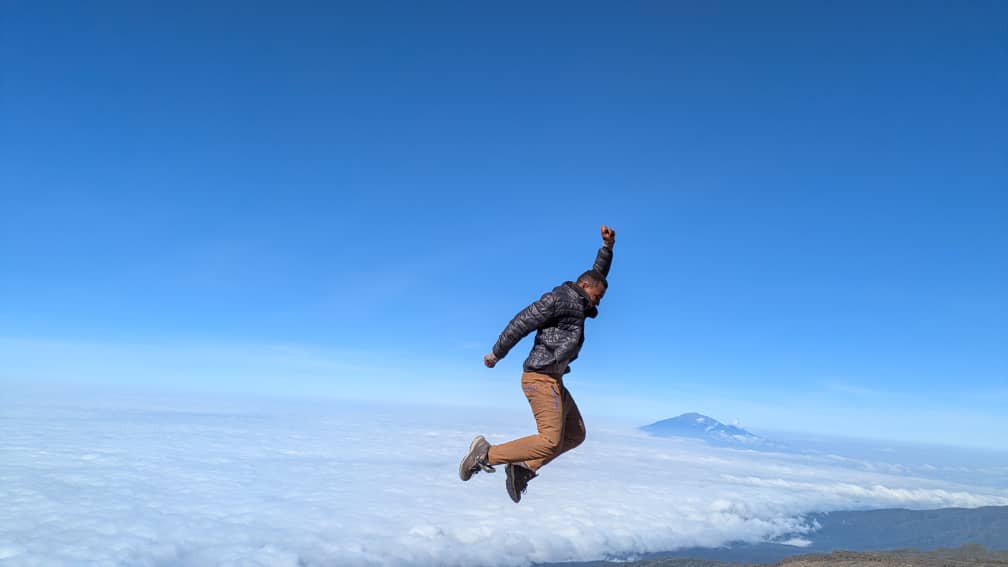
Temperature Fluctuations: At the base (around 1,800m / 5,900ft), expect temperatures to be warm, often in the mid-20s Celsius (mid-70s Fahrenheit). As you ascend through the rainforest and moorland zones, temperatures will drop significantly. At the Kibo Huts (around 4,700m / 15,400ft), daytime temperatures can hover around freezing, while summit night temperatures can plummet to -10°C to -20°C (14°F to -4°F), especially with wind chill. Snow is common at the summit (Uhuru Peak, 5,895m / 19,341ft) throughout the year, and December is no exception. A dusting of snow can make the summit views even more dramatic.
Rainfall Patterns: While December is technically part of the short rainy season, the rainfall is often less consistent and severe than in April or May. Instead of continuous rain, you might encounter brief downpours or mist, particularly in the rainforest zone. These showers usually pass quickly, and the higher altitudes often remain dry or experience light snow. The key is to be prepared for all conditions, as mountain weather is unpredictable.
Wind: Wind can be a significant factor, especially at higher altitudes and on summit night. December can bring moderate winds, which can increase the perceived temperature drop. Proper layering and windproof gear are essential for comfort and safety.
Why Choose December 2026 for Your Kilimanjaro Climb?
Opting for a Kilimanjaro climb in December 2026 offers several distinct advantages:
- Fewer Crowds: While not as empty as the main rainy seasons, December generally sees fewer trekkers than the peak dry months (January-February, June-August). This means a more serene experience on the trails and at campsites.
- Clear Skies: Despite the transition to a wetter period, December often boasts clear mornings and evenings, providing spectacular views of Kilimanjaro and the surrounding landscape.
- Moderate Temperatures: The lower and middle altitudes are pleasantly warm, making the initial days of the trek comfortable. Higher up, while cold, the temperatures are manageable with proper gear.
- Beautiful Scenery: The brief rains can sometimes bring a lushness to the lower rainforest, and the possibility of snow at the summit adds a magical touch to the final ascent.
- Festive Atmosphere: For those who wish to spend Christmas or New Year on the mountain, December offers a unique and memorable way to celebrate. Many tour operators can arrange special festive meals.
Potential Challenges of a December 2026 Climb
It’s important to be aware of potential downsides:
- Unpredictable Showers: While not guaranteed, brief rain or mist can occur, especially in the rainforest zone.
- Summit Night Cold: Temperatures on summit night can be very low, requiring robust cold-weather gear.
- Snow at Summit: While beautiful, snow on the summit trail can make footing more challenging and potentially slower.
Despite these, the overall consensus among experienced guides and trekkers is that December is a highly viable and often rewarding month for a Kilimanjaro climb in December 2026.
Choosing the Right Route for Your December 2026 Kilimanjaro Expedition
The route you choose significantly impacts your acclimatization, scenery, difficulty, and overall success rate. For a December 2026 climb, routes with good acclimatization profiles are paramount. Here’s a breakdown of the most popular and suitable options:
1. Machame Route: The Popular Choice
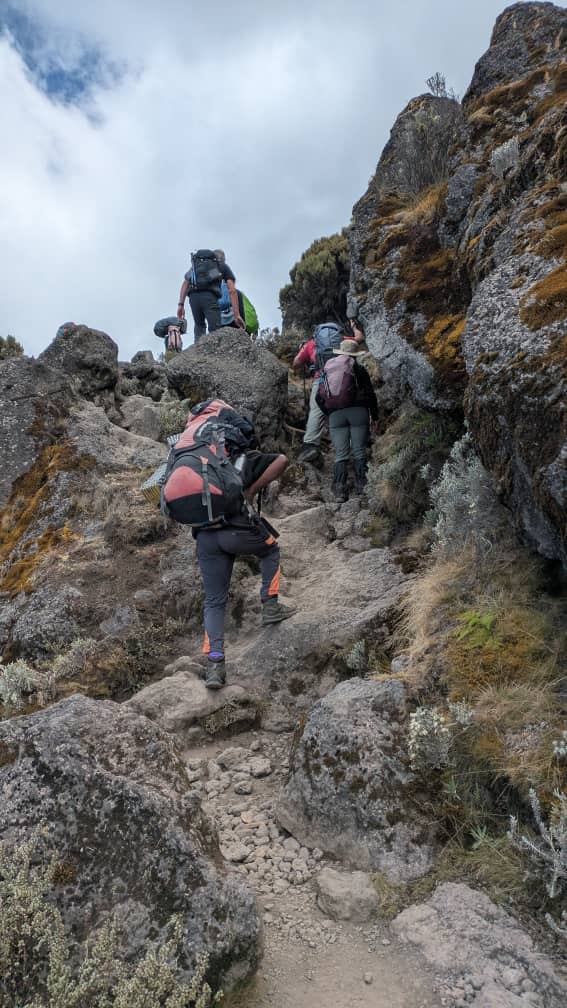
Often called the “Whiskey Route” due to its popularity, the Machame Route is a 6-7 day trek known for its scenic beauty and excellent acclimatization profile. It ascends steeply but uses the “climb high, sleep low” principle effectively.
- Duration: Typically 6 or 7 days. A 7-day itinerary is highly recommended for better acclimatization and a higher success rate.
- Scenery: Offers diverse landscapes, from lush rainforest to the stark alpine desert and arctic summit zone. It crosses the Shira Plateau and offers stunning views of the Western Breach.
- Acclimatization: Good, especially on the 7-day option.
- Difficulty: Moderate to challenging, with steep sections and a demanding summit night.
- Crowds: Can be busy, but December might offer slightly fewer trekkers than peak months.
- December Suitability: Very good. The acclimatization profile is robust, and the route generally experiences favorable weather.
2. Lemosho Route: The Scenic Spectacle
The Lemosho Route is widely considered one of the most beautiful routes on Kilimanjaro. It’s longer, offering superior acclimatization and a more remote trekking experience, especially in its initial days.
- Duration: Typically 7 or 8 days. An 8-day trek is strongly advised for optimal acclimatization.
- Scenery: Unsurpassed. It starts in the west, traverses the Shira Plateau, and offers incredible views of Mount Meru and the surrounding plains.
- Acclimatization: Excellent, due to its longer duration and gradual ascent.
- Difficulty: Moderate to challenging, with a long summit night.
- Crowds: Less crowded than Machame, particularly in the early days.
- December Suitability: Excellent. The extended duration significantly boosts acclimatization, making it ideal for the variable conditions of December.
3. Marangu Route: The “Coca-Cola” Way
The Marangu Route is the oldest and most established path. It’s the only route that offers accommodation in dormitory-style huts rather than camping, making it popular for those seeking more comfort. It’s also the shortest route, which can be a disadvantage for acclimatization.
- Duration: 5 or 6 days. The 5-day option is often criticized for its poor acclimatization. A 6-day itinerary is essential if choosing Marangu.
- Scenery: Pleasant, but less varied and dramatic compared to Machame or Lemosho.
- Acclimatization: Poor on the 5-day option. Better, but still not ideal, on the 6-day option.
- Difficulty: Moderate, but the poor acclimatization on the 5-day trek makes summit success less likely.
- Crowds: Can be very busy due to its popularity and hut accommodation.
- December Suitability: Moderate. While possible, the shorter duration and potentially poorer acclimatization make it less ideal for a December 2026 climb compared to longer routes, unless you opt for the 6-day version and are well-prepared.
4. Rongai Route: The Dry Side
The Rongai Route approaches Kilimanjaro from the north, near the Kenyan border. It’s known for its drier conditions, making it a good alternative during wetter seasons, though December’s “short rains” are usually manageable on other routes too.
- Duration: Typically 6 or 7 days.
- Scenery: Offers a different perspective, starting in drier savannah landscapes before joining the Marangu route higher up.
- Acclimatization: Good, especially on the 7-day itinerary.
- Difficulty: Moderate.
- Crowds: Generally less crowded than Machame or Marangu.
- December Suitability: Good. Its reputation for dryness is a plus, although December’s rains are often not a major issue on the southern routes.
Recommended Routes for December 2026
For a Kilimanjaro climbing in December 2026, the Lemosho Route (8 days) and the Machame Route (7 days) are highly recommended due to their superior acclimatization profiles, which are crucial for success at altitude, especially during transitional weather periods.
Preparing for Your December 2026 Kilimanjaro Trek: Essential Gear
Packing appropriately is critical for comfort, safety, and success on Kilimanjaro, especially in December. Layering is key to managing the extreme temperature variations you’ll experience.
Layering System: The Foundation of Your Gear
Base Layers: These wick moisture away from your skin. Opt for synthetic materials or merino wool. Avoid cotton, as it holds moisture and can lead to hypothermia. You’ll need a couple of sets of long-sleeved tops and bottoms.
Mid Layers: These provide insulation. Fleece jackets or trousers are excellent choices. A down vest or a lightweight synthetic insulated jacket can serve as a warmer mid-layer for colder days or summit night.
Outer Layers (Shell): This is your protection against wind and rain. A waterproof and breathable jacket (like Gore-Tex) and trousers are essential. Ensure they have good zippers for ventilation.
Key Equipment Checklist for December 2026
Clothing
- Base Layers: 2-3 sets (synthetic or merino wool)
- Mid Layers: 2-3 fleece jackets/trousers, 1 insulated jacket (down or synthetic)
- Outer Layer: Waterproof and breathable jacket and trousers
- Trekking Trousers: 2-3 pairs (quick-drying, comfortable)
- Trekking Shirts: 3-4 (quick-drying)
- Insulated Pants: 1 pair (for summit night/cold evenings)
- Underwear: Several pairs (moisture-wicking)
- Socks: 5-7 pairs (wool or synthetic hiking socks)
- Gloves: 1 pair waterproof/windproof outer gloves, 1 pair fleece inner gloves/liners
- Hat: 1 warm fleece or wool hat (covers ears), 1 sun hat/cap with brim
- Gaiters: To keep snow, mud, and rocks out of boots
Footwear
- Hiking Boots: Waterproof, sturdy, well broken-in, ankle support. Crucial for December conditions.
- Camp Shoes/Sandals: Lightweight, for use around camp
- Gaiters: Essential for keeping snow and debris out of boots.
Sleeping Gear
- Sleeping Bag: Rated to at least -10°C (0°F) or -20°C (-4°F). A good quality down or synthetic bag is vital for December.
- Sleeping Bag Liner: Adds warmth and keeps your bag cleaner.
- Optional: Inflatable sleeping pad (though operators usually provide mats)
Trekking Gear
- Backpack: 40-60 liter daypack for carrying essentials during the day.
- Duffel Bag: 80-100 liter waterproof duffel bag for porters (check operator weight limits).
- Trekking Poles: Highly recommended for stability and reducing strain on knees, especially on descents and in snow/ice.
- Headlamp: With extra batteries (essential for summit night).
- Water Bottles/Hydration Reservoir: Minimum 3-liter capacity. Insulated bottles or covers are recommended to prevent freezing.
- Sunglasses: High UV protection.
- Sunscreen: High SPF (30+).
- Lip Balm: With SPF.
- Insect Repellent: For lower altitudes.
- Personal First-Aid Kit: Include blister treatment, pain relievers, personal medications.
- Toiletries: Biodegradable soap, toothbrush, toothpaste, wet wipes.
- Hand Sanitizer.
- Camera/Phone: With extra batteries/power bank.
- Snacks: Energy bars, nuts, dried fruit (operators provide food, but personal snacks are good).
- Passport/Visa/Permits: Keep in a waterproof bag.
- Small Towel: Quick-drying.
Special Considerations for December 2026
Given the possibility of rain and snow, pay extra attention to:
- Waterproofness: Ensure your outer layers and backpack cover are truly waterproof. Consider a waterproof cover for your duffel bag.
- Footwear Warmth: Ensure your boots are well-insulated or that you have warm socks. Gaiters are non-negotiable for keeping feet dry and warm from snow.
- Summit Night Gear: Your warmest gloves, hat, and insulated pants are critical. A balaclava or warm neck gaiter is also highly advisable.
- Hydration: Water can freeze in bottles. Use insulated carriers or keep bottles inside your jacket. Hydration pack hoses can freeze; consider carrying bottles or a reservoir with an insulated tube.
Physical and Mental Preparation for Kilimanjaro in December 2026
Climbing Kilimanjaro is a significant physical undertaking. While December’s weather can be favorable, the altitude remains the primary challenge. Proper preparation is non-negotiable.
Physical Training Regimen
The goal of your training should be to build cardiovascular endurance and leg strength. Focus on activities that mimic hiking uphill with a weighted pack.
- Cardiovascular Endurance: Aim for 3-4 sessions per week. Activities include running, cycling, swimming, or using an elliptical machine. Include at least one longer session (1-2 hours) per week.
- Strength Training: Focus on legs and core. Squats, lunges, step-ups (with weight), and calf raises are excellent. Core exercises like planks and Russian twists are also important.
- Hiking Practice: This is the most crucial. Find local trails with significant elevation gain. Hike regularly, ideally once a week, increasing the duration and elevation gain over time. Practice hiking with the backpack you intend to use, loaded with 5-10 kg (10-20 lbs).
- Simulate Summit Night: If possible, do a long hike that involves significant elevation gain, perhaps starting very early in the morning or late at night to simulate the summit push conditions.
- Consistency is Key: Start training at least 2-3 months before your Kilimanjaro climbing in December 2026 trip.
Altitude Acclimatization Strategies
While physical fitness helps, it doesn’t prevent altitude sickness. Acclimatization is a biological process. The best strategy is to:
- Choose a Longer Route: As discussed, 7-day (Machame) or 8-day (Lemosho) routes offer better acclimatization than shorter ones.
- Ascend Slowly: “Pole Pole” (slowly, slowly) is the mantra on Kilimanjaro. Listen to your guides; they will pace the group appropriately.
- Stay Hydrated: Drink plenty of water (3-4 liters per day). This helps your body function better at altitude.
- Eat Well: Maintain your energy levels with regular, balanced meals.
- Avoid Alcohol and Smoking: These can exacerbate altitude sickness symptoms.
- Listen to Your Body: Report any symptoms of altitude sickness (headache, nausea, dizziness, fatigue) to your guide immediately. Early detection and treatment are vital.
Mental Preparation
Climbing Kilimanjaro is as much a mental challenge as a physical one. Summit night, in particular, can be grueling.
- Set Realistic Expectations: Understand that altitude sickness is a possibility, and summit success is not guaranteed. Focus on the journey and the experience.
- Develop Resilience: Be prepared for discomfort, cold, and fatigue. Practice mental toughness during your training hikes.
- Visualize Success: Imagine yourself reaching the summit and enjoying the views.
- Trust Your Guides: Your guides are experienced professionals. Trust their judgment and follow their instructions.
- Embrace the Challenge: View difficulties as part of the adventure. The sense of accomplishment is immense.
Health and Safety Considerations for December 2026 Treks
Your health and safety are paramount. Understanding potential risks and how to mitigate them is crucial for a successful Kilimanjaro climbing in December 2026 adventure.
Altitude Sickness (Acute Mountain Sickness – AMS)
AMS is the most significant risk. Symptoms include:
- Headache
- Nausea and vomiting
- Dizziness and lightheadedness
- Fatigue and weakness
- Loss of appetite
- Difficulty sleeping
Severe forms include High Altitude Cerebral Edema (HACE) and High Altitude Pulmonary Edema (HAPE), which are life-threatening. The best prevention is slow ascent and proper acclimatization. If symptoms arise, communicate them to your guide. The primary treatment is descent.
Other Health Risks
- Hypothermia: Can occur if you get wet and cold, especially on summit night. Proper layering and waterproof gear are essential.
- Frostbite: Risk on summit night due to extreme cold. Protect extremities with warm gloves, socks, and appropriate headwear.
- Injuries: Sprains, strains, and falls can happen. Trekking poles help prevent falls. Blister prevention and treatment are important.
- Digestive Issues: Travelers’ diarrhea can occur. Stick to well-prepared food, ensure water is purified or bottled, and use hand sanitizer frequently.
Vaccinations and Medications
Consult your doctor or a travel clinic well in advance of your trip regarding recommended vaccinations. Routine vaccinations should be up-to-date. Yellow Fever vaccination may be required depending on your travel itinerary before/after Kilimanjaro. Malaria prophylaxis might be recommended for lower altitudes.
Diamox (Acetazolamide): This prescription medication can aid acclimatization. Discuss its use with your doctor. It’s not a substitute for proper acclimatization but can help alleviate mild symptoms.
Choosing a Reputable Tour Operator
The quality and safety standards of your tour operator are critical. A good operator will:
- Employ experienced, certified guides trained in wilderness first aid and altitude sickness management.
- Provide adequate food and clean water.
- Ensure proper equipment, including tents and sleeping mats.
- Adhere to responsible trekking practices and environmental regulations.
- Have emergency protocols and communication systems in place.
For your Kilimanjaro climbing in December 2026, Top Guide Adventures prioritizes safety with experienced guides and comprehensive support. You can reach them via WhatsApp +255616946642 or Email topguideadventures@gmail.com.
Kilimanjaro Itinerary Example: 7-Day Machame Route in December 2026
Here’s a sample itinerary for the popular Machame Route, optimized for a December 2026 climb. This 7-day version provides a good balance of challenge and acclimatization.
Day 1: Machame Gate (1,800m/5,900ft) to Machame Camp (3,000m/9,840ft)
Trek: ~5-7 hours, ~11 km (6.8 miles)
After breakfast in Moshi, you’ll be driven to Machame Gate. After park registration, begin your trek through the dense rainforest. The trail is steep and muddy in places. Arrive at Machame Camp in the late afternoon.
Day 2: Machame Camp to Shira Camp (3,850m/12,630ft)
Trek: ~4-6 hours, ~5 km (3.1 miles)
Today involves a significant ascent out of the rainforest into the moorland zone. The path is steep in places. You’ll enjoy stunning views of the plains below. Arrive at Shira Camp, a relatively flat and scenic campsite on the Shira Plateau.
Day 3: Shira Camp to Barranco Camp (3,950m/12,960ft)
Trek: ~3-5 hours, ~10 km (6.2 miles)
A day of “climb high, sleep low.” You’ll ascend towards the Lava Tower (4,600m/15,090ft) before descending to Barranco Camp. This helps with acclimatization. The landscape becomes increasingly rocky and barren.
Day 4: Barranco Camp to Karanga Camp (4,040m/13,250ft)
Trek: ~3-5 hours, ~5 km (3.1 miles)
The highlight today is the challenging but rewarding Barranco Wall scramble. It’s a steep climb, but not technical. After the wall, the terrain becomes gentler as you trek to Karanga Camp, situated in a valley.
Day 5: Karanga Camp to Barafu Camp (4,640m/15,220ft)
Trek: ~3-5 hours, ~4 km (2.5 miles)
A shorter trekking day allows for rest before summit night. The landscape is barren and rocky. You’ll reach Barafu Camp, the base camp for the summit push, in the early afternoon. Prepare your gear and try to rest.
Day 6: Barafu Camp to Summit (Uhuru Peak, 5,895m/19,341ft) and Descent to Mweka Camp (3,100m/10,170ft)
Trek: ~7-8 hours to summit, ~5-7 hours descent, ~15 km (9.3 miles total)
An extremely challenging day. Start around midnight. Ascend steeply through scree towards Stella Point (5,756m/18,885ft) and then to Uhuru Peak. Enjoy the sunrise and spectacular views (weather permitting). Begin the long descent, passing Barafu Camp and continuing down to Mweka Camp through the forest.
Day 7: Mweka Camp to Mweka Gate (1,640m/5,380ft)
Trek: ~3-5 hours, ~10 km (6.2 miles)
A shorter trek through the rainforest to Mweka Gate. Celebrate your achievement with your crew, receive your certificates, and then transfer back to your hotel in Moshi.
Costs and Budgeting for Your December 2026 Kilimanjaro Climb
The cost of a Kilimanjaro climb can vary significantly. It’s essential to understand what influences the price and what is typically included. For Kilimanjaro climbing in December 2026, expect prices to align with general seasonal rates, though booking well in advance is advised.
Factors Influencing Cost
- Route Length: Longer routes generally cost more due to more days of porterage, guiding, and park fees.
- Operator Type: Local vs. international operators, budget vs. luxury providers. Local operators like Top Guide Adventures often offer excellent value.
- Group Size: Private climbs are more expensive per person than joining a group.
- Inclusions: What’s included (e.g., gear rental, pre/post-climb accommodation, transfers, tips)?
- Season: While December isn’t the absolute peak, it’s not the cheapest either. Prices might be slightly higher around Christmas and New Year.
Typical Cost Ranges (per person)
For a reputable operator offering a good balance of safety, quality, and value for a Kilimanjaro climb in December 2026, you can expect:
- Budget Operators: $1,800 – $2,500 (Often fewer inclusions, potentially lower quality equipment/food, less experienced guides)
- Mid-Range Operators (Recommended): $2,500 – $3,500 (Good quality gear, experienced guides, comprehensive inclusions, better food)
- Luxury Operators: $3,500 – $5,000+ (Higher-end services, more comfortable camping, gourmet food, personalized attention)
Note: These are estimates. Always request a detailed quote.
What’s Usually Included?
A typical mid-range package often includes:
- Park entrance fees, camping/hut fees, rescue fees
- Professional guides (English-speaking, certified)
- Assistant guides
- Porters
- All meals on the mountain
- Boiled water on the mountain
- Camping equipment (tents, mess tent, toilet tent)
- Accommodation in Moshi before and after the climb (sometimes optional or extra)
- Airport transfers
- Portable oxygen cylinders (for emergencies)
- Exclusions often include: Tips for guides and porters (a significant cost!), personal gear, travel insurance, visa fees, vaccinations, flights, lunches/dinners in town before/after the climb, personal medications.
Budgeting for Additional Costs
Don’t forget to budget for:
- Tips: This is a substantial part of the cost. Budget approximately $250-$350 per climber for the entire crew (guides, assistant guides, cooks, porters). Your operator will provide recommended tipping guidelines.
- Personal Gear: If you don’t own all the necessary gear, factor in rental costs or purchase expenses.
- Travel Insurance: Essential, covering high-altitude trekking and emergency evacuation.
- Flights: To Kilimanjaro International Airport (JRO).
- Visas and Vaccinations.
- Spending Money: For souvenirs, drinks, and meals in town.
Top Guide Adventures offers transparent pricing and can provide detailed quotes for your Kilimanjaro climbing in December 2026. Contact them via Email info@topguideadventures.com for a personalized itinerary and cost breakdown.
Booking Your December 2026 Kilimanjaro Adventure with Top Guide Adventures
Securing your spot for a Kilimanjaro climb in December 2026 requires careful planning and booking with a trusted operator. Top Guide Adventures is committed to providing exceptional service and memorable experiences.
Why Choose Top Guide Adventures for Your 2026 Climb?
- Local Expertise: As a leading Tanzanian company, we have deep knowledge of Kilimanjaro and the surrounding region.
- Safety First: Our guides are highly trained, experienced, and equipped to handle emergencies. We prioritize climber well-being.
- Ethical Treatment of Crew: We ensure fair wages and good working conditions for our guides and porters.
- Personalized Service: We offer tailored itineraries and dedicated support throughout your journey.
- Value for Money: We provide competitive pricing without compromising on quality or safety.
- Excellent Reviews: Check our TripAdvisor reviews to see what past clients say.
How to Book Your December 2026 Climb
Booking your Kilimanjaro adventure is straightforward:
- Contact Us: Reach out via WhatsApp +255616946642 or email topguideadventures@gmail.com.
- Discuss Your Preferences: Let us know your desired dates in December 2026, preferred route, group size, and any special requirements.
- Receive a Custom Itinerary & Quote: We will send you a detailed itinerary and a transparent quote, outlining inclusions and exclusions.
- Confirm Your Booking: Once you’re happy, we’ll require a deposit to confirm your booking and secure your dates.
- Pre-Trip Support: We provide comprehensive pre-departure information, including packing lists and training advice.
Booking Timeline for December 2026
Given the popularity of Kilimanjaro and the specific interest in December, especially around the holidays, we recommend booking as early as possible. Ideally, aim to book 6-12 months in advance for your Kilimanjaro climbing in December 2026 trip to ensure availability for your preferred dates and routes.
Final Preparations and Departure
In the months leading up to your climb, focus on your training and gear preparation. We will provide you with detailed information about what to expect upon arrival in Tanzania, including airport transfers and your pre-climb briefing in Moshi. Our team is dedicated to ensuring your journey from the moment you land to the moment you descend Kilimanjaro is as smooth and enjoyable as possible.
For an unforgettable Kilimanjaro climbing in December 2026 experience, trust the experts at Top Guide Adventures. Let’s make your dream of standing on the Roof of Africa a reality!
Check Availability for Kilimanjaro Climbing In December : Your Complete Planning Guide 2026-2027
Ready to compare dates, prices, and the best option for your group? Send the package name and travel month so the team can reply with a clear quote, availability, and what is included.
Best Kilimanjaro Route For December : Your Ultimate Climbing Guide 2026-2027
Choosing the best Kilimanjaro route for a December climb requires understanding the unique weather patterns and operational considerations of this popular month. While December marks the...
View package details
December Kilimanjaro Group Departures : Your Ultimate Climbing Guide 2026-2027
Planning a Kilimanjaro climb in December 2026? This comprehensive guide covers everything you need to know about group departures, including route options, weather expectations, packing...
View package details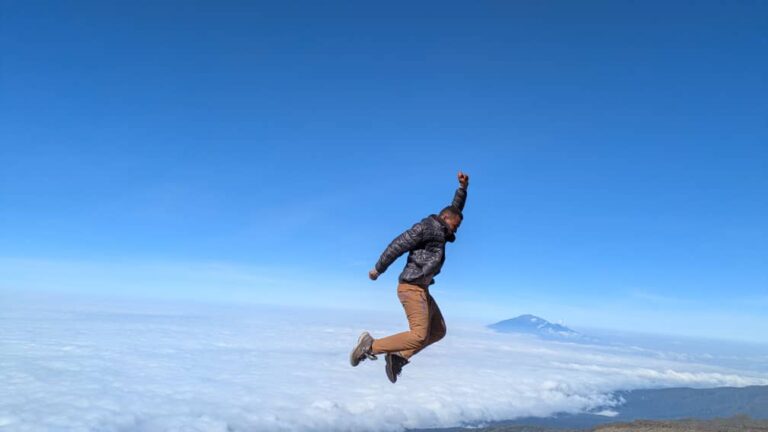
December Kilimanjaro Last-Minute Holiday Deals For Climbs 2026-2027
Planning a Kilimanjaro climb in December 2026 or 2027? Discover last-minute holiday deals, essential tips for winter ascents, and how Top Guide Adventures can make your dream a reality.
View package details
December Kilimanjaro Climb For Solo Travellers 2026-2027
December Kilimanjaro Climb for Solo Travellers is explained with current 2026-2027 planning, price, itinerary and booking information.
View package details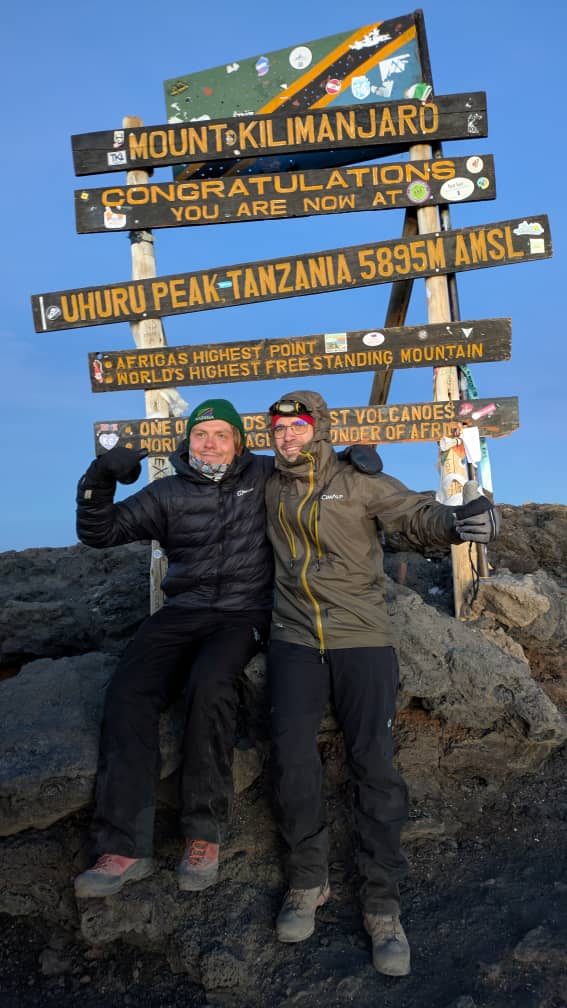
December Kilimanjaro Luxury Festive Expedition: Your Ultimate Guide 2026-2027
Experience a special December Kilimanjaro Luxury Festive Expedition in 2026-2027. This guide covers everything from route selection and peak weather to luxury accommodations and festive...
View package details
December Kilimanjaro Trail Crowd Levels 2026-2027
December Kilimanjaro Trail Crowd Levels is explained with current 2026-2027 planning, price, itinerary and booking information.
View package details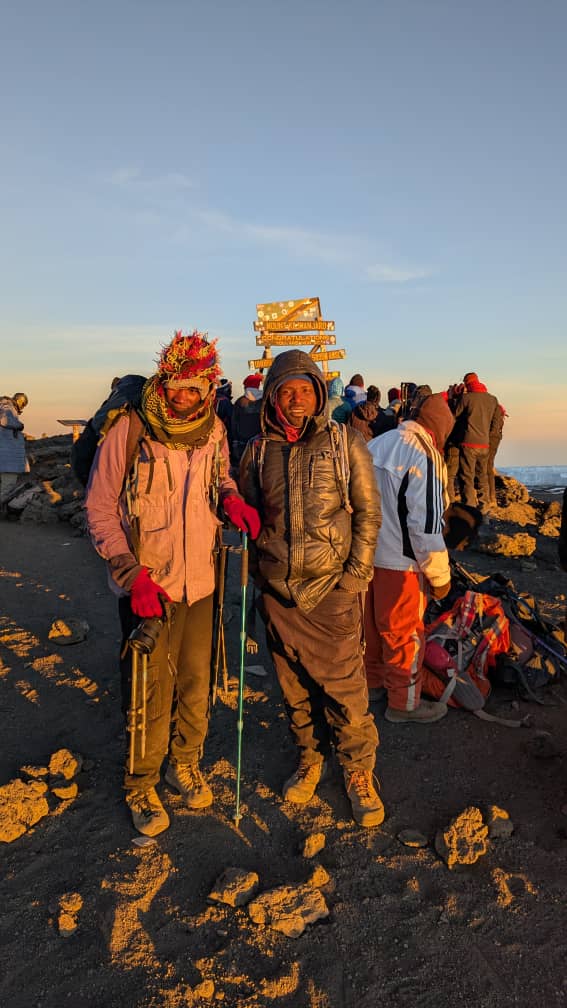
December Kilimanjaro Packing Checklist: Essential Gear For Climbs 2026-2027
Prepare for your December Kilimanjaro climb with our comprehensive packing checklist. This guide covers essential gear, clothing, and tips for conquering Africa's highest peak in the dry...
View package details
December Kilimanjaro Summit Temperature: What To Expect In 2026-2027
Planning a Kilimanjaro climb in December? Understand the extreme cold at the summit, essential gear, and how to prepare for the challenging conditions expected in 2026-2027.
View package details
Is December A Good Month To Climb Kilimanjaro? Your Guide 2026-2027
December offers a unique window for Kilimanjaro climbs, balancing good weather with fewer crowds. This guide explores its advantages and considerations for 2026-2027.
View package details
December Kilimanjaro Peak-Season Prices: Guide 2026-2027
Planning a Kilimanjaro climb in December? This guide breaks down peak-season pricing for 2026-2027, covering route options, inclusions, and what impacts the cost. Discover how to budget...
View package detailsDecember Kilimanjaro And Zanzibar Christmas Package : Your Ultimate Holiday
Combine the thrill of climbing Mount Kilimanjaro with the relaxation of a Zanzibar Christmas. This guide details packages for December 2026 and 2027, offering adventure and festive cheer.
View package details
December Kilimanjaro And Safari Holiday: Your Ultimate Guide 2026-2027
Discover the magic of a December Kilimanjaro and Safari holiday in Tanzania. This comprehensive guide covers everything from choosing the right Kilimanjaro route and safari destinations to...
View package detailsNo related package matches those filters. Clear one or more filters to see the other topic-matched options.



