
A Kilimanjaro National Park gate visit from Moshi is a fantastic opportunity for photography, offering iconic views of the mountain’s base, lush foothills, and often glimpses of wildlife, even without climbing. Typically, this involves a drive to one of the lower park gates like Marangu or Machame, where you can capture stunning landscape shots, document the start of trekking routes, and experience the vibrant local culture surrounding the mountain. Many visitors arrange this as a half-day or full-day excursion from Moshi, combining scenic drives with short walks and photographic exploration, especially popular for those who don’t intend to summit but want to witness Kilimanjaro’s grandeur up close.
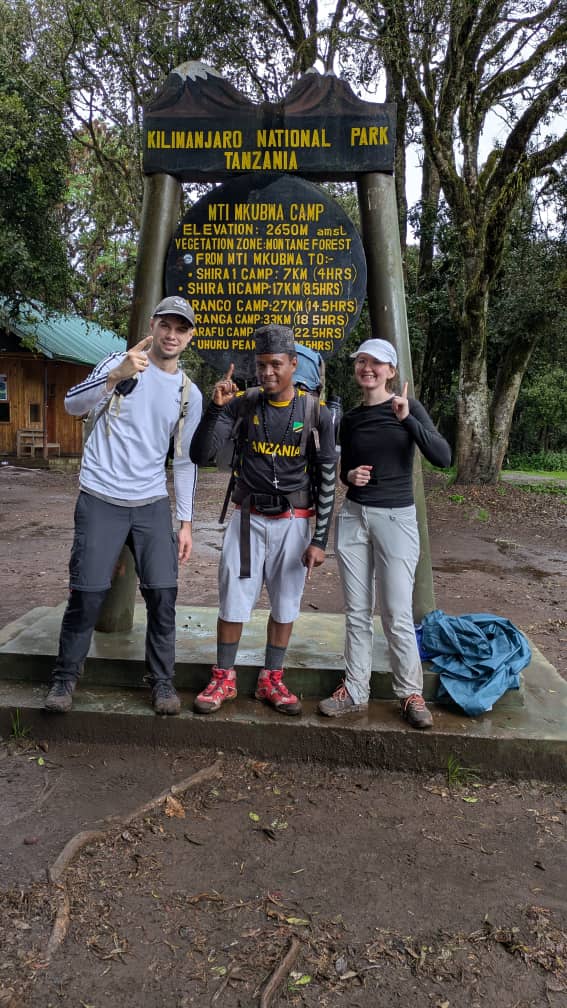

Understanding Your Kilimanjaro National Park Gate Visit From Moshi
For many travelers, the dream of Kilimanjaro is synonymous with summiting its majestic peak. However, Tanzania’s most famous mountain offers incredible experiences even if your itinerary doesn’t include a multi-day trek. A visit to the Kilimanjaro National Park gates from Moshi provides a unique and accessible way to connect with this iconic natural wonder, particularly for photography enthusiasts. This trip isn’t about conquering the summit; it’s about appreciating the mountain’s presence, its surrounding environment, and the gateway to adventures.
Moshi, a bustling town at the foot of Kilimanjaro, serves as the perfect launchpad for these excursions. Its proximity to the park entrances means you can easily arrange a day trip to explore the lower slopes and witness the gateway to the roof of Africa. These visits are designed to be flexible, allowing you to tailor the experience to your interests, with a strong emphasis on capturing the visual splendor of the region. Whether you’re a seasoned photographer or simply wish to document your Tanzanian journey, a Kilimanjaro National Park gate visit from Moshi promises rewarding perspectives.
Why Choose a Gate Visit for Your Kilimanjaro Photo Trip?
Opting for a gate visit from Moshi for your photography expedition offers several distinct advantages:
- Accessibility: It’s a low-effort, high-reward activity. You don’t need extensive trekking experience or a large block of time.
- Iconic Scenery: The lower slopes and gate areas offer classic, often impressive, views of Kilimanjaro’s massif, especially on clear days.
- Cultural Immersion: Gates like Marangu are hubs of activity, with local porters, guides, and villagers, providing rich cultural photographic opportunities.
- Wildlife Potential: While not a safari, the lower altitudes can host diverse birdlife and smaller mammals, adding to the photographic subjects.
- Logistical Simplicity: Arranging a day trip from Moshi is straightforward and can be done on short notice.
- Cost-Effectiveness: Compared to a full climb, a gate visit is significantly more affordable, making it accessible to a wider range of travelers planning for 2026-2027.
Key Gates Accessible from Moshi for Photography
When planning your Kilimanjaro National Park gate visit from Moshi, the choice of gate significantly impacts your photographic opportunities and the overall experience. The two most common and accessible gates for day trips are Marangu Gate and Machame Gate.
Marangu Gate: The “Coca-Cola” Route Entrance
Marangu Gate, situated at an altitude of about 1,860 meters (6,100 feet), is famously known as the starting point for the Marangu route, often nicknamed the “Coca-Cola” route due to its relative ease and accessibility. For photographers, Marangu Gate offers:
- Lush Rainforest: The immediate surroundings are dense, verdant rainforest, providing a dramatically different photographic environment compared to the higher, arid zones of the mountain. Think moss-covered trees, ferns, and the possibility of capturing unique flora and fauna.
- Waterfalls: Nearby waterfalls, like the Kinukamori Falls, offer dynamic water photography opportunities.
- Cultural Hub: This gate is often bustling with activity. You’ll see guides preparing expeditions, porters in their distinctive attire, and local communities interacting. This provides excellent opportunities for candid portraits and documentary-style photography.
- Views of Kibo and Mawenzi: On a clear day, the gate area provides stunning, unobstructed views of Kilimanjaro’s two main peaks, Kibo and Mawenzi, framed by the tropical vegetation. This contrast between the dark volcanic peaks and the vibrant green foreground is a photographer’s delight.
- Accessibility: Marangu Gate is one of the easiest to reach from Moshi, with a well-maintained road. The drive itself offers scenic views of coffee plantations and local villages.
A visit here can include a short hike into the rainforest, perhaps to the first hut on the Marangu route, allowing for deeper exploration and varied shots.
Machame Gate: Gateway to the “Whiskey” Route
Machame Gate, located at around 1,640 meters (5,380 feet), serves as the starting point for the popular Machame route, known for its scenic beauty and challenging ascent. While the gate itself is less of a bustling hub than Marangu, it offers distinct photographic advantages:
- Different Vegetation: Machame Gate is also surrounded by montane forest, but the feel can be slightly different. The journey to the gate often passes through rolling hills and agricultural land, offering varied landscape shots.
- Potential for Wildlife: While not guaranteed, the forest zone around Machame Gate is known for its biodiversity. Photographers might spot various bird species, monkeys (like the Black and White Colobus), and other small mammals.
- Dramatic Mountain Vistas: The views of Kilimanjaro from the approach roads and the gate area can be incredibly dramatic, with the mountain often dominating the skyline.
- Starting Point Atmosphere: Even without the same level of activity as Marangu, you can still capture the essence of the beginning of a major trek, with guides and porters making final preparations.
A visit to Machame Gate is often combined with exploring the nearby town of Machame or visiting local coffee farms, adding more layers to your photographic narrative.
Planning Your Kilimanjaro National Park Gate Visit From Moshi: A Photographer’s Checklist
To ensure your Kilimanjaro National Park gate visit from Moshi is a photographic success, careful planning is key. Here’s a checklist tailored for photographers:
Pre-Trip Preparations
- Book with a Reputable Operator: Companies like Top Guide Adventures can arrange smooth gate visits, including transport, park entry fees, and knowledgeable guides. Contact them via WhatsApp +255616946642 or Email topguideadventures@gmail.com for inquiries for 2026-2027.
- Choose the Right Gate: Decide between Marangu (rainforest, cultural hub) or Machame (different forest feel, potential wildlife) based on your photographic interests.
- Best Time to Visit: While gates are accessible year-round, the dry seasons (June-October and December-February) offer clearer skies and better visibility for mountain photography. However, the rainy seasons can offer dramatic, moody shots of the rainforest. Consider the 2026-2027 dry season for optimal conditions.
- Weather Preparedness: Moshi can be hot, but the mountain gates are at higher altitudes and can be cooler and wetter. Pack layers, including waterproofs.
- Park Entry Fees: Understand that park fees are usually included in tour packages. For 2026-2027, expect these fees to be a significant part of the cost.
Photography Gear Essentials
- Camera and Lenses: Bring your primary camera body and a versatile range of lenses. A wide-angle lens (e.g., 16-35mm) is great for landscapes and the mountain’s scale, while a telephoto lens (e.g., 70-200mm) can isolate details or capture wildlife. A standard zoom (24-70mm) is a workhorse.
- Extra Batteries and Memory Cards: You don’t want to run out of power or space.
- Tripod: Essential for low-light conditions, capturing waterfalls, or for sharp, detailed landscape shots.
- Lens Cleaning Kit: Dust and moisture are common in tropical environments.
- Protective Gear: A rain cover for your camera and bag.
- Power Bank: To keep your phone or other devices charged for backup shots or communication.
On-the-Day Logistics
- Start Early: An early start from Moshi maximizes daylight and increases the chances of clear morning views of Kilimanjaro.
- Hire a Local Guide: Your tour operator will provide one. They know the best viewpoints, local lore, and can help spot wildlife.
- Stay Hydrated and Sun Protected: Even in the shade of the forest, the equatorial sun is strong.
- Respect Local Customs: Always ask permission before taking close-up photos of people.
- Leave No Trace: Pack out everything you pack in.
The Photographic Journey: What to Expect at the Gates
Your Kilimanjaro National Park gate visit from Moshi is more than just a drive; it’s an experience designed to unfold visually. As you leave Moshi, the landscape gradually shifts. Coffee plantations and smallholder farms give way to more dense vegetation. The air becomes fresher, and the imposing silhouette of Kilimanjaro begins to dominate the horizon.
The Drive and Arrival
The journey to the gate, whether Marangu or Machame, is often scenic in itself. Roads wind through villages where daily life unfolds. Children wave, women carry baskets, and men tend to their fields. These fleeting moments offer candid photographic opportunities. As you approach the park boundary, the entrance structures come into view. These are often simple buildings, but they mark the transition into a protected natural area. Park rangers might be present, and you’ll see the official signage. The air here is typically cooler and carries the scent of damp earth and vegetation.
Marangu Gate: A Symphony of Green and Grandeur
Arriving at Marangu Gate, the first thing that strikes you is the lushness. Towering trees form a dense canopy, filtering the sunlight. The ground is carpeted with ferns and mosses. If the sky is clear, Kilimanjaro’s peaks rise majestically above this verdant world. The contrast is striking: the dark, ancient volcanic rock against the vibrant, living green. Photographers can:
- Capture the Scale: Use the gate buildings, vehicles, or people as reference points to emphasize Kilimanjaro’s immense size.
- Focus on Rainforest Details: Look for macro opportunities – intricate patterns on leaves, colorful fungi, or the textures of bark.
- Document the Porter Culture: The Marangu route is unique in allowing porters and guides to accompany climbers all the way to the summit. You’ll see them in their distinctive uniforms, often with impressive loads, preparing for expeditions. This is a rich area for portraiture and action shots.
- Shoot Water Features: If you venture towards nearby waterfalls, experiment with long exposures to create silky smooth water effects.
The atmosphere at Marangu Gate can be quite lively, especially when expeditions are starting or returning. This provides dynamic scenes to capture.
Machame Gate: Majestic Views and Forest Trails
Machame Gate offers a slightly different visual narrative. While also in the montane forest zone, the approach might offer more expansive views of the surrounding countryside before you enter the park proper. At the gate itself:
- Panoramic Mountain Vistas: On clear days, Kilimanjaro dominates the view. The gate area might offer clearings that provide excellent, wide-angle perspectives.
- Forest Exploration: A short walk from the gate can lead you deeper into the forest. Keep an eye out for the unique flora and fauna. Birdsong fills the air, and if you’re lucky, you might spot troops of monkeys moving through the canopy.
- The Start of the Journey: You can photograph the initial stages of the Machame route, observing the guides checking equipment and the trekkers embarking on their adventure.
- Light Play: The way sunlight filters through the forest canopy can create dramatic lighting conditions, perfect for atmospheric shots.
Machame is often perceived as a more serene starting point, allowing for a more focused photographic session on the natural environment and the mountain itself.
Maximizing Your Photography: Tips and Techniques
Beyond the gear and the location, employing specific photographic techniques will elevate your images from simple snapshots to compelling visual stories.
Capturing Kilimanjaro’s Scale and Majesty
Kilimanjaro is enormous. Conveying this scale in a photograph is a common challenge. Use these techniques:
- Include Foreground Elements: Place trees, rocks, or even people in the foreground to provide a sense of depth and scale. A small human figure against the vast mountain emphasizes its size.
- Use a Wide-Angle Lens: These lenses capture a broad field of view, making the mountain appear even more expansive.
- Shoot During Golden Hours: Sunrise and sunset cast a warm, dramatic light on the mountain, highlighting its textures and contours. Early morning light from Moshi or the gate areas can be particularly stunning.
- Look for Leading Lines: Roads, paths, or riverbeds leading towards the mountain can draw the viewer’s eye into the scene.
Photographing the Rainforest Environment
The montane forests of Kilimanjaro are rich ecosystems, offering a wealth of photographic subjects:
- Focus on Texture and Detail: The mosses, lichens, ferns, and gnarled tree roots provide incredible textures. Use a macro lens or get close with a standard lens to capture these details.
- Shoot in the Shade: The dense canopy creates deep shade, which can be challenging. Use a wider aperture, increase your ISO, or use a tripod for longer exposures. This also helps capture the vibrant greens without harsh highlights.
- Capture the Light: Look for sunbeams filtering through the trees. This adds drama and highlights specific elements within the forest.
- Wildlife Photography: Be patient and quiet. Use a telephoto lens if you have one. Focus on birds, monkeys, or insects. Even a blurred shape of a monkey in the trees tells a story.
Documenting the Human Element
The gates are interfaces between the mountain and the people who interact with it. These are vital parts of the photographic narrative:
- Candid Shots: Observe the interactions between guides, porters, and travelers. These unposed moments often reveal the emotion and effort involved in climbing Kilimanjaro.
- Portraits: With permission, take portraits of the local guides and porters. Their faces tell stories of resilience and connection to the mountain.
- Action Shots: Capture the energy of expeditions setting off – porters carrying gear, guides giving final instructions.
- Cultural Details: Photograph the colorful uniforms, the traditional gear, and the vibrant atmosphere at the gate.
Beyond the Gates: Extending Your Photographic Exploration
While the park gates are the primary focus, your visit from Moshi can be enhanced by exploring the surrounding areas, which offer complementary photographic opportunities.
Moshi Town and Local Villages
Spend time in Moshi itself. The town market is a riot of color, sounds, and activity. Photographing local produce, crafts, and the daily hustle provides a vibrant contrast to the mountain’s natural beauty. The surrounding villages offer glimpses into rural Tanzanian life, with traditional housing, farming practices, and warm community interactions.
Coffee Plantations
The slopes of Kilimanjaro are ideal for coffee cultivation. Many tours can include visits to local coffee farms. These offer opportunities to photograph the entire process, from bean to cup, set against the backdrop of the mountain. The lush green coffee plants, the workers tending to them, and the drying beans all make for compelling images.
Waterfalls and Local Excursions
Near Marangu, waterfalls like Kinukamori and Nahonyo offer excellent subjects for nature photography. The sound of rushing water, the spray, and the surrounding lush vegetation create a dynamic environment. Other day trips from Moshi might include visiting local communities or exploring the foothills, each offering unique visual stories.
Practicalities for 2026-2027 Planning
As you plan your Kilimanjaro National Park gate visit from Moshi for 2026-2027, consider these practical aspects:
- Booking Window: While gate visits are flexible, booking your tour operator in advance is recommended, especially during peak seasons (July-October and December-February). This ensures availability and allows for better planning.
- Tour Operator Choice: Selecting a reliable operator like Top Guide Adventures is crucial. They handle permits, transport, and guides, ensuring a smooth experience. You can reach them for a personalized quote via WhatsApp +255616946642 or Email topguideadventures@gmail.com.
- Costs: A day trip to a Kilimanjaro National Park gate typically ranges from $100 to $250 per person, depending on the gate, duration, inclusions (like lunch, park fees), and the number of people in your group. This cost generally covers park entry fees, a vehicle, a driver-guide, and potentially a local guide at the gate. For 2026-2027, expect potential minor adjustments in pricing due to inflation and park fee changes, so always request a current quote.
- What’s Included: Ensure your package includes park entry fees, transportation from Moshi and back, and any meals. Clarify what is excluded, such as tips for guides or personal expenses.
- Visa and Health: Check current visa requirements for Tanzania and recommended vaccinations or malaria precautions well in advance of your 2026-2027 travel dates.
Choosing the Right Tour Operator: Top Guide Adventures
Selecting the right partner for your Kilimanjaro National Park gate visit from Moshi is paramount for a successful and enjoyable photo trip. Top Guide Adventures is a locally-owned and operated company with extensive experience in guiding travelers through Tanzania’s natural wonders. They understand the nuances of Kilimanjaro, from its climbing routes to the accessible beauty of its lower slopes.
When you connect with Top Guide Adventures for your 2026-2027 plans, you can expect:
- Expert Local Knowledge: Guides who know the best times for light, the most photogenic spots, and the cultural significance of the areas you’ll visit.
- Customizable Itineraries: Whether you want a half-day focus on Marangu Gate’s rainforest or a full day exploring Machame’s vistas, they can tailor the trip.
- Reliable Logistics: Comfortable transportation from Moshi, timely pickups, and well-planned routes.
- Clear Communication: Prompt responses to your inquiries regarding costs, inclusions, and best practices for your photo trip.
- Commitment to Safety and Quality: Ensuring your visit is not only visually rewarding but also safe and comfortable.
For detailed information, custom quotes, and to book your unforgettable Kilimanjaro National Park gate visit from Moshi, reach out to Top Guide Adventures:
- WhatsApp: +255616946642
- Email: topguideadventures@gmail.com
- Website: www.topguideadventures.com
They are dedicated to making your photographic journey to Kilimanjaro’s doorstep a highlight of your Tanzanian adventure in 2026 or 2027.
Check Availability for Kilimanjaro National Park Gate Visit From Moshi – Your Essential Photo Trip
Ready to compare dates, prices, and the best option for your group? Send the package name and travel month so the team can reply with a clear quote, availability, and what is included.
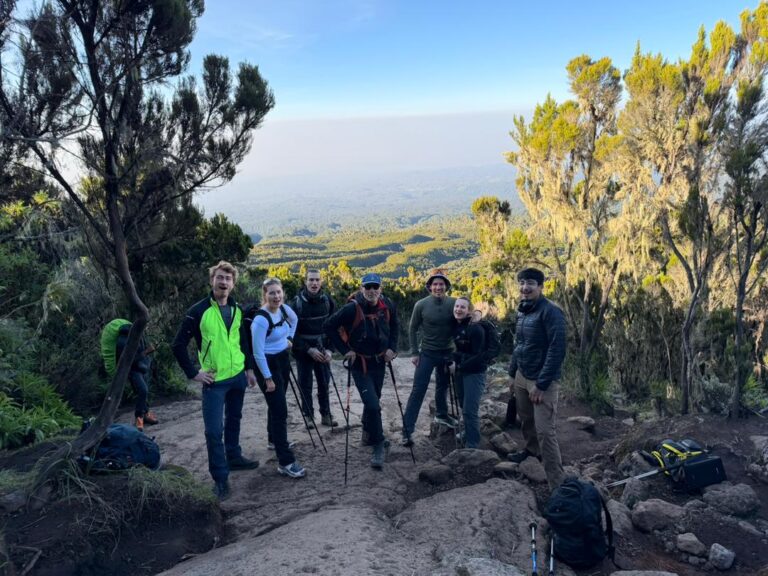
Umbwe Gate Photo Tour From Moshi – Kilimanjaro Day Visit 2026-2027
Discover the rugged beauty of Kilimanjaro's Umbwe Gate on a specialized day tour from Moshi. This article details what to expect, photography opportunities, and practical planning for your...
View package details
Private Kilimanjaro Gate Tour From Moshi: Scenic Photo Stops & Logistics
Explore private Kilimanjaro gate tours departing from Moshi, focusing on scenic photo opportunities and essential logistical details for your 2026-2027 adventure. This guide covers...
View package details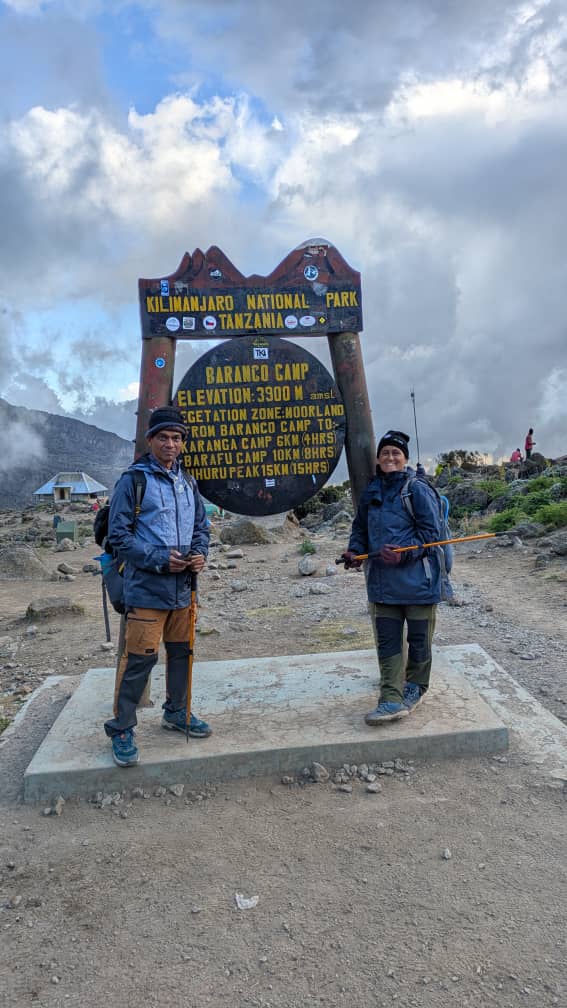
Marangu Gate Day Trip From Moshi – Your Kilimanjaro Photo Tour 2026-2027
Discover the best of Kilimanjaro's lower slopes with a Marangu Gate day trip from Moshi. Perfect for photographers and those seeking a taste of the mountain without a full trek, this tour...
View package detailsKilimanjaro Gate Tour From Moshi: Photos Without Climbing In 2026-2027
Discover the Kilimanjaro Gate Tour from Moshi, an ideal option for capturing impressive photos of Africa's highest peak without undertaking a strenuous climb. This tour offers accessible...
View package details
Londorossi Gate Day Trip From Moshi – Lemosho Route Photos & Guide 2026-2027
Discover the Londorossi Gate day trip from Moshi, your initial glimpse into the stunning Lemosho Route of Kilimanjaro. This guide provides insights, photo opportunities, and essential...
View package detailsMount Kilimanjaro Photo Tour From Moshi – No Hiking Required 2026-2027
Discover the majesty of Mount Kilimanjaro without the strenuous climb. Our specialized photo tours from Moshi offer unparalleled photographic opportunities at accessible locations, perfect...
View package details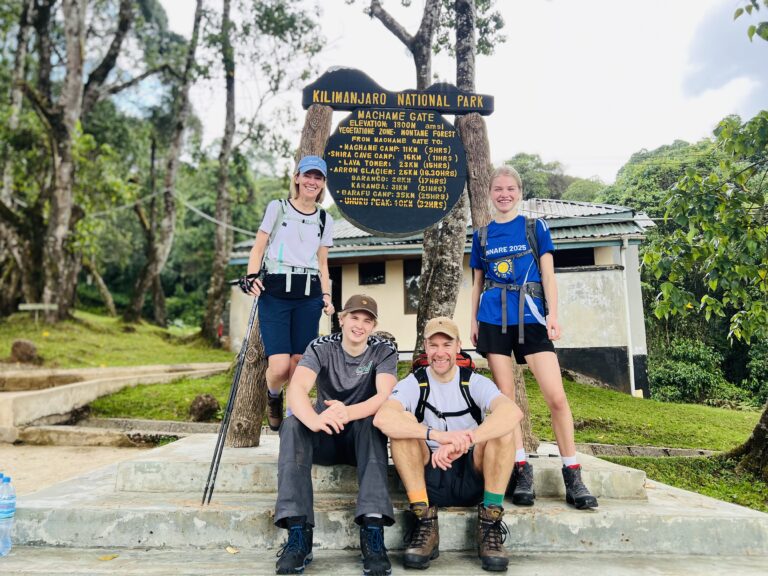
Kilimanjaro Sunrise Photography Tour From Moshi – Private Trip 2026-2027
Capture the magic of a Kilimanjaro sunrise on a private photography tour departing from Moshi. This specialized trip offers unparalleled opportunities for photographers to document the...
View package detailsPrivate Kilimanjaro Photo Safari From Moshi – Mountain Views 2026-2027
Discover the ultimate private Kilimanjaro photo safari experience starting from Moshi. This guide details how to capture impressive mountain vistas, essential gear, best times to visit in...
View package details
Affordable Kilimanjaro Photo Tour From Arusha: Gate Visit & Full Itinerary
Discover affordable Kilimanjaro photo tours departing from Arusha, featuring essential gate visits and comprehensive itineraries for 2026-2027. This guide details how to capture stunning...
View package details
Private Kilimanjaro Gate Visit From Arusha – Your Guided Photo Tour Experience
Discover the unique opportunity for a private Kilimanjaro gate visit from Arusha, tailored for photographers and trekkers. This guided photo tour offers exclusive access and stunning...
View package details
Rongai Gate Day Trip From Moshi – Northern Kilimanjaro Tour In 2026-2027
Discover the Rongai Gate day trip from Moshi, a fantastic way to experience the northern slopes of Kilimanjaro. This tour offers stunning views, wildlife potential, and a unique perspective...
View package detailsAffordable Kilimanjaro Gate Day Trip From Moshi – Best Price 2026-2027
Discover affordable Kilimanjaro Gate day trip options from Moshi. This guide focuses on securing the best prices for 2026-2027, outlining what to expect, inclusions, and booking tips.
View package detailsNo related package matches those filters. Clear one or more filters to see the other topic-matched options.



