
A private Kilimanjaro photo safari from Moshi offers a focused, exclusive experience for photographers seeking to capture the iconic mountain’s grandeur and surrounding landscapes. This type of tour typically involves tailored itineraries, private transport, expert guides, and flexible timings to maximize photographic opportunities of Kilimanjaro’s diverse scenery and wildlife, often from vantage points accessible by vehicle or short walks, especially during the prime trekking seasons of 2026-2027.
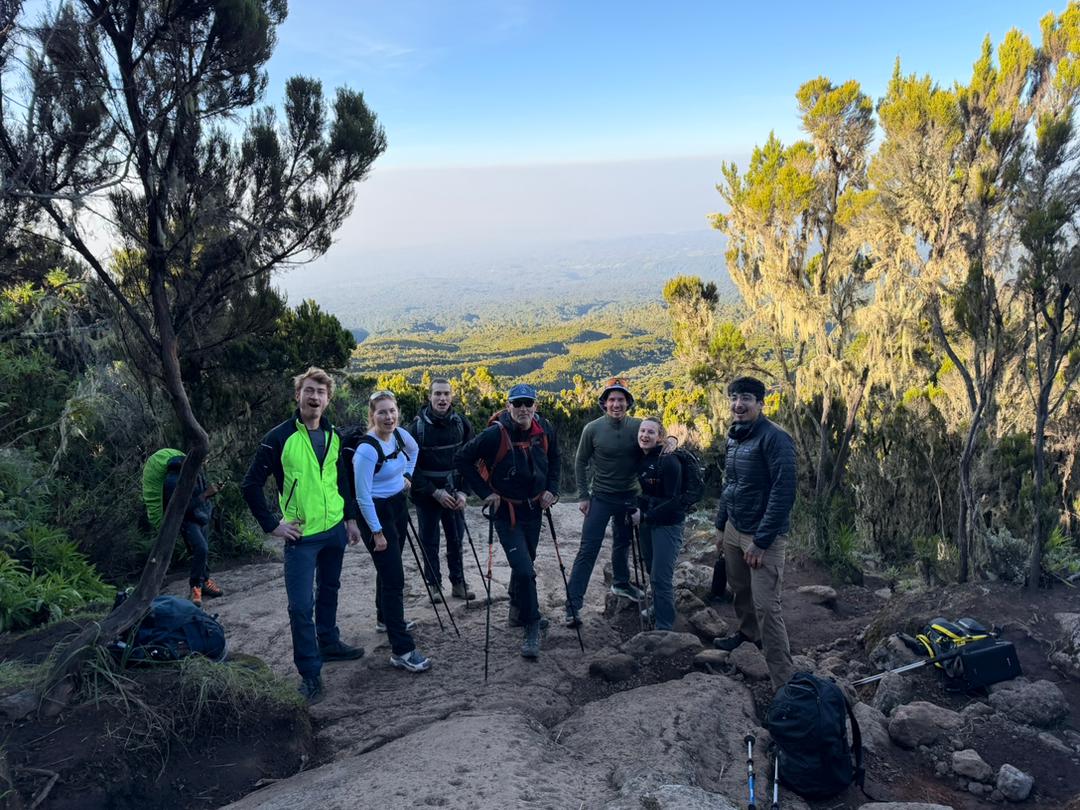
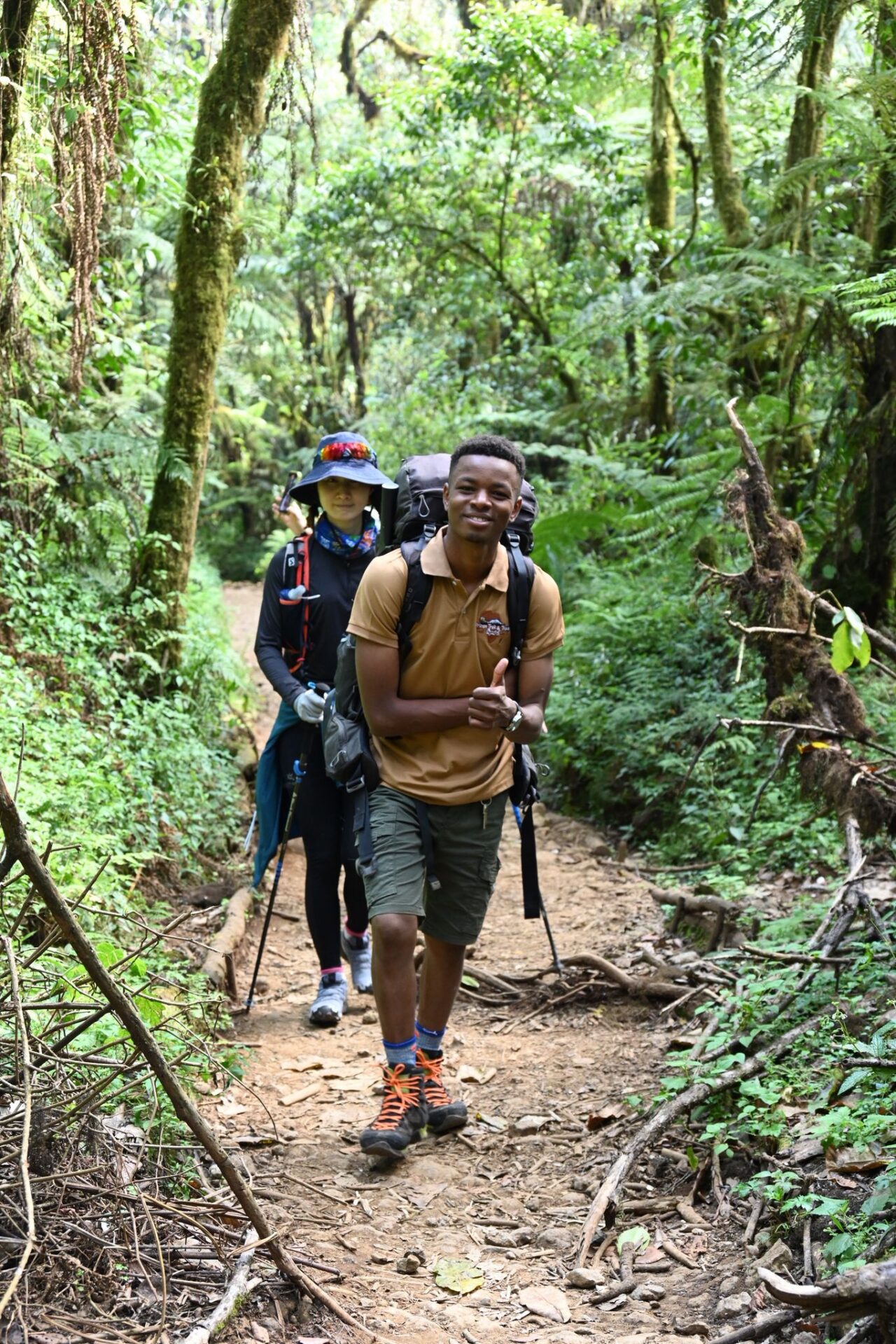
Capturing Kilimanjaro’s Majesty: A Private Photo Safari from Moshi
A private Kilimanjaro photo safari from Moshi is more than just a trip; it’s a curated expedition designed for those who wish to document Africa’s highest peak through their lenses. Unlike standard safaris that focus primarily on wildlife viewing, a photo safari prioritizes light, composition, and the dramatic landscapes that define the Kilimanjaro region. Starting from Moshi, the gateway town at the mountain’s base, provides unparalleled access and a perfect launchpad for your photographic journey.
This specialized safari allows you to explore areas around Kilimanjaro that offer spectacular views, from the cultivated foothills to the vast plains and unique ecosystems found at different altitudes. Whether you’re aiming to capture the sunrise painting the snow-capped summit, the intricate details of high-altitude flora, or the vibrant local life in the surrounding communities, a private setup ensures you have the time and flexibility to get the perfect shot.
For 2026 and 2027, planning is key to securing the best conditions and availability. This guide will walk you through everything you need to know to plan your unforgettable private Kilimanjaro photo safari from Moshi, ensuring you make the most of this incredible photographic adventure.
Why Choose a Private Photo Safari from Moshi?
Opting for a private photo safari from Moshi brings distinct advantages, especially for photographers. The exclusivity and flexibility are paramount, allowing you to dictate the pace and focus of your adventure.
- Exclusive Access and Flexibility: Unlike group tours, a private safari means your itinerary is tailored to your photographic interests. You can spend extra time at a particular viewpoint, wait for the perfect light, or request stops at locations not typically on standard routes. This is crucial for capturing fleeting moments and unique perspectives of Kilimanjaro.
- Expert Guidance for Photographers: Your private guide isn’t just knowledgeable about the terrain and wildlife; they understand the needs of a photographer. They can help identify optimal shooting locations, advise on the best times of day for light, and even assist in spotting wildlife or scenic elements that might otherwise be missed.
- Comfort and Convenience: Traveling in a private vehicle with a dedicated driver-guide ensures comfort and privacy. You can control the music, the temperature, and the stops, making the journey as enjoyable as the destination. This is particularly beneficial when carrying sensitive camera equipment.
- Focus on Mountain Views: While wildlife is part of the Tanzanian experience, a photo safari from Moshi can be specifically designed to maximize Kilimanjaro’s visual presence. This means visiting viewpoints that offer panoramic vistas of the mountain, especially during dawn and dusk when the light is most dramatic.
- Tailored to Your Photographic Style: Whether you’re interested in landscape, wildlife, cultural, or macro photography, a private safari can be adjusted. You can request routes that pass through areas known for specific subjects, ensuring your photographic goals are met.
Starting from Moshi positions you perfectly to explore the mountain’s slopes, the lower rainforests, and the surrounding agricultural lands, all of which offer compelling photographic subjects with Kilimanjaro as a constant, majestic backdrop.
Understanding the ‘Photo Safari’ Concept Around Kilimanjaro
When we speak of a ‘photo safari’ in the context of Kilimanjaro, it’s important to differentiate it from a traditional wildlife-focused safari in parks like the Serengeti or Maasai Mara. While Kilimanjaro National Park does host wildlife, the primary draw for a photo safari here is the mountain itself and its diverse environments.
Key Elements of a Kilimanjaro Photo Safari:
- Landscape Photography: The towering presence of Kilimanjaro, its changing moods with the weather, the vast plains stretching from its base, and the unique vegetation zones (rainforest, moorland, alpine desert, arctic summit) offer endless landscape opportunities.
- Wildlife Photography: While not the main focus, the lower slopes and surrounding areas are home to diverse fauna. You might encounter various monkey species, forest birds, and even larger mammals like elephants and buffalo in the Kilimanjaro National Park or nearby conservancies.
- Cultural Photography: The Chagga people, who inhabit the fertile slopes of Kilimanjaro, have a rich culture. Visiting local villages, coffee plantations, and markets provides opportunities for compelling portraits and scenes of daily life.
- Sunrise and Sunset Shots: The dramatic light on Kilimanjaro’s summit, especially during sunrise and sunset, is a photographer’s dream. Private safaris allow for strategic positioning to capture these moments.
- Astrophotography: The clear skies at higher altitudes, away from light pollution, can be ideal for capturing the Milky Way or star trails with Kilimanjaro silhouetted against the night sky.
A private photo safari from Moshi allows for the flexibility to pursue these different photographic interests, moving between different altitudes and environments as the light and conditions permit. The focus remains on creating stunning visual narratives of the mountain and its surroundings.
Best Times for Your Private Kilimanjaro Photo Safari (2026-2027)
Timing is critical for photography, especially when dealing with mountain weather and light. For Kilimanjaro, the best periods offer clearer skies and drier conditions, which are ideal for both visibility and comfortable shooting.
Prime Seasons:
- January to March: This period is generally dry and offers excellent visibility. The skies are often clear, providing crisp views of the mountain. It’s also a good time for astrophotography.
- June to October: This is the long dry season, characterized by cool, dry weather and clear skies. These months are excellent for capturing Kilimanjaro in its full glory, with minimal cloud cover obscuring the views. This period is also popular for trekking, meaning more ambient life in the lower regions.
Shoulder Seasons:
- April to May: These months mark the long rainy season. While not ideal for consistent clear views, rain often comes in short, intense bursts, leaving behind dramatically clean air and lush landscapes. If you’re seeking moody shots and vibrant greenery, this could be an option, but expect potential disruptions.
- November to December: This is the short rainy season. Rainfall is less predictable, but showers are common. However, clear mornings and evenings are still possible, offering good photographic opportunities.
Planning for 2026-2027:
For planning your 2026-2027 trip, consider booking your private safari during the January-March or June-October windows for the highest probability of excellent photographic conditions. Booking well in advance is recommended, especially for peak months, to secure your preferred dates and guide.
Crafting Your Private Kilimanjaro Photo Safari Itinerary from Moshi
A private photo safari itinerary from Moshi can be as varied as Kilimanjaro itself. The key is to balance travel time with dedicated shooting time, focusing on diverse viewpoints and light conditions.
Sample Itinerary Structure (Adaptable):
This is a conceptual framework; your actual itinerary will be customized by Top Guide Adventures based on your interests and the best photographic opportunities available.
Day 1: Arrival in Moshi & Local Exploration
* Arrive at Kilimanjaro International Airport (JRO) or Arusha Airport (ARK).
* Transfer to your lodge/hotel in Moshi.
* Meet your guide for a briefing and gear check.
* Afternoon: Explore Moshi town, visit local markets, or take short drives to nearby viewpoints for initial shots of Kilimanjaro, perhaps focusing on the foothills and agricultural landscape.
Day 2: Foothills and Coffee Plantations
* Morning: Drive to the lower slopes of Kilimanjaro. Focus on the lush rainforest, waterfalls, and coffee plantations.
* Capture images of local farming life, Chagga culture, and the mountain peeking through the canopy.
* Afternoon: Visit a viewpoint offering panoramic vistas of the plains and the mountain’s base.
Day 3: Kilimanjaro National Park – Shira Plateau Approach (Vehicle Accessible Points)
* Early start: Drive towards Kilimanjaro National Park. Depending on vehicle access and road conditions, aim for viewpoints that offer expansive views towards the Shira Plateau or Kibo Massif.
* Focus on the dramatic change in vegetation and the imposing scale of the mountain.
* Look for opportunities to photograph unique alpine flora and any wildlife encountered.
Day 4: Amboseli National Park (Kenya) or West Kilimanjaro (Tanzania) for Iconic Views
* Option A (Requires Border Crossing): Full-day trip to Amboseli National Park in Kenya. Famous for its large elephant herds with Kilimanjaro as a spectacular backdrop. This offers iconic wildlife and landscape photography.
* Option B (Tanzania Focus): Explore areas in West Kilimanjaro, which offer stunning, unobstructed views of Kilimanjaro across the plains. This region is less visited but provides exceptional photographic opportunities without crossing the border.
Day 5: Materuni Waterfalls & Chagga Village Tour
* Morning: Visit Materuni Waterfalls for dynamic shots of the cascading water, surrounded by dense forest.
* Experience a traditional Chagga coffee-making process, offering excellent cultural photography opportunities.
* Afternoon: Return to Moshi for reviewing photos, relaxing, or a final sunset shoot from a local vantage point.
Day 6: Departure or Extension
* Enjoy a final breakfast with Kilimanjaro views.
* Transfer to the airport for your onward journey.
Customization Options:
- Extended Stays: Add days to explore different slopes, visit more remote villages, or dedicate more time to specific photographic subjects.
- Wildlife Focus: Combine this with short safaris in nearby parks like Arusha National Park for a mix of mountain and wildlife photography.
- Cultural Immersion: Spend more time in villages, learning about local life and capturing authentic portraits.
This flexible structure allows Top Guide Adventures to craft a truly unique experience for every photographer.
Essential Photography Gear for Your Kilimanjaro Trip
Packing the right photography gear is crucial for a successful trip. You’ll need equipment that can handle varied conditions, from bright sun to low light, and is robust enough for travel.
Camera Body and Lenses:
- Primary Camera: A DSLR or mirrorless camera with manual controls is recommended. Consider a backup body if possible.
- Wide-Angle Lens: Essential for capturing sweeping landscapes of Kilimanjaro and its surroundings (e.g., 16-35mm or 10-24mm equivalent).
- Mid-Range Zoom Lens: Versatile for general landscape, environmental portraits, and some wildlife (e.g., 24-70mm or 18-55mm equivalent).
- Telephoto Lens: Crucial for wildlife photography and for compressing distant landscapes to emphasize Kilimanjaro’s scale (e.g., 70-200mm, 100-400mm, or longer).
- Prime Lens (Optional): A fast prime lens (e.g., 50mm f/1.8) can be great for low light and portraits.
Support and Stability:
- Tripod: A sturdy but lightweight tripod is essential for low-light photography, long exposures, and capturing sharp landscape shots, especially during sunrise/sunset or astrophotography.
- Remote Shutter Release/Timer: Minimizes camera shake when using a tripod.
Lighting and Power:
- Extra Batteries: Cold temperatures can drain batteries faster. Bring at least 2-3 spares.
- Memory Cards: Plenty of high-capacity, fast memory cards. Consider bringing more than you think you’ll need.
- Power Bank/Portable Charger: Useful for charging devices on the go.
- Universal Travel Adapter: Tanzania uses Type D and Type G outlets (230V).
Protection and Accessories:
- Camera Bag: A comfortable, durable camera backpack that can hold your gear securely and protect it from dust and elements.
- Rain Cover/Waterproof Bag: Essential for protecting your camera from rain or dust.
- Lens Cleaning Kit: Microfiber cloths, lens cleaning solution, and a blower brush are vital for keeping your lenses spotless.
- Dust Blower: To remove dust from sensors and lenses.
- GPS Device/App: For geotagging photos and navigation.
- Notebook and Pen: For noting down settings, locations, and photo ideas.
Personal Comfort for Photography:
- Warm Layers: Evenings and early mornings can be cold, especially at higher altitudes.
- Sun Protection: Hat, sunglasses, and sunscreen are crucial.
- Comfortable Footwear: For walking around viewpoints.
For 2026-2027 Planning: Ensure your gear is up-to-date and tested before your trip. Consider investing in weather-sealed equipment if you plan to shoot in challenging conditions.
Choosing Your Accommodation Base in Moshi
Moshi offers a range of accommodation options that can serve as a comfortable base for your private photo safari. Your choice will influence your overall experience and budget.
- Luxury Lodges: Offer premium amenities, often with stunning views of Kilimanjaro, fine dining, and excellent service. These provide a relaxing retreat after a day of photography.
- Mid-Range Hotels and Guesthouses: Comfortable and well-equipped, offering good value. Many have pleasant gardens or balconies where you can enjoy morning or evening light on the mountain.
- Budget-Friendly Options: Simple, clean accommodation that focuses on essential comfort. Ideal if your priority is maximizing your safari budget for experiences rather than lodging.
- Boutique Stays: Unique properties offering personalized service and local charm, often reflecting Tanzanian architecture and culture.
When booking your private safari, Top Guide Adventures can recommend accommodations that best suit your style and photographic needs, ensuring easy access to departure points and a pleasant atmosphere.
Logistics and Practicalities for Your Photo Safari
Effective logistics are key to a smooth and productive private photo safari. Understanding these details will help you prepare and enjoy your trip.
Transportation:
- Private 4×4 Safari Vehicle: Essential for comfort and navigating varied terrain. These vehicles are typically equipped with pop-up roofs for unobstructed photography.
- Driver-Guide: Your driver-guide is crucial. They should be experienced, knowledgeable about photography locations, and able to drive safely while you shoot.
- Transfers: Arranging airport transfers to and from your Moshi accommodation is standard.
Guides and Expertise:
- Photography Guide (Optional but Recommended): Some tours offer specialized photography guides who can provide technical advice, composition tips, and insights into wildlife behavior and landscape features.
- Local Guides: For cultural visits or specific hikes, local guides enhance the experience and provide safety.
Park Fees and Permits:
- Kilimanjaro National Park Fees: These are substantial and usually included in your safari package. Confirm what is covered.
- Other Park Fees: If your itinerary includes other parks (e.g., Amboseli, Arusha), their fees will also need to be accounted for.
Health and Safety:
- Vaccinations and Malaria Prevention: Consult your doctor regarding recommended vaccinations and malaria prophylaxis for Tanzania.
- Travel Insurance: Comprehensive travel insurance covering medical emergencies, trip cancellations, and equipment loss is highly recommended.
- Altitude Sickness: While this safari is not a high-altitude trek, some viewpoints can be at considerable elevation. Stay hydrated and ascend gradually if possible.
Connectivity:
- Mobile Coverage: Mobile phone service can be spotty in remote areas. Consider purchasing a local SIM card for better rates and coverage.
- Wi-Fi: Available in most hotels and lodges in Moshi, but less reliable in rural areas.
Currency and Payments:
- Tanzanian Shilling (TZS): The local currency. US Dollars are also widely accepted, especially for park fees and larger purchases.
- ATMs: Available in Moshi and larger towns.
- Credit Cards: Accepted in larger hotels and some shops, but less common in rural areas.
For 2026-2027: Research current park fee structures and visa requirements well in advance. Ensure your insurance covers all planned activities.
What to Expect Visually: The Photographic Subjects
The visual rewards of a private Kilimanjaro photo safari from Moshi are immense. The diversity of subjects ensures a rich portfolio for any photographer.
Kilimanjaro Itself:
- The Summit Cone: Capture its iconic shape, the glaciers (though sadly receding), and the dramatic interplay of light and shadow.
- Changing Light: Sunrise paints the eastern slopes gold, while sunset casts long shadows and warm hues. Clouds can add drama or obscure views, offering different moods.
- Scale and Perspective: From the plains, Kilimanjaro dominates the horizon. From the lower slopes, you can frame shots looking up at its imposing mass.
Flora and Fauna:
- Rainforest Life: Lush vegetation, vibrant flowers, and diverse birdlife. Monkeys like the Colobus and Sykes’ monkeys are common.
- Moorland and Alpine Zones: Unique plants like giant heathers, groundsels, and lobelias. Less wildlife here, but the stark beauty is compelling.
- Wildlife on the Plains: Giraffes, zebras, wildebeest, and elephants can often be seen in areas like Amboseli or the plains surrounding Kilimanjaro, with the mountain as a constant backdrop.
Cultural Encounters:
- Chagga People: Portraits of elders, children, farmers working the land, and scenes from daily life.
- Coffee Plantations: Capture the process from bean to cup, the vibrant green leaves, and the local workers.
- Local Markets: Bustling scenes filled with color, texture, and human interaction.
Atmospheric Conditions:
- Mist and Clouds: Often shroud the lower slopes or peak, creating moody and dramatic shots.
- Clear Skies: Offer sharp, high-contrast images and excellent opportunities for astrophotography.
- Dust and Haze: Can soften light and create atmospheric effects, especially during dry seasons.
Comparing Private Photo Safaris with Other Kilimanjaro Experiences
It’s helpful to understand how a private photo safari from Moshi differs from other ways to experience Kilimanjaro.
Vs. Standard Kilimanjaro Treks (e.g., Machame, Lemosho):
- Focus: Treks are about summiting. Photo safaris are about capturing the mountain and its surroundings from various accessible points.
- Mobility: Treks involve days of hiking. Photo safaris rely on vehicles for transport, with optional short walks.
- Altitude: Treks go to high altitudes (up to 5,895m). Photo safaris typically stay at lower to mid-altitudes, though some viewpoints can be elevated.
- Accommodation: Treks involve camping. Photo safaris use lodges and hotels in Moshi and surrounding areas.
Vs. Wildlife-Focused Safaris (e.g., Serengeti):
- Primary Subject: Serengeti focuses on the ‘Big Five’ and migration. Kilimanjaro photo safaris focus on the mountain, landscapes, and cultural elements, with wildlife as a secondary subject.
- Environment: Serengeti is savanna and plains. Kilimanjaro offers diverse zones from rainforest to alpine desert.
- Pace: Wildlife safaris often involve long hours driving in search of animals. Photo safaris allow for more deliberate composition and waiting for light at scenic spots.
Vs. Group Photo Safaris:
- Cost: Group safaris are generally cheaper due to shared costs.
- Flexibility: Private safaris offer maximum flexibility in itinerary and timing. Group safaris have a set schedule and group consensus dictates stops.
- Experience: Private tours offer a more personalized and intimate experience, ideal for photographers who need specific conditions.
A private photo safari from Moshi is the best choice if your primary goal is to create a stunning photographic portfolio of Kilimanjaro and its environs, with comfort, flexibility, and expert support.
Booking Your Private Kilimanjaro Photo Safari for 2026-2027
Booking your private Kilimanjaro photo safari with a reputable operator is essential for a successful and memorable trip. Top Guide Adventures specializes in creating bespoke photographic experiences.
Steps to Book:
- Inquire Early: Especially for 2026-2027 travel, start your planning process at least 6-12 months in advance. This allows for itinerary customization and securing preferred dates.
- Contact us via WhatsApp +255616946642 for immediate queries.
- Send an email to topguideadventures@gmail.com or info@topguideadventures.com for detailed requests.
- Consultation: Discuss your photographic interests, desired locations, accommodation preferences, and budget with our team. We will help tailor an itinerary that maximizes your photographic opportunities.
- Itinerary and Quote: Receive a detailed itinerary and a comprehensive quote based on your customized plan. Ensure you understand inclusions and exclusions (e.g., park fees, meals, guide services, accommodation type).
- Deposit and Confirmation: A deposit is typically required to confirm your booking. The remaining balance is usually due closer to your travel date.
- Pre-Trip Preparation: We will provide pre-trip information, including packing lists, visa advice, and health recommendations.
Why Choose Top Guide Adventures?
- Local Expertise: Deep knowledge of Kilimanjaro, its surroundings, and the best photographic spots.
- Tailored Experiences: We specialize in creating custom itineraries that meet the specific needs of photographers.
- Experienced Guides: Our guides are not only knowledgeable about the routes but also understand the demands of photography.
- Commitment to Quality: We ensure comfortable transport, quality accommodation, and smooth logistics.
- Positive Reviews: Check our TripAdvisor reviews for testimonials from satisfied clients.
Planning for 2026-2027: Key Considerations
The demand for travel to Tanzania, including specialized safaris, is projected to remain high through 2026 and 2027. Booking well in advance is crucial to secure your preferred dates, guides, and accommodations. Early planning also allows ample time for visa applications and health preparations.
Your private Kilimanjaro photo safari from Moshi promises an unparalleled opportunity to capture the essence of this magnificent mountain. Contact Top Guide Adventures today to start planning your 2026-2027 private Kilimanjaro photo safari from Moshi and capture unforgettable mountain views.
Check Availability for Private Kilimanjaro Photo Safari From Moshi – Mountain Views 2026-2027
Ready to compare dates, prices, and the best option for your group? Send the package name and travel month so the team can reply with a clear quote, availability, and what is included.
Kilimanjaro Airport Transfer For Large Groups: Smooth Travel With Top Guide
Top Guide Adventures specializes in Kilimanjaro Airport transfers for large groups, ensuring a smooth and comfortable journey from Kilimanjaro International Airport (JRO) to your...
View package details
Kilimanjaro Climb & West Safari: The Ultimate Tanzania Adventure 2026-2027
Experience the pinnacle of Tanzania with a combined Kilimanjaro climb and West Kilimanjaro safari. This guide details itineraries, preparation, and what to expect for your 2026-2027...
View package details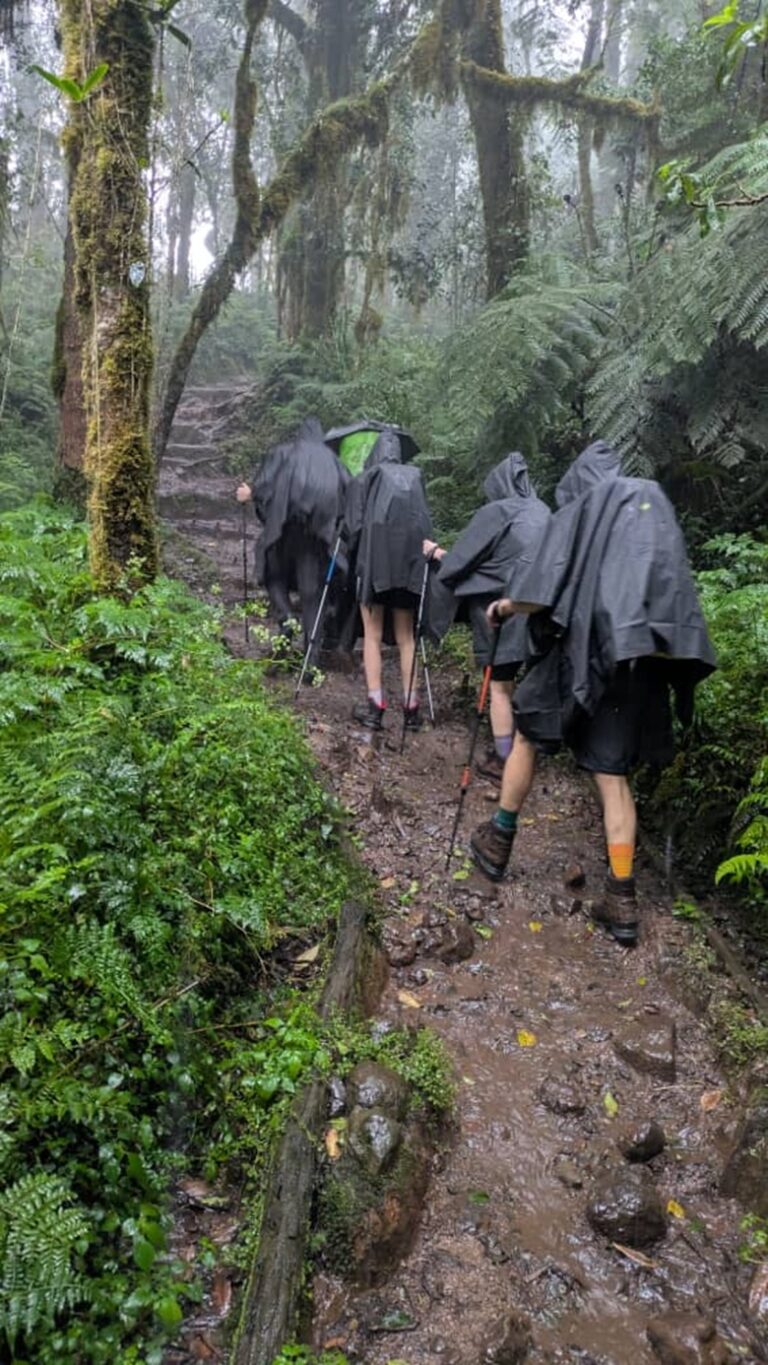
Kilimanjaro Climb With Mkomazi Rhino Safari 2026-2027
Kilimanjaro Climb with Mkomazi Rhino Safari is explained with current 2026-2027 planning, price, itinerary and booking information.
View package details
Kilimanjaro Climb With Amboseli Safari Extension: Your Ultimate Tanzania
Experience the pinnacle of African adventure by combining a challenging Kilimanjaro climb with a impressive safari in Amboseli National Park. This guide details itineraries, costs, best...
View package details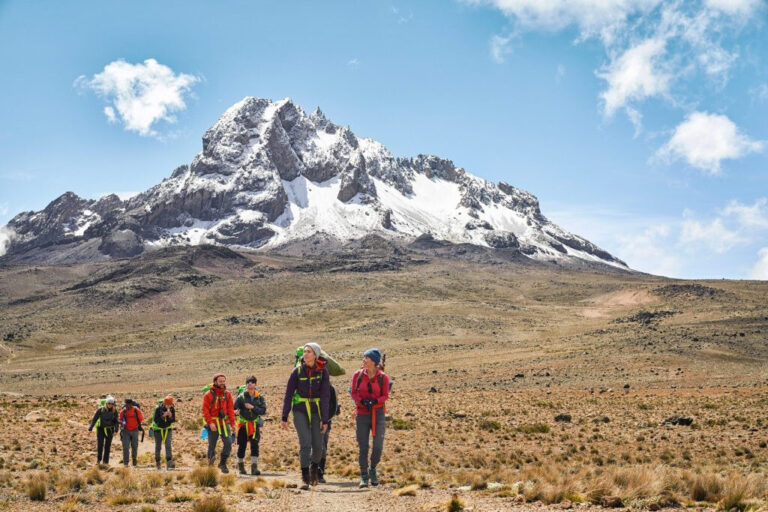
18-Day Kilimanjaro And Northern Tanzania Grand Adventure: Trek, Safari &
An 18-day itinerary blending Kilimanjaro's summit with Northern Tanzania's wildlife and culture offers a comprehensive African experience. This adventure typically includes a multi-day trek...
View package details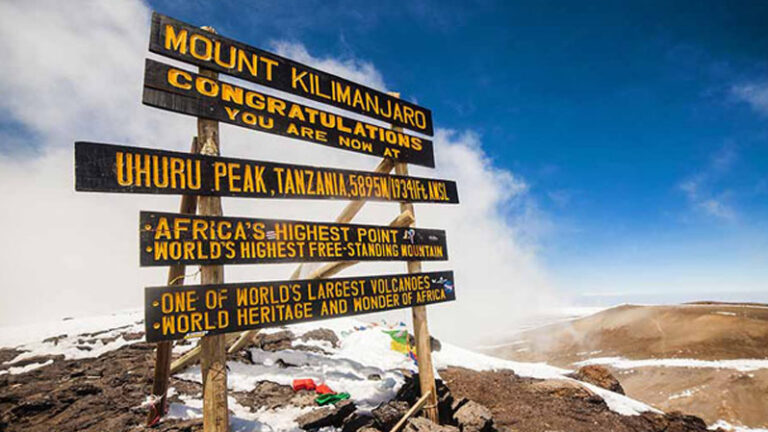
11-Day Kilimanjaro Acclimatization, Summit And Safari Package 2026-2027
11-Day Kilimanjaro Acclimatization, Summit and Safari Package is explained with current 2026-2027 planning, price, itinerary and booking information.
View package details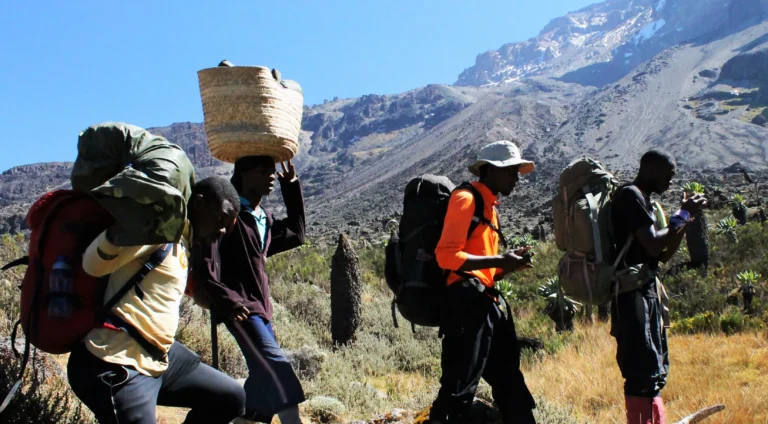
Kilimanjaro Safari First Vs Zanzibar 2026-2027
Kilimanjaro Safari First vs Zanzibar First is explained with current 2026-2027 planning, price, itinerary and booking information.
View package detailsKilimanjaro Safari And Climb Package For Seniors: Your Adventure 2026-2027
Top Guide Adventures offers tailored Kilimanjaro safari and climb packages for seniors in 2026-2027, focusing on safety, comfort, and an unforgettable Mount Kilimanjaro experience. Explore...
View package details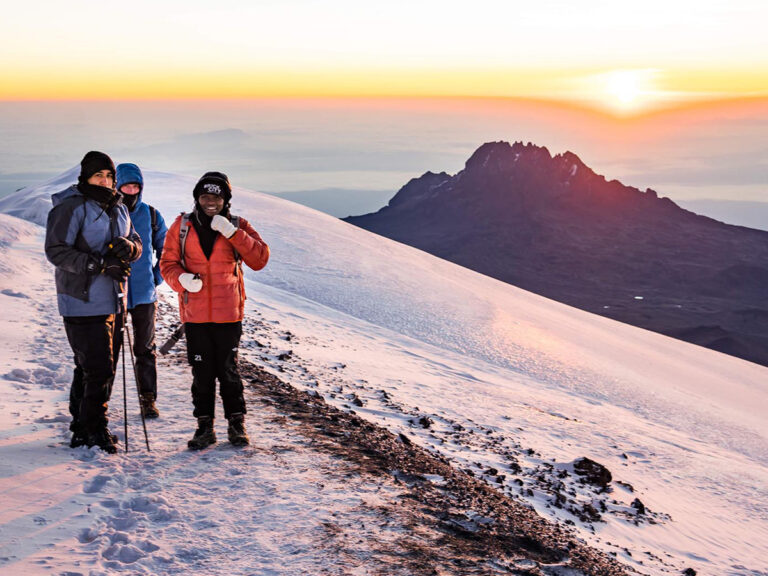
Kilimanjaro Graduation And Family Safari Package: Summit Success & Wildlife
Combine the ultimate achievement of summiting Mount Kilimanjaro with an unforgettable family safari in Tanzania. Top Guide Adventures curates these packages, blending adventure, cultural...
View package details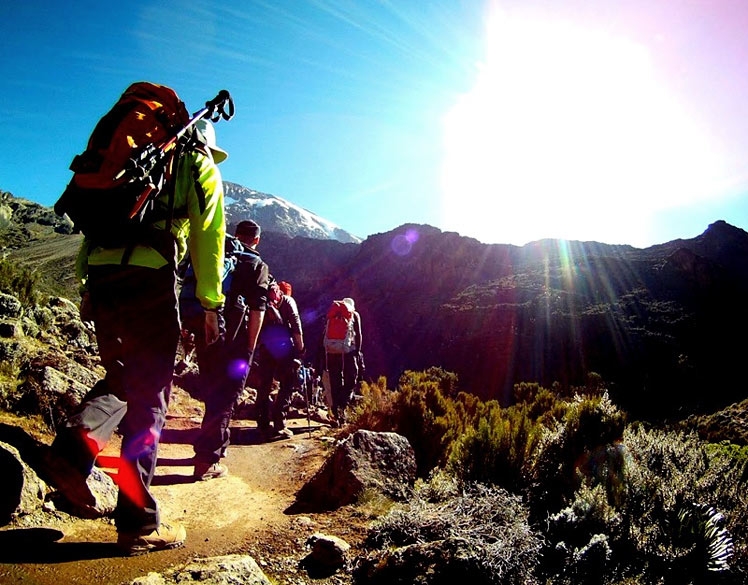
Kilimanjaro Family Safari After The Summit Guide
Extend your incredible Kilimanjaro achievement with a family safari in Tanzania. Top Guide Adventures crafts unforgettable post-summit experiences for 2026-2027, blending the thrill of...
View package details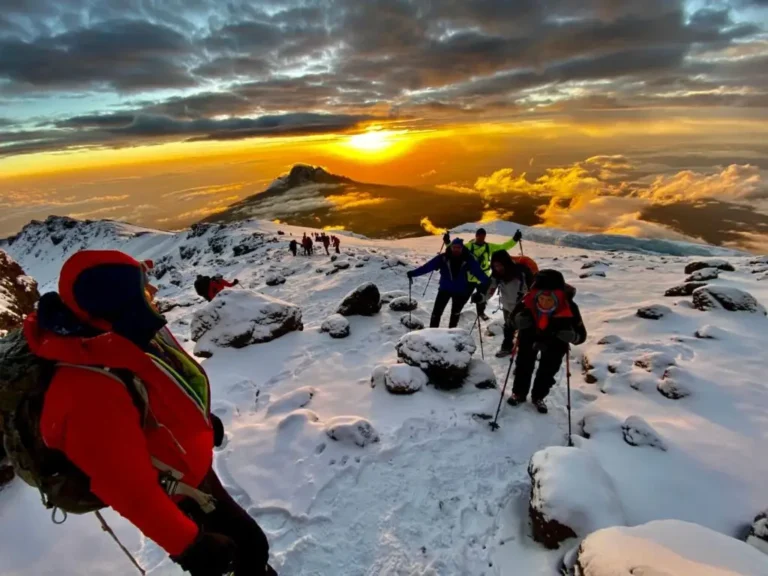
17-Day Kilimanjaro, Serengeti, Ngorongoro & Zanzibar Tour: Your Ultimate
This 17-day tour combines the iconic Mount Kilimanjaro climb with unparalleled wildlife safaris in the Serengeti and Ngorongoro Crater, culminating in a relaxing beach escape in Zanzibar...
View package details
15-Day Kilimanjaro, Great Migration & Zanzibar Beach Package | Top Guide
Combine the thrill of summiting Mount Kilimanjaro, witnessing the iconic Great Migration in the Serengeti, and unwinding on the pristine beaches of Zanzibar in one unforgettable 15-day...
View package detailsNo related package matches those filters. Clear one or more filters to see the other topic-matched options.



