

A Kisiba Crater Lake tour offers a unique day trip adventure from Arusha or Moshi in Tanzania, typically involving a scenic drive to the Ngorongoro Conservation Area to witness the breathtaking Crater Lake (also known as Lake Magadi or Lake Ndutu within the crater) and its surrounding wildlife-filled caldera, often combined with cultural insights into the Maasai people. This excursion is best suited for those seeking a concentrated wildlife viewing experience and stunning natural beauty within a single day, especially when time is limited during a longer Tanzania safari or Kilimanjaro climb in 2026 or 2027.
Discovering Kisiba Crater Lake: A Gem in Tanzania’s Crown
Tanzania is renowned globally for its unparalleled wildlife spectacles, from the vast plains of the Serengeti to the majestic peak of Mount Kilimanjaro. Yet, nestled within its diverse landscapes are lesser-known treasures that offer equally profound experiences. The Kisiba Crater Lake tour, though often overshadowed by its more famous neighbors, presents a compelling day trip opportunity for travelers looking to immerse themselves in the raw beauty and vibrant ecosystems of the region. This excursion typically focuses on the Ngorongoro Conservation Area, a UNESCO World Heritage site celebrated for its unique geological formations and dense concentration of wildlife.
While the term ‘Kisiba Crater Lake’ might not be a universally recognized geographical name in the same vein as Lake Natron or Lake Eyasi, it most commonly refers to the prominent alkaline lake, often called Lake Magadi, situated at the bottom of the Ngorongoro Crater itself. This shimmering expanse of water plays a crucial role in the crater’s ecosystem, attracting a remarkable array of animals, particularly during specific times of the year. Understanding this nuance is key to appreciating the essence of a Kisiba Crater Lake tour.
For travelers planning their Tanzanian adventure for 2026 or 2027, a Kisiba Crater Lake tour stands out as an excellent option for a focused, impactful experience. It’s particularly well-suited for those who have limited time but wish to witness the iconic African wildlife and dramatic landscapes that Tanzania is famous for. It can be seamlessly integrated into a longer safari itinerary or serve as a standalone day trip from the nearby hubs of Arusha or Moshi.
The Allure of the Ngorongoro Crater: A Natural Amphitheater of Life
The heart of the Kisiba Crater Lake tour lies within the Ngorongoro Crater, a collapsed volcano caldera that spans approximately 19 kilometers (12 miles) in diameter. This natural amphitheater is not just a geological marvel but a thriving ecosystem supporting an astonishing density of wildlife. Unlike many other national parks or conservation areas where animals migrate seasonally, the Ngorongoro Crater boasts a resident population that ensures excellent game viewing opportunities year-round. This makes it an ideal destination for a day trip, as you are virtually guaranteed to encounter a significant number of species.
The crater floor is a mosaic of diverse habitats: lush grasslands, acacia woodlands, swamps, and, of course, the central alkaline lake, often referred to as Lake Magadi or, in the context of this tour, the Kisiba Crater Lake. This variety of environments supports a remarkable biodiversity, making it one of the most effective places in Africa to observe the ‘Big Five’ – lion, leopard, elephant, rhino, and buffalo – in a single day. The presence of the lake is a magnet for wildlife, especially during drier periods when animals congregate around its waters for sustenance and to graze on the mineral-rich grasses that grow along its shores.
The Ngorongoro Conservation Area (NCA) is unique in that it allows Maasai pastoralists to coexist with wildlife, a rare model of human-wildlife cohabitation. This cultural dimension often adds another layer of richness to any tour, and a Kisiba Crater Lake tour can sometimes incorporate opportunities to learn about the Maasai way of life, their traditions, and their deep connection to this land. This blend of phenomenal wildlife viewing and cultural insight makes the Ngorongoro Crater a truly special place.
Wildlife Wonders Around Kisiba Crater Lake
The primary draw for most visitors undertaking a Kisiba Crater Lake tour is the exceptional wildlife viewing. The lake itself is a focal point, attracting large herds of flamingos during certain seasons, which paint the water with vibrant hues of pink. Beyond the avian spectacle, the lake’s shores are frequented by a multitude of animals seeking water and grazing. You can expect to see:
- Wildebeest and Zebras: These herbivores are abundant, often seen grazing in large numbers on the crater floor.
- Buffalo: The formidable Cape buffalo are a common sight, often found near water sources.
- Elephants: While generally smaller in stature than their savanna-dwelling counterparts, Ngorongoro’s elephants are impressive, and sightings are frequent.
- Rhinos: The crater is one of the best places in Tanzania to spot the endangered black rhino, a truly magnificent and rare sight.
- Lions: The Ngorongoro lions are famous for their darker manes and often hunt on the crater floor.
- Hyenas: Spotted hyenas are a common and important predator within the crater ecosystem.
- Hippos: While not directly in the alkaline lake, hippos can be found in the freshwater swamps and rivers within the crater.
- Various Antelopes: Species like gazelles, eland, and waterbucks are commonly observed.
The density of animals is astonishing, and the relatively small area of the crater floor means that sightings are frequent and often close. A skilled guide, essential for any Kisiba Crater Lake tour, will know the best spots and times to maximize your wildlife encounters, ensuring a memorable experience even within a single day.
Planning Your Kisiba Crater Lake Tour: Key Considerations for 2026-2027
When planning a Kisiba Crater Lake tour, especially for the upcoming seasons of 2026 and 2027, several practical aspects come into play. The tour is typically offered as a day trip, meaning it can be squeezed into a busy itinerary or enjoyed as a stand-alone excursion. The starting point is usually Arusha or Moshi, both well-established tourist hubs in northern Tanzania.
Duration and Itinerary
A standard Kisiba Crater Lake tour is a full-day affair. It involves an early morning departure from your hotel in Arusha or Moshi, followed by a drive of approximately 3-4 hours to the Ngorongoro Conservation Area entrance. Upon entering the NCA, you’ll proceed to the crater rim, where you’ll descend into the caldera for game driving. The descent itself is a spectacular experience, offering panoramic views as you enter this natural haven. You’ll spend several hours on the crater floor, exploring the diverse habitats and searching for wildlife, with a picnic lunch typically enjoyed at a designated scenic spot. The drive back to Arusha or Moshi will commence in the late afternoon, with arrival in the evening.
Typical Day Trip Schedule:
- 5:00 AM – 6:00 AM: Early breakfast and pick-up from your hotel in Arusha/Moshi.
- 6:00 AM – 9:30 AM: Scenic drive towards the Ngorongoro Conservation Area.
- 9:30 AM – 10:00 AM: Ngorongoro Conservation Area entry and proceed to the crater rim.
- 10:00 AM – 12:00 PM: Descend into the crater and begin game drive.
- 12:00 PM – 1:00 PM: Picnic lunch at a designated viewpoint.
- 1:00 PM – 3:30 PM: Continue game drive on the crater floor.
- 3:30 PM – 4:00 PM: Ascend the crater rim and begin the drive back.
- 7:00 PM – 8:00 PM: Arrive back at your hotel in Arusha/Moshi.
This schedule can vary depending on road conditions, wildlife sightings, and your specific preferences. Some tours might offer a brief stop at a Maasai village en route, though this often requires pre-arrangement and can extend the day.
Best Time to Visit for the Kisiba Crater Lake Tour
While the Ngorongoro Crater offers excellent game viewing year-round due to its resident wildlife population, the experience around the Kisiba Crater Lake (Lake Magadi) can be influenced by the seasons. The lake is an alkaline lake, and its appearance and the wildlife it attracts can change.
- Dry Season (June to October): This is often considered the prime time for safari in Tanzania. The grasses are shorter, making wildlife spotting easier. Animals are more concentrated around water sources, including Lake Magadi. Flamingos are often present in significant numbers during this period, attracted by the lake’s conditions. This is also the peak tourist season, so booking well in advance for 2026 or 2027 is highly recommended.
- Wet Season (November to May): The landscape becomes lush and green, offering a different kind of beauty. While some animals may disperse due to available water, the resident population ensures good viewing. The lake might appear larger and potentially less saline, which could affect the type and number of flamingos. This season often sees fewer tourists and potentially lower prices, making it an attractive option for budget-conscious travelers in 2026-2027. However, heavy rains can sometimes make roads challenging.
For the best chance of seeing flamingos at Lake Magadi, the dry season months are generally more reliable. However, wildlife sightings are consistently good throughout the year.
What to Pack for Your Day Trip
Even for a day trip, proper preparation is key to enjoying your Kisiba Crater Lake tour. Pack light but smart:
- Comfortable Clothing: Layers are essential. Mornings can be cool at the crater rim, while the crater floor can get warm. Neutral-colored clothing is best for safaris.
- Sun Protection: A wide-brimmed hat, sunglasses, and high SPF sunscreen are vital due to the strong equatorial sun.
- Insect Repellent: Especially important for evenings and around water bodies.
- Camera and Binoculars: To capture the incredible wildlife and landscapes. Ensure you have extra batteries and memory cards.
- Reusable Water Bottle: Staying hydrated is crucial. Many operators provide water, but carrying your own is environmentally friendly.
- Snacks: While lunch is provided, having a few personal snacks can be helpful.
- Light Jacket or Fleece: For the early morning chill and potential wind at the crater rim.
- Comfortable Walking Shoes: Even though you’ll be in a vehicle, comfortable footwear is always a good idea.
- Personal Medications: If you have any specific medical needs.
Choosing the Right Operator for Your Kisiba Crater Lake Tour
Selecting a reputable tour operator is paramount to ensuring a safe, enjoyable, and enriching Kisiba Crater Lake tour. Top Guide Adventures specializes in crafting memorable Tanzanian experiences, from extensive safaris to focused day trips like the Kisiba Crater Lake tour. When evaluating operators for your 2026-2027 travels, consider the following:
- Experience and Local Knowledge: A company with deep roots in Tanzania will have invaluable local insights, understanding the best times to visit, optimal game driving routes, and how to respect the environment and local cultures.
- Vehicle Quality: Ensure the operator uses well-maintained, 4×4 safari vehicles equipped for the terrain, with pop-up roofs for optimal game viewing and photography.
- Guide Expertise: The quality of your guide can make or break your safari. Look for operators who employ knowledgeable, certified guides with excellent communication skills and a passion for wildlife and conservation.
- Inclusions and Exclusions: Clearly understand what is covered in the tour price. This typically includes park fees, vehicle and guide, picnic lunch, and water. Exclusions might involve tips, souvenirs, and personal expenses.
- Safety Standards: A reliable operator will prioritize safety, adhering to all park regulations and ensuring vehicles and equipment are in top condition.
- Customer Reviews: Check independent review sites like TripAdvisor to gauge the experiences of previous clients.
Top Guide Adventures is committed to providing exceptional service and authentic experiences. We understand the unique appeal of the Kisiba Crater Lake tour and can tailor it to your specific needs. For inquiries about planning your 2026-2027 adventure, feel free to reach out via WhatsApp at +255616946642 or email us at topguideadventures@gmail.com. Our backup email is info@topguideadventures.com.
Pricing and Value for a Day Trip
The cost of a Kisiba Crater Lake tour as a day trip from Arusha or Moshi can vary depending on the operator, the group size, and the specific inclusions. Typically, these day trips are priced on a per-person basis, with costs decreasing for larger groups sharing the vehicle. The primary cost drivers are the Ngorongoro Conservation Area entry fees, which are substantial, and the operational costs of the safari vehicle, fuel, and guide.
Factors influencing price:
- Park Fees: The Ngorongoro Conservation Area fees are a significant component. These fees are set by the Tanzanian government and are subject to change annually. For 2026-2027, expect these fees to remain a major part of the tour cost.
- Vehicle Type: While most day trips use standard safari land cruisers, premium options might be available.
- Group Size: Private tours will naturally be more expensive per person than shared tours.
- Inclusions: Some operators might include extra amenities or stops, which can affect the price.
A typical day trip to the Ngorongoro Crater for the Kisiba Crater Lake experience can range from $200 to $400 USD per person, depending on the factors mentioned above. This price generally covers the vehicle, driver-guide, fuel, picnic lunch, and Ngorongoro Crater entry fees. It’s crucial to confirm all inclusions and exclusions with your chosen operator.
When comparing prices for your 2026-2027 trip, focus on the value offered. A slightly higher price might reflect a better-equipped vehicle, a more experienced guide, or a more personalized service, all of which contribute to a more rewarding experience.
Important Note on Ngorongoro Fees (2026-2027)
Ngorongoro Conservation Area fees are subject to change. It is advisable to confirm the exact fees applicable at the time of your booking for 2026-2027. These fees are crucial for conservation efforts within the area.
Beyond the Crater: Combining Kisiba Lake Tour with Other Adventures
While the Kisiba Crater Lake tour is a fantastic day trip, its location within the Ngorongoro Conservation Area and proximity to other iconic Tanzanian destinations offer opportunities for extension and combination.
The Ngorongoro Highlands and Maasai Culture
The Ngorongoro Conservation Area is not just about the crater. The surrounding highlands offer stunning landscapes, including the vast plains where the Maasai people practice their traditional pastoralism. Many safaris that include the Ngorongoro Crater also incorporate visits to Maasai villages. If time permits on your Kisiba Crater Lake tour, or if you opt for a longer stay in the area, engaging with the Maasai community can provide profound cultural insights. Learn about their ancient traditions, their relationship with the land and wildlife, and their unique way of life. These interactions are often facilitated by guides who have strong relationships with local communities and ensure respectful engagement.
Connecting with the Serengeti
The Ngorongoro Crater is often considered the ‘eighth wonder of the world’ and is a highlight of the Northern Circuit safari. For travelers looking to experience more of Tanzania’s wildlife, extending your trip to the neighboring Serengeti National Park is highly recommended. The Serengeti is famous for the Great Migration, a spectacular natural phenomenon where millions of wildebeest and zebras traverse the plains in search of greener pastures. While a Kisiba Crater Lake tour provides a concentrated wildlife experience, the Serengeti offers vastness and the drama of predator-prey interactions on an epic scale. A typical Northern Circuit safari might include:
- Tarangire National Park (known for its elephant herds and baobab trees)
- Lake Manyara National Park (famous for its tree-climbing lions and diverse birdlife)
- Ngorongoro Crater
- Serengeti National Park
For those planning longer trips in 2026-2027, combining a day trip to Kisiba Crater Lake with a multi-day safari through these parks offers a comprehensive Tanzanian adventure. Top Guide Adventures can help you craft such an itinerary, ensuring a smooth transition between destinations.
Mount Kilimanjaro and Zanzibar
Many visitors to Tanzania combine their safari experiences with a trek up Mount Kilimanjaro or a relaxing holiday on the spice island of Zanzibar. Moshi, the gateway town for Kilimanjaro climbs, is a convenient starting point for the Kisiba Crater Lake tour. If you are preparing for or recovering from a Kilimanjaro ascent, a day trip to the crater can be a perfect way to experience Tanzania’s other natural wonders. Similarly, after a safari or a trek, a few days in Zanzibar offer a stark contrast with its pristine beaches, historical Stone Town, and vibrant culture. These diverse experiences showcase the incredible variety Tanzania has to offer.
Whether you are seeking a short, impactful wildlife encounter or integrating it into a grander Tanzanian exploration for 2026 or 2027, the Kisiba Crater Lake tour is a valuable addition to any itinerary.
The Environmental and Conservation Aspect
The Ngorongoro Conservation Area, including the crater floor and its central lake, is a testament to successful conservation efforts. Designated as a UNESCO World Heritage Site, it is managed with a focus on balancing wildlife conservation with the needs of the resident Maasai population. The crater’s unique ecosystem is fragile, and responsible tourism plays a vital role in its preservation.
How Responsible Tourism Contributes:
- Park Fees Funding: The fees collected from visitors are reinvested into conservation initiatives, anti-poaching patrols, habitat management, and community development projects within the NCA.
- Minimizing Impact: Tour operators are expected to adhere to strict guidelines regarding game driving (staying on designated tracks, not feeding animals, maintaining safe distances) to minimize disturbance to wildlife and their habitats.
- Supporting Local Communities: Ethical tourism providers often work with local communities, ensuring that tourism benefits are shared and that cultural interactions are respectful and authentic.
When you book a Kisiba Crater Lake tour with a responsible operator like Top Guide Adventures, you are directly contributing to the protection of this incredible natural heritage for future generations, including those who will visit in 2026, 2027, and beyond.
Frequently Asked Questions about Kisiba Crater Lake Tours
Here are some common questions potential visitors might have regarding a Kisiba Crater Lake tour:
Is a Kisiba Crater Lake tour suitable for a single day trip?
Absolutely. The Kisiba Crater Lake tour is specifically designed as a full-day excursion from Arusha or Moshi. It allows you to experience the highlights of the Ngorongoro Crater, including the lake and its abundant wildlife, within a compact timeframe.
What is the difference between Kisiba Crater Lake and Lake Magadi in Ngorongoro?
The term ‘Kisiba Crater Lake’ is often used colloquially to refer to the main alkaline lake found at the bottom of the Ngorongoro Crater, which is officially known as Lake Magadi. It is a vital water source and a focal point for wildlife within the crater.
Can I see the Big Five on a Kisiba Crater Lake day tour?
Yes, the Ngorongoro Crater has a very high density of wildlife, and it is possible to see all of the Big Five (lion, leopard, elephant, rhino, and buffalo) in a single day. However, leopard sightings can be challenging due to their elusive nature and the dense vegetation in some areas.
What are the Ngorongoro Crater fees for 2026-2027?
Ngorongoro Conservation Area fees are set by the government and can change. For the most current and accurate fee structure for 2026-2027, it is best to consult directly with your tour operator, as these fees are a significant part of the tour cost.
Do I need a special permit for the Kisiba Crater Lake tour?
Your tour operator will handle all necessary permits and entry fees for the Ngorongoro Conservation Area. You do not need to arrange these yourself.
What is the best time of year for a Kisiba Crater Lake tour?
The dry season (June to October) is often preferred for easier game viewing and the presence of flamingos. However, the Ngorongoro Crater offers excellent wildlife viewing year-round, even during the wet season (November to May).
Can I combine a Kisiba Crater Lake tour with a Maasai village visit?
Yes, many operators can arrange a visit to a Maasai village as part of the day trip, often on the way to or from the crater. This needs to be pre-arranged and may extend the tour duration slightly.
Your Unforgettable Kisiba Crater Lake Adventure Awaits
The Kisiba Crater Lake tour offers a concentrated dose of Tanzania’s iconic natural beauty and wildlife. It’s an accessible yet profoundly rewarding experience, perfect for those seeking to maximize their time in this magnificent country. Whether you are an avid wildlife enthusiast, a photographer, or simply someone looking to witness the wonders of the African continent, this day trip delivers.
For travelers planning their dream Tanzanian getaway for 2026 or 2027, Top Guide Adventures is your trusted partner. We are passionate about creating authentic, unforgettable travel experiences that connect you with the heart of Tanzania. From the dramatic landscapes of the Ngorongoro Crater to the vibrant cultures and incredible wildlife, we ensure every detail is meticulously managed.
Ready to plan your Kisiba Crater Lake tour or any other Tanzanian adventure? Don’t hesitate to get in touch. You can reach us via WhatsApp at +255616946642, email us at topguideadventures@gmail.com, or contact our backup email at info@topguideadventures.com. Let Top Guide Adventures guide you to the wonders of Tanzania in 2026-2027 and beyond!
Check Availability for Kisiba Crater Lake Tour: Your Ultimate Tanzania Adventure Guide 2026-2027
Ready to compare dates, prices, and the best option for your group? Send the package name and travel month so the team can reply with a clear quote, availability, and what is included.
 Ngozi Crater And Mbeya Highlands Package: Your Ultimate Tanzania AdventureDiscover the breathtaking beauty and unique ecosystems of Ngozi Crater and the Mbeya Highlands with a tailor-made package. This guide details…View package
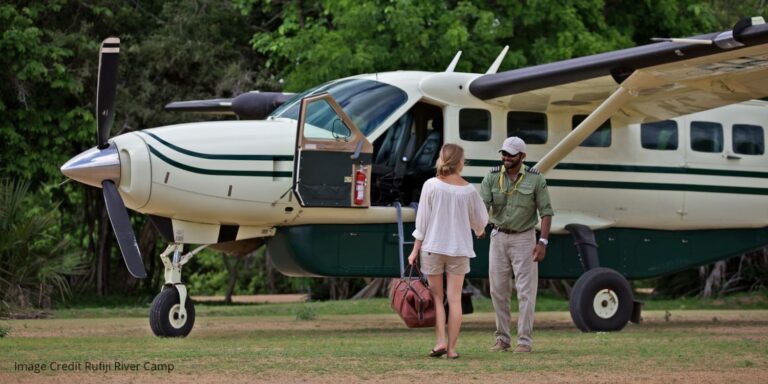 Tukuyu Volcanic Landscape Tour: Explore Southern Tanzanias Geothermal Wondersstart an unforgettable journey through the Tukuyu Volcanic Landscape in Southern Tanzania. This tour offers a unique exploration of geothermal…View package
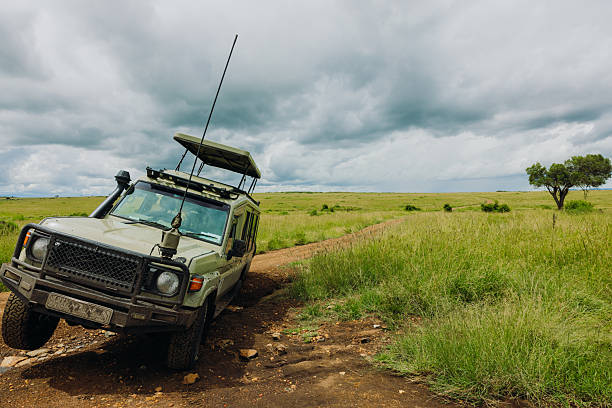 Tukuyu Coffee And Tea Tour: A Deep Look At Tanzanias Highland FlavorsDiscover the aromatic world of Tanzanian coffee and tea with a specialized tour in the fertile Tukuyu region. Learn about cultivation…View package
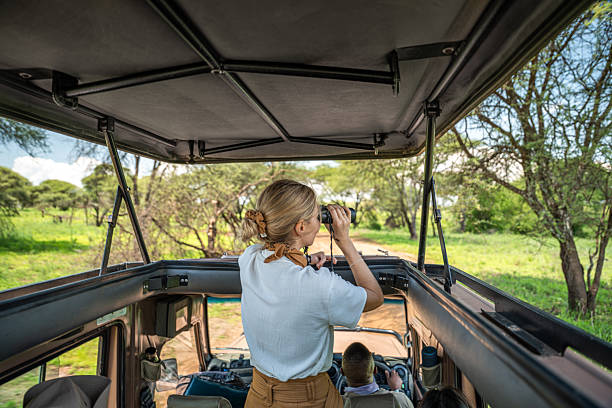 2-Day Tukuyu Nature Discovery Package: Unveiling Southern Tanzanias HiddenDiscover the unique natural beauty of Tukuyu with our 2-day package. This itinerary focuses on waterfalls, volcanic landscapes, and local…View package
 1-Day Kiwira Natural Bridge Tour: Your Ultimate Tanzania Adventure 2026-2027Discover the geological wonder of the Kiwira Natural Bridge with a comprehensive 1-day tour from Mbeya. This itinerary is designed for…View package1-Day Kaporogwe Waterfall Adventure: Your Ultimate Tanzania Getaway 2026-2027Discover the magic of Kaporogwe Waterfall on a thrilling 1-day adventure in Tanzania. This guide covers everything you need to know for an…View package1-Day Tukuyu Waterfalls Tour: Your Ultimate Guide For 2026-2027Discover the natural splendor of Tukuyu's waterfalls on an unforgettable 1-day tour from Mbeya. This curated experience by Top Guide Adventures…View package
 Tukuyu And Its Waterfalls: A Comprehensive Guide For 2026-2027Discover the natural beauty of Tukuyu, Tanzania, a gateway to breathtaking waterfalls and unique geological wonders. This guide details the…View package


