

The Masoko Crater Lake adventure offers a unique and off-the-beaten-path experience in Tanzania, typically involving a visit to the scenic crater lakes near Masoko village, often combined with cultural interactions, hiking, and wildlife spotting in the wider region. While not a single defined tour, planning a Masoko Crater Lake adventure for 2026-2027 involves understanding its location near Lake Tanganyika, potential activities like birdwatching and exploring local life, and how to best access it, usually via Kigoma, to ensure a memorable trip that goes beyond the typical safari circuits.
Discovering Masoko Crater Lake: An Untamed Tanzanian Gem
Tanzania is renowned globally for its iconic safari destinations like the Serengeti, Ngorongoro Crater, and Mount Kilimanjaro. However, for the discerning traveler seeking experiences away from the crowds, a different kind of adventure awaits. The Masoko Crater Lake region, nestled in the western reaches of the country, presents an opportunity to connect with nature and local culture in a setting that feels truly untouched. This is not just another stop on a tourist trail; it’s an invitation to explore a landscape shaped by ancient geological forces and inhabited by vibrant communities. Planning your Masoko Crater Lake adventure for 2026-2027 means preparing for a journey that rewards curiosity and a spirit of exploration.
Unlike the well-trodden paths of northern Tanzania, the western circuit, including areas around Masoko, offers a more intimate glimpse into the country’s diverse ecosystems and rich cultural heritage. The crater lakes themselves, often a series of interconnected bodies of water, are formed within volcanic calderas, creating unique microhabitats that attract a variety of birdlife and other fauna. The surrounding landscape is often characterized by rolling hills, dense vegetation, and the vast expanse of Lake Tanganyika, Africa’s second-largest freshwater lake.
A Masoko Crater Lake adventure is best suited for travelers who appreciate raw natural beauty, are interested in authentic cultural encounters, and enjoy activities like hiking, birdwatching, and perhaps even some gentle kayaking or boat trips on the lakes. It’s an experience that requires a degree of flexibility and an openness to discovering the unexpected. For those looking to plan their trip for 2026 or 2027, understanding the logistics, the best times to visit, and what to expect is crucial for a fulfilling expedition.
The Allure of Western Tanzania: Beyond the Usual Safari
Western Tanzania remains one of the continent’s least explored regions, making it a prime destination for adventurous travelers. The Masoko Crater Lake area is a part of this captivating, less-visited landscape. Here, the rhythm of life is dictated by nature and tradition, offering a stark contrast to the bustling tourist hubs. The journey to Masoko is an adventure in itself, often beginning in Kigoma, a town situated on the shores of Lake Tanganyika. From Kigoma, further travel is usually required to reach the specific crater lake sites, which can involve local transport, guided drives, and sometimes even short treks.
The geological formation of these crater lakes adds to their mystique. Formed by volcanic activity, these depressions in the earth’s surface have filled with water over millennia, creating serene and often biodiverse environments. The clarity of the water, the surrounding lush vegetation, and the unique geological features make Masoko Crater Lake a photographer’s delight and a nature lover’s paradise. For travelers planning for 2026-2027, this region promises an escape into tranquility and natural splendor.
Planning Your Masoko Crater Lake Adventure: Key Considerations for 2026-2027
To make your Masoko Crater Lake adventure a success, thorough planning is essential. Unlike popular national parks, access to Masoko and its surrounding attractions might require more specific arrangements. Top Guide Adventures specializes in crafting unique Tanzanian experiences, including those in less-traveled regions. When planning for 2026-2027, consider the following:
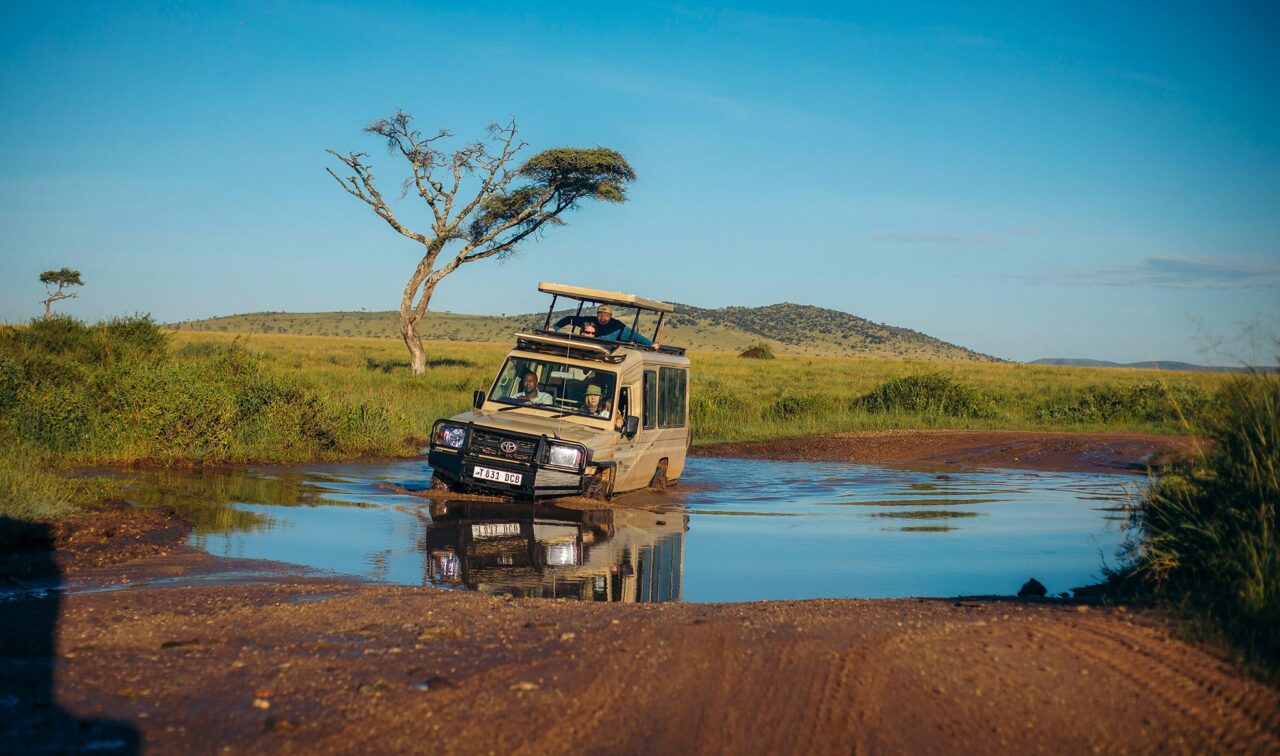
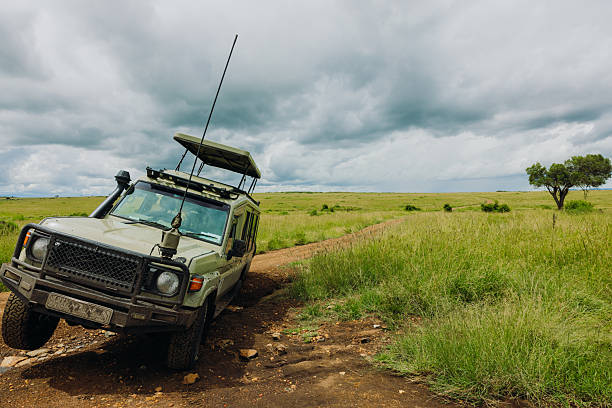
- Accessibility: The nearest major town and transport hub is Kigoma. From Kigoma, reaching Masoko Crater Lake typically involves hiring a 4×4 vehicle and a knowledgeable local guide. The road conditions can vary, especially during the rainy season.
- Best Time to Visit: The dry season, generally from June to October, is ideal for visiting Masoko Crater Lake. During this period, the weather is pleasant, roads are more accessible, and wildlife viewing, particularly birdlife, is often at its peak. The shoulder months of May and November can also offer good conditions with fewer visitors. For 2026-2027, these general patterns are expected to hold true.
- Accommodation: Options near Masoko Crater Lake can range from basic guesthouses and campsites to more comfortable lodges, depending on the specific area and availability. It’s advisable to book accommodation well in advance, especially if traveling during peak seasons.
- Activities: Beyond appreciating the scenic beauty of the crater lakes, activities can include guided nature walks, birdwatching tours, cultural visits to nearby villages, and exploring the shores of Lake Tanganyika.
- Duration: A Masoko Crater Lake adventure can be a day trip from Kigoma or integrated into a longer itinerary exploring western Tanzania. A typical visit might last 1-3 days to fully appreciate the area.
Getting to Masoko: The Gateway of Kigoma
Your journey to the Masoko Crater Lake adventure begins with reaching Kigoma. Kigoma is accessible by air through daily flights from Dar es Salaam and other major Tanzanian cities, offering a convenient way to bypass long overland journeys. Alternatively, one can take a train from Dar es Salaam to Kigoma, a scenic but lengthy trip that provides a different perspective on Tanzania’s diverse landscapes. For those planning their 2026-2027 travel, checking flight schedules and train availability well in advance is recommended.
Once in Kigoma, the real adventure begins. Arranging transportation to Masoko Crater Lake is crucial. This usually involves a sturdy 4×4 vehicle capable of handling varied terrain. Local guides are invaluable here; they know the best routes, the local conditions, and can facilitate interactions with the community. Top Guide Adventures can assist in arranging these essential logistics, ensuring a smooth transition from arrival in Kigoma to the exploration of the crater lakes.
Activities and Experiences at Masoko Crater Lake
The Masoko Crater Lake adventure is defined by its serene natural beauty and opportunities for immersive experiences. While it might not offer the thrill of predator sightings found in the northern parks, it provides a different kind of richness.
Birdwatching Paradise
The crater lakes and their surrounding wetlands are rich in biodiversity, making them a haven for birdwatchers. Expect to see a variety of resident and migratory species. Common sightings might include:
- Waterfowl like ducks and geese
- Wading birds such as herons, egrets, and storks
- Kingfishers darting along the water’s edge
- Various species of weavers, sunbirds, and other passerines in the surrounding bushland.
For serious birders planning a trip in 2026-2027, carrying binoculars and a field guide is highly recommended. Guided birdwatching walks can enhance your chances of spotting rarer species and understanding their habitats.
Scenic Hikes and Nature Walks
The landscape around Masoko Crater Lake is perfect for exploration on foot. Gentle hiking trails wind through the bush and along the crater rims, offering stunning panoramic views of the lakes and the distant Lake Tanganyika. These walks provide an excellent opportunity to:
- Appreciate the unique flora of the region
- Discover smaller wildlife like lizards, insects, and small mammals
- Enjoy the peace and quiet of this relatively undeveloped area
The terrain is generally not overly strenuous, making it accessible for most fitness levels. A guided hike can add depth by providing insights into the local ecology and geology.
Cultural Immersion
Masoko Crater Lake is situated in an area with established local communities. A Masoko Crater Lake adventure provides a chance to engage respectfully with the people who call this region home. Visiting nearby villages can offer insights into:
- Traditional ways of life
- Local farming practices
- Artisan crafts and daily routines
It’s important to approach these interactions with sensitivity and an open mind. Local guides can facilitate these visits, ensuring they are mutually beneficial and respectful.
Relaxation and Photography
The tranquil atmosphere of Masoko Crater Lake is ideal for relaxation. Simply sitting by the water’s edge, observing the changing light, and listening to the sounds of nature can be a deeply restorative experience. The picturesque scenery also makes it a fantastic location for photographers, offering opportunities to capture unique landscapes, wildlife, and cultural moments.
Proximity to Lake Tanganyika
Masoko Crater Lake is often explored in conjunction with visits to the nearby Lake Tanganyika. This massive freshwater lake offers its own set of activities, including boat trips, swimming in designated areas, and visiting fishing villages. Combining a crater lake visit with explorations of Lake Tanganyika provides a comprehensive experience of western Tanzania’s natural wonders.
Traveler Tip for 2026-2027:
When planning your Masoko Crater Lake adventure, consider that this region is less developed than the northern tourist circuit. Embrace the simplicity and authenticity it offers. Your flexibility and sense of adventure will be richly rewarded with unique memories.
The Unique Ecology of Crater Lakes
Crater lakes, like those found near Masoko, are geological marvels. They form when volcanic craters or calderas fill with water. The specific characteristics of these lakes are influenced by factors such as their depth, water chemistry, surrounding geology, and the local climate.
Formation and Characteristics
The formation process typically involves volcanic eruptions that create a depression, which is then filled by rainfall, groundwater, or surface runoff. The water in these lakes can sometimes have unique mineral compositions due to the volcanic rocks and soil surrounding them. This can lead to distinct water colors, from deep blues and greens to even reddish or milky hues, depending on the dissolved minerals and algae present.
Biodiversity Hotspots
The isolated nature and specific water conditions of crater lakes often lead to the development of unique ecosystems. They can harbor endemic species of fish, amphibians, and invertebrates. The shallow margins and surrounding vegetation create ideal breeding grounds and feeding areas for a wide array of bird species, as mentioned earlier. For travelers interested in ecology, Masoko Crater Lake offers a fascinating case study in how geological features shape biological communities.
Conservation Considerations
As with any natural environment, responsible tourism is key to preserving the integrity of places like Masoko Crater Lake. Travelers are encouraged to:
- Respect the local environment by not littering or disturbing wildlife.
- Support local communities through ethical tourism practices.
- Follow guidelines provided by guides regarding sensitive areas.
For future visits in 2026-2027 and beyond, ensuring these natural wonders are protected for generations to come is paramount.
Cultural Context: Life Around Masoko
The Masoko Crater Lake adventure is not just about the landscape; it’s also about the people. The communities living in this region of western Tanzania have a rich cultural heritage shaped by their environment and history.
Local Communities and Livelihoods
The primary livelihoods in the areas surrounding Masoko often revolve around agriculture and fishing, particularly for those living near Lake Tanganyika. Crops such as cassava, maize, and beans are commonly grown, while fishing provides essential protein and income. Understanding these daily activities offers a deeper appreciation of the local way of life.
Interactions with Travelers
When you visit Masoko, opportunities for cultural exchange can be incredibly rewarding. Engaging with local communities should always be done respectfully and with the guidance of local experts. A well-organized Masoko Crater Lake adventure will often include visits to villages where you can:
- Learn about traditional customs and social structures.
- Observe or participate in daily chores (with permission).
- See local crafts being made.
- Perhaps share a simple meal or drink with a local family.
These interactions provide a human dimension to your travel experience, making it more meaningful and memorable. For trips planned in 2026-2027, consider how you can contribute positively to the local economy through responsible purchasing of crafts or by supporting community-based tourism initiatives.
Historical Significance
The western region of Tanzania, including the areas around Kigoma and Lake Tanganyika, has a rich history, notably as a significant hub for explorers like Henry Morton Stanley and David Livingstone. While Masoko Crater Lake itself might not be a primary historical site, its proximity to such historically important areas means that the broader region is steeped in stories of exploration and trade.
Logistics and Practicalities for Your Masoko Crater Lake Trip
Organizing a Masoko Crater Lake adventure requires attention to detail, especially given its remote location. Top Guide Adventures is experienced in navigating these logistical challenges.
Travel Style and Pace
A Masoko Crater Lake adventure is typically characterized by a slower pace, allowing for deeper immersion in the environment and culture. It’s less about ticking off sights and more about experiencing the place. This travel style is well-suited for those who enjoy nature walks, photography, and genuine cultural interactions. For 2026-2027 travel, consider booking a trip that allows ample time for relaxation and spontaneous discoveries.
Packing Essentials
Given the activities and environment, packing appropriately is key:
- Clothing: Lightweight, breathable clothing for warm days, a light jacket for cooler evenings, comfortable walking shoes or hiking boots, and swimwear if you plan to swim.
- Sun Protection: Sunscreen, a wide-brimmed hat, and sunglasses are essential.
- Insect Repellent: Especially important for evenings and near water bodies.
- Camera and Binoculars: To capture the scenery and observe wildlife, particularly birds.
- Personal First-Aid Kit: Including any personal medications.
- Reusable Water Bottle: To stay hydrated and minimize plastic waste.
- Cash: For local purchases, tips, and small expenses, as card facilities may be limited.
Health and Safety
When traveling to Tanzania, it’s advisable to consult your doctor regarding vaccinations and malaria prophylaxis. Staying hydrated is crucial, and it’s recommended to drink only bottled or treated water. Always follow the advice of your local guide regarding safety, especially when hiking or interacting with local communities.
Connectivity
Mobile phone reception and internet access can be intermittent in remote areas like Masoko. Embrace this as an opportunity to disconnect and immerse yourself fully in the experience. If connectivity is crucial, inform your tour operator in advance, as they might be able to suggest options or accommodations with better signal strength.
Why Choose Top Guide Adventures for Your Masoko Crater Lake Adventure?
Navigating the complexities of travel in less-visited regions of Tanzania requires local expertise and a commitment to responsible tourism. Top Guide Adventures has a deep understanding of western Tanzania and specializes in creating personalized itineraries that capture the essence of destinations like Masoko Crater Lake.
Expert Local Knowledge
Our team comprises local guides and travel specialists who have firsthand experience with the Masoko region. We understand the best routes, the local culture, the optimal times to visit, and how to arrange smooth logistics. This expertise is invaluable for planning your 2026-2027 adventure.
Tailored Itineraries
We believe that every traveler is unique. Whether you’re interested in extensive birdwatching, deep cultural immersion, or simply seeking tranquility, we can craft a Masoko Crater Lake adventure that aligns with your interests and preferences. We can combine your visit with other western Tanzanian highlights or integrate it into a broader Tanzanian safari.
Commitment to Responsible Tourism
Top Guide Adventures is dedicated to supporting local communities and preserving the natural environment. We work with local partners, ensure fair employment practices, and promote sustainable tourism. When you book with us, you contribute to the well-being of the regions you visit.
smooth Logistics
From arranging flights into Kigoma to securing reliable 4×4 transport and comfortable accommodation, we handle all the intricate details. This allows you to focus on enjoying your Masoko Crater Lake adventure without the stress of logistical planning.
Ready to Plan Your 2026-2027 Masoko Crater Lake Adventure?
Let Top Guide Adventures be your trusted partner in exploring the hidden wonders of Tanzania. Our team is ready to help you design an unforgettable journey to Masoko Crater Lake and beyond. Contact us today to start planning your personalized adventure!
WhatsApp: +255616946642
Email: topguideadventures@gmail.com
Backup Email: info@topguideadventures.com
Visit our website for more inspiration on Tanzanian adventures: www.topguideadventures.com
Frequently Asked Questions about Masoko Crater Lake
Q1: Is Masoko Crater Lake a well-known tourist destination in Tanzania?
A1: Masoko Crater Lake is not as widely known or visited as the major national parks in northern Tanzania. It offers a more off-the-beaten-path experience, appealing to travelers seeking less crowded and more authentic destinations. Its appeal lies in its natural beauty and tranquility.
Q2: What are the main activities one can do at Masoko Crater Lake?
A2: The primary activities include birdwatching, hiking and nature walks around the crater rims, photography, cultural visits to nearby villages, and enjoying the serene landscape. It’s a destination focused on nature appreciation and cultural immersion rather than adrenaline-pumping activities.
Q3: What is the best time of year to visit Masoko Crater Lake?
A3: The dry season, from June to October, is generally considered the best time to visit Masoko Crater Lake. The weather is pleasant, and the landscape is more accessible. The shoulder months of May and November can also be good options.
Q4: How do I get to Masoko Crater Lake?
A4: The nearest major town is Kigoma, which is accessible by flight or train. From Kigoma, you will typically need to arrange a 4×4 vehicle and a local guide to reach Masoko Crater Lake, as road conditions can be challenging.
Q5: What kind of accommodation is available near Masoko Crater Lake?
A5: Accommodation options near Masoko Crater Lake can vary. They might include basic guesthouses, campsites, or lodges depending on the specific location. It’s advisable to book in advance, especially if traveling during the peak dry season.
Q6: Is it safe to travel to the Masoko Crater Lake area?
A6: The Masoko Crater Lake area is generally safe for tourists, especially when traveling with reputable local guides and tour operators like Top Guide Adventures. It’s important to follow safety guidelines provided by your guide, particularly regarding wildlife and local customs.
Q7: Can Masoko Crater Lake be combined with other destinations in Tanzania?
A7: Absolutely. Masoko Crater Lake is often combined with other attractions in western Tanzania, such as Gombe Stream National Park (famous for chimpanzee trekking), Mahale Mountains National Park, and explorations along Lake Tanganyika. It can also be part of a larger, more comprehensive Tanzanian itinerary.
Q8: What should I pack for a Masoko Crater Lake adventure?
A8: Pack lightweight clothing, comfortable walking shoes, sun protection (hat, sunglasses, sunscreen), insect repellent, a camera, binoculars, a reusable water bottle, and any personal medications. Cash is also recommended for local purchases.
Q9: What are the costs associated with a Masoko Crater Lake adventure?
A9: The cost will vary depending on the duration of your stay, accommodation choices, transportation, and included activities. As this is a less-developed region, costs often include private 4×4 hire, guide fees, park or conservation fees (if applicable to specific sites), and accommodation. For a personalized quote tailored to your 2026-2027 travel plans, contacting Top Guide Adventures directly is the best approach.
Q10: What is the significance of the 2026-2027 timeframe for planning this trip?
A10: Planning for 2026-2027 allows ample time to research, book flights and accommodation, and coordinate with a tour operator for a remote destination like Masoko Crater Lake. It also helps in securing the best options for transport and guides, ensuring a well-organized and enjoyable adventure in these future travel years.
The Masoko Crater Lake adventure represents a unique opportunity to experience the wild beauty and authentic culture of western Tanzania. It’s a journey for those who seek more than the ordinary, offering a chance to connect with nature in its rawest form. For your planned explorations in 2026-2027, let Top Guide Adventures guide you through this extraordinary landscape. Contact us today to craft your bespoke Tanzanian experience, blending the serenity of Masoko Crater Lake with the unforgettable spirit of Africa.
Check Availability for Masoko Crater Lake Adventure: Your Ultimate Tanzania Exploration Guide
Ready to compare dates, prices, and the best option for your group? Send the package name and travel month so the team can reply with a clear quote, availability, and what is included.
 Kisiba Crater Lake Tour: Your Ultimate Tanzania Adventure Guide 2026-2027A detailed 2026-2027 guide to Kisiba Crater Lake Tour, with clear planning and booking information for travelers.View package
 1-Day Kiwira Natural Bridge Tour: Your Ultimate Tanzania Adventure 2026-2027Discover the geological wonder of the Kiwira Natural Bridge with a comprehensive 1-day tour from Mbeya. This itinerary is designed for…View package
 1-Day Kaporogwe Waterfall Adventure: Your Ultimate Tanzania Getaway 2026-2027Discover the magic of Kaporogwe Waterfall on a thrilling 1-day adventure in Tanzania. This guide covers everything you need to know for an…View package
 Poroto Mountains Birding Adventure: Your Ultimate Tanzania Ornithology GuideA comprehensive guide to embarking on a birding adventure in Tanzania's Poroto Mountains, detailing species, best times to visit, itineraries…View package
 2-Day Poroto Highlands Camping Tour: Your Ultimate Adventure Guide 2026-2027A detailed 2026-2027 guide to 2-Day Poroto Highlands Camping Tour, with clear planning and booking information for travelers.View package
 1-Day Poroto Mountains Hike: Your Complete Guide For Adventures 2026-2027start an unforgettable 1-day adventure in the Poroto Mountains, a less crowded place near Arusha, Tanzania. This guide covers everything from…View packageTukuyu Volcanic Landscape Tour: Explore Southern Tanzanias Geothermal Wondersstart an unforgettable journey through the Tukuyu Volcanic Landscape in Southern Tanzania. This tour offers a unique exploration of geothermal…View package
 Tukuyu Coffee And Tea Tour: A Deep Look At Tanzanias Highland FlavorsDiscover the aromatic world of Tanzanian coffee and tea with a specialized tour in the fertile Tukuyu region. Learn about cultivation…View package


