
The Kyejo Mountain Trek is a challenging yet incredibly rewarding adventure in Tanzania, offering a unique alternative to more crowded peaks. It typically involves a multi-day hike, often lasting 4-7 days, leading to the summit of Mount Kyejo, a prominent feature in the southern highlands. The trek is best suited for experienced hikers seeking solitude and stunning natural beauty, with the prime trekking seasons generally falling within the dry months of June to October and December to February. Planning for a 2026-2027 trek involves understanding the specific routes, required fitness levels, and essential gear.
Introducing Kyejo Mountain: Tanzania’s Undiscovered Summit
While Mount Kilimanjaro and Mount Meru dominate Tanzania’s trekking landscape, a quieter, yet equally magnificent, challenge awaits in the form of Kyejo Mountain. Nestled in the less-explored southern highlands, Kyejo offers a distinct experience for adventurers yearning for raw wilderness, breathtaking vistas, and a profound sense of accomplishment away from the well-trodden paths. For those planning their expeditions for 2026-2027, understanding Kyejo Mountain’s unique appeal is the first step towards an unforgettable journey.
Kyejo Mountain, often referred to simply as Kyejo, is not a singular, monolithic peak like Kilimanjaro. Instead, it’s a complex massif with multiple summits and ridges, presenting a diverse range of trekking possibilities. Its relative obscurity means that trekkers often find themselves immersed in pristine natural environments, encountering local communities with genuine warmth, and experiencing Tanzania’s diverse ecosystems in a way that is increasingly rare on more popular mountains. This guide aims to provide a comprehensive overview for anyone considering the Kyejo Mountain Trek, covering everything from its geography and climate to the practicalities of planning and executing a successful climb.
Why Choose Kyejo Mountain for Your Next Trek?
The allure of Kyejo Mountain lies in its distinct advantages over its more famous Tanzanian counterparts. For the discerning traveler in 2026-2027, these benefits are significant:
- Unspoiled Wilderness: Kyejo is far less commercialized, offering a chance to trek through genuinely wild landscapes. Expect fewer crowds and a more intimate connection with nature.
- Cultural Immersion: The trails often pass through or near rural villages, providing opportunities to interact with local communities and gain insight into their way of life. This is a stark contrast to the more tourist-centric approach on Kilimanjaro.
- Diverse Scenery: From lush montane forests at lower altitudes to rugged alpine zones and sweeping panoramic views from the higher ridges, Kyejo presents a varied and captivating environment.
- Sense of Adventure: Because it’s less documented, a trek on Kyejo offers a true sense of exploration and personal achievement. You’ll be forging a path that fewer have taken.
- Challenging Terrain: While not as high as Kilimanjaro, Kyejo’s ruggedness and varied terrain provide a substantial physical challenge, appealing to hikers seeking a demanding ascent.
For those who have already conquered Kilimanjaro or are seeking an experience that combines physical exertion with deep cultural and natural immersion, the Kyejo Mountain Trek presents an exceptional opportunity. The planning window for 2026-2027 is ideal for those looking to step off the beaten path.
Understanding the Geography of Kyejo Mountain
Kyejo Mountain is part of the Livingstone Mountains, a range in the southern part of Tanzania that forms part of the East African Rift. This region is characterized by its dramatic escarpments, fertile valleys, and a rich biodiversity. Unlike the volcanic cones of Kilimanjaro and Meru, Kyejo is a complex geological formation, resulting in a more rugged and varied topography.
The mountain rises significantly from the surrounding plains, with its highest points reaching over 3,000 meters (approximately 9,800 feet). The slopes are steep and often covered in dense montane forests, which gradually give way to moorlands and then rocky, alpine terrain as one ascends. The massif is dissected by numerous valleys and ravines, creating natural routes that trekkers can follow. The views from Kyejo are expansive, often encompassing Lake Tanganyika to the west and the vast plains of southwestern Tanzania to the east.
The Significance of the Livingstone Mountains
The Livingstone Mountains are a significant geographical feature, acting as a natural border and a cradle of biodiversity. They are home to a variety of wildlife, including primates, diverse birdlife, and unique plant species. The human history of the region is also rich, with evidence of ancient settlements and traditional ways of life that persist to this day. Understanding this context enhances the appreciation of the Kyejo Mountain Trek, transforming it from a mere physical challenge into a journey through a landscape steeped in natural and cultural history.
Trekking Routes on Kyejo Mountain
Due to its less developed infrastructure, Kyejo Mountain doesn’t have officially designated, well-maintained routes like Kilimanjaro’s Marangu or Machame. Instead, trekking paths are often traditional routes used by local communities for hunting, gathering, or accessing higher pastures. These routes can vary in difficulty and length, and their condition can change with seasons and usage. For trekkers planning a Kyejo Mountain Trek in 2026-2027, it is crucial to rely on experienced local guides who know the mountain intimately.
The selection of a route typically depends on the desired duration of the trek, the level of challenge sought, and the specific summit or viewpoint one aims to reach. Most expeditions focus on ascending to one of the prominent peaks or high ridges that offer commanding views.
Common Trekking Approaches
While specific route names are not as standardized as on Kilimanjaro, general approaches can be identified:
- The Southern Approach: Often starting from villages located south of the mountain, this route typically traverses through dense forests and then opens up to moorlands. It can be a longer, more gradual ascent, potentially offering more opportunities for wildlife sightings in the lower forests.
- The Eastern Approach: This path might begin from communities on the eastern side, often involving steeper ascents through cultivated areas before entering the wilder mountain terrain. It can offer quicker access to higher altitudes but might be more physically demanding from the outset.
- The Western Approach: Accessing Kyejo from the west, particularly from areas closer to Lake Tanganyika, can involve traversing rugged terrain and potentially crossing river valleys. This route might offer unique perspectives and a different ecological experience.
The exact starting points and progression of these routes are best determined with a local tour operator. For a Kyejo Mountain Trek in 2026-2027, engaging with experts like Top Guide Adventures is highly recommended to map out a safe and enjoyable itinerary tailored to your preferences and capabilities.
Duration of a Kyejo Trek
A typical Kyejo Mountain Trek can range from 4 to 7 days. Shorter treks might focus on reaching a specific viewpoint or a lower peak, while longer expeditions allow for a more comprehensive exploration of the massif and a more gradual acclimatization to altitude, which is crucial for any mountain ascent.
- 4-Day Treks: These are generally more strenuous, focusing on reaching a significant summit or viewpoint with limited time for acclimatization.
- 5-6 Day Treks: This duration offers a good balance between challenge and acclimatization, allowing for exploration of different sections of the mountain and a more relaxed pace.
- 7-Day Treks: For those who want to fully immerse themselves in the experience, a longer trek allows for deeper exploration, potential rest days at higher camps, and a more comfortable ascent profile.
When planning for 2026-2027, consider your fitness level and experience when choosing the duration. A longer trek is generally recommended for a safer and more enjoyable experience.
Difficulty and Fitness Requirements for Kyejo
The Kyejo Mountain Trek is considered moderately to highly difficult, primarily due to its rugged terrain, steep ascents, and the altitude involved. While Kyejo Mountain (at around 3,000m+) is not as high as Kilimanjaro (5,895m), its challenging trails and lack of extensive infrastructure demand a good level of physical fitness and mental preparedness.
Key factors contributing to the difficulty:
- Steep Ascents and Descents: The mountain’s topography involves significant elevation gain and loss over short distances, requiring strong leg muscles and endurance.
- Uneven Terrain: Trails can be rocky, uneven, and sometimes overgrown, demanding careful footing and balance.
- Altitude: While lower than Kilimanjaro, reaching altitudes of 3,000 meters can still induce altitude sickness in unprepared individuals. Proper acclimatization is essential.
- Variable Weather: Mountain weather can change rapidly, with potential for rain, wind, and temperature drops, especially at higher elevations.
- Remoteness: The lack of easy access means that rescue operations can be more complex, emphasizing the need for self-sufficiency and careful planning.
Recommended Fitness Regimen
To prepare adequately for a Kyejo Mountain Trek in 2026-2027, focus on a training program that builds cardiovascular endurance, strength, and stamina. Aim to start training at least 3-6 months before your trek.
- Cardiovascular Training: Engage in activities like running, cycling, swimming, or brisk walking for at least 3-4 times a week. Gradually increase the duration and intensity.
- Hiking Practice: The most crucial preparation is hiking. Find local trails with significant elevation changes. Practice hiking with a weighted backpack (simulating your trek pack) to get your body accustomed to carrying extra weight. Aim for longer hikes (4-6 hours) on weekends.
- Strength Training: Focus on exercises that strengthen your legs (squats, lunges, calf raises), core (planks, crunches), and back. Stronger muscles will help you navigate the steep terrain and carry your pack more comfortably.
- Stair Climbing: If hiking trails are unavailable, climbing stairs for extended periods is an excellent substitute for simulating uphill trekking.
Mental Preparation: Mountain trekking is also a mental challenge. Be prepared for long days, potentially uncomfortable conditions, and moments of fatigue. A positive attitude and determination are as important as physical fitness.
Best Time to Trek Kyejo Mountain
Choosing the right time to undertake the Kyejo Mountain Trek is crucial for safety, comfort, and maximizing the chances of clear views. Tanzania’s climate is generally characterized by distinct wet and dry seasons, influenced by its equatorial location and proximity to the Indian Ocean.
For Kyejo Mountain, located in the southern highlands, the best trekking periods align with the dry seasons, when rainfall is minimal and skies are generally clearer.
Prime Trekking Seasons
- June to October (Dry Season): This is widely considered the optimal period for trekking in Tanzania, including Kyejo. Temperatures are generally moderate, and there is very little rainfall. The skies are typically clear, offering excellent visibility of the surrounding landscapes and distant views. This is the most popular time for mountain expeditions.
- December to February (Short Dry Season): This period also offers good trekking conditions, characterized by warm temperatures and significantly less rain compared to the wet seasons. It’s a viable alternative, especially if you are planning for 2026-2027 and these months fit your schedule.
Shoulder and Wet Seasons
- March to May (Long Rains): This is the peak rainy season. Trails can become muddy, slippery, and difficult to navigate. Visibility is often poor due to cloud cover and heavy rainfall. Trekking during this period is generally not recommended unless you are an experienced adventurer seeking a unique challenge and are prepared for adverse conditions.
- November (Short Rains): This transitional month can bring intermittent showers. While not as severe as the long rains, it can still impact trekking conditions.
When planning your Kyejo Mountain Trek for 2026-2027, booking during the dry seasons (June-October and December-February) will provide the most favorable conditions for a successful and enjoyable climb. Always consult with your tour operator for the most current weather patterns and recommendations.
Essential Gear and Packing List
Proper preparation and packing are fundamental for any mountain trek, and the Kyejo Mountain Trek is no exception. Given the varied terrain, altitude, and potential for changing weather, a well-thought-out gear list is essential. While your tour operator will provide specific guidance, here’s a comprehensive list of essentials to consider for your 2026-2027 adventure:
Clothing Layers are Key
The principle of layering is critical for managing body temperature in fluctuating mountain conditions. Avoid cotton, as it retains moisture and takes a long time to dry. Opt for synthetic or wool fabrics.
Clothing Items:
- Base Layers: Moisture-wicking thermal tops and bottoms (synthetic or merino wool).
- Mid Layers: Fleece jacket or insulated jacket for warmth.
- Outer Layer (Shell): Waterproof and windproof jacket and trousers.
- Trekking Trousers: Comfortable, quick-drying hiking trousers (at least two pairs).
- Hiking Shirts: Moisture-wicking short and long-sleeved shirts.
- Insulated Jacket: A warm down or synthetic jacket for evenings and higher altitudes.
- Headwear: Warm woolen hat or beanie, sun hat with a brim, and a neck gaiter or buff.
- Gloves: Warm waterproof gloves and liner gloves.
- Socks: Several pairs of thick hiking socks (wool or synthetic) and liner socks to prevent blisters.
- Camp Clothes: Comfortable, warm clothing for relaxing at the campsite (e.g., fleece pants, warm sweater).
Footwear:
- Hiking Boots: Sturdy, waterproof, broken-in hiking boots with good ankle support.
- Camp Shoes: Lightweight trainers or sandals for use around the campsite.
Trekking Gear:
- Backpack: A comfortable daypack (20-30 liters) for essentials during the day’s hike. Your main gear will be carried by porters.
- Trekking Poles: Highly recommended for stability and reducing strain on knees during ascents and descents.
- Water Bottles/Hydration Reservoir: Capacity for at least 2-3 liters.
- Headlamp/Torch: With extra batteries. Essential for early morning starts and navigating in the dark.
- Sunglasses: With UV protection.
- Sunscreen: High SPF.
- Insect Repellent: Especially for lower altitudes.
- Personal First-Aid Kit: Including any personal medications, blister treatment, pain relievers, antiseptic wipes, bandages.
Sleeping Gear (Often provided by operators, but check):
- Sleeping Bag: A warm, four-season sleeping bag (rated to at least -10°C or 14°F).
- Sleeping Bag Liner: Adds warmth and keeps your sleeping bag clean.
Other Essentials:
- Toiletries: Biodegradable soap, toothbrush, toothpaste, wet wipes, hand sanitizer.
- Towel: Quick-drying travel towel.
- Camera and Extra Batteries/Power Bank: To capture the stunning scenery.
- Snacks: High-energy snacks like nuts, dried fruit, energy bars.
- Passport and Visa: Copies stored separately.
- Travel Insurance Details: Keep accessible.
- Cash: For tips and personal expenses (local currency – Tanzanian Shilling, USD often accepted for larger purchases).
Important Note for 2026-2027 Trekkers: Always confirm with your tour operator, such as Top Guide Adventures, exactly what gear is included (e.g., tents, cooking equipment, sometimes sleeping bags) and what you need to bring yourself. This ensures you are fully prepared without overpacking.
Acclimatization and Altitude Sickness
Altitude sickness, also known as Acute Mountain Sickness (AMS), is a primary concern for any trekker ascending to significant heights. While Kyejo Mountain is lower than Kilimanjaro, its altitude of over 3,000 meters still poses a risk. Proper acclimatization is paramount for a safe and enjoyable Kyejo Mountain Trek.
Understanding Altitude Sickness
AMS occurs when the body cannot adjust quickly enough to the lower levels of oxygen at higher altitudes. Symptoms can range from mild to severe and include:
- Headache
- Nausea and vomiting
- Dizziness and lightheadedness
- Fatigue and weakness
- Loss of appetite
- Difficulty sleeping
Severe forms of altitude sickness include High Altitude Cerebral Edema (HACE) and High Altitude Pulmonary Edema (HAPE), which are life-threatening and require immediate descent.
Strategies for Acclimatization
The most effective strategy for preventing altitude sickness is to ascend gradually. For the Kyejo Mountain Trek, this means:
- Slow Ascent Pace: Walk at a pace that allows your body to adjust. Your guide will manage the pace, but it’s important to communicate if you feel unwell.
- Adequate Hydration: Drink plenty of water throughout the day (3-4 liters). Dehydration can exacerbate altitude sickness symptoms.
- Avoid Alcohol and Smoking: These can hinder acclimatization.
- Eat Well: Consume regular, balanced meals. High-carbohydrate diets are often recommended at altitude.
- “Climb High, Sleep Low”: If your route allows, ascending to a higher point during the day and then descending to a lower camp for the night can aid acclimatization.
- Medication (Consult Your Doctor): Diamox (Acetazolamide) is a prescription medication that can help prevent or alleviate AMS symptoms. Discuss its use with your doctor well before your 2026-2027 trek.
Listen to Your Body and Your Guide: Your local guides are experienced in recognizing the signs of altitude sickness. Communicate any symptoms you experience immediately. Do not push yourself if you feel unwell. The safest course of action is always to descend if symptoms worsen.
Safety and Health Considerations
Safety is paramount on any mountain expedition. The Kyejo Mountain Trek, while less commercialized, requires diligent attention to safety protocols. For your 2026-2027 travels, be aware of the following:
Health Precautions:
- Vaccinations: Consult your doctor or a travel clinic about recommended vaccinations for Tanzania, such as Yellow Fever, Hepatitis A, Typhoid, and Tetanus.
- Malaria Prevention: The southern highlands are generally at lower risk for malaria compared to coastal areas, but it’s wise to consult your doctor for the latest advice on prophylaxis and insect repellent.
- Travel Insurance: Ensure you have comprehensive travel insurance that covers high-altitude trekking and emergency medical evacuation.
- Pre-existing Conditions: If you have any pre-existing medical conditions, consult your doctor before booking your trek.
Trekking Safety:
- Experienced Guides: Always trek with certified, experienced local guides. They are knowledgeable about the terrain, weather, and emergency procedures. Top Guide Adventures prioritizes employing highly trained local guides.
- Communication: Ensure your guide has a reliable communication method (e.g., satellite phone or radio) for emergencies, especially in remote areas.
- Emergency Procedures: Understand the emergency plan with your tour operator. Know what to do in case of injury, illness, or other unforeseen events.
- Weather Monitoring: Be prepared for rapid weather changes. Your guides will monitor conditions, but it’s important for trekkers to be aware and follow instructions.
- Trail Conditions: Be mindful of the terrain. Uneven paths, loose rocks, and steep slopes require careful footing.
- Wildlife Awareness: While large dangerous wildlife is less common at higher altitudes on Kyejo, be aware of your surroundings, especially in forested areas.
By taking these precautions and working with a reputable tour operator, you can significantly enhance the safety and enjoyment of your Kyejo Mountain Trek.
Cultural Etiquette and Local Interaction
Trekking in a region like Kyejo Mountain offers a unique opportunity to engage with local cultures. Tanzania is known for its diverse ethnic groups and warm hospitality. Respectful interaction is key to a positive experience.
- Greetings: A simple “Jambo” (Hello) or “Habari” (How are you?) is always appreciated. Learning a few basic Swahili phrases can go a long way.
- Asking Permission: Always ask for permission before taking photographs of people, especially children.
- Dress Code: While trekking attire is acceptable on the mountain, when visiting villages or interacting with local communities, it’s respectful to dress modestly. Avoid overly revealing clothing.
- Gifts: While not mandatory, small, practical gifts like school supplies for children or useful items for families can be appreciated. Avoid giving money directly unless it’s for a specific purpose agreed upon with your guide.
- Respect for Traditions: Be mindful and respectful of local customs, traditions, and beliefs. Your guide will be an excellent resource for understanding these nuances.
- Environmental Respect: Practice Leave No Trace principles. Do not litter, and respect the natural environment.
Engaging respectfully with local communities enriches the Kyejo Mountain Trek experience, turning it into a cultural exchange as well as an adventure. For your 2026-2027 trip, embrace these interactions with an open mind and a respectful heart.
Accommodation and Camping on Kyejo
Accommodation during the Kyejo Mountain Trek typically involves camping. Unlike Kilimanjaro, Kyejo does not have established mountain huts or lodges along the trekking routes. This means you’ll be experiencing the wilderness in a more authentic, rugged way.
Camping Experience
- Tents: Reputable tour operators will provide sturdy, waterproof tents suitable for mountain conditions. You’ll usually share a tent with one other trekker, or have a single tent if you’re traveling solo and have arranged for it.
- Campsites: Designated or suitable wild camping spots will be chosen by your guides. These are often in scenic locations, offering protection from the elements.
- Mess Tent: Most operators will set up a separate mess tent for dining, providing a comfortable space to eat and socialize, especially if the weather is poor.
- Kitchen Tent: A dedicated tent for the cook ensures hygiene and efficient meal preparation.
- Porter Support: Porters will carry the bulk of the camping equipment, including tents, cooking gear, food, and your personal luggage (within specified weight limits).
Camp Amenities
Expect basic but functional amenities:
- Sleeping Arrangements: You’ll typically sleep on a sleeping mat inside your tent. A good quality sleeping bag is essential.
- Toilet Facilities: Portable toilets or designated latrine areas are usually set up at campsites. Alternatively, trekkers may be instructed on how to properly dispose of waste in the wilderness.
- Washing: Hot water for washing is usually provided in the mornings and evenings.
The camping aspect of the Kyejo Mountain Trek is a significant part of the adventure, offering a chance to sleep under the stars and be fully immersed in the natural environment. Planning for 2026-2027 should include understanding the specifics of the camping setup provided by your chosen operator.
Food and Catering on the Trek
Food is a critical component of energy and morale during a multi-day trek. Tour operators for the Kyejo Mountain Trek typically provide comprehensive meal services, catering to the nutritional needs of trekkers at altitude.
Meal Planning
- Breakfast: Usually consists of hot porridge, eggs, toast, fruit, and hot beverages like tea or coffee.
- Lunch: Often a packed lunch eaten on the trail, featuring sandwiches, fruits, boiled eggs, biscuits, and juice. Sometimes, a hot lunch is prepared at a suitable spot if time and logistics permit.
- Dinner: A substantial hot meal prepared by the cook, typically including soup, a main course (e.g., rice with chicken/beef stew, pasta dishes, vegetables), and dessert.
- Snacks: Energy bars, nuts, dried fruits, and biscuits are often provided or recommended to be brought by the trekker for sustained energy during the day.
- Hydration: Boiled and purified water is provided. Trekkers should carry purification tablets as a backup.
Dietary Requirements
Most reputable operators can cater to specific dietary requirements, such as vegetarian, vegan, gluten-free, or allergies. It is crucial to inform your tour operator well in advance (when booking for 2026-2027) about any dietary needs to ensure they can be accommodated.
The quality of food on mountain treks can vary, but good operators focus on providing nutritious, varied, and tasty meals to keep trekkers energized and satisfied. Enjoying the meals prepared by your expedition cook is part of the overall experience of the Kyejo Mountain Trek.
Environmental Considerations and Responsible Trekking
As Kyejo Mountain remains a relatively pristine environment, responsible trekking practices are essential to preserve its natural beauty and ecological integrity. For trekkers planning for 2026-2027, adopting a Leave No Trace philosophy is vital.
- Waste Management: Pack out everything you pack in. This includes all food wrappers, plastic bottles, and any other non-biodegradable waste. Do not burn or bury trash.
- Trail Use: Stick to designated paths to prevent erosion. Avoid shortcuts, especially on steep slopes.
- Water Sources: Use water sources responsibly. Camp and wash at least 200 feet (about 70 steps) away from lakes and streams.
- Wildlife: Observe wildlife from a distance. Never feed animals, as this can disrupt their natural behaviors and diets.
- Campfires: Campfires are generally discouraged or prohibited in sensitive mountain environments. Use portable stoves for cooking.
- Respect Vegetation: Avoid picking plants or flowers. Stay on trails to minimize impact on vegetation.
- Human Waste: Dispose of human waste properly. Dig catholes at least 6-8 inches deep and 200 feet away from water, camp, and trails. Pack out toilet paper.
By adhering to these principles, you contribute to the long-term sustainability of the Kyejo Mountain Trek and ensure that this beautiful area remains unspoiled for future generations. Top Guide Adventures is committed to promoting responsible tourism practices on all its treks.
Preparing for Your Kyejo Mountain Trek Booking in 2026-2027
Booking your Kyejo Mountain Trek requires careful consideration, especially if you are planning for the 2026-2027 travel seasons. Choosing the right tour operator is paramount for a safe, enjoyable, and authentic experience.
Choosing a Reputable Operator
When selecting a company to guide you on Kyejo Mountain, look for:
- Local Expertise: Operators with deep knowledge of the region, its routes, and its culture.
- Experienced Guides: Certified guides with extensive mountain and first-aid training.
- Safety Standards: A clear commitment to safety, including emergency protocols and equipment.
- Ethical Practices: Fair treatment of guides and porters, and a commitment to environmental responsibility.
- Customer Reviews: Look for reviews from previous trekkers, particularly on platforms like TripAdvisor.
Top Guide Adventures is a Tanzanian-based company with extensive experience in guiding treks on Kilimanjaro and other Tanzanian mountains, including Kyejo. We pride ourselves on our local expertise, safety record, and commitment to providing an exceptional client experience.
What to Expect in Your Trek Package
A typical Kyejo Mountain Trek package from a reputable operator will usually include:
- All park or conservation fees (if applicable and known for Kyejo).
- Professional, licensed mountain guides.
- Porters to carry group and personal gear (within weight limits).
- Cook and all meals during the trek.
- Camping equipment (tents, cooking gear).
- Accommodation before and after the trek (often in Moshi or Arusha, check your specific package).
- Ground transport to and from the trailhead.
- Emergency oxygen and first-aid kit.
Exclusions typically include:
- International flights
- Visa fees
- Travel insurance
- Tips for guides, porters, and cooks
- Personal gear (clothing, sleeping bag, etc.)
- Beverages other than water, tea, coffee at meals.
- Personal expenses.
Booking Your 2026-2027 Trek
To secure your preferred dates and ensure availability for the 2026-2027 trekking season, it is advisable to book your Kyejo Mountain Trek at least 6-12 months in advance. This allows ample time for planning your training, travel arrangements, and for the tour operator to make necessary logistical arrangements.
Contacting Top Guide Adventures early is the best way to start planning. You can reach us via WhatsApp at +255616946642 or by emailing topguideadventures@gmail.com. For alternative inquiries, info@topguideadventures.com is also available. We are ready to help you craft the perfect Kyejo Mountain adventure for 2026-2027.
Check Availability for Kyejo Mountain Trek: Your Ultimate Guide To Tanzanias Less Crowded Place
Ready to compare dates, prices, and the best option for your group? Send the package name and travel month so the team can reply with a clear quote, availability, and what is included.
 Poroto Mountains Tanzania: Your Ultimate Trekking And Nature Guide 2026-2027Explore the stunning Poroto Mountains in Tanzania, a less-traveled gem perfect for trekkers and nature lovers. This guide covers everything you…View package
 Poroto Forest Photography Trek: Capturing The Soul Of Kilimanjaros LowerExplore the enchanting Poroto Forest on a specialized photography trek, capturing the unique biodiversity and serene beauty of Kilimanjaro's…View package
 Poroto Mountains Birding Adventure: Your Ultimate Tanzania Ornithology GuideA comprehensive guide to embarking on a birding adventure in Tanzania's Poroto Mountains, detailing species, best times to visit, itineraries…View package
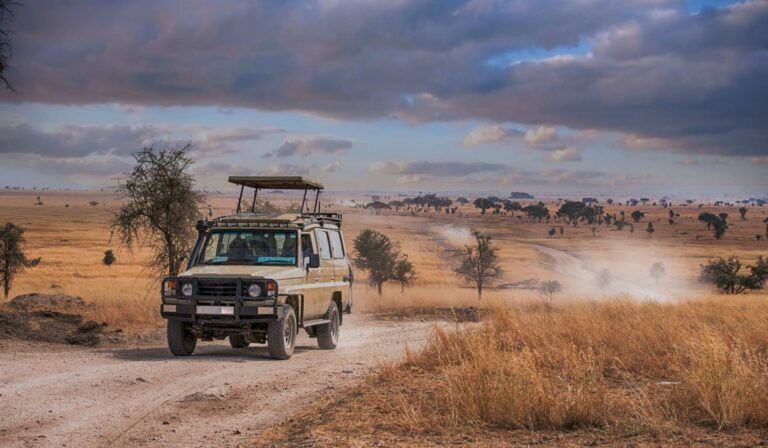 1-Day Poroto Mountains Hike: Your Complete Guide For Adventures 2026-2027start an unforgettable 1-day adventure in the Poroto Mountains, a less crowded place near Arusha, Tanzania. This guide covers everything from…View package
 Your Expert Guide To A 2-Day Mount Rungwe Trek 2026-2027Plan your ultimate 2-Day Mount Rungwe Trek with our comprehensive guide. Learn about routes, gear, fitness, and why this Tanzanian gem is…View package
 Masoko Crater Lake Adventure: Your Ultimate Tanzania Exploration GuideExplore the less crowded place of Masoko Crater Lake, a unique adventure destination in Tanzania. This guide covers everything from…View package
 Kisiba Crater Lake Tour: Your Ultimate Tanzania Adventure Guide 2026-2027A detailed 2026-2027 guide to Kisiba Crater Lake Tour, with clear planning and booking information for travelers.View package
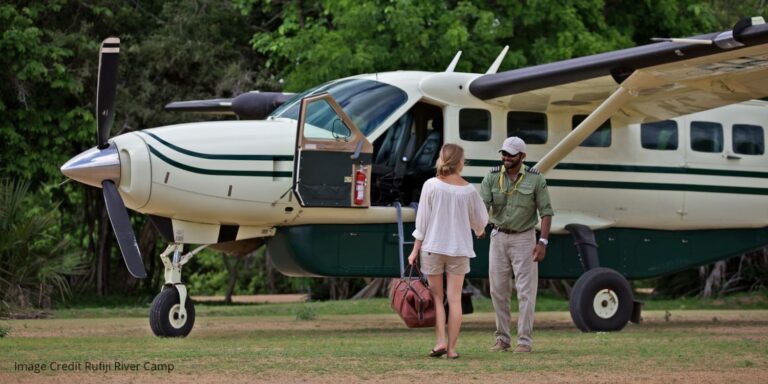 Tukuyu Volcanic Landscape Tour: Explore Southern Tanzanias Geothermal Wondersstart an unforgettable journey through the Tukuyu Volcanic Landscape in Southern Tanzania. This tour offers a unique exploration of geothermal…View package


