



A Kondoa photography adventure offers a unique opportunity to capture the ancient human history through Tanzania’s UNESCO World Heritage rock art sites, complemented by the region’s diverse wildlife, making it an ideal destination for photographers seeking both cultural depth and natural beauty, especially when planned for 2026 or 2027.
Discovering the Unseen: Your Kondoa Photography Adventure Awaits
Tanzania is globally renowned for its iconic wildlife safaris – the Great Migration across the Serengeti, the vastness of the Selous, the unique ecosystem of the Ngorongoro Crater. Yet, beyond these celebrated landscapes lies a different kind of wonder, one that speaks of millennia of human presence and artistic expression. The Kondoa Rock Art Sites, a UNESCO World Heritage area, offer a profound photographic journey into Tanzania’s prehistoric past. Combining this with the surrounding natural beauty and wildlife presents an unparalleled Kondoa photography adventure, a journey for the discerning traveler looking for subjects that tell stories across time.
This isn’t just about capturing a fleeting moment; it’s about documenting the enduring legacy of humanity and the vibrant life that continues to thrive in this ancient land. For photographers planning their expeditions for 2026 and 2027, a Kondoa-focused adventure promises a rich mix of subjects, from the delicate ochre paintings on cave walls to the majestic wildlife roaming the plains. It’s a chance to create images that are not only visually stunning but also deeply resonant with history and culture.
Why Kondoa for Photographers? The Allure of Ancient Art and Untamed Nature
The appeal of Kondoa for photographers stems from its dual nature: the raw, artistic expression of early humans and the dynamic, living world of East African fauna. The rock art itself is a subject of immense fascination. These paintings, some dating back thousands of years, depict scenes of daily life, hunting rituals, animals, and spiritual beliefs. Their preservation in the rugged landscape of Kondoa provides a dramatic backdrop for any photograph. Imagine capturing the texture of ancient rock, the faded hues of pigment, and the stories etched into the stone, all bathed in the golden light of the African sun.
Beyond the caves, the Kondoa region is part of a broader ecosystem that supports a variety of wildlife. While not as densely populated with megafauna as the northern circuit parks, it offers opportunities to photograph species adapted to the drier, more rugged terrain. This includes diverse birdlife, antelopes, and the chance encounters that make any safari memorable. The absence of overwhelming tourist crowds often found in more famous parks also means a more intimate and less obstructed photographic experience. This tranquility is a significant advantage for photographers who need patience and space to compose their shots.
For those planning a trip in 2026 or 2027, understanding this unique blend is key to planning a successful Kondoa photography adventure. It requires a different approach than a typical wildlife-focused safari, blending cultural exploration with nature observation.
Planning Your Kondoa Photography Expedition: Key Considerations for 2026-2027
A successful photography trip to Kondoa requires meticulous planning. Unlike a standard safari where the focus is solely on wildlife, a Kondoa adventure integrates cultural heritage sites with natural landscapes. This means considering logistics, local guides, best times to visit, and specific photographic needs.
Best Time to Visit for Photographers
The climate in Kondoa, like much of Tanzania, is characterized by distinct wet and dry seasons. For photographers, the dry season, generally from June to October, is often preferred. During this period:
- Clear Skies and Light: The dry season typically offers clear skies, providing consistent light conditions ideal for photography. The golden hour light, especially during sunrise and sunset, is particularly dramatic and enhances the texture of the rock art and the landscape.
- Wildlife Visibility: As water sources become scarcer, wildlife tends to congregate around remaining waterholes, potentially offering better viewing and photographic opportunities.
- Accessibility: Roads to and within the rock art sites are generally in better condition during the dry season, making travel smoother.
The shoulder months, such as late May or early November, can also be excellent, offering fewer crowds and potentially lower prices for accommodation and tours, while still providing good photographic conditions. For travelers looking ahead to 2026 and 2027, booking during the dry season will maximize your chances of favorable weather and light for your Kondoa photography adventure.
Essential Photography Gear for Kondoa
The diverse subjects in Kondoa necessitate a versatile gear setup. Consider the following:
- Camera Bodies: A DSLR or mirrorless camera with good low-light performance is recommended for the cave interiors and for potential wildlife shots in varying light.
- Lenses:
- Wide-angle lens (e.g., 16-35mm): Essential for capturing the scale of the rock shelters and the surrounding landscapes.
- Mid-range zoom lens (e.g., 24-70mm): A workhorse for general photography, suitable for both landscapes and wildlife.
- Telephoto lens (e.g., 70-200mm or longer): Crucial for wildlife photography, allowing you to capture distant animals without disturbing them.
- Macro lens: Useful for capturing the intricate details of the rock art pigments, textures, and any smaller flora or fauna encountered.
- Tripod: Indispensable for low-light conditions inside the shelters, for long exposures, and for ensuring sharpness in all your shots, especially when photographing the detailed rock art.
- Extra Batteries and Memory Cards: You’ll be shooting a lot, so ensure you have ample power and storage.
- Cleaning Kit: Dust is common in Tanzania; a good lens cleaning kit is vital.
- Filters: Polarizing filters can help manage glare and enhance skies, while neutral density filters can be useful for controlling exposure in bright conditions.
- Protection: Camera bags should be sturdy and offer protection from dust and occasional rain.
Remember to pack light enough to manage your gear efficiently, especially when moving between sites or on game drives. For a Kondoa photography adventure, versatility and reliability are key.
Choosing the Right Guide and Tour Operator
Navigating the Kondoa Rock Art Sites and surrounding areas requires local knowledge. A specialized guide or tour operator can significantly enhance your experience and photographic success.
- Local Expertise: Guides familiar with the sites can lead you to the best viewpoints, explain the cultural significance of the art, and help you understand local wildlife behavior.
- Photography Focus: Look for tour operators who understand the needs of photographers. They can arrange for early morning or late afternoon access to sites for optimal light and minimize disruptions.
- Logistics: A reputable operator will handle transportation, accommodation, permits, and ensure smooth travel between locations.
When planning your 2026 or 2027 trip, consider operators like Top Best Tanzania Tour operator, who can craft custom itineraries tailored to photographic interests. You can reach them via WhatsApp +255616946642 or email topguideadventures@gmail.com.
The Kondoa Rock Art Sites: A Photographer’s Dream Subject
The Kondoa region is home to over 150 ancient rock shelters containing some of the most significant and best-preserved rock art in Africa. This is the heart of any Kondoa photography adventure, offering a visual narrative stretching back millennia.
Exploring Key Rock Art Locations
The Kondoa region boasts numerous sites, each with unique characteristics. While access to some may require special permission or guided tours, key areas include:
- Kolo: One of the most accessible sites, Kolo features shelters with paintings depicting human figures, animals, and abstract symbols. The shelters here are often set against dramatic cliff faces, offering excellent photographic compositions.
- Fenga: Known for its detailed animal depictions, Fenga offers a glimpse into the fauna that inhabited the region in ancient times. The clarity and color of these paintings can be remarkable.
- Muselenge: This site is noted for its narrative paintings, potentially illustrating hunting scenes or social activities. Capturing the sequence and storytelling within these artworks is a rewarding photographic challenge.
- Thago: Often featuring geometric patterns and anthropomorphic figures, Thago provides a different artistic style to document.
Each site offers a unique palette and context. The interaction of light and shadow within the shelters is crucial for bringing out the texture and depth of the paintings. Patience and careful observation will yield the most compelling images.
Techniques for Photographing Ancient Art
Photographing rock art requires a sensitive approach to respect the heritage site while capturing its essence.
- Light and Shadow: Utilize natural light to highlight the contours and textures of the paintings. Shooting at different times of day can reveal different details. Side lighting is particularly effective.
- Composition: Frame the art within its context – the rock shelter, the surrounding landscape, or even the guide pointing out details. This adds scale and narrative to your photographs.
- Detail Shots: Use a macro lens or zoom in on specific figures, patterns, or areas where the pigment is most vivid or has interesting textures.
- Avoid Direct Flash: Using direct flash can wash out the details and is generally discouraged at heritage sites. Rely on natural light and your tripod. If fill light is absolutely necessary, use it subtly and indirectly, with permission.
- Respect and Permissions: Always follow the guidance of your local guides regarding photography. Some areas or specific artworks might have restrictions.
A successful shot of the rock art is not just about technical skill but about conveying the feeling of stepping back in time. This is the core of a memorable Kondoa photography adventure.
Understanding the History and Significance
The Kondoa rock art is a testament to human ingenuity and adaptation. The paintings are believed to have been created by hunter-gatherer communities over a long period, with some possibly dating back 10,000 years. Later, pastoralist communities added their own artworks. The sites provide invaluable insights into the beliefs, environment, and social structures of these ancient peoples.
For photographers, understanding this context enriches the visual narrative. A photograph of a painting depicting a giraffe is more powerful when you know it represents an animal that was crucial for survival or held symbolic meaning. This historical depth adds a layer of meaning that elevates the photographic output of your Kondoa photography adventure.
Wildlife Encounters in the Kondoa Region
While the rock art is the primary draw, the Kondoa region is not devoid of wildlife. The landscape, a mix of savannah, woodlands, and rocky outcrops, supports a variety of species that can provide excellent photographic opportunities.
What Wildlife to Expect
While you won’t find the sheer density of game seen in the northern circuit parks, Kondoa offers a more intimate wildlife experience. Expect to see:
- Birdlife: The region is a haven for birdwatchers and photographers. Species like the Lilac-breasted Roller, various hornbills, eagles, and numerous smaller savanna birds can be found.
- Antelopes: Various antelope species, including impalas, gazelles, dik-diks, and possibly greater kudu or eland, are present.
- Predators: Lions, leopards, and cheetahs are present but more elusive. Patience and luck are key for photographing these apex predators.
- Other Mammals: Warthogs, baboons, various monkeys, and perhaps even elephants or giraffes can be encountered, especially in areas bordering larger conservation areas.
The drier conditions in the dry season (June-October) often concentrate animals around water sources, which can be advantageous for photography. Planning your Kondoa photography adventure during this period can increase your chances of exciting wildlife sightings.
Tips for Wildlife Photography in Kondoa
Photographing wildlife in a less-frequented area like Kondoa requires adaptability.
- Patience is Key: Wildlife sightings might be less frequent but can be more rewarding due to the lack of crowds. Be prepared to wait for the perfect shot.
- Early Mornings and Late Afternoons: These are the prime times for wildlife activity and the best light for photography.
- Vehicle Positioning: Work with your guide to position the vehicle for the best angles and to avoid disturbing the animals.
- Use Your Telephoto Lens: Essential for capturing distant subjects and for getting close-up shots without stressing the animals.
- Capture Behavior: Look for interactions, feeding, or resting animals. These behavioral shots tell a story and make for compelling photographs.
- Consider the Environment: Include the landscape in your wildlife shots to provide context and showcase the unique environment of Kondoa.
A successful wildlife component of your Kondoa photography adventure will blend skill, patience, and a bit of luck, creating images that capture the spirit of the wild.
Beyond the Lens: Cultural Immersion and Local Life
A Kondoa photography adventure is not solely about capturing images; it’s also about experiencing the local culture and understanding the people who have lived alongside these ancient artworks for generations.
Interacting with Local Communities
The areas surrounding the Kondoa Rock Art Sites are inhabited by local communities. Engaging respectfully with these communities can offer unique photographic opportunities and a deeper understanding of the region.
- Village Visits: With the arrangement of your guide, you might have the opportunity to visit local villages. This allows for portraits, capturing daily life, traditional crafts, and community activities.
- Respectful Photography: Always ask for permission before photographing people, especially children. Be sensitive to cultural norms and avoid intrusive behavior. A smile and a gesture can go a long way.
- Local Markets: If your itinerary includes market days, these can be vibrant places to photograph, capturing the hustle and bustle, colorful produce, and local interactions.
These human elements add a vital dimension to your photographic narrative, connecting the ancient past with the present.
The Role of Guides in Cultural Photography
Your guide is your bridge to understanding and interacting with local culture.
- Cultural Interpretation: Guides can explain local customs, traditions, and the significance of various activities, helping you photograph them meaningfully.
- Facilitating Introductions: They can help you meet local artisans, elders, or community leaders, opening doors to unique photographic subjects and stories.
- Language Barrier: Guides act as interpreters, smoothing communication and ensuring respectful interactions.
A good guide ensures that your cultural photography is not just about taking pictures but about respectful engagement and genuine connection.
Crafting Your Itinerary: Sample Ideas for a Kondoa Photography Adventure
While every traveler’s needs are unique, here are some ideas for structuring a photography-focused trip to Kondoa, keeping in mind potential plans for 2026 and 2027.
Option 1: The Deep look at Rock Art (5-7 Days)
This itinerary focuses primarily on the archaeological and artistic wonders of Kondoa.
- Day 1-2: Arrival & Kolo Exploration. Arrive in Dodoma or Arusha and transfer to Kondoa. Settle in and begin exploring the Kolo rock art sites with a local guide, focusing on light and composition.
- Day 3: Fenga & Muselenge. Dedicate the day to visiting Fenga and Muselenge, capturing detailed shots of animal depictions and narrative art.
- Day 4: Thago & Beyond. Explore more remote sites like Thago, focusing on different artistic styles and patterns.
- Day 5: Cultural Immersion. Spend time with a local community, photographing daily life and traditional practices.
- Day 6-7: Landscape Photography & Departure. Capture sunrise/sunset over the Kondoa landscape and depart.
Option 2: The Combined Cultural & Wildlife Adventure (8-10 Days)
This itinerary balances the rock art with opportunities for wildlife photography and deeper cultural engagement.
- Day 1-3: Kondoa Rock Art Focus. Similar to Option 1, dedicating time to exploring the main rock art sites (Kolo, Fenga, Muselenge) with a photographic lens.
- Day 4: Local Village Life. Full day dedicated to cultural photography in a nearby village, interacting with residents and documenting their activities.
- Day 5-7: Wildlife Safaris in Surrounding Areas. Transfer to a nearby wildlife-rich area (e.g., a conservancy or a less-visited park) for dedicated wildlife photography, focusing on birds, antelopes, and any predators encountered.
- Day 8-9: Landscape & Sunrise/Sunset Shoots. Explore scenic viewpoints for landscape photography, capturing the dramatic African light over the varied terrain.
- Day 10: Departure. Transfer back to Arusha or Dodoma for your onward journey.
For customized itineraries for your Kondoa photography adventure in 2026 or 2027, contact topguideadventures@gmail.com or WhatsApp +255616946642.
Practicalities for Your Kondoa Photography Trip
Beyond the creative aspects, practical considerations are vital for a smooth Kondoa photography adventure.
Accommodation Options
Accommodation in the Kondoa region is generally more rustic than in major tourist hubs. Options can include:
- Basic Lodges/Guesthouses: These offer essential amenities and a comfortable base for exploring the sites.
- Tented Camps: Some operators may offer more immersive experiences with comfortable tented accommodations, providing a closer connection to nature.
- Camping: For the truly adventurous, camping can be arranged in designated areas, offering a raw experience under the stars.
When booking for 2026 or 2027, discuss accommodation preferences with your tour operator to ensure they meet your comfort and photographic needs.
Health and Safety
Standard precautions for travel in Tanzania apply:
- Vaccinations: Consult your doctor about recommended vaccinations, including Yellow Fever (required for entry if coming from an endemic country), Hepatitis A, Typhoid, and Tetanus.
- Malaria Prevention: Kondoa is a malaria-risk area. Take antimalarial medication and use insect repellent.
- Water and Food: Drink bottled or purified water and be cautious with street food.
- Sun Protection: The African sun is intense. Use high-SPF sunscreen, wear a wide-brimmed hat, and stay hydrated.
- General Safety: Always follow your guide’s instructions and be aware of your surroundings.
Prioritizing health and safety ensures you can focus on your photography without worry.
Permits and Fees
Access to the Kondoa Rock Art Sites requires permits and often involves park or site entry fees, which contribute to conservation and site management. Your tour operator will typically arrange these, but it’s good to confirm what is included in your package.
The Future of Kondoa Photography Adventures (2026-2027 and beyond)
As awareness of the Kondoa Rock Art Sites grows, particularly among travelers seeking unique experiences, the region is poised to become a more prominent destination for specialized tours. For photographers planning their trips in 2026 and 2027, this means that while the sites will remain relatively uncrowded compared to major parks, booking in advance with a reputable operator is advisable to secure preferred guides and accommodations.
The trend towards sustainable and responsible tourism also means that operators who prioritize community engagement and conservation will be increasingly valued. A Kondoa photography adventure planned with such operators will not only yield stunning images but also contribute positively to the local economy and the preservation of this invaluable heritage.
Why Book Your Kondoa Photography Adventure with Us?
At Top Best Tanzania Tour operator, we specialize in crafting unique Tanzanian experiences that go beyond the ordinary. We understand the specific needs of photographers, whether you’re drawn to the ancient narratives of the Kondoa Rock Art Sites or the captivating wildlife of Tanzania’s famed parks.
- Tailored Itineraries: We design custom trips that align with your photographic interests, ensuring you have ample time at key locations and the best light conditions.
- Expert Local Guides: Our guides are not only knowledgeable about the landscapes and wildlife but also possess cultural insights and understand photographic requirements.
- Logistical Excellence: From comfortable accommodation to reliable transportation, we handle all the details so you can focus on capturing incredible images.
- Commitment to Responsible Tourism: We work with local communities and prioritize conservation efforts, ensuring your adventure benefits the destination.
Let us help you plan an unforgettable Kondoa photography adventure for 2026 or 2027. Connect with our expert travel planners:
- WhatsApp: +255616946642
- Email: topguideadventures@gmail.com
- Backup Email: info@topguideadventures.com
- Website: Top Best Tanzania Tour operator
Your journey into the heart of ancient art and wild beauty begins here.
Check Availability for Kondoa Photography Adventure Guide
Ready to compare dates, prices, and the best option for your group? Send the package name and travel month so the team can reply with a clear quote, availability, and what is included.
 2-Day Kondoa Cave Painting Adventure: Explore Ancient Rock Art In TanzaniaDiscover the ancient wonders of the Kondoa rock art sites on an immersive 2-day adventure. This tour offers a unique glimpse into Tanzania's…View package
 Kondoa Hiking And Rock Art Tour: Ancient Stories In Tanzanias LandscapeDiscover the wonders of the Kondoa Rock Art Sites, a UNESCO World Heritage Site, through an immersive hiking tour. This guide details what to…View package
 Kondoa Village Homestay: An Authentic Tanzania Cultural Experience 2026-2027A Kondoa Village Homestay offers an unparalleled opportunity to connect with the heart of Tanzanian culture. This guide explores what to expect…View package
 Kondoa Archaeology Expedition: Unearthing Ancient Human History In TanzaniaA detailed 2026-2027 guide to Kondoa Archaeology Expedition, with clear planning and booking information for travelers.View package
 Kondoa Unesco Rock Art Tour: Unveiling Tanzanias Ancient Heritage 2026-2027Discover the wonders of the Kondoa UNESCO Rock Art sites with a specialized tour. This guide covers what to expect, how to plan your visit for…View package
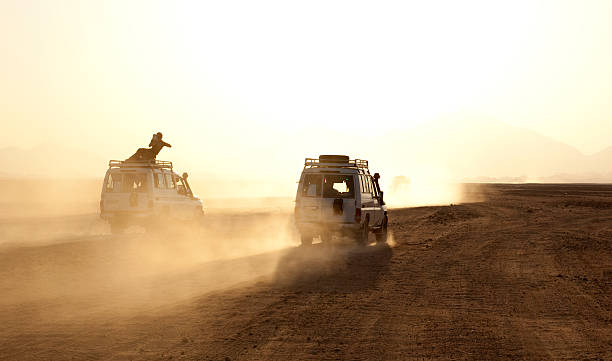 3-Day Kondoa Cultural Heritage Package: Unveiling Ancient Rock Art & LocalA detailed 2026-2027 guide to 3-Day Kondoa Cultural Heritage Package, with clear planning and booking information for travelers.View package
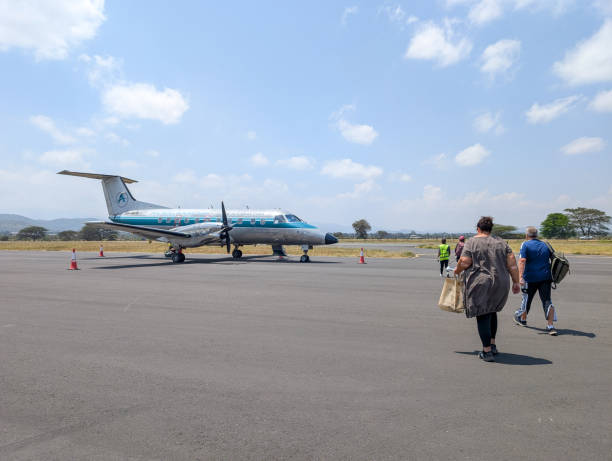 1-Day Kondoa Rock Art Tour: Uncover Ancient Tanzanias Secrets 2026-2027Discover the ancient wonders of Tanzania with a 1-Day Kondoa Rock Art Tour. This immersive experience takes you to UNESCO World Heritage sites…View packageKondoa: Unveiling Tanzanias Ancient Rock Art Heritage 2026-2027Discover the wonders of Kondoa, a UNESCO World Heritage site in Tanzania renowned for its prehistoric rock art. This guide covers what to see…View package


