
The Lake Jipe fishing experience offers a tranquil yet rewarding angling adventure in Tanzania, known for its diverse freshwater species like Nile perch, tilapia, and catfish, with the best opportunities typically found during the dry seasons of June to October and December to February. Anglers can anticipate a blend of traditional local fishing methods and opportunities for more modern techniques, all set against the stunning backdrop of the Pare Mountains and near the famous Tsavo West National Park, making it a unique addition to any Tanzania itinerary for 2026-2027.
Discovering Lake Jipe: A less crowded place for Anglers
Tanzania, a land celebrated for its vast savannas, iconic wildlife, and majestic Mount Kilimanjaro, also harbors quieter, less-trodden paths for those seeking a different kind of adventure. Among these is Lake Jipe, a significant freshwater lake straddling the border between Kenya and Tanzania, located on the southern edge of the Tsavo West National Park. While often overshadowed by its more famous safari counterparts, Lake Jipe presents a compelling Lake Jipe fishing experience that appeals to both seasoned anglers and casual enthusiasts looking for a peaceful escape combined with the thrill of the catch.
For travelers planning their trips for 2026-2027, understanding the nuances of fishing at Lake Jipe can transform a good holiday into an exceptional one. This is not just about casting a line; it’s about immersing oneself in the local culture, appreciating the natural beauty of the East African landscape, and connecting with an environment that feels largely untouched by mass tourism. The lake’s shallow, warm waters teem with life, providing a habitat for a variety of fish species that are a delight to pursue.
Top Guide Adventures specializes in crafting bespoke travel experiences across Tanzania, and we recognize the growing interest in unique activities like specialized fishing trips. A Lake Jipe fishing excursion can be seamlessly integrated into a broader safari itinerary, offering a refreshing contrast to the game drives and allowing for a deeper appreciation of the region’s biodiversity, both above and below the water’s surface.
The Unique Appeal of Lake Jipe Fishing
What sets Lake Jipe apart as a fishing destination? Firstly, its relatively remote location ensures a more intimate and less crowded experience compared to some of the more commercially developed fishing spots. This seclusion allows anglers to truly connect with nature, listening to the sounds of the African bush and observing the abundant birdlife that frequents the lake and its surrounding wetlands.
Secondly, the lake’s ecosystem supports a diverse range of fish. While Nile perch are a prime target, the waters are also rich with tilapia, catfish, and various smaller species. The fishing methods employed by local communities, often passed down through generations, offer a fascinating glimpse into sustainable practices. Visitors can learn these techniques or opt for more familiar angling styles, depending on their preference and the guidance provided by local experts.
The scenic beauty surrounding Lake Jipe is another significant draw. The lake is bordered by the rugged landscape of Tsavo West National Park on the Tanzanian side and the vast plains of Kenya on the other. The majestic Pare Mountains form a dramatic backdrop, especially during sunrise and sunset, painting the sky with hues of orange, pink, and purple. This picturesque setting enhances the overall Lake Jipe fishing experience, making it as much a visual feast as it is an angling pursuit.
For those considering travel in 2026-2027, incorporating a fishing trip to Lake Jipe could be a highlight, offering a unique story to tell and memories that go beyond the typical tourist trail. It’s an opportunity to engage with Tanzania in a way that is both active and contemplative, providing a different perspective on this incredible country.
Understanding Lake Jipe: Geography and Ecology
To fully appreciate the Lake Jipe fishing experience, it’s essential to understand the lake’s physical characteristics and the ecological factors that influence its aquatic life. Lake Jipe is not a static body of water; its size and depth fluctuate significantly with the seasons, influenced by rainfall patterns in its catchment area, which includes parts of the Ngong Hills and the Tsavo region.
The lake is relatively shallow, with an average depth that can vary from a few meters during the dry season to over ten meters in the rainy season. This shallowness means the water temperature can rise, affecting oxygen levels and fish behavior. The lake bed is a mix of mud, sand, and rock, providing varied habitats for different species. Extensive papyrus swamps and reed beds fringe much of the shoreline, offering shelter for smaller fish and attracting a wealth of birdlife, including herons, egrets, kingfishers, and various waterfowl.
Water Levels and Seasonal Influences
The hydrological dynamics of Lake Jipe are crucial for understanding fishing success. The lake’s primary source of water is the Lumi River, which originates from Mount Kilimanjaro, along with direct rainfall and runoff from the surrounding highlands. During the long rainy season (typically March to May), the Lumi River swells, and increased precipitation can lead to a significant rise in the lake’s water level. Conversely, the dry seasons (June to October and December to February) see a reduction in inflow and increased evaporation, causing the water levels to drop. This fluctuation directly impacts fish distribution, breeding patterns, and accessibility for fishing.
During periods of lower water, fish may become more concentrated in deeper areas, potentially making them easier to find. However, lower oxygen levels in warmer, shallower water can also stress fish. Conversely, higher water levels during the wet season can disperse fish into wider areas, including flooded grasslands, making them harder to locate but also offering opportunities for unique fishing experiences in newly accessible spots.
Biodiversity: Fish Species of Lake Jipe
The star attraction for any angler is the diversity of fish species available. The Lake Jipe fishing experience is largely defined by the pursuit of:
- Nile Perch (Lates niloticus): Perhaps the most sought-after predator in Lake Jipe, Nile perch are known for their powerful fight and substantial size. While not native to Lake Jipe, they have been introduced and have thrived, becoming a significant part of the local fishery. They are typically found in deeper sections of the lake and along drop-offs.
- Tilapia: Several species of tilapia inhabit Lake Jipe, including Nile tilapia (Oreochromis niloticus) and Redbelly tilapia (Tilapia zillii). These are popular food fish and are often caught closer to the shore, around vegetation, and in shallower bays. They are generally easier to catch than Nile perch and provide consistent action.
- Catfish: Various species of catfish, including the sharp-toothed catfish (Clarias gariepinus), are also present. Catfish are bottom-dwellers and can be found in many parts of the lake, often feeding on smaller fish and invertebrates.
- Other Species: Depending on the season and specific location within the lake, anglers might also encounter smaller fish species that form part of the local diet and ecosystem.
The health of this ecosystem is vital. Conservation efforts and sustainable fishing practices by local communities are crucial for ensuring that Lake Jipe remains a vibrant fishing destination for years to come, including into 2026-2027 and beyond. Understanding these ecological factors helps in planning the best time and approach for a successful fishing trip.
Planning Your Lake Jipe Fishing Trip: Best Times and Logistics
A well-planned trip is key to maximizing the enjoyment and success of your Lake Jipe fishing experience. Several factors need consideration, including the best time to visit, necessary permits, accommodation options, and how to arrange your expedition.
Optimal Fishing Seasons
While fishing is possible year-round, certain periods offer more favorable conditions:
- Dry Seasons (June – October & December – February): These are generally considered the prime times for fishing at Lake Jipe. During these months, the weather is typically sunny and dry, with less rainfall. Lower water levels can concentrate fish, and clearer waters make spotting potential fishing spots easier. The period from June to October is particularly good as it follows the long rains and precedes the short rains, often offering stable conditions. The break between the short rains (December) and the long rains (March) also provides excellent opportunities.
- Wet Seasons (March – May & November): Fishing can still be productive during the wet seasons, but it comes with challenges. Heavy rains can make access difficult, especially on unpaved roads. The water may become turbid, affecting visibility and fish behavior. However, higher water levels can open up new fishing grounds in flooded areas, and some species might be more active during or after rainfall. For travelers comfortable with potentially challenging weather, the shoulder months of November can offer a unique experience with fewer crowds.
For planning purposes for 2026-2027, aiming for the dry seasons will generally yield the most predictable and comfortable fishing conditions.
Essential Permits and Regulations
Fishing in Tanzania, particularly in protected areas or on major water bodies, may require permits. While Lake Jipe is not a national park in itself, its proximity to Tsavo West National Park means regulations might apply. It is advisable to confirm the specific requirements for recreational fishing with local authorities or your tour operator. Top Guide Adventures ensures all necessary permits and permissions are secured for our clients, simplifying the process and allowing you to focus on the fishing.
Accommodation Near Lake Jipe
Accommodation options around Lake Jipe are somewhat limited compared to major tourist hubs, which contributes to its unspoiled charm. Visitors typically find:
- Campsites: Basic campsites are available, offering a chance to be close to nature. This is ideal for the adventurous traveler.
- Lodges and Tented Camps: A few lodges and tented camps are situated in the vicinity, often offering comfortable amenities and guided activities. Some might be located within or on the fringes of Tsavo West National Park, providing a safari experience alongside fishing opportunities.
- Local Homestays: For a truly immersive cultural experience, arranging a stay with a local family can be arranged through experienced tour operators, providing insight into the daily life of communities living by the lake.
Top Guide Adventures can assist in booking suitable accommodation that aligns with your comfort level and desired experience, whether you prefer a rustic camping setup or a more comfortable lodge stay for your Lake Jipe fishing experience.
Arranging Your Fishing Expedition
To ensure a smooth and productive fishing trip, it is highly recommended to book through a reputable tour operator like Top Guide Adventures. We can arrange:
- Transportation: Reliable 4×4 vehicles suitable for the terrain.
- Fishing Gear: Provision of quality fishing rods, reels, tackle, and bait.
- Local Guides: Experienced local fishermen who know the lake intimately and can guide you to the best spots.
- Boat Hire: Access to suitable fishing boats, often traditional wooden dhows or small motorboats.
- Logistics: Permits, food, and any other necessary arrangements.
Contacting us well in advance, especially for trips planned for 2026-2027, allows us to customize the perfect itinerary for your Lake Jipe fishing experience.
Fishing Techniques and Local Insights
The Lake Jipe fishing experience is enriched by understanding the local methods and adopting techniques that are effective in its unique environment. While modern angling gear can be used, learning from the local fishermen offers invaluable insights.
Traditional Fishing Methods
Communities around Lake Jipe have relied on fishing for generations. Their methods are often simple, sustainable, and highly effective:
- Handlines: This is one of the most common methods. Fishermen use a strong line, often with a hook and bait, which they manage by hand from a boat or the shore. It requires skill and patience to detect the subtle bites and set the hook correctly.
- Gillnets: While often used for commercial fishing, smaller versions might be employed by locals. Gillnets are set in the water and catch fish by their gills as they try to swim through. This method is highly efficient but requires careful management to avoid bycatch and ensure sustainability.
- Spearfishing: In shallower areas, particularly during lower water levels, spearfishing can be employed, especially for tilapia and catfish.
- Bait Fishing: The choice of bait is critical. Local fishermen often use small fish, insects, or worms found in the vicinity. For Nile perch, larger baitfish are typically used.
Participating in or observing these traditional methods provides a cultural dimension to the fishing trip, offering a connection to the local way of life.
Modern Angling Approaches
For anglers accustomed to contemporary techniques, Lake Jipe offers opportunities to apply them:
- Spin Casting: Using spinning rods and reels with lures or bait is effective, particularly for targeting Nile perch and larger tilapia.
- Trolling: Trolling with lures or baitfish in deeper sections of the lake can be successful for Nile perch, especially during dawn and dusk.
- Fly Fishing: While less common and potentially challenging due to the lake’s conditions and species, fly fishing for tilapia in shallower, weedier areas could offer a unique experience.
Top Guide Adventures can provide appropriate fishing gear, or advise on what to bring, ensuring you are equipped for either traditional or modern fishing styles. Our guides are knowledgeable about the best techniques for the prevailing conditions.
Local Insights for Success
The most valuable asset for any angler is local knowledge. Our guides, often from the communities bordering Lake Jipe, possess:
- Fish Behavior Knowledge: Understanding where different species are likely to be found based on the time of day, season, and water conditions.
- Bait Selection: Knowing which baits are most effective for specific fish at different times.
- Best Fishing Spots: Identifying productive areas, such as weed beds, drop-offs, river mouths, and areas with submerged structures.
- Reading the Water: Interpreting subtle signs like bird activity, water disturbances, and wind patterns that indicate fish presence.
Leveraging these local insights is paramount to a rewarding Lake Jipe fishing experience. For your 2026-2027 adventures, we ensure you are paired with guides who can share this wealth of knowledge.
What to Expect: A Typical Lake Jipe Fishing Day
A day spent fishing on Lake Jipe is an immersion into the rhythm of the lake and its surroundings. It’s a blend of anticipation, the thrill of the catch, and the tranquility of the African landscape.
Morning Expedition
The day often begins before sunrise, capitalizing on the cooler temperatures and increased fish activity. After a hearty breakfast at your accommodation or camp, you’ll meet your guide and head to the lake. Depending on the chosen fishing spot, this might involve a short drive or a walk to the shore.
Boats are typically launched early. If using traditional handlines, you might spend time preparing bait and lines. For spinning or trolling, you’ll rig your rods. The early morning hours are often excellent for targeting predatory species like Nile perch, which are actively hunting. The calm water at dawn, often reflecting the emerging sun and the silhouettes of distant mountains, provides a serene start to the day.
Midday Activities
As the sun climbs higher and the day warms up, fishing can become slower, especially for species that prefer cooler, deeper water. This midday period can be an opportunity to:
- Switch Tactics: If active hunting species slow down, focus on bottom-feeding fish like catfish or tilapia in shaded areas or deeper spots.
- Take a Break: Enjoy a packed lunch on the boat or on a quiet lakeshore. This is a chance to relax, observe the abundant birdlife, and appreciate the panoramic views.
- Explore the Shoreline: If conditions permit, a short exploration of the lake’s edge can reveal interesting flora and fauna.
The heat of the midday sun can be intense, so staying hydrated and protected with hats and sunscreen is essential. Many lodges offer siesta-style breaks during this period, allowing guests to relax in comfort before resuming fishing in the late afternoon.
Afternoon and Evening Fishing
As the afternoon progresses and temperatures begin to cool, fish activity often picks up again. The late afternoon and early evening are prime times for catching Nile perch as they resume their predatory behavior. Anglers might try different lures or move to new spots identified by their guides.
The sunset over Lake Jipe is a spectacle not to be missed. As the sky ignites with color, casting a warm glow over the water and surrounding landscape, the fishing can be at its most exciting. The day concludes as darkness falls, with a return to your lodge or camp, often filled with the satisfaction of a day well spent on the water.
Catch and Release vs. Local Consumption
A crucial aspect of the Lake Jipe fishing experience is deciding how to handle your catch. Many visitors practice catch and release, especially for larger or trophy fish like Nile perch, to help conserve the fish population. This is a responsible approach that ensures the sustainability of the fishery for future generations, including visitors in 2026-2027.
However, fishing is also a vital source of food and livelihood for the local communities. If you choose to keep some fish, particularly tilapia or catfish, it can be a meaningful way to support the local economy and culture. Your guide can advise on appropriate sizes and species to keep, and the catch can often be prepared by your lodge or camp for a fresh, local meal. Top Guide Adventures promotes sustainable tourism practices and can help you navigate these decisions ethically.
Beyond the Catch: Cultural and Natural Encounters
While the primary focus might be the Lake Jipe fishing experience, the surrounding area offers rich opportunities for cultural immersion and wildlife observation, making a trip here a holistic adventure.
Interacting with Local Communities
The villages dotted around Lake Jipe are home to communities whose lives are intricately linked to the lake. Engaging with them offers a genuine glimpse into traditional East African rural life. This can include:
- Visiting Villages: With a guide, respectful visits to local villages can be arranged. This allows for interaction with residents, learning about their customs, and understanding their dependence on the lake.
- Cultural Exchange: Participating in local activities, such as learning traditional fishing techniques, understanding farming practices, or even trying local cuisine, can be incredibly rewarding.
- Supporting Local Artisans: Many communities produce beautiful handicrafts, such as woven baskets or carved items, which can be purchased directly, providing economic benefit.
It’s important to approach these interactions with respect and sensitivity. Top Guide Adventures facilitates such cultural exchanges in a responsible and meaningful way, ensuring that benefits are shared equitably.
Wildlife and Birdwatching Opportunities
Lake Jipe and its surroundings are a haven for wildlife and a paradise for birdwatchers:
- Birdlife: The lake’s wetlands and shores attract a vast array of bird species. Expect to see African fish eagles, various herons (including Goliath herons), egrets, cormorants, kingfishers, weavers, and migratory birds depending on the season. The papyrus swamps are particularly rich in avian diversity.
- Mammals: Being adjacent to Tsavo West National Park, wildlife sightings are common. Elephants are frequent visitors to the lake’s shores, especially during dry spells. Other animals that may be seen include hippos (though less common in the lake itself than in rivers), buffalo, various antelopes (like impala and gerenuk), zebras, and if you’re lucky, predators like lions or cheetahs that roam the wider park area.
- Reptiles: Monitor lizards and various snake species inhabit the area, though sightings are usually incidental and best observed from a safe distance.
Evenings can be spent listening to the sounds of the bush, a natural symphony that accompanies the setting sun. For those combining fishing with a safari, the opportunities for wildlife encounters are abundant.
The Tsavo West National Park Connection
The Tanzanian side of Lake Jipe borders the vast Tsavo West National Park. This proximity means that a fishing trip can easily be combined with a safari.
- Game Drives: Explore the diverse landscapes of Tsavo West, from volcanic lava flows and rocky outcrops to open plains and riverine forests. Look for the park’s famous red-dust-covered elephants, rhinos (in protected sanctuaries), leopards, cheetahs, and a plethora of birdlife.
- Scenic Views: The park offers stunning vistas, including the Mzima Springs, a natural oasis with crystal-clear waters that are home to fish, hippos, and crocodiles.
- Rhino Sanctuary: Tsavo West is home to a sanctuary for the endangered black rhino, offering a chance to see these magnificent creatures.
Integrating a Lake Jipe fishing experience with a safari in Tsavo West provides a comprehensive taste of Tanzania’s natural wonders, perfect for travelers in 2026-2027 seeking diverse experiences.
Combining Lake Jipe Fishing with Other Tanzanian Adventures
A trip focused on the Lake Jipe fishing experience can be a standalone adventure or a captivating component of a larger Tanzanian journey. Top Guide Adventures excels at creating multi-faceted itineraries that cater to diverse interests.
Safari Packages
Lake Jipe is ideally situated to be included in Northern Circuit or Southern Circuit safari itineraries. It offers a unique pause from traditional game drives:
- Tsavo West & Jipe Combination: A logical pairing, allowing for game drives in Tsavo West and dedicated fishing time at Lake Jipe. This can be a 3-5 day add-on to a longer safari.
- Southern Circuit Integration: Lake Jipe can be incorporated into itineraries that include parks like Ruaha National Park or Selous Game Reserve (now Nyerere National Park), offering a different ecological zone and a chance for angling.
- Northern Circuit Extension: While geographically further, it’s possible to include Lake Jipe as a distinctive stop for those undertaking extensive Northern Circuit safaris (Serengeti, Ngorongoro, Tarangire), providing a contrast to the savannah experience.
For 2026-2027 travel, we can design custom safari packages that feature Lake Jipe fishing as a highlight.
Kilimanjaro Trekking
For the adventurous, combining a Kilimanjaro climb with a fishing trip offers a dynamic range of experiences:
- Post-Trek Relaxation: After the physical exertion of summiting Kilimanjaro, a few days of tranquil fishing at Lake Jipe can be the perfect way to relax and recover.
- Cultural Immersion: Both the mountain communities and the villages around Lake Jipe offer rich cultural insights.
A typical itinerary might involve climbing Kilimanjaro via the Machame Route, followed by a descent and then a journey to Lake Jipe for a 2-3 day fishing excursion before heading to Zanzibar or Arusha.
Zanzibar Holidays
Pairing the terrestrial and freshwater adventures of mainland Tanzania with the tropical allure of Zanzibar creates a classic East African holiday.
- Island Relaxation: After the rigors of trekking or the excitement of safaris and fishing, Zanzibar’s pristine beaches, turquoise waters, and spice-scented air offer ultimate relaxation.
- Water Sports: While Lake Jipe offers freshwater fishing, Zanzibar provides world-class opportunities for deep-sea fishing, snorkeling, and diving in the Indian Ocean.
A comprehensive trip for 2026-2027 could include a Kilimanjaro climb, a safari focusing on areas near Lake Jipe for fishing, and concluding with a blissful beach holiday in Zanzibar.
Why Choose Top Guide Adventures for Your Lake Jipe Fishing Experience?
When planning a unique adventure like a Lake Jipe fishing experience, partnering with an experienced and knowledgeable tour operator is essential. Top Guide Adventures is dedicated to providing exceptional service and crafting unforgettable journeys.
- Local Expertise: We have deep roots in Tanzania and a profound understanding of its diverse landscapes, cultures, and hidden gems like Lake Jipe. Our guides are local experts, ensuring an authentic and insightful experience.
- Customized Itineraries: We don’t believe in one-size-fits-all. We work closely with you to design a trip that matches your interests, budget, and timeframe, whether it’s a dedicated fishing trip or part of a larger Tanzanian adventure for 2026-2027.
- Quality Service: From comfortable accommodation and reliable transportation to high-quality fishing gear and knowledgeable guides, we ensure every detail is handled professionally.
- Sustainable Tourism: We are committed to responsible tourism practices that benefit local communities and conserve the natural environment.
- Safety and Support: Your safety and well-being are our top priorities. We provide 24/7 support throughout your trip.
We invite you to connect with us to discuss your dream Lake Jipe fishing experience or any other Tanzanian adventure. You can reach us via WhatsApp at +255616946642 or email us at topguideadventures@gmail.com. Our backup email is info@topguideadventures.com. Let us help you plan an extraordinary journey for 2026-2027.
Planning Your 2026-2027 Lake Jipe Fishing Adventure
Booking your Lake Jipe fishing experience in advance is highly recommended, especially for travel during the peak seasons of 2026-2027. Early booking secures preferred accommodation, guides, and transportation. Contact Top Guide Adventures today to start crafting your personalized itinerary. We offer a range of options from dedicated fishing trips to integrated components within broader safari or trekking holidays.
Check Availability for Lake Jipe Fishing Experience: Your Ultimate Guide For 2026-2027
Ready to compare dates, prices, and the best option for your group? Send the package name and travel month so the team can reply with a clear quote, availability, and what is included.
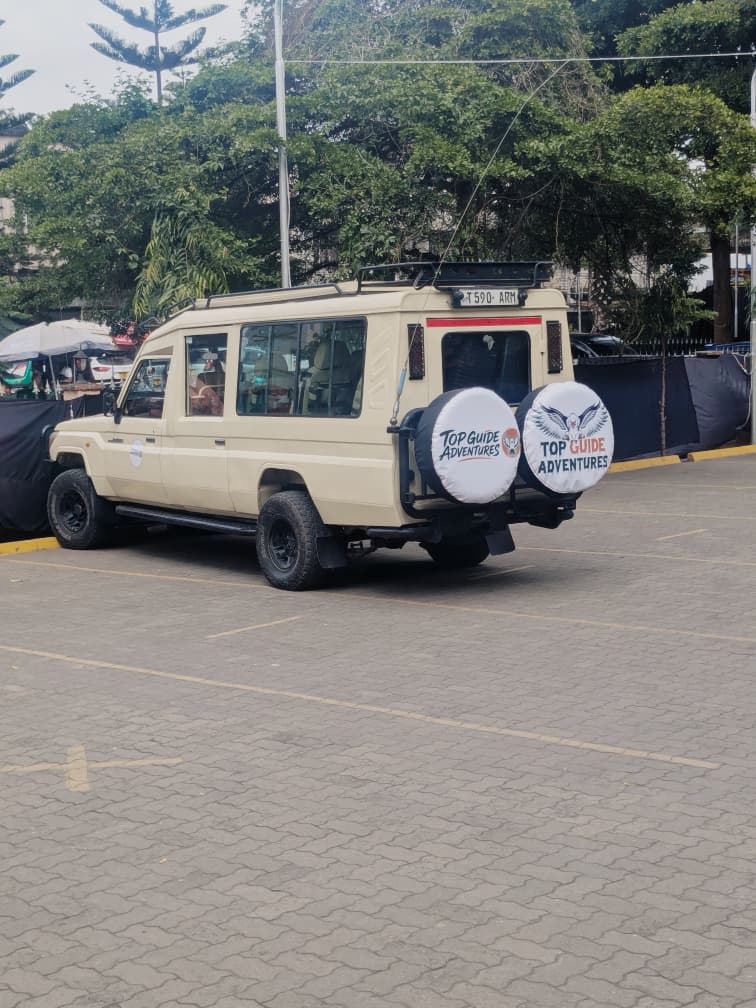 1-Day Lake Jipe Fishing Village Experience: Your Ultimate Tanzania AdventureExperience the charm of a 1-Day Lake Jipe Fishing Village Experience, offering a unique glimpse into Tanzania's coastal life and natural beauty…View package
 Lake Jipe Community Cultural Tour: Experience Authentic Tanzania 2026-2027A detailed 2026-2027 guide to Lake Jipe Community Cultural Tour, with clear planning and booking information for travelers.View package
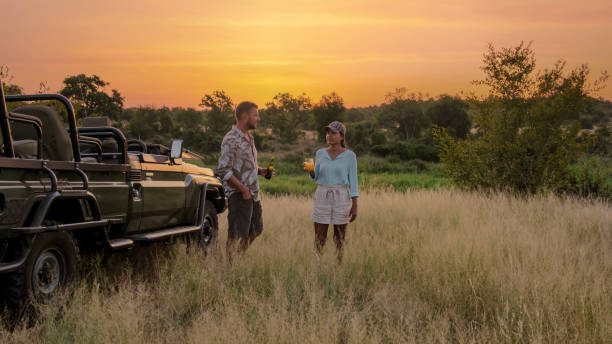 Lake Jipe Sunrise Boat Tour: An Unforgettable Tanzania Experience 2026-2027Discover the magic of a Lake Jipe sunrise boat tour, a unique Tanzanian adventure offering serene waters, abundant birdlife, and stunning…View packageYour 2-Day Lake Jipe Camping Safari: An Unforgettable Tanzania ExperienceDiscover the tranquility and wildlife of Lake Jipe on a 2-day camping safari. This short, immersive adventure offers a unique perspective on…View package1-Day Lake Jipe Birdwatching Adventure: Your Ultimate Tanzania ExperienceDiscover the rich birdlife of Lake Jipe on a focused 1-day birdwatching adventure. This immersive day trip offers unparalleled opportunities to…View package
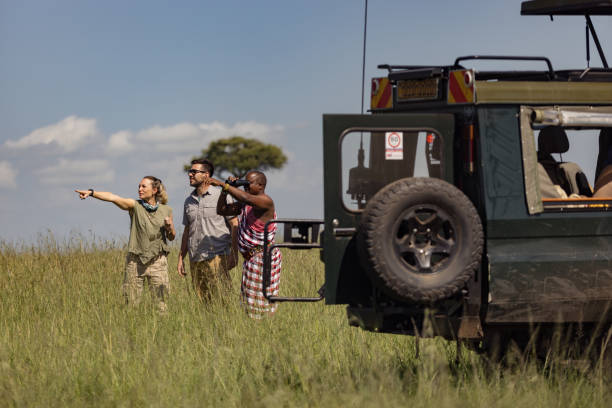
 Lake Jipe Wildlife Photography Tour: Capture Tanzanias Hidden Gems 2026-2027start a specialized Lake Jipe Wildlife Photography Tour in Tanzania, offering unparalleled opportunities to capture diverse birdlife, mammals…View package2-Day Lake Jipe And Mkomazi Safari: An Unforgettable Tanzania AdventureExplore the serene beauty of Lake Jipe and the rugged wilderness of Mkomazi National Park on a focused 2-day safari. This itinerary offers a…View package
 1-Day Lake Jipe Canoeing Tour: Explore Tanzanias Less Crowded Place 2026-2027Discover the tranquility and wildlife of Lake Jipe on a full-day canoeing adventure. This tour offers a unique perspective on Tanzania's natural…View package


