
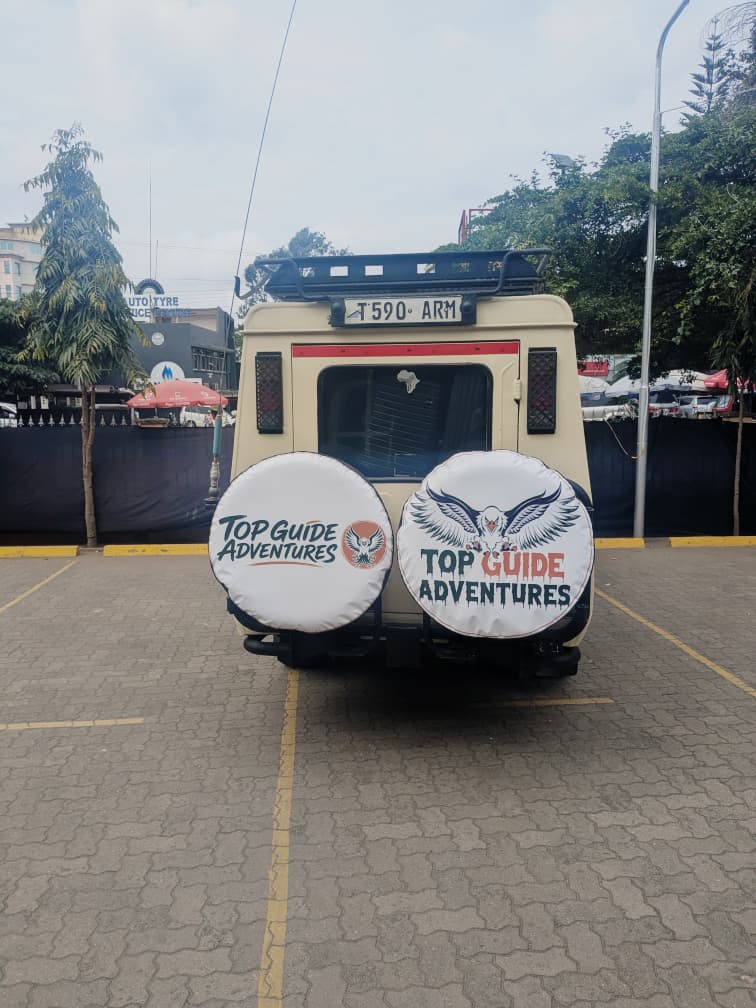
A Lake Jipe Wildlife Photography Tour in Tanzania offers a unique opportunity to capture diverse avian species, resident mammals, and the serene beauty of this lesser-known wetland ecosystem, often combined with visits to nearby areas like the Usambara Mountains or as part of a broader Southern Circuit safari, with the best photographic conditions typically found during the dry seasons of 2026-2027.
Discovering Lake Jipe: An Undiscovered Photographic Paradise
When planning a wildlife photography expedition in Tanzania, the mind often conjures images of the Serengeti’s great migration or the Ngorongoro Crater’s dense populations of predators. However, for the discerning photographer seeking subjects beyond the iconic, Lake Jipe presents a compelling, often overlooked, destination. Situated on the border of Tanzania and Kenya, within the vast expanse of the Tsavo-Mkomazi ecosystem, Lake Jipe is a vital wetland that teems with life, offering a different, yet equally rewarding, photographic experience. This tour is specifically curated for enthusiasts who wish to capture the intricate details of birdlife, the quiet grace of aquatic mammals, and the unique interactions that occur in a less-trodden environment.
For photographers in 2026-2027, a trip to Lake Jipe promises a chance to escape the crowds and focus on the art of capturing nature in a more intimate setting. The lake’s shallow waters, surrounding grasslands, and acacia woodlands create a dynamic canvas for a variety of photographic subjects. From the vibrant plumage of kingfishers and weavers to the imposing presence of elephants and hippos, the photographic potential is immense. This long-form guide will take you through everything you need to know to plan and execute a successful Lake Jipe Wildlife Photography Tour.
Why Choose Lake Jipe for Your Next Photography Safari?
Lake Jipe stands out for several reasons, particularly for those with a camera in hand. Its ecological significance as a Ramsar site means it supports a rich biodiversity, especially concerning birds. Unlike the vast plains of the Serengeti, Lake Jipe offers a more focused environment, allowing photographers to concentrate on specific habitats and species. The photographic opportunities here are diverse:
- Avian Abundance: Lake Jipe is a haven for a vast array of bird species, including numerous waterbirds, migratory visitors, and resident species. Photographers can expect to capture stunning shots of pelicans, storks, herons, egrets, various duck species, and a multitude of smaller birds like weavers, bee-eaters, and rollers. The sheer variety makes it a prime location for bird photography.
- Mammal Encounters: While not as densely populated with large mammals as some other parks, Lake Jipe is home to significant populations of hippos, crocodiles, and elephants that frequent the lake and its surroundings. Buffalo, various antelope species, and even the occasional leopard can be spotted in the adjacent areas.
- Unique Landscapes: The interplay of water, reeds, acacia trees, and the distant views of the Pare Mountains or Usambara Mountains (depending on your perspective and itinerary) provide a beautiful and varied backdrop for wildlife shots. The sunrise and sunset over the lake can be particularly dramatic, offering excellent opportunities for landscape and wildlife photography.
- Fewer Crowds: Compared to the more famous Tanzanian national parks, Lake Jipe receives far fewer visitors. This means you can often have prime photographic locations to yourself, allowing for patient observation and unhurried shooting without the distraction of other vehicles.
- Cultural Interactions: The areas surrounding Lake Jipe are inhabited by local communities. Opportunities for respectful cultural photography, focusing on daily life and traditions, can sometimes be incorporated into a tour, adding another layer to your photographic narrative.
The Best Time for Lake Jipe Wildlife Photography in 2026-2027
Timing is crucial for any photography safari, and Lake Jipe is no exception. The lake’s water levels and the activity of its wildlife inhabitants are influenced by the seasons. For the best photographic results, consider the following periods for your 2026-2027 visit:
Dry Seasons (June to October and December to February)
These are generally the most favorable times for wildlife photography at Lake Jipe:
- June to October: This is the peak of the long dry season. Water levels in the lake tend to be lower, concentrating wildlife, especially waterbirds, in more accessible areas. The vegetation dries out, making it easier to spot animals. The skies are often clear, providing excellent light for photography, although the dry landscape can be less vibrant. This period is also excellent for combining with safaris in other parks in the Southern Circuit, which are at their prime during this time.
- December to February: This corresponds to the shorter dry season, often referred to as the ‘short rains’ break. While there might be occasional showers, the overall weather is typically dry and pleasant. Wildlife is generally active, and the landscape, having received some rain, can be a bit greener than in the peak dry season, offering a more visually appealing backdrop. This period is also good for visiting other parts of Tanzania, like the coast, before the main rains commence.
Wet Seasons (March to May and November)
The wet seasons offer a different kind of beauty and photographic opportunities:
- March to May: This is the long rainy season. The landscape becomes lush and green, which can be visually stunning. However, heavy rains can make some tracks impassable, and wildlife may disperse over a wider area, making them harder to find. Birdlife can be spectacular, especially with many resident birds breeding and displaying vibrant plumage. Migratory birds might be present, but access and mobility can be challenging.
- November: This month often marks the beginning of the short rains. Similar to the main wet season, the landscape can be beautiful, but photographic conditions might be less predictable due to potential showers.
For photographers prioritizing ease of access, predictable wildlife viewing, and good light, the dry seasons (June-October and December-February) are highly recommended for your 2026-2027 Lake Jipe Wildlife Photography Tour.
Key Wildlife Subjects for Photographers at Lake Jipe
Lake Jipe’s ecosystem supports a fascinating array of wildlife, each offering unique photographic challenges and rewards.
Avian Wonders
Lake Jipe is a birdwatcher’s paradise, and for photographers, it’s a dream come true. Expect to capture:
- Waterfowl: Such as Egyptian Geese, Spur-winged Geese, various duck species, and the striking African Pochard.
- Waders and Shorebirds: Including Common Sandpipers, Wood Sandpipers, and the striking Black-winged Stilt.
- Large Wading Birds: Great White Pelicans, Marabou Storks, Saddle-billed Storks, African Spoonbills, and various species of herons and egrets (e.g., Grey Heron, Goliath Heron, Little Egret, Cattle Egret).
- Raptors: African Fish Eagles are common, often seen perched or soaring. Other raptors like Martial Eagles and various buzzards may also be present.
- Passerines: The surrounding acacia woodlands and grasslands are home to a wealth of smaller birds. Look out for colourful weavers (e.g., Village Weaver, Spectacled Weaver), sunbirds, bee-eaters (e.g., Little Bee-eater, White-throated Bee-eater), rollers, starlings, and African Firefinches.
Mammals of the Lake and its Periphery
While not a big game park in the traditional sense, Lake Jipe hosts significant mammal populations:
- Hippopotamus: Large pods of hippos are a constant presence in the lake. Photographing them yawning, interacting, or basking in the sun offers great opportunities.
- Crocodiles: Nile crocodiles are frequently seen basking on the shores or lurking in the water.
- Elephants: Elephants are regular visitors to the lake, especially during the dry season, coming to drink and bathe. Capturing them against the water or landscape is iconic.
- Buffalo: Cape buffalo herds can be found in the vicinity of the lake.
- Antelopes: Various antelope species, including Grant’s Gazelles, Thomson’s Gazelles, Impalas, and potentially Waterbucks or Greater Kudu in the more wooded areas.
- Predators: While less common, lions, cheetahs, and leopards inhabit the broader Tsavo-Mkomazi ecosystem, and occasional sightings are possible, especially on the Tanzanian side near the borders of other protected areas.
Reptiles and Amphibians
Beyond crocodiles, keep an eye out for various lizard species and perhaps frogs during or after the rains.
Photography Gear and Techniques for Lake Jipe
To make the most of your Lake Jipe Wildlife Photography Tour, having the right gear and employing appropriate techniques is essential.
Recommended Camera Equipment
- Camera Body: A DSLR or mirrorless camera with good autofocus capabilities and a high ISO performance is ideal. Weather sealing is a bonus for potential dust or light rain.
- Lenses: Versatility is key. Bring a range of lenses:
- Telephoto Zoom Lens (e.g., 100-400mm, 150-600mm): Essential for capturing distant wildlife, especially birds and shy mammals.
- Mid-Range Zoom Lens (e.g., 24-70mm, 24-105mm): Useful for wider shots, landscapes, and when animals are closer.
- Prime Lens (e.g., 50mm f/1.8 or 35mm f/1.8): Great for low-light conditions and shallow depth of field, though less critical for wildlife.
- Macro Lens: If you are interested in insects, flowers, or intricate details of feathers or fur.
- Tripod or Monopod: Highly recommended for stability, especially when using long telephoto lenses or shooting in low light (early morning/late evening).
- Binoculars: Essential for spotting wildlife before reaching for your camera.
- Extra Batteries and Memory Cards: You don’t want to miss a shot due to a dead battery or full card.
- Camera Bag: A comfortable and protective bag, preferably with rain cover.
- Cleaning Kit: To keep your lenses and sensor free of dust.
Photography Techniques
- Early Morning and Late Afternoon Light: The ‘golden hours’ offer soft, warm light that enhances colours and textures. Animals are also typically more active during these cooler parts of the day.
- Shutter Speed: Use a fast shutter speed to freeze motion, especially for birds in flight or animals on the move. For water, a slower shutter speed can create a silky effect.
- Aperture: Use a wide aperture (small f-number) to create a shallow depth of field, isolating your subject from the background. A narrower aperture can be used for landscape shots where you want more in focus.
- ISO: Keep ISO as low as possible to minimize noise, but don’t be afraid to increase it in low light if necessary. Modern cameras handle higher ISOs well.
- Composition: Apply the rule of thirds, look for leading lines, interesting backgrounds, and frame your shots. Capture behaviour and interaction.
- Patience: Wildlife photography requires patience. Wait for the right moment, the right light, and the right behaviour.
- Respect Wildlife: Maintain a safe distance and avoid disturbing the animals. Use your telephoto lens to get close-up shots without intruding on their space.
Sample Itinerary: A 7-Day Lake Jipe Photography Expedition (2026-2027)
This sample itinerary is designed to maximize photographic opportunities at Lake Jipe, integrating it with nearby attractions for a well-rounded experience. This can be customized to your specific interests and duration.
Day 1: Arrival in Arusha & Preparation
Arrive at Kilimanjaro International Airport (JRO). You will be met by your Top Guide Adventures representative and transferred to your lodge in Arusha. This day is for resting, acclimatizing, and a briefing about your upcoming photography tour. You can also use this time to check your gear and perhaps do some last-minute shopping if needed.
Accommodation: Lodge in Arusha.
Meals: Dinner.
Day 2: Arusha to Lake Jipe
After breakfast, depart from Arusha heading south towards the Lake Jipe area. The drive will take you through scenic landscapes. Upon arrival, check into your lodge or tented camp located near the lake. In the afternoon, start your first game drive around Lake Jipe, focusing on the birdlife and any mammals present near the water’s edge as the sun begins to dip.
Accommodation: Lodge/Tented Camp near Lake Jipe.
Meals: Breakfast, Lunch, Dinner.
Day 3: Full Day Lake Jipe Photography
Spend the entire day dedicated to photographing the diverse wildlife and landscapes of Lake Jipe. Start early with sunrise shots over the water, followed by extensive birdwatching and mammal spotting. Your guide will take you to the best vantage points. You might take a boat trip (if available and suitable for photography) for different perspectives of waterbirds and hippos.
Accommodation: Lodge/Tented Camp near Lake Jipe.
Meals: Breakfast, Lunch, Dinner.
Day 4: Exploring the Wider Ecosystem & Cultural Insights
Today, explore the areas surrounding Lake Jipe, including any adjacent protected zones or community conservancies. This might offer chances to photograph different species or gain insights into the local way of life. Focus on the interactions between wildlife and the environment, and perhaps capture some landscape shots with the distant mountains in the background.
Accommodation: Lodge/Tented Camp near Lake Jipe.
Meals: Breakfast, Lunch, Dinner.
Day 5: Transition to Usambara Mountains (Optional Extension)
After a final morning photography session at Lake Jipe, depart for the picturesque Usambara Mountains. This region offers a completely different photographic environment, with lush rainforests, waterfalls, and unique flora and fauna, including endemic bird species. The drive will be scenic.
Accommodation: Lodge in Usambara Mountains.
Meals: Breakfast, Lunch, Dinner.
Day 6: Usambara Mountains Photography
Dedicate the day to exploring the Usambara Mountains. Focus on forest bird photography, landscape shots of the rolling hills, and possibly waterfalls. Guided nature walks can lead you to discover hidden photographic gems. This area is particularly good for forest-dwelling birds and unique plants.
Accommodation: Lodge in Usambara Mountains.
Meals: Breakfast, Lunch, Dinner.
Day 7: Departure
Enjoy a final morning activity or a leisurely breakfast before transferring back to Arusha or directly to Kilimanjaro International Airport (JRO) for your onward flight. Depending on your flight schedule, you might have time for some last-minute souvenir shopping in Arusha.
Meals: Breakfast, Lunch.
Note: This itinerary can be extended or modified. For example, you could combine Lake Jipe with a safari in Ruaha National Park or Mikumi National Park, or focus solely on Lake Jipe for a longer, more in-depth photographic experience. For 2026-2027, early booking is advisable, especially if travelling during peak seasons.
Logistics and Practicalities for Your Tour
Planning a specialized tour like this requires attention to detail. Here are some key logistical considerations for your Lake Jipe Wildlife Photography Tour:
Travel Style and Accommodation
Top Guide Adventures offers a range of accommodation options to suit different preferences and budgets, from comfortable mid-range lodges and tented camps to more luxurious options. For photographers, proximity to wildlife viewing areas and good light conditions are often prioritized. Accommodation near Lake Jipe is typically simpler than in major parks, offering a more rustic and immersive experience.
Transportation
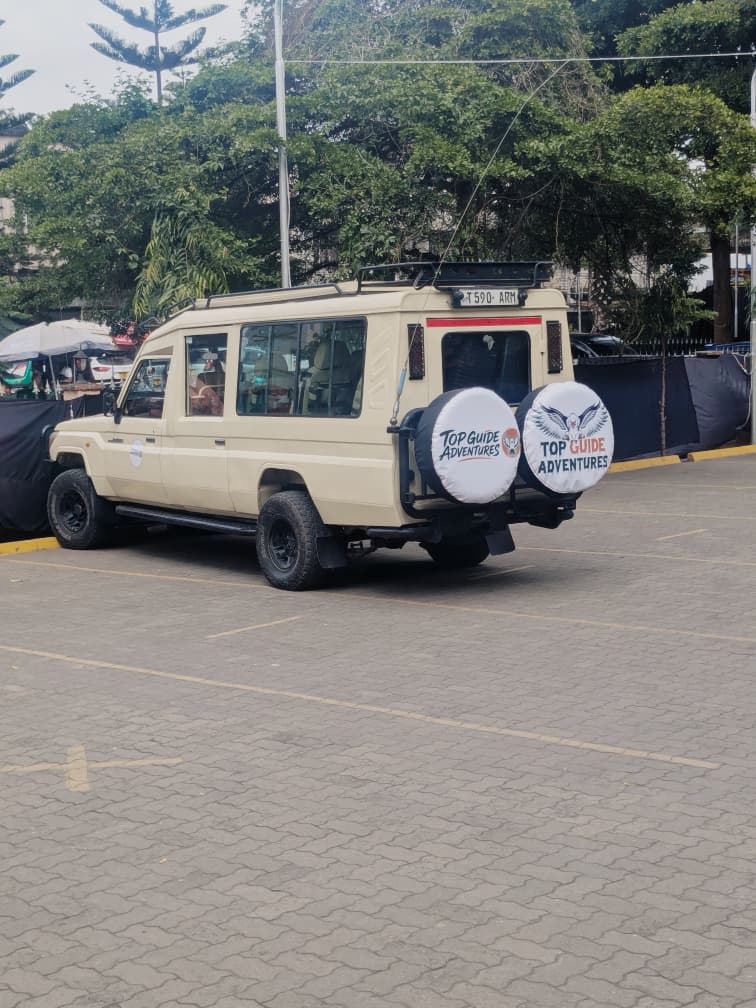
You will travel in a specially equipped 4×4 safari vehicle, designed for optimal game viewing and photography. These vehicles typically feature pop-up roofs, ample space for gear, and comfortable seating. Your driver-guide is experienced in wildlife spotting and navigating the terrain.
Guides
Your guide is crucial. Top Guide Adventures employs knowledgeable guides who understand the specific needs of wildlife photographers. They know the best times and locations for sightings and can help position the vehicle for optimal shots while respecting wildlife and park regulations. They are also adept at identifying species and understanding animal behaviour.
What to Pack
Beyond your camera gear, consider these items:
- Lightweight, neutral-coloured clothing (khaki, green, brown)
- Warm layers for early mornings and evenings
- Comfortable walking shoes
- Sunscreen, hat, and sunglasses
- Insect repellent
- Personal toiletries and medications
- A headlamp or small flashlight
- Power adapters and power banks for charging electronics
- A waterproof bag for camera gear
Health and Safety
Consult your doctor regarding vaccinations and malaria prophylaxis before travelling to Tanzania. Drink bottled or purified water only. Follow your guide’s instructions regarding safety, especially when encountering wildlife.
Beyond Lake Jipe: Combining with Other Tanzanian Destinations
While Lake Jipe offers a unique photographic focus, it can be seamlessly integrated into a broader Tanzanian itinerary, especially for those looking to experience the country’s diverse landscapes and wildlife.
- Southern Circuit Safaris: Lake Jipe is part of the wider Southern Circuit, which includes parks like Ruaha National Park and Mikumi National Park. These parks offer different photographic experiences, with Ruaha being known for its large elephant herds, predators, and dramatic landscapes, and Mikumi for its accessibility and high density of wildlife, often compared to a miniature Serengeti.
- Usambara Mountains: As suggested in the sample itinerary, the Usambara Mountains provide a stark contrast with their montane forests, endemic species, and opportunities for landscape and bird photography.
- Selous Game Reserve (Nyerere National Park): Further south, this vast reserve offers boat safaris on the Rufiji River, walking safaris, and excellent chances to see wild dogs and large predators.
- Zanzibar: For a complete contrast, end your trip with a few days on the spice island of Zanzibar, offering cultural photography, beautiful beaches, and historical Stone Town.
Combining Lake Jipe with these destinations allows for a comprehensive photographic portfolio of Tanzania’s natural and cultural heritage. For 2026-2027, planning a multi-destination trip can offer a richer overall experience.
The Value of a Specialized Photography Tour
Opting for a specialized Lake Jipe Wildlife Photography Tour with an experienced operator like Top Guide Adventures provides distinct advantages:
- Expert Guidance: Our guides understand photographic needs, such as positioning vehicles for the best light and angles, and identifying subjects of interest to photographers.
- Customized Itineraries: We tailor tours to your specific interests, whether it’s bird photography, mammal behaviour, or landscape shots.
- Logistical Support: We handle all the planning, from accommodation and transport to park fees and permits, allowing you to focus solely on your photography.
- Access to Prime Locations: We know the best spots and times to visit for optimal photographic opportunities at Lake Jipe and surrounding areas.
- Safety and Comfort: We ensure your journey is safe, comfortable, and enjoyable, with reliable vehicles and experienced staff.
For your 2026-2027 travel plans, consider the unique offerings of a dedicated photography tour. It’s an investment in capturing truly memorable images and experiencing Tanzania’s natural beauty in a profound way.
Booking Your 2026-2027 Lake Jipe Photography Adventure
Ready to capture the stunning wildlife and landscapes of Lake Jipe? Top Guide Adventures specializes in creating bespoke safari experiences tailored to photographers. We can help you craft the perfect itinerary, whether you’re interested in a focused Lake Jipe tour, a combination with other Southern Circuit parks, or a broader Tanzanian adventure for 2026-2027.
To discuss your photographic goals and begin planning, please reach out to us. We are passionate about helping you create unforgettable memories and capture incredible images. You can contact us directly via WhatsApp at +255616946642 or send an email to topguideadventures@gmail.com. For alternative inquiries, you can also use info@topguideadventures.com.
Let Top Guide Adventures guide you to the hidden photographic treasures of Lake Jipe and beyond. We look forward to planning your extraordinary Tanzanian journey.
Check Availability for Lake Jipe Wildlife Photography Tour: Capture Tanzanias Hidden Gems 2026-2027
Ready to compare dates, prices, and the best option for your group? Send the package name and travel month so the team can reply with a clear quote, availability, and what is included.
 Lake Jipe Community Cultural Tour: Experience Authentic Tanzania 2026-2027A detailed 2026-2027 guide to Lake Jipe Community Cultural Tour, with clear planning and booking information for travelers.View package
 Lake Jipe Sunrise Boat Tour: An Unforgettable Tanzania Experience 2026-2027Discover the magic of a Lake Jipe sunrise boat tour, a unique Tanzanian adventure offering serene waters, abundant birdlife, and stunning…View package
 2-Day Lake Jipe And Mkomazi Safari: An Unforgettable Tanzania AdventureExplore the serene beauty of Lake Jipe and the rugged wilderness of Mkomazi National Park on a focused 2-day safari. This itinerary offers a…View packageYour 2-Day Lake Jipe Camping Safari: An Unforgettable Tanzania ExperienceDiscover the tranquility and wildlife of Lake Jipe on a 2-day camping safari. This short, immersive adventure offers a unique perspective on…View package1-Day Lake Jipe Birdwatching Adventure: Your Ultimate Tanzania ExperienceDiscover the rich birdlife of Lake Jipe on a focused 1-day birdwatching adventure. This immersive day trip offers unparalleled opportunities to…View package1-Day Lake Jipe Fishing Village Experience: Your Ultimate Tanzania AdventureExperience the charm of a 1-Day Lake Jipe Fishing Village Experience, offering a unique glimpse into Tanzania's coastal life and natural beauty…View package
 1-Day Lake Jipe Canoeing Tour: Explore Tanzanias Less Crowded Place 2026-2027Discover the tranquility and wildlife of Lake Jipe on a full-day canoeing adventure. This tour offers a unique perspective on Tanzania's natural…View package
 Lake Jipe Packages: Your Complete Guide For Adventures 2026-2027Explore Lake Jipe packages for unforgettable adventures in Tanzania, covering options for 2026-2027, including wildlife viewing, cultural…View package


