

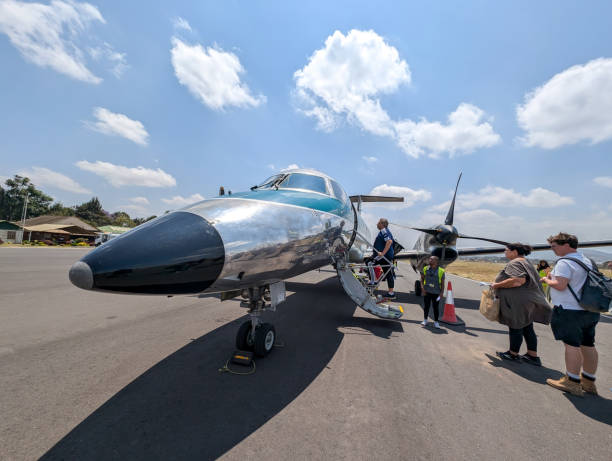
The vast expanse of Lake Victoria, the world’s second-largest freshwater lake, cradles a network of ecologically rich wetlands that stand as a premier destination for birdwatchers. A Lake Victoria Wetlands Birding Tour offers an immersive experience into a vibrant ecosystem teeming with an astonishing diversity of avian species. From the iconic Shoebill Stork to a myriad of water birds, waders, and migratory visitors, this region presents a captivating spectacle for enthusiasts planning their travels for 2026 and 2027.
This comprehensive guide is designed for the dedicated birder and the curious traveler alike, aiming to illuminate the wonders of Lake Victoria’s wetlands. We will explore the prime birding locations, the species you can expect to encounter, the optimal times for your visit, and practical advice for organizing an unforgettable expedition. For those seeking expert guidance and tailor-made itineraries, Top Best Tanzania Tour operator is your trusted partner, ready to craft your perfect birding adventure.
Understanding the Lake Victoria Wetlands Ecosystem
The wetlands surrounding Lake Victoria are not merely bodies of water; they are complex, dynamic environments crucial for both resident and migratory bird populations. These areas, characterized by papyrus swamps, reed beds, marshlands, and riverine forests, provide essential breeding grounds, feeding areas, and roosting sites. The health of these wetlands is intrinsically linked to the biodiversity they support, making them vital ecological zones.
The sheer scale of Lake Victoria means its shoreline is extensive, with significant wetland areas found in Tanzania, Uganda, and Kenya. For the purpose of a dedicated birding tour focusing on the Tanzanian side, key areas include the Kagera River delta, the Mwanza Gulf margins, and various smaller bays and inlets. The interplay of fresh water, abundant fish stocks, and dense vegetation creates a perfect habitat for a wide array of birds, from large, charismatic species to tiny, elusive warblers.
The Importance of Wetlands for Avian Life
Wetlands are globally recognized as critical habitats for birds. They offer:
- Food Sources: Abundant fish, insects, amphibians, and aquatic plants sustain a diverse bird population.
- Nesting Sites: Dense vegetation provides safe havens for nesting and raising young, protecting them from predators.
- Water Availability: Essential for drinking, bathing, and foraging, especially during drier periods.
- Resting Grounds: For migratory birds undertaking long journeys, these wetlands serve as vital stopover points.
A Lake Victoria Wetlands Birding Tour allows travelers to witness this ecological interdependence firsthand, observing birds in their natural, thriving environment.
Prime Birding Hotspots Around Lake Victoria in Tanzania
While Lake Victoria spans three countries, the Tanzanian portion offers exceptional birding opportunities. Identifying the best locations is key to maximizing your sightings. The following areas are particularly renowned for their avian richness:
1. Kagera River Delta and its Environs
The delta where the Kagera River meets Lake Victoria is a vast, intricate network of swamps, channels, and islands. This area is a magnet for water birds and is often considered one of the top locations for spotting the elusive Shoebill Stork in Tanzania. The sheer size and ecological complexity mean that exploring this region requires time and often boat-based excursions.
Key Species to Look For:
- Shoebill Stork (Balaeniceps rex)
- African Fish Eagle (Haliaeetus vocifer)
- Malachite Kingfisher (Alcedo cristata)
- Giant Kingfisher (Megaceryle maxima)
- Various herons, egrets, and storks (e.g., Goliath Heron, Great White Egret, Saddle-billed Stork)
- African Jacana (Actophilornis africanus)
- Long-toed Lapwing (Vanellus crassirostris)
- Papyrus Gonolek (Laniarius ferrugineus)
- Papyrus Canary (Serinus koliensis)
Boat safaris are the most effective way to navigate the delta, allowing access to prime habitats. Local guides are invaluable here, possessing intimate knowledge of bird territories and nesting sites. Planning a Lake Victoria Wetlands Birding Tour that includes the Kagera Delta for 2026 or 2027 should allocate at least two to three days for thorough exploration.
2. Mwanza Gulf and Surrounding Islands
The Mwanza Gulf, a large indentation on the southern shore of Lake Victoria, is another significant birding area. The mainland shores, surrounding islands like Ukerewe, and the adjacent marshes are rich in birdlife. Mwanza city itself, with its granite kopjes and proximity to the lake, offers opportunities for birding, and serves as a convenient starting point for tours.
Highlights in the Mwanza Gulf Area:
- Waterfowl and waders along the shores.
- Raptors soaring over the kopjes and lake.
- Island birding, which can offer unique species or concentrations.
- Migratory birds during the appropriate seasons.
Exploring the islands often involves boat trips from Mwanza. Ukerewe Island, for example, offers a glimpse into local life alongside birding opportunities.
3. Other Potential Wetland Areas
Beyond these major hubs, numerous smaller wetland patches and riverine systems feed into Lake Victoria. These can be discovered during transit or through more specialized itineraries. Always consult with experienced local tour operators like Top Best Tanzania Tour operator for insights into less-explored but rewarding birding spots.
Avian Diversity: Species to Anticipate on Your Tour
The true allure of a Lake Victoria Wetlands Birding Tour lies in the sheer variety of birds. This region hosts a mix of resident species, intra-African migrants, and Palearctic migrants that visit during the northern hemisphere’s winter. Here’s a deeper look at some of the most sought-after species:
The Crown Jewel: Shoebill Stork
The Shoebill Stork (Balaeniceps rex) is arguably the most iconic and sought-after bird in these wetlands. Its prehistoric appearance, immense size, and unique hunting method make it a spectacular sight. These birds prefer dense papyrus swamps and are often found standing motionless, waiting for fish or amphibians. While sightings are not guaranteed, the Kagera River Delta is one of the most reliable places in Tanzania to find them. Patience and skilled guiding are crucial for a successful Shoebill encounter.
Waterfowl and Waders Galore
The shallow waters and muddy shores are perfect for a multitude of waterfowl and waders. Expect to see:
- Herons and Egrets: Goliath Heron, Grey Heron, Purple Heron, Black-headed Heron, Great White Egret, Snowy Egret, Cattle Egret.
- Storks: Saddle-billed Stork, Marabou Stork, Yellow-billed Stork.
- Ducks and Geese: Egyptian Goose, Spur-winged Goose, various dabbling ducks.
- Waders: Common Sandpiper, Wood Sandpiper, Greenshank, Ruff, Black-winged Stilt, Pied Avocet.
- Other Water Birds: African Darter, Reed Cormorant, Squacco Heron.
Raptors of the Lake and Sky
The open waters and surrounding woodlands attract various birds of prey. The African Fish Eagle is a ubiquitous and magnificent sight, often seen perched on dead trees or soaring overhead, its distinctive call echoing across the lake. Other raptors may include:
- African Fish Eagle (Haliaeetus vocifer)
- Osprey (Pandion haliaetus) – especially during migration
- Bateleur (Terathopius ecaudatus)
- Long-crested Eagle (Lophaetus occipitalis)
Specialty Species of the Papyrus Swamps
The dense papyrus vegetation hosts a suite of specialized species, many of which are endemic or near-endemic to the African Great Lakes region. Finding these can be challenging but incredibly rewarding:
- Papyrus Gonolek (Laniarius ferrugineus) – vibrant red and black
- Papyrus Canary (Serinus koliensis) – a small, yellow finch
- Papyrus Yellow Warbler (Iduna pallida)
- Carruthers’ Cisticola (Cisticola carruthersi)
- Swee Waxbill (Cocothraustesスイー)
- White-winged Black Tern (Chlidonias leucopterus) – often in large flocks
Passerines and Other Notable Birds
Beyond the water-dependent species, the surrounding vegetation supports a wealth of smaller birds:
- African Pied Hornbill (Tockus alboterminatus)
- Speckle-fronted Weaver (Sporopipes frontalis)
- Northern Masked Weaver (Ploceus taeniopterus)
- Village Weaver (Ploceus cucullatus)
- Various sunbirds, bee-eaters, and swallows.
A well-planned Lake Victoria Wetlands Birding Tour should aim to cover diverse habitats within the wetlands to maximize the chances of encountering this broad spectrum of avian life.
When to Plan Your 2026-2027 Birding Expedition
The timing of your visit can significantly impact your birding experience. Lake Victoria’s climate is generally warm year-round, but there are distinct wet and dry seasons that influence bird activity and accessibility.
Dry Season (June to October)
This period is generally considered the best time for birding in the Lake Victoria wetlands. The advantages include:
- Lower Water Levels: Makes more areas accessible on foot and by vehicle.
- Concentration of Birds: Water birds may congregate in remaining water bodies.
- Clearer Skies and Better Visibility: Ideal for photography and observation.
- Palearctic Migrants: Many European migrants arrive during this period (starting around October).
However, it’s also peak tourist season, meaning higher prices and more crowds. Booking well in advance for 2026 or 2027 is essential.
Wet Season (November to May)
The wet season brings lush vegetation and can be excellent for certain species, particularly breeding birds and intra-African migrants. The main challenges are:
- Rainfall: Can be heavy and persistent, potentially disrupting travel and limiting accessibility to some areas.
- Flooded Areas: Some parts of the wetlands may become impassable.
- Reduced Visibility: Dense foliage can make spotting birds more difficult.
Despite these challenges, the wet season can offer unique birding opportunities, especially for those interested in breeding plumage and resident species that are more active during this time. The period from March to May often sees the heaviest rains.
Specific Migratory Windows
Palearctic Migrants: Arrive from August/September and depart by April/May. The peak numbers are often seen between October and March.
Intra-African Migrants: Their movements are more complex, often tied to rainfall patterns across the continent. Generally, they are more numerous during the wet seasons in their breeding areas.
For a comprehensive Lake Victoria Wetlands Birding Tour, aiming for the shoulder months of the dry season (e.g., September-October or late May-June) can offer a good balance of favorable weather and abundant birdlife, potentially with fewer crowds.
Planning Your Lake Victoria Birding Adventure: Practical Considerations
Organizing a successful birding tour requires careful planning. Here are key aspects to consider for your Lake Victoria Wetlands Birding Tour, especially when planning for 2026-2027.
Choosing a Tour Operator
The expertise of your tour operator is paramount. A reputable company will:
- Have experienced, local birding guides.
- Offer well-designed itineraries tailored to birding.
- Provide suitable transportation (4×4 vehicles, boats).
- Arrange comfortable and well-located accommodation.
- Handle all logistics, including park fees and permits.
- Be knowledgeable about the best times and locations for specific species.
Top Best Tanzania Tour operator specializes in creating bespoke birding tours across Tanzania, including dedicated excursions to the Lake Victoria wetlands. Their team can be reached via WhatsApp +255616946642 or email at topguideadventures@gmail.com.
Accommodation Options
Lodging around Lake Victoria ranges from basic guesthouses to more comfortable lodges. The choice will depend on your budget and the specific location. Some lodges are situated right on the lake or near wetland areas, offering excellent birding right at your doorstep. For remote areas, camping might be an option, which Top Best Tanzania Tour operator can arrange.
Transportation
Getting to and around the Lake Victoria wetlands typically involves a combination of flights (e.g., to Mwanza or Bukoba) and 4×4 safari vehicles. Boat excursions are essential for exploring the delta and lake margins effectively. Ensure your chosen operator provides reliable and comfortable transport suitable for the terrain.
What to Pack
A specialized packing list for a birding tour is crucial:
- Optics: High-quality binoculars (8×42 or 10×42 are popular) and a spotting scope with a tripod are highly recommended.
- Camera Gear: A camera with a good zoom lens, extra batteries, and memory cards.
- Field Guides: A comprehensive bird identification guide for East Africa.
- Clothing: Lightweight, neutral-colored clothing; long sleeves and trousers for sun and insect protection; a waterproof jacket; a hat; comfortable walking shoes; waterproof boots or gaiters for swampy areas.
- Sun Protection: High SPF sunscreen, sunglasses, lip balm.
- Insect Repellent: Especially important for mosquitoes.
- Personal Items: Medications, basic first-aid kit, hand sanitizer.
Health and Safety
Consult your doctor regarding necessary vaccinations (e.g., Yellow Fever) and malaria prophylaxis. Drink bottled or purified water. Always follow your guide’s advice regarding safety, especially near water bodies and in remote areas.
Sample Itinerary Ideas for Your Birding Tour
To give you a clearer picture, here are a few sample itinerary concepts. These can be fully customized by Top Best Tanzania Tour operator to match your interests, time, and budget for 2026 or 2027.
5-Day Lake Victoria Wetlands Birding Focus
Day 1: Arrival in Mwanza & Local Birding
Arrive at Mwanza Airport (MWZ), transfer to your hotel. Afternoon birding around Mwanza town, exploring local parks and lake shores for water birds and raptors.
Day 2: Mwanza Gulf Exploration
Full day boat trip on the Mwanza Gulf. Focus on shoreline birding, visiting smaller islands and observing waterfowl, weavers, and kingfishers.
Day 3: Transfer to Kagera Delta Region
Drive towards the Kagera River Delta area. Check into accommodation. Begin exploring the fringes of the delta, looking for resident species.
Day 4: Kagera Delta Deep Dive
Full day dedicated to exploring the Kagera River Delta by boat. This is your prime opportunity to search for the Shoebill Stork and other specialist wetland birds. Expert guides will navigate the channels.
Day 5: Morning Birding & Departure
Final morning birding session in the delta region. Transfer back to Mwanza for your onward flight or next destination.
10-Day Comprehensive Lake Victoria & Birding Safari
Day 1-2: Arrival in Mwanza & Mwanza Gulf
Arrive at Mwanza, explore the gulf by boat, focusing on diverse water birds and island species.
Day 3-4: Journey to Kagera Delta & Shoebill Search
Travel to the Kagera region, dedicating two full days to extensive boat excursions in the delta, prioritizing Shoebill sightings and papyrus specialists.
Day 5: Transition to Western Shores / Speke Gulf
Move towards the western side of Lake Victoria or explore the Speke Gulf, known for different wetland habitats and bird species.
Day 6-7: Exploring Western Wetlands
Spend two days birding various wetland pockets and river mouths along the western shores. Look for species potentially different from the Mwanza area.
Day 8-9: Combined Birding & Cultural Experience
Incorporate visits to local communities around the lake, understanding their relationship with the environment, while continuing birding in accessible areas. This might include visits to fishing villages or agricultural lands bordering wetlands.
Day 10: Departure
Transfer to the nearest airport (e.g., Mwanza or Bukoba) for your departure.
These are just examples. A truly personalized Lake Victoria Wetlands Birding Tour can be designed to include other Tanzanian highlights before or after your wetland exploration, such as Serengeti National Park or the Ngorongoro Crater, allowing you to combine world-class birding with iconic wildlife viewing. Discuss your preferences with Top Best Tanzania Tour operator to create your ideal 2026-2027 birding adventure.
Why Choose Top Best Tanzania Tour Operator for Your Birding Tour?
Selecting the right partner for your birding expedition is crucial. Top Best Tanzania Tour operator brings unparalleled expertise and local knowledge to craft exceptional Lake Victoria Wetlands Birding Tour experiences. Here’s why they are the ideal choice:
Expert Local Guides
Our guides are not just drivers; they are passionate ornithologists and seasoned birdwatchers with an intimate understanding of Tanzania’s diverse ecosystems. They possess the skills to identify birds by sight and sound, know the best locations and times for sightings, and are dedicated to ensuring you have the most rewarding birding experience possible. They are crucial for finding elusive species like the Shoebill.
Tailor-Made Itineraries
We understand that every birder has unique interests and needs. Whether you are focusing solely on avian life or wish to combine birding with other Tanzanian experiences, we create custom itineraries. From the number of days to the specific locations and pace of your tour, everything is designed around you.
Commitment to Conservation
As a responsible tour operator, we are committed to sustainable tourism practices that benefit local communities and contribute to the conservation of Tanzania’s natural heritage, including its vital wetland ecosystems. Your tour supports these efforts.
Comprehensive Support
From the initial planning stages for your 2026 or 2027 trip to your departure, we provide end-to-end support. This includes arranging all logistics, ensuring comfortable accommodation, providing suitable transportation, and offering 24/7 assistance during your tour.
Ready to plan your unforgettable birding adventure? Contact us today:
- WhatsApp: +255616946642
- Email: topguideadventures@gmail.com
- Backup Email: info@topguideadventures.com
- Website: www.topguideadventures.com
Let us help you discover the breathtaking avian wonders of the Lake Victoria wetlands. Your ultimate Lake Victoria Wetlands Birding Tour awaits!



