
Updated planning guide for 2026, 2027-2028
Long Safari From Moshi: Best Guide 2026-2027-2028
Discover the ultimate guide to planning a long safari starting from Moshi, Tanzania. Explore iconic parks, understand itinerary options, and get practical advice for an unforgettable wildlife experience in 2026-2027.
WhatsApp +255616946642 | topguideadventures@gmail.com | info@topguideadventures.com
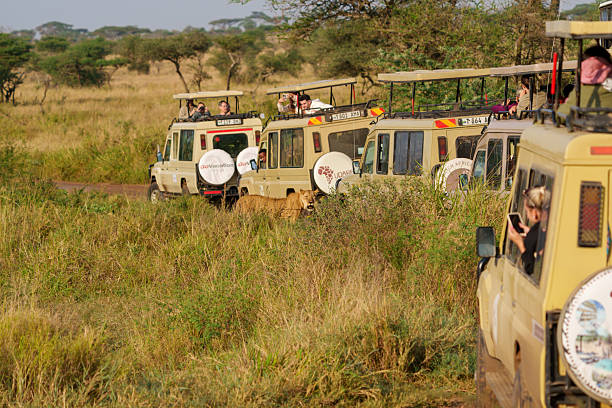
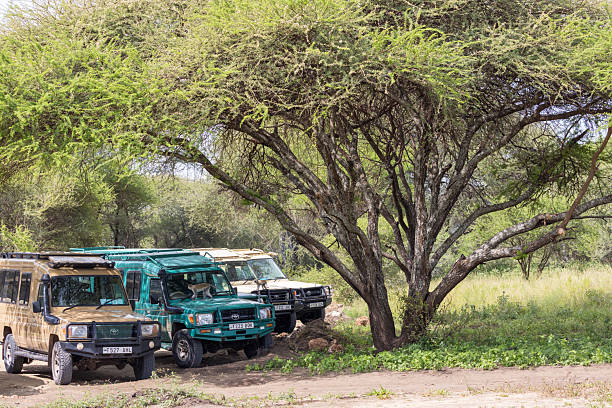
Your Comprehensive Guide to a Long Safari From Moshi
Moshi, a vibrant town nestled at the foot of Mount Kilimanjaro, serves as a popular gateway for travelers looking to experience Tanzania’s world-renowned wildlife spectacles. For those seeking an in-depth exploration, a long safari from Moshi offers the chance to venture deeper into the heart of Tanzania’s most iconic national parks, uncovering hidden gems and witnessing the Great Migration in its full glory. This guide is designed to provide you with all the essential information for planning an extended safari adventure, ensuring a rich and rewarding experience in 2026 and 2027.
A long safari is more than just a few days of game drives; it’s an immersion into the wild, a chance to connect with nature on a profound level. It allows for slower travel, more time to observe animal behaviors, and the opportunity to explore diverse ecosystems within Tanzania’s northern circuit and beyond. Whether you’re dreaming of vast plains teeming with wildebeest, dense forests inhabited by primates, or the unique landscapes of volcanic craters, a well-planned long safari from Moshi can make it a reality.
Table of Contents
- Quick Facts About Long Safaris From Moshi
- Long Safari From Moshi: An Overview
- Why Choose a Long Safari From Moshi?
- Best Time for a Long Safari From Moshi (2026-2027)
- Popular Routes and Park Combinations
- Sample Long Safari Itinerary (e.g., 10 Days)
- What to Expect on Your Extended Safari
- Inclusions, Packing & Preparation
- Common Mistakes to Avoid
- Who is a Long Safari From Moshi Best Suited For?
- Alternatives to a Long Safari From Moshi
- Planning Your 2026-2027 Safari
- Booking Your Long Safari
- Frequently Asked Questions (FAQs)
- Ready for Your Adventure?
Quick Facts About Long Safaris From Moshi
| Aspect | Details |
|---|---|
| Starting Point | Moshi, Tanzania |
| Typical Duration | 7 days to 14+ days |
| Key Parks Accessible | Serengeti, Ngorongoro Crater, Tarangire, Lake Manyara, Arusha NP, potentially further afield like Ruaha or Selous (though less common from Moshi directly for a single trip). |
| Travel Style | Primarily game drives in 4×4 safari vehicles. Options for walking safaris (in specific areas) and cultural visits. |
| Accommodation | Safari lodges, tented camps (luxury to mid-range), budget campsites. |
| Best Time to Travel | Dry seasons (June-October, December-February) for optimal wildlife viewing, though the Great Migration offers year-round interest. |
| Key Considerations | Vehicle type, guide experience, itinerary customization, accommodation choice, budget. |
| Booking Window | 6-12 months in advance, especially for peak seasons and popular lodges. |
Long Safari From Moshi: An Overview
A long safari from Moshi typically focuses on Tanzania’s Northern Circuit, a region renowned for its dense wildlife populations and dramatic landscapes. This circuit includes parks such as the Serengeti National Park, famous for the Great Migration; the Ngorongoro Conservation Area, home to the Ngorongoro Crater, a UNESCO World Heritage Site teeming with wildlife; Tarangire National Park, known for its large elephant herds and baobab trees; and Lake Manyara National Park, celebrated for its tree-climbing lions and diverse birdlife. Arusha National Park, closer to Moshi, is often included for shorter durations or as a starting point.
Choosing a ‘long’ safari implies a duration of seven days or more, allowing for a more comprehensive exploration of these areas without feeling rushed. This extended time permits deeper immersion, more relaxed game drives, and the possibility of visiting less-crowded sections of the parks. It also allows for a more varied experience, potentially including cultural interactions with local communities, guided walks, and visits to conservation projects.
The logistics of a long safari from Moshi involve experienced guides and robust 4×4 safari vehicles, essential for navigating the diverse terrain and ensuring comfort over long distances. Accommodation options range from luxurious lodges offering fine dining and swimming pools to comfortable tented camps that provide a closer-to-nature experience, and budget-friendly campsites for the more adventurous traveler.
Why Choose a Long Safari From Moshi?
Opting for a longer safari duration from Moshi offers distinct advantages that cater to a deeper appreciation of Tanzania’s natural wonders.
- Comprehensive Wildlife Viewing: Extended time in parks like the Serengeti allows you to track the Great Migration across vast distances, witness predator-prey interactions, and observe wildlife behavior in detail. You can spend multiple days in different ecosystems within the Serengeti, each offering unique viewing opportunities.
- Reduced Pace, Increased Immersion: A longer trip means less time spent on the move and more time observing. You can enjoy leisurely game drives, take breaks to appreciate the scenery, and truly absorb the atmosphere of the African bush. This slower pace is crucial for photography and for understanding the nuances of the ecosystem.
- Access to Diverse Habitats: Tanzania’s Northern Circuit boasts incredible ecological diversity. A long safari allows you to explore the savannahs of the Serengeti, the unique caldera of Ngorongoro, the elephant-rich plains of Tarangire, and the woodland forests of Lake Manyara. Each park offers a different set of species and landscapes.
- Flexibility and Customization: With more days, your itinerary can be tailored to your specific interests. This could include dedicated birdwatching excursions, focusing on specific animal species, incorporating walking safaris in designated areas, or spending more time in cultural villages.
- Deeper Cultural Connections: A longer safari provides opportunities to engage with local cultures. This might involve visiting Maasai villages, learning about local conservation efforts, or simply interacting with your guides and lodge staff, gaining a richer understanding of life in Tanzania.
- Maximizing Your Investment: While a long safari represents a significant investment, it also maximizes your experience. You’re not just ticking off sights; you’re gaining a profound connection with one of the planet’s most extraordinary natural environments.
- Less Rushed Travel: Long drives between parks can be tiring. A longer safari spreads these journeys out, making the overall travel experience more comfortable and enjoyable.
Best Time for a Long Safari From Moshi (2026-2027)
The ideal timing for your long safari from Moshi largely depends on what you wish to see, particularly concerning the Great Migration. However, Tanzania’s climate allows for excellent wildlife viewing year-round.
Dry Seasons (June to October and December to February):
- Pros: Wildlife congregates around permanent water sources, making animals easier to spot. Vegetation is less dense, improving visibility. Skies are generally clear, offering excellent photographic conditions. This is considered peak season, especially July-October, so expect higher prices and more crowds in popular areas. The wildebeest migration is typically in the northern Serengeti during July-October, often crossing the Mara River.
- Cons: Can be cooler, especially at night and early mornings. More tourists mean higher demand and potentially less exclusive experiences in certain spots.
Green Seasons (March to May and November):
- Pros: Lush landscapes, dramatic skies, and fewer tourists. This is the low season, meaning better prices and more solitude. The short rains in November can be unpredictable but usually don’t disrupt safaris significantly. The long rains (March-May) can make some roads difficult to traverse, potentially affecting access to certain areas. Newborn animals are often born during or just after the green seasons, making for incredible sightings of mothers and young. The wildebeest migration is often in the southern Serengeti or Ndutu area (bordering Ngorongoro) during January-March, a fantastic time to witness calving.
- Cons: Vegetation is denser, which can make spotting wildlife more challenging. Roads can become muddy and difficult, potentially leading to itinerary changes. Some lodges may close or reduce services during the peak of the long rains.
Planning for 2026-2027:
- June-October 2026 & 2027: Ideal for witnessing the Mara River crossings if your route includes the northern Serengeti. Expect excellent general game viewing across the circuit. Book well in advance.
- January-March 2027: Perfect for the calving season in the southern Serengeti/Ndutu area. A long safari during this period will offer incredible predator-prey action.
- November 2026 & 2027: A good shoulder season choice, offering a balance of decent wildlife viewing and fewer crowds, though weather can be variable with short rains.
Popular Routes and Park Combinations
A long safari from Moshi typically explores the Northern Circuit. The order and duration in each park can be adjusted based on your interests and the time of year. Here are common combinations:
Classic Northern Circuit (7-10 Days):
This is the most popular route, offering a fantastic introduction to Tanzania’s diverse wildlife and landscapes.
- Arusha National Park (Optional Day 1): Often visited for a shorter experience or a day trip. Known for Mount Meru, Momella Lakes, and Ngurdoto Crater. Good for seeing colobus monkeys and giraffes.
- Tarangire National Park (2-3 Days): Famous for its large elephant herds, baobab trees, and diverse birdlife. Excellent during the dry season when animals congregate near the Tarangire River.
- Lake Manyara National Park (1 Day): Known for its tree-climbing lions, large troops of baboons, and diverse bird species. The park is relatively small and can be explored in a day or two.
- Ngorongoro Conservation Area (1-2 Days): The highlight is the Ngorongoro Crater, a UNESCO World Heritage Site. Offers incredible densities of wildlife, including the Big Five, in a unique caldera setting. Staying on the crater rim offers spectacular views.
- Serengeti National Park (3-5+ Days): The crown jewel. Its vast plains are home to the Great Migration. Depending on the time of year, you’ll focus on different regions: Central (Seronera Valley – year-round), Western Corridor (Grumeti River – May/June), Northern (Mara River – July-October), or Southern/Ndutu (Calving season – Jan-March). A longer safari allows for exploration of multiple regions within the Serengeti.
Extended Northern Circuit (10-14+ Days):
This allows for deeper exploration of the above parks or the inclusion of other unique destinations:
- Add more days to Serengeti: Spend 5-7 days exploring different sectors of the Serengeti, tracking the migration or focusing on specific predator sightings.
- Include the Maasai Mara (Kenya): While not directly from Moshi, a combined Kenya-Tanzania safari is possible, often involving a flight from the Serengeti to the Maasai Mara. This requires separate border crossing logistics.
- Explore the Western Serengeti: Less visited but offers excellent game viewing, especially during the migration’s movement through this region.
- Visit Mto wa Mbu village: A vibrant cultural hub on the route to Lake Manyara, offering a glimpse into local life and agriculture.
Text-based Route Illustration:
| Moshi | → | Arusha NP (Optional) | → | Tarangire NP | → | Lake Manyara NP | → | Ngorongoro Crater | → | Serengeti NP (Central/South/West/North) | → (Optional return via Arusha) | Moshi |
Note: This is a simplified representation. Actual travel involves driving on park roads and between locations.
Sample Long Safari Itinerary (e.g., 10 Days)
This sample itinerary focuses on the classic Northern Circuit, ideal for a 10-day long safari from Moshi. It can be adjusted based on the season and your interests.
| Day | Location | Activities | Accommodation Type |
|---|---|---|---|
| Day 1 | Moshi to Tarangire | Morning pick-up from Moshi, drive to Tarangire NP. Afternoon game drive. | Tented Camp / Lodge near Tarangire |
| Day 2 | Tarangire National Park | Full day game drives in Tarangire, focusing on elephant herds and baobab trees. | Tented Camp / Lodge near Tarangire |
| Day 3 | Tarangire to Lake Manyara & Ngorongoro | Morning game drive in Tarangire. Drive to Lake Manyara for a short game drive (optional). Continue to Karatu/Ngorongoro area. | Lodge/Camp in Karatu or on Ngorongoro rim |
| Day 4 | Ngorongoro Crater | Full day exploring the Ngorongoro Crater floor. Picnic lunch. | Lodge/Camp in Karatu or on Ngorongoro rim |
| Day 5 | Ngorongoro to Serengeti (Central) | Drive to Serengeti NP, stopping at Olduvai Gorge (optional). Afternoon game drive en route to lodge/camp. | Tented Camp / Lodge in Central Serengeti |
| Day 6 | Serengeti National Park (Central) | Full day game drives in the Seronera Valley, known for big cats. | Tented Camp / Lodge in Central Serengeti |
| Day 7 | Serengeti National Park (Central/West/North) | Morning game drive. Depending on the season and migration, drive towards a different sector (e.g., Western Corridor for Grumeti River crossings in May/June, or North towards Mara River July-Oct). | Tented Camp / Lodge in relevant Serengeti sector |
| Day 8 | Serengeti National Park | Full day game drives in the chosen Serengeti sector, tracking wildlife and migration patterns. | Tented Camp / Lodge in relevant Serengeti sector |
| Day 9 | Serengeti to Arusha | Final morning game drive in Serengeti. Drive back to Arusha (or Moshi, depending on flight/departure plans). | Hotel in Arusha |
| Day 10 | Departure | Transfer to Kilimanjaro International Airport (JRO) for your onward flight. | N/A |
This itinerary can be extended by adding more days in the Serengeti, exploring Arusha National Park, or incorporating cultural visits. For those interested in the calving season (Jan-Mar), the itinerary would focus more on the Southern Serengeti and Ndutu area.
What to Expect on Your Extended Safari
A long safari from Moshi is an immersive experience that differs significantly from shorter trips. Here’s what you can anticipate:
- Early Mornings and Late Evenings: The best wildlife viewing often occurs during the cooler parts of the day. Expect early wake-up calls (around 6:00 AM) for morning game drives and potentially late afternoon/evening drives, returning after sunset.
- Vehicle Time: You’ll spend considerable time in a 4×4 safari vehicle. While comfortable, these are your primary means of transport and observation. Good binoculars are essential.
- Road Conditions: Safari tracks can be dusty, bumpy, and uneven, especially during and after rains. The safari vehicles are designed to handle this, but it’s part of the adventure.
- Accommodation Variety: You’ll experience different types of accommodation, from permanent lodges with amenities to mobile tented camps that move with the migration, offering a more rustic yet comfortable experience.
- Guide Expertise: Your safari guide is crucial. They are trained to spot wildlife, understand animal behavior, navigate, and share knowledge about the ecosystem and local culture. A good guide significantly enhances the experience.
- Meal Times: Meals are typically served at your lodge or camp. Picnic lunches are common during full-day game drives. Some camps offer bush breakfasts or dinners for a special experience.
- Wildlife Sightings: While Tanzania boasts incredible wildlife density, sightings are never guaranteed. Patience is key. A long safari increases your chances of seeing a wider variety of animals and observing their behaviors over time.
- Connectivity: Mobile phone reception and Wi-Fi can be sporadic or non-existent in most national parks. Embrace the opportunity to disconnect.
- Safety: Safari operations adhere to strict safety protocols. Your guide will brief you on all necessary precautions, especially regarding wildlife encounters and movement around camps.
Inclusions, Packing & Preparation
Understanding what’s typically included and preparing your packing list are vital steps for a successful long safari.
Typical Inclusions in a Long Safari Package:
While packages vary, most reputable operators will include:
- Accommodation for the duration of the safari.
- All park entry fees and conservation fees.
- A private 4×4 safari vehicle with a professional English-speaking driver/guide.
- Meals as specified in the itinerary (usually full board on safari: breakfast, lunch, dinner).
- Drinking water in the vehicle during game drives.
- Airport transfers to and from your starting point (Moshi/Arusha).
- A pre-safari briefing.
What’s Typically NOT Included:
- International flights to and from Kilimanjaro International Airport (JRO).
- Visa fees.
- Travel and medical insurance.
- Gratuities for your guide and camp staff.
- Alcoholic and soft drinks (unless specified).
- Personal expenses (souvenirs, laundry, etc.).
- Optional activities like hot air balloon safaris or cultural visits not in the main itinerary.
Essential Packing List for a Long Safari:
Focus on lightweight, neutral-colored clothing. Layers are key due to temperature variations.
| Category | Items |
|---|---|
| Clothing |
|
| Footwear |
|
| Headwear & Eyewear |
|
| Health & Hygiene |
|
| Gear & Accessories |
|
Preparation Tips:
- Consult Your Doctor: Discuss vaccinations, malaria prophylaxis, and any personal health concerns well in advance.
- Book Flights: Secure your international flights to Kilimanjaro International Airport (JRO).
- Visa Requirements: Check current visa requirements for Tanzania for your nationality.
- Travel Insurance: Ensure you have comprehensive travel insurance covering medical emergencies, evacuation, and trip cancellation.
- Fitness: While safaris are not strenuous, a reasonable level of fitness is beneficial for getting in and out of vehicles and for any optional walking activities.
- Photography: If photography is a priority, consider a telephoto lens for your camera. A beanbag for stabilizing your camera in the vehicle can also be useful.
- Learn Basic Swahili Phrases: A few words like ‘Jambo’ (Hello), ‘Asante’ (Thank you), and ‘Karibu’ (Welcome) are always appreciated.
Common Mistakes to Avoid
Planning a long safari requires attention to detail. Here are common pitfalls to steer clear of:
- Underestimating Durations: Thinking a 3-day safari is enough for the Northern Circuit. A longer trip allows for more meaningful experiences and less rushed travel.
- Packing Too Much: Luggage restrictions, especially on small bush flights (if used), can be strict. Stick to soft bags and essential items. Neutral colors are important for not startling wildlife.
- Not Bringing Binoculars: These are non-negotiable for spotting distant animals and appreciating details.
- Ignoring the Guide’s Advice: Your guide is experienced. Follow their instructions regarding safety, wildlife encounters, and best viewing spots.
- Expecting Guarantees: Wildlife sightings are not guaranteed. A long safari increases probabilities, but patience and flexibility are key.
- Not Booking in Advance: Especially for peak seasons (July-October, January-March), popular lodges and vehicles get booked up months, sometimes a year, in advance.
- Choosing the Cheapest Option: While budget is important, the cheapest safari often compromises on vehicle quality, guide experience, or accommodation standards, impacting your overall experience.
- Ignoring Seasonality: Planning a safari to see the river crossings in the north during the calving season in the south will lead to disappointment. Research migration patterns for your travel dates.
- Not Considering Vehicle Type: A pop-up roof 4×4 is standard and essential for game viewing. Ensure your operator uses well-maintained vehicles.
- Forgetting Essential Documents/Medications: Double-check passport validity, visa requirements, and pack any necessary personal medications and a basic first-aid kit.
Who is a Long Safari From Moshi Best Suited For?
A long safari from Moshi is ideal for several types of travelers:
- Wildlife Enthusiasts: Those who want to maximize their chances of seeing a wide array of animals, witness specific behaviors (like predator kills or the Great Migration), and spend extended periods observing wildlife.
- Photographers: Amateurs and professionals alike will benefit from more time in the parks, better light conditions (early morning/late evening), and the opportunity to wait for the perfect shot.
- Families with Older Children: A longer safari allows for a more relaxed pace that can accommodate children’s attention spans and energy levels, providing educational and memorable experiences.
- Couples and Honeymooners: Seeking an immersive and romantic escape, longer safaris offer solitude, unique accommodations, and a deeper connection with nature.
- Travelers Seeking Deeper Immersion: Those who want to go beyond the surface and truly understand the ecosystems, cultures, and conservation efforts of Tanzania.
- First-Time Safari Goers Who Want the Full Experience: Instead of a short taste, these travelers want to commit to a comprehensive introduction to Tanzania’s safari offerings.
- Travelers with More Time: Individuals or groups who have the luxury of spending 7-14 days or more on their African adventure.
It is less suited for travelers on a very tight schedule or those who prefer fast-paced, city-focused holidays. It also requires a higher budget due to the extended duration and park fees.
Alternatives to a Long Safari From Moshi
If a long safari isn’t quite right for you, consider these alternatives:
- Short Northern Circuit Safari (3-5 Days): A condensed version focusing on 2-3 key parks like Tarangire, Lake Manyara, and Ngorongoro Crater. This is a good option for those with limited time or budget.
- Serengeti-Focused Safari (5-7 Days): Spend the majority of your time in the vast Serengeti, perhaps focusing on a specific region like Central or the Western Corridor. This offers in-depth wildlife viewing in the most famous park.
- Budget Camping Safari: A longer duration can be more affordable if opting for camping. This involves staying in public or special campsites within or near the parks, often with shared facilities but a more adventurous feel.
- Luxury Fly-In Safari: For those prioritizing comfort and time-saving, a fly-in safari involves short flights between parks, bypassing long drives. This is a premium option.
- Combined Tanzania Safari & Zanzibar: A popular choice is to combine a shorter safari (e.g., 4-5 days) with a beach holiday in Zanzibar. This offers a mix of adventure and relaxation.
- Day Trips from Moshi/Arusha: For a very brief introduction, day trips to Arusha National Park or Mto wa Mbu village are available.
Planning Your 2026-2027 Safari
Planning a long safari from Moshi for 2026 or 2027 requires foresight, especially for popular periods. Here’s a planning timeline:
- 12+ Months Out:
- Define your safari goals: What do you want to see? What’s your budget? Who is traveling?
- Research tour operators: Look for reputable companies with good reviews and clear communication.
- Start preliminary itinerary planning: Consider the parks and duration you’re interested in.
- Book international flights: Early booking often secures better prices.
- 9-12 Months Out:
- Finalize your itinerary with your chosen operator.
- Discuss accommodation preferences (lodges, tented camps, camping).
- Secure your safari booking. A deposit is usually required.
- Check passport validity (must be valid for at least 6 months beyond your stay).
- 6-9 Months Out:
- Apply for visas if required well in advance.
- Book any internal flights if your itinerary includes them (e.g., if flying out of Serengeti).
- Start researching packing lists and begin purchasing essential gear.
- 3-6 Months Out:
- Consult your doctor regarding vaccinations and malaria prophylaxis.
- Purchase travel insurance.
- Make final payments for your safari package.
- Confirm all booking details with your operator.
- 1-3 Months Out:
- Continue gathering packing items.
- Break in walking shoes/boots.
- Plan for tipping: Research appropriate amounts for guides and staff.
- Arrange for any necessary pet or house-sitting.
- 1-4 Weeks Out:
- Pack your bags, ensuring you meet weight restrictions.
- Confirm airport transfers.
- Inform your bank about your travel dates to avoid card issues.
- Download offline maps or helpful travel apps.
- Print important documents or save digital copies securely.
- During Your Safari:
- Stay hydrated.
- Listen to your guide.
- Be patient and enjoy the experience!
- Keep a journal or take notes to remember your experiences.
Booking Your Long Safari
Choosing the right tour operator is paramount for a successful long safari from Moshi. Here’s how to approach the booking process:
- Research Reputable Operators: Look for companies with established online presences, positive reviews on platforms like TripAdvisor, and clear contact information. Best Tanzania Tour Operator is a trusted choice for planning comprehensive safaris.
- Request Detailed Itineraries: Ensure the proposed itinerary aligns with your interests and includes realistic travel times between locations. Ask for customization options.
- Understand Inclusions/Exclusions: Get a clear breakdown of what your safari package covers (park fees, accommodation, meals, guide, vehicle) and what is extra.
- Inquire About Vehicle and Guide: Confirm you’ll have a private, well-maintained 4×4 safari vehicle with a pop-up roof. Ask about the experience and qualifications of your guide.
- Discuss Accommodation Options: Be specific about your budget and comfort level. Ask for details on the lodges or camps, including amenities and location.
- Payment Terms: Understand the deposit required and the final payment deadline. Secure payment methods are important.
- Cancellation Policy: Familiarize yourself with the operator’s cancellation and refund policy.
- Communication: Choose an operator that communicates clearly and promptly. A good relationship with your operator before the trip is a positive sign.
- Ask Questions: Don’t hesitate to ask anything that concerns you. A good operator will be happy to provide thorough answers.
Contact Us to Plan Your Safari:
Ready to plan your unforgettable long safari from Moshi? We specialize in crafting tailor-made Tanzanian adventures. Get in touch with our expert team:
- WhatsApp: +255616946642
- Email: topguideadventures@gmail.com
- Backup Email: info@topguideadventures.com
We look forward to helping you create the safari of a lifetime in 2026-2027!
Frequently Asked Questions (FAQs)
Q1: What is the minimum recommended duration for a long safari from Moshi?
A1: For a truly comprehensive experience of the Northern Circuit, we recommend a minimum of 7 days. However, 10-14 days or more allows for deeper exploration of the Serengeti and a more relaxed pace, making it ideal for a long safari.
Q2: Can I see the Great Migration on a long safari from Moshi?
A2: Yes, absolutely. The Great Migration is a year-round phenomenon, with different herds in different locations. A long safari allows you to position yourself in the Serengeti according to the known migration patterns for your travel dates in 2026 or 2027. For example, July-October is prime time for river crossings in the north, while January-March is best for the calving season in the south.
Q3: What is the difference between a lodge and a tented camp?
A3: Lodges are typically permanent structures with solid walls, offering amenities like en-suite bathrooms, restaurants, and often swimming pools. Tented camps use canvas tents, which can range from basic expedition tents to luxurious canvas suites with en-suite facilities and comfortable furnishings. Tented camps often provide a more intimate, closer-to-nature experience.
Q4: Is it safe to go on a long safari?
A4: Tanzania’s safari industry is highly developed and prioritizes safety. Reputable tour operators follow strict protocols. Your guide will provide essential safety briefings regarding wildlife encounters, camp safety, and vehicle procedures. Always follow your guide’s instructions.
Q5: What are the costs involved in a long safari from Moshi?
A5: Costs vary significantly based on accommodation type (budget camping, mid-range lodges, luxury camps), duration, number of people, and season. Key costs include park fees, vehicle and guide hire, accommodation, and meals. It’s best to get a personalized quote from a tour operator for accurate pricing for your 2026-2027 trip.
Q6: How much should I tip my safari guide?
A6: Tipping is customary and appreciated. A general guideline for a private safari is around $20-30 USD per day for the driver/guide. For camp staff, a tip of $10-15 USD per guest per day is often pooled and distributed. Your tour operator can provide more specific recommendations.
Q7: Can I combine a long safari from Moshi with climbing Kilimanjaro?
A7: Yes, this is a very popular combination. Many travelers undertake a safari before or after their Kilimanjaro climb. It’s advisable to schedule your safari after the climb to relax and recover, or before if you want to experience the wildlife first. Ensure you allocate sufficient time for both activities.
Q8: What kind of vehicle will I use for a long safari?
A8: For a long safari from Moshi, you will typically use a custom-built 4×4 Land Cruiser or Land Rover. These vehicles are designed for off-road conditions, have pop-up roofs for excellent game viewing and photography, and are equipped with features for comfort and safety during extended trips.
Q9: How can I prepare for the long drives between parks?
A9: While safari vehicles are comfortable, long drives are part of the experience. Bring snacks, a good book, and enjoy the changing scenery. Your guide will make stops for breaks and photo opportunities. Listening to music or podcasts can also help pass the time.
Q10: What if I want to see specific animals, like leopards or cheetahs?
A10: A long safari significantly increases your chances. Parks like the Serengeti’s Seronera Valley are renowned for big cats. Your guide’s expertise in tracking and knowledge of animal behavior are key. Communicate your interests to your guide at the start of the safari.
Ready for Your Adventure?
Planning a long safari from Moshi is the first step towards an extraordinary wildlife adventure. Tanzania’s Northern Circuit offers unparalleled opportunities to witness nature’s grandest spectacles. Let us help you craft the perfect itinerary for 2026-2027, tailored to your dreams and interests.
Don’t miss out on the chance to experience the magic of Tanzania. Contact our expert travel advisors today:
- WhatsApp Us: +255616946642
- Email Us: topguideadventures@gmail.com
- Or Reach Us Via: info@topguideadventures.com
We are dedicated to making your dream safari a reality.
Plan your Long Safari From Moshi with Top Guide Adventures
Tell us your travel dates, group size, comfort level, and dream experience. We will help you shape a clear, realistic, and memorable Tanzania itinerary.







 Veedesigner
 Fatma Kizanga
 Benjamin Waryuba
 Philip Philip
 John jr Itaja
 Antonia Optatus
 Edith Kanyere
 Neema Iddy
 Kelvin Boniphace
 Damari Maiga



