
Updated planning guide for 2026, 2027-2028
Safari Before Kilimanjaro From Moshi: Expert Trekking Guide 2026-2027-2028
Discover the ultimate way to experience Tanzania by combining a thrilling safari adventure with a Kilimanjaro climb, starting your journey from Moshi. This guide provides all the practical details you need.
WhatsApp +255616946642 | topguideadventures@gmail.com | info@topguideadventures.com
Safari Before Kilimanjaro From Moshi: Your Comprehensive Planning Guide
Combining a Tanzanian safari with a Kilimanjaro climb is a dream for many adventurers. The most logical and popular starting point for both experiences is the vibrant town of Moshi, located at the foothills of Africa’s highest peak. Planning a safari before Kilimanjaro from Moshi requires careful consideration of logistics, timing, and personal preferences. This guide aims to provide an in-depth look at how to structure your trip, what to expect, and how to make the most of your Tanzanian adventure in 2026 and 2027.
Many travelers envision the iconic image of Mount Kilimanjaro, but Tanzania offers so much more. A safari in the northern circuit parks – Serengeti, Ngorongoro Crater, Tarangire, and Lake Manyara – provides unparalleled wildlife viewing opportunities. Experiencing these natural wonders before the physical challenge of climbing Kilimanjaro can be incredibly rewarding. It allows you to acclimatize gradually to the altitude, build anticipation for the trek, and fully appreciate the diverse landscapes and ecosystems of Tanzania.
This detailed guide will walk you through every aspect of planning your safari before Kilimanjaro from Moshi, from choosing the right safari duration and national parks to selecting the best Kilimanjaro route and preparing for the trek. We will cover practical advice on seasonality, packing, budgeting, and what to expect on the ground, ensuring your journey is as smooth and memorable as possible.
| Aspect | Details |
|---|---|
| Primary Starting Point | Moshi, Tanzania |
| Safari Focus | Northern Circuit (Serengeti, Ngorongoro, Tarangire, Lake Manyara) |
| Trek Focus | Mount Kilimanjaro |
| Recommended Order | Safari first, then Kilimanjaro trek |
| Best Time (Safari & Trek) | Dry seasons: June-October, January-February |
| Typical Duration (Safari) | 3-7 days |
| Typical Duration (Kilimanjaro) | 5-9 days (depending on route) |
| Key Benefits of Safari First | Acclimatization, reduced risk of altitude sickness, broader Tanzanian experience, logistical ease from Moshi. |
Why Combine Safari and Kilimanjaro from Moshi?
The synergy between a safari and a Kilimanjaro climb, both originating from Moshi, is a cornerstone of many Tanzania itineraries. This combination offers a comprehensive introduction to the country’s natural wonders and cultural heart.:
- Logistical Simplicity: Moshi is the gateway to Kilimanjaro and a convenient hub to arrange safaris in the Northern Circuit. Tour operators based here can seamlessly coordinate both parts of your trip, minimizing travel stress.
- Gradual Acclimatization: Starting with a safari, which typically involves lower altitudes (except for some high-altitude camps), allows your body to begin adjusting to the African climate and elevation before the demanding ascent of Kilimanjaro.
- Diverse Landscapes: Witness the vast plains of the Serengeti, the unique ecosystem of the Ngorongoro Crater, and the elephant herds of Tarangire. Then, shift your focus to the majestic, snow-capped peak of Kilimanjaro. This contrast provides a rich and varied experience of Tanzania’s natural beauty.
- Cultural Immersion: Both activities offer opportunities to interact with local guides, porters, and communities, providing insights into Tanzanian culture and life.
- Maximizing Your Trip: For travelers coming from afar, combining these iconic experiences ensures you get the most out of your time in Tanzania.
Understanding the Order: Safari First, Then Kilimanjaro
While some may consider climbing Kilimanjaro first and then going on safari, the widely recommended approach, especially for those unfamiliar with high altitudes, is to complete the safari before the trek. Here’s why:
- Altitude Adjustment: Safaris typically take place at elevations between 1,000 and 2,500 meters (3,300 to 8,200 feet). While not extreme, spending several days at these altitudes can help your body start adapting before you ascend to over 5,895 meters (19,341 feet) on Kilimanjaro. This can potentially reduce the risk and severity of altitude sickness.
- Physical Preparation: After a safari, you’ll likely be more relaxed and mentally prepared for the physical demands of a multi-day trek. Starting a trek after long-haul travel can be taxing.
- Logistical Flow: Most tour operators in Moshi arrange safaris that conclude near Arusha or Moshi, making the transition to your Kilimanjaro briefing and start date smooth.
- Enjoyment Factor: Experiencing the wildlife spectacle of the Serengeti first can be a fantastic way to build excitement and a sense of adventure before the more focused challenge of the mountain.
Best Time for Safari and Kilimanjaro in 2026-2027
Tanzania experiences distinct wet and dry seasons, which significantly impact both safari viewing and trekking conditions. For the best experience combining a safari before Kilimanjaro from Moshi, aim for the dry periods.
| Season | Months | Safari Conditions | Kilimanjaro Conditions | Crowds |
|---|---|---|---|---|
| Dry Season (Peak) | June – October | Excellent. Animals congregate around water sources. Vegetation is less dense, improving visibility. Great for Great Migration viewing (July-Oct). | Excellent. Clear skies, dry trails, good visibility. Coldest months, especially at night/summit. | High |
| Short Rains | November – December | Good. Landscape becomes greener. Fewer tourists. Animals still visible. | Variable. Trails can be muddy. Some rain showers expected, but often short. | Moderate |
| Long Rains (Low Season) | March – May | Can be challenging. Heavy rains can affect road conditions in parks. Vegetation is very lush. Fewer tourists. Good for birdwatching. | Challenging. Heavy rains make trails muddy and slippery. Visibility can be poor due to clouds/mist. | Low |
| Dry Season (Shoulder) | January – February | Very good. Ideal for game drives. Pleasant temperatures. Good for wildebeest calving in Serengeti (late Jan-Feb). | Good. Warmest months on the mountain. Dry conditions, but can experience afternoon showers. High season for treks. | High |
Recommendation for 2026-2027: The periods from June to October 2026 and January to February 2027 offer the best combination of dry weather for both safari and trekking. These months generally provide clearer skies, better wildlife viewing, and safer trekking conditions. The shoulder months of November-December 2026 and March 2027 can also be good options if you prefer fewer crowds and are prepared for potential rain.
Sample Itinerary: Safari Before Kilimanjaro from Moshi
This sample itinerary is designed to give you a taste of what a combined safari and Kilimanjaro trip looks like, starting with a safari and culminating in a trek. It assumes a 5-day safari and a 7-day Kilimanjaro trek (Machame Route), a popular choice for its scenic beauty and higher success rate.
Days 1-5: Northern Circuit Safari
- Day 1: Arrival in Arusha/Moshi & Transfer
Arrive at Kilimanjaro International Airport (JRO). Meet your safari guide and transfer to your lodge in Arusha or Moshi. Briefing about your upcoming safari and trek. - Day 2: Tarangire National Park
Drive to Tarangire National Park, known for its large elephant herds and iconic baobab trees. Full day game drive. Overnight at a lodge/camp near Tarangire. - Day 3: Ngorongoro Crater Tour
Descend into the Ngorongoro Crater, a UNESCO World Heritage Site teeming with wildlife, including the Big Five. Enjoy a picnic lunch on the crater floor. Overnight at a lodge on the crater rim or Karatu. - Day 4: Serengeti National Park (Central)
Drive to the vast plains of the Serengeti National Park. Depending on the season, you might witness the Great Migration. Afternoon game drive. Overnight at a lodge/camp in central Serengeti. - Day 5: Serengeti & Transfer to Moshi
Morning game drive in Serengeti. After lunch, drive towards Moshi, stopping at Mto wa Mbu for a cultural experience or lunch. Arrive in Moshi in the late afternoon/evening. Check into your hotel and rest.
Days 6-12: Kilimanjaro Trek (Machame Route – 7 Days)
- Day 6: Kilimanjaro Briefing & Preparation
Attend a detailed pre-climb briefing with your Kilimanjaro team. Final gear check and packing. Relax and hydrate. - Day 7: Moshi to Machame Camp (via Machame Gate)
After breakfast, drive to Machame Gate. Complete park formalities and begin your trek through lush rainforest. Reach Machame Camp (approx. 3,000m). - Day 8: Machame Camp to Shira Camp
Trek across a ridge and into a plateau, with stunning views of the Kibo massif. Arrive at Shira Camp (approx. 3,850m). - Day 9: Shira Camp to Barranco Camp
A day of acclimatization. Hike towards Lava Tower (4,600m) and then descend to Barranco Camp (approx. 3,950m). This ‘trek high, sleep low’ strategy is vital for acclimatization. - Day 10: Barranco Camp to Karanga Camp
Ascend the challenging Barranco Wall, a highlight of the Machame Route. Continue through alpine desert to Karanga Camp (approx. 4,000m). - Day 11: Karanga Camp to Barafu Camp
Trek across a stark, rocky landscape towards Barafu Camp (approx. 4,650m), the base camp for your summit push. Rest and prepare for the night’s ascent. - Day 12: Summit Push & Descent to Mweka Camp
Start your summit attempt around midnight. Ascend Stella Point (5,756m) by sunrise, then continue to Uhuru Peak (5,895m). Descend back to Barafu Camp for a short rest, then continue descending to Mweka Camp (approx. 3,100m). - Day 13: Mweka Camp to Moshi
Complete the final descent through the rainforest to Mweka Gate. Receive your climbing certificate. Transfer back to your hotel in Moshi for a well-deserved rest and celebration.
Day 14: Departure
Transfer to Kilimanjaro International Airport (JRO) for your onward journey.
Note: This is a sample. Durations can be adjusted based on your preferences and available time. A 6-day safari or a 6-day Kilimanjaro trek (e.g., Marangu Route) are also common options.
Choosing Your Safari Parks
The Northern Circuit offers the most iconic Tanzanian safari destinations. When planning your safari before Kilimanjaro from Moshi, consider which parks best suit your interests:
- Serengeti National Park: Essential for experiencing vast plains, the Great Migration (seasonal), and diverse predator-wildlife interactions. It’s a quintessential safari destination.
- Ngorongoro Conservation Area (Ngorongoro Crater): A unique caldera offering dense wildlife populations in a relatively small area. Excellent for spotting the Big Five, including the endangered black rhino.
- Tarangire National Park: Famous for its huge elephant herds, especially during the dry season, and its distinctive baobab trees. Offers a different landscape to the Serengeti.
- Lake Manyara National Park: Known for its tree-climbing lions, large troops of baboons, and diverse birdlife. Its compact size makes it suitable for shorter game drives or as a stopover.
Typical Safari Combinations:
- 3-Day Safari: Ngorongoro Crater & Lake Manyara (often starts from Arusha/Moshi).
- 4-Day Safari: Tarangire, Ngorongoro Crater, Lake Manyara.
- 5-Day Safari: Tarangire, Ngorongoro Crater, Serengeti (central), Lake Manyara (or another day in Serengeti).
- 6-7 Day Safari: A more in-depth exploration of Serengeti (including western or northern corridors depending on migration) plus Tarangire and Ngorongoro.
For a comprehensive experience before your trek, a 5-day safari covering Tarangire, Ngorongoro, and Serengeti is highly recommended.
Choosing Your Kilimanjaro Route
The choice of Kilimanjaro route significantly impacts your trekking experience, success rate, and overall enjoyment. All routes begin and end near Moshi.
| Route | Days | Difficulty | Scenery | Acclimatization | Success Rate | Cost |
|---|---|---|---|---|---|---|
| Marangu (Coca-Cola Route) | 5-6 | Moderate | Forest, moorland, arctic desert. Huts accommodation. | Poor | ~70% (5-day) | Lower |
| Machame (Whiskey Route) | 6-7 | Difficult | Excellent, varied (rainforest to arctic). Camping. | Good | ~80-90% (7-day) | Moderate-High |
| Lemosho | 7-8 | Difficult | Spectacular, remote western approach. Camping. | Very Good | ~90%+ (8-day) | High |
| Shira | 7 | Difficult | Similar to Lemosho but starts at higher altitude. Camping. | Moderate | ~85% | High |
| Northern Circuit | 9+ | Difficult | Most scenic, longest, traverses northern slopes. Camping. | Excellent | ~95%+ | Highest |
| Rongai | 6-7 | Moderate-Difficult | Drier eastern side, less scenic initially. Camping. | Moderate | ~75-85% | Moderate |
Recommendation: For combining with a safari, the Machame (7-day) or Lemosho (7 or 8-day) routes are highly recommended. They offer better acclimatization profiles and higher success rates compared to the shorter Marangu route, crucial after potentially less strenuous safari days.
What to Expect on Your Safari and Trek
Safari Experience:
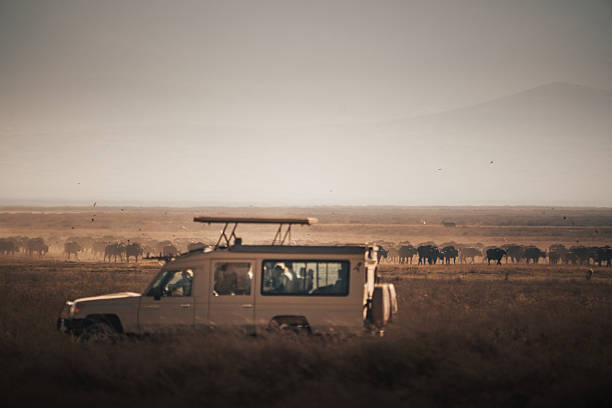
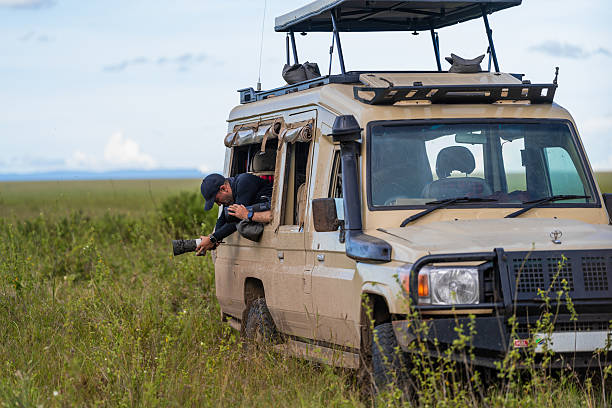
- Vehicles: You’ll typically travel in a custom-built 4×4 safari vehicle with a pop-up roof for optimal game viewing and photography.
- Guides: Experienced, English-speaking safari guides are essential. They possess deep knowledge of animal behavior, park ecosystems, and tracking skills.
- Accommodation: Options range from budget-friendly tented camps to mid-range lodges and luxury tented camps or lodges.
- Meals: Usually provided at lodges or prepared by a camp chef during full-day excursions.
- Pace: Early mornings and late afternoons are prime game viewing times. Days are spent driving through parks, stopping for sightings, and enjoying the vast landscapes.
Kilimanjaro Trek Experience:
- Pace: The mantra is ‘pole pole’ (slowly, slowly). Treks involve walking for several hours each day, with breaks for meals and rest.
- Guides & Porters: You will be accompanied by a lead guide, assistant guides, and a team of porters who carry your main luggage, tents, food, and equipment.
- Accommodation: Most routes involve camping in designated campsites. The Marangu route uses basic huts.
- Meals: Your crew prepares hot, nutritious meals at designated meal stops and campsites.
- Summit Night: This is the most challenging part, involving a pre-dawn start and a steep ascent in cold, thin air. It requires significant mental and physical fortitude.
- Health: Altitude sickness is the primary concern. Proper acclimatization, hydration, and listening to your body are critical.
Packing Essentials for Safari and Kilimanjaro
Packing efficiently is key, as you’ll need gear for two very different environments. A reputable tour operator will provide a detailed packing list.
Safari Packing List:
- Lightweight, neutral-colored clothing (khaki, green, brown)
- Long-sleeved shirts and trousers for sun/insect protection
- T-shirts and shorts
- Warm fleece or jacket for cooler evenings/mornings
- Comfortable walking shoes or sturdy sandals
- Sun hat with a wide brim
- Sunglasses
- Sunscreen (high SPF)
- Insect repellent
- Binoculars (highly recommended)
- Camera with extra batteries and memory cards
- Personal first-aid kit
- Small backpack for day trips
- Adapter for electronics
Kilimanjaro Trekking Packing List (Crucial):
- Layering System: Base layers (thermal underwear), mid-layers (fleece jacket), outer-layer (waterproof and windproof jacket and trousers).
- Footwear: Broken-in hiking boots (waterproof), comfortable camp shoes/sandals, warm socks (wool/synthetic).
- Headwear: Warm hat (wool/fleece), balaclava or neck gaiter, sun hat.
- Handwear: Warm waterproof gloves, liner gloves.
- Sleeping Bag: Rated to at least -10°C to -20°C (4-season bag).
- Trekking Poles: Highly recommended for stability and reducing knee strain.
- Headlamp: With extra batteries (essential for summit night).
- Water Bottles/Hydration System: At least 2-3 liters capacity. Insulated covers are useful.
- Sun Protection: High SPF sunscreen, lip balm with SPF, sunglasses.
- Personal Items: Small towel, toiletries (biodegradable), hand sanitizer, wet wipes.
- Snacks: Energy bars, nuts, dried fruit (optional, though meals are provided).
- Medications: Personal prescriptions, basic first-aid kit (including pain relievers, blister treatment, altitude sickness medication like Diamox – consult your doctor).
- Duffel Bag: Waterproof, 80-100 liter capacity for porters.
- Daypack: 30-40 liter capacity for items you need during the day’s trek.
- Waterproof Bags/Dry Bags: To protect clothing and gear inside your duffel.
Important Note: Your tour operator will provide a detailed list. Renting some gear (like sleeping bags, trekking poles, warm jackets) is often possible in Moshi.
Common Mistakes to Avoid
Planning a safari before Kilimanjaro from Moshi is complex. Here are common pitfalls to steer clear of:
- Insufficient Acclimatization Time: Rushing between safari and trek, or choosing a short Kilimanjaro route, significantly increases altitude sickness risk. Allow at least 1-2 full rest days between your safari ending and Kilimanjaro briefing/start.
- Inadequate Preparation for Kilimanjaro: Underestimating the physical and mental demands of the trek. Proper training and packing are crucial.
- Poorly Chosen Tour Operator: Opting for the cheapest option without researching the operator’s safety record, guide qualifications, equipment quality, and ethical treatment of staff. This is especially critical for Kilimanjaro.
- Not Packing Appropriately: Especially for Kilimanjaro, inadequate clothing can lead to hypothermia and discomfort. Layering is key.
- Ignoring Health Advice: Not consulting a doctor about vaccinations, malaria prophylaxis, and altitude sickness medication (like Diamox) before your trip.
- Not Budgeting for Extras: Safari tips, Kilimanjaro tips (for guides and porters), park fees (if not fully inclusive), souvenirs, and personal expenses can add up.
- Hydration and Nutrition: Underestimating the importance of drinking enough water and eating well, both on safari and especially on the trek.
- Rushing the Safari: Trying to cram too many parks into too few days. Allow time to enjoy each location.
Who is This Trip Best For?
The combination of a safari before Kilimanjaro from Moshi is ideal for:
- Active Adventurers: Individuals who enjoy a mix of wildlife viewing and physical challenge.
- Nature Enthusiasts: Those passionate about experiencing diverse ecosystems, from savannahs to alpine deserts.
- Bucket-List Travelers: People aiming to tick off iconic African experiences – seeing the Big Five and standing on the roof of Africa.
- Those Seeking a Comprehensive Tanzanian Experience: Travelers who want to see more than just one aspect of the country.
- Fit Individuals: A reasonable level of fitness is required for Kilimanjaro. Safari is generally less demanding physically but involves long days.
Not Ideal For: Travelers with severe mobility issues, very young children (unless on a specifically tailored family safari), or those who are not comfortable with basic camping and challenging physical activity.
Alternatives to Consider
While the safari-Kilimanjaro combination from Moshi is popular, consider these alternatives:
- Safari Only: Focus solely on the Northern Circuit safari for a more relaxed pace and deeper exploration of wildlife and landscapes.
- Kilimanjaro Only: Dedicate your trip entirely to climbing Kilimanjaro, allowing more time for preparation and recovery.
- Kilimanjaro & Zanzibar: Combine the trek with a relaxing beach holiday on the spice island of Zanzibar for a contrast of adventure and relaxation.
- Safari & Other Activities: Combine safari with cultural tours, chimpanzee trekking in western Tanzania (Gombe or Mahale), or visiting other regions.
- Mount Meru Climb: A less challenging but rewarding climb near Arusha, often used as preparation for Kilimanjaro or as an alternative for those not ready for the big peak.
Planning Your 2026-2027 Trip
Booking your safari before Kilimanjaro from Moshi well in advance is crucial, especially for peak seasons in 2026 and 2027. Here’s a timeline:
Booking Timeline:
- 12+ Months Before: Research tour operators, decide on your preferred safari duration/parks and Kilimanjaro route. Start saving.
- 9-12 Months Before: Book your safari and Kilimanjaro trek with a reputable operator. Secure your preferred dates, especially for peak seasons (June-Oct 2026, Jan-Feb 2027).
- 6-9 Months Before: Begin your fitness training program for Kilimanjaro. Consult your doctor regarding vaccinations and health advice.
- 3-6 Months Before: Purchase essential gear for Kilimanjaro. Start breaking in your hiking boots. Book international flights.
- 1-3 Months Before: Finalize visa requirements. Arrange travel insurance (ensure it covers high-altitude trekking and medical evacuation). Confirm all trip details with your operator.
- 1 Month Before: Continue training. Pack non-essential items.
- 1-2 Weeks Before: Pack your main luggage and daypack. Confirm flight details. Inform your bank of your travel dates.
- Upon Arrival (Moshi/Arusha): Attend pre-climb briefing for Kilimanjaro. Final gear check.
Booking Your Tour:
When selecting a tour operator for your safari and Kilimanjaro trek from Moshi, prioritize companies with:
- Strong Safety Records: Especially for Kilimanjaro, look for established companies with experienced guides and comprehensive safety protocols.
- Qualified Guides: Certified guides for both safari and Kilimanjaro.
- Positive Reviews & Reputation: Check independent review sites.
- Clear Inclusions/Exclusions: Understand what is covered in the price (park fees, accommodation, meals, crew wages, equipment).
- Ethical Practices: Fair wages and treatment for guides and porters.
Cost Considerations
The cost of a combined safari and Kilimanjaro trip varies significantly based on:
- Safari Duration and Parks: More days and more parks (like Serengeti) increase costs.
- Accommodation Standard: Luxury lodges are more expensive than mid-range or budget camps.
- Kilimanjaro Route: Longer routes with better acclimatization profiles (Lemosho, Northern Circuit) are typically more expensive.
- Kilimanjaro Operator Quality: Reputable operators with better safety standards and porter welfare often charge more.
- Group Size: Private tours are more expensive per person than group tours.
- Season: Peak seasons can sometimes have slightly higher prices.
While exact prices should be obtained directly from operators, expect a 5-day safari to range from $1,000 to $3,000+ per person, and a 7-day Kilimanjaro trek to range from $1,500 to $3,500+ per person. A combined trip could therefore range from $2,500 to $6,500+ per person, excluding international flights, visas, and personal expenses.
Frequently Asked Questions (FAQs)
Q1: Is it better to do the safari before or after climbing Kilimanjaro?
A: It is generally recommended to do the safari before climbing Kilimanjaro. This allows for gradual acclimatization to altitude and a more relaxed start to your adventure. Starting with the safari helps your body adjust to the environment before the strenuous mountain ascent.
Q2: How many days should I allocate for a safari before Kilimanjaro from Moshi?
A: A minimum of 3-4 days is recommended for a basic safari. For a more comprehensive experience of the Northern Circuit (Serengeti, Ngorongoro, Tarangire), 5-7 days is ideal. This allows ample time to enjoy the wildlife and landscapes without feeling rushed before your trek.
Q3: What is the best time of year for this combined trip in 2026-2027?
A: The best times are during the dry seasons: June to October 2026 and January to February 2027. These periods offer the most favorable weather conditions for both safari game viewing and Kilimanjaro trekking, with clear skies and dry trails.
Q4: Can I arrange both the safari and Kilimanjaro trek from Moshi?
A: Yes, Moshi is the primary hub for Kilimanjaro expeditions and a convenient base for arranging Northern Circuit safaris. Most reputable Tanzanian tour operators based in Moshi or Arusha can arrange both components of your trip.
Q5: What are the physical demands of doing a safari before Kilimanjaro?
A: The safari is generally less physically demanding, involving long drives and walks. Kilimanjaro, however, is a strenuous high-altitude trek requiring good cardiovascular fitness, endurance, and mental resilience. Proper training is essential.
Q6: What is the success rate for climbing Kilimanjaro?
A: Success rates vary by route and duration. Longer routes with better acclimatization profiles (like Machame 7-day or Lemosho 8-day) generally have higher success rates, often exceeding 90%. Shorter routes, like the 5-day Marangu, have lower success rates (around 70%).
Q7: What should I pack for Kilimanjaro in 2027?
A: Key items include waterproof/windproof outer layers, thermal base layers, fleece mid-layers, sturdy hiking boots, warm gloves and hat, a 4-season sleeping bag, trekking poles, and a headlamp. Layering is crucial for managing changing temperatures.
Q8: How much should I budget for tips for Kilimanjaro guides and porters?
A: Tipping is customary and expected. A general guideline for a 7-day trek is around $250-$350 per trekker for the entire crew (guides, assistant guides, cooks, porters). Your operator will provide specific recommendations.
Q9: Do I need special vaccinations for Tanzania?
A: Yellow fever vaccination is often required, especially if arriving from or transiting through certain countries. Consult your doctor or a travel clinic well in advance for recommended vaccinations (e.g., Hepatitis A, Typhoid) and malaria prophylaxis.
Q10: What if I experience altitude sickness on Kilimanjaro?
A: Listen to your body and inform your guide immediately. Symptoms should be taken seriously. Guides are trained to assess the situation and may recommend medication, rest, or descent if symptoms worsen. Diamox can help prevent or alleviate symptoms, but it’s not a substitute for proper acclimatization.
Ready to Plan Your Adventure?
Combining a thrilling Tanzanian safari with the challenge of climbing Mount Kilimanjaro, all starting from the convenient hub of Moshi, offers an unforgettable journey. From the majestic wildlife of the Serengeti to the summit of Africa’s highest peak, this is an adventure of a lifetime.
Let us help you craft the perfect safari before Kilimanjaro from Moshi itinerary for 2026 or 2027. Our expert team specializes in creating seamless and memorable travel experiences in Tanzania.
Contact Us Today:
WhatsApp: +255616946642
Email: topguideadventures@gmail.com
Backup Email: info@topguideadventures.com
We look forward to helping you plan your Tanzanian dream trip!
Plan your Safari Before Kilimanjaro From Moshi with Top Guide Adventures
Tell us your travel dates, group size, comfort level, and dream experience. We will help you shape a clear, realistic, and memorable Tanzania itinerary.







 Veedesigner
 Fatma Kizanga
 Benjamin Waryuba
 Philip Philip
 John jr Itaja
 Antonia Optatus
 Edith Kanyere
 Neema Iddy
 Kelvin Boniphace
 Damari Maiga



