
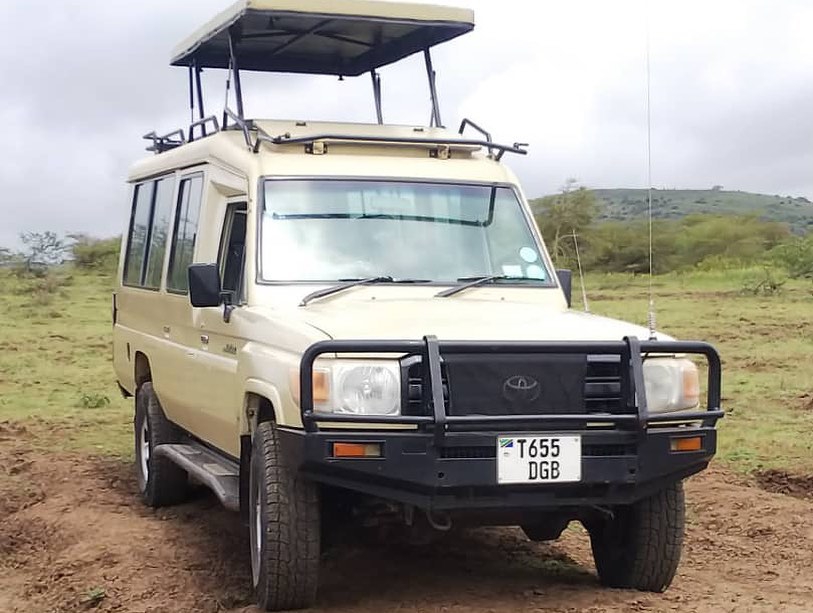
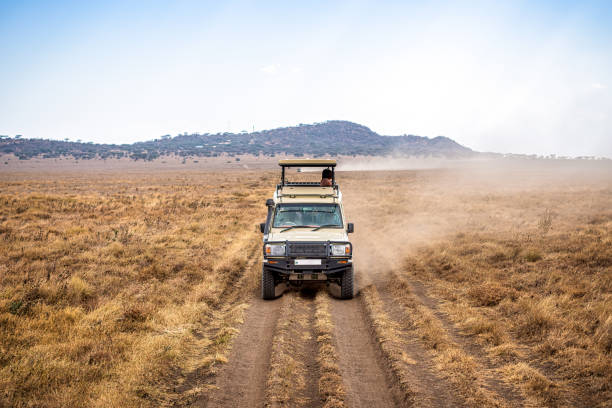
Mbeya City and the surrounding Mbeya Highlands offer a distinct Tanzanian experience, characterized by cooler climates, rolling hills, agricultural landscapes, and unique cultural interactions, serving as a gateway to the southern highlands and a vibrant hub for local life, contrasting with the more commonly visited northern safari circuits.
Unveiling Mbeya: More Than Just a Transit Point
When most travelers envision Tanzania, their minds often drift to the iconic plains of the Serengeti, the majestic peak of Kilimanjaro, or the spice-scented shores of Zanzibar. While these destinations rightfully hold their allure, Tanzania’s vastness encompasses regions offering equally compelling, albeit different, experiences. Mbeya City, nestled in the southwestern corner of the country, and its adjacent highlands, represent one such area. Far from being merely a transit point on the way to Zambia or other southern regions, Mbeya offers a rich mix of natural beauty, agricultural significance, and cultural depth that merits dedicated exploration, especially as travelers seek more authentic and less-trodden paths in 2026-2027.
This region is defined by its altitude, often boasting a cooler, more temperate climate than the coastal plains or the northern safari heartlands. It’s a landscape of rolling hills, fertile valleys, and dramatic escarpments, shaped by volcanic activity and the Great Rift Valley. Mbeya City itself is a bustling administrative and commercial center, serving the agricultural heartland that produces much of Tanzania’s coffee, tea, and pyrethrum. Yet, its true magic lies in the opportunities it presents to connect with the land and its people, moving beyond the typical tourist trail.
The Allure of the Mbeya Highlands: A Cooler, Greener Tanzania
The Mbeya Highlands are not a singular, defined national park or reserve but rather a geographical region characterized by its elevated terrain. This topography gives rise to a unique ecosystem and a distinct way of life. Imagine landscapes reminiscent of European countryside, with verdant hillsides dotted with small farms, tea plantations stretching like emerald carpets, and misty mornings giving way to sun-drenched afternoons. This is the Mbeya Highlands.
For the adventurous traveler planning for 2026-2027, the highlands provide opportunities for hiking, exploring local farming communities, visiting waterfalls, and simply soaking in the serene, cooler atmosphere. The air is crisp, the scenery is often dramatic, and the pace of life is refreshingly unhurried. It’s a perfect counterpoint to the intensity of a safari or the heat of the coast.
Getting to Mbeya: Navigating Your Journey
Reaching Mbeya is part of the adventure, offering a glimpse into the scale and diversity of Tanzania’s infrastructure. Unlike the well-established flight paths to Kilimanjaro or Zanzibar, access to Mbeya is primarily via road or domestic flights.
By Air: The Fastest Route
Mbeya has its own airport, Songwe International Airport (MBI), located approximately 30 kilometers from the city center. Several Tanzanian airlines operate domestic flights connecting Mbeya to major hubs like Dar es Salaam and Kilimanjaro International Airport (JRO). While not as frequent as flights to northern destinations, these services provide a convenient and time-efficient way to reach the region, especially for those on tighter schedules in 2026-2027.
Booking flights in advance is advisable, particularly during peak travel seasons. The journey by air offers a bird’s-eye view of Tanzania’s varied topography, from the central plateau to the highlands.
By Road: An Immersive Experience
The road network in Tanzania is extensive, and traveling by bus or private vehicle is a common way to reach Mbeya. The main highway connecting Dar es Salaam to Mbeya is a significant artery, passing through various towns and landscapes. The journey is long—typically 10-12 hours or more from Dar es Salaam—but it offers an unparalleled opportunity to witness the country’s rural life, diverse scenery, and the daily rhythm of Tanzanian communities.
For a more comfortable and flexible road trip, hiring a private vehicle with a driver is an excellent option. This allows for stops at points of interest, breaks as needed, and a more personalized travel experience. This is particularly recommended if you plan to explore the highlands extensively, as public transport can be limited in more remote areas.
Travel Tip for 2026-2027: If you opt for road travel, consider breaking the journey to avoid fatigue and to enjoy the scenery. Companies like Top Guide Adventures can arrange comfortable private transfers and multi-day road trips tailored to your itinerary.
Exploring Mbeya City: The Urban Heartbeat
Mbeya City is the administrative capital of the Mbeya Region and a significant economic hub. It’s a place where the modern meets the traditional, offering a vibrant glimpse into Tanzanian urban life away from the tourist crowds.
Key Landmarks and Experiences in Mbeya City
- Mbeya City Market: A sensory explosion, the central market is where locals shop for everything from fresh produce and spices to clothing and household goods. It’s an excellent place to observe daily life, practice your Swahili, and perhaps find unique souvenirs.
- The Coffee and Tea Plantations: While many plantations are in the surrounding highlands, Mbeya City serves as a commercial center for these vital industries. Some estates may offer visitor tours, providing insight into the cultivation and processing of world-renowned Tanzanian coffee and tea.
- Local Cuisine: Explore local eateries (vibandas) and restaurants to sample regional dishes. Staples like ugali (maize porridge) are common, often served with flavorful stews of meat, fish, or vegetables. Mbeya’s cooler climate also means a variety of fresh vegetables are readily available.
- Cultural Encounters: Engage with the local communities. Mbeya is home to various ethnic groups, and understanding their traditions and ways of life adds significant depth to any visit. A guided tour can facilitate respectful and meaningful interactions.
Mbeya City provides a grounding experience, a chance to see Tanzania beyond the postcard images and connect with the everyday realities of its people.
The Majesty of the Mbeya Highlands: Nature’s Playground
The true draw for many visitors to the Mbeya region lies in its spectacular highlands. This is where the cooler climate, dramatic landscapes, and natural beauty come to the fore.
Mount Rungwe: The Region’s Majestic Peak
Dominating the skyline is Mount Rungwe, an extinct volcano and the highest peak in the Mbeya region, reaching over 2,960 meters (9,711 feet). Unlike Kilimanjaro, Mount Rungwe is less frequented by trekkers, offering a more secluded and rugged hiking experience. The slopes are covered in montane forest, home to diverse birdlife and indigenous flora.
Trekking Mount Rungwe:
Climbing Mount Rungwe is a rewarding challenge for experienced hikers. The ascent typically takes 2-3 days, involving challenging terrain and varying weather conditions. Trails wind through dense forests, past waterfalls, and eventually open up to alpine vegetation as you approach the summit crater. The views from the top, on a clear day, are breathtaking, encompassing the vast plains below and, on a very clear day, even Lake Malawi.
Planning for 2026-2027: A guided trek is essential for Mount Rungwe. Local guides understand the terrain, weather patterns, and safety requirements. Top Guide Adventures can help arrange comprehensive trekking packages, including porters, guides, and necessary permits, ensuring a safe and memorable climb. Expect cooler temperatures at higher altitudes, so pack accordingly.
Kitulo National Park: The ‘Garden of God’
Often referred to as the ‘Garden of God’, Kitulo National Park is a unique ecological treasure. It is Tanzania’s first and only national park established primarily for its botanical significance. Located on the Kitulo Plateau, between the Kipengere and Poroto Mountains, this park is a haven for wildflowers, boasting an astonishing diversity of orchids and other endemic plant species.
When to Visit Kitulo: The best time to witness the full bloom of the wildflowers is typically during the rainy season, from December to April. During this period, the plateau transforms into a riot of color, attracting botanists and nature lovers alike. Birdwatching is also excellent, with opportunities to spot rare species.
Activities in Kitulo: While not a traditional safari destination with large mammals, Kitulo offers superb hiking and walking trails. Exploring the plateau allows for quiet contemplation amidst stunning natural beauty. Birdwatching and botanical exploration are the primary activities here. The park also features waterfalls and opportunities to see unique plant life.
Waterfalls and Natural Wonders
The Mbeya Highlands are dotted with numerous waterfalls, fed by the abundant rainfall and mountain streams. Some of the most accessible and picturesque include:
- Kapumwiza Waterfalls: Located within reach of Mbeya City, these falls offer a refreshing escape and a chance for a pleasant hike.
- The Ruaha National Park Escarpment Viewpoints: While Ruaha National Park is a significant distance away, the landscapes leading towards it from Mbeya offer dramatic escarpments and scenic vistas that are worth exploring.
These natural sites provide opportunities for photography, picnics, and a deeper connection with the wild beauty of the region.
Cultural Immersion: Connecting with Local Communities
Beyond the landscapes, the Mbeya region offers rich opportunities for cultural engagement. The area is home to various ethnic groups, including the Nyiha, Fipa, Safwa, and Nyakyusa, each with its own distinct traditions, languages, and customs.
Experiencing Local Life
Visiting local villages, with the guidance of a local expert, allows for respectful interaction and learning. You might witness traditional farming practices, learn about local crafts, or share a meal with a family. These experiences offer profound insights into the resilience and warmth of the Tanzanian people.
Homestays and Village Visits: For travelers seeking deeper immersion, arranging a homestay or a guided village visit can be incredibly rewarding. These are best organized through local tour operators who have established relationships with communities and can ensure the experience is beneficial for both visitors and hosts.
The Significance of Agriculture
The Mbeya Highlands are a major agricultural producer for Tanzania. Coffee, tea, maize, beans, and pyrethrum are grown extensively. Understanding this agricultural backbone of the region adds another layer to appreciating its landscape and economy.
Farm Visits: Exploring coffee or tea plantations can be a fascinating experience. You can learn about the cultivation process, from bean to cup or leaf to brew, and understand the economic importance of these crops for the region and the country. Some estates may offer tours and tastings, providing a direct connection to the products that sustain the local communities.
Planning Your Mbeya Adventure in 2026-2027
As you consider Mbeya and its highlands for your 2026-2027 travels, careful planning will ensure you make the most of this unique destination.
Best Time to Visit
The Mbeya region experiences a temperate climate due to its altitude. The main dry season runs from June to October, offering pleasant temperatures and clear skies, ideal for trekking and general exploration. The rainy season, from November to May, brings lush greenery and the spectacular wildflower blooms in Kitulo, but can make some roads impassable.
Seasonal Considerations for 2026-2027:
- June – October (Dry Season): Ideal for hiking Mount Rungwe, exploring the highlands, and enjoying clear views. Temperatures are cooler, especially at night.
- November – May (Rainy Season): Best for botanists and flower enthusiasts visiting Kitulo National Park. Expect higher humidity and potential for heavy rains, which can affect travel logistics.
Accommodation Options
Accommodation in Mbeya City ranges from basic guesthouses to mid-range hotels. In the highlands, options are more limited, often comprising lodges or tented camps, especially near national parks or popular trekking routes. For a truly immersive experience, consider arranging village homestays, which provide authentic cultural interaction.
Booking in Advance: For specific lodges or unique experiences like homestays, booking well in advance is recommended, particularly for travel in 2026-2027, as options can be limited compared to more established tourist hubs.
What to Pack
Given the varied altitudes and potential for changing weather, packing layers is crucial. Essentials include:
- Warm clothing: Fleece jackets, sweaters, and long trousers, especially for evenings and higher altitudes.
- Rain gear: A waterproof and windproof jacket and trousers.
- Sturdy hiking boots: Essential for exploring the highlands and trekking Mount Rungwe.
- Sun protection: Sunscreen, a hat, and sunglasses, as the sun can be intense even in cooler temperatures.
- Insect repellent: While Mbeya is generally less prone to malaria than coastal areas, it’s always wise to have repellent.
- Camera and binoculars: To capture the stunning landscapes and birdlife.
- Personal first-aid kit.
Top Guide Adventures: Your Partner for Mbeya and Beyond
While Mbeya and its highlands offer incredible independent exploration potential, leveraging the expertise of a local tour operator can significantly enhance your experience, ensuring safety, comfort, and deeper cultural understanding. Top Guide Adventures specializes in crafting personalized Tanzanian travel experiences, including tailored itineraries for the southern regions.
Whether you’re dreaming of trekking Mount Rungwe, exploring the botanical wonders of Kitulo, or simply experiencing the authentic culture of Mbeya, our team can design a trip that meets your interests and travel style. We understand the logistics of traveling in this less-charted territory and can arrange:
- Customized Itineraries: From short city breaks to multi-day highland adventures.
- Guided Treks: Professional guides and porters for Mount Rungwe.
- Cultural Tours: Respectful village visits and interactions.
- Transportation: Comfortable and reliable private vehicle hire.
- Accommodation Bookings: Securing suitable lodging and unique homestays.
We are committed to providing authentic, memorable, and responsible travel experiences. For inquiries about planning your Mbeya City and Highlands adventure for 2026-2027 or any other Tanzanian destination, please feel free to reach out.
Contact us today:
WhatsApp: +255616946642
Email: topguideadventures@gmail.com
Backup Email: info@topguideadventures.com
Beyond Mbeya: Connecting to Other Tanzanian Gems
While Mbeya offers a unique appeal, it can also serve as a starting or ending point for broader Tanzanian adventures. Its location allows for connections to other parts of the country, providing a diverse travel experience.
Ruaha National Park
The largest national park in Tanzania, Ruaha, is accessible from the Mbeya region, though it requires dedicated travel time. It’s renowned for its wild, untamed beauty, large elephant and lion populations, and dramatic landscapes. A combination trip could explore the highlands first, followed by an adventurous safari in Ruaha.
Lake Nyasa (Lake Malawi)
The southern shores of Lake Nyasa are within reach of Mbeya. This vast, clear freshwater lake offers opportunities for relaxation, swimming, snorkeling, and experiencing the unique cultures of the lakeside communities. It provides a stark contrast to the mountainous terrain of the highlands.
Connecting to Zambia
Mbeya is a major border town, making it a natural gateway to Zambia. Travelers interested in exploring both countries can easily transition from Mbeya to destinations like South Luangwa National Park, one of Africa’s premier walking safari destinations.
Traveler Profiles: Who Will Love Mbeya?
The Mbeya region appeals to a specific type of traveler, one who seeks experiences beyond the mainstream and appreciates natural beauty, cultural authenticity, and a slower pace.
- The Nature Enthusiast: Botanists, hikers, birdwatchers, and anyone who appreciates diverse landscapes will find Mbeya’s highlands, Kitulo, and Mount Rungwe exceptionally rewarding.
- The Cultural Explorer: Those interested in understanding rural Tanzanian life, agricultural practices, and the traditions of local ethnic groups will find ample opportunities for meaningful engagement.
- The Off-the-Beaten-Path Adventurer: Travelers looking to escape the crowds and discover a less-visited part of Tanzania will appreciate Mbeya’s unique charm and raw beauty.
- The Photographer: The dramatic landscapes, vibrant flora, and local life offer endless photographic opportunities.
Sustainable Tourism in Mbeya
As responsible travelers, understanding and practicing sustainable tourism is key, especially in regions like Mbeya that are developing their tourism infrastructure. This means:
- Respecting local culture: Dress modestly when visiting villages and always ask permission before taking photographs of people.
- Supporting local economies: Purchase local crafts and produce, and choose locally owned accommodations and services where possible.
- Minimizing environmental impact: Stick to marked trails, avoid littering, and conserve water and energy.
- Engaging ethically: Ensure any village visits or homestays are arranged through reputable operators who ensure fair benefit sharing with the community.
Top Guide Adventures is committed to promoting sustainable tourism practices across Tanzania. We work with local communities and ensure our tours benefit the environment and the people who call these beautiful places home.
Looking Ahead: Mbeya in 2026-2027 and Beyond
As Tanzania continues to develop its tourism offerings, regions like Mbeya are poised to gain more attention from discerning travelers. For 2026-2027, we anticipate a growing interest in destinations that provide authentic experiences and a connection to nature and local life. Mbeya City and its highlands are perfectly positioned to meet this demand.
The infrastructure is improving, and more services are becoming available, making it easier for travelers to explore this captivating part of Tanzania. However, the region retains its authentic character, offering a genuine glimpse into a side of Tanzania that many visitors miss.
Whether you are seeking the challenge of a mountain trek, the quiet beauty of a wildflower plateau, or the warmth of Tanzanian hospitality in a cooler climate, the Mbeya region offers a compelling alternative or complement to the more traditional Tanzanian travel routes. Let Top Guide Adventures help you craft your unforgettable journey to Mbeya and its stunning highlands. Planning your trip for 2026-2027 starts with a conversation about your dreams.
Check Availability for Mbeya City And Highlands: Your Essential Tanzania Travel Guide 2026-2027
Ready to compare dates, prices, and the best option for your group? Send the package name and travel month so the team can reply with a clear quote, availability, and what is included.
 Mbeya And Southern Highlands Packages: Your Ultimate Tanzania Adventure GuideExplore tailored Mbeya and Southern Highlands packages in Tanzania for 2026-2027. Discover unique safaris, cultural experiences, and stunning…View package
 Kilwa Unesco Heritage Package: Exploring Ancient Swahili Coast HistoryExplore the fascinating history of Tanzania's Swahili coast with a Kilwa UNESCO Heritage Package. This guide covers the ancient ruins of Kilwa…View package
 Kilwa Kisiwani Photography Tour: Capturing Ancient Swahili Heritage 2026-2027Discover the photographic potential of Kilwa Kisiwani, a UNESCO World Heritage site on Tanzania's coast. This article details a specialized…View package
 Kilwa Private Dhow Tour: Your Ultimate Island Escape In 2026-2027Discover the magic of a Kilwa Private Dhow Tour, offering exclusive access to pristine islands and historical sites. Perfect for couples…View packageKilwa Fishing Adventure: Your Ultimate Guide To Coastal Tanzanias Best Catchstart an unforgettable Kilwa Fishing Adventure, exploring the rich waters off Tanzania's historic coast. Learn about the best times to go, the…View package
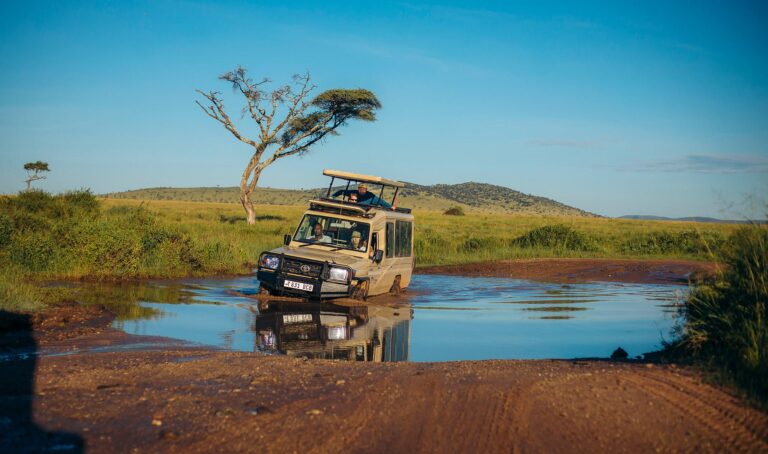 Kilwa Swahili Culture Experience: A Deep Look At Coastal Tanzanias HeritageImmerse yourself in the unique Kilwa Swahili culture experience, a journey through history, art, and the vibrant coastal life of Tanzania…View package
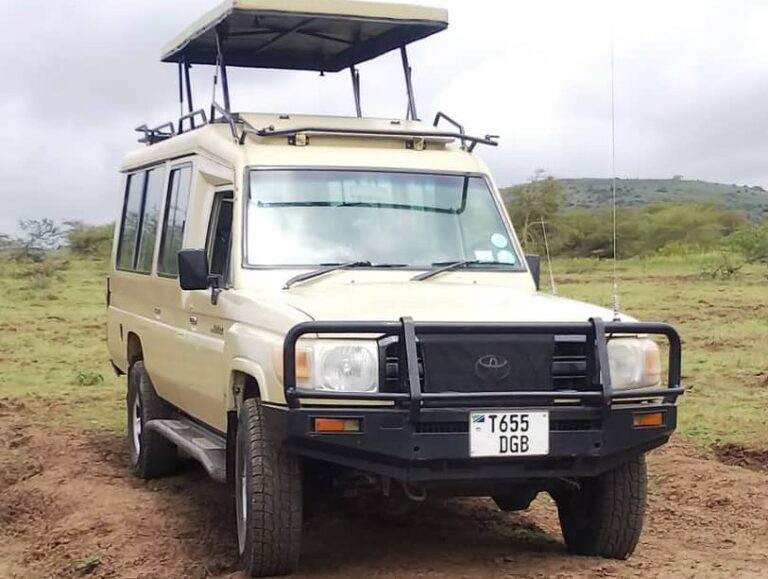 Kilwa Island-Hopping Tour: Discover Zanzibars Coastal Gems In 2026-2027Experience the magic of a Kilwa Island-hopping tour, a unique journey through Zanzibar's historic coastline. Discover ancient Swahili ruins…View package
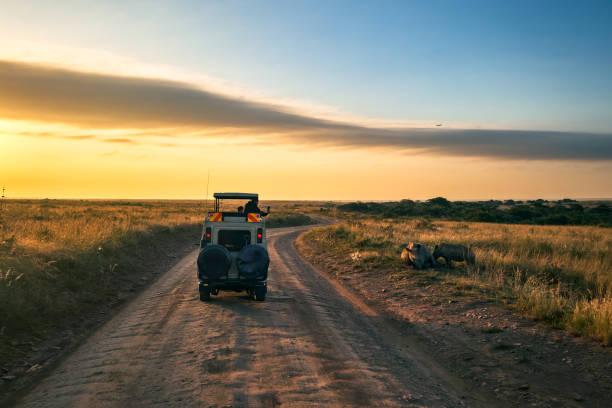 Kilwa Masoko Beach Escape: Your Ultimate Zanzibar Island Getaway GuideDiscover the serene beauty and authentic charm of Kilwa Masoko Beach, a less crowded place on Zanzibar's coast. This comprehensive guide covers…View package


