
Updated planning guide for 2026, 2027-2028
Moshi To Kenya Family Safari: Best Guide 2026-2027-2028
Discover how to plan an unforgettable family safari adventure from Moshi, Tanzania, to the renowned parks of Kenya. This guide covers everything from itinerary planning and budgeting to packing and choosing the right tour operator for your 2026-2027 trip.
WhatsApp +255616946642 | topguideadventures@gmail.com | info@topguideadventures.com
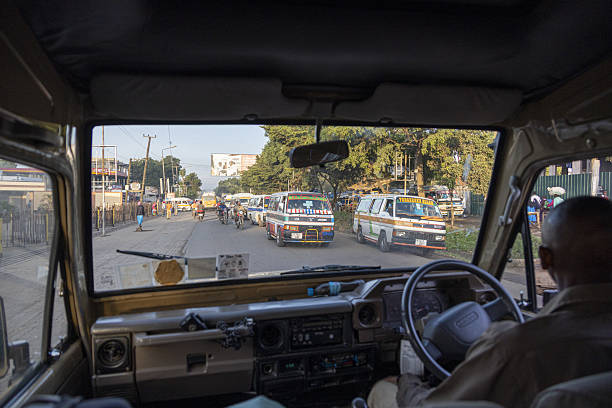
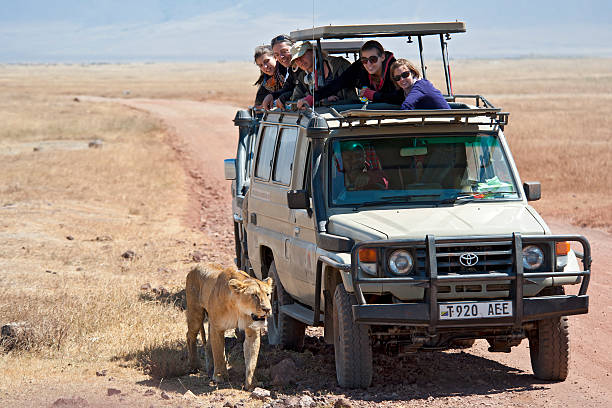
Moshi to Kenya Family Safari: Your Ultimate Planning Guide
A Moshi to Kenya family safari represents an extraordinary journey, bridging two of East Africa’s most iconic wildlife destinations. For families seeking an immersive wildlife experience, combining the majestic Mount Kilimanjaro backdrop of Moshi with the legendary plains of the Maasai Mara and beyond in Kenya offers an unparalleled adventure. This guide provides detailed insights and practical advice for planning such a trip, ensuring your family’s safari is safe, engaging, and memorable. We’ll cover everything from initial planning stages through to the final booking decisions for your 2026 or 2027 adventure.
Quick Answer: What is a Moshi to Kenya Family Safari?
A Moshi to Kenya family safari is a multi-country trip that typically starts in Moshi, Tanzania, often after a visit or trek of Mount Kilimanjaro, and then crosses the border into Kenya to explore its world-famous national parks and reserves, such as the Maasai Mara, Amboseli, or Lake Nakuru. It’s designed for families, offering a blend of wildlife viewing, cultural experiences, and comfortable accommodations suitable for all ages, with a focus on creating shared memories in some of the planet’s most biodiverse landscapes.
| Aspect | Details |
|---|---|
| Starting Point | Moshi, Tanzania (often near Mount Kilimanjaro) |
| Primary Destination(s) | Kenya: Maasai Mara, Amboseli, Lake Nakuru, Tsavo, etc. |
| Duration | Typically 7-14 days, adjustable based on family needs. |
| Best For | Families with children aged 5+, adventure seekers, wildlife enthusiasts. |
| Key Activities | Game drives, bird watching, cultural visits, photography, scenic drives. |
| Travel Style | Private vehicle with driver-guide, lodge or tented camp accommodation. |
| Seasonality | June-October (dry season, Great Migration in Mara) and December-March (hot, dry). |
Planning Your Moshi to Kenya Family Safari
Organizing a family safari that spans two countries requires careful planning, especially when you have children with diverse interests and energy levels. The transition from Tanzania to Kenya involves logistical considerations like border crossings, vehicle transfers, and adjusting to different park regulations. A well-structured plan ensures that the journey itself is as enjoyable as the destinations.
Why Choose a Moshi to Kenya Family Safari?
This route offers a unique combination of experiences. Starting near Kilimanjaro provides a stunning visual and cultural introduction. Transitioning into Kenya opens up access to the Maasai Mara, famous for the Great Migration (seasonal) and incredible predator sightings, and Amboseli, known for its large elephant herds against the backdrop of Kilimanjaro. For families, this variety keeps everyone engaged. Children often connect deeply with the wildlife, and the educational opportunities are immense. Seeing animals like lions, elephants, giraffes, and zebras in their natural habitat is a powerful learning experience that no classroom can replicate. Furthermore, the journey can be tailored to include activities that suit younger travelers, such as shorter game drives, interactive cultural visits, and accommodations with family-friendly amenities.
Best Time for Your Family Safari in 2026-2027
The timing of your Moshi to Kenya family safari is crucial for maximizing wildlife viewing opportunities and ensuring comfortable weather conditions. East Africa has distinct wet and dry seasons, each offering unique advantages.
| Period | Tanzania (Moshi Area) | Kenya (Maasai Mara & other parks) | Family Considerations |
|---|---|---|---|
| June – October | Cooler, dry season. Good for Kilimanjaro if planned. Less rain generally. | Dry season. Peak wildlife viewing in Maasai Mara, Great Migration. Cooler temperatures. | Excellent for game viewing. Fewer mosquitoes. Can be cooler, pack layers. Higher demand, book early for 2026/2027. |
| November | Short rains. Can be unpredictable. | Short rains. Can be unpredictable. Landscapes become greener. | Fewer crowds, potentially lower prices. Rain can disrupt game drives. |
| December – March | Hot, dry season. Good visibility. Peak tourist season for Kilimanjaro. | Hot, dry season. Excellent game viewing, especially in Amboseli and Tsavo. Taru Desert blooms. | Warm weather. Good for elephant sightings. Can be very hot. Ensure lodges have pools. High demand for New Year. |
| April – May | Long rains. Heavy rainfall, muddy conditions. Less ideal for trekking. | Long rains. Lush landscapes, fewer tourists. Some roads can be difficult. | Lowest prices, fewest crowds. Rain can significantly impact game drives and road accessibility. Not ideal for a first family safari. |
For families aiming for the iconic Great Migration in the Maasai Mara, the period from July to October is ideal. If your focus is on elephants in Amboseli or general game viewing across Kenya with pleasant temperatures, the dry seasons (June-October and December-March) are generally preferred. Always consider school holidays when planning for 2026-2027 and book well in advance.
Sample Itinerary: A 10-Day Moshi to Kenya Family Safari
This sample itinerary balances wildlife encounters with travel time and family comfort. It can be customized based on your family’s interests and pace.
Day 1: Arrival in Moshi, Tanzania
Arrive at Kilimanjaro International Airport (JRO), meet your guide, and transfer to your lodge in Moshi. Relax and acclimatize. Briefing on the safari ahead.
Day 2: Moshi & Cultural Experience
Morning visit to a local coffee plantation or a Maasai village to learn about local life. Afternoon at leisure or explore Moshi town. Prepare for border crossing.
Day 3: Border Crossing to Kenya & Amboseli National Park
After breakfast, drive to the Namanga border crossing. Complete immigration formalities and meet your Kenyan guide. Continue to Amboseli National Park, famous for its large elephant herds and stunning views of Mount Kilimanjaro. First game drive in the late afternoon.
Day 4: Amboseli National Park
Full day exploring Amboseli. Focus on spotting elephants, giraffes, zebras, wildebeest, and various bird species. Enjoy the iconic Kilimanjaro backdrop.
Day 5: Amboseli to Lake Nakuru National Park
Morning game drive in Amboseli. After breakfast, drive to Lake Nakuru National Park, known for its large population of rhinos and the flamingos that once gave the lake its name (flamingos can be seasonal). Arrive and check into your lodge. Afternoon game drive.
Day 6: Lake Nakuru & Transfer to Maasai Mara
Morning game drive in Lake Nakuru, searching for lions, leopards, rhinos, and Rothschild’s giraffes. After lunch, drive towards the world-renowned Maasai Mara National Reserve. Arrive in the late afternoon and check into your camp/lodge.
Day 7: Maasai Mara National Reserve
Full day dedicated to exploring the Maasai Mara. This reserve is home to the Big Five (lion, leopard, elephant, buffalo, rhino) and offers exceptional opportunities to see cheetahs and other predators. If traveling during migration season (July-Oct), you’ll witness vast herds of wildebeest and zebras.
Day 8: Maasai Mara National Reserve
Another full day of game drives in the Maasai Mara. Consider an optional hot-air balloon safari at sunrise for a unique perspective (extra cost). Visit a Maasai village for a cultural interaction.
Day 9: Maasai Mara to Nairobi
Enjoy a final morning game drive in the Maasai Mara. After breakfast, begin the scenic drive back to Nairobi. Check into your hotel in Nairobi for an overnight stay. You could opt for a city tour or visit the Giraffe Centre.
Day 10: Departure from Nairobi
Depending on your flight schedule, you might have time for some last-minute souvenir shopping or a visit to the Karen Blixen Museum. Transfer to Jomo Kenyatta International Airport (NBO) for your departure.
Route Illustration: Moshi to Kenya Family Safari
This visual representation outlines the typical flow of a Moshi to Kenya family safari. Note that specific park choices and order can be adjusted.
Moshi (Tanzania) →
Namanga Border Crossing →
Amboseli National Park (Kenya) →
Lake Nakuru National Park (Kenya) →
Maasai Mara National Reserve (Kenya) →
Nairobi (Kenya)
This route prioritizes iconic wildlife areas easily accessible from the Tanzanian border, minimizing long travel days between key locations. The transition through Amboseli offers stunning views of Kilimanjaro from the Kenyan side, before heading to the unique ecosystems of Lake Nakuru and the vast plains of the Maasai Mara.
What to Expect on Your Family Safari
A family safari is an adventure that requires preparation and understanding of what to expect. It’s a unique blend of excitement, education, and relaxation.
Wildlife Encounters
Expect daily game drives, usually early morning and late afternoon, when animals are most active. Your guide will use their expertise to locate wildlife, including the Big Five, cheetahs, hyenas, hippos, crocodiles, and a spectacular array of birds. Children often find the sheer abundance and diversity of animals captivating. The thrill of spotting a lion pride, a herd of elephants, or a graceful giraffe is a highlight for all ages.
Accommodation Styles
Family safaris can be tailored to various comfort levels. Options range from comfortable lodges with swimming pools and family rooms to more adventurous but still family-friendly tented camps. Many lodges offer amenities like play areas, children’s menus, and dedicated family guides. The goal is to provide a safe and enjoyable base after a day of exploration.
Daily Schedule
A typical safari day involves an early wake-up call for a morning game drive, followed by breakfast back at the lodge or camp. Mid-day might be for relaxation, swimming, or optional activities. After lunch, there’s another game drive in the late afternoon, returning for dinner and sharing stories around a campfire.
Cultural Interactions
Many safaris include visits to local communities, such as Maasai villages. These encounters offer families a chance to learn about different cultures, traditions, and ways of life. It’s important to approach these visits with respect and an open mind, and your guide will facilitate appropriate interactions.
Travel Between Parks
Travel between parks is usually by private safari vehicle with a knowledgeable driver-guide. Roads can range from paved highways to dusty, bumpy tracks within parks. While the vehicles are designed for comfort, children should be prepared for potentially long drives. Your tour operator will aim to make these journeys as smooth as possible.
Inclusions, Packing, and Preparation
Proper preparation is key to a successful family safari. Understanding what’s typically included in a tour package and packing appropriately will ensure comfort and convenience.
Typical Inclusions
A comprehensive Moshi to Kenya family safari package usually includes:
- Accommodation for the duration of the safari.
- All meals (breakfast, lunch, dinner) as specified in the itinerary.
- All park entrance fees.
- Private safari vehicle with a professional English-speaking driver-guide.
- Bottled water during game drives.
- Border crossing assistance.
- Airport transfers.
- Cultural visits as per the itinerary.
What’s Typically Not Included
- International flights.
- Visa fees.
- Travel insurance (mandatory).
- Optional activities (e.g., hot-air balloon safari, guided walks).
- Gratuities for guides and lodge staff.
- Personal expenses (souvenirs, laundry, drinks).
- Tips for guides and drivers.
Packing List for Families
Clothing:
- Lightweight, breathable clothing in neutral colors (khaki, beige, olive green). Avoid bright colors and dark blue/black, which can attract insects.
- Long-sleeved shirts and trousers for sun and insect protection, especially for evenings.
- Fleece jacket or warm sweater for cool mornings and evenings.
- Waterproof and windproof jacket.
- Comfortable walking shoes or sturdy trainers.
- Sandals or flip-flops for relaxing at the lodge.
- Swimsuit (many lodges have pools).
- Hat with a wide brim for sun protection.
- Pajamas.
Gear & Essentials:
- High-quality binoculars (essential for spotting wildlife).
- Camera with extra batteries and memory cards.
- Sunscreen (high SPF).
- Insect repellent with DEET.
- Personal first-aid kit with any necessary medications.
- Hand sanitizer.
- Sunglasses.
- Small backpack for day trips and game drives.
- Reusable water bottle.
- Adapters for electronics (Type G in Kenya, Type D/M in Tanzania).
- Copies of passports, visas, and insurance documents.
- Books, games, or travel journals for downtime and travel.
For Children:
- Any specific comfort items (e.g., favorite toy, blanket).
- Child-friendly snacks.
- Motion sickness medication if needed.
- Sun hats with chin straps.
Health and Safety Precautions
Consult your doctor or a travel clinic at least 6-8 weeks before your trip regarding vaccinations and malaria prophylaxis. While many areas in Kenya and Tanzania are considered low-risk for malaria, it’s best to get professional advice. Drink only bottled or purified water. Be cautious with food, sticking to well-cooked meals. Your safari vehicle will be equipped with a first-aid kit, and your guide will be trained in basic first aid. Always follow your guide’s instructions regarding wildlife safety and staying within the vehicle during game drives.
Common Mistakes to Avoid on a Moshi to Kenya Family Safari
To ensure a smooth and enjoyable experience, be aware of common pitfalls that can impact a family safari.
- Underestimating travel times: Distances in East Africa can be deceiving, and road conditions can slow travel. Factor in buffer time for transfers between locations.
- Packing too much: Safari vehicles have limited luggage space, especially for internal flights if applicable. Stick to soft-sided duffel bags.
- Choosing the wrong time of year: Traveling during the peak rainy season can lead to difficult road conditions and less enjoyable game viewing.
- Not involving children in planning: Let children have a say in some aspects, like choosing activities or learning about the animals they might see. This builds excitement.
- Forgetting essential gear: Binoculars, good camera, and appropriate clothing are crucial. Missing these can detract from the experience.
- Ignoring health advice: Skipping vaccinations or malaria precautions can lead to serious illness.
- Over-scheduling: Children need downtime. Don’t pack too many activities into one day. Allow for rest and relaxation at the lodge.
- Not setting realistic expectations: While wildlife sightings are common, animals are wild. There’s no guarantee of seeing every animal on every drive. Embrace the unexpected.
- Choosing an inexperienced operator: Especially for multi-country family trips, a reputable operator with experience in both Tanzania and Kenya is vital for smooth logistics and safety.
Who is a Moshi to Kenya Family Safari Best Suited For?
This type of safari is ideal for families who:
- Seek a comprehensive East African experience: Want to see iconic wildlife and landscapes in two distinct but connected countries.
- Are adventurous and adaptable: Comfortable with early mornings, potentially bumpy roads, and a variety of accommodations.
- Have children aged 5 and above: Young children may find the long drives and early mornings challenging. Older children and teenagers often thrive on the adventure and educational aspects.
- Are interested in both wildlife and culture: Appreciate opportunities to learn about local communities and traditions alongside animal viewing.
- Value expert guidance: Prefer to have logistics handled by experienced professionals, ensuring safety and efficiency.
- Are planning for 2026 or 2027: Looking to book a significant trip and want to understand the planning nuances for the near future.
It may be less suitable for families with very young children (under 5) who might struggle with the travel and early starts, or for those seeking a purely beach-based holiday.
Alternatives to a Moshi to Kenya Family Safari
While a combined Moshi to Kenya safari is fantastic, other options might better suit specific family needs or interests.
- Tanzania-Only Family Safari: Focus on the Northern Circuit (Serengeti, Ngorongoro Crater, Tarangire) or Southern Circuit (Ruaha, Selous). This minimizes border crossings and offers incredible wildlife. You could still start in Moshi for a Kilimanjaro view.
- Kenya-Only Family Safari: Explore Kenya’s diverse parks like the Maasai Mara, Amboseli, Samburu, and Tsavo without the cross-border element. This can simplify logistics and potentially reduce costs.
- Botswana Family Safari: Known for its high-end, low-impact tourism. Offers unique delta experiences and excellent wildlife viewing, often with more exclusive, family-friendly camps. Can be more expensive.
- South Africa Family Safari: Offers well-developed infrastructure, malaria-free options (like parts of the Eastern Cape), and Big Five experiences in private reserves bordering Kruger National Park. Often easier to combine with other activities.
- Uganda/Rwanda Gorilla Trekking Family Adventure: For families with older children (typically 15+ for gorilla trekking permits), this offers a unique primate encounter. Can be combined with other wildlife viewing.
The best choice depends on your family’s priorities regarding wildlife, budget, travel style, and tolerance for travel time.
Planning Your 2026-2027 Safari Trip
Planning a safari for 2026 or 2027 requires looking ahead and booking strategically, especially for peak seasons.
- Book Early: For the 2026-2027 period, especially if you plan to travel during the peak dry season (June-October) or around holidays, booking 9-12 months in advance is highly recommended. This secures preferred accommodations and safari vehicles.
- Flexibility is Key: While having a plan is good, be open to minor adjustments. Wildlife movements and weather can influence daily activities.
- Budget Considerations: Costs can vary significantly based on accommodation level, duration, and time of year. Get detailed quotes from reputable operators. Be aware that prices for 2026-2027 may see incremental increases.
- Visa Requirements: Research visa requirements for both Tanzania and Kenya well in advance. Some visas can be obtained online, while others may require application at the border or embassy.
- Travel Insurance: Ensure your policy covers safari activities, medical emergencies, and trip cancellations. This is non-negotiable for any family trip.
- Child Policies: Confirm age restrictions for specific lodges or activities. Some camps may not be suitable for very young children.
Booking Your Moshi to Kenya Family Safari
Choosing the right tour operator is paramount for a successful Moshi to Kenya family safari. Look for companies with extensive experience in both Tanzania and Kenya, a strong focus on family travel, and excellent customer service.
What to Look for in a Tour Operator:
- Experience: Proven track record of organizing multi-country safaris.
- Customization: Ability to tailor itineraries to your family’s specific needs and interests.
- Local Knowledge: Deep understanding of the parks, wildlife, and logistics in both countries.
- Reputation: Check reviews and testimonials from previous clients, particularly families.
- Safety Standards: Clear protocols for health, safety, and emergency situations.
- Communication: Responsive and clear communication throughout the planning process.
Steps to Book:
- Initial Inquiry: Contact your chosen operator with your desired dates, family size, ages of children, and general interests.
- Itinerary & Quote: Receive a draft itinerary and a detailed quote. Review it carefully and ask questions.
- Customization: Work with the operator to refine the itinerary, accommodation, and activities.
- Confirmation & Deposit: Once satisfied, confirm your booking and pay the required deposit.
- Pre-Trip Information: Receive detailed pre-trip information, including packing lists, visa guidance, and health advice.
- Final Payment: Make the final payment by the due date.
- Enjoy Your Safari!
For a personalized and expertly managed Moshi to Kenya family safari, consider reaching out to our team. We specialize in creating unforgettable East African adventures tailored for families, ensuring a safe, enriching, and memorable experience for everyone. Let us help you plan your dream safari for 2026 or 2027.
Contact us today:
WhatsApp: +255616946642
Email: topguideadventures@gmail.com
Backup Email: info@topguideadventures.com
Frequently Asked Questions (FAQs)
1. Is a Moshi to Kenya family safari safe for children?
Yes, a Moshi to Kenya family safari can be very safe for children when planned with reputable operators. Safety measures include experienced guides, well-maintained vehicles, adherence to park rules, and appropriate accommodation. Always ensure your children follow guide instructions regarding wildlife and vehicle safety. For 2026-2027, choosing an operator with strong safety protocols is essential.
2. What is the minimum age for children on a safari?
While there’s no strict universal rule, most safari operators recommend a minimum age of 5-6 years for children. This is because long game drives, early mornings, and the nature of wildlife viewing can be challenging for very young children. Some lodges may have specific age restrictions. Always check with your tour operator for their recommendations for your Moshi to Kenya family safari.
3. How much luggage can we bring?
Safari vehicles typically have limited luggage space. Soft-sided duffel bags are preferred over hard suitcases. A common allowance is around 15-20 kg (33-44 lbs) per person. It’s best to pack light and efficiently. Check with your tour operator for specific luggage restrictions, especially if any internal flights are involved in your 2026-2027 itinerary.
4. Do we need malaria medication?
Malaria is present in some areas of Tanzania and Kenya. It is highly recommended to consult your doctor or a travel clinic 6-8 weeks before your trip for advice on malaria prophylaxis and other necessary vaccinations. Your doctor will provide the most up-to-date guidance for your specific travel plans in 2026-2027.
5. What if my children get bored?
A well-designed family safari incorporates variety. Activities like cultural visits, learning about animal tracks, and downtime at lodges with pools can keep children engaged. Some operators offer junior ranger programs or specific family activities. Involving children in the planning process also builds anticipation and interest.
6. How long should a Moshi to Kenya family safari be?
For a meaningful experience that balances travel time with wildlife viewing and relaxation, a duration of 10-14 days is generally recommended for a Moshi to Kenya family safari. This allows enough time to explore key parks in both countries without feeling rushed.
7. Can we see the Great Migration on this route?
Yes, the Great Migration typically occurs in the Maasai Mara National Reserve in Kenya between July and October. If your Moshi to Kenya family safari is planned during these months, you have an excellent chance of witnessing this incredible natural phenomenon.
8. What is the difference between a lodge and a tented camp?
Lodges are permanent structures, often with more amenities like swimming pools, restaurants, and private bathrooms. Tented camps use large, canvas tents, which can range from basic to luxurious. Luxury tented camps often feature comfortable beds, en-suite bathrooms, and electricity, offering a closer-to-nature experience while maintaining comfort. Both are suitable for families.
9. How much should we tip our guide and staff?
Tipping is customary and appreciated for good service. A general guideline is to tip your driver-guide at the end of the safari. For a 10-day safari, a range of $10-$20 per day per person for the guide is common. Tips for lodge/camp staff can also be left in a communal tip box. Your tour operator can provide specific recommendations for 2026-2027.
10. Can we customize our itinerary?
Absolutely. Reputable tour operators, like Best Tanzania Tour Operator, specialize in creating custom itineraries. You can adjust the duration, destinations, pace, and accommodation style to perfectly suit your family’s needs and interests for your Moshi to Kenya family safari.
Your Unforgettable Moshi to Kenya Family Safari Awaits
Planning a Moshi to Kenya family safari is an exciting undertaking that promises unparalleled wildlife encounters and lasting memories. By understanding the logistics, seasonality, and what to expect, you can craft an adventure that delights every member of your family. Whether you dream of witnessing the Great Migration, marveling at elephants with Kilimanjaro as a backdrop, or simply enjoying quality time together in some of the world’s most spectacular natural settings, this journey offers it all.
For a meticulously planned and unforgettable Moshi to Kenya family safari in 2026 or 2027, trust experienced professionals to handle the details. We are dedicated to creating personalized itineraries that cater to families, ensuring safety, comfort, and maximum enjoyment. Let us help you design the safari of a lifetime.
Get in touch with us to start planning:
WhatsApp: +255616946642
Email: topguideadventures@gmail.com
Backup Email: info@topguideadventures.com
Plan your Moshi to Kenya Family Safari with Top Guide Adventures
Tell us your travel dates, group size, comfort level, and dream experience. We will help you shape a clear, realistic, and memorable Tanzania itinerary.

 Veedesigner
 Fatma Kizanga
 Benjamin Waryuba
 Philip Philip
 John jr Itaja
 Antonia Optatus
 Edith Kanyere
 Neema Iddy
 Kelvin Boniphace
 Damari Maiga



