
Updated planning guide for 2026, 2027-2028
Big Cats Safari From Moshi: Best Guide 2026-2027-2028
Discover the thrill of a Big Cats Safari starting from Moshi, Tanzania. This comprehensive guide covers everything you need to know for an unforgettable wildlife experience, from planning and best times to essential itineraries and booking advice for 2026-2027.
WhatsApp +255616946642 | topguideadventures@gmail.com | info@topguideadventures.com
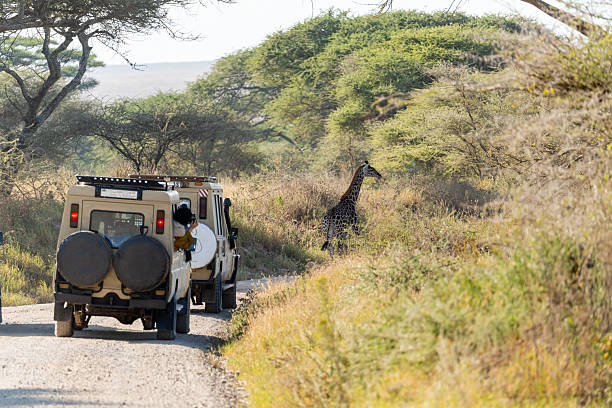
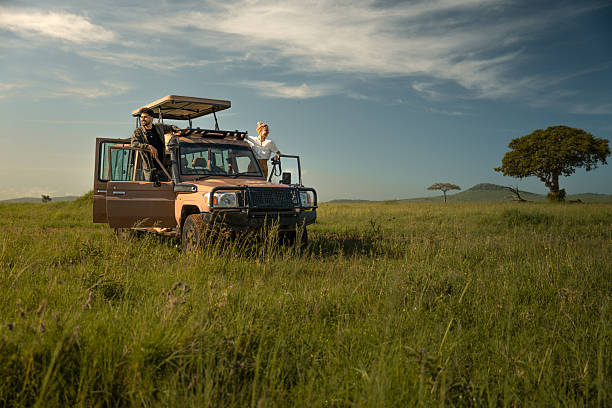
Big Cats Safari From Moshi: Your Essential Tanzania Wildlife Adventure
Moshi, Tanzania, serves as a picturesque gateway to some of Africa’s most renowned wildlife destinations. For travelers dreaming of witnessing lions, leopards, cheetahs, and other magnificent predators in their natural habitat, a Big Cats Safari from Moshi is an unparalleled experience. This guide provides an in-depth look at planning, executing, and maximizing your safari adventure, ensuring you are well-prepared for the wonders of the Northern Circuit.
Many visitors arrive in Moshi with the primary goal of conquering Mount Kilimanjaro, but the surrounding region offers a rich and diverse ecosystem teeming with iconic African wildlife. Combining a Kilimanjaro climb with a safari, or focusing solely on the wildlife, is a popular choice for those exploring northern Tanzania. This guide is designed for anyone looking to arrange a safari that centers on encountering the elusive big cats, offering practical advice for 2026 and 2027 travel.
Quick Answers for Your Big Cats Safari from Moshi
Planning a safari can seem complex, but here are some immediate answers to common questions:
- What are the best parks for big cats near Moshi? Serengeti National Park is world-famous for its lion and cheetah populations. Tarangire National Park is excellent for lions, especially during the dry season, and leopards are often seen. Lake Manyara National Park is known for its tree-climbing lions and leopards.
- When is the best time to see big cats? The dry seasons (June to October and December to February) are generally best as animals congregate around water sources, making them easier to spot. However, big cats can be seen year-round.
- How long should a big cats safari be? A minimum of 3-5 days is recommended to cover key parks like Tarangire, Lake Manyara, and Serengeti. Longer trips, 7-10 days, allow for deeper exploration of the Serengeti.
- What is typically included in a safari package? Packages usually include park fees, accommodation (lodges or tented camps), a 4×4 safari vehicle with a professional driver-guide, meals, and water. Flights and personal expenses are extra.
- Can I combine a safari with Kilimanjaro? Absolutely. Moshi is the perfect base for both. Many operators offer combined packages.
Quick Facts: Big Cats Safari from Moshi
| Aspect | Details |
|---|---|
| Starting Point | Moshi, Tanzania |
| Primary Focus | Big Cats (Lions, Leopards, Cheetahs) |
| Key Parks | Serengeti, Tarangire, Lake Manyara |
| Best Viewing Seasons | Dry Seasons: June-Oct, Dec-Feb |
| Typical Duration | 3-10 days |
| Accommodation Types | Tented Camps, Safari Lodges |
| Transportation | 4×4 Safari Vehicle |
| Operator Base | Moshi / Arusha |
Understanding the Northern Circuit for Big Cat Encounters
The Northern Circuit of Tanzania is world-renowned for its exceptional wildlife density and diverse landscapes. Starting a safari from Moshi places you conveniently near the initial parks of this famous circuit. The primary parks that form the backbone of a big cats safari are:
- Serengeti National Park: The crown jewel. Its vast plains are home to the largest lion populations in Africa and are famous for cheetah sightings, particularly during the Great Migration. Leopards are also present, though more elusive, often found in acacia trees or rocky kopjes.
- Tarangire National Park: Known for its large elephant herds, but also boasts a significant lion population, with prides often seen lounging in trees. Leopards are frequently spotted here, especially along the Tarangire River.
- Lake Manyara National Park: Famous for its tree-climbing lions, a behavior not commonly seen elsewhere. The park’s dense woodland also provides excellent habitat for leopards, though they are shy.
- Ngorongoro Conservation Area: While the crater floor is a unique ecosystem with high predator densities, including lions and leopards, the focus for a dedicated big cats safari might lean more towards the vastness of the Serengeti. However, it’s an essential part of the circuit and offers incredible viewing opportunities.
The sequence and combination of these parks will depend on the duration of your safari and your specific interests. A typical Big Cats Safari from Moshi itinerary will weave through these locations, maximizing your chances of encountering lions, leopards, and cheetahs.
Why Choose Moshi as Your Safari Starting Point?
Moshi offers distinct advantages for safari-goers:
- Proximity to Parks: It’s closer to Tarangire and Lake Manyara than Arusha, potentially saving a bit of travel time on the first day.
- Kilimanjaro Hub: If you’re combining your safari with a Kilimanjaro climb, starting in Moshi is logical, as it’s the primary town for trekkers.
- Local Expertise: Many reputable tour operators are based in or have strong connections in Moshi, offering authentic local knowledge and services.
- Atmosphere: Moshi has a relaxed, yet vibrant, atmosphere, perfect for pre- or post-safari relaxation.
While Arusha is the traditional safari hub, choosing Moshi provides a slightly different, and often more integrated, experience, especially for those also interested in the mountain. Your chosen tour operator will typically arrange transfers from Moshi to the starting points of your safari.
Planning Your Big Cats Safari: Key Considerations for 2026-2027
Successful safari planning involves several critical steps. For a Big Cats Safari from Moshi in 2026 or 2027, consider the following:
1. Best Time to Travel for Big Cat Sightings
While big cats are present year-round, certain periods enhance viewing opportunities:
Safari Seasonality for Big Cats
| Period | Pros for Big Cats | Cons |
|---|---|---|
| June – October (Dry Season) | Animals gather at permanent water sources, especially in Tarangire. Predators are easier to spot. Serengeti migration often in the western/northern corridor. Excellent leopard viewing in Tarangire. | Can be cooler, especially in mornings/evenings. Higher tourist numbers in popular areas. |
| November (Short Rains) | Fewer crowds, landscapes become greener. Animals start to disperse as rain replenishes water. Good for general wildlife. | Rain can disrupt game drives. Visibility might be reduced. |
| December – February (Dry Season / Hot Season) | Animals concentrated around limited water. Serengeti migration often in the southern Serengeti/Ndutu area (calving season). Good for cheetahs and lions. | Can be very hot. Vegetation can be sparse, making hiding spots limited for prey. |
| March – May (Long Rains) | Lush green landscapes, very few tourists. Predator-cub interactions can be high. Good for photography. | Heavy rains can make roads impassable, potentially limiting access to certain areas. Some camps may close. |
For dedicated big cat viewing, the dry seasons (June-October and December-February) are generally preferred. The Serengeti’s Great Migration also plays a role; tracking the herds means tracking the predators. If your 2026 or 2027 safari aligns with the migration’s movement through predator-rich areas, your chances are significantly higher.
2. Duration and Itinerary Planning
A Big Cats Safari from Moshi requires sufficient time to explore the vastness of the parks.
- 3-4 Days: A good introduction. Focus on Tarangire and Lake Manyara, with perhaps a brief visit to the Ngorongoro Crater rim. This is feasible for a shorter trip but limits in-depth Serengeti exploration.
- 5-7 Days: Allows for a more thorough exploration of Tarangire, Lake Manyara, and a significant portion of the Serengeti. You can spend 2-3 days in the Serengeti, increasing your chances of diverse sightings.
- 8-10 Days: Ideal for a comprehensive Northern Circuit experience. This duration permits extensive time in the Serengeti, potentially following the migration, and allows for a more relaxed pace, including a visit to the Ngorongoro Crater floor.
Sample Itinerary Logic (7 Days):
7-Day Big Cats Safari from Moshi
- Day 1: Moshi to Tarangire National Park. Morning pickup in Moshi, drive to Tarangire. Afternoon game drive. Focus on elephants and lions. Overnight near Tarangire.
- Day 2: Tarangire to Lake Manyara. Morning game drive in Tarangire. Drive to Lake Manyara. Afternoon game drive in Lake Manyara, searching for tree-climbing lions and leopards. Overnight near Lake Manyara.
- Day 3: Lake Manyara to Serengeti National Park. Morning drive towards the Serengeti, potentially stopping at Mto wa Mbu for cultural insight or at a Maasai village. Enter Serengeti via Naabi Hill Gate. Afternoon game drive en route to your camp/lodge.
- Day 4: Serengeti National Park. Full day of game drives in the central Serengeti, known for its resident big cat populations and kopjes ideal for lions and leopards.
- Day 5: Serengeti National Park. Another full day exploring different regions of the Serengeti, perhaps heading towards the Grumeti River area for potential leopard sightings or following migration herds if applicable.
- Day 6: Serengeti to Ngorongoro Conservation Area. Morning game drive in Serengeti. Drive towards the Ngorongoro Crater. Overnight on the crater rim or in Karatu.
- Day 7: Ngorongoro Crater Tour & Departure. Descend into the Ngorongoro Crater for a morning game drive. Search for big cats and the rhino. Ascend and drive back to Moshi in the afternoon.
This is a template; itineraries can be customized. For instance, if cheetahs are a priority, focusing more time in the open plains of the Serengeti is crucial. If leopards are the main quest, Tarangire and the Serengeti’s riverine areas are key.
3. Choosing Your Accommodation
Accommodation significantly impacts your safari experience. Options range from:
- Tented Camps (Budget to Mid-Range): Offer a more rustic, immersive experience. Tents are usually comfortable with beds and basic amenities. Shared bathrooms are common in budget options, while mid-range may offer en-suite facilities.
- Luxury Tented Camps: Feature spacious canvas tents with en-suite bathrooms, hot showers, comfortable furnishings, and often gourmet dining. They provide a blend of comfort and wilderness.
- Safari Lodges: Permanent structures offering hotel-like amenities. They can range from comfortable to extremely luxurious, with pools, restaurants, and bars.
For big cat viewing, consider lodges or camps strategically located within or near prime wildlife areas. Proximity to waterholes or migration routes can mean more frequent sightings right from your accommodation or during short drives.
4. Selecting a Reputable Tour Operator
This is perhaps the most crucial step. Your operator handles logistics, guides, vehicles, and accommodation. Look for:
- Local Expertise: Operators based in Tanzania (Moshi/Arusha) often have deeper knowledge.
- Experienced Guides: A good guide is key to spotting wildlife and understanding animal behavior.
- Well-Maintained Vehicles: A reliable 4×4 safari vehicle is essential for comfort and access.
- Positive Reviews: Check independent review sites.
- Clear Inclusions/Exclusions: Understand what your package covers.
Companies like Best Tanzania Tour Operator (Best Tanzania Tour operator) have a strong local presence and are dedicated to crafting memorable safari experiences. Contacting them directly via WhatsApp at +255616946642 or email at topguideadventures@gmail.com or info@topguideadventures.com can provide personalized advice for your 2026-2027 trip.
What to Expect on Your Big Cats Safari
A safari is an adventure, and managing expectations is important.
Game Drives
Game drives are the primary activity. You’ll spend several hours each day in a 4×4 vehicle with your guide. Expect:
- Early Mornings and Late Afternoons: These are the most active times for predators.
- Off-Road Driving: Guides may drive slightly off-road (where permitted) to get better views, but conservation rules are strictly followed.
- Patience: Wildlife viewing requires patience. Sometimes you might track an animal for hours, other times you might stumble upon a pride of lions resting.
- Respect for Wildlife: Guides maintain a safe distance and do not disturb the animals. Feeding is strictly prohibited.
Wildlife Sightings
While the goal is big cats, you will see a vast array of other wildlife:
- Herbivores: Zebras, wildebeest, giraffes, buffalo, various antelope species (gazelles, impalas, dik-diks), elephants.
- Other Predators: Hyenas, wild dogs (less common but possible), jackals.
- Birds: Tanzania is a birdwatcher’s paradise, with hundreds of species.
- The Great Migration: If timed correctly, witnessing the migration of millions of wildebeest and zebras in the Serengeti is a spectacle unlike any other, attracting abundant predators.
Seeing a leopard or cheetah can be thrilling but also requires luck. Leopards are masters of camouflage and often rest in trees or dense bush. Cheetahs, while diurnal, can be fast-moving and may travel large distances.
Daily Schedule Example
A typical safari day might look like this:
- 5:30 AM – 6:00 AM: Wake up, coffee/tea.
- 6:00 AM – 9:00 AM: Morning game drive.
- 9:00 AM – 10:00 AM: Return to camp/lodge for breakfast.
- 10:00 AM – 1:00 PM: Relaxation, reading, or optional short walk (if available and permitted).
- 1:00 PM – 2:00 PM: Lunch.
- 3:00 PM – 6:00 PM: Afternoon game drive.
- 6:00 PM onwards: Return to camp/lodge for dinner, sundowners, and sharing stories.
Some itineraries may include full-day game drives with a packed lunch to maximize time in remote areas, especially in the Serengeti.
Safari Inclusions and What to Pack
Understanding what’s included in your safari package and what you need to bring yourself is vital for a smooth trip.
Typical Safari Inclusions
| Included | Usually Not Included |
|---|---|
| Park Entrance Fees | International Flights |
| Accommodation (as per itinerary) | Visa Fees |
| Meals (Breakfast, Lunch, Dinner) | Travel Insurance |
| Professional Driver-Guide | Tips for Guide & Staff |
| 4×4 Safari Vehicle & Fuel | Alcoholic Beverages & Soft Drinks (beyond water) |
| Bottled Water during game drives | Personal Expenses (souvenirs, laundry) |
| Airport Transfers (if arranged) | Optional Activities (e.g., hot air balloon safari) |
Packing Essentials for a Big Cats Safari
Pack light and smart. Neutral colors are best to avoid startling wildlife. Consider these items:
- Clothing: Lightweight, breathable long-sleeved shirts and trousers (khaki, beige, olive green). T-shirts for warmer days. A warm fleece or jacket for cool mornings/evenings. A waterproof jacket. Comfortable walking shoes or hiking boots (if any walking is planned). Sandals or flip-flops for camp.
- Headwear: A wide-brimmed hat or cap for sun protection.
- Eyewear: Sunglasses.
- Sun Protection: High SPF sunscreen, lip balm with SPF.
- Insect Repellent: With DEET or picaridin.
- Camera Gear: Camera with zoom lens, extra batteries, memory cards, power bank. Binoculars are highly recommended.
- Personal Items: Small backpack for day trips, reusable water bottle, personal medications, basic first-aid kit, hand sanitizer, wet wipes.
- Documents: Passport, visa, flight details, insurance policy, vaccination certificates. Keep copies separate.
- Optional: A good book for downtime, a small notebook and pen.
Note: Most safari vehicles have charging ports. Luggage is usually restricted to soft duffel bags due to space limitations in vehicles and small bush planes (if applicable).
Common Mistakes to Avoid
To ensure your Big Cats Safari from Moshi is as smooth as possible, be aware of these common pitfalls:
- Booking the Cheapest Option: Safari costs reflect quality. Extremely cheap safaris often compromise on vehicle maintenance, guide experience, or accommodation standards.
- Not Researching the Operator: Relying on unverified recommendations can lead to disappointment. Always check reviews and operator credentials.
- Underestimating Safari Duration: Rushing through parks means missing out on wildlife and the overall experience. Give yourself enough time.
- Packing Too Much: Overpacking leads to discomfort and logistical issues. Stick to essentials.
- Ignoring the Weather: Tanzania can be hot, dusty, and occasionally rainy. Pack accordingly.
- Not Setting Realistic Expectations: Wildlife sightings are not guaranteed. Embrace the journey and the unexpected. A leopard sighting is a bonus, not a given on every trip.
- Failing to Budget for Tips: Tipping is customary and appreciated. Factor this into your budget.
- Not Getting Travel Insurance: Essential for medical emergencies, trip cancellations, or lost luggage.
Who is a Big Cats Safari from Moshi Best For?
This type of safari is ideal for:
- Wildlife Enthusiasts: Anyone passionate about observing animals in their natural environment, with a specific interest in apex predators.
- Photographers: The opportunities for capturing stunning wildlife and landscape photos are immense.
- Adventure Seekers: Those who enjoy exploring remote wilderness and experiencing the thrill of the wild.
- Couples and Families: Safaris can be tailored for romantic getaways or educational family adventures. (Note: age restrictions may apply for certain accommodations or activities).
- First-Time African Safari Goers: The Northern Circuit is an excellent introduction to the wonders of an African safari.
- Travelers Combining with Kilimanjaro: It’s a natural extension for those who have just climbed or are planning to climb Kilimanjaro.
It’s generally suited for those with a moderate level of fitness, as long hours in a vehicle are involved. The experience can be adapted for varying comfort levels, from basic camping to ultra-luxury lodges.
Alternatives to a Dedicated Big Cats Safari
While the focus is on big cats, Tanzania offers other incredible safari experiences:
- Walking Safaris: Often available in areas like the Ngorongoro Conservation Area (outside the crater) or Selous Game Reserve (southern Tanzania). These offer a different perspective, focusing on smaller details and the environment on foot.
- Gorilla Trekking: While not in Northern Tanzania, Uganda and Rwanda offer the chance to trek mountain gorillas, a unique primate experience.
- Chimpanzee Trekking: Gombe Stream or Mahale Mountains National Park (western Tanzania) are prime locations for chimpanzee encounters.
- Birding Safaris: Tanzania has exceptional birdlife. Many parks, including Arusha National Park (near Moshi), are excellent for birdwatchers.
- Cultural Tours: Combine safari with visits to Maasai villages or local communities for a broader cultural understanding.
However, for the classic African predator experience, the Serengeti and its surrounding parks remain unparalleled.
Planning Your 2026-2027 Big Cats Safari from Moshi
Booking in advance is highly recommended, especially for popular travel times or specific accommodations. Here’s a timeline:
Safari Booking Timeline
- 12-18 Months Prior: Research operators, destinations, and best times. Start saving. If combining with Kilimanjaro, book that early too.
- 9-12 Months Prior: Finalize your itinerary and choose your operator. Book your safari. Secure flights.
- 6-9 Months Prior: Arrange visas and any necessary vaccinations. Purchase travel insurance.
- 3-6 Months Prior: Confirm all details with your operator. Start purchasing safari gear.
- 1-3 Months Prior: Final payments. Pack. Get any final medical advice.
- 1 Week Prior: Confirm flight details. Share itinerary with family/friends.
For 2026 and 2027 trips, starting your research and booking process in late 2024 or early 2025 is advisable. Peak seasons (July-September, December-February) fill up quickly.
Budget Considerations for 2026-2027
Safari costs vary significantly based on accommodation style, duration, and group size. Generally:
- Budget Safaris: Focus on comfortable camping, often with shared facilities.
- Mid-Range Safaris: Offer comfortable tented camps with en-suite bathrooms or comfortable lodges.
- Luxury Safaris: Feature high-end lodges and tented camps with premium services and amenities.
Park fees are a significant component and are government-regulated. Your operator will provide a detailed quote. Always ask what’s included to compare prices accurately.
Booking Your Big Cats Safari with Confidence
When you’re ready to book your Big Cats Safari from Moshi, remember that a trusted tour operator is your partner in creating an unforgettable journey. They handle the complex logistics, allowing you to focus on the incredible wildlife encounters.
Contacting Best Tanzania Tour Operator is a great starting point. Their team can help tailor an itinerary that perfectly matches your interests, budget, and desired pace for a 2026 or 2027 adventure. They understand the nuances of the Northern Circuit, the best times to see specific wildlife, and how to create a safe and enriching experience.
Get in touch today:
- WhatsApp: +255616946642
- Email: topguideadventures@gmail.com
- Backup Email: info@topguideadventures.com
Discuss your dream safari, ask questions about specific parks or animal behaviors, and let them guide you through the booking process for your Big Cats Safari from Moshi.
Frequently Asked Questions (FAQs)
1. How far is the Serengeti from Moshi?
The driving distance from Moshi to the Serengeti entrance gates (like Naabi Hill) is approximately 300-350 km, taking around 6-8 hours, including stops and park entry procedures. This journey often includes driving through or past other parks like Tarangire or Lake Manyara.
2. Can I see lions, leopards, and cheetahs in the same safari?
Yes, the Northern Circuit parks are renowned for offering opportunities to see all three big cats. The Serengeti is particularly famous for lions and cheetahs, while leopards are more elusive but can be spotted in Serengeti, Tarangire, and Lake Manyara. Your guide’s expertise is crucial for maximizing these sightings.
3. What is the difference between a lodge and a tented camp?
Lodges are permanent structures, often resembling hotels, with solid walls, roofs, and amenities like restaurants and bars. Tented camps use canvas tents as accommodation, offering a more rustic feel. Camps can range from basic to luxurious, with some featuring en-suite bathrooms and hot showers, providing a closer connection to nature.
4. Is a Big Cats Safari from Moshi safe?
Tanzania has a well-established tourism infrastructure, and safaris are generally very safe when conducted with reputable operators and experienced guides. Guides are trained to handle wildlife encounters and maintain safe distances. It’s important to follow their instructions, stay inside the vehicle during game drives, and avoid walking alone outside designated camp areas.
5. What are the visa requirements for Tanzania?
Most nationalities require a visa to enter Tanzania. You can often obtain a tourist visa upon arrival at Kilimanjaro International Airport (JRO) or online through the Tanzanian immigration website. It’s best to check the latest requirements for your specific nationality well in advance of your 2026-2027 trip.
6. Can I book a private Big Cats Safari from Moshi?
Yes, private safaris are very common and highly recommended for a personalized experience. This means you have your own vehicle and guide, allowing you to set the pace and focus on your interests. Operators like Best Tanzania Tour Operator specialize in custom private safaris.
7. What is the best way to see the Great Migration on a safari from Moshi?
The Great Migration is a year-round event as millions of wildebeest and zebras move across the Serengeti in search of fresh grazing. To see it, you need to know their approximate location for your travel dates (e.g., calving season in Ndutu Jan-Feb, river crossings in the Grumeti/Mara rivers May-Aug/Sept). A good operator will plan your Serengeti itinerary to align with the migration’s movements.
8. How much should I tip my safari guide?
Tipping is customary and appreciated. A general guideline for a private safari is $20-30 USD per day for the driver-guide. For cooks or camp staff, a smaller amount ($10-15 USD per day) is also appreciated. Your tour operator can provide specific recommendations based on the type of safari and service received.
9. Can I combine a Big Cats Safari from Moshi with Zanzibar?
Absolutely. It’s a very popular combination. After your safari, you can fly from a local airstrip in the Serengeti or drive back to Arusha/Kilimanjaro and take a short flight to Zanzibar for a relaxing beach holiday. Many operators offer combined packages for safaris and Zanzibar.
10. What are the vaccination recommendations for Tanzania?
Yellow Fever vaccination is often required if you are arriving from or transiting through a country with a risk of Yellow Fever. Other recommended vaccinations include Hepatitis A, Typhoid, and routine vaccines. It’s essential to consult your doctor or a travel clinic at least 4-6 weeks before your 2026-2027 trip for personalized advice.
Book Your Unforgettable Big Cats Safari from Moshi
A Big Cats Safari from Moshi is more than just a holiday; it’s an immersion into the wild heart of Africa. With careful planning and the right partner, you can create memories that last a lifetime. Whether you’re drawn by the roar of a lion, the stealth of a leopard, or the speed of a cheetah, the Northern Circuit offers an unparalleled spectacle.
For a truly exceptional and personalized safari experience, reach out to the experts at Best Tanzania Tour Operator. They are dedicated to crafting bespoke adventures that showcase the very best of Tanzania’s wildlife and landscapes. Let them help you plan your dream Big Cats Safari from Moshi for 2026 or 2027.
Contact us to start planning:
- WhatsApp: +255616946642
- Email: topguideadventures@gmail.com
- Backup Email: info@topguideadventures.com
Plan your Big Cats Safari From Moshi with Top Guide Adventures
Tell us your travel dates, group size, comfort level, and dream experience. We will help you shape a clear, realistic, and memorable Tanzania itinerary.







 Veedesigner
 Fatma Kizanga
 Benjamin Waryuba
 Philip Philip
 John jr Itaja
 Antonia Optatus
 Edith Kanyere
 Neema Iddy
 Kelvin Boniphace
 Damari Maiga



