
Updated planning guide for 2026, 2027-2028
Rhino Tracking Safari From Moshi: Best Guide 2026-2027-2028
Discover the thrill of rhino tracking on a safari departing from Moshi, Tanzania. This detailed guide covers everything from planning and best locations to what to pack and how to book your unforgettable experience for 2026-2027.
WhatsApp +255616946642 | topguideadventures@gmail.com | info@topguideadventures.com
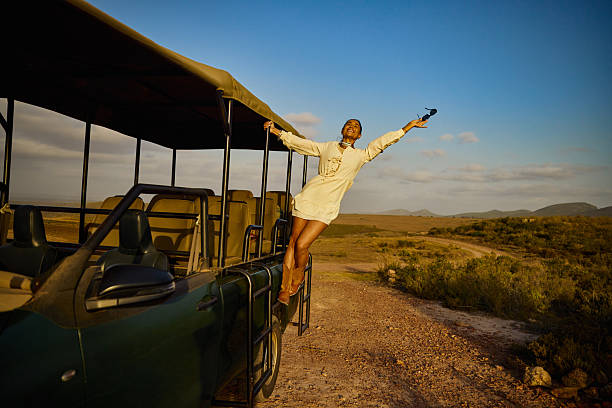
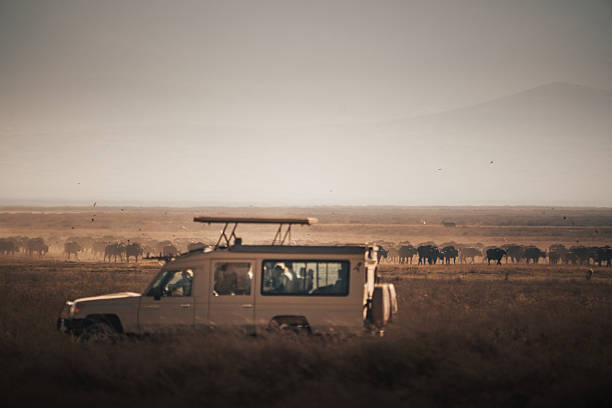
Rhino Tracking Safari From Moshi: Your Ultimate Tanzania Adventure Guide
A rhino tracking safari from Moshi offers a unique opportunity to witness one of Africa’s most iconic and critically endangered species in their natural habitat. While Tanzania is globally renowned for its vast plains teeming with the “Big Five,” specifically seeking out rhinos requires a focused approach. This guide provides everything you need to plan an exceptional rhino tracking safari experience, starting from the vibrant town of Moshi, the gateway to Mount Kilimanjaro and many other Tanzanian adventures. We cover the best times to visit, prime locations, itinerary planning, what to expect on the ground, and essential booking advice for 2026 and 2027.
Rhino Tracking Safari From Moshi: Quick Facts
| Aspect | Details |
|---|---|
| Starting Point | Moshi, Tanzania |
| Primary Target Species | Black Rhinos (Diceros bicornis michaeli) |
| Key National Parks/Reserves | Serengeti National Park (Northern Sector), Ngorongoro Conservation Area, Mkomazi National Park |
| Best Time to Visit | June to October (Dry Season), January to February (Calving Season for other wildlife, good visibility) |
| Duration | Typically 3-7 days, depending on itinerary |
| Accommodation | Safari lodges, tented camps, public campsites |
| Travel Style | Private safari, small group tours |
| Operator Base | Moshi, Tanzania |
Why Choose a Rhino Tracking Safari From Moshi?
Moshi, situated at the foot of Mount Kilimanjaro, is more than just a trekking base. It’s a strategic starting point for exploring northern Tanzania’s diverse ecosystems. While the Serengeti and Ngorongoro are famous for their general wildlife abundance, rhinos, particularly the endangered black rhino, are elusive. A dedicated rhino tracking safari from Moshi allows you to focus your efforts on finding these magnificent, ancient creatures. This involves visiting specific areas known for their rhino populations and employing experienced guides who understand rhino behavior and preferred habitats.
The advantage of starting in Moshi is its proximity to several key wildlife areas. Unlike starting from Arusha, Moshi offers a slightly less congested entry into the Tanzanian safari circuit, and often more direct access to parks like Mkomazi, which is a crucial rhino sanctuary. Furthermore, many reputable tour operators are based in Moshi, offering localized expertise and flexibility in crafting your itinerary.
Understanding Rhino Conservation in Tanzania
Tanzania is home to the critically endangered black rhino subspecies, Diceros bicornis michaeli. Their populations were decimated by poaching in the latter half of the 20th century. Significant conservation efforts, including dedicated sanctuaries and anti-poaching patrols, have helped stabilize and, in some areas, increase their numbers. When you embark on a rhino tracking safari, you are directly contributing to these conservation initiatives through park fees and supporting eco-conscious tourism operators.
The most important rhino conservation areas accessible from Moshi include:
- Mkomazi National Park: This is a prime rhino sanctuary. It hosts a significant population of black rhinos, reintroduced and protected within its vast, arid landscape. Mkomazi is a testament to successful conservation, offering excellent chances of spotting rhinos.
- Ngorongoro Conservation Area: The Ngorongoro Crater, while famous for its general Big Five viewing, also has a small but stable population of black rhinos. Their presence within the crater is a major conservation success story.
- Serengeti National Park: While rhinos are not as commonly sighted in the vast plains of the Serengeti as in dedicated sanctuaries, they do inhabit certain areas, particularly in the northern and western sectors. Spotting them here is often a matter of luck and expert tracking.
Best Time for Rhino Tracking From Moshi (2026-2027)
The timing of your rhino tracking safari from Moshi significantly impacts your experience. Consider these factors for 2026 and 2027:
Rhino Tracking Safari Seasonality
| Period | Pros | Cons | Rhino Specifics |
|---|---|---|---|
| June – October (Dry Season) | Clear skies, good visibility, easier game viewing as animals congregate around water sources. Pleasant temperatures. | Peak tourist season, potentially higher prices, can be dusty. | Rhinos are often easier to spot as vegetation is less dense. Waterholes are reliable viewing spots. |
| November – May (Wet Season) | Lush green landscapes, fewer tourists, lower prices. Excellent for birdwatching. | Rain can disrupt game drives, visibility can be reduced by vegetation, some roads may be impassable. | Rhinos can be harder to spot due to dense foliage. However, the rains bring new life and can be a beautiful time to visit if you don’t mind occasional showers. January-February is calving season for many animals, offering unique viewing opportunities. |
For dedicated rhino tracking, the dry season (June to October) is generally preferred due to better visibility. However, Mkomazi National Park, being a sanctuary, often offers reliable sightings year-round with the help of experienced rangers. If you are combining your rhino tracking with a visit to the Serengeti or Ngorongoro, consider the Great Migration patterns as well, which are most active during the dry season.
Sample Itinerary: 5-Day Rhino Tracking Safari From Moshi
This sample itinerary focuses on maximizing your chances of seeing rhinos while also experiencing other Tanzanian wildlife. It’s a flexible plan that can be customized by your tour operator.
Day 1: Arrival in Moshi & Preparation
- Arrive at Kilimanjaro International Airport (JRO) or your accommodation in Moshi.
- Meet your safari guide for a detailed briefing about your upcoming rhino tracking adventure.
- Final gear check and any last-minute purchases.
- Overnight in Moshi.
Day 2: Transfer to Mkomazi National Park & Rhino Sanctuary
- After breakfast, drive from Moshi to Mkomazi National Park (approx. 2-3 hours).
- Check into your accommodation (lodge or camp within/near the park).
- Afternoon game drive focusing on the rhino sanctuary within Mkomazi. Accompanied by park rangers, you’ll have an excellent opportunity to track and observe black rhinos.
- Overnight in Mkomazi.
Day 3: Mkomazi Exploration & Transfer to Ngorongoro
- Morning game drive in Mkomazi, exploring different areas of the park and looking for other wildlife, including giraffes, zebras, elephants, and various antelopes.
- After lunch, begin the scenic drive towards the Ngorongoro Conservation Area (approx. 4-5 hours).
- Check into your lodge on the crater rim or nearby.
- Overnight near Ngorongoro.
Day 4: Ngorongoro Crater Game Drive
- Descend into the Ngorongoro Crater for a full-day game drive. This caldera is a biodiversity hotspot, often referred to as “Africa’s Eden.”
- Your guide will help you search for the resident black rhinos, alongside lions, elephants, buffaloes, hippos, flamingos, and a myriad of other species.
- Picnic lunch within the crater.
- Ascend in the late afternoon and return to your lodge.
- Overnight near Ngorongoro.
Day 5: Transfer to Serengeti (Optional Extension) or Return to Moshi
- Option 1 (Extension): Drive to the Serengeti National Park for a multi-day exploration.
- Option 2 (Return): Enjoy a final breakfast with crater views and then drive back to Moshi (approx. 4-5 hours).
- Transfer to Kilimanjaro International Airport (JRO) for your departure or to your next destination.
Rhino Tracking Techniques and What to Expect
Finding rhinos is different from spotting lions or elephants. It requires patience, skill, and knowledge of their habits. Here’s what you can expect:
- Expert Guides and Rangers: Your safari guide, often accompanied by armed park rangers (especially in Mkomazi), are trained to locate rhinos. They read tracks, understand their feeding patterns, and know their preferred territories.
- Specialized Vehicles: Safaris use 4×4 vehicles equipped for off-road travel, allowing access to areas where rhinos might be found.
- Walking Safaris (in specific areas): In some conservation areas, guided walking safaris might be an option, offering a more intimate experience. However, this is strictly controlled and depends on park regulations and safety protocols.
- Patience is Key: Rhinos are not always visible. You might spend time tracking their signs before a sighting. The reward of seeing a rhino up close, however, is immense.
- Respectful Observation: Rhinos are sensitive animals. Guides maintain a safe distance to avoid disturbing them. Binoculars are essential for clear viewing.
- Conservation Focus: The experience is as much about conservation as it is about wildlife viewing. You’ll likely learn about the challenges and successes of rhino protection.
Packing Essentials for Your Rhino Safari
Proper packing ensures comfort and preparedness. While your tour operator will provide a detailed list, here are some essentials for a rhino tracking safari from Moshi:
Rhino Safari Packing List
- Clothing: Neutral-colored, lightweight clothing (khaki, beige, olive green). Long-sleeved shirts and trousers for sun and insect protection. A warm fleece or jacket for cool mornings and evenings. Comfortable walking shoes or hiking boots.
- Sun Protection: Wide-brimmed hat, sunglasses, high SPF sunscreen.
- Insect Repellent: Especially important during dawn and dusk.
- Camera Gear: Camera with a good zoom lens, extra batteries, memory cards. Binoculars are a must for wildlife viewing.
- Personal Items: Personal medications, small first-aid kit, hand sanitizer, wet wipes.
- Documents: Passport, visa, vaccination certificates, travel insurance details.
- Accessories: Reusable water bottle, headlamp or flashlight, small backpack for day trips.
Common Mistakes to Avoid
To ensure a smooth and rewarding rhino tracking safari from Moshi, be aware of these common pitfalls:
- Not specifying rhino focus: Simply booking a “Tanzania safari” might not guarantee dedicated rhino tracking. Clearly state your priority to your tour operator.
- Underestimating travel times: Tanzania is vast. Distances between parks can be long, and road conditions can vary. Factor in realistic travel durations.
- Choosing a budget operator without due diligence: While affordability is important, ensure your operator has a strong reputation for safety, experienced guides, and ethical wildlife practices.
- Ignoring packing advice: Inadequate clothing or gear can significantly impact your comfort and enjoyment.
- Expecting guaranteed sightings: Rhinos are wild animals. While chances are good in sanctuaries, sightings are never guaranteed. Enjoy the entire safari experience.
- Not booking in advance: Especially for peak season (2026-2027), popular lodges and experienced guides get booked up quickly.
Who is a Rhino Tracking Safari From Moshi Best For?
This type of safari is ideal for:
- Wildlife Enthusiasts: Those passionate about observing and learning about African wildlife, with a specific interest in endangered species.
- Conservation-Minded Travelers: Individuals who want their travel to support conservation efforts and contribute to the protection of rhinos.
- Photographers: The chance to capture unique images of rhinos and other wildlife in stunning landscapes.
- Adventurous Travelers: Those looking for an experience that goes beyond typical game drives and involves active tracking and learning.
- Travelers Based in Moshi: Convenient for those already in Moshi for Kilimanjaro climbs or other activities.
Rhino Tracking Safari vs. General Safari: A Comparison
While a general safari offers a broad wildlife experience, a rhino tracking safari is more specialized.
Rhino Tracking vs. General Safari
| Feature | Rhino Tracking Safari | General Tanzania Safari |
|---|---|---|
| Primary Focus | Locating and observing rhinos, often in specific sanctuaries or known habitats. | Broad wildlife viewing across various parks, aiming to see the “Big Five” and general ecosystem dynamics. |
| Key Locations | Mkomazi National Park, Ngorongoro Crater, specific areas of Serengeti. | Serengeti, Ngorongoro, Tarangire, Lake Manyara. |
| Pace & Method | Can involve more time spent tracking, potentially walking safaris (where permitted), focus on rhino behavior. | More general game drives, covering larger areas, focus on animal herds and interactions. |
| Best For | Specialized wildlife enthusiasts, conservation advocates, those seeking rare sightings. | First-time visitors to Tanzania, those wanting a comprehensive overview of wildlife. |
| Potential Sighting Rate | High for rhinos in dedicated areas (e.g., Mkomazi), but may see fewer total species than a broad safari. | High for a wide range of species, but rhino sightings can be rare and depend on luck. |
Planning Your 2026-2027 Rhino Safari: Key Considerations
When planning your trip for 2026 or 2027, consider these planning details:
- Book Well in Advance: For popular periods like the dry season or holidays, booking 6-12 months ahead is recommended for 2026-2027.
- Choose Your Operator Wisely: Select a reputable tour operator based in Moshi or Arusha with proven experience in rhino tracking and conservation. Look for operators who emphasize ethical tourism.
- Customization: Discuss your specific interests (e.g., photography, birding, focusing heavily on rhinos) with your operator to tailor the itinerary.
- Budget: Safari costs vary based on accommodation level, duration, and vehicle type. Discuss your budget openly.
- Health & Safety: Consult your doctor about necessary vaccinations (like Yellow Fever) and malaria precautions. Ensure your travel insurance covers safari activities.
- Visa Requirements: Check Tanzania’s visa requirements for your nationality well in advance of your 2026-2027 trip.
Route Overview: Moshi to Rhino Hotspots
Here’s a simplified illustration of the typical route for a rhino tracking safari starting from Moshi:
Rhino Safari Route Illustration
Moshi (Starting Point)
→ (Approx. 2-3 hours drive)
Mkomazi National Park (Rhino Sanctuary)
→ (Approx. 4-5 hours drive)
Ngorongoro Conservation Area (Crater & surrounding areas)
→ (Optional: Further drive to Serengeti National Park)
→ (Return journey to Moshi or Arusha)
This route prioritizes Mkomazi for dedicated rhino tracking and then includes the renowned Ngorongoro Crater for a broader wildlife experience with a chance of rhino sightings. Extensions to the Serengeti are common for a more comprehensive safari.
Cost Considerations for a Rhino Tracking Safari
Exact prices fluctuate based on season, accommodation choices, and the duration of your safari. However, you can expect safari costs to generally include:
- Park entrance fees
- Accommodation (lodges, camps, or campsites)
- All meals during the safari
- A 4×4 safari vehicle with an experienced driver-guide
- Fuel
- Water in the vehicle
- Airport transfers
Costs typically do not include:
- International flights
- Visa fees
- Tips for guides and staff
- Personal expenses (souvenirs, drinks, laundry)
- Travel insurance
- Optional activities (e.g., hot air balloon safari)
A mid-range safari for 5 days might range from $1,500 to $2,500 per person, while luxury options could be significantly higher. Budget camping safaris can be more affordable. It is best to get a personalized quote from your chosen tour operator for accurate pricing for your 2026-2027 travel dates.
Booking Your Rhino Tracking Safari From Moshi
Securing your rhino tracking safari is a crucial step. Here’s how to approach it:
- Research and Choose an Operator: Look for tour operators based in Moshi or Arusha with specific expertise in rhino tracking and positive reviews. Operators like Best Tanzania Tour Operator (Top Guide Adventures) are well-positioned to offer specialized tours.
- Contact for a Custom Quote: Reach out to your chosen operator with your desired dates (e.g., for 2026 or 2027), group size, accommodation preferences, and specific interests (like rhino tracking).
- Review the Itinerary and Inclusions: Ensure the proposed itinerary clearly outlines daily activities, destinations, and what is included in the price.
- Ask Questions: Don’t hesitate to ask about guide experience, vehicle type, conservation practices, and cancellation policies.
- Secure Your Booking: Once satisfied, you’ll typically pay a deposit to confirm your safari. The balance is usually due closer to your travel date.
Working with a local operator based in Moshi ensures you benefit from their on-the-ground knowledge and ability to arrange logistics efficiently. For a reliable and expert-crafted rhino tracking safari from Moshi, consider reaching out to:
WhatsApp: +255616946642
Email: topguideadventures@gmail.com
Backup Email: info@topguideadventures.com
Frequently Asked Questions (FAQs)
Rhino Tracking Safari FAQs
Q1: Is rhino tracking safe?
A1: Yes, rhino tracking safaris are generally very safe when conducted with reputable operators. Your guide will be experienced, and in areas like Mkomazi, armed rangers accompany trackers for added security. They know how to maintain a safe distance and respect the animals’ space.
Q2: How likely am I to see a rhino on a rhino tracking safari from Moshi?
A2: Your chances are very high, especially if you visit Mkomazi National Park, which is a dedicated rhino sanctuary. Ngorongoro also has a resident population. While sightings are never 100% guaranteed in the wild, a specialized rhino tracking safari significantly increases your probability compared to a general game drive.
Q3: Can I combine rhino tracking with climbing Mount Kilimanjaro?
A3: Absolutely. Moshi is the base for both. Many travelers combine a Kilimanjaro climb with a safari. You could do your climb first, then embark on a rhino tracking safari, or vice versa. It’s advisable to schedule a buffer day between activities.
Q4: What is the difference between black rhinos and white rhinos in Tanzania?
A4: Tanzania primarily hosts the critically endangered black rhino (Diceros bicornis michaeli). White rhinos (Ceratotherium simum) are not native to Tanzania; they are found in Southern Africa. The main physical difference is the black rhino’s pointed, prehensile upper lip (for grasping leaves) versus the white rhino’s wide, square lip (for grazing grass).
Q5: How much time should I allocate for a rhino tracking safari?
A5: A dedicated rhino tracking safari can be as short as 2-3 days focused on Mkomazi, or 4-5 days if combined with Ngorongoro. Longer safaris (7+ days) allow for deeper exploration of the Serengeti and other parks, increasing chances of diverse wildlife sightings.
Q6: What should I pack specifically for rhino tracking?
A6: Pack neutral-colored clothing, sturdy walking shoes, sun protection (hat, sunglasses, sunscreen), insect repellent, binoculars, and a camera with a good zoom lens. Layers are recommended for changing temperatures.
Q7: Are there walking safaris available for rhino tracking?
A7: In some specific conservation areas and with park ranger supervision, walking safaris might be possible. Mkomazi often involves guided tracking on foot within certain zones. Always confirm this option with your tour operator and park authorities.
Q8: What is the best way to book a rhino tracking safari for 2026 or 2027?
A8: The best approach is to contact a reputable Tanzanian tour operator directly. They can tailor an itinerary to your needs and provide accurate pricing and booking details. For 2026-2027 bookings, early inquiry is recommended.
Q9: What are the main conservation challenges for rhinos in Tanzania?
A9: The primary challenge remains poaching for their horns. Habitat loss and fragmentation also pose threats. However, dedicated anti-poaching units and protected areas are crucial for their survival.
Your Unforgettable Rhino Tracking Safari Awaits!
A rhino tracking safari from Moshi is an extraordinary way to connect with nature and contribute to vital conservation efforts. By focusing your safari on these magnificent creatures, you gain a deeper appreciation for Tanzania’s rich biodiversity and the ongoing work to protect its most vulnerable wildlife. Planning with an experienced, locally-based operator is key to ensuring a safe, rewarding, and memorable adventure.
Ready to plan your 2026 or 2027 rhino tracking safari from Moshi? Contact our expert team today to craft your personalized Tanzanian wildlife experience. We specialize in creating authentic and impactful safaris that bring you closer to the heart of Africa.
Get in touch:
WhatsApp: +255616946642
Email: topguideadventures@gmail.com
Backup Email: info@topguideadventures.com
Plan your Rhino Tracking Safari From Moshi with Top Guide Adventures
Tell us your travel dates, group size, comfort level, and dream experience. We will help you shape a clear, realistic, and memorable Tanzania itinerary.







 Veedesigner
 Fatma Kizanga
 Benjamin Waryuba
 Philip Philip
 John jr Itaja
 Antonia Optatus
 Edith Kanyere
 Neema Iddy
 Kelvin Boniphace
 Damari Maiga



