
Updated planning guide for 2026-2027
North Africa Adventure Travel Explained: Complete Guide 2026-2027
Planning an adventure in North Africa? This detailed guide covers everything you need to know, from popular destinations and thrilling activities to essential planning advice for your 2026-2027 travels.
WhatsApp +255616946642 | topguideadventures@gmail.com | info@topguideadventures.com
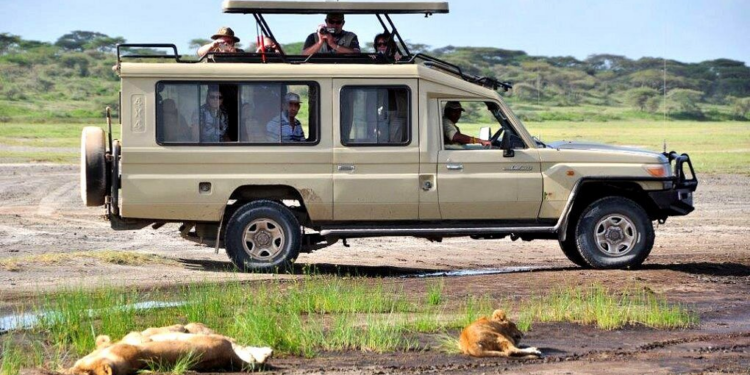

North Africa Adventure Travel Explained: Your Complete Planning Guide
North Africa beckons with a unique blend of ancient history, diverse landscapes, and vibrant cultures, offering a rich canvas for adventure travel. From the Sahara Desert’s vast dunes to the Atlas Mountains’ rugged peaks and the Mediterranean coast’s historic cities, this region promises experiences that go beyond the ordinary. For travelers seeking exploration, cultural immersion, and a touch of the wild, North Africa adventure travel presents a compelling proposition. This guide aims to demystify the planning process, offering insights and practical advice for an unforgettable journey in 2026-2027.
This extensive guide will cover what North Africa adventure travel truly entails, where to find the best experiences, how to plan your trip effectively, what to pack, and how to ensure a safe and rewarding adventure. Whether you’re drawn to trekking, desert expeditions, cultural deep dives, or coastal explorations, understanding the nuances of this fascinating region is key.
Quick Facts About North Africa Adventure Travel
| Region | North Africa (Morocco, Algeria, Tunisia, Libya, Egypt, Sudan) |
|---|---|
| Primary Adventure Activities | Trekking, desert expeditions, camel treks, cultural tours, historical site exploration, coastal activities, diving, rock climbing, mountain biking. |
| Best Time to Visit | Spring (March-May) and Autumn (September-November) for most areas. Winter for desert warmth, Summer for coastal relief (can be very hot inland). |
| Typical Trip Duration | 7 days to 3 weeks, depending on the scope of exploration. |
| Key Destinations | Sahara Desert (Erg Chebbi, Erg Chigaga, Merzouga), Atlas Mountains, Sahara National Park (Algeria), Djebel Chambi (Tunisia), Nile River (Egypt), Red Sea (Egypt), Aswan (Egypt), Siwa Oasis (Egypt). |
| Traveler Types | Solo travelers, couples, friends, families with older children, cultural enthusiasts, outdoor adventurers. |
Table of Contents
- What is North Africa Adventure Travel?
- Why Choose North Africa for Adventure?
- Key Destinations for Adventure in North Africa
- When is the Best Time for North Africa Adventure Travel?
- Sample North Africa Adventure Itineraries
- What to Expect on a North Africa Adventure Trip
- Essential Inclusions and Packing List
- Common Mistakes to Avoid
- Who is North Africa Adventure Travel Best Suited For?
- Alternatives to Consider
- Planning Your North Africa Adventure for 2026-2027
- Booking Your North Africa Adventure Tour
- Frequently Asked Questions
What is North Africa Adventure Travel?
North Africa adventure travel encompasses a range of activities and experiences that take you beyond typical sightseeing. It’s about engaging with the diverse natural environments and rich cultural heritage of countries like Morocco, Algeria, Tunisia, Egypt, and Sudan in an active and immersive way. This form of travel often involves physical activity, stepping outside your comfort zone, and connecting with local communities and landscapes.
It can include:
- Trekking and Hiking: Exploring the Atlas Mountains, Riff Mountains, or the dramatic landscapes of the Sahara’s rocky plateaus.
- Desert Expeditions: Camel treks, 4×4 tours, and overnight stays in desert camps in iconic locations like Erg Chebbi or the Algerian Sahara.
- Cultural Immersion: Visiting remote villages, learning about Berber traditions, exploring ancient kasbahs, and experiencing souk life.
- Coastal and Water Activities: Diving and snorkeling in the Red Sea, exploring coastal towns, and enjoying water sports.
- Historical Exploration: Visiting remote Roman ruins, ancient cities, and significant archaeological sites that require a sense of discovery.
The core of North Africa adventure travel is the spirit of exploration and the desire to experience the region’s raw beauty and authentic character. It’s about more than just seeing; it’s about doing, feeling, and understanding.
Why Choose North Africa for Adventure?
The allure of North Africa for adventure travelers lies in its unique combination of factors:
- Spectacular and Diverse Landscapes: From the vastness of the Sahara Desert, with its towering sand dunes and stark rocky plains, to the snow-capped peaks of the High Atlas Mountains, the region offers a stunning variety of natural environments. Add to this the rugged coastlines and fertile oases, and you have a playground for every kind of adventurer.
- Rich Cultural Heritage: North Africa is a crossroads of civilizations, with influences from Berber, Arab, Roman, and French cultures. This history is visible in its architecture, traditions, music, and cuisine. Adventure travel here provides opportunities for deep cultural immersion, interacting with local communities and learning about ancient ways of life.
- Authentic Experiences: Many parts of North Africa remain relatively untouched by mass tourism, offering genuine encounters and off-the-beaten-path adventures. This authenticity is a significant draw for travelers seeking real discovery.
- Affordability: Compared to many other adventure travel destinations, North Africa can be more budget-friendly, especially for overland travel and accommodation. This makes extended trips or more ambitious expeditions accessible.
- Accessibility: While it may seem remote, major cities in North Africa are well-connected by air to Europe and other parts of the world, making it a relatively accessible continent for many travelers.
Key Destinations for Adventure in North Africa
While the entire region offers potential, certain areas stand out for their adventure travel opportunities:
Morocco
Morocco is arguably the most popular North African destination for adventure travelers, offering a fantastic mix of mountains, desert, and coast.
- Atlas Mountains: Ideal for trekking and hiking, with routes ranging from moderate day hikes to challenging multi-day treks. Toubkal, North Africa’s highest peak, is a major draw.
- Sahara Desert: Famous for its iconic sand dunes like Erg Chebbi and Erg Chigaga. Activities include camel treks, 4×4 excursions, sandboarding, and overnight stays in desert camps.
- Coastal Areas: Essaouira offers windsurfing and kitesurfing, while the Atlantic coast provides opportunities for surfing.
- Todra and Dades Gorges: Stunning canyons perfect for hiking and exploring dramatic rock formations.
Egypt
Beyond its world-renowned ancient history, Egypt offers significant adventure opportunities, particularly in its natural landscapes.
- Red Sea Coast: A world-class destination for diving and snorkeling, with vibrant coral reefs and abundant marine life in places like Sharm El Sheikh, Hurghada, and Dahab.
- Sahara Desert: Western Desert oases like Siwa, Bahariya, and Farafra offer unique desert landscapes, ancient ruins, and opportunities for camping and exploration.
- Nile River: While often associated with historical cruises, adventurous journeys can include felucca sailing, kayaking, and exploring remote riverbanks.
- Sinai Peninsula: Offers excellent trekking, most famously the trek to Mount Sinai and St. Catherine’s Monastery, alongside desert exploration.
Algeria
Algeria is a frontier for adventure travel, boasting an immense and largely unexplored Sahara Desert.
- Sahara National Park (Tassili n’Ajjer): A UNESCO World Heritage site known for its spectacular rock formations and prehistoric rock art. It’s a prime destination for deep desert expeditions and cultural exploration, though access and permits require careful planning.
- Hoggar Mountains: Offers dramatic volcanic landscapes and trekking opportunities for experienced adventurers.
- Coastal Cities: Algiers and Oran provide cultural insights and access points to the country.
Tunisia
Tunisia offers a more accessible adventure experience, blending history with natural beauty.
- Sahara Desert: Southern Tunisia, including areas around Douz (the “Gate of the Sahara”), offers camel treks and desert excursions.
- Djebel Chambi National Park: Offers hiking and a chance to see diverse wildlife.
- Coastal Regions: Explore coastal towns and islands like Djerba for a mix of culture and relaxation.
When is the Best Time for North Africa Adventure Travel?
The climate across North Africa varies significantly, making seasonality a crucial factor for adventure travel. The optimal times generally fall outside the extreme heat of summer and the cooler, sometimes wet, winter months in northern regions.
- Spring (March to May): This is an excellent period for most of North Africa. Temperatures are pleasant, the landscapes are often at their most vibrant with wildflowers in mountainous areas, and the desert is comfortable for exploration. It’s ideal for trekking in the Atlas Mountains and for desert excursions.
- Autumn (September to November): Similar to spring, autumn offers mild temperatures and clear skies. It’s perfect for hiking, desert trips, and exploring cities. The desert nights are cooler, making for comfortable camping.
- Winter (December to February): While coastal areas can be mild, inland regions and higher altitudes can be cold, with snow in the Atlas Mountains. The Sahara Desert, however, can be very pleasant during the day, though nights are cold. This is a good time for desert trips if you can handle the chill.
- Summer (June to August): Summer is extremely hot across most of North Africa, especially in the desert and inland areas. Coastal regions offer some respite with sea breezes. Adventure activities like strenuous trekking or long desert treks can be dangerous due to heatstroke. This is generally the least recommended time for active adventure travel, except for very specific, heat-adapted activities or coastal pursuits.
For 2026-2027 planning, consider these seasonal windows to maximize comfort and enjoyment for your chosen activities.
Sample North Africa Adventure Itineraries
These are sample itineraries to illustrate the possibilities. Actual trips can be customized based on your interests, duration, and pace.
Sample Itinerary 1: Morocco’s Desert & Mountains (10 Days)
Day 1-2: Marrakech Exploration
- Arrive in Marrakech, settle in.
- Explore Jemaa el-Fna square, Koutoubia Mosque, Bahia Palace, and the bustling souks.
- Prepare for desert journey.
Day 3: High Atlas Mountains & Ait Benhaddou
- Drive over the Tizi n’Tichka pass.
- Visit the UNESCO World Heritage site of Ait Benhaddou, a stunning fortified village.
- Continue towards Ouarzazate.
Day 4: Gorges & Desert Gateway
- Travel through the Valley of Roses and Dades Gorge, with stops for short walks.
- Visit Todra Gorge, known for its dramatic canyon walls.
- Arrive in Merzouga, the gateway to Erg Chebbi dunes.
Day 5: Erg Chebbi Desert Experience
- Camel trek into the Erg Chebbi dunes for sunset.
- Overnight in a traditional desert camp with dinner and Berber music.
Day 6: Desert Sunrise & Return Journey
- Wake up for sunrise over the dunes.
- Camel trek back to Merzouga.
- Begin the drive back towards the High Atlas, perhaps stopping in a different village.
Day 7: Exploring the Draa Valley
- Descend into the Draa Valley, known for its vast palm groves and ancient kasbahs.
- Possible stops in Zagora or Agdz.
Day 8: Return to Marrakech via the Anti-Atlas
- Scenic drive back towards Marrakech, possibly via a different route through the Anti-Atlas.
- Evening in Marrakech.
Day 9: Day Trip or Relaxation
- Optional day trip to the Ourika Valley or Essaouira, or further exploration of Marrakech.
Day 10: Departure
- Depart from Marrakech.
Sample Itinerary 2: Egypt’s Red Sea & Desert Oases (12 Days)
Day 1-2: Cairo & Pyramids
- Arrive in Cairo.
- Visit the Giza Pyramids, Sphinx, Egyptian Museum.
- Explore Khan el-Khalili bazaar.
Day 3: Fly to Luxor & East Bank
- Fly to Luxor.
- Visit Karnak Temple and Luxor Temple.
Day 4: Luxor West Bank & Nile Cruise Start (Optional)
- Explore the Valley of the Kings, Hatshepsut Temple, Colossi of Memnon.
- (Optional: Begin a short Nile cruise towards Aswan).
Day 5: Travel to Aswan / Oases Gateway
- If not cruising, travel to Aswan by train or private transfer.
- Visit Aswan High Dam, Philae Temple, Unfinished Obelisk.
- Prepare for desert journey.
Day 6-8: Western Desert – Bahariya & White Desert
- Travel to Bahariya Oasis.
- Explore the Black Desert and Crystal Mountain.
- Overnight camping in the White Desert, famous for its surreal rock formations.
- Visit Farafra Oasis and its art museum.
Day 9: Return to Cairo
- Drive back to Cairo.
- Evening at leisure.
Day 10-11: Red Sea Adventure – Dahab/Sharm El Sheikh
- Fly from Cairo to Sharm El Sheikh or Hurghada.
- Transfer to Dahab for a more relaxed vibe or stay in Sharm El Sheikh for more resort options.
- Focus on diving or snorkeling trips to famous sites like the Blue Hole (Dahab) or Ras Mohammed National Park (Sharm).
- Optional: Day trip to St. Catherine’s Monastery and Mount Sinai.
Day 12: Departure
- Depart from Sharm El Sheikh or Hurghada, or fly back to Cairo for international departure.
What to Expect on a North Africa Adventure Trip
Adventure travel in North Africa is rewarding but also requires a certain mindset and preparedness. Here’s what you can generally expect:
- Varying Infrastructure: While major cities have modern amenities, remote areas might have basic facilities. Roads can range from excellent highways to unpaved tracks. Expect some bumpy rides, especially in desert regions.
- Cultural Differences: North Africa is predominantly Muslim. Modest dress is appreciated, especially outside tourist resorts and in rural areas. Understanding local customs, greetings, and social etiquette will greatly enhance your experience. Learning a few basic Arabic or Berber phrases is always well-received.
- Sensory Experiences: Prepare for vibrant colors, strong scents (spices, leather, street food), and lively sounds (call to prayer, bustling markets). It’s an assault on the senses in the best possible way.
- Food and Drink: Expect delicious tagines, couscous, grilled meats, fresh bread, and mint tea. While tap water is generally not recommended for drinking, bottled water is widely available. Be open to trying local delicacies.
- Pace of Travel: Things might move at a different pace. Patience is key. ‘Inshallah’ (God willing) is often part of the local approach to time. Embrace the relaxed rhythm.
- Heat: Even outside peak summer, temperatures can be high, especially in desert and southern regions. Staying hydrated and planning strenuous activities for cooler parts of the day is essential.
- Authenticity: You’ll likely encounter fewer tourists in remote adventure spots, leading to more genuine interactions with locals. This is part of the adventure, but it also means being adaptable.
Essential Inclusions and Packing List
Preparing adequately is crucial for a comfortable and safe North Africa adventure. Your tour operator will provide a detailed list, but here are general essentials.
Typical Tour Inclusions
When booking a guided North Africa adventure, expect the following to be covered, though this varies by operator and package:
| Included | Often Excluded |
|---|---|
| Accommodation (hotels, guesthouses, desert camps) | International flights |
| Most meals (breakfasts, sometimes lunches/dinners depending on itinerary) | Some meals (e.g., in cities where you have free time) |
| Private transportation (4×4 vehicles, minibuses) | Visa fees |
| Camel treks or other local transport | Travel insurance |
| Experienced local guides | Personal expenses (souvenirs, tips, extra drinks) |
| Entrance fees to national parks and specified sites | Optional activities |
| Camping equipment (tents, sleeping mats) for desert/trekking tours | Alcoholic beverages |
Essential Packing List
Focus on lightweight, versatile, and practical items.
Clothing:
- Lightweight, breathable long-sleeved shirts (sun protection, modesty)
- Lightweight, breathable trousers (avoid shorts for modesty and sun protection)
- T-shirts and comfortable tops
- Fleece jacket or warm sweater (for cooler desert nights or mountain evenings)
- Waterproof and windproof jacket
- Comfortable walking shoes or hiking boots (broken in)
- Sandals or flip-flops for camp/hotel
- Sun hat with a wide brim
- Scarf or head covering (for sun protection and cultural sensitivity)
- Swimsuit (for coastal areas or hotel pools)
Gear & Accessories:
- Daypack (for daily excursions)
- Reusable water bottle
- Sunscreen (high SPF)
- Sunglasses
- Insect repellent
- Personal first-aid kit (including any personal medications)
- Headlamp or flashlight with extra batteries
- Camera and extra memory cards/batteries
- Portable power bank
- Travel adapter and power converter (if needed)
- Small towel (quick-drying)
- Hand sanitizer
- Toiletries (biodegradable options are good)
- Book or entertainment for downtime
Documents:
- Passport (with at least 6 months validity)
- Visas (if required for your nationality)
- Flight tickets and booking confirmations
- Travel insurance details
- Copies of important documents (stored separately or digitally)
- Emergency contact information
Common Mistakes to Avoid
To ensure your North Africa adventure travel is as smooth as possible, be aware of these common pitfalls:
- Underestimating the Heat: Especially in the desert, heat can be extreme. Not drinking enough water, not wearing sun protection, or planning strenuous activities during peak heat can lead to serious health issues.
- Inadequate Clothing: Packing only light summer clothes is a mistake. Evenings and higher altitudes can be cool, and modest dress is important for cultural respect.
- Ignoring Cultural Norms: Being unaware of or disregarding local customs regarding dress, photography, and social interactions can lead to misunderstandings or offense.
- Not Drinking Enough Water: Dehydration is a significant risk in arid climates. Always carry sufficient water and sip it regularly.
- Overpacking: You’ll likely be moving between locations. Overly heavy luggage will be a burden. Focus on versatile, lightweight items.
- Not Being Flexible: Travel in North Africa can sometimes involve unexpected changes due to weather, local conditions, or logistical issues. A flexible attitude is essential.
- Relying Solely on Public Transport for Adventure: While possible, arranging remote desert treks or mountain expeditions independently without local expertise can be challenging and risky. Guided tours often provide necessary logistics and safety.
- Not Budgeting for Tips: Tipping is customary for guides, drivers, and support staff. Factor this into your budget.
- Ignoring Travel Insurance: Adventure travel carries inherent risks. Comprehensive travel insurance covering medical emergencies, evacuation, and trip cancellation is non-negotiable.
Who is North Africa Adventure Travel Best Suited For?
North Africa adventure travel is ideal for a range of travelers, provided they have the right expectations and preparation:
- The Culturally Curious: Those eager to immerse themselves in ancient traditions, Berber lifestyles, and the history of desert trade routes.
- Outdoor Enthusiasts: Hikers, trekkers, and those who enjoy exploring dramatic natural landscapes, from mountain ranges to vast deserts.
- Photographers: The region offers incredible opportunities for landscape, cultural, and wildlife photography, from the colors of the souks to the stark beauty of the Sahara.
- Solo Travelers: With reputable tour operators, North Africa can be a safe and rewarding destination for solo adventurers seeking companionship and guided experiences.
- Couples and Friends: Perfect for those looking for a unique shared experience, from romantic desert nights to challenging mountain hikes.
- Travelers Seeking Authenticity: Individuals who want to experience a destination beyond the typical tourist trail and connect with local life.
- Those with a Sense of Adventure: Travelers who are adaptable, open to new experiences, comfortable with basic amenities when necessary, and enjoy a degree of unpredictability.
It might be less suitable for travelers who prefer highly structured, predictable holidays with constant access to Western-style comforts, or those who are extremely sensitive to heat or basic living conditions.
Alternatives to Consider
While North Africa offers a distinct flavor of adventure, similar experiences can be found in other regions:
- East Africa (e.g., Tanzania, Kenya): For unparalleled wildlife safaris, Mount Kilimanjaro trekking, and diverse cultural encounters. If your primary interest is large game viewing and iconic mountain climbs, East Africa is a strong contender.
- The Middle East (e.g., Jordan, Oman): Offers desert landscapes (Wadi Rum), ancient Nabatean cities (Petra), wadis for hiking, and vibrant souks. These destinations share some cultural and geographical similarities but have a different historical context.
- Central Asia (e.g., Kyrgyzstan, Uzbekistan): Provides vast mountain ranges for trekking, nomadic culture, and ancient Silk Road cities. This is a more rugged and remote adventure, focusing heavily on mountainous landscapes and nomadic traditions.
- South America (e.g., Peru, Bolivia): Offers incredible trekking (Andes), ancient ruins (Machu Picchu), and diverse landscapes from deserts to rainforests. The cultural and historical elements are distinct but the spirit of exploration is similar.
While these alternatives offer adventure, North Africa’s unique blend of Saharan expanses, Atlas peaks, and distinct Arab-Berber-Mediterranean culture remains its own special draw.
Planning Your North Africa Adventure for 2026-2027
Planning ahead is key for a successful North Africa adventure, especially for trips in 2026-2027. Consider these points:
Visas and Entry Requirements
Visa requirements vary significantly by nationality and country. Many nationalities can enter Morocco visa-free for short stays. Egypt often offers visas on arrival or requires pre-application. Algeria and Libya have more stringent visa processes that require early application, often through an embassy or a registered tour operator.
Health and Vaccinations
Consult your doctor or a travel clinic well in advance of your 2026-2027 trip. Recommended vaccinations might include Hepatitis A, Typhoid, and Tetanus. Malaria precautions may be advised for certain regions. Be prepared for potential stomach issues by practicing good food and water hygiene.
Travel Insurance
Ensure your policy covers adventure activities like trekking, 4×4 excursions, and remote travel. Emergency medical evacuation should be a priority, especially for trips to desert or mountain regions.
Budgeting
While North Africa can be affordable, costs for adventure tours can vary based on inclusions, duration, and the level of comfort. Factor in international flights, visa fees, travel insurance, tips, personal expenses, and optional activities. For 2026-2027, it’s wise to research current price trends and book in advance for better rates.
Best Time to Book
For peak seasons (spring and autumn) in 2026-2027, booking 6-12 months in advance is recommended, especially for popular itineraries or custom trips. For off-peak travel, 3-6 months might suffice.
Route Planning Considerations
When designing your adventure, think about:
- Pace: Don’t try to cram too much in. Allow for travel time and rest.
- Interests: Prioritize activities that genuinely excite you – whether it’s mountains, desert, history, or culture.
- Logistics: How will you get from A to B? Guided tours handle this, but if independent, research internal flights, buses, and private transfers.
- Safety: Always check current travel advisories for the specific regions you plan to visit.
Booking Your North Africa Adventure Tour
Choosing the right tour operator is crucial for a safe and enriching North Africa adventure. Here’s what to look for:
- Reputation and Experience: Look for operators with a proven track record in North Africa, particularly in the specific countries and activities you’re interested in. Read reviews (on independent sites if possible) and check their history.
- Local Expertise: An operator that is based in or has strong local partnerships in North Africa will offer more authentic experiences, better logistical support, and deeper cultural insights. They often employ local guides and drivers, contributing to the local economy.
- Itinerary Customization: Does the operator offer custom trips? North Africa adventure travel often benefits from tailoring to individual needs and interests.
- Safety Standards: Inquire about their safety protocols, emergency procedures, and the qualifications of their guides, especially for remote or challenging activities.
- Inclusions and Exclusions: Get a clear understanding of what is and isn’t included in the tour price to avoid surprises.
- Communication: A good operator will be responsive to your inquiries, provide clear information, and be easy to communicate with.
For your North Africa adventure travel in 2026-2027, consider partnering with experienced local operators who understand the region intimately. Companies like Top Guide Adventures specialize in creating authentic and well-organized tours across Tanzania and can offer insights into similar adventure travel principles, even if their primary focus is East Africa. For specific North African expertise, seek out operators with a strong presence there.
When you are ready to plan your trip, feel free to reach out:
WhatsApp: +255616946642
Email: topguideadventures@gmail.com
Backup Email: info@topguideadventures.com
Frequently Asked Questions
Is North Africa safe for adventure travel?
Safety in North Africa can vary by country and region. Morocco and Egypt are generally considered safe for tourists, especially when traveling with reputable tour operators. However, it’s crucial to stay informed about current travel advisories from your government. For areas with political instability, it’s best to avoid or seek expert advice. Reputable tour operators prioritize safety with experienced guides and well-planned logistics.
What currency is used in North Africa?
Each country has its own currency. Morocco uses the Moroccan Dirham (MAD). Egypt uses the Egyptian Pound (EGP). Algeria uses the Algerian Dinar (DZD). Tunisia uses the Tunisian Dinar (TND). It’s advisable to exchange some currency upon arrival or withdraw from ATMs, which are common in cities.
Can I travel to North Africa as a solo traveler?
Yes, North Africa can be an excellent destination for solo travelers, particularly in countries like Morocco. Joining small group tours or hiring a local guide can provide safety, companionship, and a richer experience. Many solo travelers find it empowering and rewarding.
What kind of food can I expect?
North African cuisine is flavorful and diverse. Staple dishes include tagines (slow-cooked stews), couscous, grilled meats, pastilla (savory pie), and various breads. Mint tea is a ubiquitous and refreshing beverage. Fresh fruits and vegetables are abundant. For hygiene, stick to well-cooked foods and bottled water.
Do I need a visa for North Africa?
Visa requirements depend on your nationality and the specific country. Many nationalities can enter Morocco visa-free for short stays. Egypt often offers visas on arrival for many passport holders. Algeria and Libya typically have more complex visa application processes that require advance planning. Always check the latest requirements with the embassy of the country you plan to visit.
What is the best way to get around North Africa?
Getting around depends on the country and your itinerary. For adventure travel, private 4×4 vehicles are common for desert and remote areas. Within countries, you can use a mix of domestic flights, comfortable inter-city buses, trains (especially in Morocco and Egypt), and private transfers. For remote expeditions, local guides and their vehicles are essential.
What is the tipping culture like?
Tipping is customary and appreciated for services rendered. This includes guides, drivers, hotel staff, and restaurant servers. Amounts vary, but it’s good practice to budget for this. Your tour operator can provide specific guidance on tipping etiquette for your 2026-2027 trip.
Is it possible to trek in the Sahara Desert?
Absolutely. Trekking in the Sahara is a quintessential North Africa adventure. This can range from multi-day camel treks to walking expeditions across dunes and rocky plains. It requires proper planning, experienced guides, and appropriate gear to manage the heat and terrain.
How much should I budget for North Africa adventure travel in 2026-2027?
Costs vary greatly. A mid-range 10-day guided adventure in Morocco might cost anywhere from $1000 to $2500 USD per person (excluding international flights), depending on accommodation and inclusions. More remote or specialized trips, especially in Algeria, could be higher. Budgeting for 2026-2027 should account for inflation and booking in advance for potential savings.
What are the main cultural considerations?
Respect local customs and traditions. Dress modestly, especially when visiting religious sites or rural areas. It’s polite to ask permission before taking photos of people. Learning a few basic Arabic or Berber phrases like ‘Salam Alaikum’ (Peace be upon you) and ‘Shukran’ (Thank you) is highly valued.
Ready for Your North Africa Adventure?
North Africa adventure travel offers a profound journey into landscapes and cultures that captivate the soul. From the silent majesty of the Sahara to the vibrant pulse of its ancient cities and the rugged beauty of its mountains, this region promises experiences that will stay with you long after you return.
Planning is key to making the most of your adventure, whether you’re envisioning a desert trek in Morocco, exploring Egypt’s Red Sea, or venturing into Algeria’s vast wilderness. For expert advice and to craft your personalized North Africa adventure travel experience for 2026-2027, connect with us. We specialize in creating unforgettable journeys.
Get in touch today:
WhatsApp: +255616946642
Email: topguideadventures@gmail.com
Backup Email: info@topguideadventures.com
Plan your North Africa Adventure Travel Explained with Top Guide Adventures
Tell us your travel dates, group size, comfort level, and dream experience. We will help you shape a clear, realistic, and memorable Tanzania itinerary.







 Veedesigner
 Fatma Kizanga
 Benjamin Waryuba
 Philip Philip
 John jr Itaja
 Antonia Optatus
 Edith Kanyere
 Neema Iddy
 Kelvin Boniphace
 Damari Maiga



