
Updated planning guide for 2026-2027
North Africa Travel Planning Guide: Complete 2026-2027
Planning a trip to North Africa? This expert guide covers everything you need to know for 2026-2027, from choosing destinations and crafting itineraries to packing essentials and booking with confidence. Get practical advice for an amazing adventure.
WhatsApp +255616946642 | topguideadventures@gmail.com | info@topguideadventures.com
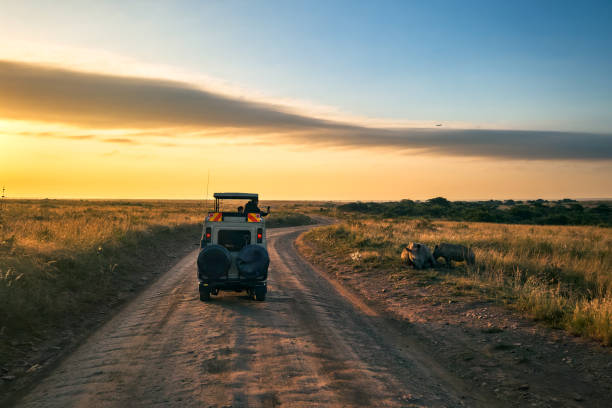
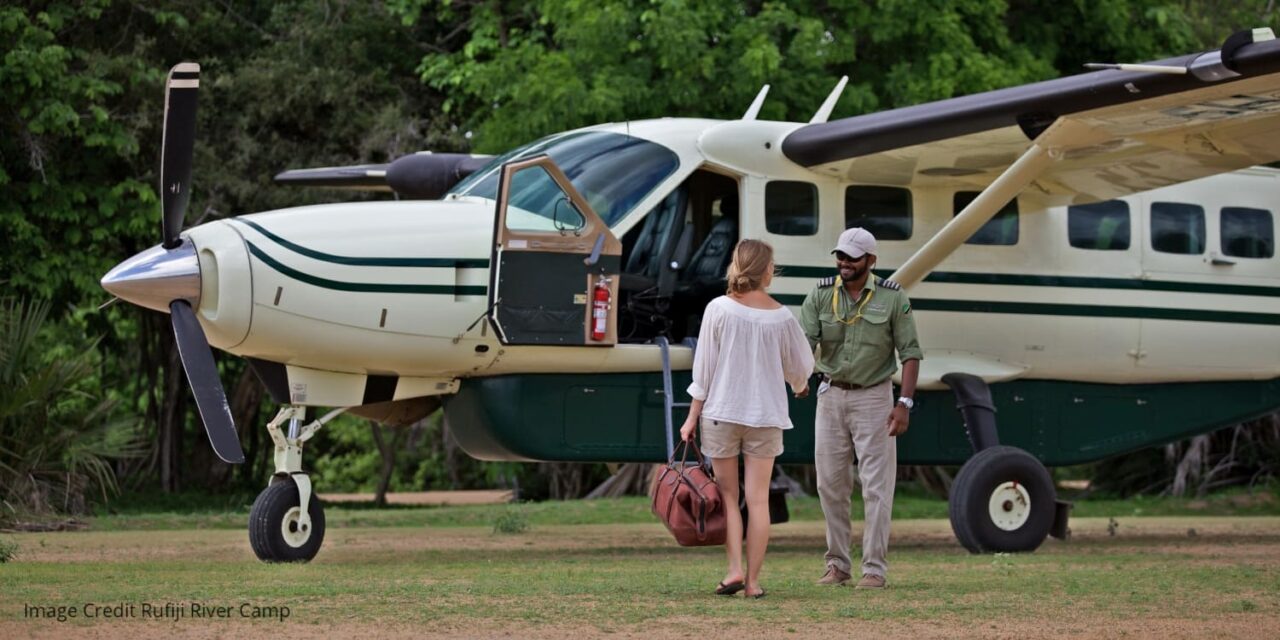
North Africa offers a captivating blend of ancient history, vibrant cultures, and diverse landscapes. From the bustling souks of Marrakech to the serene Sahara Desert and the historical riches of Egypt, this region promises an adventure unlike any other. For travelers considering a journey to this fascinating part of the world in 2026 or 2027, thorough planning is key to making the most of your experience. This comprehensive North Africa travel planning guide will walk you through every step, ensuring your trip is smooth, enriching, and memorable.
Table of Contents
- Quick Facts About North Africa Travel
- North Africa: A World of Wonder
- Why Detailed Planning Matters for North Africa
- Best Time to Visit North Africa (2026-2027)
- Key Destinations and What They Offer
- Sample North Africa Itineraries and Routes
- What to Expect on Your North Africa Trip
- Inclusions, Packing, and Preparation
- Common Mistakes to Avoid
- Who is North Africa Best Suited For?
- Exploring Alternatives to Your North Africa Dream
- Planning Your North Africa Trip for 2026-2027
- Booking Your North Africa Adventure: Expert Advice
- Frequently Asked Questions (FAQs)
- Ready to Plan Your North Africa Adventure?
Quick Facts About North Africa Travel
| Aspect | Details |
|---|---|
| Major Countries | Morocco, Algeria, Tunisia, Libya, Egypt, Sudan, Mauritania |
| Primary Languages | Arabic, Berber dialects, French (widely spoken) |
| Currency | Moroccan Dirham (MAD), Algerian Dinar (DZD), Tunisian Dinar (TND), Egyptian Pound (EGP), etc. |
| Visa Requirements | Varies by nationality and country. Research well in advance. |
| Best Time to Visit | Spring (March-May) and Autumn (September-November) for most regions. Summer can be extremely hot. |
| Connectivity | Wi-Fi is common in hotels and cafes; consider a local SIM for better data access. |
| Cultural Norms | Modest dress recommended outside tourist resorts, especially during religious periods. Respect local customs and traditions. |
North Africa: A World of Wonder
North Africa is a region that stirs the imagination. It’s a place where the sands of the Sahara meet the Mediterranean Sea, where Roman ruins stand testament to ancient empires, and where the call to prayer echoes through medinas filled with vibrant life. The cultural tapestry is rich, woven from Arab, Berber, African, and European influences. Each country possesses its own unique charm, offering a spectrum of experiences from desert expeditions and coastal relaxation to historical exploration and culinary discovery. Whether you’re drawn to the pyramids of Egypt, the blue city of Chefchaouen, the ancient city of Carthage, or the vastness of the desert, North Africa provides a profound travel experience.
Why Detailed Planning Matters for North Africa
Traveling to North Africa, especially for the first time, requires more than just booking flights and hotels. Due to varying infrastructure, cultural nuances, and the sheer diversity of experiences available, a well-thought-out plan is essential. This ensures you:
- Maximize your time: Avoid wasted days due to logistical oversights.
- Stay within budget: Understand potential costs and make informed financial decisions.
- Experience authentic culture: Plan activities that allow for genuine interaction and understanding.
- Ensure safety and comfort: Be aware of local conditions and necessary precautions.
- Navigate logistics smoothly: Understand transportation options, visa requirements, and local customs.
- Select the right experiences: Choose activities that align with your interests, whether it’s adventure, history, relaxation, or a mix.
For a region as rich and varied as North Africa, a little preparation goes a long way in creating an unforgettable journey for 2026-2027.
Best Time to Visit North Africa (2026-2027)
The ideal time to visit North Africa largely depends on which countries and regions you plan to explore, as climates can vary significantly. However, general recommendations for 2026-2027 are as follows:
Spring (March – May)
This is arguably the best season for most of North Africa. Temperatures are pleasant and mild, making it ideal for exploring cities, historical sites, and the desert. Wildflowers bloom in many areas, adding to the scenic beauty. It’s perfect for hiking in the Atlas Mountains or exploring the souks without the intense summer heat.
Autumn (September – November)
Similar to spring, autumn offers comfortable temperatures and clear skies. The sea is still warm enough for swimming in coastal areas, and the desert nights are cool and crisp. This season is also excellent for cultural festivals and experiencing local life as the harvest season concludes.
Summer (June – August)
Summers are very hot across most of North Africa, particularly inland and in the Sahara Desert, where temperatures can soar. Coastal areas are more bearable due to sea breezes, but can still be quite warm. If visiting during this period, focus on coastal destinations or plan desert excursions during cooler dawn and dusk hours. Hydration and sun protection are paramount.
Winter (December – February)
Winter can be mild and pleasant in the southern desert regions, offering comfortable daytime temperatures for exploration. However, northern areas and mountain ranges can experience cold weather, rain, and even snow (especially in Morocco’s Atlas Mountains, where skiing is possible). It’s a good time for visiting Egypt, which experiences its most pleasant weather during these months, and for budget travelers as it’s often off-peak.
When planning for 2026-2027, consider your tolerance for heat and your preferred activities. Spring and autumn are generally the safest bets for comfortable travel across the region.
Key Destinations and What They Offer
North Africa is a vast region with diverse attractions. Here are some of the most popular destinations:
Morocco
Highlights: Imperial cities (Marrakech, Fes, Meknes, Rabat), Sahara Desert (Merzouga, Zagora), Atlas Mountains, coastal cities (Essaouira, Casablanca), vibrant souks, unique cuisine, Berber culture.
Best for: Culture enthusiasts, adventure seekers, foodies, photographers.
Egypt
Highlights: Ancient wonders (Pyramids of Giza, Luxor, Karnak, Valley of the Kings), Nile River cruises, Red Sea diving and snorkeling (Sharm El Sheikh, Hurghada), Cairo’s bustling markets, Alexandria’s historical sites.
Best for: History buffs, archaeology lovers, divers, relaxation seekers.
Tunisia
Highlights: Roman ruins (Carthage, El Jem), Mediterranean beaches, Sahara Desert oases (Tozeur, Douz), historic medinas (Tunis, Sousse, Kairouan), Berber villages.
Best for: History enthusiasts, beach lovers, cultural explorers, families.
Algeria
Highlights: Roman ruins (Timgad, Djemila), Sahara Desert (Hoggar Mountains, Tassili n’Ajjer), Casbah of Algiers, ancient rock art sites.
Best for: Adventurous travelers, history enthusiasts, those seeking off-the-beaten-path experiences.
Libya
Highlights: Remarkable Roman sites (Leptis Magna, Sabratha, Cyrene), vast desert landscapes.
Note: Travel to Libya is currently advised against by many governments due to safety concerns. Research current travel advisories thoroughly.
Sudan
Highlights: Nubian pyramids (Meroë), ancient ruins, Nile River exploration.
Note: Travel to Sudan is currently advised against by many governments due to safety concerns. Research current travel advisories thoroughly.
Mauritania
Highlights: Sahara Desert landscapes, ancient trading towns (Chinguetti), unique desert cultures.
Note: Travel to Mauritania requires careful planning and awareness of security situations in certain areas. Research current travel advisories thoroughly.
Sample North Africa Itineraries and Routes
Crafting the perfect itinerary depends on your interests and the time you have. Here are a few sample routes, which can be customized for your 2026-2027 travels.
Route 1: Moroccan Highlights (10-14 Days)
This route offers a taste of Morocco’s diverse offerings.
Day 1-3: Marrakech. Arrive, explore Jemaa el-Fna square, Koutoubia Mosque, Bahia Palace, Saadian Tombs, and the vibrant souks. Consider a cooking class.
Day 4-5: Atlas Mountains & Ait Benhaddou. Travel over the Tizi n’Tichka pass to visit the UNESCO World Heritage Kasbah of Ait Benhaddou. Stay in a traditional guesthouse.
Day 6-7: Sahara Desert (Merzouga). Continue to Merzouga for a camel trek into the Erg Chebbi dunes, spend a night in a desert camp.
Day 8: Todra Gorge & Dades Valley. Explore the dramatic Todra Gorge and scenic Dades Valley.
Day 9-10: Fes. Travel to Fes, explore its ancient medina, tanneries, and madrasas.
Day 11-12: Chefchaouen. Journey to the picturesque blue city of Chefchaouen in the Rif Mountains.
Day 13-14: Rabat/Casablanca & Departure. Visit the capital Rabat or the coastal city Casablanca before departing.
Route 2: Egyptian Ancient Wonders & Nile Cruise (10-12 Days)
Focuses on Egypt’s historical heartland.
Day 1-3: Cairo. Arrive, visit the Pyramids of Giza, Sphinx, Egyptian Museum, Khan el-Khalili bazaar.
Day 4-7: Nile Cruise (Luxor to Aswan). Fly or take an overnight train to Luxor. Board a Nile cruise ship. Visit Karnak Temple, Luxor Temple, Valley of the Kings, Hatshepsut’s Temple, Edfu Temple, Kom Ombo Temple, Aswan High Dam, Philae Temple.
Day 8-9: Abu Simbel & Aswan. Explore Aswan further, take a day trip to the magnificent Abu Simbel temples.
Day 10-12: Red Sea Relaxation or Departure. Option to fly to Sharm El Sheikh or Hurghada for beach relaxation and snorkeling, or depart from Aswan/Cairo.
Route 3: Tunisia Explorer (7-10 Days)
A mix of history, coast, and desert.
Day 1-2: Tunis & Carthage. Arrive in Tunis, explore the Medina, visit the ruins of ancient Carthage and the village of Sidi Bou Said.
Day 3-4: Kairouan & El Jem. Visit the holy city of Kairouan and the impressive Roman amphitheater at El Jem.
Day 5-6: Sousse/Hammamet. Explore the coastal cities, relax on the beaches, or enjoy water sports.
Day 7-8: Sahara Desert (Tozeur/Douz). Travel south to Tozeur for its oasis and desert landscapes, or to Douz, the gateway to the Sahara, for camel treks.
Day 9-10: Departure. Return to Tunis for departure.
These are just starting points. For a truly tailored experience in 2026-2027, consider working with a local tour operator who can customize routes based on your specific interests and available time.
What to Expect on Your North Africa Trip
Understanding local customs and daily life is crucial for a rewarding trip.
Cultural Etiquette
North Africa is predominantly Muslim. While generally tolerant of tourists, dressing modestly (covering shoulders and knees) is respectful, especially when visiting religious sites or less touristy areas. Always ask permission before taking photos of people. Haggling is a common practice in markets, but do so politely and with a smile.
Food and Drink
Expect delicious and diverse cuisine. Tagines, couscous, grilled meats, fresh seafood (on the coast), and flavorful pastries are staples. Mint tea is a symbol of hospitality and is offered frequently. Bottled water is recommended for drinking.
Transportation
Options vary. Major cities have taxis and public transport. Inter-city travel often involves comfortable buses, trains (especially in Morocco and Egypt), or private transfers. For desert travel, 4×4 vehicles are essential. Flights are available for longer distances.
Safety and Health
Generally, North Africa is safe for tourists. However, like any region, it’s wise to be aware of your surroundings, especially in crowded markets. Petty theft can occur. Research current travel advisories for any specific country or region you plan to visit. It’s advisable to consult your doctor about necessary vaccinations and health precautions before your trip.
Language
Arabic is the official language, with various dialects. Berber languages are also spoken in many areas. French is widely understood and spoken, especially in Morocco and Tunisia, due to historical ties. English is increasingly spoken in tourist areas, hotels, and by tour guides.
Inclusions, Packing, and Preparation
Proper preparation is key to a comfortable and enjoyable journey.
What to Pack
Packing light and smart is essential, considering varying climates and activities.
Clothing:
- Lightweight, breathable fabrics: Cotton, linen, and quick-dry materials are ideal.
- Modest clothing: Long trousers, skirts, and tops that cover shoulders and knees.
- Scarf or pashmina: Versatile for sun protection, warmth, and covering up when needed.
- Warm layers: A fleece or light jacket for cooler evenings, especially in the desert or mountains.
- Swimsuit: For coastal areas or hotel pools.
- Comfortable walking shoes: Essential for exploring cities and historical sites.
- Sandals or flip-flops: For relaxing or shorter walks.
- Hat: Wide-brimmed for sun protection.
Essentials:
- Sunscreen: High SPF.
- Sunglasses.
- Insect repellent.
- Personal first-aid kit: Including any personal medications, pain relievers, antiseptic wipes, and motion sickness remedies.
- Hand sanitizer.
- Reusable water bottle.
- Adapter and power bank.
- Camera and extra memory cards/batteries.
- Small backpack or day bag.
- Copies of important documents: Passport, visas, insurance.
Preparation Checklist
Before you travel in 2026-2027, ensure you have:
- Valid Passport: Ensure it has at least six months’ validity beyond your intended stay.
- Visas: Research and apply for any necessary visas well in advance.
- Travel Insurance: Comprehensive coverage is highly recommended.
- Vaccinations & Health: Consult your doctor for recommended vaccinations and malaria precautions if applicable. Carry a basic medical kit.
- Currency: Familiarize yourself with local currencies and have some cash on hand for arrival. Credit cards are accepted in larger establishments but not everywhere.
- Local SIM Card: Consider purchasing one upon arrival for easier communication and data access.
- Learn Basic Phrases: A few words in Arabic or French can be very helpful and appreciated.
- Research Cultural Norms: Understand local customs to ensure respectful interactions.
- Book Accommodations/Tours: Especially during peak seasons, book in advance.
- Inform Your Bank: Let them know your travel dates to avoid card issues.
Common Mistakes to Avoid
Avoiding these common pitfalls can significantly enhance your North Africa travel experience:
- Underestimating the Heat: Especially during summer months, extreme heat can be dangerous. Always stay hydrated and seek shade.
- Not Respecting Cultural Norms: Dressing inappropriately or being unaware of local customs can lead to misunderstandings.
- Overpacking: You’ll likely be moving between locations, so pack light and efficiently.
- Relying Solely on English: While common in tourist areas, knowing a few basic Arabic or French phrases is invaluable.
- Not Budgeting for Incidentals: Souvenirs, tips, and unexpected expenses can add up.
- Booking Everything Last Minute: Especially for popular tours or accommodations during peak season (2026-2027), booking ahead is wise.
- Ignoring Travel Advisories: Always check current government travel advice for the countries you plan to visit.
- Not Trying Local Food: The culinary scene is a highlight; be adventurous and sample local dishes.
- Getting Lost in the Souks (Without a Plan): While part of the charm, it’s easy to get disoriented. Have a general idea of your route or use a map.
Who is North Africa Best Suited For?
North Africa appeals to a wide range of travelers, but it particularly shines for:
- Adventure Seekers: Those who enjoy desert treks, mountain hiking, and exploring remote landscapes.
- History and Archaeology Buffs: With ancient Roman, Egyptian, and Berber sites, it’s a treasure trove for history lovers.
- Culture Enthusiasts: Travelers eager to immerse themselves in vibrant souks, traditional crafts, unique music, and distinct culinary traditions.
- Photography Lovers: The dramatic desert vistas, intricate architecture, colorful markets, and unique cultures offer endless photographic opportunities.
- Budget Travelers: While luxury options exist, North Africa can be very affordable, especially for food and local transport.
- Those Seeking Off-the-Beaten-Path Experiences: Beyond the main tourist hubs, there are vast areas that remain relatively untouched by mass tourism.
It might be less suited for travelers who prefer highly structured, Western-style infrastructure everywhere or those who are very sensitive to heat and dust.
Exploring Alternatives to Your North Africa Dream
While North Africa offers unique experiences, similar travel styles or interests might lead you to consider these alternatives:
For Desert Adventures:
- Middle East: Jordan (Wadi Rum), Oman (Wahiba Sands) offer stunning desert landscapes and Bedouin culture.
- South America: The Atacama Desert in Chile and parts of Bolivia offer unique arid environments.
For Ancient History & Ruins:
- Italy: Home to extensive Roman ruins and a rich historical heritage.
- Greece: Birthplace of democracy with countless ancient sites.
- Turkey: Offers a wealth of Roman, Greek, and Ottoman historical sites.
For Vibrant Markets & Culture:
- India: Famous for its colorful bazaars, diverse cultures, and rich traditions.
- Southeast Asia: Countries like Thailand, Vietnam, and Cambodia offer bustling markets and unique cultural immersion.
However, the specific blend of Berber, Arab, and Mediterranean influences, combined with iconic sites like the Sahara and the Pyramids, makes North Africa a truly distinct destination.
Planning Your North Africa Trip for 2026-2027
As you look ahead to 2026-2027, here are some planning tips to keep in mind for your North Africa adventure:
Book in Advance for Peak Seasons
If you plan to travel during the popular spring (March-May) or autumn (September-November) seasons in 2026 or 2027, book flights, accommodations, and popular tours (like Nile cruises or Sahara desert camps) several months in advance to secure the best options and prices.
Consider a Local Tour Operator
For a more authentic and hassle-free experience, partnering with a reputable local tour operator can be invaluable. They possess deep knowledge of the region, can arrange reliable transportation, secure unique accommodations, and provide expert guides. This is especially true for more complex itineraries or off-the-beaten-path destinations.
Stay Flexible
While planning is crucial, maintaining some flexibility in your itinerary allows you to adapt to unexpected opportunities or minor changes. This is particularly relevant for travel in regions where infrastructure might be less developed.
Budget Wisely
North Africa can cater to various budgets. Research typical costs for accommodation, food, transport, and activities. Factor in a buffer for souvenirs, tips, and unforeseen expenses. Prices for 2026-2027 may see slight increases, so factor that into your projections.
Stay Informed on Current Events
Keep an eye on travel advisories and local news leading up to your trip. This will help you stay informed about any regional changes that might affect your travel plans.
Prioritize Health and Safety
Ensure you have adequate travel insurance. Consult your doctor about health recommendations well before your departure. Familiarize yourself with local emergency numbers.
Booking Your North Africa Adventure: Expert Advice
Making the right booking decisions ensures a smooth and rewarding journey. Here’s how to approach booking for your 2026-2027 trip:
When to Book
Flights: Aim to book international flights 3-6 months in advance for better prices, especially if traveling during peak seasons in 2026-2027.
Accommodation: Book hotels or guesthouses 2-4 months ahead, particularly in popular cities like Marrakech, Cairo, or during holidays.
Tours & Activities: For specific experiences like Nile cruises, Sahara desert camps, or guided city tours, booking 1-3 months in advance is recommended. This is crucial for securing availability and specific dates.
Custom Itineraries: If you’re working with a tour operator to design a bespoke trip, start the conversation at least 4-6 months prior to your intended travel dates to allow ample time for planning and adjustments.
Choosing a Tour Operator
When selecting a tour operator for your North Africa travel planning, consider these factors:
- Local Expertise: A company with strong local roots and knowledge is invaluable.
- Reputation: Look for reviews, testimonials, and recommendations.
- Customization: Can they tailor an itinerary to your specific interests and budget?
- Inclusions: Understand exactly what is covered in the package (accommodation, meals, transport, guides, activities).
- Support: Do they offer 24/7 support during your trip?
- Sustainability: Do they practice responsible tourism?
For a truly personalized and enriching North Africa experience, consider connecting with specialists. For example, if you’re interested in safaris, Kilimanjaro treks, or Zanzibar holidays within or adjacent to the North African region (though these are typically East African), or if you’re planning a broader African journey that might include North Africa, Top Guide Adventures is a reliable operator.
What to Look for in a Package/Itinerary
When reviewing tour packages or itinerary proposals, check for:
- Balance: Does it offer a good mix of guided activities and free time?
- Pacing: Is the itinerary too rushed or too slow?
- Accommodation Quality: Are the hotels suitable for your comfort level?
- Transportation: Is it efficient and comfortable?
- Inclusions: Are entrance fees, guide services, and essential meals included?
- Exclusions: What costs are not covered (e.g., visas, tips, personal expenses)?
Frequently Asked Questions (FAQs)
Q1: Is North Africa safe for solo female travelers?
A1: Many solo female travelers visit North Africa without issue, especially in countries like Morocco and Tunisia. However, it’s crucial to be aware of your surroundings, dress modestly, and avoid walking alone in dimly lit areas at night. Using reputable guides and sticking to well-traveled routes can enhance safety. Always check current travel advisories.
Q2: What is the best way to get around North Africa?
A2: Transportation varies. For inter-city travel, comfortable buses and trains are common. Private transfers offer more flexibility. For desert regions, 4×4 vehicles are necessary. Flights are available for longer distances. Within cities, taxis are widely used, but agree on the fare beforehand or ensure the meter is used.
Q3: Do I need a visa for North Africa?
A3: Visa requirements depend on your nationality and the specific country you plan to visit. Many nationalities can enter Morocco and Tunisia visa-free for short stays. Egypt often requires a visa on arrival or in advance. It is essential to research the specific visa regulations for your passport and destination country well before your 2026-2027 trip.
Q4: What are the essential items to pack for a North African trip?
A4: Pack light, breathable clothing that covers shoulders and knees for modesty. Include comfortable walking shoes, a sun hat, sunscreen, sunglasses, insect repellent, a scarf or pashmina, and a basic first-aid kit. Layers are important for cooler evenings.
Q5: How much should I budget for a trip to North Africa?
A5: Costs vary greatly by country, travel style, and duration. North Africa can be very affordable for budget travelers (e.g., $50-70 per day for accommodation, food, local transport) or quite luxurious. Mid-range travelers might expect $100-150 per day, excluding international flights. Always research current price trends for 2026-2027 and add a buffer for unexpected expenses.
Q6: Can I drink tap water in North Africa?
A6: It is generally not recommended to drink tap water in most of North Africa. Stick to bottled water for drinking and brushing your teeth. Many accommodations offer filtered water or large water dispensers.
Q7: What are the main cultural considerations I should be aware of?
A7: Respect local customs by dressing modestly, especially outside major tourist resorts. Ask permission before photographing people. Be mindful during prayer times. Learning a few basic Arabic or French phrases is highly appreciated. Haggling in markets is common but should be done politely.
Q8: Which countries in North Africa are best for first-time visitors?
A8: Morocco and Egypt are often recommended for first-time visitors due to their well-established tourism infrastructure, diverse attractions, and relative ease of travel. Tunisia also offers a good introduction to the region.
Q9: What kind of power adapter do I need for North Africa?
A9: Most countries in North Africa use Type C, E, or F electrical sockets, which are standard in Europe. The voltage is typically 220-230V. Check the specific voltage and plug type for the countries you are visiting and bring a universal adapter if needed.
Q10: How important is learning basic phrases for my trip?
A10: While English is understood in many tourist areas, knowing basic greetings and phrases in Arabic or French (depending on the country) can significantly enhance your interactions with locals, show respect, and open doors to more authentic experiences. It’s highly recommended for a richer travel experience in 2026-2027.
Ready to Plan Your North Africa Adventure?
North Africa offers a journey filled with ancient wonders, vibrant cultures, and breathtaking landscapes. To ensure your North Africa travel planning for 2026-2027 is as rewarding as the destination itself, consider expert guidance. Whether you’re dreaming of desert nights, ancient ruins, or bustling medinas, we can help craft your perfect itinerary.
For personalized itineraries, custom tours, and expert advice on navigating this incredible region, get in touch with us:
WhatsApp: +255616946642
Email: topguideadventures@gmail.com
Backup Email: info@topguideadventures.com
Let us help you create an unforgettable North Africa travel experience!
Plan your North Africa Travel Planning Guide with Top Guide Adventures
Tell us your travel dates, group size, comfort level, and dream experience. We will help you shape a clear, realistic, and memorable Tanzania itinerary.







 Veedesigner
 Fatma Kizanga
 Benjamin Waryuba
 Philip Philip
 John jr Itaja
 Antonia Optatus
 Edith Kanyere
 Neema Iddy
 Kelvin Boniphace
 Damari Maiga



