
Updated planning guide for 2026-2027
North Africa Expedition Packing Checklist: Complete Guide 2026-2027
Planning a North Africa expedition? This comprehensive packing checklist covers everything you need for safaris, Kilimanjaro treks, Zanzibar holidays, and cultural explorations. Get expert advice for your 2026-2027 adventure.
WhatsApp +255616946642 | topguideadventures@gmail.com | info@topguideadventures.com
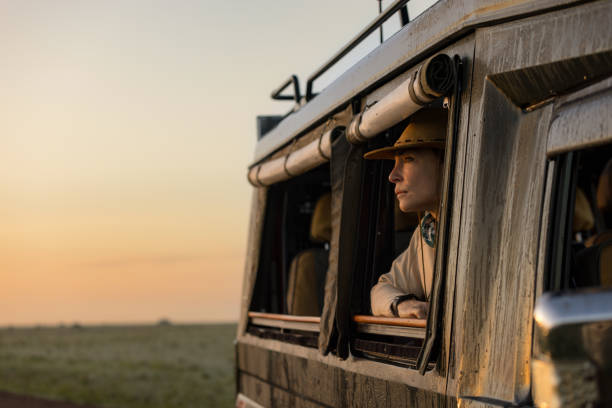
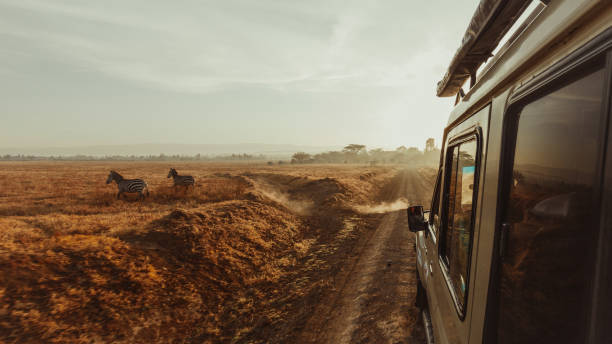
North Africa Expedition Packing Checklist: The Ultimate Planning Guide
A North Africa expedition promises incredible diversity, from the vast Sahara Desert and the peaks of Kilimanjaro to the spice-scented air of Zanzibar. To make the most of your journey, meticulous preparation is key, and that starts with a well-thought-out packing list. This guide provides a detailed North Africa expedition packing checklist, tailored for various travel styles and destinations within the region, ensuring you have everything necessary for an unforgettable experience in 2026 and 2027.
Whether you’re planning a thrilling safari in Tanzania, a challenging trek up Mount Kilimanjaro, a relaxing beach escape in Zanzibar, or a cultural immersion through North African cities, the essentials remain similar, with specific additions for each activity. This article aims to cover every aspect, from clothing and gear to health and documentation, ensuring your expedition is smooth and enjoyable.
Table of Contents
- Quick Facts for North Africa Expeditions
- North Africa Expedition Overview
- Why Your North Africa Expedition Packing Matters
- Best Time to Visit North Africa
- Sample Routes and Itineraries
- What to Expect on Your Expedition
- The Core North Africa Expedition Packing List
- Clothing Essentials
- Footwear Guide
- Gear and Equipment
- Health and Hygiene
- Documents and Money
- Specialized Packing for Activities
- Safari Packing Additions
- Kilimanjaro Trekking Packing
- Zanzibar Holiday Packing
- Cultural Tours Packing
- Common Packing Mistakes to Avoid
- Who is a North Africa Expedition Best Suited For?
- Alternatives to Consider
- Planning Your 2026-2027 North Africa Expedition
- Booking Your North Africa Expedition
- Frequently Asked Questions
Quick Facts for North Africa Expeditions
| Aspect | Details |
|---|---|
| Primary Destinations | Tanzania (Safari, Kilimanjaro), Zanzibar, Morocco, Egypt, Tunisia, Algeria, Libya (travel advisories apply) |
| Key Activities | Wildlife Safaris, Mountain Trekking, Beach Holidays, Cultural Tours, Desert Exploration |
| Climate | Varied: Tropical coast, arid desert, temperate highlands. Generally hot, with distinct wet and dry seasons. |
| Currency | Varies by country (e.g., Tanzanian Shilling, Moroccan Dirham, Egyptian Pound) |
| Language | Arabic, Swahili, French, Berber, English (widely spoken in tourist areas) |
| Visa Requirements | Varies by nationality and destination country. Check in advance. |
| Health Precautions | Consult your doctor for vaccinations and malaria prophylaxis. Drink bottled water. |
North Africa Expedition Overview
North Africa is a vast and culturally rich region offering a spectrum of travel experiences. When we refer to a ‘North Africa Expedition’ in the context of our services, we often mean journeys that encompass the diverse landscapes and activities available, particularly focusing on East Africa’s iconic offerings like Tanzania safaris, Kilimanjaro climbs, and Zanzibar’s tropical allure. While North Africa technically includes countries like Morocco, Algeria, and Egypt, many travelers seeking an ‘expedition’ often look towards the unparalleled wildlife and trekking opportunities found further south in countries like Tanzania, which shares many logistical and environmental characteristics with a broader North African adventure.
This guide will focus on preparing you for the most popular and accessible expedition types: wildlife safaris in national parks, trekking Mount Kilimanjaro, and enjoying the beaches and culture of Zanzibar. These destinations offer a fantastic blend of adventure, natural beauty, and cultural encounters that define a true expeditionary spirit. We will also touch upon general packing principles applicable to other North African countries should your itinerary extend beyond East Africa.
Why Your North Africa Expedition Packing Matters
Packing correctly for a North Africa expedition isn’t just about comfort; it’s about safety, practicality, and maximizing your experience. The climate can be extreme, ranging from scorching desert heat to chilly mountain nights. Wildlife viewing requires specific attire, and trekking demands specialized gear. Poor packing can lead to discomfort, illness, or even an inability to participate fully in planned activities. For instance, arriving in the Serengeti without appropriate sun protection or insect repellent can significantly detract from your safari. Similarly, underestimating the cold at Kilimanjaro’s summit or wearing unsuitable footwear for trekking can be dangerous.
A well-organized packing list ensures you have:
- Appropriate clothing for varied climates: Layers are crucial for temperature fluctuations.
- Protective gear: Against sun, insects, and potential hazards.
- Essential medications and first-aid: For minor ailments and emergencies.
- Necessary documentation: Passports, visas, and permits.
- Specialized equipment: For trekking, photography, or specific activities.
This comprehensive approach to packing will allow you to focus on the incredible sights and experiences North Africa has to offer, rather than worrying about what you’ve forgotten.
Best Time to Visit North Africa
The ‘best’ time to visit North Africa depends heavily on your chosen destination and activities. For Tanzania and Zanzibar, distinct seasons dictate the ideal travel periods:
| Region/Activity | Best Time (Dry Season) | Shoulder Seasons | Green Season (Rainy) |
|---|---|---|---|
| Tanzania Safari (Serengeti, Ngorongoro) | June to October (cooler, dry, good for Great Migration viewing) and January to February (calving season in the south) | Late May, early June, November | March to May (lush landscapes, fewer crowds, lower prices, but rain can disrupt game drives) |
| Kilimanjaro Trekking | January to March and June to October (clear skies, stable weather) | – | April to May and November to December (higher chance of rain and clouds, especially on higher slopes) |
| Zanzibar Holidays | June to October and December to February (warm, dry, sunny, ideal for beaches) | March, November | April to May (heavy rains, can affect beach activities and resort operations) |
| Morocco/Egypt/Tunisia (North Africa proper) | Spring (March-May) and Autumn (September-November) offer pleasant temperatures for city exploration and desert trips. Summers are very hot. Winters can be cool, especially in mountainous areas. | – | – |
For 2026 and 2027, these patterns are expected to hold. Planning around these seasons will significantly enhance your comfort and the likelihood of successful activities, whether it’s spotting the Big Five or reaching Uhuru Peak.
Sample Routes and Itineraries
Here are sample itinerary outlines to illustrate the diversity of a North African expedition, focusing on popular Tanzanian experiences.
Sample Itinerary 1: Classic Tanzania Safari (7 Days)
This itinerary focuses on the Northern Circuit, offering a concentrated wildlife experience.
- Day 1: Arrive Kilimanjaro Airport (JRO), Transfer to Arusha. Settle in, prepare for safari.
- Day 2: Arusha to Tarangire National Park. Game drive in Tarangire, known for its large elephant herds and baobab trees.
- Day 3: Tarangire to Lake Manyara National Park. Morning game drive in Tarangire, then transfer to Lake Manyara for afternoon game drive. Famous for tree-climbing lions and birdlife.
- Day 4: Lake Manyara to Serengeti National Park. Drive to Serengeti, stopping at the Ngorongoro Conservation Area viewpoint. Afternoon game drive in the Serengeti.
- Day 5: Full Day Serengeti National Park. Explore the vast plains of the Serengeti, searching for predators and the Great Migration (seasonal).
- Day 6: Serengeti to Ngorongoro Crater. Morning game drive in Serengeti, then drive to the Ngorongoro Crater rim.
- Day 7: Ngorongoro Crater to Arusha/JRO. Descend into the Ngorongoro Crater for a morning game drive, then drive back to Arusha for departure or onward travel.
Sample Itinerary 2: Mount Kilimanjaro Climb (Machame Route – 7 Days)
A popular route offering a good balance of acclimatization and scenic beauty.
- Day 1: Arusha to Machame Gate, Trek to Machame Camp. Begin trek through rainforest.
- Day 2: Machame Camp to Shira Camp. Ascend through moorland.
- Day 3: Shira Camp to Barranco Camp. Cross the Lava Tower and descend to Barranco Camp.
- Day 4: Barranco Camp to Karanga Camp. Climb the Barranco Wall, then trek to Karanga.
- Day 5: Karanga Camp to Barafu Camp. Continue ascent towards the summit approach.
- Day 6: Barafu Camp to Summit (Uhuru Peak) and descend to Mweka Camp. Pre-dawn summit attempt, then descend.
- Day 7: Mweka Camp to Mweka Gate, Transfer to Arusha. Final descent through rainforest.
Sample Itinerary 3: Zanzibar Beach & Culture (5 Days)
A relaxing yet culturally rich experience on the Spice Island.
- Day 1: Arrive Zanzibar (ZNZ), Transfer to Stone Town. Explore historic Stone Town, UNESCO World Heritage site.
- Day 2: Stone Town Exploration & Spice Tour. Guided tour of Stone Town, followed by a fragrant spice tour.
- Day 3: Transfer to Northern Beach (e.g., Nungwi/Kendwa). Relax on white-sand beaches, swimming, snorkeling.
- Day 4: Beach Relaxation & Optional Activities. Enjoy the coast, consider diving, sunset dhow cruise, or visit Mnemba Atoll.
- Day 5: Departure from Zanzibar (ZNZ). Enjoy a final morning before transferring to the airport.
What to Expect on Your Expedition
North Africa expeditions are characterized by their raw beauty, incredible wildlife, and rich cultural heritage. However, they also come with unique challenges and expectations:
- Wildlife Encounters: Safaris offer close-up views of animals in their natural habitat. Patience is key, and guides are experts at finding wildlife. Expect to see a variety of animals, but sightings are never guaranteed.
- Trekking Conditions: Kilimanjaro is a demanding trek. Altitude sickness is a serious risk, and the weather can change rapidly. You’ll experience varying temperatures, from tropical rainforest at the base to arctic conditions at the summit. The paths can be rocky and steep.
- Cultural Immersion: Interactions with local communities can be deeply rewarding. Be respectful of local customs and traditions. Dress modestly when visiting villages or religious sites.
- Climate Variability: Expect sunshine, heat, and potentially rain. Dust is common on safaris and trekking paths. Temperatures can vary significantly between day and night, and at different altitudes.
- Infrastructure: While major tourist areas have good infrastructure, remote areas might have basic facilities. Lodges and camps range from rustic to luxurious. Expect limited Wi-Fi and mobile signal in many wilderness areas.
- Pace of Travel: Expeditions often involve early mornings for game drives or trekking. Travel between locations can take several hours on unpaved roads.
The Core North Africa Expedition Packing List
This is the foundational list for any North African expedition. Specific items will be added based on your chosen activities.
Clothing Essentials
Focus on lightweight, breathable, and quick-drying fabrics. Neutral colors are best for safaris to avoid startling wildlife. Layers are essential for varying temperatures.
- Lightweight T-shirts/Tops: 4-6 (moisture-wicking is ideal)
- Long-sleeved shirts: 2-3 (for sun protection and cooler evenings)
- Fleece jacket or warm sweater: 1-2 (for cooler mornings/evenings and higher altitudes)
- Lightweight, waterproof and windproof jacket: 1 (essential for rain and wind)
- Comfortable walking trousers: 2-3 pairs (convertible trousers are versatile)
- Shorts: 1-2 pairs (for warmer climates and casual wear)
- Underwear: Sufficient for your trip duration, plus a couple extra.
- Socks: 5-7 pairs (moisture-wicking, breathable; consider wool blends for trekking)
- Sleepwear: 1 set
- Swimsuit: 1 (for beach destinations or hotel pools)
- Sun hat with a wide brim: 1 (crucial for sun protection)
- Warm hat/beanie: 1 (for Kilimanjaro or cold desert nights)
- Gloves: 1 pair (lightweight for Kilimanjaro)
- Buff or bandana: 1-2 (versatile for sun, dust, warmth)
Footwear Guide
Comfort and practicality are paramount. Avoid brand-new shoes for any strenuous activity.
- Broken-in hiking boots: 1 pair (waterproof, sturdy, with good ankle support for trekking)
- Comfortable walking shoes/sneakers: 1 pair (for travel days, town visits, and light walks)
- Sandals or flip-flops: 1 pair (for relaxing at lodges or beaches)
Gear and Equipment
Consider the specific activities you’ll be undertaking.
- Backpack: 1 medium-sized daypack (20-35 liters) for daily excursions.
- Duffel bag or sturdy travel bag: 1 (soft-sided is often preferred for safaris and Kilimanjaro porters)
- Water bottles or hydration reservoir: 2 x 1-liter bottles or a 2-3 liter reservoir.
- Headlamp or flashlight: 1 (with extra batteries)
- Sunglasses: 1-2 pairs (UV protection)
- Camera and extra batteries/memory cards: Essential for capturing memories.
- Power bank or portable charger: For keeping devices charged on the go.
- Universal travel adapter: With surge protection. Check plug types for your destination.
- Binoculars: 1 pair (highly recommended for safaris)
- Small travel towel: Quick-drying microfiber is best.
- Reusable shopping bag: For souvenirs or general use.
- Small padlock: For securing luggage or lockers.
- Dry bags or waterproof stuff sacks: To protect electronics and valuables.
- Insect repellent: Containing DEET or Picaridin.
- Sunscreen: High SPF, broad-spectrum.
- Lip balm with SPF:
- Personal toiletries: Travel-sized.
- Hand sanitizer:
- Small first-aid kit: See dedicated section.
- Notebook and pen: For journaling or notes.
- Book or e-reader: For downtime.
- Ziploc bags: Various sizes, useful for organizing and waterproofing.
Health and Hygiene
Prioritize your well-being. Consult your doctor well in advance of travel.
- Personal prescription medications: Enough for your trip plus a few extra days, with a copy of the prescription.
- Basic First-Aid Kit:
- Assorted bandages and sterile gauze pads
- Antiseptic wipes
- Pain relievers (e.g., ibuprofen, paracetamol)
- Antihistamines (for allergies)
- Motion sickness medication
- Anti-diarrheal medication (e.g., Imodium)
- Rehydration salts
- Blister treatment (e.g., moleskin, Compeed)
- Small scissors and tweezers
- Any personal medical items
- Malaria prophylaxis: As prescribed by your doctor.
- Hand sanitizer: High alcohol content.
- Wet wipes:
- Toothbrush and toothpaste:
- Biodegradable soap/shampoo: If camping or in remote areas.
- Face masks: For dusty conditions or crowded areas.
Documents and Money
Keep these secure and accessible.
- Passport: Valid for at least six months beyond your intended stay, with blank pages.
- Visas: Check requirements for each country. Obtain in advance if possible.
- Flight tickets/confirmations: Digital and/or printed.
- Travel insurance details: Policy number and emergency contact.
- Yellow Fever vaccination certificate: Required for entry into some countries if arriving from an endemic area.
- Photocopies of important documents: Keep separate from originals (passport, visa, insurance). Store digital copies securely online.
- Credit/Debit cards: Inform your bank of your travel dates.
- US Dollars or Euros: For visa fees on arrival, tips, and small purchases where local currency isn’t readily available.
- Local currency: Obtain upon arrival or exchange beforehand.
- Emergency contact information: For family, friends, and your tour operator.
Specialized Packing for Activities
Tailor your packing list further based on the primary focus of your expedition.
Safari Packing Additions
Focus on comfort, sun protection, and visibility.
- Neutral-colored clothing: Khaki, beige, olive green, brown. Avoid bright colors and black/dark blue which can attract insects.
- Lightweight, breathable fabrics: Cotton, linen, quick-dry synthetics.
- Long-sleeved shirts and trousers: For sun protection and evening insect protection.
- Binoculars: Essential for spotting distant wildlife.
- Camera with zoom lens: To capture wildlife details.
- Wide-brimmed hat: For constant sun protection.
- Sunglasses:
- Insect repellent: High DEET content.
- Sunscreen: High SPF.
- Small backpack: For water, snacks, camera, and binoculars during game drives.
- Personal medical kit: With emphasis on anti-malarials and stomach remedies.
Kilimanjaro Trekking Packing
Layering and warmth are critical. Porters will carry your main duffel bag, but you’ll need a daypack for essentials.
- Waterproof and windproof outer shell: Jacket and trousers.
- Insulated down jacket or synthetic equivalent: Crucial for summit night and cold days.
- Fleece layers: Multiple weights for versatile layering.
- Thermal base layers: (Merino wool or synthetic) Top and bottom.
- Hiking trousers: 2 pairs, quick-drying, comfortable.
- Warm hat (beanie): Covers ears.
- Warm gloves: Waterproof outer and liner gloves.
- Balaclava or neck warmer: For summit night.
- Trekking socks: 5-7 pairs, wool or synthetic.
- Hiking boots: Broken-in, waterproof, with good ankle support.
- Gaiters: To keep debris and snow out of boots.
- Headlamp: With extra batteries (essential for summit night).
- Water bottles/hydration system: Insulated to prevent freezing.
- Duffel bag: 80-100 liter capacity, waterproof, for porters.
- Sunglasses: High UV protection.
- Sunscreen and lip balm with SPF: High altitude sun is intense.
- Trekking poles: Highly recommended for stability and knee support.
- Personal first-aid kit: With blister treatment and altitude sickness medication.
- Snacks: High-energy snacks for the trek.
Zanzibar Holiday Packing
Focus on beachwear, light clothing, and sun protection.
- Lightweight cotton or linen clothing: Dresses, skirts, shorts, t-shirts.
- Swimsuits: 2-3.
- Cover-ups: Sarongs or kaftans for the beach.
- Rash guard: For sun protection while swimming/snorkeling.
- Sun hat: Wide-brimmed.
- Sunglasses:
- Sandals or flip-flops:
- Water shoes: For rocky beaches or water activities.
- Light evening wear: For dinners out (respectful attire is appreciated in Stone Town).
- Insect repellent: Especially for evenings.
- Sunscreen: High SPF.
- After-sun lotion:
- Light rain jacket: Just in case, especially during shoulder seasons.
- Camera and waterproof case:
- Dry bag: For boat trips.
- Modest clothing: For visiting villages or religious sites (shoulders and knees covered).
Cultural Tours Packing
Emphasize respectful attire and comfort for walking.
- Modest clothing: Long trousers or skirts, shirts with sleeves.
- Comfortable walking shoes:
- Scarf or shawl: Versatile for sun protection, warmth, or covering shoulders/head.
- Small daypack: For essentials.
- Camera:
- Notebook and pen: For notes or sketches.
- Small gifts: (Optional) Consider small, useful items for people you meet, if appropriate and culturally sensitive.
Common Packing Mistakes to Avoid
Many travelers make similar errors when preparing for a North African expedition. Avoiding these can save you discomfort and hassle.
- Overpacking: Lugging heavy bags is cumbersome, especially with internal flights or smaller vehicles. Stick to essentials.
- Bringing inappropriate clothing: Bright colors on safari, or insufficient warm layers for Kilimanjaro.
- Forgetting essential medications: Prescriptions, anti-malarials, or basic first-aid items.
- Not breaking in new footwear: Leads to blisters and discomfort.
- Underestimating sun protection: High SPF sunscreen, hats, and sunglasses are non-negotiable.
- Bringing too much electronics: Focus on essentials like a camera and phone; power can be unreliable.
- Not checking visa and vaccination requirements: Can lead to denied entry.
- Bringing only cotton clothing: Cotton dries slowly and is not ideal for active days or unpredictable weather. Opt for synthetics or merino wool.
- Not packing a headlamp: Essential for early mornings or late evenings.
- Carrying valuables openly: Use discretion and secure bags.
Who is a North Africa Expedition Best Suited For?
A North Africa expedition, particularly one encompassing safaris, Kilimanjaro, and Zanzibar, is ideal for:
- Adventure Seekers: Those who enjoy active travel, challenging treks, and exploring wild landscapes.
- Nature Enthusiasts: Wildlife lovers eager to see diverse fauna in its natural habitat.
- Culture Explorers: Travelers interested in learning about local traditions, history, and interacting with communities.
- Photography Buffs: The landscapes, wildlife, and cultural scenes offer unparalleled photographic opportunities.
- Active Retirees: Those who are fit and seeking enriching, once-in-a-lifetime experiences, perhaps opting for more comfortable safari lodges or shorter treks.
- Families with Older Children: Safaris and Zanzibar can be very engaging for teenagers. Kilimanjaro is suitable for older, fit teens.
- Honeymooners: Seeking a unique blend of adventure and relaxation.
It’s important to note that a North Africa expedition requires a degree of physical fitness, especially for Kilimanjaro. Travelers should be prepared for potentially basic accommodation in some areas and a willingness to embrace the unexpected.
Alternatives to Consider
While this guide focuses on popular Tanzanian experiences, other expedition-style trips in Africa and beyond might appeal:
- Morocco: Offers desert treks (Sahara), Atlas Mountain climbing, and vibrant city explorations. Packing would lean towards desert-appropriate gear and modest city wear.
- Egypt: Nile cruises, ancient sites, and Red Sea diving. Packing would focus on light clothing, sun protection, and modest attire for religious sites.
- South Africa/Botswana/Namibia: Excellent for wildlife safaris with more developed infrastructure and varied landscapes.
- Rwanda/Uganda: Gorilla trekking and chimpanzee tracking expeditions. Packing would be similar to Kilimanjaro in terms of jungle trekking gear.
- Nepal/Peru: For high-altitude trekking experiences (Everest Base Camp, Machu Picchu) if Kilimanjaro is not the primary goal.
Each destination offers unique challenges and rewards, requiring specific packing considerations. Always research your chosen destination thoroughly.
Planning Your 2026-2027 North Africa Expedition
Planning a significant expedition requires foresight, especially when looking ahead to 2026 and 2027. Early booking is highly recommended, particularly for Kilimanjaro climbs and peak safari seasons, as permits and accommodations can be limited.
- Book in Advance: For 2026 and 2027 travel, especially for Kilimanjaro climbs, book at least 9-12 months ahead. Safaris and Zanzibar holidays can often be booked 4-6 months in advance, but popular lodges fill up quickly.
- Consult Your Doctor: Schedule your travel health consultation 6-8 weeks before departure to discuss vaccinations, malaria prevention, and any personal health concerns.
- Visa Applications: Research visa requirements for your nationality and the specific countries you plan to visit. Some visas can take several weeks to process.
- Fitness Preparation: If Kilimanjaro is on your itinerary, begin a consistent fitness program 3-6 months prior, focusing on cardiovascular health and leg strength.
- Gear Acquisition: Purchase and test any specialized gear (hiking boots, backpack, warm clothing) well in advance to ensure comfort and fit.
- Travel Insurance: Secure comprehensive travel insurance that covers adventure activities, medical emergencies, and trip cancellation. Ensure it covers high altitudes if trekking.
- Budgeting: Factor in costs for flights, accommodation, activities, visas, vaccinations, gear, and spending money. Prices for 2026-2027 may see slight increases, so budget accordingly.
Booking Your North Africa Expedition
Choosing the right tour operator is crucial for a successful expedition. When booking your North Africa expedition, consider the following:
- Reputation and Experience: Look for operators with a proven track record and positive reviews, especially for specialized trips like Kilimanjaro climbs or multi-day safaris.
- Itinerary Customization: Can they tailor the trip to your interests, budget, and timeframe?
- Safety Standards: What safety protocols are in place? For Kilimanjaro, this includes experienced guides, sufficient oxygen, and emergency procedures. For safaris, it involves well-maintained vehicles and knowledgeable drivers.
- Inclusions and Exclusions: Clearly understand what is included in the price (accommodation, meals, park fees, guides, transfers) and what is not (international flights, visas, tips, personal expenses).
- Group Size: Do you prefer a small, intimate group or a larger, more social setting?
- Sustainability Practices: Does the operator engage in responsible tourism that benefits local communities and conserves the environment?
For a truly memorable and well-organized North Africa expedition in 2026 or 2027, we at Top Guide Adventures are here to help. We specialize in creating bespoke safari, Kilimanjaro, and Zanzibar experiences. Our expert team can guide you through every step of the planning process, ensuring your packing list is perfect and your adventure is unforgettable.
Contact us today to start planning:
- WhatsApp: +255616946642
- Email: topguideadventures@gmail.com
- Backup Email: info@topguideadventures.com
Frequently Asked Questions
1. What are the essential items for a North Africa expedition packing checklist?
The core essentials include lightweight, breathable clothing in neutral colors, a waterproof jacket, comfortable walking shoes, sun protection (hat, sunglasses, sunscreen), insect repellent, a basic first-aid kit, necessary medications, and all important documents (passport, visa, insurance). Specific items will vary based on safari, trekking, or beach activities.
2. Do I need to pack formal clothing for North Africa?
Generally, North Africa is a casual destination, especially for expeditions. However, if you plan to dine at high-end restaurants or visit more conservative areas, packing one or two smarter outfits (e.g., a smart casual dress or trousers with a collared shirt) is advisable. For cultural tours, modest dress is important.
3. What is the best type of bag to use for a safari or Kilimanjaro climb?
For safaris, a soft-sided duffel bag is often preferred as it’s easier to pack into safari vehicles. For Kilimanjaro, porters will carry your main duffel bag (typically 80-100 liters, waterproof), while you’ll need a sturdy daypack (20-35 liters) for essentials you need during the trek.
4. How much money should I bring for my North Africa expedition?
This varies greatly depending on the length of your trip and your spending habits. It’s wise to have a mix of US Dollars or Euros for initial expenses like visa fees on arrival, and some local currency obtained upon arrival for smaller purchases, tips, and local markets. Credit cards are accepted in larger hotels and shops, but not everywhere.
5. What vaccinations are typically required for Tanzania in 2026-2027?
Consult your doctor or a travel clinic well in advance. Common recommendations include Hepatitis A & B, Typhoid, Tetanus, and sometimes Rabies. Yellow Fever vaccination may be required if arriving from a country with a risk of transmission, and proof of vaccination is often checked at entry points.
6. Is it safe to drink tap water in North Africa?
It is generally not recommended to drink tap water in most North African countries. Stick to bottled water, or use water purification tablets or a filter if necessary. Ensure bottled water seals are intact.
7. What are the most common mistakes people make when packing for Kilimanjaro?
Common mistakes include not packing enough warm layers, wearing new hiking boots without breaking them in, forgetting a headlamp, bringing too many unnecessary items, and not having adequate sun protection for the high altitude. Layering and quality gear are key.
8. Can I do laundry during my expedition?
In most lodges and hotels, laundry services are available, though they can be expensive and take time. For Kilimanjaro, you may be able to have some items washed by porters, but it’s best to be prepared to wear items more than once. Quick-drying clothing is a good solution.
9. What’s the best way to protect myself from the sun?
A wide-brimmed hat, sunglasses with UV protection, high SPF sunscreen (reapply often), and long-sleeved clothing are essential. Seek shade during the hottest parts of the day, especially on safaris and at the beach.
10. How can I prepare for the altitude on Kilimanjaro?
The best preparation is a slow ascent with proper acclimatization, which is why choosing a reputable operator with well-designed itineraries is crucial. Staying hydrated, avoiding alcohol and caffeine, and eating well also help. Consult your doctor about altitude sickness medication like Diamox.
11. What about packing for a family North Africa expedition in 2026?
For families, focus on comfort and practicality. Ensure children have appropriate sun protection, hats, and comfortable clothing. For safaris, bring binoculars and perhaps a nature guide book to keep them engaged. For Kilimanjaro, ensure children are old enough and physically fit for the trek, and pack extra comfort items like favorite snacks or a small toy.
12. How do I choose between different safari destinations in North Africa?
Tanzania offers iconic safaris with the Great Migration and Ngorongoro Crater. Kenya is known for the Maasai Mara and diverse wildlife. Botswana offers exclusive, high-end safari experiences. Namibia provides unique desert landscapes alongside wildlife. Your choice depends on your priorities: wildlife spectacle, landscape, budget, and desired level of luxury.
Ready to Plan Your North Africa Expedition?
A North Africa expedition is a journey of discovery, filled with breathtaking landscapes, incredible wildlife, and rich cultural encounters. Proper preparation, starting with a detailed North Africa expedition packing checklist, is the first step to ensuring your adventure is everything you dreamed of and more. From the vast plains of the Serengeti to the summit of Kilimanjaro and the shores of Zanzibar, our team at Top Guide Adventures is dedicated to making your travel dreams a reality.
We offer expertly crafted safari packages, challenging Kilimanjaro treks, and relaxing Zanzibar holidays, all customizable to your preferences. Let us handle the logistics so you can focus on the incredible experiences that await you in 2026 and 2027.
Get in touch with our travel experts today:
- WhatsApp: +255616946642
- Email: topguideadventures@gmail.com
- Backup Email: info@topguideadventures.com
We look forward to helping you plan your unforgettable North Africa expedition!
Plan your North Africa Expedition Packing Checklist with Top Guide Adventures
Tell us your travel dates, group size, comfort level, and dream experience. We will help you shape a clear, realistic, and memorable Tanzania itinerary.







 Veedesigner
 Fatma Kizanga
 Benjamin Waryuba
 Philip Philip
 John jr Itaja
 Antonia Optatus
 Edith Kanyere
 Neema Iddy
 Kelvin Boniphace
 Damari Maiga



