
Updated planning guide for 2026-2027
Sustainable Desert Travel Expeditions: Complete Guide 2026-2027
Discover how to plan and book responsible, unforgettable desert travel expeditions in Tanzania. This comprehensive guide covers everything from choosing eco-friendly operators to packing essentials and understanding local conservation efforts for your 2026-2027 adventure.
WhatsApp +255616946642 | topguideadventures@gmail.com | info@topguideadventures.com
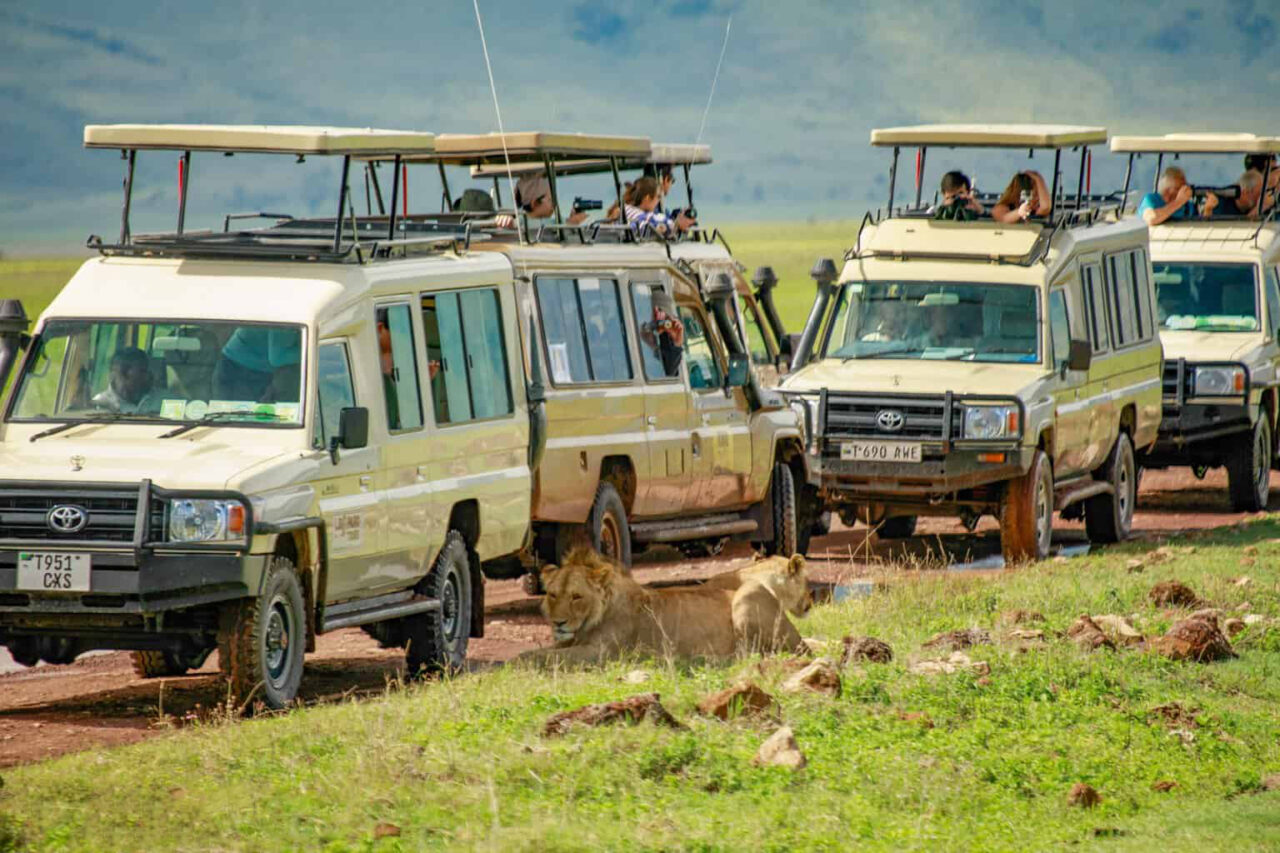

Sustainable Desert Travel Expeditions: Your Complete Planning Guide
Tanzania is renowned for its iconic wildlife safaris, majestic Mount Kilimanjaro, and the idyllic beaches of Zanzibar. However, beyond these well-trodden paths lie vast, captivating desert and semi-arid landscapes that offer unique adventure opportunities. Planning sustainable desert travel expeditions requires a thoughtful approach, ensuring your visit benefits local communities and preserves the fragile desert ecosystems. This guide provides everything you need to know to plan an responsible and rewarding desert adventure in Tanzania for 2026 and 2027.
Sustainable desert travel expeditions focus on minimizing environmental impact, respecting local cultures, and contributing positively to conservation efforts. This means choosing operators who prioritize these values, packing mindfully, and engaging with the destinations respectfully. Whether you envision exploring the arid beauty of Lake Natron, the rugged landscapes near Mount Kilimanjaro, or other remote desert regions, understanding the principles of responsible tourism is key.
Quick Facts About Tanzanian Desert Regions
| Feature | Details |
|---|---|
| Primary Desert/Semi-Arid Areas | Northern Tanzania (e.g., areas around Lake Natron, West Kilimanjaro, Maasai Steppe) |
| Key Attractions | Unique geological formations, rare bird species (e.g., flamingos at Lake Natron), Maasai culture, stark volcanic landscapes, remote trekking. |
| Best Time to Visit | Dry seasons: June to October, and January to February. Avoid the main rainy seasons (March-May, November-December). |
| Activities | Cultural visits, birdwatching, trekking, photography, geological exploration, 4×4 excursions. |
| Accommodation | Eco-lodges, community-run campsites, tented camps. |
| Travel Style Suitability | Adventure seekers, photographers, cultural enthusiasts, birdwatchers, those seeking off-the-beaten-path experiences. |
Why Choose Sustainable Desert Travel Expeditions?
The deserts and semi-arid regions of Tanzania are incredibly beautiful but also ecologically sensitive. They face challenges such as water scarcity, soil erosion, and habitat degradation. Sustainable desert travel expeditions are crucial for several reasons:
- Environmental Preservation: Minimizing waste, conserving water, respecting wildlife habitats, and using low-impact transportation methods are vital for protecting these delicate environments.
- Community Empowerment: Partnering with local communities, employing local guides, and supporting community-based tourism initiatives ensures that the economic benefits of your travel directly support the people who call these regions home.
- Cultural Respect: Engaging with local cultures, such as the Maasai people, with respect and understanding fosters positive interactions and preserves traditional ways of life.
- Authentic Experiences: Sustainable travel often leads to more genuine and immersive experiences, connecting you more deeply with the landscape and its inhabitants.
- Long-Term Viability: By traveling responsibly, you help ensure that these unique destinations remain pristine and accessible for future generations of travelers and for the local communities.
Understanding Tanzania’s Desert and Semi-Arid Regions
When we talk about deserts in Tanzania, it’s important to note that they are often semi-arid, characterized by dry grasslands, scrublands, and volcanic plains rather than vast sand dunes like the Sahara. These areas are dynamic and host a surprising amount of life, adapted to survive in challenging conditions.
Key Areas for Desert-Inspired Expeditions:
- Lake Natron Area: Famous for its alkaline waters that attract vast numbers of Lesser Flamingos, this is a starkly beautiful landscape. It’s also a critical breeding ground for these birds. The area is home to Ol Doinyo Lengai, the only active volcano in Tanzania, sacred to the Maasai.
- West Kilimanjaro: The semi-arid plains west of Mount Kilimanjaro offer dramatic views of the mountain and are traditional Maasai lands. This region is excellent for cultural interactions and experiencing a different side of Tanzania away from the main safari circuits.
- The Maasai Steppe: A vast area of savannah and semi-arid grassland stretching across northern Tanzania, this is the heartland of the Maasai people. It’s characterized by acacia woodlands, open plains, and dramatic kopjes.
- Rift Valley Escarpments: Parts of the Great Rift Valley in northern Tanzania present arid and rugged terrains, offering unique photographic opportunities and trekking possibilities.
These regions are often visited in conjunction with northern circuit safaris or as standalone cultural and adventure trips. They offer a stark contrast to the lush green highlands and dense forests found elsewhere in the country.
Best Time for Sustainable Desert Travel Expeditions
Timing is crucial for a comfortable and enjoyable desert expedition, especially considering the heat and potential for rain. The dry seasons are generally the most favorable.
| Period | Conditions | Suitability for Desert Expeditions |
|---|---|---|
| June – October (Dry Season) | Cooler temperatures, clear skies, minimal rainfall. Wildlife congregates around water sources. Very pleasant for trekking and exploration. | Excellent. This is prime time for comfortable travel, trekking, and wildlife viewing in semi-arid areas. Flamingos are often present at Lake Natron. |
| November – December (Short Rains) | Intermittent showers, temperatures begin to rise. Landscapes start to green up. | Fair. Can be unpredictable. Showers might disrupt travel plans, but landscapes become more vibrant. Fewer tourists. |
| January – February (Dry Spell) | Hotter temperatures, dry conditions. Often a brief respite between the main rains. | Good. Can be very hot, but still suitable for expeditions, especially if focused on cultural visits or areas with less intense heat. Good for birdwatching. |
| March – May (Long Rains) | Heavy and prolonged rainfall, can make roads impassable. Cooler temperatures but high humidity. Landscapes are lush. | Poor. Generally not recommended for desert expeditions due to difficult travel conditions and potential for washed-out routes. |
For 2026 and 2027, planning your trip during the June to October window or the brief dry spell in January-February will offer the best conditions. Always check local weather patterns closer to your travel date.
Sample Itinerary: 7-Day Sustainable Desert & Cultural Expedition (Lake Natron & West Kilimanjaro)
This sample itinerary balances natural wonders, cultural immersion, and sustainable practices. It’s designed for travelers seeking an off-the-beaten-path experience that respects the environment and local communities.
Day 1: Arrival in Arusha & Preparation
- Arrive at Kilimanjaro International Airport (JRO).
- Transfer to your eco-lodge or sustainable accommodation in Arusha.
- Meet with your tour operator for a detailed briefing on your expedition, focusing on sustainable practices and cultural etiquette.
- Final gear check and packing.
- Accommodation: Eco-lodge in Arusha.
Day 2: Arusha to Lake Natron
- After breakfast, depart by 4×4 vehicle towards Lake Natron. The journey takes you through Maasai lands and offers stunning views.
- Stop at viewpoints for photography and to appreciate the changing landscapes.
- Arrive at your eco-campsite or lodge near Lake Natron.
- Afternoon visit to the lake to observe the Lesser Flamingos (seasonal) and the unique soda crusts. Learn about the lake’s ecosystem.
- Accommodation: Tented camp or eco-lodge near Lake Natron.
Day 3: Exploring Lake Natron & Ol Doinyo Lengai
- Morning hike to the waterfalls near Ol Doinyo Lengai for a refreshing experience.
- Visit a Maasai boma (homestead) to learn about their traditional lifestyle, culture, and connection to the land. Ensure your visit is arranged through a responsible operator that ensures fair benefit to the community.
- Optional: Guided walk to explore the volcanic ash plains and learn about the geology of the area.
- Accommodation: Tented camp or eco-lodge near Lake Natron.
Day 4: Lake Natron to West Kilimanjaro
- After a final morning view of Lake Natron, drive towards the semi-arid plains of West Kilimanjaro.
- The landscape shifts, offering breathtaking views of Mount Kilimanjaro’s snow-capped peaks.
- Check into your accommodation, likely a lodge or camp focused on conservation and community engagement.
- Afternoon guided walk or game drive (if permitted and ecologically managed) focusing on the unique flora and fauna adapted to this dry environment.
- Accommodation: Eco-lodge or tented camp in West Kilimanjaro.
Day 5: Cultural Immersion & Kilimanjaro Views
- Spend the day engaging with the local Maasai community in West Kilimanjaro. Participate in activities like learning traditional crafts, understanding cattle herding practices, or joining a guided walk with Maasai warriors.
- Enjoy unparalleled views of Mount Kilimanjaro from a different perspective.
- Learn about local conservation initiatives and how tourism can support them.
- Accommodation: Eco-lodge or tented camp in West Kilimanjaro.
Day 6: West Kilimanjaro to Arusha
- Enjoy a final sunrise over Kilimanjaro.
- After breakfast, begin your drive back to Arusha.
- Optional: Visit a local craft market in Arusha to support local artisans, ensuring fair trade practices.
- Farewell dinner at a restaurant known for using local ingredients.
- Accommodation: Eco-lodge in Arusha.
Day 7: Departure
- Depending on your flight schedule, you might have time for some last-minute souvenir shopping or a visit to a local coffee plantation.
- Transfer to Kilimanjaro International Airport (JRO) for your departure.
Route Overview: Northern Tanzania Desert Regions
This is a conceptual map of the area covered in the sample itinerary. It highlights the key locations and the general flow of travel.
Arusha (Starting Point)
↓ (Approx. 4-5 hours drive, 4×4)
Lake Natron Area (Unique alkaline lake, flamingos, Ol Doinyo Lengai)
↓ (Approx. 3-4 hours drive, 4×4)
West Kilimanjaro (Maasai lands, Kilimanjaro views, semi-arid plains)
↓ (Approx. 3-4 hours drive, 4×4)
Arusha (Return for departure)
What to Expect on Sustainable Desert Travel Expeditions
Expect a journey that is both challenging and deeply rewarding. The landscapes are stark, vast, and often intensely beautiful. The heat can be significant, especially during certain times of the year, so proper preparation is key.
- Remote Locations: You will be visiting areas that are far from major towns. Infrastructure is basic, and amenities are limited. This remoteness is part of the appeal, offering a true escape.
- Cultural Encounters: Interactions with communities like the Maasai can be profound. Approach these with an open mind and a willingness to learn. Always ensure your interactions are facilitated by guides who have established respectful relationships with the communities.
- Wildlife: While not a traditional safari destination, desert regions host specialized wildlife. Look for unique bird species, reptiles, and mammals adapted to arid conditions. At Lake Natron, flamingos are a major draw during their season.
- Activities: Expect a mix of driving, guided walks, cultural visits, and photography. Trekking opportunities exist around volcanic areas or for specific viewpoints.
- Accommodation: Options range from basic but clean campsites to comfortable eco-lodges and tented camps. Sustainability is often a core principle, meaning facilities might be simpler but are designed to minimize environmental impact. Expect solar power, limited water usage, and waste management systems.
Inclusions and Packing Essentials for Desert Expeditions
To ensure your comfort and safety while minimizing your environmental footprint, careful planning of what to bring is essential. Your tour operator will provide a detailed list, but here are general guidelines.
Typical Inclusions with a Responsible Operator:
- 4×4 vehicle with a qualified driver/guide.
- Accommodation (eco-lodges, tented camps, campsites).
- Meals (usually full board during expeditions).
- Park fees and community levies (ensure these are clearly stated).
- Water during drives and activities.
- Cultural visit facilitation (arranged ethically).
- Briefings on sustainable practices.
What to Pack: Sustainable Desert Travel Essentials
- Clothing:
- Lightweight, breathable long-sleeved shirts and trousers (to protect from sun and insects). Neutral colors are best for wildlife viewing and cultural sensitivity.
- Warm fleece or jacket for cooler evenings and early mornings.
- Comfortable walking shoes or hiking boots.
- Sandals or flip-flops for camp.
- Sun hat with a wide brim.
- Scarf or bandana for dust protection.
- Swimsuit (for lodges with pools or waterfalls).
- Gear:
- High-SPF sunscreen.
- Insect repellent (eco-friendly options preferred).
- Sunglasses.
- Reusable water bottle (essential for reducing plastic waste).
- Headlamp or flashlight with extra batteries.
- Camera and extra memory cards/batteries.
- Binoculars for wildlife and landscape viewing.
- Small backpack for day trips.
- Personal Items:
- Basic first-aid kit with personal medications.
- Hand sanitizer.
- Biodegradable toiletries.
- Any necessary personal medications.
- A good book or journal.
- Documents:
- Passport, visa, and copies.
- Travel insurance details.
- Vaccination certificates (if required).
Tip for Sustainability: Pack reusable items wherever possible. Avoid single-use plastics. Consider reef-safe sunscreen if you plan to visit Zanzibar before or after your desert expedition.
Common Mistakes to Avoid in Desert Travel Planning
To ensure your sustainable desert travel expeditions are successful, be aware of common pitfalls:
- Underestimating the Climate: Desert and semi-arid regions can be intensely hot. Not packing adequate sun protection or hydration supplies can lead to discomfort or heatstroke.
- Ignoring Local Culture: Approaching cultural encounters without respect or understanding can lead to misunderstandings or offense. Always follow your guide’s advice on etiquette.
- Choosing Non-Sustainable Operators: Opting for the cheapest option without vetting their environmental and community practices can inadvertently harm the places you visit.
- Over-reliance on Technology: Mobile phone signal and Wi-Fi are often non-existent in remote desert areas. Be prepared to disconnect and enjoy the experience.
- Not Staying Hydrated: Dehydration is a serious risk in hot, dry climates. Drink more water than you think you need.
- Expecting Traditional Safari Wildlife: While you will see wildlife, the species and density differ from savannah parks. Manage expectations and appreciate the unique adaptations of desert creatures.
- Leaving Waste Behind: This is a cardinal sin in any environment, but particularly damaging in fragile desert ecosystems. Pack it in, pack it out.
Who Are Sustainable Desert Travel Expeditions Best For?
These expeditions are ideal for a specific type of traveler who values authenticity, adventure, and responsible tourism:
- Adventure Seekers: Those who enjoy exploring remote, less-visited areas and are comfortable with basic facilities.
- Cultural Enthusiasts: Travelers keen to learn about and respectfully engage with indigenous communities like the Maasai, understanding their unique relationship with the land.
- Photographers: The stark landscapes, dramatic light, and unique cultural subjects offer incredible photographic opportunities.
- Birdwatchers: Areas like Lake Natron are vital habitats for numerous bird species, including the spectacular flocks of flamingos.
- Eco-Conscious Travelers: Individuals who prioritize minimizing their environmental impact and supporting ethical tourism practices.
- Those Seeking Solitude: If you want to escape crowds and experience the profound silence and vastness of remote landscapes, desert expeditions are perfect.
These trips are generally not suited for travelers seeking luxury amenities, constant connectivity, or predictable comforts. They require a degree of flexibility and a willingness to embrace the rugged beauty of the natural world.
Alternatives to Traditional Desert Expeditions
If a full desert expedition feels too intense or doesn’t quite match your interests, Tanzania offers other ways to experience its arid beauty:
- Day Trips to Semi-Arid Areas: From Arusha, you can arrange day trips to areas like the Maasai Steppe or viewpoints overlooking the Rift Valley. These offer a taste of the landscape without overnight stays in remote areas.
- Combining with Northern Circuit Safaris: Many northern circuit safari routes pass through semi-arid regions. You can incorporate visits to Lake Natron or cultural stops in Maasai villages as part of a longer safari itinerary.
- Cultural Tourism Programs: Focus specifically on visiting Maasai communities in areas like West Kilimanjaro or the Maasai Steppe, staying in community-run lodges or campsites that offer a more localized experience.
- Hiking Near Volcanic Areas: While not strictly desert, hiking around the foothills of Mount Meru or engaging in shorter treks in semi-arid zones can offer similar landscapes and a sense of remoteness.
Planning Your Sustainable Desert Travel Expeditions for 2026-2027
Planning ahead is crucial, especially for responsible and unique travel experiences. For 2026 and 2027, consider these planning steps:
| Timeline | Action | Notes for 2026-2027 |
|---|---|---|
| 12+ Months Prior | Research destinations and tour operators. Define your interests (culture, nature, adventure). | Look for operators with clear sustainability policies and community partnerships. Consider peak season for 2027. |
| 9-12 Months Prior | Book your preferred operator and dates. Confirm inclusions and itinerary details. | Secure your spot, especially for popular eco-lodges or specific cultural experiences. Discuss your sustainability expectations. |
| 6-9 Months Prior | Start visa applications and check vaccination requirements. Begin a fitness regime if trekking is involved. | Consult your doctor about necessary vaccinations for Tanzania. For 2026, ensure all travel documents are in order. |
| 3-6 Months Prior | Purchase travel insurance. Start gathering necessary gear and clothing. | Ensure insurance covers remote travel and potential medical evacuation. Research eco-friendly gear options. |
| 1-3 Months Prior | Finalize packing list. Confirm flight details. Learn basic Swahili phrases. | Reconfirm arrangements with your tour operator. Pack reusable items. |
| Weeks Before | Exchange currency. Pack essentials. Share itinerary with family/friends. | Ensure you have enough local currency for tips or personal purchases. Double-check your packing list. |
Booking early for 2026 and 2027 allows you to secure the best sustainable options and potentially better rates. It also gives you ample time to prepare mentally and physically for a unique adventure.
Booking Your Sustainable Desert Travel Expeditions
Choosing the right tour operator is paramount for a successful and responsible desert expedition. Look for companies that demonstrate a genuine commitment to sustainability and community engagement.
What to Look for in an Operator:
- Clear Sustainability Policy: Do they have written policies on waste management, water conservation, energy use, and wildlife protection?
- Community Partnerships: Do they work directly with local communities, ensuring fair wages and benefits? Are cultural visits arranged respectfully?
- Local Employment: Do they employ local guides, drivers, and support staff, providing fair compensation and training?
- Transparency: Are their pricing, inclusions, and operational practices clear and transparent?
- Reputation and Reviews: Look for independent reviews that mention their commitment to responsible tourism.
- Customization: Can they tailor an itinerary to your specific interests and ensure it aligns with sustainable principles?
Top Guide Adventures specializes in crafting authentic and responsible travel experiences in Tanzania. We work closely with local communities and prioritize eco-friendly practices in all our expeditions, including those to desert and semi-arid regions. We understand the delicate balance required for sustainable desert travel expeditions and are committed to ensuring your adventure benefits both you and the destination.
Ready to plan your sustainable desert travel expeditions?
Contact us today to discuss your dream itinerary. We can help you design a trip that is unforgettable, ethical, and tailored to your preferences.
WhatsApp: +255616946642
Email: topguideadventures@gmail.com
Backup Email: info@topguideadventures.com
Frequently Asked Questions (FAQs)
1. Are desert safaris in Tanzania safe?
Yes, desert travel in Tanzania can be very safe when organized through reputable tour operators. Safety measures include experienced guides, reliable vehicles, communication equipment, and pre-planned routes. It’s crucial to follow your guide’s instructions, stay hydrated, and be aware of your surroundings.
2. What is the difference between a desert and a semi-arid region in Tanzania?
Tanzania doesn’t have vast sandy deserts like the Sahara. Its arid regions are typically semi-arid, characterized by grasslands, scrublands, and volcanic plains that receive low rainfall. They are distinct from the more typical savannahs of places like the Serengeti but are still considered dry environments.
3. How can I ensure my desert expedition is truly sustainable?
Choose a tour operator with a strong commitment to sustainability, such as Top Guide Adventures. Pack reusable items, minimize waste, conserve water, respect local customs, and ensure your money benefits local communities through ethical partnerships.
4. What kind of wildlife can I expect to see in Tanzania’s desert regions?
While not as abundant as in classic safari parks, you can see specialized wildlife adapted to arid conditions. This includes various bird species (especially flamingos at Lake Natron), reptiles, and mammals like gazelles, dik-diks, and sometimes predators that roam these areas. The focus is often on unique adaptations and specific species.
5. Is it possible to trek in these desert areas?
Yes, trekking is possible, particularly around areas like Ol Doinyo Lengai or for guided walks in the Maasai Steppe. These are usually guided walks, not multi-day treks in the traditional sense, and are designed to minimize impact. Always go with a local guide.
6. What are the typical costs for sustainable desert travel expeditions in 2026-2027?
Costs vary significantly based on the duration, level of accommodation, and specific activities. Sustainable and responsible travel often involves higher costs due to fair wages, community contributions, and eco-friendly practices. Expect prices to be comparable to mid-range to luxury safaris, especially when factoring in private 4×4 transport and expert guiding. Booking for 2026 or 2027 will depend on market rates at the time.
7. How much water should I drink daily in the desert?
In hot, dry climates, it’s recommended to drink at least 3-4 liters of water per day, and potentially more if you are active or the temperature is very high. Your tour operator will ensure you have access to safe drinking water.
8. Can I visit Lake Natron during the flamingo season?
The Lesser Flamingos are most reliably seen at Lake Natron during the dry season, roughly from September to March, though numbers can fluctuate. It’s best to check with your tour operator closer to your travel dates in 2026 or 2027 for the most current information on flamingo presence.
9. What if I need medical assistance in a remote area?
Comprehensive travel insurance that includes medical evacuation is essential. Reputable tour operators have communication systems and established protocols for handling medical emergencies, including arranging transport to the nearest medical facilities.
10. How can I minimize my plastic footprint on my desert expedition?
Bring a reusable water bottle and a water filter or purification tablets. Refuse single-use plastics offered by vendors. Pack toiletries in reusable containers. Choose operators who actively manage waste responsibly.
Book Your Responsible Desert Adventure Today
Sustainable desert travel expeditions offer a unique way to connect with Tanzania’s raw beauty and rich culture. By choosing to travel responsibly, you contribute to the preservation of these fragile environments and the well-being of local communities. Let Top Guide Adventures be your partner in creating an ethical and unforgettable journey.
We are passionate about responsible tourism and dedicated to providing authentic experiences that leave a positive impact. Whether you’re drawn to the stark beauty of Lake Natron or the cultural heartlands of the Maasai, we can craft the perfect itinerary for your 2026-2027 adventure.
Contact us to start planning your sustainable desert travel expeditions:
WhatsApp: +255616946642
Email: topguideadventures@gmail.com
Backup Email: info@topguideadventures.com
Plan your Sustainable Desert Travel Expeditions with Top Guide Adventures
Tell us your travel dates, group size, comfort level, and dream experience. We will help you shape a clear, realistic, and memorable Tanzania itinerary.

 Veedesigner
 Fatma Kizanga
 Benjamin Waryuba
 Philip Philip
 John jr Itaja
 Antonia Optatus
 Edith Kanyere
 Neema Iddy
 Kelvin Boniphace
 Damari Maiga



