
Updated planning guide for 2026, 2027
Serengeti Vs Masai Mara: Which Safari Is Better?: Best Guide
Deciding between the Serengeti and Masai Mara for your safari? This comprehensive guide breaks down the differences to help you choose the perfect African wildlife experience.
WhatsApp +255616946642 | topguideadventures@gmail.com | info@topguideadventures.com
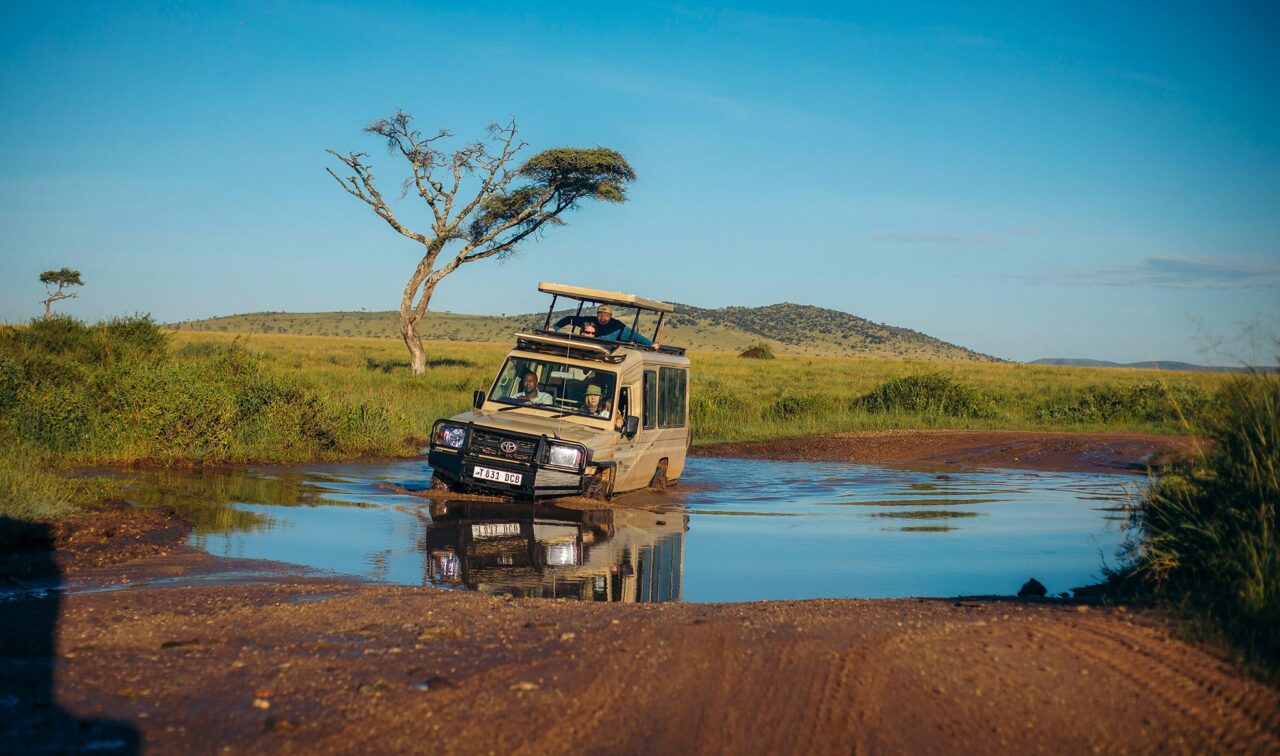
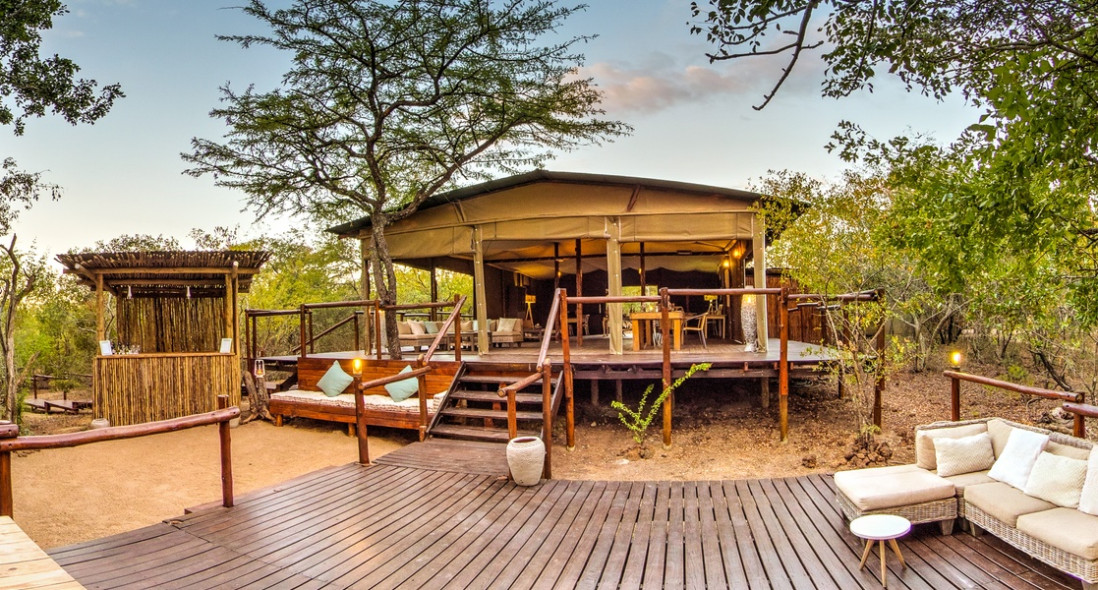
Serengeti vs Masai Mara: Which Safari Is Better?
The age-old question for safari enthusiasts: Serengeti or Masai Mara? Both are legendary wildlife destinations, offering unparalleled opportunities to witness the African wilderness. However, they are distinct ecosystems with unique characteristics that cater to different traveler preferences. If you’re planning an African safari, understanding the nuances between these two iconic parks is crucial for making the right choice. This guide will help you compare Serengeti vs Masai Mara, covering everything from wildlife viewing and landscapes to costs, accessibility, and the best times to visit, ensuring your 2026 or 2027 adventure is unforgettable.
Table of Contents
- Quick Facts: Serengeti vs. Masai Mara
- Park Overviews: The Giants of East Africa
- Why This Comparison Matters for Your Safari
- Wildlife Viewing: What to Expect
- The Great Migration: A Tale of Two Parks
- Landscapes and Scenery
- Best Time to Visit: Seasonality and Your Interests
- Getting There and Around
- Accommodation Options: From Budget to Luxury
- Safari Experience Styles
- Cost Considerations
- Serengeti vs Masai Mara: Who Is It Best For?
- Common Mistakes to Avoid When Choosing
- Alternatives to Consider
- Planning Your 2026-2027 Safari: Key Steps
- Booking Advice: Making the Final Decision
- Frequently Asked Questions
Quick Facts: Serengeti vs. Masai Mara
| Feature | Serengeti National Park (Tanzania) | Masai Mara National Reserve (Kenya) |
|---|---|---|
| Location | Northern Tanzania | Southwestern Kenya |
| Size | Approx. 14,750 sq km (5,700 sq mi) | Approx. 1,510 sq km (580 sq mi) |
| Key Wildlife | The “Big Five”, vast wildebeest/zebra herds, cheetahs, leopards, lions, hyenas, diverse birdlife. | The “Big Five”, large lion prides, cheetahs, leopards, hippos, crocodiles, abundant birdlife. |
| Great Migration | Central to the migration’s movement, especially calving and moving north. | Major river crossings during migration season (July-October). |
| Landscape | Vast open plains, acacia woodlands, kopjes (rocky outcrops), Grumeti and Mara Rivers. | Rolling grasslands, acacia-dotted savannas, Mara River. |
| Accessibility | Flights to Seronera, Kilimanjaro (JRO) then drive/fly, Arusha (ARK). | Flights to Keekorok, Musiara, or Ol Kiombo airstrips; Nairobi (NBO) then drive/fly. |
| Accommodation | Wide range: luxury tented camps, lodges, budget campsites. | Extensive range: luxury tented camps, lodges, budget campsites, conservancies offer exclusive options. |
| Conservancies | Private conservancies exist bordering the park, offering exclusive experiences. | Numerous private conservancies surrounding the reserve offer controlled visitor numbers and off-road driving. |
| Best Time (General) | June-October (dry season, migration often in north), Jan-Feb (calving season). | June-October (dry season, migration river crossings), Dec-March (calving season, resident wildlife). |
| Traveler Style | Ideal for those seeking vastness, the migration spectacle, and diverse habitats. | Ideal for those prioritizing predator sightings, iconic river crossings, and varied safari experiences. |
Park Overviews: The Giants of East Africa
The Serengeti and Masai Mara are not just neighboring parks; they are essentially two parts of the same ecosystem. The Serengeti National Park in Tanzania stretches over 14,750 square kilometers, a vast expanse of rolling grasslands, acacia woodlands, and rocky kopjes. Its sheer size contributes to its dramatic landscapes and the feeling of true wilderness. To the north, across the Mara River, lies Kenya’s Masai Mara National Reserve, a smaller but equally renowned park of about 1,510 square kilometers. While the reserve itself is compact, it’s surrounded by a collection of private conservancies that significantly expand the area available for safaris, offering more exclusive and diverse experiences.
The Serengeti is famous for its endless plains (Serengeti translates to ‘endless plains’ in the Maasai language) and is the stage for the Great Migration, an awe-inspiring annual movement of over 1.5 million wildebeest and zebras. Masai Mara, on the other hand, is globally recognized for its high density of predators, particularly lions and cheetahs, and for the dramatic river crossings of the Great Migration during specific months.
Why This Comparison Matters for Your Safari
Choosing between Serengeti vs Masai Mara is a pivotal decision for any safari planner. Your choice will significantly impact the wildlife you see, the landscapes you experience, the activities available, and ultimately, the overall cost and logistics of your trip. Both parks offer incredible wildlife viewing, but the specific timing of your visit, your priorities for animal sightings, and your desired safari style (e.g., photographic, family, luxury, budget) will steer you towards one over the other. Understanding these differences is key to crafting a safari that meets your expectations and provides a truly memorable adventure for 2026 or 2027.
Wildlife Viewing: What to Expect
Both parks boast incredible biodiversity and are home to the “Big Five” (lion, leopard, elephant, rhino, buffalo). However, there are subtle differences in what you might encounter and the ease of viewing.
Serengeti Wildlife Highlights:
- Vast Herds: The sheer scale of the wildebeest and zebra herds during the migration is breathtaking. Even outside migration season, resident populations are substantial.
- Predator-Prey Dynamics: The open plains are ideal for spotting cheetahs on the hunt and lions lounging in the shade of acacia trees or kopjes.
- Leopards: While elusive, leopards are present, particularly in areas with trees and rocky outcrops like the Seronera Valley.
- Rhinos: Black rhinos are present but are rare and shy, making sightings a special event.
- Diverse Habitats: Different regions of the Serengeti offer varied scenery and thus different wildlife concentrations. The central Seronera area is known for resident predators, while the northern corridor teems with migration herds at certain times.
Masai Mara Wildlife Highlights:
- High Predator Density: The Mara is renowned for its large lion prides and high numbers of cheetahs. Leopard sightings are also generally more frequent here than in many parts of the Serengeti.
- Riverine Wildlife: The Mara River is home to substantial populations of hippos and crocodiles, especially visible during the migration season when they gather to prey on crossing wildebeest.
- Abundant Plains Game: Expect to see large herds of zebras, wildebeest, gazelles, and other antelopes, even outside the peak migration months.
- Elephants: Large elephant herds are common, particularly in the southern and western parts of the reserve and surrounding conservancies.
- Rhinos: Like the Serengeti, black rhinos are present but can be difficult to spot. Conservation efforts are ongoing.
The Great Migration: A Tale of Two Parks
The Great Migration is the undisputed star of East African safaris, and both the Serengeti and Masai Mara are integral parts of its cycle. Understanding its movement is key to planning your trip.
Serengeti’s Role: The Serengeti is where the migration spends most of its year. From roughly December to March, the southern Serengeti plains are the calving grounds, where hundreds of thousands of wildebeest calves are born. As the grass is depleted, the herds begin their journey north, typically moving through the central and western Serengeti from April to June. The Grumeti River in the western corridor can offer dramatic crocodile predation, though it’s less predictable than the Mara River crossings. From July onwards, the herds start moving towards the northern Serengeti, aiming to cross the Mara River into Kenya.
Masai Mara’s Role: The Mara’s most famous spectacle is the river crossing. From approximately July to October, large numbers of wildebeest and zebras attempt to cross the Mara River, facing hungry crocodiles and opportunistic predators on the banks. These crossings are dramatic, unpredictable, and a photographer’s dream. While the migration herds are in the Mara, the park experiences incredibly high concentrations of wildlife. However, it’s important to note that the migration doesn’t stay in the Mara year-round; it’s a seasonal phenomenon.
Choosing for the Migration:
- For calving season and vast herds on the plains (Dec-Mar): Southern Serengeti.
- For river crossings and intense predator action (July-Oct): Masai Mara.
- For general migration movement and diverse habitats (Apr-June, Nov): Western/Central Serengeti.
Landscapes and Scenery
The visual appeal of a safari destination is a significant part of the experience. Both Serengeti and Masai Mara offer classic African savanna scenery, but with distinct characteristics.
Serengeti Landscapes:
- Endless Plains: The name says it all. Vast, open grasslands stretch to the horizon, creating a sense of immense space and isolation.
- Acacia Woodlands: Patches of acacia trees dot the landscape, providing shade for wildlife and picturesque backdrops.
- Kopjes: These granite outcrops, like those in the Seronera region, are vital habitats for lions, leopards, and hyraxes, and offer stunning panoramic views.
- Riverine Forests: Areas along the Grumeti and Mara Rivers are lush with vegetation, contrasting with the drier plains.
- Variety: The sheer size of the Serengeti means you encounter a greater variety of micro-habitats, from the short-grass plains of the south to the woodlands of the west and north.
Masai Mara Landscapes:
- Rolling Grasslands: The Mara features more undulating, rolling grasslands compared to the flatter plains of the Serengeti.
- Acacia Trees: Iconic flat-topped acacia trees are scattered throughout, creating classic safari vistas.
- Mara River: The river is a central feature, with its riparian vegetation supporting a different array of wildlife and providing dramatic scenes during migration crossings.
- More Compact: The reserve itself is smaller, meaning landscapes can feel more concentrated. However, the surrounding conservancies add variety.
In essence, the Serengeti offers a grander, more expansive and varied canvas, while the Mara presents a more classic, concentrated savanna beauty, with the dramatic Mara River as a focal point.
Best Time to Visit: Seasonality and Your Interests
The “best” time to visit Serengeti vs Masai Mara depends heavily on what you want to see and experience. Both parks have dry and wet seasons, but the timing of the Great Migration is the most significant factor for many travelers.
Serengeti:
- June to October (Dry Season): This is prime time for game viewing. The weather is pleasant, and animals congregate around water sources. The migration typically moves through the central and western Serengeti and then heads north towards the Mara River. This is a popular time, so expect higher prices and more vehicles.
- November (Short Rains): A transition month. The migration may be moving south. Game viewing is still good, and there are fewer crowds.
- December to March (Long Rains/Calving Season): The southern Serengeti plains are lush and green, attracting huge herds for calving. This is a fantastic time for witnessing predator-prey action and seeing young animals. However, roads can be muddy, and some camps might close.
- April to May (Long Rains): Heavy rains, especially in April. The landscape is incredibly green, and wildlife is dispersed. This is the low season, offering the lowest prices and very few tourists, but game viewing can be more challenging due to thick vegetation and scattered animals.
Masai Mara:
- June to October (Dry Season): This is the peak season for the Mara, coinciding with the Great Migration river crossings. The weather is dry and sunny, making game viewing excellent. Expect large concentrations of animals and significant visitor numbers, especially around the river.
- November (Short Rains): A shoulder season. The migration may have largely moved on, but resident wildlife viewing remains excellent. Fewer crowds and potentially lower prices.
- December to March (Calving Season/Dry Season): The Mara experiences its own calving season, with abundant resident wildlife. The weather is generally pleasant and dry, offering good game viewing opportunities, especially for predators. This period can be very popular.
- April to May (Long Rains): Similar to the Serengeti, this is the low season with heavy rains. The landscape is beautiful and green, but game viewing can be more challenging, and roads can become impassable. Prices are at their lowest.
Key Timing Considerations for 2026/2027:
- If seeing the wildebeest river crossings is your top priority, aim for July to October and focus on the Masai Mara.
- If you want to witness the wildebeest calving and newborn animals, target December to March in the southern Serengeti.
- For a balance of good game viewing and fewer crowds, consider the shoulder months of November or the transition periods in the Serengeti.
Getting There and Around
Accessibility and internal travel logistics differ between the two parks.
Serengeti:
- International Arrival: Most international travelers arrive at Kilimanjaro International Airport (JRO) in Tanzania. From there, you can take a domestic flight to one of the Serengeti’s airstrips (e.g., Seronera, Grumeti, Kogatende) or drive to Arusha (approx. 4-5 hours) and then take a domestic flight or start a road safari.
- Internal Travel: Within the Serengeti, game drives are conducted in 4×4 safari vehicles. Roads can be rough, especially during the wet season. Flying between different regions of the Serengeti is also an option to save time and cover vast distances.
- Border Crossing: If you plan to combine Serengeti with other Tanzanian parks (like Ngorongoro Crater or Tarangire), the road network is designed for this.
Masai Mara:
- International Arrival: Most international travelers arrive at Jomo Kenyatta International Airport (NBO) in Nairobi, Kenya. From Nairobi, you can drive to the Masai Mara (approx. 5-6 hours, depending on traffic and gate) or take a short domestic flight to one of the Mara’s airstrips (e.g., Keekorok, Musiara, Ol Kiombo). Flying is highly recommended to maximize your time in the park and avoid a long, bumpy road journey.
- Internal Travel: Game drives are in 4×4 safari vehicles. The reserve and surrounding conservancies have a network of tracks. Many camps are located near airstrips, making transfers efficient.
- Border Crossing: While geographically close to the Serengeti, crossing directly between the two parks by road is complex and time-consuming, often involving flights or extensive overland travel with border formalities. It’s usually easier to fly between the two or treat them as separate safari legs.
Logistics Note: For a Serengeti vs Masai Mara comparison, consider that flying into the Mara is generally more common and efficient than flying directly into the Serengeti from an international hub. For Serengeti, driving from Arusha or flying into Kilimanjaro are standard entry points.
Accommodation Options: From Budget to Luxury
Both destinations offer a wide spectrum of accommodation, catering to various budgets and preferences.
Serengeti Accommodation:
- Luxury Lodges and Tented Camps: High-end permanent lodges and luxurious tented camps offering excellent service, fine dining, and comfortable amenities.
- Mid-Range Tented Camps: Comfortable canvas tents with en-suite bathrooms, providing a classic safari feel without the extreme luxury price tag.
- Budget Campsites: Basic public campsites are available for self-drive or budget-conscious travelers.
- Mobile Camps: Some operators run mobile camps that follow the Great Migration, offering a more intimate and dynamic experience.
Masai Mara Accommodation:
- Luxury Lodges and Tented Camps: Abundant high-end options, often with stunning views and exceptional service.
- Mid-Range Tented Camps: A wide selection of comfortable and well-appointed camps.
- Budget Campsites: Public and private campsites are available.
- Conservancy Camps: Camps located in the surrounding conservancies often offer a more exclusive experience, with fewer vehicles and the possibility of night drives and walking safaris (where permitted). These can range from mid-range to ultra-luxury.
Key Difference: The Masai Mara, particularly its surrounding conservancies, often offers a higher concentration of exclusive, high-end tented camps that provide a more intimate safari experience with fewer vehicles. While the Serengeti has luxury options, the sheer size can mean more vehicles in popular areas like Seronera, unless you stay in a private conservancy bordering the park or venture to less-visited regions.
Safari Experience Styles
The type of safari you desire can also influence your choice between Serengeti vs Masai Mara.
- Photographic Safaris: Both parks are excellent. The Mara’s high predator density and dramatic river crossings are great for action shots. The Serengeti’s vast landscapes and migration herds offer epic scale. Many photographic camps and guides specialize in these areas.
- Family Safaris: Both can be family-friendly, but conservancies in the Mara might offer more tailored activities like bush walks (for older children) and a more controlled environment. Camps with family suites are available in both.
- Luxury Safaris: Both offer top-tier luxury. The Mara’s conservancies often provide a more exclusive, private luxury experience with fewer vehicles.
- Budget Safaris: Both parks have camping options, but self-drive is more common and easier in certain parts of the Serengeti. Budget-friendly package tours are available for both destinations.
- Walking Safaris: More restricted in the main national parks. However, some conservancies bordering the Serengeti and within the broader Masai Mara ecosystem (especially in conservancies like Loita Hills or Mara North) offer guided walking safaris, providing a different perspective.
- Night Drives: Strictly prohibited in national parks like Serengeti and Masai Mara. However, many surrounding conservancies allow night drives, offering a chance to see nocturnal animals.
Cost Considerations
Safari costs can vary significantly based on the park, time of year, accommodation level, and inclusions. Here’s a general comparison:
- Park Fees: Both parks have daily entry fees. These fees are subject to change and are often higher for international visitors.
- Accommodation: Luxury lodges and tented camps in both parks are expensive. Camps in private conservancies around the Mara or Serengeti can be particularly pricey due to the exclusivity they offer. Mid-range and budget options are available in both.
- Internal Flights: Flying into the Masai Mara from Nairobi is often a significant portion of the cost but saves time and enhances comfort. Similar flights are available into the Serengeti from Arusha or Kilimanjaro.
- Safari Packages: The overall cost of a Serengeti vs Masai Mara safari package will depend on the duration, the quality of accommodation, vehicle type, guide expertise, and activities included.
General Tendency: While both can be expensive, a safari focusing solely on the Masai Mara with internal flights might sometimes be perceived as slightly more expensive than a basic Serengeti road safari from Arusha, primarily due to the prevalence of fly-in safaris for the Mara. However, ultra-luxury options in either park will command top prices. For 2026 and 2027 travel, booking in advance is recommended to secure better rates and availability, especially for peak seasons.
Serengeti vs Masai Mara: Who Is It Best For?
To help you decide, here’s a breakdown of who each park might suit best:
Serengeti is ideal for:
- Travelers focused on the Great Migration: Especially for calving season (Dec-Mar) or witnessing the vast herds moving across the plains.
- Those seeking immense, open spaces: The sheer scale of the Serengeti offers a profound sense of wilderness.
- Visitors wanting diverse habitats: From southern plains to western riverine forests and northern kopjes.
- Travelers combining with other Tanzanian highlights: Like the Ngorongoro Crater, Tarangire National Park, or Mount Kilimanjaro.
- Photographers wanting grand landscapes: The sweeping vistas are unparalleled.
Masai Mara is ideal for:
- Travelers prioritizing predator sightings: Especially lions and cheetahs.
- Those who want to witness the Great Migration river crossings: (July-October).
- Visitors seeking a more intimate safari experience: Especially when staying in surrounding conservancies, which often have fewer vehicles and offer exclusive activities.
- Travelers who prefer fly-in safaris: The Mara is well-set up for short flights from Nairobi, maximizing time on the ground.
- Those interested in Maasai culture: While Maasai communities live in both regions, cultural visits are a common and integrated part of a Mara safari.
Common Mistakes to Avoid When Choosing
Making the wrong choice can lead to disappointment. Here are common pitfalls when comparing Serengeti vs Masai Mara:
- Ignoring the Migration Timing: Booking a trip to the Mara in March expecting river crossings, or to the Serengeti in August expecting calving season. Always check the migration’s predicted location for your travel dates.
- Assuming They Are Identical: While part of the same ecosystem, they offer different experiences. Don’t treat them as interchangeable without understanding the differences.
- Overlooking the Surrounding Conservancies: Especially in the Mara, staying outside the main reserve in a private conservancy can offer a vastly superior, less crowded experience. The same applies to areas bordering the Serengeti.
- Underestimating Travel Times: Long road transfers can eat into precious safari time. Factor in flight costs and benefits.
- Not Considering Your Interests: Focusing solely on the migration might mean missing out on other incredible wildlife or landscapes that a different park or region excels at.
- Booking Too Late: For peak seasons in 2026 and 2027, especially during migration times, popular lodges and camps book up 9-12 months in advance.
Alternatives to Consider
While Serengeti and Masai Mara are world-class, other East African destinations offer unique safari experiences:
- Ngorongoro Conservation Area (Tanzania): Adjacent to the Serengeti, the Ngorongoro Crater offers an incredible concentration of wildlife in a unique caldera setting. It’s often combined with a Serengeti safari.
- Tarangire National Park (Tanzania): Famous for its large elephant herds and baobab trees, especially in the dry season.
- Amboseli National Park (Kenya): Known for its large elephant herds against the iconic backdrop of Mount Kilimanjaro.
- Tsavo National Parks (Kenya): Vast and wild, known for its red-dust elephants and diverse landscapes.
- Kruger National Park (South Africa): A massive park with excellent infrastructure, high wildlife density, and a wide range of accommodation options, often more accessible and potentially more affordable for certain types of safaris.
- South Luangwa National Park (Zambia): Renowned as the home of the walking safari and excellent for leopard sightings.
Planning Your 2026-2027 Safari: Key Steps
Planning a Serengeti vs Masai Mara safari requires careful consideration. Here’s a step-by-step approach:
1. Define Your Priorities:
What is most important for your safari? The Great Migration? Predator sightings? Landscapes? Photography? Cultural experiences? Budget? This will guide your choice between Serengeti vs Masai Mara.
2. Determine Your Travel Dates:
Research the best time to visit your chosen park(s) based on your priorities and the migration patterns for 2026 and 2027. Remember that migration is a natural phenomenon and predictions are not guarantees.
3. Decide on Your Travel Style and Budget:
Are you looking for luxury, mid-range, or budget accommodation? Do you prefer a road safari or fly-in? This will significantly impact costs.
4. Choose Your Parks/Regions:
Based on priorities and dates, decide whether Serengeti, Masai Mara, or perhaps a combination of both (with flights between them) is best. Consider specific areas within these parks (e.g., central Serengeti, northern Serengeti, Mara conservancies).
5. Select Your Accommodation:
Research lodges and camps that fit your style and budget. Look at reviews and locations carefully. For exclusive experiences, consider private conservancies.
6. Plan Your Itinerary:
Work with a tour operator to build a logical itinerary. For example, a 7-day safari might include 3 days in the Serengeti and 3 days in the Mara, with travel days in between. Or focus on one park for a deeper immersion.
7. Book Flights:
Book international flights to Nairobi (NBO) or Kilimanjaro (JRO) and any necessary domestic flights well in advance, especially for 2026 and 2027 travel during peak seasons.
8. Prepare for Your Trip:
This includes visa applications, vaccinations, travel insurance, packing appropriately, and understanding safari etiquette.
Booking Advice: Making the Final Decision
Choosing between Serengeti vs Masai Mara is a significant decision. Here’s how to approach booking:
- Consult with Experts: Work with a reputable tour operator specializing in East African safaris. They can provide invaluable insights based on your specific needs and the latest conditions in the parks. We at Top Guide Adventures are here to help you navigate these choices for your 2026 or 2027 safari.
- Be Specific About Your Interests: Clearly communicate your must-sees (e.g., river crossings, specific animals, photography opportunities) to your operator.
- Understand Inclusions/Exclusions: Ensure your safari package clearly outlines what is included (accommodation, meals, park fees, game drives, transfers, drinks) and what is not (tips, personal expenses, international flights).
- Consider Conservancies: For a less crowded and often more exclusive experience, inquire about staying in private conservancies bordering the Serengeti or within the Masai Mara ecosystem. These often have higher fees but offer benefits like off-road driving, night drives, and walking safaris.
- Book Early for 2026/2027: Popular lodges, camps, and migration-focused itineraries, especially for peak seasons (July-October and December-March), fill up quickly. Aim to book at least 9-12 months in advance.
- Flexibility with Dates: If possible, consider traveling during the shoulder seasons (e.g., November, April-May) for potentially lower prices and fewer crowds, though wildlife viewing might be different.
- Travel Insurance: Essential for any safari. Ensure it covers medical emergencies, trip cancellations, and lost luggage.
Ultimately, the choice between Serengeti vs Masai Mara is less about which is definitively “better” and more about which is better for *you*. Both offer extraordinary wildlife encounters and stunning African landscapes. A well-planned trip to either will undoubtedly be a highlight of your travels.
Frequently Asked Questions
Q1: Which park is better for seeing the Big Five?
Both the Serengeti and Masai Mara offer excellent chances of seeing the Big Five. The Masai Mara is often cited as having a higher density of predators, particularly lions and cheetahs, making sightings frequent. The Serengeti, with its vastness, also hosts abundant wildlife, and with a bit of luck and good guiding, the Big Five are very likely sightings.
Q2: Is it possible to visit both Serengeti and Masai Mara on the same safari?
Yes, it is possible and a popular choice. However, it usually involves flying between the two parks to save time, as the overland border crossing can be lengthy and complex. This will increase the overall cost of your safari.
Q3: Which is better for photography?
Both are exceptional for photography. The Masai Mara offers dramatic river crossings and intense predator action, ideal for action shots. The Serengeti’s vast plains, immense herds, and diverse landscapes provide opportunities for epic, wide-angle photography and intimate wildlife portraits. The choice may depend on the specific photographic style you prefer.
Q4: Which park is more crowded?
During peak seasons, particularly July to October when the migration is in the Masai Mara, the Mara can feel more crowded, especially around popular crossing points. Certain areas of the Serengeti, like the Seronera Valley, also experience high visitor numbers year-round. Staying in private conservancies bordering either park is the best way to avoid crowds.
Q5: What’s the difference in landscape between Serengeti and Masai Mara?
The Serengeti is characterized by vast, endless plains, acacia woodlands, and rocky kopjes, offering a sense of immense space. The Masai Mara has more rolling grasslands, scattered acacia trees, and the prominent Mara River, creating a more classic savanna vista in a more concentrated area.
Q6: When is the best time to see the Great Migration river crossings?
The most dramatic wildebeest and zebra river crossings in the Mara River typically occur between July and October, when the herds are moving north through the Masai Mara. While crossings can happen outside these months, this period offers the highest probability.
Q7: Can I do a walking safari in Serengeti vs Masai Mara?
Walking safaris are generally not permitted in the core areas of national parks like Serengeti and Masai Mara due to safety regulations. However, some private conservancies bordering these parks (e.g., in the Serengeti ecosystem or surrounding the Masai Mara) do offer guided walking safaris, providing a different perspective on the bush.
Q8: Which is more expensive?
Costs can be comparable and depend heavily on accommodation level, time of year, and whether you fly or drive. Luxury camps, especially those in private conservancies, will be the most expensive in either location. Fly-in safaris to the Masai Mara from Nairobi can add significantly to the cost, as can flights within the Serengeti.
Q9: Are there rhinos in both parks?
Yes, both the Serengeti and Masai Mara are home to critically endangered black rhinos. However, they are elusive and shy, making sightings rare in both locations. Dedicated rhino viewing is usually better in specific sanctuaries or conservancies.
Q10: Which park is better for a first-time safari-goer in 2026?
Both are excellent for first-timers. The Masai Mara often offers a slightly higher chance of seeing predators easily and can feel more accessible with fly-in options from Nairobi. The Serengeti provides a grander, more epic scale and is ideal for experiencing the migration’s movement. Your tour operator can help tailor the best experience for your first safari.
Q11: How does the wildlife differ outside of the Great Migration?
Both parks have abundant resident wildlife year-round. The Serengeti’s central Seronera region is excellent for resident predators. The Mara is known for its high predator density overall. Outside migration season, you’ll still see the Big Five, elephants, giraffes, hippos, crocodiles, and numerous antelope species in both parks.
Q12: What are the best safari lodges in Serengeti vs Masai Mara?
The “best” lodges are subjective and depend on your budget and preferred style. In the Serengeti, consider lodges/camps in Seronera for resident wildlife, or northern/western areas during migration. In the Masai Mara, look at options within the main reserve or, for exclusivity, in conservancies like Mara North, Olare Motorogi, or Naboisho. Top Guide Adventures can recommend specific lodges based on your preferences.
Ready to Plan Your Dream Serengeti or Masai Mara Safari?
Deciding between the Serengeti and Masai Mara is a big step towards an incredible adventure. Whether you’re drawn to the vast plains of Tanzania or the predator-rich savannas of Kenya, we can help you craft the perfect itinerary for 2026 or 2027. Let our expert team at Top Guide Adventures guide you through every detail.
Contact us today to start planning your unforgettable East African safari:
- WhatsApp: +255616946642
- Email: topguideadventures@gmail.com
- Backup Email: info@topguideadventures.com
Let’s make your Serengeti vs Masai Mara safari a reality!
Plan your Serengeti vs Masai Mara: Which Safari Is Better? with Top Guide Adventures
Tell us your travel dates, group size, comfort level, and dream experience. We will help you shape a clear, realistic, and memorable Tanzania itinerary.







 Veedesigner
 Fatma Kizanga
 Benjamin Waryuba
 Philip Philip
 John jr Itaja
 Antonia Optatus
 Edith Kanyere
 Neema Iddy
 Kelvin Boniphace
 Damari Maiga



