
Updated planning guide for 2026, 2027
Where To Stay In Serengeti: Best Lodges And Camps: Safari Guide
Planning a Serengeti safari? This comprehensive guide explores the best places to stay, from luxury lodges to intimate camps, helping you choose the perfect accommodation for an unforgettable wildlife experience.
WhatsApp +255616946642 | topguideadventures@gmail.com | info@topguideadventures.com

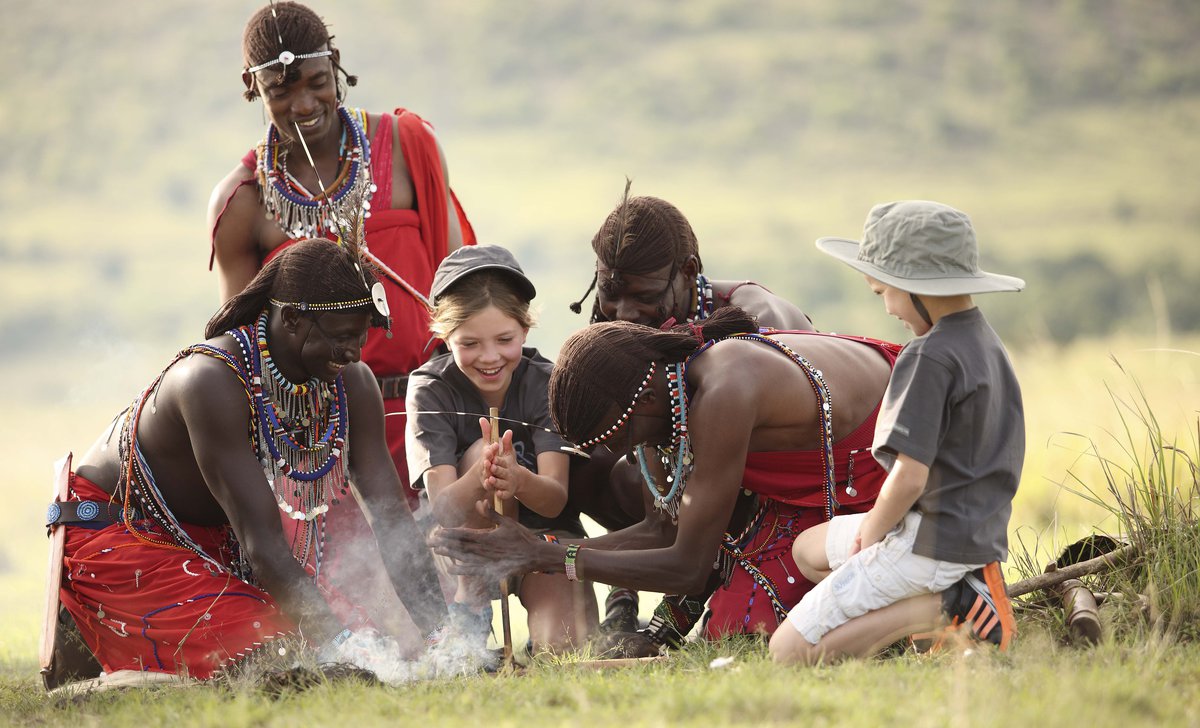
Where to Stay in Serengeti: Your Expert Guide
The Serengeti. The name itself conjures images of vast plains teeming with wildlife, the dramatic spectacle of the Great Migration, and the thrill of an African safari. For many, it’s a dream destination. But when planning your trip, one of the most crucial decisions is where to stay in Serengeti. Your choice of accommodation significantly shapes your entire safari experience, influencing proximity to wildlife, the quality of guiding, and the overall atmosphere.
This guide is designed to help you navigate the diverse array of lodges and camps available. We’ll cover everything from understanding the different regions of the park to selecting the right type of accommodation for your travel style and budget. Whether you’re seeking unparalleled luxury, a rustic adventure, or a family-friendly base, you’ll find the information you need to make an informed decision for your 2026 or 2027 safari.
Quick Facts: Serengeti Accommodation
| Aspect | Details |
|---|---|
| Accommodation Types | Luxury Lodges, Tented Camps (Permanent & Mobile), Budget Camps, Bush Homes. |
| Key Regions for Accommodation | Central (Seronera), Northern (Kogatende/Lamai), Western (Grumeti), Southern (Ndutu/Kusini), Eastern (Longido/Golini). |
| Best Time to Visit (Wildlife) | Year-round, but migration patterns dictate best viewing in specific areas. Peak dry season (June-Oct) for general game viewing. |
| Traveler Types | Couples, Families, Solo Travelers, Photographers, Birdwatchers, Luxury Seekers, Budget Adventurers. |
| Typical Safari Duration | 3-5 nights in Serengeti is common, often combined with other parks. |
Understanding Serengeti’s Regions: A Crucial First Step
Serengeti National Park is enormous, covering over 14,750 square kilometers. Wildlife density and behavior vary significantly depending on the area and the time of year. Where you choose to stay directly impacts what you’ll see and experience. Understanding these regions is paramount to answering where to stay in Serengeti effectively.
Central Serengeti (Seronera Area)
Why Stay Here: This is the most accessible and consistently game-rich area of the Serengeti. The Seronera River Valley boasts permanent water sources, attracting a high concentration of resident wildlife year-round. It’s a prime location for spotting big cats, including lions, leopards, and cheetahs, as well as large herds of wildebeest and zebras, especially outside of the main migration season.
Best For: First-time visitors, those with limited time, and travelers seeking reliable, year-round game viewing, particularly for big cats.
Accommodation Style: A wide range of options, from luxurious lodges with swimming pools and fine dining to more modest tented camps. Many are permanent structures, offering excellent amenities.
Migration Timing: Resident game is abundant year-round. Large herds may pass through during their migration cycle, but it’s not the primary focus here compared to the north or south.
Northern Serengeti (Kogatende & Lamai)
Why Stay Here: This region is famous for its dramatic river crossings of the Great Migration. From roughly June to October, massive herds of wildebeest and zebras traverse the Mara River. The landscape is more rugged and hilly, offering stunning vistas. It’s also home to a healthy population of resident predators.
Best For: Witnessing the iconic Mara River crossings, photographers, and travelers seeking a more remote and dramatic safari experience.
Accommodation Style: Primarily high-end tented camps, some permanent and some mobile, often positioned to maximize views and proximity to the river. Luxury is common here.
Migration Timing: The migration is typically in this area from June/July through October, with river crossings being the highlight.
Southern Serengeti (Ndutu & Kusini)
Why Stay Here: From December to March, the southern plains and the adjacent Ngorongoro Conservation Area (Ndutu region) become the heart of the Serengeti’s drama. This is where millions of wildebeest and zebras gather to give birth to their young. The short grass plains offer incredible photographic opportunities with vast herds against open horizons. Predators are highly active, taking advantage of the vulnerable newborns.
Best For: Witnessing the calving season, predator-prey interactions, photographers, and experiencing the sheer scale of the migration’s reproductive phase.
Accommodation Style: Mostly mobile tented camps that follow the migration, offering an intimate safari feel. Some permanent lodges are also available, particularly in the Kusini area.
Migration Timing: Calving season runs from late January to March, with the herds typically arriving in Ndutu from December and departing by April.
Western Serengeti (Grumeti River)
Why Stay Here: Known for the Grumeti River, this area offers spectacular crocodile sightings, especially during the migration period when wildebeest attempt to cross. It’s generally less crowded than the central or northern regions and provides excellent game viewing of resident wildlife, including large prides of lions and leopards.
Best For: Witnessing potential river crossings (though less dramatic than the Mara), excellent predator sightings, and a less crowded experience.
Accommodation Style: A mix of luxury lodges and tented camps, often situated along the Grumeti River.
Migration Timing: The migration passes through from May to July as it moves northwards.
Eastern Serengeti (Golini & Longido)
Why Stay Here: This less-visited region offers a more exclusive and wild experience. It’s known for its diverse birdlife and opportunities to see less common animals. It can be a good option for those seeking solitude and a deeper connection with the bush, away from the main tourist trails.
Best For: Birdwatchers, travelers seeking tranquility and off-the-beaten-path experiences, and those interested in diverse flora and fauna.
Accommodation Style: Typically fewer options, often high-end tented camps focused on exclusivity and wilderness immersion.
Migration Timing: The migration may pass through, but it’s not the primary draw. It offers good resident game viewing.
Types of Accommodation: Finding Your Perfect Fit
Once you’ve identified the region that best suits your interests, the next step in deciding where to stay in Serengeti is understanding the different types of accommodation available. Each offers a distinct experience.
Luxury Lodges
Description: These are typically permanent structures, often built with stone and thatch, featuring en-suite bathrooms, comfortable beds, spacious rooms, and often amenities like swimming pools, lounges, and fine dining restaurants. They offer a high level of comfort and service.
Pros: Maximum comfort, excellent amenities, reliable facilities, often stunning views, good for families or those who prefer traditional hotel comforts.
Cons: Can feel less ‘wild’ or immersive than tented camps, usually higher price point, fixed locations (so you don’t move with the migration).
Best For: Travelers seeking comfort, luxury, families with younger children, and those who appreciate hotel-like services on safari.
Tented Camps (Permanent)
Description: These camps feature large, sturdy canvas tents, often on raised platforms, with proper beds, en-suite bathrooms (usually with flush toilets and safari showers), and comfortable furnishings. They offer a blend of comfort and a closer connection to nature.
Pros: More immersive than lodges, good balance of comfort and bush experience, often in prime wildlife viewing locations.
Cons: Can be pricier than budget options, still fixed locations.
Best For: Those wanting a classic safari feel with modern comforts, couples, and travelers who appreciate the sounds of the bush at night.
Tented Camps (Mobile/Seasonal)
Description: These are the most authentic safari accommodations. Tents are often simpler but comfortable, with proper beds and en-suite bathrooms (sometimes with bucket showers). The key feature is their mobility; they are moved seasonally to be in the best wildlife viewing areas, often following the Great Migration.
Pros: Unparalleled location, often right in the heart of the action, highly immersive experience, can offer a more intimate and exclusive feel.
Cons: Can be more basic in terms of amenities, may have fewer facilities (e.g., no pool), locations change, requires careful planning to align with migration.
Best For: Adventurous travelers, photographers, those prioritizing wildlife viewing and an authentic experience, and people wanting to follow the Great Migration.
Bush Homes/Private Villas
Description: For ultimate exclusivity and privacy, private bush homes or villas offer a self-contained luxury experience, often with dedicated staff, chefs, and private game drives. These are usually found in private concessions or exclusive-use areas.
Pros: Ultimate privacy, flexibility with game drives, personalized service, ideal for groups or families.
Cons: Very high cost, usually requires a full buyout.
Best For: Large families, groups of friends, special occasions, and those seeking complete privacy and customization.
Factors to Consider When Choosing Your Serengeti Stay
Selecting the right accommodation involves balancing several factors. Here’s what to think about to make the best decision for your safari.
1. Wildlife Viewing Goals
Are you dreaming of witnessing the Great Migration river crossings? Or are you more interested in big cat sightings in the central Serengeti? Your primary wildlife interest will dictate which region and, therefore, which type of accommodation is best. Mobile camps are ideal for following the migration, while central Serengeti accommodations offer year-round predator action.
2. Time of Year
The Serengeti’s wildlife viewing changes dramatically throughout the year. The location of the Great Migration is the biggest driver. For example, if you plan your safari for July-October 2026, the Northern Serengeti is likely your best bet for migration action. For December-March 2027, the Southern Serengeti (Ndutu) is the place to be for the calving season. Outside of migration peaks, the Central Serengeti offers consistent game viewing.
3. Budget
Serengeti accommodation ranges from relatively basic (though still comfortable) tented camps to ultra-luxury lodges. Generally, mobile camps and lodges in exclusive areas tend to be more expensive due to their prime locations, exclusivity, and operational costs. Luxury lodges with extensive facilities also command higher prices. Be realistic about your budget when exploring your options.
4. Travel Style and Comfort Level
Do you crave the feeling of being truly in the wild, with canvas walls separating you from the night sounds? Or do you prefer the solid walls, air conditioning, and fine dining of a luxury lodge? Consider your tolerance for rustic elements versus your need for modern comforts. This will help narrow down the types of camps and lodges.
5. Group Size and Composition
Are you traveling solo, as a couple, with young children, or as part of a large group? Some lodges and camps are more family-friendly, offering specific activities or room configurations. For large groups seeking privacy and flexibility, a private bush home might be ideal. Smaller, intimate camps are often perfect for couples or solo travelers seeking a quieter experience.
6. Accessibility and Logistics
How will you get to your lodge or camp? Most Serengeti accommodations are accessed by light aircraft flights from Arusha or other safari hubs, landing at nearby airstrips. The transfer from the airstrip to the camp is often your first game drive. Consider the travel time and the number of flights required. Some lodges are accessible by road, but these journeys can be long and bumpy.
A Sample Itinerary Logic: Balancing Regions
For a truly comprehensive Serengeti experience, especially if you have 5-7 days or more, consider splitting your stay between two different regions. This allows you to witness diverse landscapes and wildlife behaviors. Here’s a logic for planning your stay:
Example Itinerary: 7-Day Serengeti Safari (Mid-Year Visit)
- Days 1-3: Central Serengeti (Seronera)
- Arrive at Seronera Airstrip (SEU).
- Transfer to your lodge/camp in Central Serengeti.
- Morning and afternoon game drives focusing on big cats and resident wildlife.
- Explore the Seronera River Valley.
- Days 4-6: Northern Serengeti (Kogatende/Lamai)
- Fly from Seronera Airstrip to Kogatende Airstrip (KOG).
- Transfer to your lodge/camp near the Mara River.
- Focus on game drives along the Mara River, seeking out migration river crossings (if timing is right).
- Explore the rugged northern landscapes.
- Day 7: Departure
- Final morning game drive.
- Transfer to Kogatende Airstrip for your flight back to Arusha.
Note: This is a sample. Timing for migration river crossings can vary. For a calving season safari (Dec-Mar), you would focus on Ndutu in the south.
What to Expect: Daily Life in a Serengeti Camp/Lodge
Life in a Serengeti camp or lodge follows a rhythm dictated by the wildlife and the sun. Expect early mornings and late afternoons for game drives when animals are most active.
- Morning: Wake up calls usually come with coffee or tea delivered to your tent. After a light breakfast, you’ll head out for a morning game drive, returning late morning.
- Midday: This is often downtime. You can relax at the lodge/camp, read, enjoy lunch, take a dip in the pool (if available), or simply listen to the sounds of the bush. Some camps offer guided walks (where permitted and safe).
- Afternoon: After high tea, you’ll head out for an afternoon game drive, returning at sunset.
- Evening: Sundowners are a classic safari tradition, enjoying a drink in a scenic spot as the sun sets. Dinner is usually served communally or at private tables, often followed by stargazing.
The atmosphere is generally relaxed yet exciting. Staff are usually very attentive, and guides are knowledgeable and passionate. Expect delicious meals, often a mix of international and local flavors, prepared with fresh ingredients.
Packing and Preparation: Essential Items
Packing for a Serengeti safari requires a balance between practicality and comfort. Layering is key, as temperatures can vary significantly between day and night, and between seasons.
Essential Packing List:
- Clothing: Neutral-colored clothing (khaki, beige, olive green) is best to avoid startling wildlife. Avoid bright colors and dark colors like black or navy which attract tsetse flies. Pack light, breathable fabrics.
- Layers: Include a warm fleece or jacket for cool mornings and evenings, especially during the dry season (June-October).
- Footwear: Comfortable, broken-in walking shoes or hiking boots. Sandals or flip-flops for around the camp.
- Headwear: A wide-brimmed hat for sun protection. A beanie or warm hat for cold mornings.
- Eyewear: Sunglasses.
- Sun Protection: High SPF sunscreen, lip balm with SPF.
- Insect Repellent: With DEET or Picaridin.
- Camera Gear: Camera, extra batteries, memory cards, telephoto lens (essential for wildlife photography), binoculars.
- Personal Items: Personal toiletries, any necessary medications, a basic first-aid kit.
- Documents: Passport, visa (if required), vaccination certificates, travel insurance details.
- Other: Small backpack for day trips, reusable water bottle, headlamp or small flashlight.
Note: Most lodges and camps provide daily laundry service, so you don’t need to pack excessive clothing.
Common Mistakes to Avoid When Choosing Accommodation
Making the wrong choice about where to stay in Serengeti can lead to disappointment. Here are common pitfalls to sidestep:
- Ignoring Migration Patterns: Booking accommodation in the wrong region for the time of year you are traveling, especially if seeing the migration is a priority.
- Overlooking Logistics: Not considering the travel time to/from airstrips or the park gates. Long transfers can eat into valuable safari time.
- Assuming All Camps Are Equal: Not differentiating between luxury lodges, permanent camps, and mobile camps. Each offers a very different experience.
- Focusing Only on Price: While budget is important, the cheapest option might mean sacrificing location, quality of guiding, or safety standards.
- Not Checking Reviews for Recent Experiences: Especially for mobile camps, ensure you’re looking at recent feedback regarding service, guiding, and location.
- Not Considering Noise/Light Pollution: Some camps near park gates or main roads can experience more traffic noise.
Who is Serengeti Accommodation Best For?
Serengeti offers accommodation to suit almost every type of traveler, but certain styles and locations are better suited for specific interests:
- Wildlife Enthusiasts & Photographers: Mobile camps that follow the migration, or lodges/camps in prime wildlife areas like Kogatende (for crossings) or Ndutu (for calving).
- Luxury Seekers: High-end lodges and permanent tented camps in Central or Northern Serengeti, offering premium amenities and service.
- Families: Family-friendly lodges or camps with larger suites or adjoining rooms, and potentially pools. Central Serengeti is often a good bet for consistent sightings.
- Adventurous Travelers: Mobile tented camps offering a more rustic and immersive experience, closer to the wild.
- Honeymooners/Couples: Intimate, romantic camps or lodges, often with private decks and exceptional service, particularly in more secluded areas.
- Budget Travelers: While Serengeti is generally expensive, some more basic tented camps or lodges further from prime migration points can offer more affordable options. Camping inside the park (public campsites) is the most budget-friendly but requires significant self-sufficiency.
Alternatives to Staying Inside Serengeti National Park
While staying within the park offers the most immersive experience, there are alternatives:
- Ngorongoro Conservation Area (NCA): Stay on the crater rim for stunning views and access to the Ngorongoro Crater, or choose lodges/camps within the NCA itself. This is a good option if you want to combine crater visits with Serengeti.
- Private Conservancies: Areas bordering the Serengeti or other parks that offer exclusive-use concessions. These often provide a more luxurious and private experience with off-road driving and night drives permitted (activities vary by conservancy).
- Towns Outside the Park (e.g., Arusha): Generally not recommended for the safari experience itself, but useful for pre/post-safari stays.
Planning Your 2026-2027 Serengeti Safari Stay
Planning ahead is crucial for securing the best accommodation, especially for peak seasons or for specific migration events in 2026 and 2027. Here’s a planning timeline:
| Timeline | Action |
|---|---|
| 12-18 Months Before | Research regions, types of accommodation, and desired experiences. Determine your budget. Start contacting tour operators. Book popular mobile camps for migration season (July-Oct 2026 or 2027). |
| 9-12 Months Before | Confirm your itinerary and book your preferred lodges/camps. Secure internal flight bookings. |
| 6-9 Months Before | Apply for visas if needed. Book international flights. Arrange travel insurance. |
| 3-6 Months Before | Finalize any special requests (dietary, medical). Confirm packing list. |
| 1-3 Months Before | Make final payments. Confirm all booking details. |
| Weeks Before | Pack your bags. Exchange currency. Inform your bank of travel plans. |
Booking well in advance is particularly important for 2026 and 2027 safaris, as popular accommodations, especially those in prime migration locations or offering exclusive experiences, fill up quickly.
Booking Advice: Your Next Steps
Choosing where to stay in Serengeti is a significant decision. Partnering with an experienced tour operator can simplify the process immensely. They have firsthand knowledge of lodges and camps, understand migration patterns, and can tailor an itinerary to your specific needs and budget.
When you contact us, be prepared to share:
- Your preferred travel dates (or flexibility).
- Your budget range per person.
- Your interests (e.g., migration, big cats, photography, relaxation).
- Your desired level of comfort and luxury.
- Who is traveling (number of adults, children, ages).
We can then recommend specific lodges and camps that align with your requirements, handle all bookings, and ensure a smooth, memorable safari experience. Don’t hesitate to ask detailed questions about game drive vehicles, guide experience, meal quality, and the specific location of the accommodation.
Frequently Asked Questions (FAQs)
1. What is the best time of year to see the Great Migration in Serengeti?
The Great Migration is a year-round phenomenon, but the most dramatic events like river crossings occur in the Northern Serengeti (Mara River) from approximately June to October. The calving season, with massive herds and active predators, is in the Southern Serengeti (Ndutu) from December to March.
2. Are there budget-friendly places to stay in Serengeti?
Serengeti is generally a premium safari destination. While there are no true budget hotels, you can find more affordable tented camps, especially outside the peak migration season or in less prime locations. Public campsites within the park offer the lowest cost but require self-sufficiency and are very basic.
3. How far in advance should I book accommodation for 2026/2027?
For popular seasons like July-October (migration) or December-March (calving), booking 9-12 months in advance is highly recommended. For less busy periods, 6 months might suffice, but early booking is always advisable for the best selection.
4. Can I stay in different regions of Serengeti on one trip?
Yes, absolutely! For longer stays (5+ nights), splitting your time between two or even three regions (e.g., Central and Northern, or Central and Southern) offers a fantastic way to experience the park’s diversity.
5. What’s the difference between a lodge and a tented camp?
Lodges are typically permanent structures with solid walls and roofs, offering hotel-like amenities. Tented camps feature large canvas tents, providing a more immersive bush experience while still offering comfort, often with en-suite bathrooms.
6. Are there any safety concerns regarding accommodation in Serengeti?
Serengeti camps and lodges are designed with guest safety in mind. Staff are trained to manage wildlife encounters. Always follow your guide’s instructions, keep tent zippers closed, and avoid walking alone outside the camp boundaries at night.
7. What is included in the price of Serengeti accommodation?
Typically, accommodation rates include meals (breakfast, lunch, dinner), standard drinks (water, soft drinks, sometimes local beers/wines), shared game drives in the camp’s vehicle with a guide, and park entry fees (though this can vary, so always confirm).
8. Is Wi-Fi available at Serengeti lodges and camps?
Wi-Fi availability varies greatly. Luxury lodges often have it in rooms or common areas, though it can be slow or intermittent due to the remote location. Many tented camps have limited or no Wi-Fi, encouraging guests to disconnect and enjoy the experience. It’s best to confirm with your chosen accommodation provider.
9. Can I do walking safaris from my lodge/camp?
Walking safaris are usually offered in specific areas, often in private conservancies or designated zones, and typically require specific permits. They are not generally available from all lodges/camps within the main national park boundaries due to safety regulations.
10. What kind of food can I expect?
Expect delicious, freshly prepared meals. Most camps and lodges offer a mix of international cuisine and local Tanzanian dishes. Dietary requirements can usually be catered for with advance notice.
Your Unforgettable Serengeti Stay Awaits
Choosing the right place to stay is fundamental to your Serengeti safari adventure. By understanding the park’s regions, the different accommodation types, and considering your personal preferences, you can find the perfect base for witnessing the wonders of this iconic landscape.
Ready to plan your dream safari and discover where to stay in Serengeti? Contact our expert team today. We specialize in crafting tailor-made Tanzanian adventures, ensuring your accommodation choice enhances every moment of your journey.
Let us help you create an unforgettable experience for your 2026 or 2027 safari.
Get in touch:
WhatsApp: +255616946642
Email: topguideadventures@gmail.com
Backup Email: info@topguideadventures.com
Plan your Where to Stay in Serengeti: Best Lodges and Camps with Top Guide Adventures
Tell us your travel dates, group size, comfort level, and dream experience. We will help you shape a clear, realistic, and memorable Tanzania itinerary.







 Veedesigner
 Fatma Kizanga
 Benjamin Waryuba
 Philip Philip
 John jr Itaja
 Antonia Optatus
 Edith Kanyere
 Neema Iddy
 Kelvin Boniphace
 Damari Maiga



