

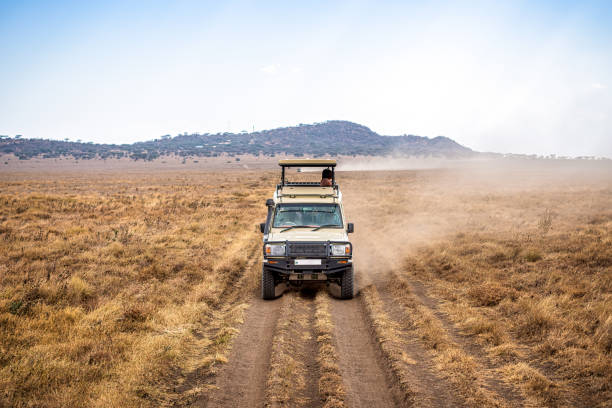
A Shinyanga Traditional Homestead Tour offers an immersive cultural experience where visitors can directly engage with the Maasai people, learn about their ancestral traditions, witness daily life within a boma (homestead), and understand their unique relationship with the land, providing a deep look at authentic East African heritage for travelers planning for 2026-2027.
Understanding the Essence of a Shinyanga Traditional Homestead Tour
The Shinyanga region in Tanzania, while perhaps less frequented by mass tourism than other iconic destinations, holds immense cultural significance, particularly as a hub for the traditional Maasai way of life. A Shinyanga Traditional Homestead Tour is not merely a sightseeing excursion; it is a profound journey into the heart of one of Africa’s most recognizable and resilient indigenous communities. This experience is designed for travelers who seek genuine connection, cultural understanding, and an authentic glimpse into a world that has maintained its traditions for centuries, even as the modern world advances. For those planning their Tanzanian adventures in 2026-2027, incorporating such a tour promises a richly rewarding and educational dimension to their travels.
Top Guide Adventures specializes in crafting these unique experiences, ensuring they are conducted with the utmost respect for Maasai culture and traditions. We believe in responsible tourism that benefits the communities we visit, fostering mutual understanding and appreciation. This tour provides a direct interface with the Maasai, moving beyond superficial observation to genuine interaction, learning, and shared moments.
Why Choose Shinyanga for Cultural Immersion?
While Maasai communities are found across Kenya and northern Tanzania, the Shinyanga region offers a distinct opportunity. It provides a less commercialized and more deeply traditional setting. Here, the rhythms of life are dictated by ancient customs, pastoralist practices, and a strong connection to ancestral lands. This environment allows for a more authentic and less curated encounter than in areas more heavily touristed. Visitors can witness:
- The intricate social structures and roles within a Maasai family and community.
- The daily routines, from cattle herding and milking to food preparation and craft making.
- The significance of ceremonies, storytelling, and oral traditions.
- The traditional architecture of the boma and the ingenuity of its design.
- The enduring spiritual connection the Maasai have with nature and their environment.
For travelers in 2026-2027 looking for travel that offers more than just wildlife sightings, the Shinyanga Traditional Homestead Tour presents an unparalleled opportunity for deep cultural engagement.
The Structure of Your Shinyanga Traditional Homestead Experience
A typical Shinyanga Traditional Homestead Tour, as curated by Top Guide Adventures, is designed to be comprehensive yet flexible, allowing for spontaneous moments and genuine interaction. While each visit is unique, the core elements aim to provide a holistic understanding of Maasai life.
Arrival and Welcome
Your journey will likely begin with an introduction to the local community elder or a designated family representative who will act as your guide and cultural liaison. This initial welcome is crucial, setting a tone of respect and mutual introduction. You’ll be formally greeted, often with traditional songs or blessings, a gesture that signifies acceptance into their space. This is a moment to observe the traditional attire and the warm, albeit sometimes reserved, hospitality that defines Maasai culture.
Exploring the Boma
The heart of the experience is the boma, the traditional Maasai homestead. You will be guided through the enclosure, learning about its construction and the purpose of each dwelling. The circular arrangement of huts (inkang’a) made from mud, cow dung, and thatch, surrounding a central cattle enclosure, is a marvel of functional design. Your guide will explain how the boma is structured according to family units and social hierarchy. You’ll see where elders sleep, where women and children reside, and how the cattle are protected at night. Understanding the layout is key to understanding the community’s organization and daily flow.
Daily Life Activities
The most engaging part of the tour involves witnessing and sometimes participating in daily activities. This could include:
- Cattle Milking: The Maasai are pastoralists, and cattle are central to their existence. You’ll observe the traditional methods of milking, a skill passed down through generations.
- Food Preparation: Learn about the traditional Maasai diet, which historically relied heavily on milk, blood, and meat. You might see how meals are prepared, often communally, using simple yet effective techniques. Some tours may offer a chance to taste traditional foods, prepared hygienically and presented respectfully.
- Craftsmanship: Maasai women are renowned for their intricate beadwork. You’ll have the opportunity to see them at work, creating beautiful jewelry, adornments, and household items. This is often a chance to purchase authentic crafts directly from the artisans, providing direct economic benefit to the community.
- Fire Making: Witness the traditional methods of starting a fire using friction, a skill that highlights the resourcefulness and deep knowledge of the natural environment possessed by the Maasai.
Cultural Exchange and Storytelling
This is where the true magic of the tour lies. Through your guide and direct interaction with community members, you’ll hear stories passed down through generations. These narratives often explain the origins of the Maasai, their beliefs, their relationship with wildlife, and their historical migrations. You might witness traditional dances and songs, characterized by rhythmic chanting, energetic leaps (the famous adumu or “jumping dance”), and vibrant attire. These performances are not just for tourists; they are integral to Maasai social life, used for celebrations, rites of passage, and community bonding.
Questions are encouraged, and this exchange is a two-way street. It’s an opportunity to share aspects of your own culture, fostering a sense of global connection and mutual respect. This element is particularly important for travelers in 2026-2027 who are seeking meaningful interactions beyond typical tourist experiences.
Understanding Maasai Beliefs and Spirituality
The Maasai have a deep spiritual connection to their land and livestock. Their traditional beliefs center around a sky god, Enkai, who is believed to control rain and fertility. You will learn about the role of traditional healers (laibon), the significance of certain rituals, and how their spiritual practices are interwoven with their daily lives and the natural world. This understanding adds another layer of depth to the cultural immersion.
Departure
Your departure will be as warm as your arrival, often accompanied by blessings for a safe journey. It’s a moment to reflect on the connections made and the insights gained. The aim is to leave with a profound appreciation for the Maasai people and their enduring culture.
Important Considerations for Your Visit
To ensure a respectful and enriching experience, Top Guide Adventures advises all visitors to:
- Dress Modestly: While bright colors are appreciated, avoid overly revealing clothing. Traditional Maasai attire is often vibrant, and visitors are encouraged to embrace respectful dress.
- Ask Before Photographing: Always seek permission before taking photos of people, especially children, or inside dwellings.
- Be Open and Respectful: Approach the experience with curiosity and an open mind. Respect local customs, traditions, and personal space.
- Support Local Artisans: If you wish to purchase crafts, do so directly from the artisans. Bargaining is common, but always be fair and respectful.
- Learn Basic Greetings: Knowing a few words in Maa (the Maasai language) or Swahili can go a long way in building rapport.
The Maasai People: A Deeper Look
The Maasai are a Nilotic ethnic group inhabiting southern Kenya and northern Tanzania. They are renowned for their distinctive customs and dress—vibrant red shuka, intricate beadwork, and elaborate hairstyles. Historically, they are semi-nomadic pastoralists, and their lives revolve around their cattle, which are a measure of wealth and status. Understanding their history and societal structure is key to appreciating the Shinyanga Traditional Homestead Tour.
Historical Context and Resilience
The Maasai have a long and proud history of resisting colonial powers and adapting to changing landscapes. Their traditional territories once spanned a much larger area, but land alienation and conservation policies have led to their current homeland. Despite these challenges, they have fiercely protected their cultural identity, making them one of the most recognizable indigenous groups in Africa. Their resilience is a testament to their strong social cohesion and deep connection to their traditions.
Social Structure and Roles
Maasai society is organized around age-sets and clans. Men pass through distinct stages: boyhood, warriorhood (moran), and elderhood. Each stage carries specific responsibilities and privileges. Women also have defined roles, primarily focused on managing the household, raising children, and crafting. Marriage is typically arranged, and polygamy is practiced. Understanding these age-sets and gender roles provides critical context for observing daily life within the boma.
- Boyhood: Learning essential skills, herding, and preparation for future roles.
- Moran (Warriors): The period of young manhood, focused on protecting the community and livestock. This phase is often marked by distinctive adornments and a strong sense of camaraderie.
- Elders: The respected leaders who make important decisions for the community, mediate disputes, and pass down knowledge.
- Women: Responsible for building and maintaining the homestead, fetching water, gathering firewood, and childcare, in addition to their significant role in creating intricate beadwork.
The Significance of Cattle
Cattle are more than just livestock for the Maasai; they are the foundation of their economy, social status, and spiritual life. They provide milk, meat, and blood, which form the core of the traditional diet. Cattle are also used in dowries, as compensation for offenses, and in various ceremonies. The health and well-being of the cattle are paramount, and much of the daily routine revolves around their care and grazing. Witnessing the reverence with which cattle are treated offers a profound insight into Maasai values.
Language and Communication
The primary language spoken is Maa, a Nilotic language. However, many Maasai, especially those who interact with visitors, also speak Swahili and English. Your tour guide will facilitate communication, but learning a few basic Maa or Swahili greetings can greatly enhance your interaction. Phrases like “Sema” (Hello/Speak) or “Asante” (Thank you in Swahili) are always appreciated.
Planning Your Shinyanga Traditional Homestead Tour in 2026-2027
When planning your trip for 2026-2027, consider how a Shinyanga Traditional Homestead Tour can be integrated into a broader Tanzanian itinerary. This tour is often best experienced as a day trip or an overnight stay, providing a deep cultural interlude between wildlife safaris or other adventures.
Best Time to Visit
The climate in Shinyanga is generally warm year-round. However, the dry seasons (June to October and December to February) are often considered the most comfortable for travel, with less rain and more predictable weather. These periods also coincide with the Great Migration in the Serengeti, making it possible to combine a cultural visit with a classic safari experience. The shoulder seasons can also offer pleasant weather and fewer crowds. For 2026-2027, booking in advance is recommended, especially for peak travel times.
Duration and Itinerary Integration
A typical Shinyanga Traditional Homestead Tour can range from a few hours to an overnight stay.
- Half-Day Tour: Focuses on a guided walk through the boma, meeting the residents, and observing key daily activities like milking or craft making.
- Full-Day Tour: Includes a more in-depth exploration, participation in more activities, a traditional meal, and extended cultural exchange, potentially including storytelling or dance performances.
- Overnight Stay: For the most immersive experience, an overnight stay allows you to witness the boma life from dusk till dawn, including the evening rituals and the morning preparations. Accommodation is typically in a simple, traditional hut or a comfortable tent pitched nearby, ensuring an authentic experience without sacrificing basic comfort.
This tour can be easily added to itineraries heading towards or returning from Serengeti National Park, Ngorongoro Conservation Area, or Lake Victoria. It offers a grounding cultural counterpoint to the vast wilderness experiences.
What to Pack
While Top Guide Adventures will provide detailed packing lists, some essentials for a cultural tour include:
- Comfortable walking shoes: You’ll be walking around the boma and surrounding areas.
- Lightweight, breathable clothing: Tanzania can be warm. Layers are always a good idea.
- Sun protection: A hat, sunglasses, and high SPF sunscreen.
- Insect repellent: Especially important if staying overnight.
- Camera: To capture memories, but always remember to ask permission before photographing people.
- Small gifts (optional): While not required, small, practical gifts like school supplies for children or basic medical supplies can be appreciated. Your guide can advise on appropriate items. Avoid giving money directly unless it’s for purchasing crafts.
- Hand sanitizer: For maintaining hygiene, especially before meals.
Responsible Tourism Practices
Top Guide Adventures is committed to ethical and sustainable tourism. For the Shinyanga Traditional Homestead Tour, this means:
- Community Benefit: A significant portion of the tour fees directly supports the host community, contributing to education, healthcare, and local development projects.
- Cultural Preservation: We work with communities to ensure that tourism activities are conducted in a way that respects and preserves their traditions, rather than commodifying them.
- Authenticity: We aim for genuine interactions, avoiding staged performances or intrusive practices.
- Environmental Awareness: Promoting responsible practices that minimize environmental impact.
By choosing Top Guide Adventures for your 2026-2027 travel plans, you are supporting a model of tourism that empowers local communities and respects cultural heritage.
Shinyanga Traditional Homestead Tour Pricing & Inclusions (2026-2027 Estimates)
Pricing for a Shinyanga Traditional Homestead Tour is typically quote-based, as it depends on the duration, group size, and specific activities included. However, to provide an idea for your 2026-2027 planning:
| Tour Type | Estimated Duration | Indicative Price Range (Per Person) | Key Inclusions |
|---|---|---|---|
| Half-Day Cultural Visit | 3-4 Hours | $50 – $80 USD | Guided tour of boma, introduction to family, observation of daily life, cultural exchange. |
| Full-Day Immersion | 6-8 Hours | $90 – $150 USD | Includes half-day activities plus traditional meal, participation in crafts/storytelling, extended interaction. |
| Overnight Cultural Stay | 24 Hours | $180 – $280 USD | Includes full-day activities, overnight accommodation in traditional hut/tent, all meals, morning activities. |
Note: Prices are indicative for 2026-2027 and subject to change. They typically exclude transportation to/from Shinyanga, personal expenses, and gratuities. Contact Top Guide Adventures for a personalized quote tailored to your itinerary. We ensure that a significant portion of your payment directly benefits the host community.
Beyond the Boma: Exploring the Wider Shinyanga Region
While the traditional homestead is the focal point, the Shinyanga region offers more than just cultural encounters. It’s a landscape rich in natural beauty and historical significance, providing context to the Maasai way of life.
Natural Landscapes
Shinyanga is characterized by rolling hills, savannah grasslands, and acacia woodlands. While not as dramatic as the Serengeti or Ngorongoro, the landscape is quintessentially East African and provides the backdrop for the pastoralist lifestyle. The area is known for its rich mineral deposits, particularly diamonds, although tourism focuses on the cultural and natural aspects.
Lake Victoria Proximity
Shinyanga is situated relatively close to the southern shores of Lake Victoria, Africa’s largest freshwater lake. Depending on your itinerary, a visit to a lakeside town like Mwanza could be combined with your Shinyanga cultural tour. This offers a different perspective on Tanzanian life, focusing on fishing communities and the vastness of the lake.
Wildlife Encounters (Limited but Possible)
While not a primary wildlife destination like the northern circuit parks, the Shinyanga region does support wildlife. You might encounter various bird species, antelopes, and other savannah animals in the less populated areas surrounding the villages. For dedicated wildlife viewing, combining this tour with a trip to nearby protected areas or the renowned northern circuit parks is recommended.
Integration with Northern Circuit Safaris
A Shinyanga Traditional Homestead Tour is an excellent addition to a classic northern circuit safari, which typically includes:
- Serengeti National Park: Famous for the Great Migration and abundant wildlife.
- Ngorongoro Conservation Area: A UNESCO World Heritage Site with a unique ecosystem within the caldera.
- Tarangire National Park: Known for its large elephant herds and baobab trees.
- Lake Manyara National Park: Famous for its tree-climbing lions and diverse birdlife.
By incorporating a visit to Shinyanga, you add a vital cultural dimension to your safari, offering a more complete picture of Tanzania’s diverse offerings. For 2026-2027, consider how this cultural stop can enrich your safari experience.
Why Top Guide Adventures for Your Cultural Journey?
Top Guide Adventures is more than just a tour operator; we are passionate advocates for responsible and authentic travel in Tanzania. Our deep understanding of the local culture, combined with our commitment to community empowerment, makes us the ideal partner for your Shinyanga Traditional Homestead Tour.
Our Commitment to Authenticity and Respect
We work closely with the Maasai communities in Shinyanga, building long-term relationships based on trust and mutual respect. Our guides are not only knowledgeable about wildlife and safari logistics but are also culturally sensitive and fluent in local customs. They ensure that your interactions are genuine, respectful, and enriching for both you and the community.
Direct Community Benefits
A significant portion of the revenue generated from our Shinyanga Traditional Homestead Tours goes directly back to the communities. This provides tangible economic benefits, helping to support education, healthcare, and sustainable development initiatives. We believe that tourism should be a force for good, empowering local people and preserving their cultural heritage for future generations.
Customized Itineraries for 2026-2027
Whether you’re planning a short cultural excursion or wish to integrate the Shinyanga experience into a larger Tanzanian adventure, we can create a tailor-made itinerary for 2026-2027. We understand that every traveler is unique, and we strive to meet your specific interests and requirements.
Expert Local Knowledge
Our team is based in Tanzania, giving us unparalleled insight into the best ways to experience the country. We have firsthand knowledge of the communities, the landscapes, and the logistics involved in creating unforgettable journeys. This local expertise ensures a smooth, safe, and deeply authentic experience.
Safety and Comfort
Your safety and comfort are paramount. We adhere to high standards of service, whether you are on a cultural tour, a safari, or trekking Kilimanjaro. Our guides are trained in first aid, and we ensure that any accommodations, even traditional ones, meet acceptable standards of hygiene and safety.
Booking Your Shinyanga Traditional Homestead Tour
Ready to start a journey that will connect you deeply with the heart of Maasai culture? Planning your trip for 2026-2027 with Top Guide Adventures is straightforward. We encourage you to reach out to us to discuss your travel aspirations.
Whether you are interested in a standalone cultural experience or want to weave this unique tour into a larger Tanzanian itinerary that might include safaris in the Serengeti or climbing Mount Kilimanjaro, our team is ready to assist. We can provide detailed information, answer all your questions, and craft a personalized itinerary that promises an unforgettable adventure.
Contact us today:
- WhatsApp: +255 616 946 642
- Email: topguideadventures@gmail.com
- Backup Email: info@topguideadventures.com
Let Top Guide Adventures be your trusted guide to the authentic wonders of Tanzania. We look forward to helping you create lasting memories on your Shinyanga Traditional Homestead Tour and beyond.
Check Availability for Shinyanga Traditional Homestead Tour: Experience Authentic Maasai Culture
Ready to compare dates, prices, and the best option for your group? Send the package name and travel month so the team can reply with a clear quote, availability, and what is included.
 1-Day Shinyanga Traditional Dance Experience: Immerse Yourself In TanzanianDiscover the heart of Tanzanian culture with a captivating 1-Day Shinyanga Traditional Dance Experience. Top Guide Adventures offers an…View package
 Shinyanga Local Food Experience: A Culinary Journey Through TanzaniasExplore the vibrant culinary landscape of Shinyanga, Tanzania. This guide offers an in-depth look at local dishes, ingredients, and dining…View package
 Shinyanga Cotton Farm Tour: An In-Depth Agricultural Experience In TanzaniaExplore the agricultural heart of Shinyanga with a specialized cotton farm tour. Understand the journey from plant to product, the economic…View package
 2-Day Shinyanga Rural Heritage Package: Authentic Tanzania ExperienceExplore the heart of Tanzania with the 2-Day Shinyanga Rural Heritage Package. This short but impactful tour offers a deep look at local…View package
 1-Day Shinyanga Sukuma Cultural Tour: Experience Authentic Tanzania 2026-2027A 1-day tour in Shinyanga offers an immersive experience into the rich culture of the Sukuma people, Tanzania's largest ethnic group. This…View package
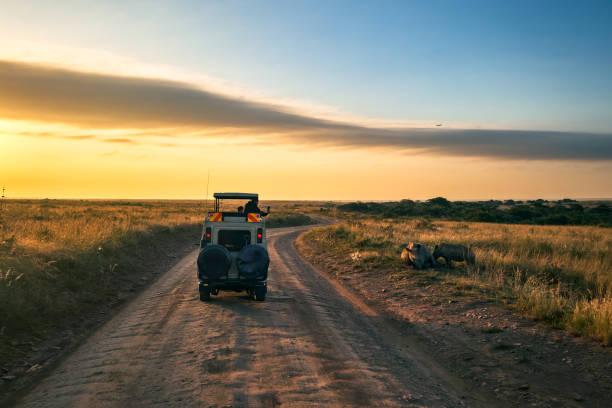 Shinyanga, Tanzania: Your Essential Travel Guide For 2026-2027Explore Shinyanga, a gem in Tanzania's Lake Victoria region. This guide covers its unique culture, attractions, and practical travel advice for…View package
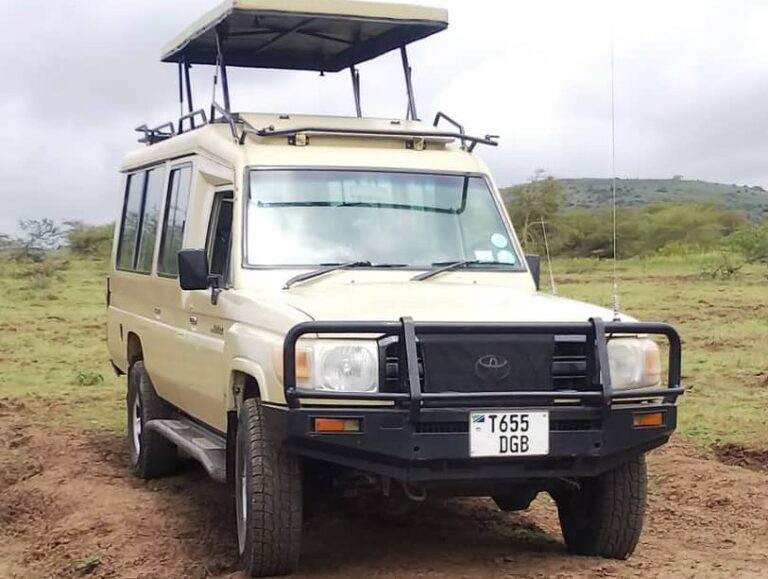 Ac Shinyanga, Simiyu, And Geita Safari Packages: Your Ultimate NorthernExplore bespoke safari packages for AC Shinyanga, Simiyu, and Geita regions in Tanzania, offering a unique blend of wildlife encounters…View package
 Musoma Lakeside Photography Tour: Capturing Tanzanias Hidden Gems 2026-2027Discover the unparalleled beauty and vibrant culture of Musoma through the lens. Our Musoma Lakeside Photography Tour offers an immersive…View package


