
For the dedicated bird enthusiast, Tanzania presents an extraordinary canvas of avian life. A Tanzania Private Ornithology Safari is not just a trip; it’s a meticulously crafted expedition designed to immerse you in the continent’s most spectacular birding hotspots. Unlike general safaris, an ornithology-focused journey prioritizes the pursuit of feathered treasures, from the iconic Secretarybird to the vibrant Lilac-breasted Roller, and the elusive endemic species found nowhere else. Planning your Tanzania Private Ornithology Safari for 2026 or 2027 allows ample time to customize an itinerary that perfectly matches your interests, pace, and desired species list.
Why Choose a Private Ornithology Safari in Tanzania?
Tanzania is a global birding powerhouse, boasting over 1,100 recorded species. Its diverse habitats – from the vast Serengeti plains and the unique soda lakes of the Rift Valley to the lush forests of the western Usambaras and the coastal mangroves – support an astonishing array of birds. A private ornithology safari offers distinct advantages:
- Expert Guidance: Travel with guides specifically trained in ornithology and bird identification. They possess an intimate knowledge of bird behavior, calls, and prime viewing locations, significantly increasing your chances of spotting rare and sought-after species.
- Tailored Itinerary: Your safari is designed around your specific birding goals. Whether you’re targeting raptors, waterbirds, forest specialists, or endemics, the itinerary is flexible to accommodate your interests.
- Exclusive Access: Private safaris allow for slower pacing, extended stays in bird-rich areas, and the ability to deviate from standard routes to explore promising habitats.
- Comfort and Convenience: Enjoy private transport, carefully selected accommodations that often provide excellent birding opportunities on their own grounds, and personalized service throughout your journey.
Prime Birding Destinations for Your Tanzania Private Ornithology Safari
Tanzania offers a mosaic of ecosystems, each harboring unique avian communities. A well-planned ornithology safari will incorporate several of these diverse regions.
Serengeti National Park: Plains Birds and Raptors
While famous for the Great Migration, the Serengeti is also a vital habitat for numerous bird species. Vast grasslands host bustards, larks, and pipits. The acacia woodlands are home to weavers, hornbills, and starlings. Look out for raptors like the Bateleur, Tawny Eagle, and Martial Eagle soaring overhead. The Serengeti’s bird checklist includes species like the Grey-breasted Spurfowl, Temminck’s Courser, and the impressive Ostrich.
Lake Manyara National Park: Waterbirds and Tree-Climbing Lions
Famous for its large flocks of flamingos (though numbers can fluctuate), Lake Manyara’s alkaline waters attract a wealth of waterbirds. Expect to see pelicans, storks, herons, and a variety of waders. The park’s woodlands are rich in birdlife, including the Silvery-cheeked Hornbill, African Crowned Eagle, and Rufous-tailed Weaver. The dense canopy also provides habitat for canopy dwellers and insectivores.
Tarangire National Park: Baobabs and Bird Diversity
Tarangire is a birdwatcher’s paradise, particularly during the dry season when migratory birds gather around the Tarangire River and its swamps. It’s renowned for its high diversity of raptors and waterbirds. Species to look for include the Ashy Starling (endemic to a small region), Yellow-collared Lovebird, and the striking Northern Ground Hornbill. The park’s iconic baobab trees often host weaver colonies and raptor nests.
Ngorongoro Conservation Area: Highland Species and Endemics
The Ngorongoro Crater floor, a caldera teeming with wildlife, also offers excellent birding. Waterbirds are abundant in the crater’s soda lake and surrounding wetlands. Beyond the crater, the highlands of the Ngorongoro Conservation Area provide habitat for species like the Golden-winged Sunbird, White-naped Raven, and various montane forest birds. The nearby Ngorongoro Forest is a key area for birding.
Arusha National Park: Montane Forests and Unique Habitats
This park, often overlooked, is a gem for birdwatchers. Its diverse altitudinal range includes montane forests, savannas, and the alkaline Momella Lakes. The lakes attract flamingos, Egyptian Geese, and other waterbirds. The forests are home to Narina’s Trogon, Bar-tailed Trogon, Cinnamon-chested Bee-eater, and various forest specialists. It’s also a good place to spot the Red-fronted Parrot.
The Usambara Mountains: A Biodiversity Hotspot for Endemics
For serious ornithologists, the Usambara Mountains are a must-visit. These ancient mountains are a significant biodiversity hotspot, particularly for endemic species. Key birding sites include Mazumbai Forest and Shagayu Forest. Here, you can search for the Usambara Eagle-Owl, Usambara Thrush, Usambara Greenbul, Long-billed Forest-Warbler, and the Dappled Mountain Robin. A private ornithology safari focused on this region is ideal for ticking off many endemic species.
Mahale Mountains National Park & Gombe Stream National Park: Forest and Primate Habitats
While primarily known for chimpanzees, these western parks also offer unique birding opportunities in their dense rainforests. Species here might include the African Pitta, various flycatchers, sunbirds, and forest hornbills. The presence of rivers and lakes also attracts water-associated birds.
Coastal Regions & Islands: Mangroves and Seabirds
For a different avian experience, consider the coastal areas and islands like Zanzibar. Mangrove forests teem with specialized species such as the Mangrove Kingfisher and African Collared Dove. The coast can also offer sightings of seabirds and waders.
Designing Your Custom Tanzania Private Ornithology Safari for 2026-2027
A successful Tanzania Private Ornithology Safari requires careful planning. Here’s a breakdown of key considerations:
1. Duration of Your Safari
Birding safaris often benefit from a slower pace. While a 7-10 day trip can cover a couple of key areas, a more comprehensive ornithological exploration, especially if including the Usambaras or western parks, might require 14-21 days or more. Planning for 2026 or 2027 allows you to secure the best guides and accommodations, which can be in high demand.
2. Choosing Your Expert Ornithologist Guide
The quality of your guide is paramount. Our network includes guides with extensive experience in African ornithology, fluent in English, and passionate about sharing their knowledge. They are adept at spotting birds, identifying calls, and understanding bird behavior. For 2026 and 2027 bookings, we recommend securing your preferred specialist guide well in advance.
3. Accommodation Options
Accommodations range from comfortable tented camps and lodges to luxury resorts. Many lodges are situated in or near prime birding areas, offering excellent birding right on their doorstep. Some even have resident bird guides or offer early morning bird walks. We select lodges known for their location, service, and commitment to conservation.
4. Transportation
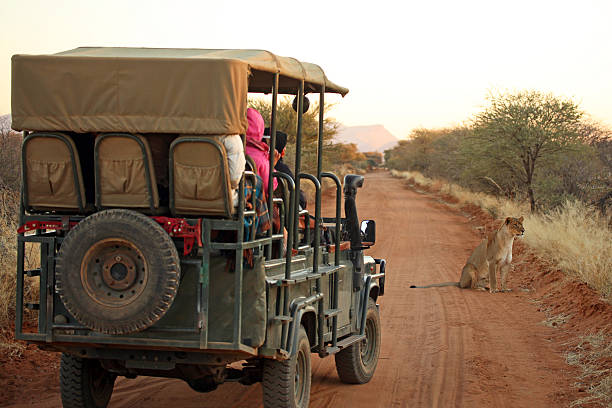
For a private ornithology safari, a custom 4×4 safari vehicle is standard. These vehicles are equipped with pop-up roofs for optimal viewing and photography. The vehicle is yours exclusively for the duration of your safari, ensuring flexibility and comfort.
5. Best Time to Visit for Birding
While Tanzania is a year-round birding destination, certain periods offer distinct advantages:
- November to April: This is the wet season, but it’s also the breeding season for many birds, and it’s when many Palearctic and intra-African migrants are present. The landscape is lush and green, offering beautiful photographic opportunities. Many resident birds are in their breeding plumage.
- June to October: This is the dry season, which can be excellent for spotting birds congregating around water sources, especially in parks like Tarangire. Migratory birds have largely departed. The Great Migration river crossings in the Serengeti often occur around July-September, which can also attract raptors.
For a Tanzania Private Ornithology Safari, consider the specific species you wish to see. Migratory species are best viewed from November to April, while resident species are observable year-round, though sometimes easier to spot at waterholes during the dry season.
Sample Itinerary: A 14-Day Ornithological Exploration
This is a sample itinerary designed to showcase diverse birdlife. It can be fully customized for your 2026 or 2027 Tanzania Private Ornithology Safari.
Day 1-3: Arusha National Park & surrounds
Arrive at Kilimanjaro International Airport (JRO), transfer to Arusha. Begin birding in Arusha National Park, focusing on the Momella Lakes for waterbirds and the montane forests for forest species. Early morning bird walks around your lodge can be very productive.
Key Species: Flamingos, Red-fronted Parrot, Narina’s Trogon, Bar-tailed Trogon, African Crowned Eagle.
Day 4-6: Tarangire National Park
Drive to Tarangire, known for its baobab trees and bird diversity. Spend full days exploring the park, focusing on swamps and riverine areas. Look for the Ashy Starling and Northern Ground Hornbill.
Key Species: Ashy Starling, Northern Ground Hornbill, Kori Bustard, Secretarybird, Yellow-collared Lovebird.
Day 7-9: Lake Manyara & Ngorongoro Highlands
Visit Lake Manyara for its waterbirds. Then, ascend to the Ngorongoro Conservation Area, spending time in the highlands and potentially exploring the crater rim for specific species. Birding around Gibbs Farm or similar highland lodges can be excellent.
Key Species: Silvery-cheeked Hornbill, various waterbirds, Golden-winged Sunbird, White-naped Raven.
Day 10-12: Serengeti National Park (Central/Western)
Fly or drive to the Serengeti. Focus on areas with diverse habitats, including kopjes, woodlands, and grasslands. Early mornings and late afternoons are prime birding times.
Key Species: Grey-breasted Spurfowl, Temminck’s Courser, Bateleur, Martial Eagle, various larks and pipits.
Day 13-14: Return to Arusha & Departure
Enjoy a final morning birding activity before flying back to Arusha. Depending on your flight schedule, you may have time for some last-minute souvenir shopping or a visit to a local craft market. Transfer to JRO for your onward flight.
Advanced Birding: The Usambara Mountains Extension
For those seeking the ultimate Tanzania Private Ornithology Safari experience, an extension to the Usambara Mountains is highly recommended. This requires additional time (minimum 3-4 days) and specialized local guides.
Usambara Endemic Birding Focus
This mountainous region in northeastern Tanzania is a treasure trove of endemic species. Access often involves driving from Arusha or flying to a closer airstrip followed by a drive. The focus here is on forest exploration, often involving moderate hiking.
Key Usambara Endemics: Usambara Eagle-Owl, Usambara Thrush, Usambara Greenbul, Long-billed Forest-Warbler, Dappled Mountain Robin, Usambara Weaver, Ankole Waxbill.
This extension can be seamlessly integrated into a 2026 or 2027 birding safari, providing a significant contrast to the savannah and lake environments.
Photography Considerations for Ornithology Safaris
Tanzania’s birdlife offers incredible photographic opportunities. For a Tanzania Private Ornithology Safari, consider:
- Telephoto Lenses: A 400mm to 600mm lens is highly recommended for capturing birds in flight or at a distance.
- Teleconverters: These can extend the reach of your existing lenses.
- Tripod/Monopod: Essential for stability with long lenses, especially in low light conditions within forests.
- Camera Body: A DSLR or mirrorless camera with good autofocus and high ISO capabilities is ideal.
- Weather Protection: Bring rain covers for your camera gear, especially during the wet season.
- Binoculars: A good pair of binoculars (e.g., 8×42 or 10×42) is crucial for spotting and identifying birds in the field.
Our private safaris allow for ample time to set up shots and wait for the perfect moment, which is invaluable for wildlife photography.
Cost of a Tanzania Private Ornithology Safari
The cost of a Tanzania Private Ornithology Safari can vary significantly based on several factors:
- Duration: Longer safaris naturally cost more.
- Accommodation Level: Luxury lodges will increase the price compared to mid-range or comfortable tented camps.
- Number of Travelers: While private, the cost per person often decreases with more participants sharing the expenses.
- Specific Parks and Activities: Some parks have higher entry fees. Special permits or private conservancies can also add to the cost.
- Inclusions: The level of guiding (standard guide vs. specialist ornithologist), meals, drinks, park fees, and internal flights all impact the final price.
As a general guideline for 2026-2027, a 10-day private ornithology safari could range from approximately $4,000 to $8,000+ per person, based on double occupancy. This often includes private vehicle, expert driver-guide, accommodation, meals, park fees, and internal flights where applicable. Specialized ornithologist guides may incur an additional fee.
Factors Influencing Your Safari Quote:
- Travel Dates: Peak seasons (July-October, December-February) may have higher rates.
- Accommodation Style: Budget, Mid-Range, Luxury.
- Vehicle Type: Standard 4×4, custom-built safari vehicle.
- Guide Specialization: Standard safari guide vs. dedicated ornithologist.
- Inclusions: Park fees, meals, drinks, laundry, internal flights.
We recommend contacting us directly for a personalized quote for your Tanzania Private Ornithology Safari. We can tailor an itinerary that fits your budget and birding aspirations for 2026 or 2027.
Booking Your Tanzania Private Ornithology Safari for 2026-2027
Planning a trip as specialized as an ornithology safari requires expert knowledge and careful coordination. At Top Best Tanzania Tour operator, we specialize in creating bespoke safari experiences tailored to the unique interests of our clients.
We understand the nuances of birding in Tanzania, the best times to visit specific regions for certain species, and the importance of having a knowledgeable ornithologist guide. Whether you are looking to spot the elusive Usambara Thrush, witness the vast flocks of flamingos at Lake Manyara, or track raptors across the Serengeti plains, we can design the perfect itinerary for you.
To begin planning your Tanzania Private Ornithology Safari for 2026 or 2027, or if you have any questions about specific bird species, optimal timing, or itinerary customization, please do not hesitate to reach out. Our team is ready to help you craft an unforgettable birdwatching adventure. You can contact us via WhatsApp at +255616946642, email us at topguideadventures@gmail.com, or use our backup email info@topguideadventures.com. Let us help you discover the incredible avian diversity of Tanzania.



