
Updated planning guide for 2026, 2027-2028
Tanzania Safari Packages From Moshi: Best Guide 2026-2027-2028
Your ultimate guide to Tanzania safari packages starting from Moshi. Learn about the best parks, itinerary options, what to pack, and how to book your dream adventure for 2026-2027.
WhatsApp +255616946642 | topguideadventures@gmail.com | info@topguideadventures.com
Tanzania Safari Packages From Moshi: The Ultimate Planning Guide
Moshi, a vibrant town nestled at the foot of Mount Kilimanjaro, serves as a prime gateway for exploring Tanzania’s world-renowned Northern Circuit. For many travelers, the journey to witness the Great Migration, marvel at the vast plains of the Serengeti, or stand in awe of the Ngorongoro Crater begins right here. This guide focuses specifically on Tanzania safari packages from Moshi, offering a comprehensive look at what to expect, how to plan, and what makes this starting point so popular for wildlife adventures.
Choosing a safari package that originates from Moshi means you’re well-positioned to combine your wildlife encounters with other iconic Tanzanian experiences, most notably climbing Mount Kilimanjaro or relaxing on the beaches of Zanzibar. We will break down the essentials, from understanding the parks you’ll visit to practical advice for your trip in 2026 and 2027.
Quick Overview: Tanzania Safari Packages From Moshi
| Feature | Details |
|---|---|
| Starting Point | Moshi, Tanzania |
| Primary Parks Covered | Serengeti National Park, Ngorongoro Conservation Area, Tarangire National Park, Lake Manyara National Park |
| Common Itinerary Length | 3 days to 7 days (can be customized) |
| Best Time to Visit | June to October (dry season, Great Migration), January to February (calving season) |
| Typical Accommodation | Tented camps (mid-range to luxury), lodges |
| Activities | Game drives (morning, afternoon, night), bird watching, cultural visits (optional) |
| Travel Style Suitability | Families, couples, solo travelers, adventure seekers |
Why Choose Moshi as Your Safari Starting Point?
Moshi offers a unique blend of convenience and opportunity for safari-goers. Its proximity to Kilimanjaro International Airport (JRO) makes it an accessible entry point. More significantly, it’s the hub for Kilimanjaro treks, meaning many tour operators have established operations and experienced guides in the area. This translates into well-organized safari logistics.
Starting your safari from Moshi allows for a natural progression:
- Pre-Trek Acclimatization & Post-Trek Relaxation: If climbing Kilimanjaro is on your agenda, Moshi is your staging ground. You can easily transition from your trek to a safari, or vice versa.
- Access to Northern Circuit Parks: Moshi is strategically located to access the key parks of the Northern Circuit, including Tarangire, Lake Manyara, the Ngorongoro Crater, and the Serengeti.
- Established Infrastructure: The town has a good range of accommodations, restaurants, and services catering to international travelers, making pre-safari preparations comfortable.
- Local Expertise: Tour operators based in Moshi often have deep roots and extensive knowledge of the region, its wildlife, and its conservation efforts.
Understanding the Northern Circuit Parks Accessible from Moshi
Most Tanzania safari packages from Moshi focus on the Northern Circuit, a route famous for its diverse ecosystems and abundant wildlife. Here’s a closer look at the main parks:
1. Tarangire National Park
Known for its large elephant herds and iconic baobab trees, Tarangire is often the first stop on a Northern Circuit safari from Moshi. The Tarangire River is a vital water source, especially during the dry season (June-October), attracting large concentrations of wildlife, including zebras, wildebeest, giraffes, and various antelope species. Its dense woodland also supports a rich birdlife. Many packages include a full day or half-day game drive here.
2. Lake Manyara National Park
Famous for its tree-climbing lions (though sightings are not guaranteed), Lake Manyara is a compact park offering diverse habitats. You’ll find groundwater forests, acacia woodlands, and the shallow alkaline lake itself, which attracts thousands of flamingos during certain times of the year. It’s also home to large troops of baboons, elephants, and giraffes. A half-day or full-day visit is common.
3. Ngorongoro Conservation Area & Crater
A UNESCO World Heritage Site, the Ngorongoro Crater is a collapsed volcano caldera that hosts an incredible density of wildlife. It’s one of the best places in Tanzania to see the ‘Big Five’ (lion, leopard, elephant, rhino, buffalo) in a single day. The crater floor is a unique ecosystem, supporting a mix of grasslands, swamps, and forests. While game drives are restricted to the crater floor, the conservation area also offers opportunities for cultural visits to Maasai villages and walking safaris on the crater rim.
4. Serengeti National Park
The crown jewel of Tanzanian safaris, the Serengeti is vast and renowned for the annual Great Migration. Millions of wildebeest, zebras, and gazelles traverse the plains in search of greener pastures, a spectacle that attracts predators and offers unparalleled wildlife viewing opportunities. The park’s sheer size means different areas offer different experiences depending on the time of year. Depending on the length of your package, you might spend 2-3 days exploring different sectors of the Serengeti.
Northern Circuit Safari Route Overview (from Moshi)
This is a typical flow, though itineraries can vary.
- Moshi (Start)
- Tarangire National Park (Approx. 3-4 hours drive from Moshi)
- Lake Manyara National Park (Approx. 1-2 hours drive from Tarangire)
- Ngorongoro Conservation Area (Approx. 1 hour drive from Lake Manyara)
- Serengeti National Park (Access via Ngorongoro Conservation Area, drive times vary greatly within Serengeti)
- Return to Moshi or Arusha (Approx. 7-8 hours drive from Central Serengeti)
Note: Driving times are approximate and can be affected by road conditions and wildlife sightings. Some packages might start with Arusha, which is close to Moshi.
Sample Itinerary: 5-Day Tanzania Safari Package from Moshi
This sample itinerary provides a balanced experience of the Northern Circuit’s highlights. Actual packages will vary in duration and specific activities.
Day 1: Moshi to Tarangire National Park
- Morning pickup from your hotel in Moshi.
- Drive to Tarangire National Park, known for its large elephant herds and baobab trees.
- Enjoy a full-day game drive, exploring the park’s diverse landscapes.
- Overnight at a lodge or tented camp inside or near Tarangire.
Day 2: Tarangire to Lake Manyara & Ngorongoro
- Morning game drive in Tarangire, or depart for Lake Manyara National Park.
- Afternoon game drive in Lake Manyara, searching for tree-climbing lions and diverse birdlife.
- Drive to your accommodation near the Ngorongoro Conservation Area.
- Overnight at a lodge or camp on the crater rim or in Karatu.
Day 3: Ngorongoro Crater Exploration
- Descend into the Ngorongoro Crater for an incredible game drive.
- Search for the Big Five and enjoy the unique ecosystem of the crater floor.
- Picnic lunch by the hippo pool.
- Ascend and drive to your lodge/camp near the Serengeti boundary or in Karatu.
- Overnight at a lodge or tented camp.
Day 4: Serengeti National Park
- Morning drive into the vast Serengeti National Park.
- Depending on the time of year, you’ll head towards the Great Migration or explore areas known for resident wildlife.
- Full-day game drive with opportunities to see lions, leopards, cheetahs, elephants, and more.
- Overnight at a tented camp or lodge in the Serengeti.
Day 5: Serengeti to Moshi
- Early morning game drive in the Serengeti.
- After breakfast, begin the drive back towards Moshi.
- Optional stop at Mto wa Mbu for a cultural experience or souvenir shopping.
- Arrive back in Moshi in the late afternoon or evening.
What to Expect on Your Safari from Moshi
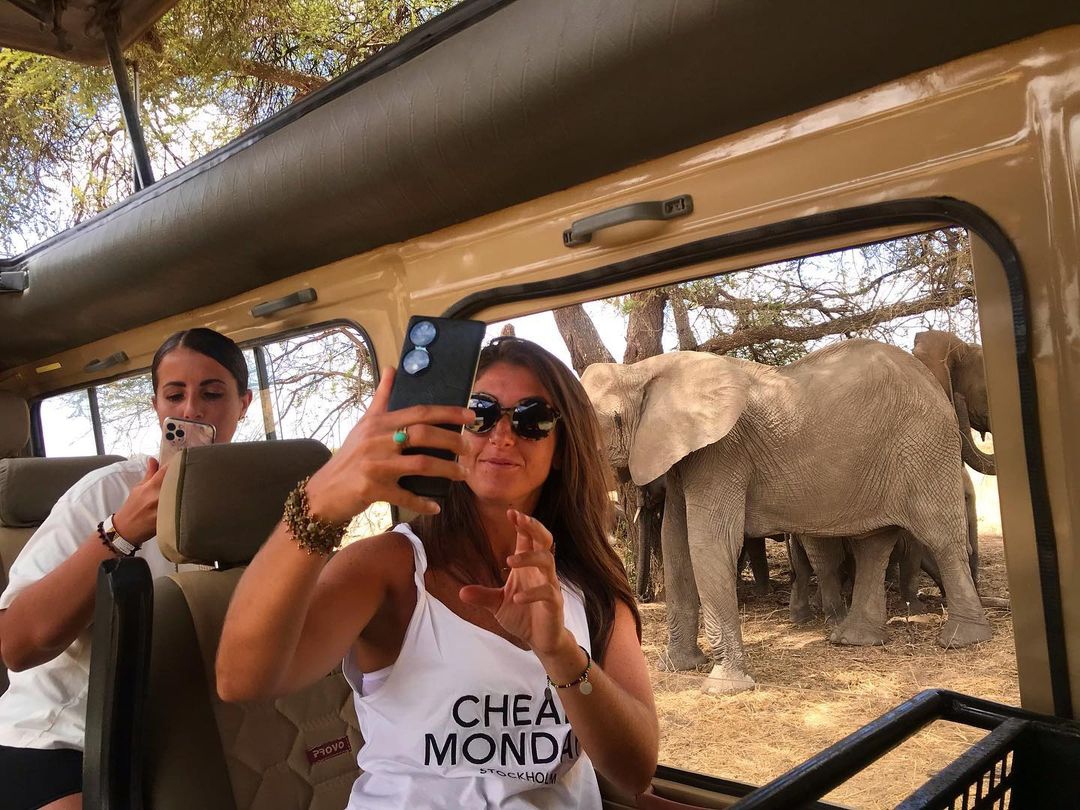
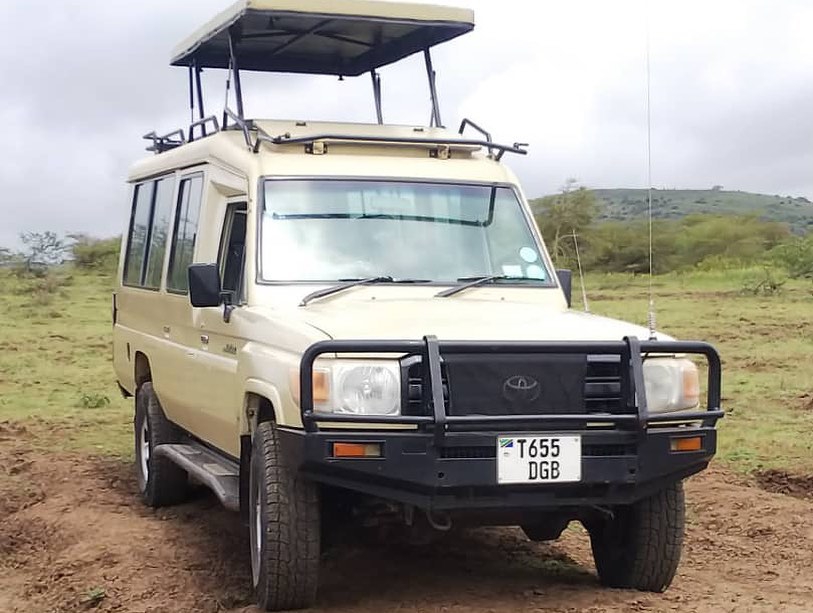
Game Drives: These are the core of your safari experience. You’ll typically be in a specially adapted 4×4 safari vehicle with a pop-up roof, driven by an experienced guide. Game drives can be morning, afternoon, or sometimes even night drives (depending on park regulations and package inclusions). Your guide’s expertise is crucial for spotting wildlife and understanding animal behavior.
Accommodation: Options range from comfortable lodges with amenities like swimming pools and restaurants to more immersive tented camps. Tented camps can vary from basic canvas tents to luxurious en-suite setups with comfortable beds and private verandas. The choice often depends on your budget and desired level of comfort. Expect meals to be provided at your accommodation or as picnic lunches during full-day drives.
Guides: A knowledgeable guide is your key to a successful safari. They are trained to track animals, identify species, understand animal behavior, and share insights into the local culture and environment. Many guides are local to the Moshi or Arusha region.
The Great Migration: If your safari is timed between June and October, you might witness the Great Migration in the Serengeti, a truly awe-inspiring natural event. The exact location of the herds varies annually, so your tour operator’s knowledge is vital for positioning you for the best viewing opportunities.
Seasonality:
| Season | Months | Wildlife Highlights | Pros | Cons |
|---|---|---|---|---|
| Dry Season (Peak) | June – October | Concentrated wildlife around water sources, Great Migration river crossings (July-Sept) | Excellent game viewing, pleasant temperatures, ideal for photography. | Higher prices, more crowds, Great Migration can be unpredictable. |
| Short Rains | November – December | Calving season begins in southern Serengeti (late Dec), lush landscapes, fewer crowds. | Beautiful green scenery, good birdwatching, lower prices. | Some roads may be challenging, intermittent rain showers. |
| Long Rains (Low Season) | January – March | Calving season in southern Serengeti (Jan-Feb), predators active, dramatic skies. | Very affordable, fewer tourists, dramatic scenery, excellent predator action. | Rain can disrupt game drives, some camps may close. |
| Green Season | April – May | Lush landscapes, migratory birds, dramatic scenery. | Very low prices, very few tourists, stunning green vistas. | Heavy rains can make some areas inaccessible, fewer concentrated herds. |
Inclusions and Exclusions in Safari Packages
Understanding what your safari package covers is crucial for budgeting and expectations. Most reputable Tanzania safari packages from Moshi will include:
Typical Inclusions:
- Park entrance fees for all mentioned parks.
- Accommodation as per the itinerary (lodges/camps).
- Meals (usually full board: breakfast, lunch, dinner).
- A 4×4 safari vehicle with a pop-up roof for game viewing.
- An experienced, English-speaking safari guide.
- Unlimited mileage game drives within the parks.
- Bottled drinking water during game drives.
- Airport transfers to/from Kilimanjaro International Airport (JRO) or Arusha Airport (ARK).
- Government taxes and levies.
Typical Exclusions:
- International flights to and from Tanzania.
- Visa fees.
- Travel insurance (mandatory).
- Gratuities for guides and camp staff.
- Personal expenses (souvenirs, laundry, alcoholic beverages).
- Optional activities (e.g., hot air balloon safari, Maasai village visit if not included).
- Tips for drivers and guides.
- Vaccinations and personal medical expenses.
Packing Essentials for Your Tanzania Safari
Packing smart ensures comfort and preparedness. Layers are key due to varying temperatures throughout the day and at different altitudes.
Clothing:
- Lightweight, neutral-colored clothing: Khaki, beige, light brown, or green are best. Avoid bright colors or dark colors like black/blue which can attract insects or be too hot.
- Long-sleeved shirts and trousers: For sun protection and to ward off insects, especially in the evenings.
- T-shirts and shorts: For warmer days.
- Fleece jacket or warm sweater: Essential for cool mornings and evenings, especially in the crater or at higher altitudes.
- Waterproof and windproof jacket: For unexpected rain showers, particularly during the shoulder seasons.
- Comfortable walking shoes/hiking boots: If you plan on any walking safaris or cultural visits.
- Sandals or flip-flops: For relaxing at the lodge/camp.
- Swimsuit: If your lodge has a pool.
Accessories:
- Sun hat with a wide brim: Crucial for sun protection.
- Sunglasses: Protect your eyes from the strong African sun.
- Binoculars: A must-have for spotting distant wildlife.
- Camera with extra batteries and memory cards: You’ll take a lot of photos! Consider a zoom lens.
- Power bank or portable charger: For keeping devices charged, especially in remote areas.
- Adapter: Tanzania uses Type G (UK style) sockets.
- Insect repellent: Containing DEET or Picaridin.
- Sunscreen: High SPF.
- Personal first-aid kit: Including any personal medications, pain relievers, antiseptic wipes, and bandages.
- Hand sanitizer.
- Reusable water bottle.
- Small backpack or daypack: For carrying essentials during game drives.
- Headlamp or flashlight: Useful for navigating camps at night.
Documents & Money:
- Passport (with at least 6 months validity) and visa (if required).
- Copies of passport, visa, and flight details (stored separately).
- Yellow Fever vaccination certificate (if arriving from an endemic country).
- Travel insurance details.
- Credit/debit cards and some US Dollars in small denominations for tips and small purchases.
Common Mistakes to Avoid When Booking
To ensure your safari is memorable for the right reasons, be aware of potential pitfalls:
- Not Researching Operators Thoroughly: Always choose reputable tour operators with good reviews and clear communication. Check their safety records and guide qualifications.
- Focusing Solely on Price: The cheapest option is rarely the best. Quality vehicles, experienced guides, and well-maintained camps come at a cost. A low price might mean compromises on safety, comfort, or the overall experience.
- Ignoring the Time of Year: Traveling during the wrong season can mean poor game viewing, difficult driving conditions, or missing key events like the migration.
- Not Clarifying Inclusions/Exclusions: Ensure you know exactly what fees, meals, and activities are covered to avoid unexpected costs.
- Underestimating Driving Times: Distances in Tanzania are vast. Be prepared for long drives between destinations, though these are often broken up with scenic views and wildlife sightings.
- Packing Inappropriately: Bright colors can scare animals and attract insects. Heavy luggage can be an issue on small bush planes if you opt for that at the end of your safari.
- Not Getting Travel Insurance: This is non-negotiable. Ensure it covers medical emergencies, evacuation, and trip cancellations.
- Not Communicating Dietary Needs or Special Requests: Inform your operator in advance about allergies, dietary restrictions, or any specific needs you have.
Who Are Tanzania Safari Packages From Moshi Best For?
These packages are incredibly versatile and suit a wide range of travelers:
- Adventure Seekers: Those looking for an authentic wilderness experience with thrilling wildlife encounters.
- Nature and Wildlife Enthusiasts: Individuals or groups passionate about photography, birdwatching, and observing diverse animal behaviors.
- Families: Safaris can be tailored for families, offering educational and exciting experiences for all ages. Many lodges offer family rooms.
- Couples and Honeymooners: Romantic lodges and the breathtaking scenery provide an unforgettable setting.
- Solo Travelers: Joining a small group safari is a great way to experience Tanzania safely and affordably.
- Kilimanjaro Trekkers: Moshi is the natural starting point for those combining a climb with a safari.
Alternative Safari Starting Points or Styles
While Moshi is a popular choice, other options exist:
- Arusha: The de facto safari capital of Tanzania, Arusha is closer to the parks than Moshi and has more accommodation options. Many operators are based here. Safaris from Arusha are very similar to those from Moshi.
- Kilimanjaro International Airport (JRO): Some packages might arrange for you to be met directly at JRO and start your safari without necessarily spending a night in Moshi or Arusha, especially for shorter trips.
- Private vs. Group Safaris: Most packages from Moshi can be booked as private tours (vehicle and guide exclusively for your group) or as part of a small group. Private safaris offer more flexibility, while group tours are generally more budget-friendly.
- Luxury vs. Budget Safaris: Accommodation and vehicle type significantly influence cost. Luxury safaris feature high-end lodges and private guides, while budget options might involve more basic tented camps and shared vehicles.
Planning Your 2026-2027 Tanzania Safari from Moshi
Planning ahead is key, especially if you’re looking to travel during peak seasons in 2026 or 2027. Here’s a timeline and some considerations:
| Timeframe Before Travel | Key Actions |
|---|---|
| 12+ Months Out | Define your budget, desired safari duration, and primary interests (e.g., Great Migration, birding, Big Five). Research tour operators. Book Kilimanjaro climbs if applicable, as these fill up quickly. |
| 9-12 Months Out | Contact your shortlisted operators for quotes and itinerary proposals. Choose your operator and book your safari. Secure your international flights. |
| 6-9 Months Out | Confirm your safari itinerary and accommodation choices. Start researching visa requirements. Book any optional activities like hot air balloon safaris. |
| 3-6 Months Out | Apply for your Tanzanian visa. Consult your doctor about recommended vaccinations and malaria precautions. Purchase comprehensive travel insurance. |
| 1-3 Months Out | Finalize packing list. Arrange for any necessary gear (e.g., camera equipment). Confirm flight details and inform your tour operator of your arrival times. |
| 2-4 Weeks Out | Exchange currency or confirm ATM availability. Pack your bags. Reconfirm all booking details with your tour operator. |
| 1 Week Out | Inform your bank of your travel dates. Make copies of important documents. Get a good night’s sleep! |
Booking for 2026 and 2027: Popular times, especially during the dry season (June-October) and the Great Migration river crossings (July-September), tend to book up well in advance. If you have specific accommodation preferences or are traveling during peak periods in 2026 or 2027, booking 9-12 months ahead is highly recommended.
Cost Considerations for Tanzania Safari Packages from Moshi
The cost of a safari package from Moshi can vary significantly based on several factors:
- Duration of Safari: Longer safaris naturally cost more due to more days of accommodation, park fees, and vehicle hire.
- Type of Accommodation: Mid-range lodges and tented camps are more affordable than luxury lodges and exclusive tented camps.
- Vehicle Type: While most operators use 4x4s, the age and maintenance of the vehicle can influence price.
- Group Size: Private safaris are more expensive per person than joining a shared group.
- Time of Year: Peak season (dry season) is generally more expensive than the low season (rainy season).
- Inclusions: Packages that include more activities (like hot air balloon rides) or higher-end meals will cost more.
As a general guideline, expect mid-range Tanzania safari packages from Moshi (e.g., 5-7 days covering the main Northern Circuit parks) to range from approximately $250 to $500+ USD per person per day. Budget options might be slightly lower, while luxury safaris can exceed $700-$1000+ USD per person per day. Always get detailed quotes from operators to understand the breakdown.
Booking Advice: Choosing the Right Tour Operator
Selecting a reliable tour operator is paramount. Here’s what to look for:
- Reputation and Reviews: Look for operators with a strong online presence and positive reviews on platforms like TripAdvisor, Google, and travel forums.
- Communication: A good operator will respond promptly and clearly to your inquiries. They should be able to answer your questions thoroughly and offer personalized advice.
- Experience and Local Knowledge: Operators based in Tanzania, particularly in Moshi or Arusha, often have invaluable local insights.
- Safety Standards: Inquire about their vehicle maintenance, guide training, and emergency protocols.
- Customization: Ensure they can tailor itineraries to your interests, budget, and timeframe.
- Transparency: Clear pricing and detailed itineraries are essential. Ask for a breakdown of costs if needed.
We, at Best Tanzania Tour Operator, specialize in crafting unforgettable safari experiences from Moshi. We pride ourselves on our local expertise, commitment to safety, and personalized service. Whether you’re looking for a classic Northern Circuit adventure, a combination safari and Kilimanjaro trek, or a custom itinerary for 2026 or 2027, we are here to help.
Get in touch to start planning your dream Tanzania safari:
WhatsApp: +255616946642
Email: topguideadventures@gmail.com
Backup Email: info@topguideadventures.com
Frequently Asked Questions (FAQs)
1. What is the best time of year for a Tanzania safari from Moshi in 2026-2027?
The best time for game viewing is generally during the dry season, from June to October. This is when wildlife congregates around water sources, and the Great Migration is often in the northern Serengeti, with river crossings possible from July to September. For the calving season and lush landscapes with fewer crowds, consider January to February. For 2026-2027, these patterns are expected to hold, but always check with your operator for the most current wildlife movements.
2. How long should a safari from Moshi typically last?
Most Tanzania safari packages from Moshi range from 3 to 7 days. A 3-day safari might cover Tarangire and Ngorongoro, while a 5-7 day trip allows for a more in-depth exploration of the Serengeti as well.
3. What is the difference between a private and a group safari?
A private safari means you have exclusive use of the safari vehicle and guide for your group, offering maximum flexibility. A group safari involves joining other travelers in a shared vehicle, which is typically more budget-friendly but has less flexibility regarding departure times and routes.
4. Do I need a visa for Tanzania?
Most nationalities require a visa to enter Tanzania. You can apply for a visa online in advance or upon arrival at Kilimanjaro International Airport (JRO). Check the latest requirements for your specific nationality well before your 2026-2027 trip.
5. What vaccinations are recommended for Tanzania?
Yellow Fever vaccination is often mandatory if you are arriving from or transiting through a country with a risk of Yellow Fever. Malaria is present in most safari areas, so antimalarial medication is usually recommended. Consult your doctor or a travel clinic at least 4-6 weeks before your travel date for personalized advice.
6. Is it safe to go on a safari from Moshi?
Tanzania is generally a safe country for tourism, and safaris are a well-established industry. Reputable tour operators prioritize safety with well-maintained vehicles, experienced guides, and emergency protocols. It’s important to follow your guide’s instructions and be aware of your surroundings.
7. Can I combine a safari with climbing Mount Kilimanjaro?
Absolutely! Moshi is the primary base for Kilimanjaro climbs. Many travelers combine a safari with a trek. It’s common to do the safari before or after your climb, allowing you to acclimatize or relax post-trek. Ensure your tour operator can handle both aspects for a seamless experience in 2026 or 2027.
8. What kind of vehicle will I be using?
Most safari packages from Moshi utilize a customized 4×4 safari vehicle, typically a Land Cruiser or Land Rover, equipped with a pop-up roof for optimal game viewing and photography. These vehicles are designed for off-road conditions.
9. How much should I tip my safari guide?
Tipping is customary and appreciated. A general guideline for a safari guide is around $20-$30 USD per day per group. For camp staff, a tip box is often available, or you can give a smaller amount directly. Your tour operator can provide more specific recommendations for 2026-2027.
10. What is the best way to book Tanzania safari packages from Moshi for 2027?
The best way to book is to contact reputable tour operators directly. Look for those with strong online reviews and clear communication. Provide them with your desired dates, duration, budget, and interests. They will then propose a customized itinerary and quote. For 2027, booking at least 9-12 months in advance is advisable, especially for peak seasons.
Start Planning Your Unforgettable Tanzania Safari from Moshi
A safari adventure starting from Moshi offers a gateway to some of the most spectacular wildlife viewing opportunities on Earth. From the vast plains of the Serengeti to the unique ecosystem of the Ngorongoro Crater, the Northern Circuit promises an experience you won’t forget. Whether you are planning for 2026, 2027, or 2028, careful planning and choosing the right partners will ensure your trip is a resounding success.
Let us help you craft your perfect Tanzania safari package from Moshi. We handle all the details so you can focus on the incredible wildlife and landscapes.
Contact us today to begin planning:
WhatsApp: +255616946642
Email: topguideadventures@gmail.com
Backup Email: info@topguideadventures.com
Plan your Tanzania Safari Packages From Moshi with Top Guide Adventures
Tell us your travel dates, group size, comfort level, and dream experience. We will help you shape a clear, realistic, and memorable Tanzania itinerary.







 Veedesigner
 Fatma Kizanga
 Benjamin Waryuba
 Philip Philip
 John jr Itaja
 Antonia Optatus
 Edith Kanyere
 Neema Iddy
 Kelvin Boniphace
 Damari Maiga



