
Updated planning guide for 2026, 2027-2028
Tanzania Safari Tours From Moshi: Best Guide 2026-2027-2028
Your ultimate guide to planning Tanzania safari tours from Moshi. Find out the best parks, itineraries, costs, and how to book your dream African adventure.
WhatsApp +255616946642 | topguideadventures@gmail.com | info@topguideadventures.com
Your Complete Guide to Tanzania Safari Tours From Moshi
Moshi, a vibrant town nestled at the foot of Mount Kilimanjaro, serves as a crucial gateway for many travelers venturing into Tanzania’s world-renowned safari destinations. For those seeking an authentic African wildlife experience, arranging Tanzania safari tours from Moshi offers a strategic starting point, especially for trekkers completing their Kilimanjaro ascent. This guide provides an in-depth look at planning, experiencing, and maximizing your safari adventure that begins in this northern Tanzanian hub.
Choosing Moshi as your safari departure point connects you directly to some of the most iconic national parks in the Northern Circuit, including the Serengeti, Ngorongoro Crater, Tarangire, and Lake Manyara. Whether you’re a first-time visitor or a seasoned traveler, understanding the nuances of safaris originating from Moshi is key to a successful and memorable journey. We cover everything from selecting the right parks and itineraries to practical planning details for 2026 and 2027.
Table of Contents
- Quick Facts About Tanzania Safaris From Moshi
- Tanzania Safari Tours From Moshi: An Overview
- Why Choose Moshi as Your Safari Starting Point?
- Best Time for Tanzania Safari Tours From Moshi
- Northern Circuit Safari Route Overview
- Sample 7-Day Northern Circuit Safari Itinerary From Moshi
- Key National Parks Accessible From Moshi
- What to Expect on Your Safari
- Inclusions, Packing, and Preparation
- Common Mistakes to Avoid
- Who Are Tanzania Safari Tours From Moshi Best For?
- Alternatives to Moshi-Based Safaris
- Planning Your Safari for 2026-2027
- Booking Your Tanzania Safari Tour
- Frequently Asked Questions
Quick Facts About Tanzania Safaris From Moshi
| Aspect | Details |
|---|---|
| Primary Departure Point | Moshi, Tanzania |
| Main Safari Circuit | Northern Circuit (Serengeti, Ngorongoro, Tarangire, Lake Manyara) |
| Common Safari Lengths | 3 to 10 days |
| Wildlife Highlights | Big Five, Great Migration (seasonal), diverse birdlife, primates |
| Accommodation Types | Tented camps, lodges (budget to luxury) |
| Best Travel Months | June to October (dry season), January to February (calving season) |
| Transportation | 4×4 safari vehicles (land cruisers/land rovers) |
| Typical Starting Activities | Post-Kilimanjaro trek, direct arrival from Kilimanjaro International Airport (JRO) |
Tanzania Safari Tours From Moshi: An Overview
Tanzania is synonymous with exceptional wildlife viewing. The Northern Circuit, easily accessible from Moshi, is the crown jewel of Tanzanian safaris. This region is home to a concentration of the country’s most famous national parks and conservation areas, offering unparalleled opportunities to witness the continent’s magnificent fauna in their natural habitat. Safaris from Moshi typically involve a journey through this circuit, allowing visitors to experience diverse landscapes and ecosystems.
These tours are designed to maximize wildlife sightings, often focusing on the Serengeti’s vast plains, the Ngorongoro Crater’s unique caldera ecosystem, Tarangire’s elephant herds, and Lake Manyara’s tree-climbing lions. The logistics of starting from Moshi are straightforward, with tour operators providing transport, accommodation, park fees, and experienced guides. The experience is usually conducted in specially adapted 4×4 safari vehicles, ensuring comfort and optimal viewing positions.
Why Choose Moshi as Your Safari Starting Point?
Moshi offers several compelling advantages for safari-goers:
- Proximity to Kilimanjaro International Airport (JRO): JRO is the main international gateway for northern Tanzania. Many travelers arrive here directly, making Moshi a convenient first stop.
- Post-Trek Convenience: For those who have just completed a Kilimanjaro climb, Moshi is the natural place to rest and transition to a safari. You can often arrange your safari with the same company that handled your trek, ensuring a smooth handover.
- Gateway to the Northern Circuit: Moshi is strategically located for accessing the popular parks of the Northern Circuit. It’s closer to Arusha National Park and provides a good starting point for longer circuits involving Serengeti and Ngorongoro.
- Cultural Hub: Moshi is a bustling town with a local feel, offering a different perspective from the more tourist-focused Arusha. You can experience local markets, coffee plantations, and interact with the Chagga people.
- Cost-Effectiveness: While not always the cheapest option, starting from Moshi can sometimes offer slightly more competitive pricing for packages compared to starting directly in Arusha, depending on the operator.
Best Time for Tanzania Safari Tours From Moshi
The ‘best time’ for a safari depends on your priorities. Tanzania offers incredible wildlife viewing year-round, but certain periods are more popular due to specific natural events or weather patterns.
| Period | Weather | Wildlife Highlights | Crowds | Notes |
|---|---|---|---|---|
| June – October (Dry Season) | Cooler temperatures, minimal rain, dry landscapes. | Excellent game viewing as animals congregate around water sources. Ideal for seeing the Great Migration in the Serengeti (river crossings often occur July-September). Fewer insects. | High season, expect more tourists and higher prices. | Perfect for photography and general wildlife spotting. |
| November – December (Short Rains) | Intermittent light showers, green landscapes start to appear. | Good game viewing, migration moves towards southern Serengeti. Birdwatching season begins. | Moderate crowds, prices may decrease slightly. | Pleasant temperatures, beautiful scenery. |
| January – February (Calving Season) | Warm and dry, short rainy season can occur in late Feb. | Calving season in the Southern Serengeti, offering incredible predator-prey action. Excellent for birdwatching. | Moderate crowds, prices can be high due to demand for calving season. | Great for seeing young animals and predator activity. |
| March – May (Long Rains) | Heavy, prolonged rainfall, lush green scenery. | Lower tourist numbers, excellent rates. Game viewing can be more challenging in dense vegetation, but animals are still present. The Great Migration moves north. | Low season, fewer tourists, best prices. | Ideal for budget travelers and photographers seeking dramatic landscapes. Roads can be muddy. |
For 2026 and 2027, the dry season (June-October) will likely remain the most popular and consequently the busiest period. If you prefer fewer crowds and better rates, consider the shoulder months (November, December, or late February/early March) or the low season (April/May), keeping in mind potential rainfall.
Northern Circuit Safari Route Overview
While a physical map isn’t possible in this format, here’s a common flow for a safari starting from Moshi, covering the Northern Circuit. The exact order can vary based on tour operator and duration.
Typical Safari Route Progression
- Moshi/Arusha: Arrival, briefing, and preparation.
- Tarangire National Park: Known for its large elephant herds and baobab trees. Often visited first due to its proximity to Arusha.
- Lake Manyara National Park: Famous for tree-climbing lions, flamingos, and diverse birdlife. Its compact size makes it a good one-day visit.
- Ngorongoro Conservation Area: Home to the Ngorongoro Crater, a UNESCO World Heritage Site with a high density of wildlife, including the Big Five.
- Serengeti National Park: The vast plains are legendary for the Great Migration and abundant predators. Often requires multiple days to explore different regions.
- Return to Moshi/Arusha: Departure or onward travel.
Note: Some itineraries might include Lake Natron for flamingo viewing or other cultural experiences, depending on the operator and your interests. The direction can also be reversed.
Sample 7-Day Northern Circuit Safari Itinerary From Moshi
This is a sample itinerary. Actual tours can be customized. It assumes you are ready to depart from Moshi on Day 1.
| Day | Location | Activities | Accommodation Type |
|---|---|---|---|
| Day 1 | Moshi to Tarangire | Morning pick-up from Moshi, drive to Tarangire National Park. Full-day game drive exploring Tarangire’s iconic baobab trees and large elephant herds. Overnight near the park. | Tented Camp / Lodge |
| Day 2 | Tarangire to Lake Manyara / Karatu | Morning game drive in Tarangire (optional), then drive to Lake Manyara National Park. Afternoon game drive focusing on tree-climbing lions, diverse birdlife, and flamingos. Drive to Karatu for overnight. | Lodge / Tented Camp |
| Day 3 | Ngorongoro Crater Tour | Descend into the Ngorongoro Crater for a full day of game viewing. High chance of spotting the Big Five, including the endangered black rhino. Picnic lunch on the crater floor. Ascend and overnight in Karatu or near the crater rim. | Lodge / Tented Camp |
| Day 4 | Karatu to Serengeti National Park | Drive to Serengeti National Park, entering via the Ngorongoro Conservation Area. Stop at Olduvai Gorge (optional, extra fee). Begin game drives en route to your accommodation in Central Serengeti. | Tented Camp / Lodge |
| Day 5 | Serengeti National Park | Full day exploring the vast plains of the Serengeti. Focus on predator sightings and, depending on the season, the Great Migration. Early morning or late afternoon game drives are often most productive. | Tented Camp / Lodge |
| Day 6 | Serengeti to Moshi | Optional early morning game drive in Serengeti. After breakfast, begin the long drive back towards Moshi. Stop for lunch en route. Arrive in Moshi in the late afternoon/evening. | N/A (Departure) |
| Day 7 | Optional Day Trip / Departure | Depending on your flight schedule, you might have time for a local excursion around Moshi or depart from Kilimanjaro International Airport (JRO). | N/A (Departure) |
Key National Parks Accessible From Moshi
- Serengeti National Park: Arguably the most famous safari destination in the world. Its name means ‘endless plains’ in the Maasai language. It’s home to over 3 million large mammals, including the annual Great Migration of wildebeest and zebras, as well as abundant predators like lions, leopards, cheetahs, hyenas, and wild dogs.
- Ngorongoro Crater: A UNESCO World Heritage Site and a natural amphitheater teeming with wildlife. The crater floor hosts an incredibly dense population of animals, including the Big Five (lion, leopard, elephant, rhino, buffalo) within a relatively small area. It’s a unique ecosystem due to its isolation.
- Tarangire National Park: Known for its massive elephant herds, especially during the dry season when they congregate around the Tarangire River. The park also features iconic baobab trees and a diverse range of birdlife. It’s a fantastic destination for seeing large predators.
- Lake Manyara National Park: Though small, this park offers remarkable biodiversity. It’s famous for its tree-climbing lions, a large population of baboons, and vibrant flocks of flamingos that often adorn the soda lake. It’s also a great place to spot hippos and diverse bird species.
- Arusha National Park: Closer to Moshi than other major parks, it’s often overlooked but offers stunning scenery with Mount Meru as its backdrop. It’s home to diverse wildlife including colobus monkeys, buffalo, giraffes, and a beautiful alkaline lake frequented by flamingos. It’s also a starting point for Mount Meru treks.
What to Expect on Your Safari
A safari from Moshi is an immersive experience. Here’s what you can generally anticipate:
- Early Mornings: Safaris often start early to take advantage of cooler temperatures and increased animal activity. Dawn is a magical time for wildlife viewing.
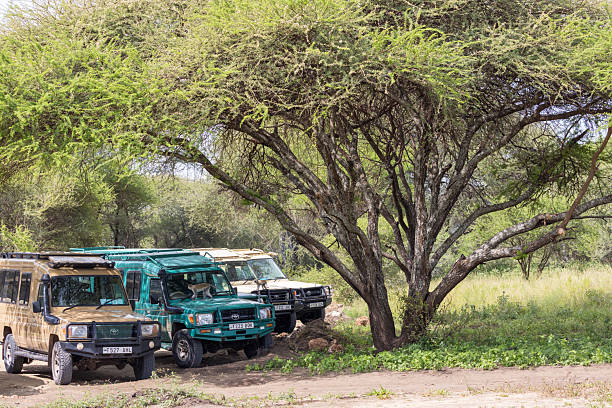
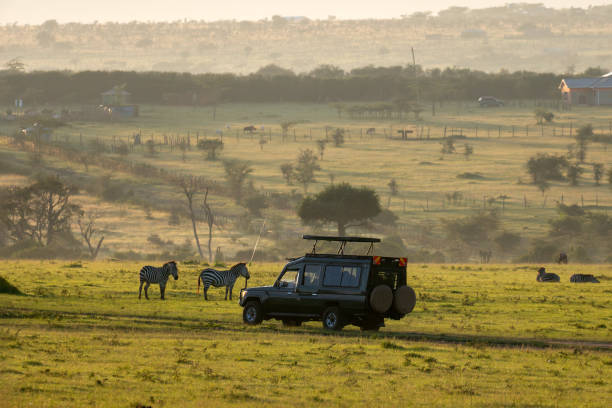
- Vehicle Comfort: You’ll travel in a specially designed 4×4 safari vehicle (usually a Land Cruiser or Land Rover) with pop-up roofs for unobstructed views and photography. These vehicles are equipped for rough terrain.
- Expert Guides: Your guide is crucial. They are trained to spot wildlife, understand animal behavior, and navigate the parks. They are often fluent in English and have extensive knowledge of the local flora and fauna.
- Accommodation: Options range from basic but comfortable tented camps, offering a close-to-nature experience, to mid-range lodges and luxurious high-end resorts. Most safari packages include full board (breakfast, lunch, dinner).
- Wildlife Sightings: While seeing the Big Five is a common goal, Tanzania offers a wealth of other animals. Patience is key; not every sighting is guaranteed, but the sheer abundance of wildlife makes for rewarding viewing.
- Landscape Diversity: From the vast plains of the Serengeti to the dense forests of the Ngorongoro Crater and the baobab-studded landscapes of Tarangire, the scenery is as captivating as the wildlife.
- Pace: Safaris involve a good amount of driving between locations. Game drives are typically several hours long, with breaks for meals or to simply absorb the surroundings.
Inclusions, Packing, and Preparation
Understanding what’s typically included in your safari package and what you need to bring is vital for a smooth trip.
Typical Inclusions:
- Park entrance fees (these are significant costs)
- Accommodation during the safari
- All meals (breakfast, lunch, dinner) as specified in the itinerary
- A dedicated 4×4 safari vehicle with a pop-up roof
- Professional English-speaking driver-guide
- Bottled water in the safari vehicle
- Game drives as per the itinerary
- Airport transfers (if arranged with the operator)
- All government taxes and levies
What to Pack:
Pack light, in soft-sided bags or duffels, as space in vehicles can be limited.
Clothing:
- Lightweight, neutral-colored clothing (khaki, beige, green, brown). Avoid bright colors and dark blue/black, which can attract insects.
- Long-sleeved shirts and trousers for sun protection and evenings.
- Fleece jacket or warm sweater for cool mornings and evenings.
- Waterproof/windproof jacket (especially during rainy seasons).
- Comfortable walking shoes or hiking boots (if planning any short walks).
- Sandals or flip-flops for relaxing at camp/lodge.
- Swimsuit (for lodges with pools).
- Hat with a wide brim for sun protection.
Gear & Essentials:
- Sunscreen (high SPF)
- Insect repellent (with DEET)
- Sunglasses
- Camera with extra batteries and memory cards
- Binoculars (highly recommended)
- Small backpack for day use
- Headlamp or flashlight
- Personal toiletries (biodegradable options are appreciated)
- Basic first-aid kit (band-aids, pain relievers, antiseptic wipes, motion sickness medication)
- Hand sanitizer
- Power adapter and portable power bank
- Copies of important documents (passport, visa, insurance)
- Cash for tips and souvenirs (USD is widely accepted)
Important Note:
Check with your tour operator for specific recommendations and any items they provide.
Common Mistakes to Avoid
Planning a safari involves many details. Here are common pitfalls to sidestep:
- Choosing the Wrong Time of Year: Traveling during the peak of the rainy season without understanding its implications for game viewing and road conditions can be disappointing.
- Underestimating Driving Times: Tanzania is vast. Distances between parks can be long, and travel days can be tiring. Factor this into your itinerary.
- Not Booking in Advance: Especially for peak seasons (June-October and January-February), popular lodges and camps fill up months ahead. Booking early is crucial for 2026-2027 trips.
- Focusing Only on the Big Five: While iconic, Tanzania’s wildlife is incredibly diverse. Appreciate all the animals and birds you encounter.
- Packing Inappropriately: Bright clothing, excessive luggage, or forgetting essentials like insect repellent can detract from your experience.
- Not Budgeting for Extras: Park fees, accommodation, and transport are the bulk of the cost, but remember tips, drinks, souvenirs, and optional activities.
- Choosing the Cheapest Operator: The lowest price often means compromises on vehicle quality, guide experience, accommodation standards, or even safety. Opt for reputable operators.
- Ignoring Operator Recommendations: Experienced operators know the parks, the seasons, and the best ways to structure an itinerary. Trust their advice.
Who Are Tanzania Safari Tours From Moshi Best For?
Tanzania safari tours originating from Moshi cater to a wide range of travelers:
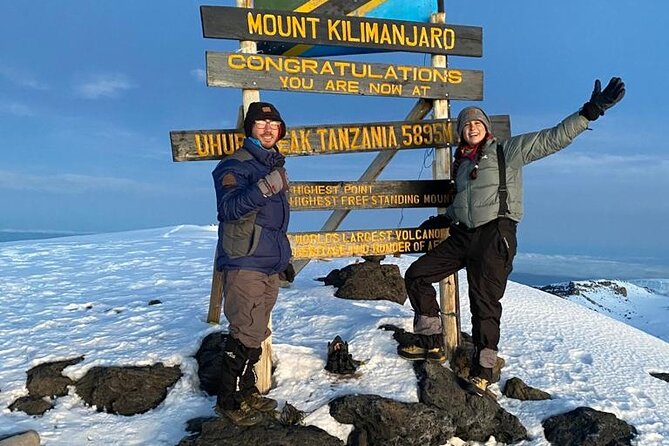
- Kilimanjaro Trekkers: This is the most natural fit. After conquering Africa’s highest peak, a safari is the perfect way to relax, recover, and witness the wildlife you came to Africa to see.
- Nature and Wildlife Enthusiasts: Anyone with a passion for animals and their habitats will find Tanzania unparalleled. The sheer density and variety of wildlife are breathtaking.
- Photographers: The dramatic landscapes, diverse wildlife, and opportunities for stunning shots make it a photographer’s paradise.
- Adventure Seekers: While not extreme adventure, the thrill of spotting a lion on the hunt or a herd of elephants at dusk is an adventure in itself.
- Families: Safaris can be adapted for families, offering educational and exciting experiences for children (age restrictions may apply for certain accommodations or activities).
- Couples and Honeymooners: The romantic setting of tented camps under the stars, combined with incredible wildlife, makes for an unforgettable romantic getaway.
- Solo Travelers: Joining a small group safari is a great way for solo travelers to experience Tanzania affordably and safely, meeting like-minded people.
Alternatives to Moshi-Based Safaris
While Moshi is a convenient starting point, other options exist:
- Arusha as a Starting Point: Arusha is the de facto safari capital of the Northern Circuit. Most operators are based here, and it’s a slightly larger city with more amenities. If you’re not climbing Kilimanjaro, starting directly from Arusha might be more direct.
- Fly-in Safaris: For a more luxurious and time-efficient experience, you can fly directly from Kilimanjaro International Airport (JRO) or Arusha Airport to airstrips within the Serengeti or other parks. This bypasses the road travel but is significantly more expensive.
- Southern Circuit Safaris: While the Northern Circuit is more famous, Tanzania’s Southern Circuit (including Selous Game Reserve and Ruaha National Park) offers a wilder, less crowded experience. These are typically accessed via Dar es Salaam or internal flights.
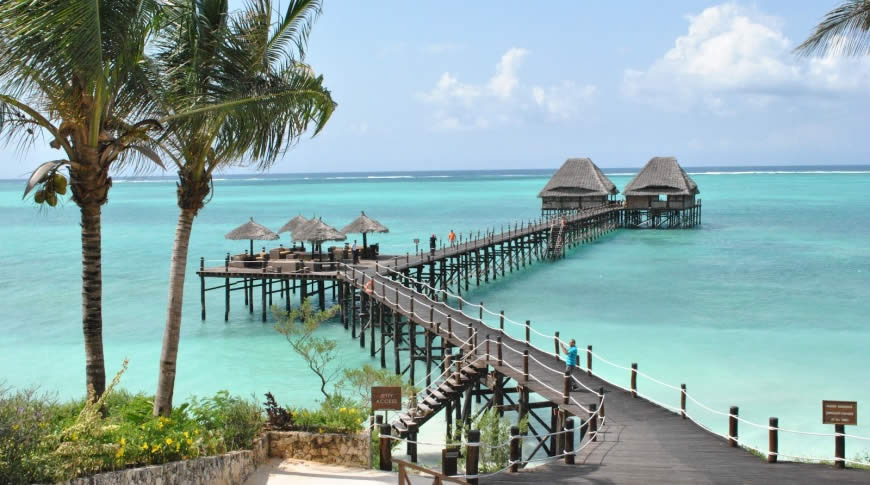
- Zanzibar Extension: Many travelers combine a Northern Circuit safari with a relaxing beach holiday on Zanzibar. You would typically fly from Serengeti or Arusha to Zanzibar.
Planning Your Safari for 2026-2027
Planning a safari for 2026 or 2027 requires foresight, especially with popular destinations and peak seasons.
- Book Early: For the best availability of lodges, camps, and safari vehicles, especially if you plan to travel during the dry season (June-October 2026/2027) or for the calving season (January-February 2027), start planning and booking at least 9-12 months in advance.
- Define Your Budget: Safaris can range from budget-friendly to ultra-luxury. Determine your comfortable spending range to help narrow down accommodation and tour operator choices.
- Choose Your Parks Wisely: For a first-time safari, the Northern Circuit is highly recommended. For longer trips or repeat visitors, consider adding less-visited parks or focusing on specific interests (e.g., birding, photography).
- Consider Safari Style: Will you opt for a private safari (more flexibility, higher cost) or a group safari (more budget-friendly, fixed itinerary)?
- Visa and Vaccinations: Check Tanzania’s visa requirements for your nationality well in advance. Consult your doctor about recommended vaccinations and malaria precautions for 2026-2027 travel.
- Travel Insurance: Ensure you have comprehensive travel insurance that covers medical emergencies, trip cancellations, and lost luggage.
Booking Your Tanzania Safari Tour
Selecting the right tour operator is paramount for a successful safari. Here’s how to approach booking your Tanzania safari tours from Moshi:
- Research Reputable Operators: Look for companies with good online reviews, clear communication, and a strong commitment to sustainable tourism. Check their affiliations with local tourism bodies.
- Get Multiple Quotes: Contact several operators with your desired dates, number of travelers, and preferred itinerary. Compare what’s included, the quality of accommodation, and the price.
- Ask Detailed Questions: Don’t hesitate to ask about the safari vehicle type, guide experience, meal inclusions, cancellation policies, and payment terms.
- Understand Inclusions/Exclusions: Be clear on what your quoted price covers. Park fees, meals, accommodation, guide services, and vehicle costs are usually included. Tips, personal expenses, drinks, and optional activities are often extra.
- Read the Contract Carefully: Before making any payment, review the terms and conditions, particularly regarding cancellations and amendments.
- Payment Schedule: Most operators require a deposit (e.g., 30-50%) to confirm your booking, with the balance due closer to the travel date (e.g., 30-60 days prior).
- Communication is Key: For your 2026 or 2027 safari, clear and prompt communication with your chosen operator is essential.
Ready to plan your unforgettable Tanzania safari tour from Moshi? Contact us for expert advice and tailor-made itineraries. We specialize in creating incredible wildlife experiences.
Get in Touch:
WhatsApp: +255616946642
Email: topguideadventures@gmail.com
Backup Email: info@topguideadventures.com
Let us help you craft your dream African adventure, whether it’s a safari, Kilimanjaro trek, or Zanzibar escape!
Frequently Asked Questions
Q1: How long does it take to get from Moshi to the Serengeti?
A1: The journey from Moshi to the Serengeti is long, typically taking a full day (8-10 hours or more) with game drives en route. This includes driving to Arusha, then to the Serengeti entrance gate, and finally to your lodge/camp within the park. Many itineraries break this journey up by visiting Tarangire and Lake Manyara first.
Q2: What is the best way to arrange Tanzania safari tours from Moshi?
A2: The best way is to book with a reputable local tour operator. They have the expertise, logistics, and knowledge of the parks. Many operators based in Moshi or Arusha specialize in safaris starting from this region, especially for post-Kilimanjaro trekkers.
Q3: Can I see the Great Migration on a safari from Moshi?
A3: Yes, the Great Migration is a highlight of the Serengeti. Its location varies throughout the year. If seeing the migration is a priority for your 2026 or 2027 safari, consult your tour operator about the best time and areas to visit within the Serengeti based on the migration’s predictable cycle.
Q4: What are the typical costs for a safari from Moshi?
A4: Safari costs vary significantly based on accommodation level (budget, mid-range, luxury), safari length, and the number of people. A mid-range 5-day safari from Moshi could range broadly from $1,500 to $3,000+ per person, excluding international flights and tips. It’s best to get custom quotes.
Q5: Is it safe to go on a safari from Moshi?
A5: Yes, Tanzania is a safe destination for tourism. Reputable safari operators adhere to strict safety protocols. Your safari vehicle is designed for wildlife viewing, and experienced guides ensure your safety by maintaining appropriate distances from animals.
Q6: Do I need a visa for Tanzania?
A6: Most nationalities require a visa for Tanzania. You can typically apply for a tourist visa online in advance or obtain one upon arrival at Kilimanjaro International Airport (JRO). Check the latest requirements for your country before your 2026-2027 trip.
Q7: What is the difference between a lodge and a tented camp?
A7: Lodges are permanent structures, often with amenities like swimming pools and restaurants. Tented camps offer a more immersive experience with canvas tents, which can range from basic to very luxurious (glamping), often with en-suite bathrooms and comfortable furnishings.
Q8: How much should I tip my safari guide?
A8: Tipping is customary and appreciated. A general guideline for a private safari is around $20-30 per day for the driver-guide. For group tours, it might be slightly less per person. Your operator can provide specific recommendations.
Q9: Can I combine a safari from Moshi with Zanzibar?
A9: Absolutely! This is a very popular combination. After your safari, you can fly from the Serengeti or Arusha to Zanzibar for a relaxing beach holiday. Many operators can arrange this seamless transition for your 2026 or 2027 travel plans.
Q10: What if I want a custom safari itinerary?
A10: Most reputable tour operators, including us, offer custom safari planning. You can work with them to design an itinerary that perfectly matches your interests, budget, and time constraints.
Ready to Plan Your Tanzania Safari Tour From Moshi?
Your adventure in the wild heart of Africa awaits. Tanzania safari tours from Moshi offer an incredible opportunity to witness some of the planet’s most spectacular wildlife and breathtaking landscapes. Whether you’re celebrating a Kilimanjaro achievement or fulfilling a lifelong dream, we are here to help you craft the perfect safari experience for 2026-2027.
Contact Us Today for a Personalized Quote:
WhatsApp: +255616946642
Email: topguideadventures@gmail.com
Backup Email: info@topguideadventures.com
Let us guide you through the planning process and ensure your Tanzania safari is an unforgettable journey.
Plan your Tanzania Safari Tours From Moshi with Top Guide Adventures
Tell us your travel dates, group size, comfort level, and dream experience. We will help you shape a clear, realistic, and memorable Tanzania itinerary.

 Veedesigner
 Fatma Kizanga
 Benjamin Waryuba
 Philip Philip
 John jr Itaja
 Antonia Optatus
 Edith Kanyere
 Neema Iddy
 Kelvin Boniphace
 Damari Maiga



