
A Tarangire Birdwatching Adventure offers unparalleled opportunities to witness over 550 bird species within one of Tanzania’s most dynamic national parks, renowned for its elephant herds and baobab-dotted landscapes. The best time for birdwatching is typically during the green season from November to April when migratory birds are present, though resident species are abundant year-round. Top Guide Adventures specializes in crafting tailored birding itineraries focusing on key areas like the Tarangire River, swamps, and acacia woodlands to maximize sightings of raptors, waterbirds, and endemic species, ensuring a memorable experience for enthusiasts planning for 2026-2027.
Discovering the Avian Wonders of Tarangire National Park
Tarangire National Park, often called the ‘Land of Giants’ due to its massive elephant populations and iconic baobab trees, is also a veritable paradise for birdwatchers. While many visitors come for the large mammals, the sheer diversity and abundance of birdlife make a Tarangire Birdwatching Adventure a compelling reason to visit. The park’s varied habitats – from the permanent Tarangire River and its surrounding swamps to the dry acacia woodlands and rocky kopjes – support an astonishing array of avian species, including numerous endemics and palearctic migrants.
For ornithologists and casual bird enthusiasts alike, Tarangire presents a unique ecosystem where bird sightings are not just an addition to the safari experience but a primary attraction. The sheer scale of the park, combined with its strategic location in the Northern Safari Circuit, makes it an essential stop for anyone seeking a comprehensive Tanzanian wildlife encounter, particularly for those planning their trips for the 2026-2027 seasons.
Why Tarangire is a Premier Birdwatching Destination
Tarangire’s ecological richness is the foundation of its birdwatching appeal. The park’s landscape is dominated by large baobab trees, which provide nesting sites and perches for many species. The Tarangire River, a vital water source, attracts a concentration of wildlife, including a spectacular variety of waterbirds, especially during the dry season when other water sources diminish. The adjacent swamps are also critical habitats, supporting specialized birdlife.
The park’s location is also significant. Situated south of Lake Manyara and west of the Great Rift Valley, Tarangire receives both resident and migratory birds. During the wet season (roughly November to April), European and North African migrants arrive, significantly boosting the avian population and offering a different spectacle compared to the dry season.
The Tarangire Birdwatching Adventure is enhanced by the park’s accessibility and the quality of its safari infrastructure. Top Guide Adventures leverages its local expertise to guide visitors to the best spots, ensuring optimal viewing conditions and maximizing the chances of encountering rare and sought-after species.
Key Habitats for Birding in Tarangire
Understanding Tarangire’s diverse habitats is crucial for a successful birdwatching expedition. Each zone offers unique opportunities to spot different species:
- Tarangire River and Swamps: These permanent water sources are magnets for a vast array of waterbirds. Expect to see herons, egrets, storks, kingfishers, and various waterfowl. The swamps, in particular, are known for species like the African Fish Eagle, Hamerkop, and Goliath Heron. During migration seasons, these areas become even more vibrant with visiting species.
- Acacia Woodlands: The dominant vegetation type, these woodlands are home to a rich variety of insectivorous, seed-eating, and raptorial birds. Look for hornbills, woodpeckers, barbets, weavers, and various sunbirds. This is also prime territory for spotting raptors like the Bateleur and Martial Eagle.
- Grasslands and Open Savannas: These areas are ideal for spotting ground-dwelling birds and birds of prey. Bustards, guinea fowl, larks, and pipits are common here. The open spaces also offer excellent visibility for observing eagles and vultures soaring overhead.
- Rocky Kopjes and Termite Mounds: These elevated features provide perching spots for raptors and are often frequented by species like the Rock Martin and Pied Babbler. Termite mounds can also be nesting sites for certain birds.
The Best Time for Your Tarangire Birdwatching Adventure
While Tarangire offers rewarding birdwatching year-round, certain periods are particularly exceptional, depending on your interests. For the most diverse avian spectacle, timing is key.
The Green Season (November to April): A Migratory Feast
This period coincides with the arrival of palearctic migrants. Birds from Europe and North Africa join the resident species, significantly increasing the number and variety of birds in the park. This is the prime time for bird photographers and serious ornithologists. Expect to see species like:
- European Roller
- Amur Falcon
- Steppe Eagle
- Waders and other waterbirds
The landscape is lush and green, offering beautiful photographic opportunities. While game viewing can be slightly more challenging due to thicker vegetation, the birdlife is at its absolute peak. Many of these migrants depart by April, making early to mid-year the most rewarding for observing them.
The Dry Season (June to October): Resident Birds and Water Attractors
During the dry season, Tarangire’s wildlife, including elephants, congregates around the permanent water sources, especially the Tarangire River and its swamps. This concentration of animals also draws a significant number of resident birds. The drier conditions make spotting wildlife easier due to sparser vegetation and animals gathering at waterholes.
This season is excellent for observing resident raptors, waterbirds that remain year-round, and the general abundance of species that thrive in the acacia and grassland ecosystems. While the vibrant colors of the migratory species are absent, the sheer density of resident birds and the accessibility of viewing make it a fantastic period for a Tarangire Birdwatching Adventure.
Planning for 2026-2027: For the absolute best diversity, consider planning your trip for the November to April window in 2026 or 2027. If you prioritize easier game viewing alongside excellent resident birdlife, the June to October period remains a strong choice.
Essential Species to Spot on Your Tarangire Birdwatching Adventure
Tarangire is home to over 550 bird species, a remarkable number that includes several species of conservation concern and unique African endemics. While spotting all of them is a lifetime’s pursuit, here are some of the highlights and must-see birds for any visitor:
Raptors and Birds of Prey
Tarangire’s open savannas and woodlands are ideal hunting grounds for numerous raptors. Keep an eye on the skies and treetops:
- Martial Eagle: Africa’s largest eagle, a powerful predator.
- Bateleur: Easily identified by its striking coloration and short tail, often seen soaring.
- African Fish Eagle: The iconic eagle of African waterways, frequently seen near the Tarangire River.
- Lappet-faced Vulture: The largest and most powerful of the vultures.
- Secretarybird: A terrestrial bird of prey, often seen walking in grasslands.
- Pale Chanting Goshawk: Common and often seen perched prominently.
Waterbirds and Waders
The Tarangire River and swamps are teeming with aquatic life:
- Goliath Heron: The world’s largest heron, a majestic sight.
- Great White Pelican: Often seen in flocks on larger water bodies.
- African Spoonbill: Distinctive for its spatula-shaped bill.
- Various Kingfishers: Including the Malachite Kingfisher and Giant Kingfisher.
- Cattle Egret: Commonly found around large mammals.
- Hadada Ibis: Known for its distinctive, raucous call.
Ground Birds and Game Birds
These species are often found foraging on the ground:
- Helmeted Guineafowl: Often seen in large, noisy flocks.
- Crested Francolin: Common in bush and grassland areas.
- Kori Bustard: One of the heaviest flying birds in the world, a sought-after sighting.
- Sandgrouse: Various species can be found in drier areas.
Unique and Endemic Species
Tarangire is a fantastic place to find some of Africa’s more unusual avian residents:
- Yellow-billed Oxpecker: Often seen on large mammals, feeding on ticks.
- Lilac-breasted Roller: An exceptionally colorful bird, often perched on branches.
- Superb Starling: Known for its striking plumage and social behavior.
- White-headed Buffalo Weaver: Distinctive weavers found in acacia woodlands.
- Ashy Starling: A species that is more restricted in its range, with Tarangire being a stronghold.
- Rufous-tailed Weaver: Another common weaver species.
A dedicated Tarangire Birdwatching Adventure with experienced guides from Top Guide Adventures will significantly increase your chances of spotting these and many other fascinating species. Our guides are trained to identify calls, understand bird behavior, and know the best locations for specific sightings.
Planning Your Tarangire Birdwatching Adventure with Top Guide Adventures
Top Guide Adventures is passionate about providing exceptional wildlife experiences, and our birdwatching tours are no exception. We understand the specific needs of birders and tailor our safaris to maximize sightings and provide comfortable, efficient travel.
Customized Itineraries for Birders
We don’t offer one-size-fits-all packages. Instead, we work with you to design a Tarangire Birdwatching Adventure that suits your interests, budget, and time constraints. Whether you’re a seasoned ornithologist or a beginner eager to learn, we can craft the perfect itinerary.
Our typical birding itineraries in Tarangire might include:
- Extended Game Drives: Focusing on specific birding hotspots identified by our guides.
- Early Morning and Late Afternoon Excursions: These are often the most active periods for birdlife.
- Walking Safaris (where permitted and safe): Offering a closer perspective on ground birds and smaller species.
- Accommodation Selection: Choosing lodges or camps located in or near prime birding areas.
Expert Local Guides
Our guides are the heart of our service. They are not only experienced safari drivers but also possess extensive knowledge of local bird species, their calls, habitats, and behaviors. They can help you spot well-camouflaged birds and identify species you might otherwise miss. Their passion for nature is infectious, making every safari an educational and engaging experience.
Logistics and Inclusions
When you book a Tarangire Birdwatching Adventure with us, you can expect:
- Park Entrance Fees: Covered for the duration of your safari.
- Accommodation: Comfortable lodging, from mid-range camps to luxury lodges, chosen for their location and amenities.
- All Meals: Delicious and fresh meals prepared by our safari chefs.
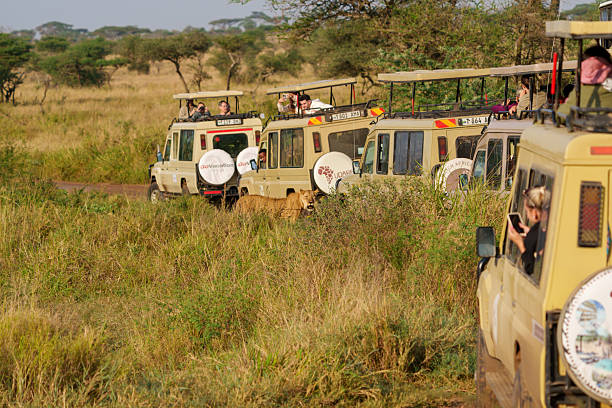
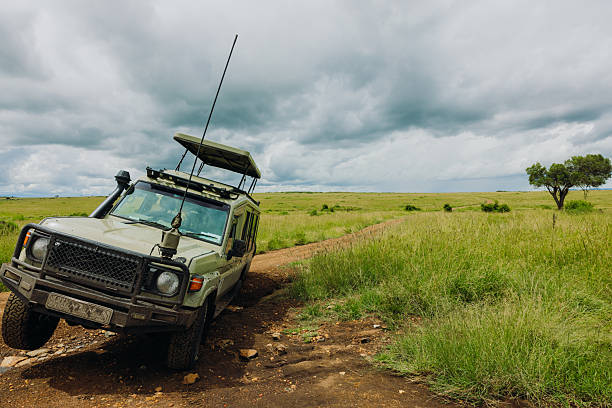
- 4×4 Safari Vehicle: Specially equipped for optimal game viewing and photography, with pop-up roofs.
- Experienced Birding Guide: Dedicated to maximizing your bird sightings.
- Water: Provided during game drives.
We handle all the logistics, allowing you to focus entirely on the incredible birdlife Tarangire has to offer. For planning your 2026-2027 safari, we recommend booking well in advance, especially for peak seasons.
Essential Gear for Your Birdwatching Safari
To make the most of your Tarangire Birdwatching Adventure, having the right equipment is essential. While our guides will help with spotting, your personal gear will enhance your experience.
Recommended Gear:
- Binoculars: A good pair of binoculars (8×42 or 10×42 are popular choices) is indispensable. Ensure they are waterproof and fog-proof.
- Field Guide: A comprehensive field guide to the birds of East Africa is highly recommended. Your guide may also have one, but having your own allows for personal study.
- Camera with Telephoto Lens: For capturing high-quality images, a camera with a good zoom lens (e.g., 300mm or longer) is ideal. Consider a tripod or monopod for stability.
- Notebook and Pen: To record your sightings, including species, numbers, behavior, and location.
- Appropriate Clothing: Neutral-colored clothing (khaki, green, brown) that blends with the environment is best. Avoid bright colors. Comfortable walking shoes are a must.
- Sun Protection: A wide-brimmed hat, sunglasses, and high-SPF sunscreen are crucial.
- Insect Repellent: Especially important during the wetter months.
- Portable Charger/Power Bank: To keep your camera and phone batteries charged on the go.
Beyond Tarangire: Combining Birding with Other Tanzanian Wonders
While Tarangire is a birding hotspot, Tanzania offers a wealth of other destinations that can complement your Tarangire Birdwatching Adventure. Top Guide Adventures can help you combine Tarangire with other parks for a comprehensive Tanzanian safari experience.
- Lake Manyara National Park: Known for its tree-climbing lions and diverse birdlife around the lake, including flamingos (seasonally) and large waterbird populations.
- Serengeti National Park: Famous for the Great Migration, the Serengeti also boasts incredible bird diversity, from ostriches and secretarybirds to numerous raptors and smaller species.
- Ngorongoro Conservation Area: The crater floor is a unique ecosystem supporting a wide variety of birds, including flamingos on the soda lake and various waterbirds.
- Arusha National Park: Offers excellent birding opportunities, particularly around Momella Lakes and the Ngurdoto Crater, with species like the Narina Trogon and various turacos.
Consider extending your 2026-2027 safari to include these diverse environments for an even richer birdwatching and wildlife experience. We can help you create a multi-park itinerary that flows logically and maximizes your chances of seeing a wide range of species across different ecosystems.
Conservation and Responsible Birdwatching in Tarangire
As stewards of this incredible natural environment, responsible tourism is at the core of Top Guide Adventures’ philosophy. We are committed to conservation efforts and promote practices that minimize our impact on wildlife and their habitats.
When participating in a Tarangire Birdwatching Adventure, please:
- Respect Wildlife: Maintain a safe distance from animals and birds. Never feed them.
- Stay on Tracks: Avoid disturbing nesting sites or sensitive habitats by staying on designated roads and paths.
- Minimize Noise: Loud noises can stress wildlife. Speak softly and avoid sudden movements.
- Leave No Trace: Carry out all litter and dispose of it properly.
- Support Local Communities: Choose operators who employ local guides and contribute to community development.
By adhering to these principles, we can help ensure that Tarangire’s magnificent birdlife continues to thrive for generations to come, making future birdwatching adventures in 2026, 2027, and beyond just as spectacular.
Booking Your Tarangire Birdwatching Adventure for 2026-2027
Planning your dream birdwatching safari requires careful consideration and early booking, especially for popular periods in 2026 and 2027. Top Guide Adventures is your trusted partner for creating an unforgettable Tarangire Birdwatching Adventure. We pride ourselves on personalized service, expert knowledge, and a deep commitment to conservation.
Whether you are looking for a dedicated birding tour, a family safari with birdwatching elements, or a photographic expedition, we can tailor an itinerary to meet your specific needs. Our team is ready to answer your questions and help you plan every detail of your trip.
Contact us today to start planning your 2026-2027 Tarangire Birdwatching Adventure:
- WhatsApp: +255616946642
- Email: topguideadventures@gmail.com
- Backup Email: info@topguideadventures.com
Let Top Guide Adventures guide you through the avian wonders of Tarangire National Park. We look forward to helping you create memories that will last a lifetime.
Check Availability for Tarangire Birdwatching Adventure: Your Ultimate Guide For 2026-2027
Ready to compare dates, prices, and the best option for your group? Send the package name and travel month so the team can reply with a clear quote, availability, and what is included.
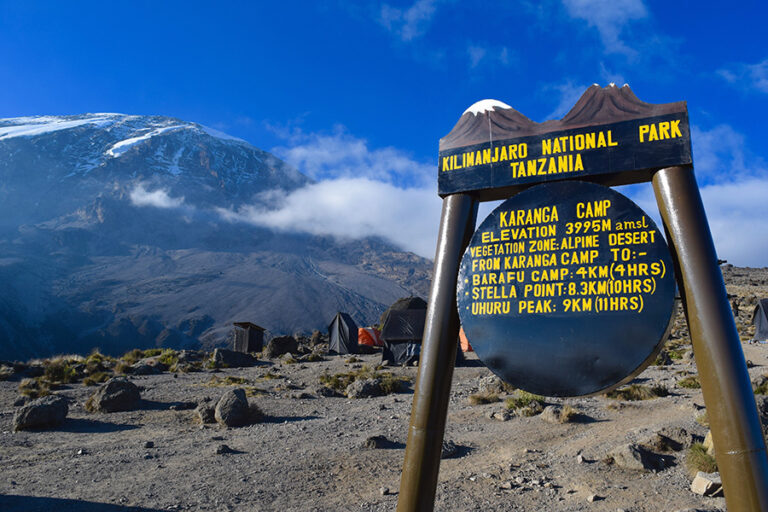
Kilimanjaro Safari And Climb Package For Seniors: Your Adventure 2026-2027
Top Guide Adventures offers tailored Kilimanjaro safari and climb packages for seniors in 2026-2027, focusing on safety, comfort, and an unforgettable Mount Kilimanjaro experience. Explore...
View package details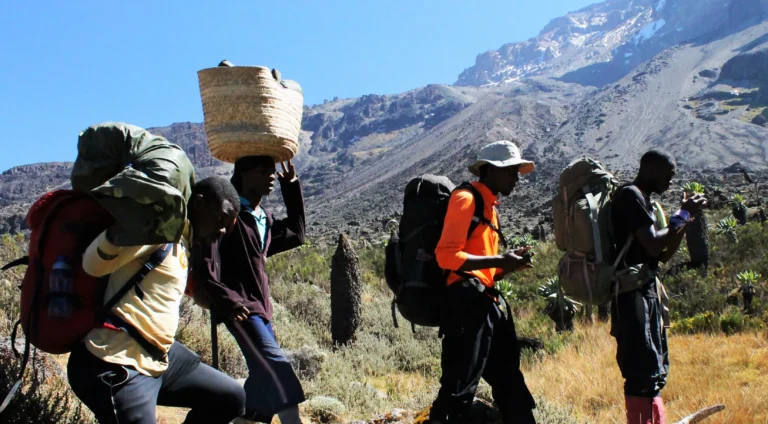
Kilimanjaro Safari Before Rejoining Your Climbing Group | Top Guide Adventures
Combining a safari with your Kilimanjaro climb is a classic Tanzanian adventure. Discover how to seamlessly integrate a wildlife safari experience before meeting your climbing group for the...
View package detailsKilimanjaro Safari First Vs Zanzibar 2026-2027
Kilimanjaro Safari First vs Zanzibar First is explained with current 2026-2027 planning, price, itinerary and booking information.
View package details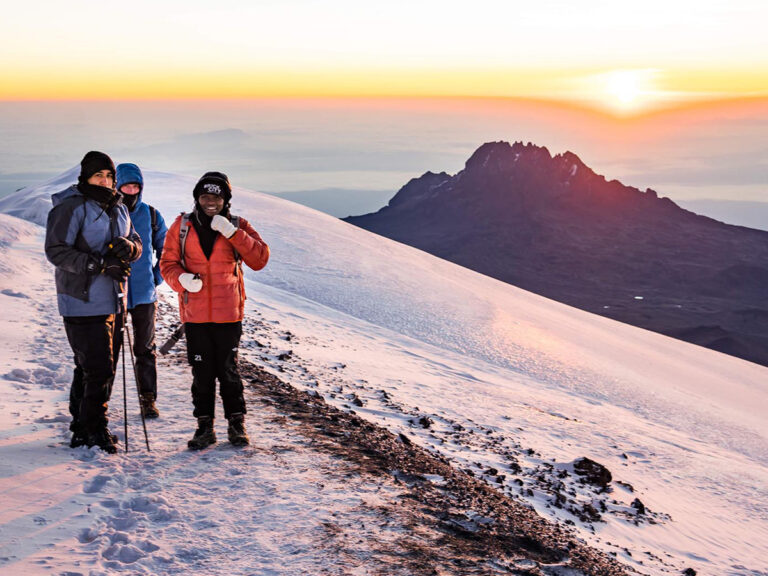
Kilimanjaro Graduation And Family Safari Package: Summit Success & Wildlife
Combine the ultimate achievement of summiting Mount Kilimanjaro with an unforgettable family safari in Tanzania. Top Guide Adventures curates these packages, blending adventure, cultural...
View package details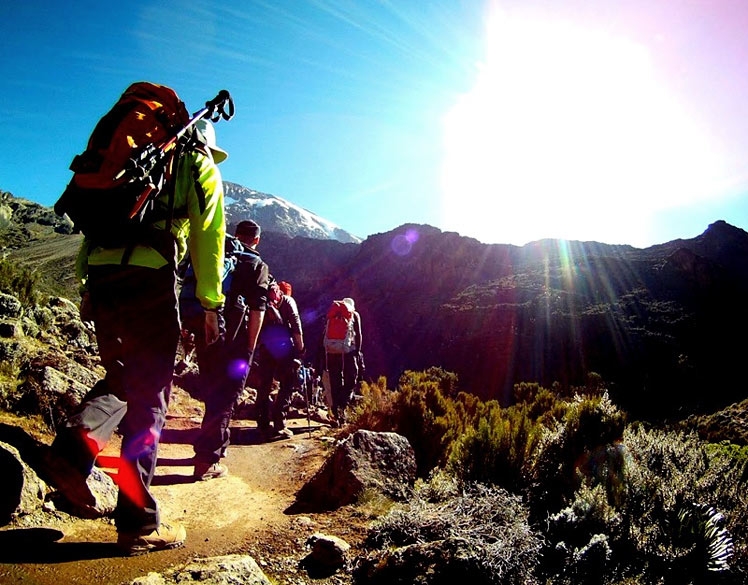
Kilimanjaro Family Safari After The Summit Guide
Extend your incredible Kilimanjaro achievement with a family safari in Tanzania. Top Guide Adventures crafts unforgettable post-summit experiences for 2026-2027, blending the thrill of...
View package details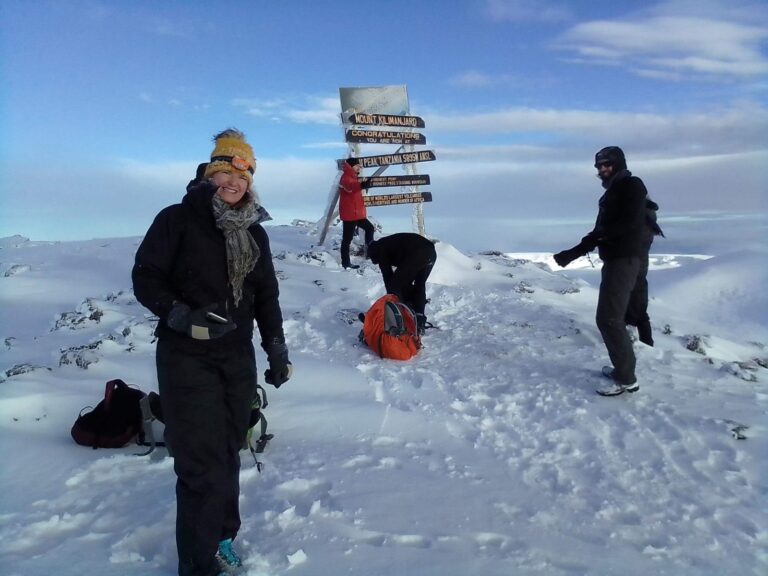
What Happens If You Lose Your Passport In Moshi? Guide
Losing your passport in Moshi, Tanzania, while on safari or climbing Kilimanjaro can be stressful. This guide outlines the immediate steps, required documents, embassy procedures, and...
View package detailsNo related package matches those filters. Clear one or more filters to see the other topic-matched options.



