
A Tarangire Walking Safari offers an unparalleled opportunity for an up-close and personal wildlife experience in Tanzania, allowing you to explore the park’s diverse ecosystems on foot with experienced guides. This safari style prioritizes sensory engagement, from tracking animal signs to understanding the bush on an intimate level, providing a deeper connection to nature than traditional vehicle-based safaris. It’s ideal for those seeking an authentic adventure and a unique perspective on Tarangire’s famous elephant herds, diverse birdlife, and baobab-dotted plains, with planning for 2026-2027 trips now underway.

The Unique Appeal of Tarangire on Foot
Tarangire National Park, renowned for its massive elephant populations and iconic baobab trees, presents a special kind of magic when explored on foot. While many visitors opt for standard game drives, a Tarangire Walking Safari transforms the experience from observation to participation. It’s about engaging all your senses – the smell of dry earth after a light rain, the distant roar of a lion, the rustle of leaves underfoot, and the intricate details of flora and fauna that are easily missed from a vehicle. This approach offers a profound connection to the wilderness, revealing the subtle nuances of the ecosystem that vehicle safaris often overlook. For 2026-2027, this intimate exploration is becoming increasingly sought after by travelers wanting a more authentic connection to Africa’s natural wonders.
Why Choose a Walking Safari in Tarangire?
The decision to undertake a walking safari in Tarangire stems from a desire for a different kind of safari. It’s not merely about spotting the ‘Big Five’; it’s about understanding the bush, learning tracking skills, appreciating the smaller creatures, and feeling the pulse of the wild in a way that is impossible when enclosed in a vehicle. Here’s what sets it apart:
- Intimate Wildlife Encounters: While safety is paramount and distances are maintained, walking allows for a more respectful and less intrusive approach to wildlife. You can observe animals in their natural state, often closer than you might expect, without the noise and vibration of a vehicle.
- Sensory Immersion: The experience is richer. You feel the ground beneath your feet, smell the wild sage, hear the symphony of insects and birds, and see the tiny details of plants and animal tracks.
- Educational Value: Expert guides share their deep knowledge of the flora, fauna, tracking, and survival techniques. You learn to read the bush, understand animal behavior, and appreciate the interconnectedness of the ecosystem.
- Access to Restricted Areas: Walking safaris often allow access to areas not reachable by vehicle, offering unique vantage points and the chance to explore diverse habitats in detail.
- Physical Engagement: For those who enjoy light to moderate physical activity, walking safaris provide a healthy way to explore. It’s an active engagement with nature, not passive observation.
- Peace and Quiet: Away from the engine noise, you experience the profound silence and natural sounds of the African bush, fostering a sense of calm and deep connection.
For travelers planning their Tanzanian adventure in 2026-2027, a Tarangire walking safari represents a chance to step off the beaten path and into a truly in-depth wildlife experience.
Understanding the Tarangire Ecosystem: A Prerequisite for Walking
Before embarking on a walking safari, understanding the unique environment of Tarangire is crucial. The park is a vital dry-season sanctuary, particularly for elephants, and its landscape is dominated by vast baobab trees, acacia woodlands, and savannah plains. The Tarangire River, a lifeline for wildlife, attracts large concentrations of animals, especially during the dry months from June to October. However, walking safaris can also be conducted during other times of the year, offering different perspectives.
Key Features of Tarangire’s Landscape:
- Baobab Trees: These ancient, majestic trees are iconic to Tarangire and provide shade and sustenance for many animals.
- Acacia Woodlands: These diverse woodlands offer excellent habitat for a variety of antelopes, predators, and smaller mammals, as well as numerous bird species.
- Tarangire River and Swamps: The permanent water source is a magnet for wildlife, especially during the dry season. The surrounding swamps are a haven for birdlife.
- Rolling Savannah: Open grasslands interspersed with trees provide grazing for herbivores and hunting grounds for predators.
A walking safari allows you to appreciate these features at ground level, noticing the details of the vegetation, the signs of animal passage, and the geological formations that shape the landscape. This intimate knowledge enhances the entire safari experience, making it more meaningful and memorable, especially when planning for 2026-2027 travel.
Where Can You Go on a Tarangire Walking Safari?
Walking safaris in Tarangire are typically conducted in specific areas designated for this activity, often in concessions or private areas bordering the main park, or within designated zones inside the park itself. These areas are chosen for their rich wildlife, diverse habitats, and safety protocols. The most common locations and types of walking safaris include:
1. Concession Areas (e.g., Kwakuchinga, Minjingu)
Many of the most rewarding walking safari experiences are found in the private concessions that lie adjacent to Tarangire National Park. These areas are often less crowded than the main park and offer exclusive opportunities for walking. They are managed with a focus on conservation and low-impact tourism, allowing for longer, more in-depth walking excursions.
- Benefits: Greater exclusivity, more freedom in activity, often higher densities of certain wildlife due to less human traffic, and the ability to walk at dawn and dusk.
- Activities: Typically include guided walks, night drives (in some concessions), and cultural visits.
- Accommodation: Often feature fly-camping or high-quality tented camps that are strategically located for walking access.
2. Designated Walking Zones within Tarangire National Park
The main Tarangire National Park also has specific zones where walking safaris are permitted under strict conditions. These walks are usually shorter, guided by armed rangers and a naturalist guide, and focus on specific trails or areas of interest within the park boundaries.
- Benefits: Direct access to the park’s most famous wildlife hotspots, integrated with traditional game drives.
- Activities: Shorter walks, often from a lodge or a specific point, focusing on the immediate surroundings and tracking.
- Limitations: Access and duration might be more restricted compared to concession areas.
3. Fly-Camping Safaris
A particularly adventurous form of walking safari involves fly-camping. This means camping in basic, mobile camps set up in remote locations within the walking safari areas. You walk between these camps, carrying essentials or having them transported by porters. This offers the ultimate immersion into the wilderness.
- Experience: Sleeping under the stars, the sounds of the bush right outside your tent, a true disconnect from the modern world.
- Logistics: Requires careful planning and support staff.
When planning your 2026-2027 Tarangire walking safari, discussing these options with your tour operator will help tailor the experience to your preferences for adventure, comfort, and immersion.
What to Expect on a Tarangire Walking Safari
A walking safari is fundamentally different from a vehicle-based one. It requires a different mindset, preparedness, and expectation. Here’s a breakdown of what you can anticipate:
The Walking Experience
- Duration and Pace: Walks can range from a couple of hours to a full day, depending on the location, weather, and your fitness level. The pace is generally slow and deliberate, allowing for observation and discussion.
- Group Size: To ensure safety and minimize impact, walking safari groups are usually small, typically between 4 to 8 people.
- Guides: You will be accompanied by highly trained and experienced guides. In most areas, this includes at least one armed ranger for protection against dangerous wildlife, and a naturalist guide who shares knowledge about the environment.
- Wildlife Viewing: While you might not cover as much ground as in a vehicle, the quality of sightings can be exceptional. You’ll learn to spot animals camouflaged in the bush, observe their behavior at close range, and appreciate the smaller creatures and insects.
- Tracking: A significant part of the experience is learning to track animals by their footprints, droppings, and other signs. Your guide will point out these clues, turning the ground into a fascinating storybook.
Safety Protocols
Safety is the utmost priority on any walking safari. Experienced guides are trained to handle wildlife encounters and ensure your well-being. Standard safety procedures include:
- Maintaining Distance: Always follow the guide’s instructions regarding distance from wildlife.
- Staying Together: Never wander off from the group or the guide.
- Quiet Movement: Avoid loud noises that could startle animals or attract unwanted attention.
- Awareness: Be constantly aware of your surroundings, as instructed by your guide.
- Armed Rangers: The presence of an armed ranger is a crucial safety measure, especially when encountering potentially dangerous animals like elephants, lions, or buffalo.
What to Pack
Appropriate gear is essential for a comfortable and safe walking safari. Think practical, comfortable, and protective:
- Clothing: Neutral-colored, lightweight, breathable clothing (khaki, green, brown). Long sleeves and trousers protect against the sun, insects, and scratches. Avoid bright colors and dark colors (which attract tsetse flies).
- Footwear: Sturdy, broken-in hiking boots are essential for comfort and ankle support.
- Headwear: A wide-brimmed hat for sun protection.
- Sun Protection: High SPF sunscreen, sunglasses.
- Insect Repellent: Effective repellent containing DEET or Picaridin.
- Water Bottle: Reusable water bottle; water will be provided.
- Binoculars: Essential for spotting distant wildlife.
- Camera: With extra batteries and memory cards.
- Small Backpack: To carry water, snacks, camera, and personal items.
- Light Jacket/Fleece: For cooler mornings or evenings.
For your 2026-2027 trip, packing light but smart will significantly enhance your enjoyment of the walking safari.
Tarangire’s Wildlife: What to See on Foot
Tarangire National Park is a biodiversity hotspot, and exploring it on foot offers unique opportunities to observe its inhabitants. While the park is famed for its elephants, the walking safari experience allows for a deeper appreciation of the entire ecosystem.
Iconic Mammals
- Elephants: Tarangire is home to one of the largest elephant populations in Tanzania, with herds often numbering in the hundreds, especially during the dry season. Walking safaris allow you to observe their social behaviors, feeding habits, and interactions at a respectful distance.
- Large Predators: Lions, leopards, and cheetahs are present in Tarangire. While sightings are never guaranteed, walking safaris increase your chances of finding them by learning to interpret signs and moving quietly through their territories. Guides are expert at spotting them, often camouflaged against the landscape.
- Diverse Antelopes: The park hosts a wide array of antelopes, including the greater kudu, fringe-eared oryx, eland, impala, wildebeest, zebra, gazelles, and dik-dik. Walking allows for close observation of their distinct characteristics and behaviors.
- Other Mammals: Look out for giraffes (often seen feeding on acacia leaves), buffalo, warthogs, baboons, vervet monkeys, and various smaller mammals like mongoose and hyraxes.
Avian Paradise
Tarangire is a birdwatcher’s paradise, boasting over 550 bird species. Walking safaris offer an excellent way to spot and identify a variety of birds, from large raptors to tiny sunbirds.
- Raptors: Various eagles, buzzards, and kites patrol the skies.
- Water Birds: The swamps and river attract herons, storks, egrets, and kingfishers.
- Ground Birds: Ostriches, guinea fowl, and various francolins are common.
- Endemic and Migratory Species: Depending on the season, you might encounter rare or migratory birds.
Insects, Reptiles, and Flora
Beyond the large mammals and birds, walking safaris reveal the intricate details of the smaller world:
- Insects: Observe colorful butterflies, fascinating dung beetles, and various other insect species.
- Reptiles: Keep an eye out for lizards, geckos, and potentially snakes (though guides ensure safety).
- Plants: Learn about the medicinal uses of local plants, identify different acacia species, and appreciate the resilience of vegetation in the dry climate.
The ability to focus on these finer details is a hallmark of the Tarangire walking safari, making it an enriching experience for nature enthusiasts planning for 2026-2027.
Planning Your Tarangire Walking Safari: Key Considerations
A successful walking safari requires careful planning. Working with an experienced tour operator is crucial to ensure a safe, enjoyable, and authentic experience. Here are key factors to consider:
Best Time to Visit for Walking Safaris
While Tarangire is a year-round destination, the optimal time for a walking safari depends on your preferences:
- Dry Season (June to October): This is the peak season. Wildlife congregates around the Tarangire River, making sightings more predictable. The vegetation is less dense, offering better visibility. However, it’s also busier and more expensive. Walking conditions are generally pleasant, with cooler mornings and evenings.
- Green Season (November to May): This period offers lush landscapes, fewer crowds, and lower prices. Birdlife is spectacular, especially during the migratory season (November to April). However, wildlife can be more dispersed, and rain can sometimes impact walking activities. The landscape is stunningly beautiful and offers a different photographic perspective.
Duration of Your Safari
A walking safari can be a standalone experience or integrated into a broader Tanzanian itinerary. For a truly in-depth experience, we recommend a minimum of 2 to 3 days dedicated to walking activities in Tarangire or its surrounding areas. This allows time to explore different habitats, track wildlife, and truly connect with the environment.
Choosing Your Accommodation
Accommodation plays a vital role in the walking safari experience. Options range from luxurious lodges with walking access to remote fly-camping setups.
- Lodges and Tented Camps: Many lodges and permanent tented camps are located within or near walking safari zones. They offer comfort and amenities after a day of walking.
- Mobile Camps/Fly-Camping: For the ultimate immersion, mobile camps are set up in exclusive locations. These are basic but comfortable, offering a true bush experience.
Physical Fitness Requirements
Walking safaris involve moderate physical activity. While you don’t need to be an athlete, a reasonable level of fitness is beneficial. You should be comfortable walking for several hours at a time over uneven terrain. If you have any concerns, discuss them with your tour operator.
Safety and Guide Expertise
The expertise and qualifications of your guides are paramount. Ensure your tour operator works with certified, experienced guides and rangers who are knowledgeable about wildlife behavior, tracking, and safety protocols. For 2026-2027 travel, prioritizing operators with a strong safety record is wise.
Expert Tip for 2026-2027 Planning:
Booking your Tarangire walking safari well in advance, especially for peak seasons in 2026-2027, is highly recommended. Popular camps and walking concessions have limited capacity. Early booking ensures availability and allows for better itinerary customization.
Integrating a Tarangire Walking Safari into Your Itinerary
A Tarangire walking safari can be a highlight of a Northern Circuit safari or a standalone adventure. Here are some ways to integrate it:
Combining with Other Parks
Tarangire is often part of the classic Northern Circuit, which includes Lake Manyara, Ngorongoro Crater, and Serengeti National Park. A walking safari can enhance the Tarangire portion of this circuit.
- Tarangire + Lake Manyara: Lake Manyara offers diverse activities, including tree-climbing lions and a stunning soda lake. Combine a walking safari in Tarangire with canoeing or walking in Lake Manyara.
- Tarangire + Ngorongoro Crater: While walking is restricted on the crater floor, the Ngorongoro Conservation Area offers walking opportunities on the crater rim or in Maasai villages.
- Tarangire + Serengeti: The vast Serengeti offers incredible wildlife viewing. A walking safari in Tarangire provides a different perspective before heading to the plains of the Serengeti.
Standalone Tarangire Experience
For those who want to focus intensely on Tarangire and its walking opportunities, a dedicated itinerary can be crafted.
- Duration: 3 to 5 days focusing on different walking areas and potentially incorporating a scenic game drive or two.
- Focus: Deep exploration of the park’s ecosystems, tracking, birdwatching, and enjoying the tranquility of the bush.
Customization for 2026-2027
When planning for 2026-2027, discuss your interests with your tour operator. Whether you are passionate about photography, birdwatching, tracking, or simply wish to experience the wild on foot, a custom itinerary can be designed to meet your specific desires.
The Role of Guides in a Tarangire Walking Safari
The guide is the linchpin of any safari, but on a walking safari, their role is amplified. In Tarangire, your guide is not just an observer; they are your protector, educator, tracker, and interpreter of the wilderness.
Expertise and Training
Guides undergo rigorous training and possess extensive knowledge:
- Wildlife Behavior: Deep understanding of animal habits, identifying signs of presence, and predicting movements.
- Tracking Skills: Ability to read footprints, droppings, and other environmental cues to follow animals.
- Botany and Zoology: Knowledge of the local flora and fauna, including their uses and ecological significance.
- Navigation: Proficient in navigating the bush, often without trails.
- Safety Protocols: Trained in first aid and emergency procedures, and skilled in handling encounters with dangerous wildlife.
Safety and Protection
The primary concern on a walking safari is safety. Your guide is equipped to manage potential risks:
- Armed Rangers: In many areas, a ranger armed with a rifle accompanies the group to deter and, if absolutely necessary, confront dangerous animals.
- Risk Assessment: Guides are constantly assessing the environment and wildlife for potential threats.
- Contingency Planning: They know the best routes to take, escape routes, and how to react in various scenarios.
Enhancing the Experience
Beyond safety, guides enrich the experience immeasurably:
- Storytelling: They bring the bush to life with stories, local folklore, and scientific explanations.
- Sensory Awareness: They point out details you might miss – a perfectly camouflaged insect, the scent of a particular plant, the distant call of a bird.
- Cultural Insights: Many guides are from local communities and can share insights into the Maasai and other cultures that inhabit the region.
Choosing a reputable operator like Top Guide Adventures ensures you are paired with guides who embody this level of expertise and dedication, making your 2026-2027 Tarangire walking safari truly exceptional.
Conservation and Responsible Tourism in Tarangire
Walking safaris, when conducted responsibly, are a powerful tool for conservation. They promote a deeper appreciation for the natural environment, fostering a desire to protect it.
- Low Impact: Walking leaves a minimal footprint compared to vehicle traffic.
- Economic Support: Fees from walking safaris and associated tourism directly support park management, anti-poaching efforts, and local communities.
- Awareness Building: Guides educate visitors about conservation challenges and the importance of protecting wildlife and habitats.
- Community Involvement: Responsible operators often work with local communities, ensuring they benefit from tourism and become stewards of the land.
When planning your 2026-2027 Tarangire walking safari, choose operators committed to sustainable tourism practices. This ensures your visit contributes positively to the long-term preservation of this magnificent park.
Preparing for Your Tarangire Walking Safari in 2026-2027
Beyond packing, mental preparation and understanding the nuances of a walking safari are key. It’s an adventure that requires a willingness to slow down, observe, and be present.
Mindset and Expectations
- Patience: Wildlife sightings are not guaranteed on demand. The joy is in the search and the unexpected moments.
- Observation: Train yourself to look closely at the environment, not just for large animals.
- Respect: Maintain a respectful distance from wildlife and follow all guide instructions.
- Adaptability: Weather and wildlife movements can change plans. Be flexible and embrace the spontaneity.
Health and Vaccinations
Consult your doctor or a travel clinic about recommended vaccinations and malaria prophylaxis for Tanzania. It’s advisable to be up-to-date on routine immunizations.
Travel Insurance
Comprehensive travel insurance is essential. Ensure it covers medical emergencies, evacuation, trip cancellation, and loss of belongings.
Booking and Logistics
As mentioned, booking early is crucial, especially for 2026-2027. A reputable tour operator will handle all the logistics, including park fees, accommodation, guide arrangements, and transfers. They can also advise on visa requirements and flight information.
For a smooth planning process for your 2026-2027 Tarangire walking safari, reach out to experienced local operators. Top Guide Adventures can be contacted via WhatsApp +255616946642 or Email topguideadventures@gmail.com to discuss your dream itinerary.
Comparing Walking Safaris with Other Safari Types
To fully appreciate the value of a Tarangire walking safari, it’s helpful to compare it with other safari experiences:
Walking Safari vs. Game Drive Safari
- Walking: Intimate, sensory, slow-paced, educational, focused on details, restricted range, high guide interaction.
- Game Drive: Covers more ground, faster-paced, better for spotting distant animals or large herds, can access more areas of the park, less intimate, more passive observation.
Walking Safari vs. Canoe/Boat Safari
- Walking: Terrestrial focus, tracking, bushcraft, diverse habitats.
- Canoe/Boat: Aquatic focus, birdwatching, observing animals at waterholes, relaxed pace, specific locations (e.g., Lake Manyara, Rufiji River).
Walking Safari vs. Night Game Drive
- Walking: Daytime exploration, focus on diurnal animals and plants, sensory experience.
- Night Drive: Focus on nocturnal animals, different perspective of the park, uses spotlights, can be thrilling but less about quiet observation.
A Tarangire walking safari excels in providing a deep, personal connection to the environment. It complements, rather than replaces, other safari activities, offering a well-rounded Tanzanian wildlife adventure for 2026-2027 travelers.
Frequently Asked Questions about Tarangire Walking Safaris
Here are some common questions people have when considering a walking safari in Tarangire:
- Q1: Is a walking safari in Tarangire safe?
- Yes, when conducted with experienced, armed guides and rangers, and by following all safety protocols, walking safaris are considered safe. Your safety is the top priority.
- Q2: What is the best time of year for a Tarangire walking safari?
- The dry season (June to October) offers the best wildlife viewing and walking conditions due to concentrated animals and less dense vegetation. However, the green season (November to May) offers lush scenery, abundant birdlife, and fewer crowds.
- Q3: How physically demanding is a walking safari?
- It requires a moderate level of fitness. You should be comfortable walking for several hours over uneven terrain. Guides set a pace suitable for the group.
- Q4: What should I pack for a walking safari?
- Essential items include neutral-colored long clothing, sturdy hiking boots, a hat, sunscreen, insect repellent, binoculars, and a small backpack. Detailed packing lists are provided by tour operators.
- Q5: Can I see the Big Five on a walking safari?
- While seeing the Big Five is possible, walking safaris are more about the overall bush experience and appreciating the details. Sightings are never guaranteed, but the chances of encountering lions, leopards, and elephants on foot (at a safe distance) are present. The focus is broader than just the Big Five.
- Q6: How far in advance should I book for 2026-2027?
- It is highly recommended to book at least 6-12 months in advance for 2026-2027, especially for peak season travel, to secure preferred accommodation and walking concessions.
- Q7: What’s the difference between a walking safari in a concession and in the main park?
- Concessions often offer more exclusivity, longer walks, and more flexibility (including night drives in some cases). Walks within the main park might be shorter and more regulated, often integrated with vehicle safaris.
Conclusion: Your Unforgettable Tarangire Walking Safari Awaits
A Tarangire Walking Safari offers an unparalleled, intimate connection with Tanzania’s wild heart. It’s an experience that engages all your senses, deepens your understanding of the ecosystem, and creates lasting memories. From tracking elephants through acacia woodlands to listening to the sounds of the bush under a star-filled sky, this safari style provides a profound and authentic adventure.
For travelers planning their trip for 2026-2027, now is the perfect time to start envisioning this incredible journey. Whether you seek adventure, education, or simply a deeper connection with nature, a Tarangire walking safari delivers. Let us help you craft your perfect Tanzanian adventure. Contact Top Guide Adventures for expert advice and personalized itinerary planning. Reach out via WhatsApp +255616946642 or Email info@topguideadventures.com. We are dedicated to making your Tarangire walking safari an unforgettable reality.
Check Availability for Tarangire Walking Safari: An Intimate Encounter With Tanzanias Wildlife
Ready to compare dates, prices, and the best option for your group? Send the package name and travel month so the team can reply with a clear quote, availability, and what is included.
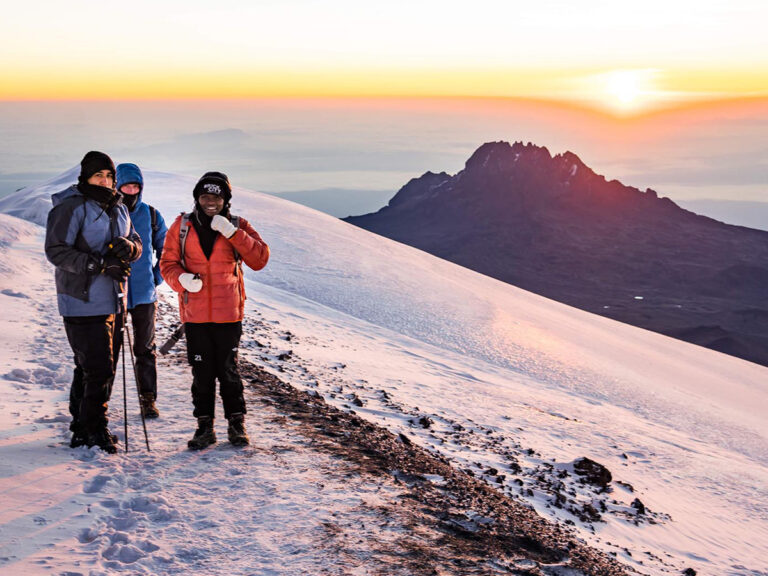
Kilimanjaro Graduation And Family Safari Package: Summit Success & Wildlife
Combine the ultimate achievement of summiting Mount Kilimanjaro with an unforgettable family safari in Tanzania. Top Guide Adventures curates these packages, blending adventure, cultural...
View package details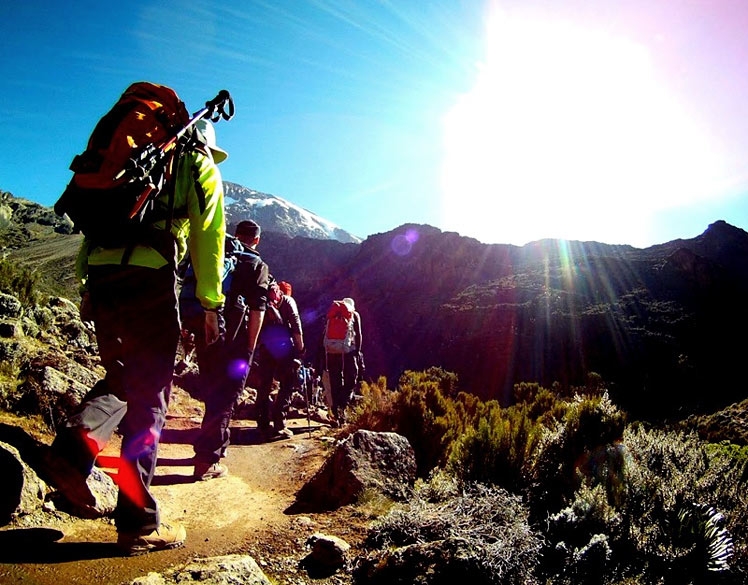
Kilimanjaro Family Safari After The Summit Guide
Extend your incredible Kilimanjaro achievement with a family safari in Tanzania. Top Guide Adventures crafts unforgettable post-summit experiences for 2026-2027, blending the thrill of...
View package details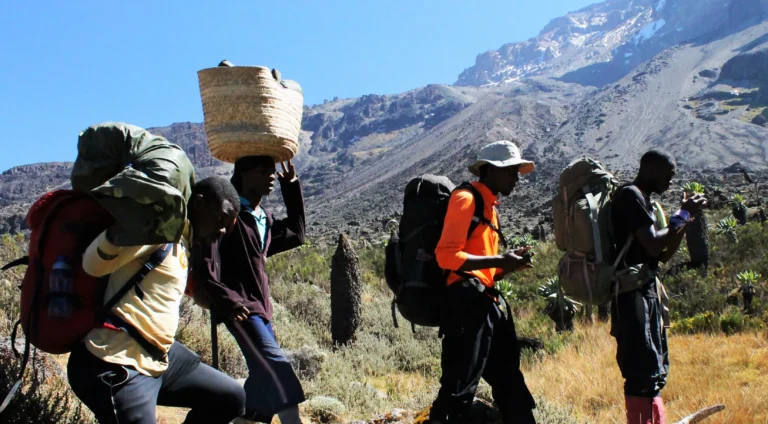
Kilimanjaro Safari Before Rejoining Your Climbing Group | Top Guide Adventures
Combining a safari with your Kilimanjaro climb is a classic Tanzanian adventure. Discover how to seamlessly integrate a wildlife safari experience before meeting your climbing group for the...
View package details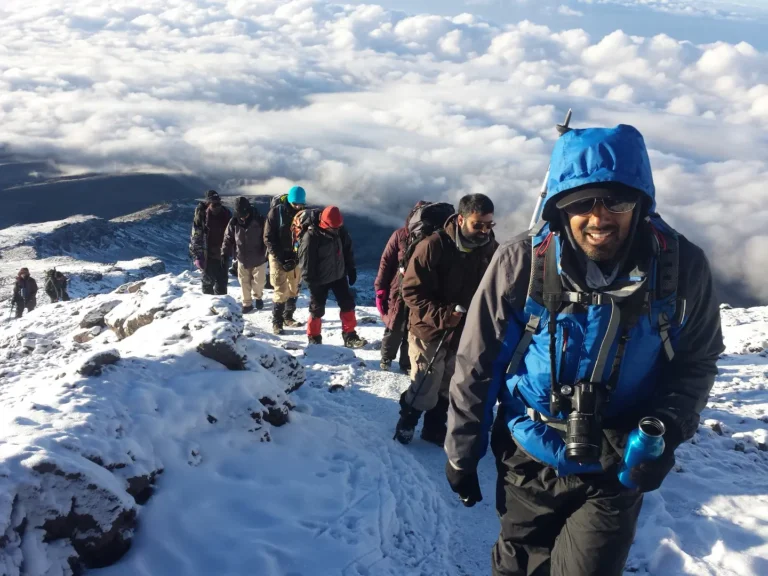
Kilimanjaro Bike, Hike And Safari Package Guide
Discover the ultimate Kilimanjaro Bike, Hike, and Safari package, a unique adventure combining the thrill of trekking Africa's highest peak with exhilarating cycling and iconic wildlife...
View package details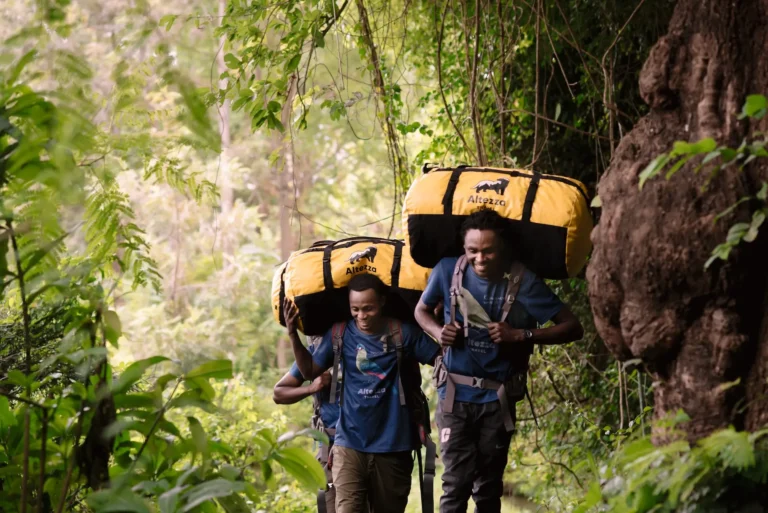
Kilimanjaro Marathon And Serengeti Safari: The Ultimate Tanzania Adventure
Experience the thrill of conquering Mount Kilimanjaro and the wonder of a Serengeti safari in one epic Tanzanian journey. This guide details how to combine the Kilimanjaro Marathon with an...
View package details
Kilimanjaro Fun Run And Safari Package Guide
Experience the thrill of a Kilimanjaro Fun Run followed by an incredible Tanzania safari. Top Guide Adventures offers comprehensive packages blending adventure and wildlife exploration for...
View package details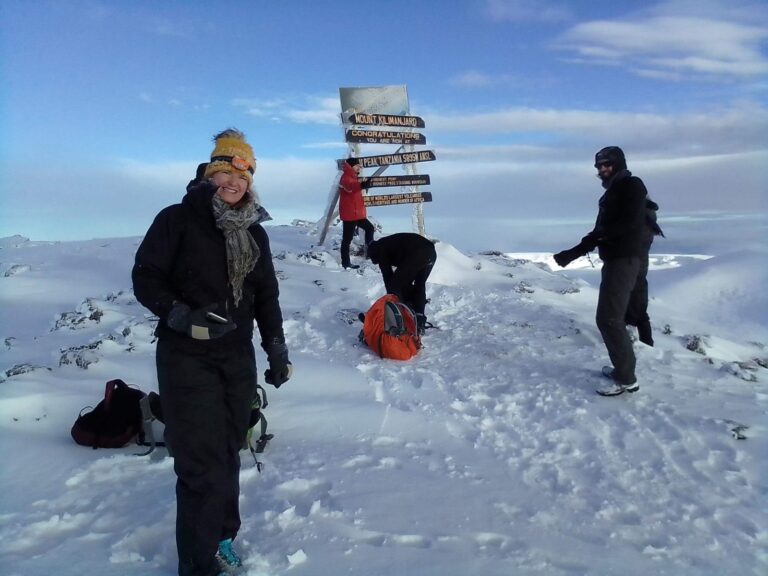
What Happens If You Lose Your Passport In Moshi? Guide
Losing your passport in Moshi, Tanzania, while on safari or climbing Kilimanjaro can be stressful. This guide outlines the immediate steps, required documents, embassy procedures, and...
View package detailsNo related package matches those filters. Clear one or more filters to see the other topic-matched options.



