
Tarangire National Park is celebrated for its vast elephant herds, particularly during the dry season, its iconic baobab trees, and its rich birdlife, making it a must-visit on any Northern Circuit Tanzania safari, especially for those planning trips in 2026 and 2027.

Discovering the Magic of Tarangire National Park
Tarangire National Park stands as a jewel in Tanzania’s crown of wildlife sanctuaries. Located in the Manyara Region, it’s the sixth-largest park in Tanzania and offers a profoundly different safari experience compared to its more famous neighbors like the Serengeti. Tarangire’s landscape is dominated by the life-giving Tarangire River, which acts as a magnet for wildlife, especially during the dry season months of July through October. This period sees an incredible concentration of animals, with elephants being the undisputed stars of the show. However, the park’s allure extends far beyond its pachyderm residents, boasting a remarkable diversity of habitats, a staggering array of bird species, and a unique, almost prehistoric, feel thanks to its ancient baobab trees.
For travelers considering a Tanzanian safari in the upcoming years, 2026 and 2027 present excellent opportunities to experience Tarangire. Planning ahead is always wise for securing preferred accommodations and safari dates, especially during peak seasons. Whether you are a seasoned safari-goer or embarking on your first African adventure, Tarangire promises unforgettable encounters with the wild.
Why Tarangire Captures the Safari Enthusiast’s Heart
What sets Tarangire apart? It’s a combination of factors that create a unique and compelling safari destination:
- The Elephant Spectacle: Tarangire is famously known as the ‘Land of Giants’ due to its massive elephant population. During the dry season, herds of up to 300 elephants can be seen congregating around the Tarangire River, a sight that is truly awe-inspiring. These elephants are often seen digging in the riverbed for water or enjoying dust baths.
- Baobab Trees: The park’s landscape is dotted with majestic, ancient baobab trees, which add a dramatic and almost surreal beauty to the scenery. These ‘upside-down trees’ are a photographer’s dream and provide a distinctive backdrop to wildlife sightings.
- Birdwatcher’s Paradise: With over 550 recorded bird species, Tarangire is a haven for ornithologists. The park is particularly rich in species that are less common in other Northern Circuit parks, including various raptors, bustards, storks, and the striking yellow-collared lovebird.
- Diverse Wildlife: Beyond elephants, Tarangire is home to a rich variety of mammals. You can expect to see lions (including tree-climbing lions, though less frequently than in Lake Manyara), leopards, cheetahs, giraffes, zebras, wildebeest, buffaloes, various antelope species like gerenuk and fringe-eared oryx, and numerous smaller mammals.
- Less Crowded Experience: While popular, Tarangire generally experiences fewer crowds than the Serengeti, especially outside the absolute peak dry season months. This allows for a more intimate and less obstructed wildlife viewing experience.
- Strategic Location: Tarangire is conveniently located in Tanzania’s northern safari circuit, making it an ideal addition to itineraries that include Lake Manyara National Park, the Ngorongoro Conservation Area, and the Serengeti. It often serves as the first or last stop on a classic Northern Circuit tour.
The Tarangire Ecosystem: A Closer Look
Understanding the Tarangire ecosystem is key to appreciating its wildlife dynamics. The park’s boundaries extend beyond the officially gazetted area, encompassing a much larger migratory corridor that is crucial for the survival of its wildlife. During the wet season (typically November to June), wildlife disperses from the park into surrounding areas in search of fresh grazing and water. The Tarangire River and its swamps remain a permanent water source, drawing animals back as the dry season progresses.
The park’s terrain is varied, featuring open grasslands, acacia woodlands, riverine forests, and rocky hills. This mosaic of habitats supports a wide range of species adapted to different environments. The Tarangire River itself, along with its tributaries and swamps, creates a vital wetland ecosystem that sustains life year-round, especially for elephants and a multitude of water-dependent species.
Planning Your Tarangire Safari: Key Considerations for 2026-2027
When planning a safari to Tarangire National Park, several factors will influence your experience. For 2026-2027 trips, early booking is highly recommended, particularly if you aim for the prime dry season months.
Best Time to Visit Tarangire National Park
Tarangire’s wildlife viewing is excellent year-round, but the experience changes with the seasons:
- Dry Season (June to October): This is the most popular time to visit. The landscape is dry, and animals congregate around the Tarangire River and permanent water sources. This is when you’ll see the largest herds of elephants and other mammals. It’s ideal for dedicated wildlife viewing. Expect sunny days and cooler evenings.
- Green Season (November to May): This period is characterized by rain, though it often falls in short, intense bursts rather than all day. The landscape is lush and green, offering beautiful photographic opportunities. Birdwatching is exceptional during this time, as migratory birds arrive. While resident wildlife is still present, they are more dispersed, making sightings potentially more challenging but also more rewarding when found. This season offers lower prices and fewer crowds, making it attractive for budget-conscious travelers or those seeking a more tranquil experience.
For 2026-2027, consider these specific months:
- Peak Elephant Sightings: July, August, September, and October.
- Excellent Birdwatching: November to April (migratory birds).
- Lush Scenery & Fewer Crowds: January, February, and March (short rains).
- Shoulder Seasons (Good Balance): June and November offer a good mix of wildlife and weather, with potentially fewer tourists than the peak dry months.
Getting to Tarangire National Park
Tarangire is easily accessible as part of a Northern Circuit safari:
- By Road: The most common way to reach Tarangire is by road from Arusha, the main gateway city for Northern Tanzania safaris. The drive takes approximately 2 to 3 hours, depending on road conditions and your starting point. Most safari itineraries include transfers from Arusha airport or your hotel.
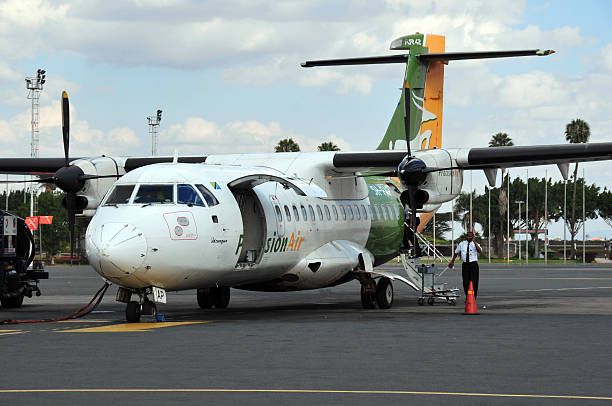
- By Air: For a quicker and more scenic approach, light aircraft charter flights can be arranged from Arusha Airport (ARK) directly to Tarangire’s airstrip. This is a more luxurious option and can save significant travel time, especially for shorter stays.
Park Entrance Fees and Safari Costs for 2026-2027
Understanding the costs involved is crucial for budgeting your 2026-2027 safari. Park entrance fees are set by the Tanzania National Parks Authority (TANAPA) and are subject to change. As of recent information, the standard fee for international visitors is $59 per person per day. This fee is typically included in your overall safari package cost.
The total cost of a Tarangire safari depends heavily on:
- Duration of Stay: Longer stays naturally increase costs.
- Accommodation Style: Options range from budget-friendly tented camps to luxurious lodges.
- Vehicle Type: Private 4×4 safari vehicles are standard for a comfortable experience.
- Group Size: Private tours are more expensive per person than group tours.
- Inclusions: Full board meals, park fees, guide services, and activities all contribute to the price.
A typical 3-day/2-night Tarangire-only safari, including accommodation, park fees, meals, and a private vehicle/guide, could range from $700 to $1500+ per person, depending on the luxury level. For a 7-10 day Northern Circuit safari including Tarangire, expect costs to range from $2,500 to $6,000+ per person.
Estimated Safari Costs (per person, 2026-2027)
| Safari Type | Estimated Cost Range (USD) | Notes |
|---|---|---|
| 3-Day Tarangire Solo Trip (Mid-Range) | $900 – $1,300 | Includes park fees, accommodation, vehicle, guide, meals. |
| 7-Day Northern Circuit (incl. Tarangire, Mid-Range) | $2,800 – $4,500 | Covers Tarangire, Lake Manyara, Ngorongoro, Serengeti. |
| Luxury 7-Day Northern Circuit | $5,000 – $8,000+ | High-end lodges, exclusive services. |
Note: These are estimates. For precise pricing tailored to your 2026-2027 safari plans, contact us directly.
Accommodation Options in and Around Tarangire
Tarangire offers a range of accommodation to suit different budgets and preferences, from rustic camps to luxurious lodges. Staying inside the park offers the advantage of being close to wildlife and allowing for early morning or late evening game drives. Options outside the park are often more budget-friendly and still provide convenient access.
- Luxury Lodges: Offer premium amenities, fine dining, swimming pools, and often stunning views. Examples include Tarangire Treetops, Chem Chem Safari Lodge (near the park), and Oliver’s Camp.
- Mid-Range Tented Camps: Provide comfortable canvas tents with en-suite bathrooms, offering a classic safari feel. Many are strategically located within or on the borders of the park.
- Budget Camps: Often simpler tented accommodations or basic lodges, focusing on providing a clean and safe place to rest after a day of game drives.
Booking accommodation well in advance is essential, especially for popular lodges during the peak season of 2026-2027.
Wildlife Encounters in Tarangire National Park
Tarangire’s wildlife viewing is renowned, with a high density of animals, particularly during the dry season. The park’s elephant population is its most famous resident.
The Majestic Elephants of Tarangire
Tarangire is home to one of the largest elephant populations in Tanzania, estimated at over 6,000 individuals. These elephants are often seen in large, extended family groups. Their sheer size and the way they interact with their environment – showering themselves with dust, bathing in the river, or using their trunks to dig for water – are interesting to observe. During the dry season, the concentration of elephants around the Tarangire River is unparalleled. You might witness herds numbering in the hundreds, a truly unforgettable spectacle.
Predator Sightings
While not as famous for predators as the Serengeti, Tarangire offers excellent opportunities to spot lions and leopards. Lions in Tarangire are known for their unique behavior of climbing trees, although this is more commonly associated with Lake Manyara. You might see lion prides resting under acacia trees or hunting in the grasslands. Leopards are more elusive, often found resting in trees during the day. Cheetahs are also present, though sightings are less frequent. Other predators include spotted hyenas, wild dogs (though rare), and various smaller carnivores like jackals and mongooses.
Other Mammal Highlights
Beyond elephants and predators, Tarangire teems with other fascinating wildlife:
- Giraffes: Two species are found here: the Masai giraffe (with its distinctive jagged patches) and the rare Thornicroft’s giraffe.
- Antelopes: Tarangire is a great place to see species adapted to drier environments, including the elegant gerenuk (which stands on its hind legs to feed), fringe-eared oryx, Grant’s gazelles, Thomson’s gazelles, impalas, waterbucks, and greater and lesser kudus.
- Zebras and Wildebeest: Large numbers of zebras and wildebeest are present, especially during the dry season when they are drawn to the river.
- Buffaloes: Large herds of Cape buffalo can be seen grazing in the plains or near water sources.
- Primates: Olive baboons and vervet monkeys are common and often seen along roadsides or in wooded areas.
Birdlife: A Symphony of Feathers
Tarangire is a top destination for birdwatchers, with over 550 species recorded. The park’s diverse habitats support a rich avian population:
- Raptors: Various eagles, buzzards, and falcons patrol the skies.
- Water Birds: The swamps and river attract storks, herons, egrets, kingfishers, and various waders.
- Ground Birds: Ostriches, secretary birds, and numerous species of bustards and guineafowl are common.
- Specialties: Keep an eye out for the yellow-collared lovebird, helmeted guineafowl, lilac-breasted roller, giant kingfisher, and various hornbills.
The green season (November to April) is particularly rewarding for birders due to the presence of migratory birds from Europe and other parts of Africa.
Activities and Experiences in Tarangire
While game drives are the primary activity, Tarangire offers other ways to experience its wild beauty.
Classic Game Drives
This is the quintessential safari experience. Your private 4×4 safari vehicle, driven by an experienced guide, will take you through the park’s diverse landscapes, searching for wildlife. Early morning and late afternoon drives are usually the most productive, offering the best light for photography and the highest chance of spotting active animals.
Tips for Game Drives:
- Early Start: Always opt for early morning drives when animals are most active.
- Stay Alert: Look for movement in the grass, in the trees, and by the water.
- Listen to Your Guide: Experienced guides have an uncanny ability to spot wildlife.
- Be Patient: Wildlife viewing requires patience. Sometimes the best sightings come after a period of waiting.
- Respect Wildlife: Maintain a safe distance and avoid disturbing the animals.
Walking Safaris
Several lodges and camps in and around Tarangire offer guided walking safaris. This is an excellent way to connect with the bush on a more intimate level, learning about tracks, plants, insects, and the smaller details of the ecosystem that might be missed from a vehicle. Walking safaris are usually conducted in designated areas outside the main game drive routes and are led by armed rangers or experienced guides. This activity is highly recommended for a deeper appreciation of the wilderness.
Night Game Drives
Some lodges and camps offer night game drives, providing a chance to see nocturnal animals that are rarely active during the day. This can include civets, genets, bushbabies, and potentially even leopards or lions on the hunt. The experience of driving through the bush with a spotlight under the stars is thrilling and offers a different perspective on the park’s wildlife.
Cultural Visits
While Tarangire is primarily about wildlife, opportunities for cultural interaction exist, often through visits to nearby Maasai or Datoga villages. These visits offer insights into the traditional lifestyles of the local communities, their customs, and their relationship with the land. It’s important to approach these visits respectfully and ensure they are conducted ethically, benefiting the communities directly.
Navigating Tarangire: Roads and Routes
The road network within Tarangire National Park is primarily made up of dirt tracks. The condition of these tracks can vary significantly, especially during the rainy season, when they can become muddy and challenging. However, safari vehicles are well-equipped to handle these conditions.
- Main Access Road: The main entrance gate is usually accessed from the park’s southern side, off the main Arusha-Babati road.
- Game Drive Tracks: A network of tracks crisscrosses the park, leading to key wildlife viewing areas, waterholes, and scenic viewpoints. The most popular routes follow the Tarangire River.
- Dry Season Travel: During the dry season (June-October), roads are generally in good condition, making travel smooth and efficient.
- Wet Season Travel: During the wet season (November-May), some tracks can become impassable, and vehicles may get stuck in mud. Park rangers often advise on the best routes.
Your safari guide will be knowledgeable about the current road conditions and the best routes to take to maximize your wildlife viewing opportunities.
Tarangire in the Context of the Northern Circuit
Tarangire National Park is a vital component of the classic Northern Tanzania Safari Circuit, which typically includes:
- Tarangire National Park: Often the first stop, known for elephants and baobabs.
- Lake Manyara National Park: Famous for its tree-climbing lions, diverse birdlife, and scenic lake.
- Ngorongoro Conservation Area: Home to the iconic Ngorongoro Crater, a caldera teeming with wildlife, including the Big Five.
- Serengeti National Park: World-renowned for its vast plains, the Great Migration, and exceptional predator sightings.
A typical 7-day Northern Circuit itinerary might allocate 1 to 2 days for Tarangire, allowing ample time to explore its unique landscapes and witness its abundant wildlife, especially the elephants. For those interested in a more in-depth experience, longer stays in Tarangire are certainly possible.
Sample Itinerary Snippet (Day 1-2 of a Northern Circuit):
Day 1: Arrival in Arusha & Transfer to Tarangire
Arrive at Kilimanjaro International Airport (JRO) or Arusha Airport. Meet your guide and drive to Tarangire National Park (approx. 2-3 hours). Check into your lodge/camp. Afternoon game drive focusing on the river and surrounding plains, seeking out elephant herds and other wildlife.
Day 2: Full Day in Tarangire
Enjoy an early morning game drive, followed by breakfast. You might opt for a walking safari or a cultural visit in the morning. After lunch, start another game drive, exploring different areas of the park, perhaps venturing towards the swamps for birdwatching and seeing different antelope species.
Conservation Efforts and Sustainable Tourism in Tarangire
Conservation is paramount for the long-term health of Tarangire National Park and its wildlife. TANAPA works tirelessly to protect the park’s natural resources, combat poaching, and manage human-wildlife conflict. Sustainable tourism plays a crucial role in funding these conservation efforts and providing economic benefits to local communities.
As a responsible tour operator for 2026-2027 safaris, Top Guide Adventures is committed to:
- Supporting Local Communities: Partnering with lodges that employ local staff and contribute to community development projects.
- Minimizing Environmental Impact: Using eco-friendly camps and lodges, adhering to park rules regarding waste disposal and off-road driving.
- Educating Travelers: Promoting responsible wildlife viewing practices and cultural respect.
- Contributing to Conservation: A portion of our tour fees supports conservation initiatives.
By choosing a responsible operator, travelers can ensure their safari experience contributes positively to the preservation of Tarangire for future generations.
Frequently Asked Questions about Tarangire National Park
Here are some common questions travelers have when planning a safari to Tarangire:
What is Tarangire most famous for?
Tarangire is most famous for its large elephant population, especially during the dry season, and its iconic baobab trees. It’s also a significant birding destination.
Is Tarangire worth visiting if I’m doing a Northern Circuit safari?
Absolutely. Tarangire offers a distinct landscape and wildlife viewing experience, particularly its elephant herds and unique baobab scenery, which complements other parks like the Serengeti and Ngorongoro.
Can you see the Big Five in Tarangire?
Yes, it is possible to see all of the Big Five (lion, leopard, elephant, rhino, buffalo) in Tarangire, although rhino sightings are very rare. Lions and leopards are present, but perhaps not as reliably as in the Serengeti.
What is the best time of year for elephant sightings in Tarangire?
The best time for elephant sightings is during the dry season, from June to October, when large herds gather around the Tarangire River.
How many days are recommended for Tarangire?
For a good experience, 1 to 2 full days are recommended. This allows for at least two to three game drives, offering varied sightings and opportunities to explore different parts of the park.
Are there walking safaris available in Tarangire?
Yes, several lodges and camps offer guided walking safaris, providing a more intimate bush experience. These are usually led by armed rangers.
Preparing for Your Tarangire Safari
To make the most of your 2026-2027 Tarangire safari, proper preparation is key.
What to Pack:
- Clothing: Lightweight, neutral-colored clothing (khaki, beige, green, brown). Long-sleeved shirts and trousers for sun protection and evenings. A warm fleece or jacket for cool mornings and evenings.
- Footwear: Comfortable walking shoes or hiking boots, plus sandals or flip-flops for camp.
- Sun Protection: High-SPF sunscreen, wide-brimmed hat, sunglasses.
- Insect Repellent: Especially important for evenings.
- Camera: With extra batteries and memory cards. Binoculars are highly recommended.
- Personal Items: Prescription medications, basic first-aid kit, hand sanitizer, wet wipes.
- Documents: Passport, visa (if required), vaccination certificates (e.g., Yellow Fever), travel insurance details.
Health and Safety:
- Malaria Prevention: Consult your doctor about malaria prophylaxis before traveling.
- Vaccinations: Ensure routine vaccinations are up-to-date. Yellow Fever vaccination may be required depending on your travel route.
- Hydration: Drink plenty of bottled water to stay hydrated.
- Sun Safety: Protect yourself from the strong African sun.
Booking Your Tarangire Adventure with Top Guide Adventures
Planning a safari to Tarangire National Park for 2026 or 2027 should be an exciting process, not a stressful one. At Top Guide Adventures, we specialize in creating unforgettable Tanzanian safari experiences tailored to your interests and budget. Whether you envision a dedicated Tarangire expedition, a comprehensive Northern Circuit tour, or a combination with Kilimanjaro treks or Zanzibar holidays, we are here to help.
Our expert team can assist with crafting the perfect itinerary, selecting the best accommodations, and ensuring smooth logistics. We pride ourselves on providing personalized service, deep local knowledge, and commitment to responsible tourism. We understand the nuances of each season and can advise on the optimal time for your visit to Tarangire to meet your specific wildlife viewing goals.
Ready to plan your dream safari? Get in touch with us today to discuss your Tarangire National Park adventure for 2026-2027. You can reach us via WhatsApp at +255616946642, email us at topguideadventures@gmail.com, or use our backup email info@topguideadventures.com. Let us help you create memories that will last a lifetime.
Check Availability for Tarangire National Park: Your Ultimate Guide For Safaris 2026-2027
Ready to compare dates, prices, and the best option for your group? Send the package name and travel month so the team can reply with a clear quote, availability, and what is included.
Kilimanjaro Stopover Package Between Safari And Zanzibar 2026-2027
Kilimanjaro Stopover Package between Safari and Zanzibar is explained with current 2026-2027 planning, price, itinerary and booking information.
View package details
Kilimanjaro Airport Meet-And-Greet Service: Your Smooth Arrival In Tanzania
Top Guide Adventures offers a comprehensive Kilimanjaro Airport meet-and-greet service designed to make your arrival in Tanzania effortless and welcoming. From the moment you step off the...
View package details
Where To Store Safari Luggage During Kilimanjaro Climb: Expert Guide 2026-2027
Planning a Kilimanjaro climb and a safari in Tanzania? Learn the best strategies for storing your safari luggage and extra gear securely and conveniently during your trek. Top Guide...
View package details
Best Kilimanjaro Month For Safari Extensions In | Top Guide Adventures
Discover the ideal months for combining a Kilimanjaro climb with a safari in Tanzania, focusing on optimal weather conditions, wildlife spectacles, and extension opportunities for...
View package detailsNo related package matches those filters. Clear one or more filters to see the other topic-matched options.



