
Updated planning guide for 2026, 2027
Visa-Free Countries In Africa: Your Essential Travel Guide
Planning an African adventure and wondering about entry requirements? This guide details visa-free countries in Africa, helping you navigate your journey with ease. Explore top destinations, understand local nuances, and prepare for an unforgettable trip.
WhatsApp +255616946642 | topguideadventures@gmail.com | info@topguideadventures.com
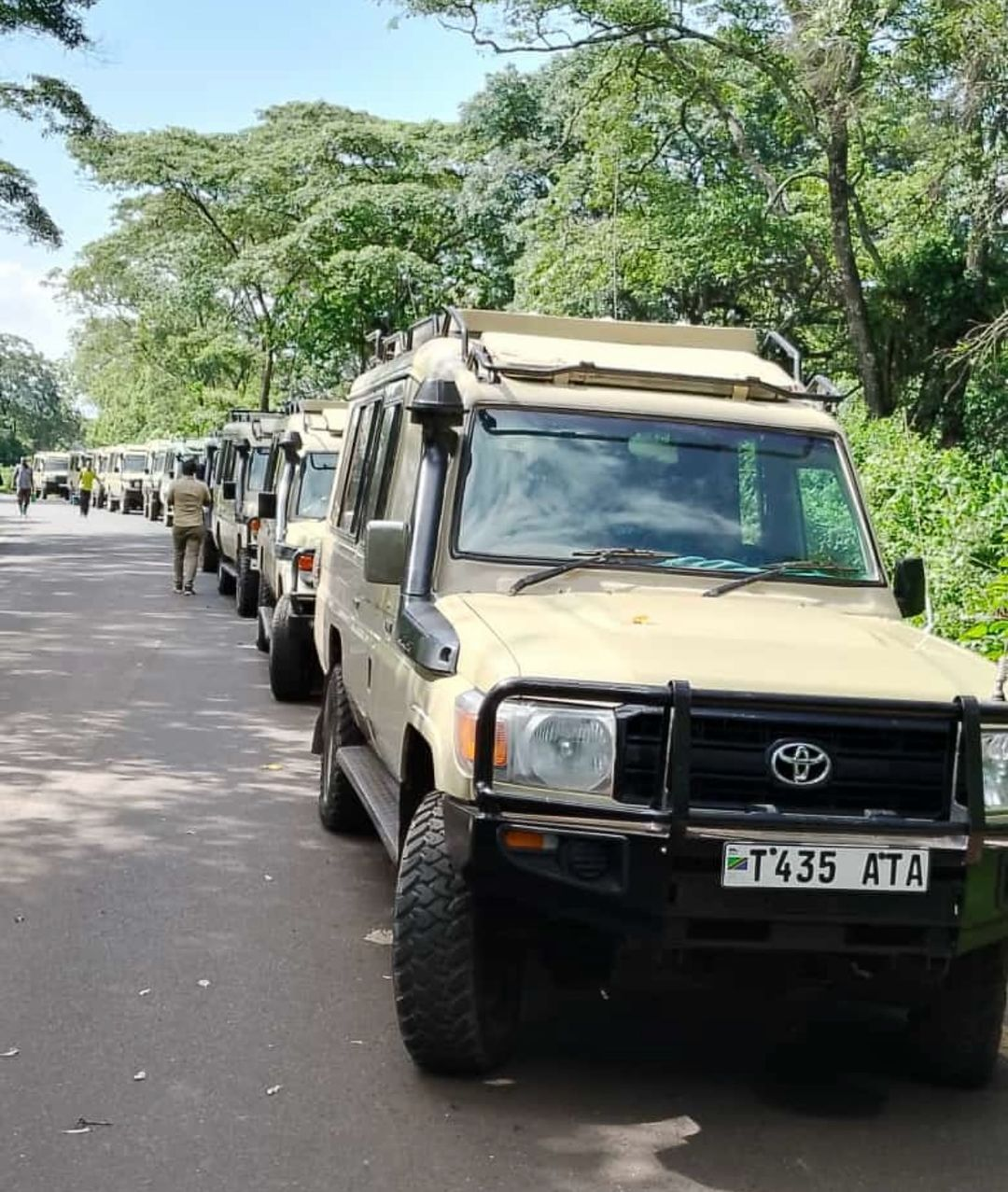
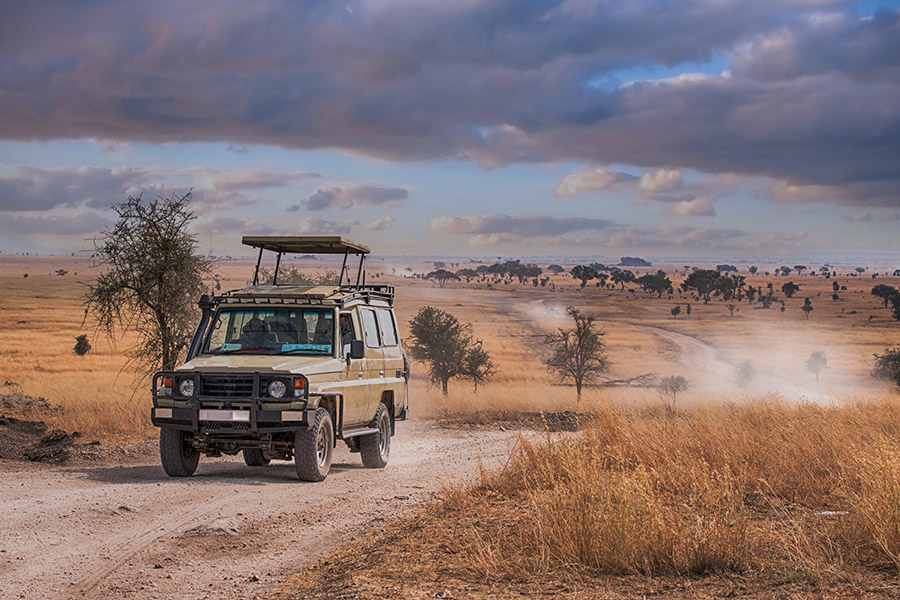
Visa-Free Countries in Africa: Your Essential Travel Guide
Africa, a continent of unparalleled diversity and breathtaking landscapes, beckons travelers with its rich cultures, abundant wildlife, and ancient history. For many, the prospect of exploring this vast continent is exciting, but visa requirements can sometimes feel like a daunting hurdle. Fortunately, a growing number of African nations offer visa-free entry for citizens of many countries, simplifying travel plans significantly. This guide is designed to help you understand which countries in Africa welcome visitors without the need for a pre-arranged visa, making your journey planning for 2026 and 2027 more straightforward.
We’ll cover everything from the basics of visa-free travel to specific destinations, what to expect upon arrival, and how to make the most of your trip. Whether you’re dreaming of a safari in East Africa, exploring the vibrant markets of West Africa, or relaxing on the beaches of North Africa, knowing your visa-free options is the first step to an incredible African experience.
Quick Overview: Visa-Free Travel in Africa
The landscape of African travel is constantly evolving, with many countries actively working to boost tourism by easing entry protocols. Visa-free access means that for certain nationalities, you can enter a country for a specified period simply by presenting your passport at immigration, often with proof of onward travel and sufficient funds. This significantly reduces pre-trip administrative work and costs.
It’s crucial to remember that ‘visa-free’ doesn’t mean ‘hassle-free.’ Immigration officials will still verify your entry purpose, duration of stay, and onward travel plans. Always carry copies of your passport, visa information for onward journeys, hotel bookings, and sufficient funds. The rules can change, so checking official government sources or consulting with a reputable tour operator before your travel dates in 2026 or 2027 is always recommended.
| Country | Visa-Free For (General) | Max Stay | Notes |
|---|---|---|---|
| Botswana | Most nationalities | 90 days | Requires passport valid for at least 6 months and onward ticket. |
| Eswatini (Swaziland) | Most nationalities | 30 days | Passport valid for at least 6 months. |
| Gambia | Most nationalities | 90 days | Passport valid for at least 6 months. |
| Ghana | ECOWAS citizens, some others | 90 days | Specific nationalities may need visas. Check requirements. |
| Kenya | Citizens of many countries (e-Visa often required, but can be ‘visa-free’ in spirit for some) | 90 days | Check current e-Visa policy for your nationality. Often processed quickly. |
| Lesotho | Most nationalities | 90 days | Passport valid for at least 6 months. |
| Malawi | Most nationalities | 30 days (extendable) | Passport valid for at least 6 months. |
| Mauritius | Most nationalities | 90 days | Passport valid for at least 6 months and onward ticket. |
| Morocco | EU, US, Canada, Australia, UK, many others | 90 days | Passport valid for at least 6 months. |
| Namibia | Most nationalities | 90 days | Passport valid for at least 6 months. |
| Rwanda | Most nationalities (e-Visa often required, but easily obtained) | 30 days | Check current e-Visa policy. Often processed quickly. |
| Senegal | Most nationalities | 90 days | Passport valid for at least 6 months. |
| Seychelles | Most nationalities | 30 days (extendable) | Passport valid for at least 6 months, onward ticket, proof of funds. |
| South Africa | Many nationalities (e.g., UK, US, EU, Canada, Australia) | 90 days | Passport valid for at least 30 days beyond stay and with blank pages. |
| Tanzania | Citizens of many countries (e-Visa often required, but can be ‘visa-free’ in spirit for some) | 90 days | Check current e-Visa policy. Often processed quickly. We can assist with this. |
| Togo | ECOWAS citizens, some others | 90 days | Specific nationalities may need visas. Check requirements. |
| Tunisia | EU, US, Canada, Australia, UK, many others | 90 days | Passport valid for at least 6 months. |
| Zambia | Most nationalities | 90 days | Passport valid for at least 6 months. |
| Zimbabwe | Many nationalities (e-Visa available for others) | 90 days (tourist) | Passport valid for at least 6 months. Some nationalities require visas. |
Disclaimer: Visa regulations are subject to change. Always verify current requirements with the official immigration authorities of the destination country or your local embassy/consulate before booking your trip.
Why Consider Visa-Free Countries in Africa for Your 2026-2027 Trip?
Choosing destinations with visa-free entry offers several compelling advantages for travelers planning their African adventures, especially as we look ahead to 2026 and 2027. These benefits can significantly enhance your travel experience and planning process.
1. Simplified Planning and Reduced Bureaucracy
The most obvious benefit is the significant reduction in pre-trip administrative work. Applying for visas can be time-consuming, involving detailed application forms, gathering supporting documents, and sometimes attending interviews or sending your passport away for processing. For visa-free countries, this step is eliminated, allowing you to focus on the exciting aspects of your trip, like planning safaris or choosing Kilimanjaro treks.
2. Cost Savings
Visa fees can add a substantial amount to your travel budget, especially for families or groups. By opting for visa-free destinations, you save money directly on these fees, which can then be reallocated to enhance your travel experience, perhaps by upgrading accommodation, extending your stay, or booking additional excursions.
3. Spontaneity and Flexibility
Visa-free travel allows for greater spontaneity. If you find a last-minute travel deal or decide to extend your stay in a particular region, you can do so more easily without needing to worry about visa expiry dates or the process of obtaining an extension. This flexibility is particularly appealing for adventurous travelers who like to keep their options open.
4. Easier Multi-Country Itineraries
Africa is a continent best explored through diverse experiences. Many visa-free countries are geographically close, making it easier to combine them into a single itinerary. For instance, you could easily travel between South Africa, Botswana, and Namibia, or explore Kenya and Tanzania with minimal visa-related complications (though Tanzania and Kenya often require e-visas which are straightforward to obtain). This allows for a richer, more varied exploration of the continent.
5. Focus on Experience, Not Paperwork
Ultimately, the goal of travel is to experience new cultures, see incredible sights, and create lasting memories. By removing the visa application process, you can dedicate more time and mental energy to immersing yourself in the destination, whether that’s a thrilling safari in the Serengeti, a challenging climb up Mount Kilimanjaro, or a relaxing holiday in Zanzibar.
Popular Visa-Free Destinations in Africa and What They Offer
Africa is a continent of immense variety. Here’s a look at some of the most popular visa-free destinations and what makes them unique, perfect for your travel plans in 2026 and 2027.
Southern Africa: Wildlife and Scenery
Southern Africa is a treasure trove for wildlife enthusiasts and nature lovers, with several countries offering visa-free entry.
Botswana
Known for its pristine wilderness and low-impact tourism model, Botswana is a premier safari destination. The Okavango Delta, Chobe National Park (famous for its elephant herds), and the Kalahari Desert offer unparalleled wildlife viewing opportunities. Visa-free entry for most nationalities makes planning a luxury safari here straightforward. Expect exceptional game drives, mokoro (traditional canoe) excursions, and incredible photographic opportunities.
South Africa
South Africa is incredibly diverse, offering everything from the iconic Kruger National Park for safaris to the vibrant city life of Cape Town, the scenic Garden Route, and the Winelands. Visa-free entry for many nationalities makes it an accessible and popular choice. It’s a destination that caters to all types of travelers, from budget backpackers to luxury seekers.
Namibia
Namibia captivates with its dramatic desert landscapes, including the towering sand dunes of Sossusvlei, the wildlife-rich Etosha National Park, and the rugged Skeleton Coast. Its vastness and unique geology offer a different kind of African adventure. Visa-free access simplifies planning for those seeking stark beauty and desert-adapted wildlife.
Zambia & Zimbabwe
These neighboring countries are home to the magnificent Victoria Falls, one of the world’s largest waterfalls. Both offer visa-free entry for many, though Zimbabwe also offers an e-visa option for some nationalities. Beyond the falls, Zambia offers excellent walking safaris in its national parks, while Zimbabwe provides diverse wildlife viewing and rich cultural heritage.
Eswatini (formerly Swaziland) and Lesotho
These two small, mountainous kingdoms are enclaves within South Africa. They offer a glimpse into traditional African life, beautiful landscapes, and unique cultural experiences. Visa-free entry makes them easy additions to a Southern Africa itinerary.
East Africa: Iconic Safaris and Majestic Peaks
East Africa is synonymous with the Great Migration, the Maasai culture, and Mount Kilimanjaro. While Kenya and Tanzania often require e-visas, they are typically processed quickly and are considered ‘visa-free’ in spirit for many, making them highly accessible.
Kenya
Home to the Maasai Mara, Amboseli National Park with its views of Kilimanjaro, and Tsavo National Park, Kenya is a quintessential safari destination. The chance to witness the Great Migration (July-October) is a major draw. While an e-Visa is often needed, it’s a streamlined process. Planning a safari here is a classic African experience.
Tanzania
Tanzania boasts the Serengeti National Park, Ngorongoro Crater, Mount Kilimanjaro, and the exotic island of Zanzibar. It’s a multifaceted destination offering world-class safaris, challenging treks, and idyllic beach holidays. Like Kenya, an e-Visa is often required but is easily obtainable, allowing seamless planning for your 2026 or 2027 adventure.
Rwanda
Known as the ‘Land of a Thousand Hills,’ Rwanda offers stunning volcanic landscapes and is a leading destination for gorilla trekking in Volcanoes National Park. It also provides excellent opportunities for chimpanzee tracking in Nyungwe Forest. Visa-free entry or easily obtainable e-visas make Rwanda an increasingly popular and accessible choice.
Malawi
Often called the ‘Warm Heart of Africa,’ Malawi offers beautiful lake shores, national parks with diverse wildlife, and friendly locals. Lake Malawi National Park is a UNESCO World Heritage site and a fantastic place for relaxation and water activities. Visa-free entry for many nationalities makes it a less-traveled but highly rewarding destination.
North Africa: History, Culture, and Coastlines
North Africa offers a rich historical tapestry, vibrant souks, and beautiful Mediterranean coastlines.
Morocco
With its bustling medinas in Marrakech and Fes, the Sahara Desert, the Atlas Mountains, and coastal cities like Essaouira, Morocco is a sensory delight. Visa-free entry for citizens of the EU, US, Canada, Australia, and the UK makes it very accessible for Western travelers. It’s a perfect introduction to African culture and history.
Tunisia
Tunisia offers a blend of Roman ruins, Islamic architecture, desert landscapes, and Mediterranean beaches. Its historical sites, such as Carthage and El Jem, are remarkable. Visa-free entry for many European and North American nationalities makes it an easy and culturally rich destination.
West Africa: Vibrant Cultures and Rich History
West Africa is known for its dynamic cultures, music, and historical significance.
Gambia
The ‘Smiling Coast of Africa,’ Gambia is known for its beautiful beaches, river excursions along the Gambia River, and abundant birdlife. It’s a relaxed destination, and visa-free entry for most nationalities makes it an attractive option for beach holidays and cultural immersion.
Ghana
Ghana offers a rich history, including former slave forts, vibrant markets, and beautiful coastline. It’s a welcoming country with a growing tourism sector. While ECOWAS citizens enjoy visa-free travel, other nationalities should check specific requirements, as some may need a visa, though e-Visa options are becoming more common.
Senegal
Senegal boasts a rich history, particularly related to the transatlantic slave trade (Goree Island), vibrant music scenes, and beautiful coastlines. Visa-free entry for most nationalities simplifies planning for this culturally significant West African nation.
Planning Your Visa-Free African Adventure: Key Considerations
Even with visa-free access, thorough planning is essential for a successful and enjoyable trip to Africa. Here are critical factors to consider for your 2026-2027 travels.
1. Passport Validity and Requirements
This is non-negotiable. Most countries require your passport to be valid for at least six months beyond your intended date of departure. Some may require up to three blank pages for entry and exit stamps. Always check the specific requirements of each country you plan to visit.
2. Duration of Stay
Visa-free entry comes with a time limit, typically ranging from 30 to 90 days. Be aware of these limits to avoid overstaying, which can lead to fines, deportation, and future travel bans. Plan your itinerary accordingly.
3. Proof of Onward Travel and Sufficient Funds
Immigration officials often ask for proof that you intend to leave the country. This usually means presenting a return or onward flight ticket. You may also need to show evidence of sufficient funds to cover your stay (e.g., bank statements, credit card statements). While not always asked for, it’s wise to have these documents ready.
4. Health and Vaccinations
Consult your doctor or a travel clinic 4-6 weeks before your trip regarding recommended vaccinations and malaria precautions. Yellow Fever vaccination is mandatory for entry into some African countries, and you’ll need to show your International Certificate of Vaccination or Prophylaxis (ICVP) at immigration. For example, if you are traveling from a country with a risk of Yellow Fever and then flying to another African nation, proof of vaccination might be required.
5. Travel Insurance
Comprehensive travel insurance is vital. It should cover medical emergencies, trip cancellations, lost luggage, and activities like safaris or trekking. For remote areas, ensure your policy covers medical evacuation.
6. Local Currency and Payment Methods
While major cities and tourist hubs may accept credit cards, many areas, especially in rural or remote locations, operate primarily on cash. Research the local currency and typical costs. ATMs are available in larger towns, but it’s wise to carry some US Dollars or Euros for emergencies and smaller purchases. Inform your bank of your travel dates.
7. Safety and Local Customs
Research local safety advisories and be aware of your surroundings. Respect local customs and traditions. Dress modestly when visiting religious sites or rural areas. Learn a few basic phrases in the local language; it’s always appreciated.
8. Connectivity and Communication
Wi-Fi is common in hotels and cafes in major cities, but can be spotty elsewhere. Consider purchasing a local SIM card upon arrival for affordable data and calls, or check international roaming plans. For remote safaris or treks, communication might be limited.
Best Time to Visit Visa-Free Countries in Africa
The ‘best time’ to visit Africa depends heavily on the region and your specific interests. Generally, the dry season is preferred for wildlife viewing as animals congregate around water sources, and vegetation is less dense. However, the wet season often brings lush landscapes, fewer crowds, and lower prices.
| Region/Activity | Dry Season (Best for Wildlife) | Wet Season (Greener Scenery, Fewer Crowds) | Shoulder Seasons |
|---|---|---|---|
| Southern Africa (Botswana, South Africa, Namibia) | May – October | November – April | April-May, Oct-Nov |
| East Africa (Kenya, Tanzania) | June – October, January – February | March – May, November – December | May-June, Oct-Nov |
| Mount Kilimanjaro Trekking (Tanzania) | January – March, June – October | April – May | N/A (focus on dry windows) |
| Zanzibar Holidays | June – October, December – March | April – May | N/A (can be humid year-round, but dry is pleasant) |
| North Africa (Morocco, Tunisia) | Spring (March-May) & Autumn (September-November) | Summer (June-August) can be very hot; Winter (December-February) is mild. | N/A |
| West Africa (Gambia, Ghana, Senegal) | November – April (Dry Season) | May – October (Rainy Season, humid) | N/A |
Sample Itineraries for Visa-Free African Travel (2026-2027)
To illustrate how visa-free travel can work, here are sample itinerary ideas. These are flexible and can be customized.
Sample 1: Southern Africa Wildlife Explorer (14 Days)
Focus: Botswana & South Africa (Visa-free for many)
Day 1-3: Maun, Botswana (Okavango Delta)
Arrive in Maun, transfer to your lodge. Experience mokoro excursions, guided bush walks, and game drives in the Okavango Delta. Focus on unique water-based game viewing.
Day 4-6: Chobe National Park, Botswana
Transfer to the Chobe region. Enjoy game drives and boat safaris, famous for massive elephant herds and diverse birdlife.
Day 7: Kasane to Victoria Falls (Zimbabwe/Zambia)
Short transfer to Kasane, then cross the border to Victoria Falls. Explore the falls from the Zimbabwean side (visa-free for many).
Day 8-9: Victoria Falls Activities
Activities include guided tours of the falls, sunset cruises on the Zambezi River, and optional adventure activities (bungee jumping, white-water rafting – check visa for Zambia if crossing).
Day 10-13: Kruger National Park, South Africa
Fly from Victoria Falls to a South African airport near Kruger (e.g., Hoedspruit or Nelspruit). Transfer to your lodge in a private reserve or the public park for exceptional game viewing, including the Big Five.
Day 14: Departure
Depart from the nearest airport (e.g., Johannesburg if flying internationally from there).
Sample 2: East African Safari & Spice Island (12 Days)
Focus: Kenya & Tanzania (e-Visas often required but easy to get, effectively visa-free for planning)
Day 1-3: Nairobi, Kenya
Arrive in Nairobi. Visit the David Sheldrick Wildlife Trust, Giraffe Centre, and explore the city. Obtain your Kenyan e-Visa in advance.
Day 4-6: Maasai Mara National Reserve, Kenya
Fly to the Maasai Mara for incredible wildlife viewing. Witness the vast plains and search for predators. If traveling July-October, this is prime time for the Great Migration.
Day 7: Transfer to Tanzania (Serengeti)
Fly from Maasai Mara to a Tanzanian airstrip near the Serengeti, or drive via the border. Obtain your Tanzanian e-Visa in advance.
Day 8-10: Serengeti National Park, Tanzania
Explore the vast plains of the Serengeti, famous for its large predator populations and the Great Migration. Game drives offer constant opportunities to see wildlife.
Day 11-12: Zanzibar Relaxation
Fly from the Serengeti to Zanzibar. Relax on the white-sand beaches, explore Stone Town (a UNESCO World Heritage site), and enjoy spice tours. Depart from Zanzibar.
Sample 3: Morocco Cultural Immersion (10 Days)
Focus: Morocco (Visa-free for many)
Day 1-3: Marrakech
Arrive in Marrakech. Explore the Jemaa el-Fna square, the souks, Bahia Palace, and Koutoubia Mosque. Experience the vibrant city life.
Day 4-5: Atlas Mountains & Ait Benhaddou
Journey into the High Atlas Mountains, visit traditional Berber villages, and explore the historic fortified village of Ait Benhaddou (a UNESCO site).
Day 6-7: Sahara Desert Experience
Travel to the edge of the Sahara Desert. Enjoy a camel trek into the dunes and spend a night in a desert camp under the stars.
Day 8-9: Fes
Travel to Fes, one of the world’s oldest medieval cities. Explore its labyrinthine medina, tanneries, and historical sites.
Day 10: Departure
Depart from Fes or return to Marrakech for departure.
What to Pack for Your Visa-Free African Trip
Packing smart is crucial for comfort and convenience. Layering is key, as temperatures can vary significantly between day and night, and between different regions and altitudes.
- Clothing: Lightweight, breathable fabrics (cotton, linen, quick-dry synthetics). Neutral colors (khaki, beige, olive green) are best for safaris to avoid startling wildlife. Include long-sleeved shirts and trousers for sun and insect protection. A warm fleece or jacket for cool evenings/mornings, especially on safari or at higher altitudes (like Kilimanjaro). Comfortable walking shoes/hiking boots. Sandals or flip-flops for relaxing.
- Headwear: Wide-brimmed hat for sun protection. A beanie or warm hat for cold mornings/nights.
- Eyewear: Sunglasses.
- Sun Protection: High SPF sunscreen, lip balm with SPF.
- Insect Repellent: Containing DEET or Picaridin.
- Health Kit: Personal medications, basic first-aid supplies (band-aids, antiseptic wipes, pain relievers, anti-diarrhea medication), hand sanitizer.
- Documents: Passport (valid for 6+ months), copies of passport and visas (if any), flight tickets, hotel bookings, travel insurance details, vaccination certificates (e.g., Yellow Fever), driver’s license (if renting a car). Keep digital copies too.
- Money: Credit/debit cards, some US Dollars or Euros for emergencies, and local currency if pre-obtained.
- Electronics: Camera with extra batteries and memory cards, power bank, universal travel adapter, phone.
- Toiletries: Travel-sized essentials. Consider biodegradable options.
- Miscellaneous: Binoculars (essential for wildlife viewing!), reusable water bottle, small backpack for day trips, headlamp or small flashlight.
Common Mistakes to Avoid When Planning Visa-Free Travel
Even with visa-free travel, travelers can make mistakes that impact their trip. Being aware of these pitfalls can help ensure a smoother experience for your 2026 or 2027 travels.
- Not Checking Passport Validity: Assuming your passport is valid enough. Always double-check the six-month rule and ensure you have enough blank pages.
- Ignoring Health Requirements: Failing to consult a doctor about necessary vaccinations or malaria prophylaxis. This can lead to serious illness or denied entry.
- Underestimating Local Currency Needs: Relying solely on credit cards. Many places require cash, and ATMs can be scarce in rural areas.
- Overpacking: Bringing too many unnecessary items. Luggage restrictions on small bush planes are common, and you’ll be carrying your own bags at times.
- Not Researching Local Customs: Disrespecting local traditions can cause offense. A little research goes a long way.
- Failing to Get Travel Insurance: Thinking it’s an unnecessary expense. It’s crucial for unexpected medical issues or emergencies.
- Not Having Proof of Onward Travel: Being surprised when asked for an onward ticket at immigration. Always have it ready.
- Assuming Visa-Free Means No Entry Requirements: Forgetting about other potential entry requisites like vaccination certificates or specific forms.
- Last-Minute Planning: Especially for popular destinations or activities like gorilla trekking or Kilimanjaro climbs, booking well in advance is crucial, even if visas aren’t a barrier.
Who is Visa-Free Travel in Africa Best For?
Visa-free travel in Africa is ideal for a wide range of travelers:
- First-Time African Travelers: It removes a significant barrier and simplifies the initial planning process.
- Budget Travelers: Saving on visa fees allows more money for experiences or accommodation.
- Independent Travelers: Those who prefer to plan their own routes and move with flexibility.
- Repeat Visitors: Experienced travelers who want to explore new countries without the hassle of visa applications.
- Tour Operators and Travel Agents: Makes it easier to create packages and manage client logistics.
- Business Travelers: For short business trips, visa-free entry can save considerable time.
Alternatives to Visa-Free Travel
If your desired destination requires a visa, don’t be discouraged. Many African countries offer straightforward visa-on-arrival or e-Visa processes that are relatively easy to manage:
- Visa-on-Arrival: You can obtain your visa at the airport or border crossing. This is common for countries like Uganda and Ethiopia for certain nationalities.
- E-Visas: An increasing number of countries, including Kenya, Tanzania, Rwanda, and Zimbabwe, offer online visa applications. These are typically processed quickly and can be a great option if you’ve missed the window for visa-free entry.
- Embassy Application: For countries that don’t offer visa-on-arrival or e-Visas, you’ll need to apply through their embassy or consulate in your home country. This requires more planning time.
Planning Your 2026-2027 African Trip: Expert Tips
Looking ahead to 2026 and 2027, here’s how to maximize your visa-free African travel experience:
- Book Key Accommodations and Tours Early: Even with visa-free travel, popular lodges, safari camps, and unique experiences (like gorilla permits or Kilimanjaro climbs) book up months, sometimes over a year, in advance.
- Consider a Reputable Tour Operator: For complex itineraries or specific experiences like safaris or treks, a specialist tour operator can handle logistics, recommend the best times to visit, and advise on entry requirements. They can also assist with e-Visa applications.
- Stay Flexible with Flights: International flight prices can fluctuate. Booking flights a few months in advance is generally advisable. Be aware of layover times and potential visa requirements for transit countries.
- Research Local Holidays and Events: These can affect prices, crowd levels, and the availability of services.
- Learn About Local Etiquette: Understanding cultural norms will greatly enhance your interactions and overall experience.
- Prioritize Health and Safety: Get your vaccinations and consult with travel health professionals well in advance.
Booking Your Visa-Free African Adventure with Us
Planning an adventure to visa-free countries in Africa can be incredibly rewarding. We specialize in creating unforgettable travel experiences across East and Southern Africa, including Tanzania, Kenya, Uganda, Rwanda, and beyond. Whether you dream of a thrilling safari in the Serengeti, a challenging ascent of Mount Kilimanjaro, a relaxing holiday on the beaches of Zanzibar, or a combination of these, our expert team can help you craft the perfect itinerary for 2026 and 2027.
We understand the nuances of African travel, including visa requirements, the best times to visit, and how to maximize your experience. Our personalized service ensures that your trip is tailored to your interests, budget, and travel style. Let us handle the details so you can focus on the adventure.
Ready to explore the wonders of visa-free countries in Africa?
Contact us today for a personalized quote and itinerary:
- WhatsApp: +255616946642
- Email: topguideadventures@gmail.com
- Backup Email: info@topguideadventures.com
We look forward to helping you plan your dream African journey!
Frequently Asked Questions (FAQs) about Visa-Free Countries in Africa
What does ‘visa-free’ truly mean for African travel?
Visa-free means that citizens of specific countries can enter another country for tourism or short stays without needing to obtain a visa in advance. You typically present your passport at immigration and are granted entry for a set period (e.g., 30 or 90 days). However, immigration officers may still ask for proof of onward travel, accommodation, and sufficient funds.
Are there any hidden fees or charges for visa-free entry?
Generally, ‘visa-free’ implies no visa fee. However, some countries might have a small tourism levy or entry fee at the border or airport that is not directly related to a visa application. Always check the latest official information for any such charges.
How long can I stay in visa-free countries in Africa?
The duration of stay varies by country. Common periods are 30 days or 90 days. It’s crucial to check the specific limit for each country you plan to visit and ensure your itinerary adheres to these regulations to avoid penalties.
Do I still need a passport if a country is visa-free?
Yes, absolutely. A valid passport is required for international travel to any country, even those with visa-free agreements. Ensure your passport meets the validity requirements (usually 6 months beyond your stay) and has sufficient blank pages.
What if my nationality is not listed as visa-free for a particular country?
If your nationality is not covered by a visa-free agreement, you will likely need to apply for a visa. Many countries now offer convenient e-Visa services online, or you may need to apply through their embassy or consulate in your home country. It’s best to check the official immigration website of the destination country.
Are Kenya and Tanzania truly visa-free?
For many nationalities, Kenya and Tanzania offer e-Visa systems that are relatively easy to obtain online before travel. While not strictly ‘visa-free’ in the sense of no application, they are considered highly accessible and are often grouped with visa-free options due to the streamlined process. We can assist with these applications.
What are the health requirements for visa-free travel in Africa for 2026?
Health requirements vary. Yellow Fever vaccination certificates are mandatory for entry from or transit through certain countries. Malaria precautions are recommended for many regions. Always consult a travel clinic or your doctor well in advance of your 2026 trip.
Can I travel between visa-free African countries easily?
Yes, often it’s quite easy, especially within regional blocs like SADC (Southern African Development Community) or ECOWAS (Economic Community of West African States). However, always double-check border crossing procedures and any specific requirements, especially if you are not a citizen of a member state.
How can a tour operator help with visa-free travel plans for 2027?
A good tour operator can confirm visa-free status for your specific nationality, advise on any necessary documentation (like proof of onward travel), assist with e-Visa applications, and help build an itinerary that maximizes your time and experience in visa-free countries for your 2027 travel.
Is it safe to travel to visa-free countries in Africa?
Safety varies by country and region. Most visa-free African countries are safe for tourism, especially in well-traveled areas and when using reputable tour operators. It’s essential to research current travel advisories, be aware of your surroundings, and take standard safety precautions, just as you would in any unfamiliar destination.
Exploring the diverse beauty of Africa is more accessible than ever, thanks to the growing number of visa-free countries. Whether you’re planning an epic safari for 2026, a cultural exploration for 2027, or a combination of adventures, understanding these entry requirements is your first step to a memorable journey. Let us help you navigate your options and create the trip of a lifetime.
Ready to plan your visa-free African adventure? Contact our expert team today!
WhatsApp: +255616946642
Email: topguideadventures@gmail.com
Backup Email: info@topguideadventures.com
Plan your visa-free countries in africa with Top Guide Adventures
Tell us your travel dates, group size, comfort level, and dream experience. We will help you shape a clear, realistic, and memorable Tanzania itinerary.







 Veedesigner
 Fatma Kizanga
 Benjamin Waryuba
 Philip Philip
 John jr Itaja
 Antonia Optatus
 Edith Kanyere
 Neema Iddy
 Kelvin Boniphace
 Damari Maiga



