
Updated planning guide for 2026, 2027
Tanzania Vs Botswana Safari: Expert Guide
Deciding between a safari in Tanzania or Botswana can be a significant choice for travelers. This comprehensive guide breaks down the differences to help you plan the perfect African adventure for 2026 or 2027.
WhatsApp +255616946642 | topguideadventures@gmail.com | info@topguideadventures.com

Tanzania vs Botswana Safari: The Ultimate Comparison for 2026-2027
Planning an African safari is an exciting prospect, and two destinations consistently rise to the top of many travelers’ wish lists: Tanzania and Botswana. Both offer unparalleled wildlife viewing and breathtaking landscapes, but they deliver these experiences in distinctly different ways. For those planning a safari for 2026 or 2027, understanding these differences is key to selecting the destination that best matches your expectations, budget, and travel style. This in-depth guide will explore the nuances of a Tanzania vs Botswana safari, providing you with the information needed to make an informed decision.
Quick Answer: Tanzania vs Botswana Safari
Tanzania is generally known for its vast, iconic parks like the Serengeti and Ngorongoro Crater, offering incredible wildlife density, the Great Migration, and a wider range of accommodation options from budget to luxury. It’s ideal for first-time safari-goers and those seeking dramatic wildlife spectacles. Botswana, particularly the Okavango Delta and Chobe National Park, is celebrated for its exclusive, low-volume tourism model, pristine wilderness, water-based activities, and high-end, intimate safari experiences. It suits travelers seeking exclusivity, diverse ecosystems, and a more off-the-beaten-path feel.
| Feature | Tanzania | Botswana |
|---|---|---|
| Iconic Parks | Serengeti, Ngorongoro Crater, Tarangire, Selous | Okavango Delta, Chobe National Park, Moremi Game Reserve, Linyanti |
| Key Wildlife Draw | Great Migration, Big Five, vast herds | Predator-prey interactions, large elephant herds, diverse birdlife, water-based wildlife |
| Landscape Diversity | Savanna plains, mountains, craters, coastlines, woodlands | Delta waterways, floodplains, Kalahari Desert, riverine forests |
| Safari Activities | Game drives (4×4), walking safaris (limited), cultural visits, hot air ballooning | Game drives (4×4), mokoro (dugout canoe) excursions, boat safaris, walking safaris, fishing, fly-camping |
| Tourism Model | Varies: high volume in popular areas, developing private concessions | Low-volume, high-cost, exclusive concessions, focus on conservation |
| Accommodation Style | Wide range: budget camps, mid-range lodges, luxury tented camps, hotels | Primarily luxury tented camps and lodges, some fly-camping |
| Best Time to Visit | Dry season (June-Oct); for migration (Serengeti): Jan-Mar (calving), June-Oct (river crossings) | Dry season (May-Oct) for concentrated wildlife; Green season (Nov-Apr) for birding and calving |
| Typical Cost (per day) | Mid-range to high-end, depending on park fees and lodge choice | High-end to ultra-luxury |
| Ideal For | First-time safari-goers, budget-conscious travelers, those seeking the Great Migration | Discerning travelers, photographers, those seeking exclusivity and unique water-based experiences |
Understanding the Core Differences: Tanzania vs Botswana Safari
The decision between a Tanzania vs Botswana safari hinges on what you prioritize for your African adventure. While both nations offer exceptional wildlife viewing, their approaches to tourism, landscape, and the overall experience diverge significantly.
1. Wildlife Viewing and Key Attractions
Tanzania is synonymous with the Great Migration, a spectacular natural phenomenon where millions of wildebeest, zebras, and gazelles traverse the Serengeti plains in search of greener pastures. This makes the Serengeti National Park a must-visit, especially during specific times of the year when river crossings occur. Beyond the migration, Tanzania boasts the Ngorongoro Crater, a UNESCO World Heritage Site often called the “eighth wonder of the world,” which hosts an astonishing concentration of wildlife year-round, including the Big Five (lion, leopard, elephant, rhino, buffalo). Other key parks include Tarangire National Park, famous for its large elephant herds and baobab trees, and the vast Selous Game Reserve (now Nyerere National Park) in the south, offering a more wild and less crowded experience with boat safaris.
Botswana offers a different kind of wildlife spectacle. While it doesn’t have the sheer numbers of the Great Migration, it excels in predator-prey interactions, particularly in areas like the Moremi Game Reserve and the Linyanti region. Botswana is perhaps most famous for the Okavango Delta, the world’s largest inland delta. Here, wildlife viewing is often done from mokoros (traditional dug-out canoes) or boats, offering a unique perspective as you glide through waterways surrounded by game. The Delta is a haven for elephants, hippos, crocodiles, and a rich diversity of birdlife. Chobe National Park is renowned for having one of the largest concentrations of elephants in Africa, especially along the Chobe Riverfront.
2. Landscape and Ecosystems
Tanzania presents a varied landscape. The northern circuit, popular for safaris, features vast, rolling savanna plains in the Serengeti, the unique caldera of the Ngorongoro Crater, and acacia-dotted landscapes in Tarangire. The southern parks offer more rugged, wilder terrains and riverine environments. The country also has a long Indian Ocean coastline, leading to the exotic island of Zanzibar.
Botswana’s landscapes are dominated by water and desert. The Okavango Delta is a labyrinth of channels, lagoons, and islands, creating a lush oasis in the arid Kalahari Desert. This unique ecosystem supports incredible biodiversity. Chobe National Park features the wide Chobe River, floodplains, and mopane woodlands. The surrounding areas include the vast, dry expanses of the Kalahari, offering a starkly different, yet equally compelling, safari experience.
3. Safari Experience and Activities
In Tanzania, the classic safari experience revolves around game drives in 4×4 vehicles. While walking safaris are available in some areas, they are less prominent than in Botswana. Hot air balloon safaris over the Serengeti are a popular, albeit expensive, addition. Cultural visits to Maasai villages are also a common component of Tanzanian itineraries.
Botswana distinguishes itself with a greater emphasis on diverse safari activities. Mokoro excursions in the Okavango Delta offer a peaceful, intimate way to observe wildlife and the environment. Boat safaris on the Chobe River are excellent for viewing elephants, hippos, and water birds. Walking safaris are a staple in many Botswana camps, allowing for a deeper connection with the bush and its smaller details. Fly-camping, where you spend a night in a simple tented camp in a remote wilderness area, is also a unique offering in Botswana.
4. Tourism Model and Exclusivity
Tanzania’s tourism model is more varied. Popular parks like the Serengeti and Ngorongoro can experience high visitor numbers, especially during peak season. There are many lodges and camps catering to different budgets, from basic to ultra-luxury. While private concessions are developing, they are not as widespread or as central to the national offering as in Botswana.
Botswana has intentionally adopted a high-cost, low-volume tourism policy. This means fewer tourists, more exclusive experiences, and a strong focus on conservation and minimizing environmental impact. Most areas are managed as private concessions, limiting the number of vehicles and lodges. This exclusivity comes at a higher price point, making Botswana generally more expensive than Tanzania.
5. Accommodation Options
Tanzania offers a broad spectrum of accommodation. You can find everything from budget-friendly guesthouses and campsites to comfortable mid-range lodges, luxury tented camps that mimic the classic safari style, and high-end permanent lodges. This variety makes Tanzania accessible to a wider range of travelers in terms of budget.
Botswana primarily offers luxury tented camps and lodges. These are typically situated in prime wildlife areas, often with stunning views and excellent service. While some might offer a “rustic” feel, they are almost always high-end, featuring en-suite bathrooms, fine dining, and personalized service. Fly-camping is an option for those seeking a more basic, adventurous overnight experience.
6. Seasonality and Best Times to Visit
Tanzania:
- June to October (Dry Season): This is the prime time for safaris. Skies are clear, temperatures are pleasant, and wildlife congregates around water sources. This is also the best time to witness the Great Migration’s river crossings in the northern Serengeti.
- November to May (Green Season): This period sees rainfall, especially from March to May, which can make some areas inaccessible. However, it’s a beautiful time with lush landscapes, fewer tourists, and lower prices. It’s also the calving season for wildebeest (January-March) in the southern Serengeti, offering excellent predator action. Birdwatching is superb during this time.
Botswana:
- May to October (Dry Season): This is considered the peak safari season. Wildlife is concentrated around permanent water sources like the Okavango Delta and the Chobe River. Days are warm to hot, and nights can be cool. This is the best time for general game viewing and predator sightings.
- November to April (Green Season): This is the opposite of Tanzania’s green season in terms of wildlife focus. The rains bring new life, lush vegetation, and excellent birdwatching opportunities. It’s the calving season for many plains animals, leading to increased predator activity. While some areas might become less accessible due to rain, it offers a different, often more photographic, safari experience with dramatic skies and fewer visitors. Prices can be lower.
7. Cost Considerations: Tanzania vs Botswana Safari
This is a significant differentiator. Generally, a safari in Botswana is considerably more expensive than in Tanzania. This is due to Botswana’s low-volume, high-revenue tourism model, which supports conservation efforts and ensures exclusivity. Park fees, concession fees, and the cost of high-end lodges all contribute to this higher price tag.
Tanzania offers a wider range of price points. While luxury lodges in prime areas can be as expensive as Botswana, there are more mid-range and even budget-friendly options available, especially if you opt for more public campsites or lodges outside the most exclusive concessions. The cost of park entry fees in Tanzania can also be substantial, particularly for the Serengeti and Ngorongoro.
| Category | Tanzania (Mid-Range) | Tanzania (Luxury) | Botswana (Luxury) |
|---|---|---|---|
| Accommodation | $$ | $$$ | $$$$ |
| Park Fees & Activities | $$ | $$$ | $$$ |
| Food & Drinks | $ | $$ | $$ |
| Guide & Vehicle | $$ | $$$ | $$$ |
| Total Estimated Daily Cost | $$$ | $$$$ | $$$$$ |
Note: This is a general estimation. Actual costs vary significantly based on specific lodges, activities, group size, and time of year. Botswana’s figures reflect its high-end focus.
8. Getting Around: Logistics and Accessibility
In Tanzania, most safaris in the northern circuit are done via overland travel in 4×4 safari vehicles, often starting from Arusha. Distances between parks can be considerable, and road conditions can vary. For longer distances or to save time, light aircraft flights between airstrips in different parks are an option, adding to the cost but significantly reducing travel time.
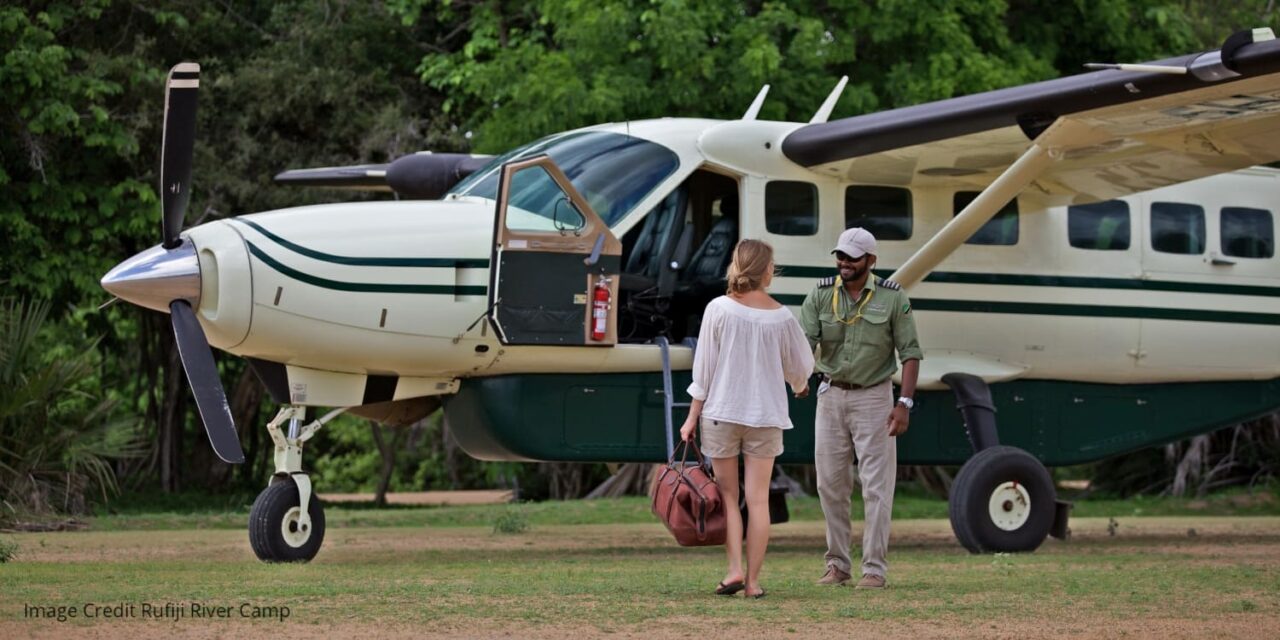
Botswana’s vastness and the nature of its concessions often necessitate light aircraft transfers between camps. This is part of the Botswana safari experience, offering incredible aerial views as you fly over the delta and wilderness. While overland travel is possible, it’s less common for multi-camp itineraries. The reliance on flights contributes to the higher cost but also enhances the sense of remoteness and exclusivity.
Planning Your Tanzania Safari
A typical Tanzania safari often focuses on the Northern Circuit, which is easily accessible and offers a concentration of iconic parks. A common itinerary structure for 2026 or 2027 planning might look like this:
Sample Tanzania Safari Itinerary (7 Days)
Day 1: Arrival in Arusha & Preparation
Arrive at Kilimanjaro International Airport (JRO). Transfer to your lodge in Arusha. Briefing with your guide and preparation for the safari. Arusha is the gateway to northern Tanzania’s safari circuit.
Day 2: Tarangire National Park
Drive to Tarangire National Park, known for its large elephant herds and baobab trees. Enjoy a full day of game drives. Overnight in a lodge or tented camp near the park.
Day 3: Ngorongoro Conservation Area
Drive to the Ngorongoro Conservation Area. Descend into the Ngorongoro Crater for a half-day game drive. This caldera is a natural amphitheater teeming with wildlife. After the game drive, ascend and drive to Karatu or a lodge on the crater rim. Overnight.
Day 4: Serengeti National Park (Central)
Drive to the Serengeti National Park, with an optional stop at Olduvai Gorge. Spend the afternoon on game drives in the central Serengeti, famous for its resident wildlife and predator sightings. Overnight in a central Serengeti lodge or tented camp.
Day 5: Serengeti National Park (Migration Focus)
Full day dedicated to exploring the Serengeti. Depending on the time of year (for 2026/2027 planning), you’ll focus on areas where the Great Migration herds are located. Optional hot air balloon safari at sunrise.
Day 6: Serengeti to Arusha
Morning game drive in the Serengeti. After breakfast, transfer to the nearest airstrip for a flight back to Arusha. This saves a long drive. Overnight in Arusha.
Day 7: Departure
Depending on your flight schedule, you might have time for souvenir shopping or a visit to a local market before transferring to JRO for your onward journey.
Key Considerations for Tanzania:
- The Great Migration: If seeing the migration is a priority for your 2026-2027 trip, research the best locations and times. River crossings (July-October) are in the north, while calving season (January-March) is in the south.
- Ngorongoro Crater Fees: Entry and vehicle fees for the crater are separate and can be significant.
- Road Travel Time: Distances are large. Factor in travel time or consider internal flights.
- Accommodation Variety: Choose based on your budget and desired comfort level.
Planning Your Botswana Safari
Botswana safaris are often built around flying into different camps in various ecosystems. A typical itinerary might focus on the Okavango Delta and perhaps Chobe or Linyanti. For 2026 or 2027, consider this structure:
Sample Botswana Safari Itinerary (7 Days)
Day 1: Arrival in Maun & Transfer to Okavango Delta Camp
Arrive at Maun Airport (MUB), the gateway to the Okavango Delta. You’ll be met and transferred to a light aircraft for a scenic flight to your first camp in the Delta. Settle in and enjoy an afternoon game drive or mokoro excursion.
Day 2-3: Okavango Delta Exploration
Spend two full days exploring the Okavango Delta. Activities will vary by camp but typically include mokoro trips, boat safaris (seasonal), walking safaris, and game drives. Focus on the unique water-based wildlife and birdlife.
Day 4: Transfer to Linyanti/Chobe Enclave
After a morning activity and breakfast, take a light aircraft flight to a camp in the Linyanti concession or the Chobe Enclave. These areas are known for their predator populations and large elephant herds.
Day 5-6: Linyanti/Chobe Wildlife Viewing
Enjoy two days of game drives and potentially walking safaris in your new environment. The Linyanti region offers excellent opportunities to see lions, wild dogs, elephants, and hippos. Boat safaris on the Chobe River are also a highlight if you are in the Chobe area.
Day 7: Departure
Enjoy a final morning activity and breakfast. Take a light aircraft flight back to Maun (MUB) or Kasane (BBK) for your onward international flight.
Key Considerations for Botswana:
- Cost: Be prepared for higher costs due to the exclusive nature and reliance on light aircraft transfers.
- Water Levels: For mokoro and boat activities in the Delta, check seasonal water levels.
- Camp Selection: Choose camps based on the activities you prefer (water-based vs. land-based) and the specific wildlife you wish to see.
- Limited Connectivity: Many camps are remote with limited or no Wi-Fi, offering a true escape.
Who is Tanzania vs Botswana Safari Best For?
To help you decide for your 2026 or 2027 trip, consider who each destination typically suits:
| Traveler Type | Tanzania Safari Is Often Best For | Botswana Safari Is Often Best For |
|---|---|---|
| First-Time Safari Goers | Yes, the iconic sights and variety are overwhelming in a good way. | Can be, but the high cost might be a barrier. Offers an intense, exclusive introduction. |
| Budget-Conscious Travelers | Yes, offers a wider range of options from mid-range to more affordable. | No, generally high-end and expensive. |
| Wildlife Enthusiasts (General) | Yes, incredible density and variety, especially the Great Migration. | Yes, exceptional predator action and unique Delta ecosystem. |
| Photographers | Yes, especially for migration action and dramatic landscapes. | Yes, particularly for unique water-based shots, intimate wildlife encounters, and dramatic light. |
| Travelers Seeking Exclusivity | Less so in popular parks, but achievable in southern parks or private concessions. | Yes, this is Botswana’s core offering. |
| Those Wanting Diverse Activities | Good, with game drives, walking, culture, and ballooning. | Excellent, with mokoros, boats, walking, and drives. |
| Family Travelers | Yes, offers variety and more budget-friendly options. | Can be, but the high cost and remoteness of some camps may be factors. Some camps are more family-friendly. |
| Honeymooners/Luxury Seekers | Yes, many high-end lodges available. | Yes, Botswana is renowned for its luxury and romantic safari experiences. |
Common Mistakes to Avoid When Planning Your Tanzania vs Botswana Safari
Whether you choose Tanzania or Botswana for your 2026 or 2027 safari, avoiding common pitfalls will ensure a smoother, more enjoyable trip.
For Tanzania:
- Underestimating Travel Times: Tanzania is vast. Long drives between parks are common. Plan your itinerary realistically or budget for internal flights.
- Not Timing for the Migration: If seeing the Great Migration is a priority, research the exact location and time of year. It’s not a static event.
- Booking Too Late: Popular lodges and camps, especially in the Serengeti and Ngorongoro, book up months, even a year, in advance for peak season.
- Ignoring Southern Tanzania: While the Northern Circuit is popular, parks like Ruaha and Nyerere (Selous) offer wilder, less crowded experiences that are excellent alternatives.
- Overpacking: Pack light, neutral-colored clothing. Most lodges offer laundry services.
For Botswana:
- Not Budgeting Adequately: Botswana is expensive. Ensure your budget covers the high-end lodges, park fees, and essential light aircraft transfers.
- Assuming All-Year Water Activities: Mokoro and boat activities in the Delta are seasonal and depend on water levels. Plan accordingly if these are priorities.
- Not Considering the Dry Season for General Game Viewing: While the green season has its charms, the dry season concentrates wildlife around water, making sightings more reliable for many species.
- Choosing Camps Based Only on Location: Research the specific activities offered by each camp and the type of wildlife it’s known for.
- Expecting Constant Connectivity: Embrace the disconnect. Wi-Fi is often limited or unavailable, which is part of the charm for many.
Packing and Preparation for Your Safari
Regardless of your chosen destination, packing smart is crucial for a comfortable safari. For both Tanzania and Botswana in 2026 and 2027, the following applies:
Essential Packing List:
- Clothing: Lightweight, neutral-colored (khaki, beige, olive green) clothing. Avoid bright colors and dark colors like black or blue (can attract tsetse flies in some areas). Layers are key for varying temperatures.
- Tops: T-shirts, long-sleeved shirts (for sun protection and cooler evenings).
- Bottoms: Comfortable trousers or safari pants, shorts (for warmer days).
- Outerwear: A warm fleece or jacket for cool mornings and evenings, especially during the dry season. A waterproof jacket is advisable for the green season.
- Footwear: Comfortable walking shoes or hiking boots, sandals or flip-flops for relaxing at the lodge.
- Headwear: A wide-brimmed hat or cap for sun protection.
- Eyewear: Sunglasses.
- Sun Protection: High SPF sunscreen, lip balm with SPF.
- Insect Repellent: Especially important for evenings and in areas prone to mosquitoes.
- Camera Gear: Camera, extra batteries, memory cards, zoom lens, tripod (optional). Binoculars are essential.
- Personal Items: Prescription medications, basic first-aid kit, toiletries.
- Documents: Passport, visa (if required), flight details, insurance documents, vaccination certificates.
- Power Bank/Adapter: For charging electronics. Most lodges have power, but a power bank is useful for long days out.
- Reusable Water Bottle: Stay hydrated and reduce plastic waste.
Preparation:
- Vaccinations & Health: Consult your doctor well in advance for recommended vaccinations (e.g., Yellow Fever, Hepatitis A & B, Typhoid) and malaria precautions.
- Travel Insurance: Comprehensive travel insurance covering medical emergencies, evacuation, and trip cancellation is essential.
- Fitness: While not strenuous, some walking is involved. Ensure you’re comfortable with moderate activity.
- Visa Requirements: Check visa regulations for Tanzania and Botswana for your nationality.
- Currency: Understand the local currency and how to access cash (USD is widely accepted for larger payments, but local currency is needed for smaller purchases).
Tanzania vs Botswana Safari: Which to Book for 2026-2027?
The choice between Tanzania and Botswana for your 2026 or 2027 safari depends on your priorities:
- Choose Tanzania if:
- You want to witness the Great Migration.
- You are a first-time safari-goer looking for iconic landscapes and abundant wildlife.
- You have a varied budget and are looking for more affordable options.
- You are interested in combining a safari with a visit to Zanzibar or Kilimanjaro.
- You prefer overland travel between parks (though flights are an option).
- Choose Botswana if:
- You prioritize exclusivity, privacy, and a low-volume tourism experience.
- You are looking for unique water-based safari activities like mokoro and boat safaris.
- You are a keen photographer seeking intimate wildlife encounters and diverse environments.
- Your budget is higher, and you are willing to invest in a luxury, high-end safari.
- You appreciate pristine wilderness and a strong focus on conservation.
It’s also possible to combine elements of both, though this usually requires more time and budget. For instance, a short trip to northern Tanzania followed by a few days in the Okavango Delta is an option for a truly diverse experience.
Booking Your Tanzania vs Botswana Safari: Expert Advice
Booking your safari is a critical step. Whether you’re planning for 2026 or 2027, here’s how to approach it:
- Research and Consult: Start by thoroughly researching tour operators. Look for companies with deep local knowledge and a good reputation. For Tanzania and East Africa, Top Guide Adventures is a specialist.
- Define Your Priorities: Be clear about what you want from your safari: specific wildlife, activities, accommodation style, budget, and pace.
- Get Custom Itineraries: A good operator will work with you to create a bespoke itinerary based on your needs. Don’t settle for a generic package if it doesn’t fit.
- Understand Inclusions/Exclusions: Carefully review what is included in your safari package (accommodation, meals, park fees, activities, guide, vehicle, internal flights, transfers) and what is not (international flights, visas, tips, personal expenses, travel insurance).
- Book in Advance: Especially for popular times (dry season, migration season, holidays) and for Botswana’s exclusive camps, booking 6-12 months in advance is highly recommended for 2026 and 2027.
- Payment Terms: Understand the deposit and final payment schedule. Most operators require a deposit to secure bookings and full payment several weeks before travel.
- Ask Questions: Don’t hesitate to ask your tour operator any questions you have, no matter how small they seem. Clarity is key.
When planning your Tanzania vs Botswana safari for 2026 or 2027, consider contacting specialists like Top Guide Adventures. They can provide tailored advice and craft an unforgettable experience.
Ready to Plan Your Dream Safari?
Whether you’re leaning towards the iconic plains of Tanzania or the exclusive waterways of Botswana, our experts are here to help you design the perfect adventure. Let us craft an itinerary that matches your dreams and budget for 2026 or 2027.
Contact us today:
WhatsApp: +255616946642
Email: topguideadventures@gmail.com
Backup Email: info@topguideadventures.com
Frequently Asked Questions (FAQs) about Tanzania vs Botswana Safari
Q1: Which country is better for seeing the Big Five?
Both Tanzania and Botswana offer excellent opportunities to see the Big Five. Tanzania’s Ngorongoro Crater is famous for its high density of animals, making Big Five sightings very likely. Botswana’s Moremi Game Reserve and Linyanti region also have strong Big Five populations, with excellent predator-prey interactions.
Q2: Is Botswana really that much more expensive than Tanzania?
Yes, generally Botswana is considered more expensive. This is due to its low-volume, high-cost tourism model, which focuses on exclusivity and conservation, and the reliance on light aircraft transfers. Tanzania offers a wider range of accommodation and safari styles, making it more accessible at various price points.
Q3: Can I see the Great Migration in Botswana?
No, the Great Migration is exclusive to Tanzania’s Serengeti and Kenya’s Masai Mara ecosystem. Botswana has its own incredible wildlife movements, particularly large elephant herds in Chobe and predator-prey dynamics in the Delta, but not the Great Migration.
Q4: What are the best months to visit Tanzania for a safari in 2026?
The dry season, from June to October, is generally considered the best time for wildlife viewing in Tanzania, with clear skies and animals congregating around water. For the Great Migration river crossings, aim for July to October in the northern Serengeti. For calving season and fewer crowds, January to March in the southern Serengeti is ideal.
Q5: What are the best months to visit Botswana for a safari in 2027?
The dry season, from May to October, is peak season for wildlife viewing in Botswana, as animals gather around permanent water sources. The green season (November to April) offers fantastic birding, dramatic landscapes, and calving seasons for many species, with fewer tourists and potentially lower prices.
Q6: Which destination offers more unique safari activities?
Botswana generally offers a wider array of unique activities, particularly water-based ones like mokoro (dugout canoe) excursions and boat safaris in the Okavango Delta, alongside excellent walking safaris. Tanzania offers classic game drives, walking safaris in select areas, and iconic hot air ballooning over the Serengeti.
Q7: Is Tanzania safe for tourists?
Tanzania is generally a safe country for tourists, especially in safari areas and tourist hubs. Standard travel precautions are advised, such as being aware of your surroundings, not displaying valuables, and using reputable tour operators. Your safety is paramount when on safari, and experienced guides ensure this.
Q8: Is Botswana safe for tourists?
Botswana is considered one of the safest countries in Africa for tourists. It has a low crime rate. Standard precautions apply, but visitors generally feel very secure. Wildlife encounters are managed by experienced guides, ensuring safety.
Q9: Can I combine Tanzania and Botswana on one trip?
Yes, it is possible to combine Tanzania and Botswana, but it requires significant time and budget due to the distances and flight logistics involved. It’s often better to focus on one region for a more in-depth experience unless you have at least 14-21 days and a substantial budget.
Q10: What is the best way to book a safari in either country for 2026-2027?
The best way is to work with a reputable, experienced tour operator who specializes in the chosen country. They can provide expert advice, tailor itineraries, handle complex logistics, and secure the best accommodations and guides. For Tanzania, Top Guide Adventures is a highly recommended local expert.
Plan your tanzania vs botswana safari with Top Guide Adventures
Tell us your travel dates, group size, comfort level, and dream experience. We will help you shape a clear, realistic, and memorable Tanzania itinerary.







 Veedesigner
 Fatma Kizanga
 Benjamin Waryuba
 Philip Philip
 John jr Itaja
 Antonia Optatus
 Edith Kanyere
 Neema Iddy
 Kelvin Boniphace
 Damari Maiga



