
Updated planning guide for 2026, 2027
West Africa Overland Tours: Your Essential Travel Guide
Considering a West Africa overland tour? This in-depth guide covers everything you need to know, from planning your route and understanding local logistics to packing essentials and what to expect on the road. Get ready for an unforgettable journey across this vibrant region.
WhatsApp +255616946642 | topguideadventures@gmail.com | info@topguideadventures.com

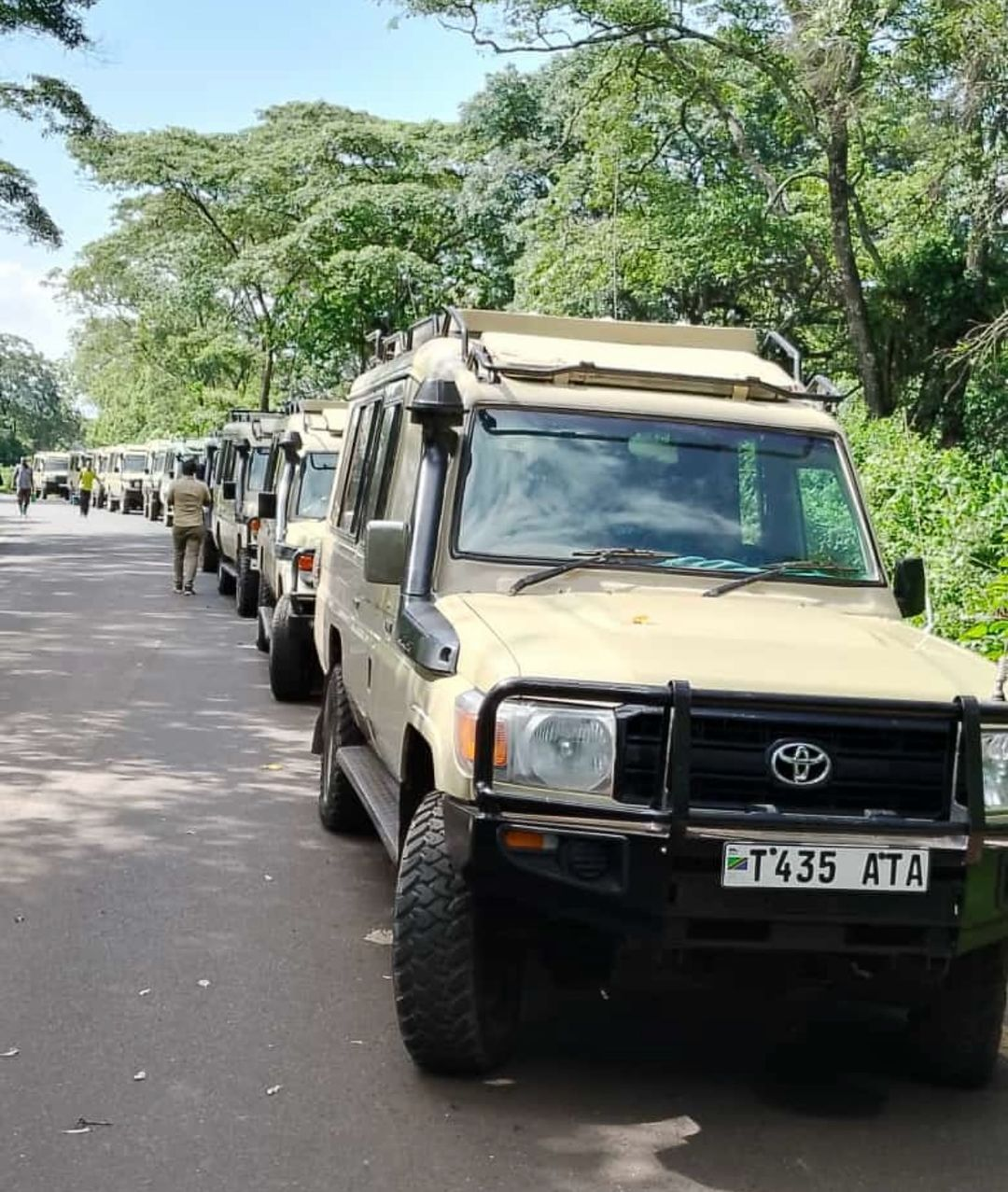
West Africa Overland Tours: Your Essential Travel Guide
West Africa overland tours offer a profound way to connect with a region brimming with diverse cultures, ancient histories, and breathtaking landscapes. Unlike typical tourist trails, an overland journey through West Africa allows for genuine immersion, taking you through bustling city markets, remote villages, and along coastlines dotted with colonial history. This guide is crafted for those ready to explore the heart of this dynamic continent, providing practical insights and planning advice for an unforgettable adventure.
For travelers seeking an authentic African experience beyond the usual safari circuits or beach holidays, West Africa presents an unparalleled opportunity. The logistical challenges and rich rewards of overland travel here demand careful preparation, but the payoff is immense: a deep understanding of resilient cultures, stunning natural beauty, and the warmth of its people. Whether you’re a seasoned overlander or a first-time adventurer, this guide will equip you with the knowledge to plan and execute an incredible West Africa overland tour.
Quick Answer: What is a West Africa Overland Tour?
A West Africa overland tour is a journey that typically involves traveling across multiple countries in the West African region, often using a dedicated overland vehicle (like a sturdy 4×4 or a custom-built truck), for an extended period. These tours focus on experiencing the local culture, landscapes, and history in depth, moving at a pace that allows for spontaneous stops and genuine interaction, rather than just hitting major tourist spots. They are characterized by a sense of adventure, self-sufficiency, and a focus on the journey itself.
Table of Contents
- Quick Facts About West Africa Overland Travel
- Understanding West Africa Overland Tours
- Why Choose an Overland Tour for West Africa?
- Best Time to Plan Your West Africa Overland Tour
- Typical Overland Routes and Regions
- Sample West Africa Overland Itinerary (Example)
- What to Expect on the Road
- Inclusions, Packing, and Preparation
- Common Mistakes to Avoid
- Who is a West Africa Overland Tour Best For?
- Alternatives to Overland Tours in West Africa
- Planning Your 2026-2027 West Africa Overland Adventure
- Booking Your West Africa Overland Tour
- Frequently Asked Questions
- Ready for Your West Africa Overland Expedition?
Quick Facts About West Africa Overland Travel
| Aspect | Details |
|---|---|
| Region Covered | Primarily countries like Senegal, The Gambia, Mali, Burkina Faso, Ghana, Togo, Benin, Nigeria, Guinea, Sierra Leone, Liberia. |
| Typical Duration | 2 weeks to 3+ months, depending on the scope of the tour. |
| Travel Style | Adventurous, immersive, community-focused, budget-conscious to mid-range. |
| Accommodation | Camping, basic guesthouses, local hotels, homestays. |
| Transportation | Overland trucks, 4×4 vehicles, local buses, ferries, motorbikes. |
| Visa Requirements | Often complex, requiring multiple visas in advance or at borders. |
| Health Precautions | Vaccinations (Yellow Fever, Hepatitis A/B, Typhoid), Malaria prophylaxis, robust travel insurance. |
| Connectivity | Can be challenging; mobile data is available in cities but often sparse elsewhere. |
Understanding West Africa Overland Tours
Overland tours in West Africa are not your typical guided holidays. They are designed for travelers who seek a deeper connection with the places they visit, embracing the unpredictable nature of travel in a region that is still largely off the mainstream tourist radar. These journeys are about more than just seeing sights; they are about experiencing the rhythm of daily life, understanding historical contexts, and engaging with communities.
The essence of an overland tour lies in its pace and methodology. Instead of flying between major cities and staying in international hotels, overland expeditions utilize robust vehicles capable of navigating varied terrain, from paved highways to dusty tracks. This allows for access to remote areas and a more intimate view of the landscapes and people. Group sizes are often kept manageable, fostering a communal atmosphere among travelers and facilitating more meaningful interactions with locals.
Logistically, these tours are complex. They involve meticulous planning around border crossings, vehicle maintenance, accommodation, food, and varying safety considerations across different countries. Tour operators specializing in this niche handle much of this complexity, but travelers should still be prepared for a degree of flexibility and resilience. The experience is often a mix of guided activities and free time, allowing individuals to explore based on their interests.
Why Choose an Overland Tour for West Africa?
West Africa is a region that truly benefits from an overland approach. Its attractions are not always concentrated in easily accessible tourist hubs. Instead, they are often scattered across vast distances, embedded within local communities, or revealed through the journey itself.
- Cultural Immersion: Overland travel naturally brings you closer to local life. You’ll witness daily routines, participate in village visits, and perhaps share meals with families. This is far more authentic than what can be achieved on shorter, more conventional trips.
- Access to Remote Areas: Many of West Africa’s most compelling sites – from ancient trading towns like Timbuktu (though access can be challenging) to unique geological formations and vibrant traditional festivals – are best reached by road. Overland vehicles are built for this.
- Understanding the Journey: The act of traveling across borders, seeing the changing landscapes, and navigating the infrastructure (or lack thereof) provides a powerful context for understanding the region. It’s not just about the destination, but the process of getting there.
- Flexibility and Spontaneity: While tours have a structure, overland journeys often allow for detours. A local market that wasn’t on the original plan, a village festival that appears, or a breathtaking view can become part of the adventure.
- Cost-Effectiveness: For multi-country trips, overland tours can be more economical than booking individual flights, hotels, and transport between each nation. Camping and basic accommodation options further reduce costs.
- Community Building: Traveling in a small group in challenging environments often leads to strong bonds between participants and with the crew. Shared experiences create lasting friendships.
Best Time to Plan Your West Africa Overland Tour
The optimal time for a West Africa overland tour largely depends on the specific countries you plan to visit and your tolerance for heat and rain. Generally, the dry season is preferred for overland travel due to better road conditions and more comfortable temperatures.
| Season | Months | Pros | Cons |
|---|---|---|---|
| Dry Season (Harmattan) | November to February | Coolest temperatures, clear skies, less dust in coastal areas, ideal for most activities. | Can be cooler in the north (Sahara fringe), some areas can be dusty due to the Harmattan winds. |
| Hot Season | March to May | Warmest temperatures, good for experiencing pre-rain festivals. | Can be very hot, especially inland. Dust levels can increase. |
| Rainy Season | June to October | Lush green landscapes, fewer tourists, lower prices, vibrant local life. | Muddy roads can cause delays or make some areas inaccessible, higher humidity, increased risk of malaria. |
For 2026 and 2027 planning: The period from November 2026 to February 2027, and again from November 2027 to February 2028, offers the most favorable conditions for a comprehensive West Africa overland tour. This allows for smoother travel across diverse terrains and more comfortable exploration of cultural sites and natural attractions.
Consider your tolerance for heat and rain. If you prefer cooler weather and easier travel, aim for the dry season. If you don’t mind humidity and potential road challenges for the sake of seeing the landscape in its greenest state and potentially fewer crowds, the rainy season can also be rewarding.
Typical Overland Routes and Regions
West Africa is vast, and no single overland tour can cover everything. Tours often focus on specific clusters of countries or follow historical trade routes. Here are some common thematic routes and regions:
The Coastal Route: Senegal to Nigeria
This is a popular and relatively well-trodden path, offering a mix of French and British colonial influences, vibrant port cities, and diverse ethnic groups.
- Senegal: Dakar, Île de Gorée, Saint-Louis.
- The Gambia: Banjul, Kuntaur, River Gambia exploration.
- Guinea/Sierra Leone/Liberia: Often included for their unique cultures and history, though sometimes skipped due to infrastructure or safety concerns.
- Ghana: Accra, Cape Coast, Kakum National Park, Volta Region.
- Togo: Lomé, Togoville, Koutammakou (UNESCO World Heritage site).
- Benin: Ouidah, Ganvie (stilt village), Porto-Novo, Pendjari National Park (though access can be difficult).
- Nigeria: Lagos, national parks, cultural hubs.
The Sahel Route: Mali and Burkina Faso
This route delves into the heart of the Sahel, exploring ancient Islamic cities, unique architecture, and distinct desert-influenced cultures. Note: Travel advisories and security situations in Mali and parts of Burkina Faso can significantly impact the feasibility and safety of this route. Always check current conditions.
- Mali: Bamako, Mopti, Djenné (Great Mosque), Timbuktu (historical significance, access varies), Dogon Country (cultural heartland, access varies).
- Burkina Faso: Ouagadougou, Bobo-Dioulasso, villages with traditional architecture.
Cross-Region Journeys
Some extensive tours might link the coast with the Sahel, or even extend further east or south. These are typically longer, more demanding trips.
Important Consideration: Security and political stability can change rapidly in West Africa. Always consult up-to-date travel advisories from your government and reputable tour operators before planning or booking. Some popular historical destinations like Timbuktu or certain areas in northern Mali and Burkina Faso may have limited or no tourist access at various times due to security concerns.
West Africa Overland Regions Overview (Text-Based Map)
Imagine a map:
- Northwest: Senegal, The Gambia (Atlantic coast, French/British colonial history, vibrant cultures).
- South of Sahel: Guinea, Sierra Leone, Liberia (Coastal, rainforest, diverse ethnic groups, unique historical narratives).
- Central Sahel: Mali, Burkina Faso (Inland, desert influence, ancient cities, unique architecture, access can be complex).
- Gulf of Guinea Coast: Ghana, Togo, Benin, Nigeria (Southern coast, diverse kingdoms, colonial forts, unique traditions like Voodoo).
Overland tours often connect these regions, moving east-west or west-east along the coast, or venturing north into the Sahel.
Sample West Africa Overland Itinerary (Example)
This is a hypothetical itinerary focusing on a popular coastal route, designed for roughly 4-6 weeks. Actual routes and durations vary significantly by operator.
| Days | Location/Country | Activities & Focus |
|---|---|---|
| 1-3 | Dakar, Senegal | Arrival, explore city, Île de Gorée (slave history), markets. |
| 4-5 | Saint-Louis, Senegal | Colonial architecture, bird watching on Langue de Barbarie. |
| 6-8 | Banjul & River Gambia, The Gambia | Cross border, explore Banjul, boat trip up the River Gambia, local villages. |
| 9-10 | Transiting/Guinea Coast | Travel day, potentially crossing into Guinea or Sierra Leone, depending on route. Focus on scenic drives and smaller towns. |
| 11-13 | Freetown, Sierra Leone (Optional) | History of the slave trade, beaches, local life. |
| 14-17 | Accra, Ghana | Arrival in Ghana, explore capital, historical sites, Kwame Nkrumah Mausoleum. |
| 18-20 | Cape Coast & Elmina, Ghana | Visit the castles (UNESCO World Heritage), explore local fishing communities. |
| 21-22 | Kakum National Park, Ghana | Canopy walkway, rainforest experience. |
| 23-25 | Lomé, Togo | Cross border, explore Lomé’s markets, Grand Marché, Fetish Market. |
| 26-28 | Togoville & Lake Togo | Historical Voodoo sites, local villages. |
| 29-32 | Ouidah & Ganvie, Benin | Voodoo history, slave route monument, explore the stilt village of Ganvie. |
| 33-35 | Porto-Novo, Benin | Capital city, explore its unique architecture and culture. |
| 36-40 | Lagos, Nigeria | Arrive in Nigeria, explore the bustling metropolis, markets, museums, vibrant arts scene. |
| 41+ | Departure / Further Exploration | Departure from Lagos or continue overland to other parts of Nigeria or Chad/Cameroon depending on tour. |
What to Expect on the Road
Overland travel in West Africa is an adventure that requires a flexible mindset and a willingness to embrace the unexpected. It’s a departure from the comforts and predictability of Western travel.
- Road Conditions: Roads vary dramatically. You’ll encounter smooth highways, potholed surfaces, dusty tracks, and muddy trails, especially during the rainy season. Expect slow travel times and bumpy rides.
- Border Crossings: These can be lengthy and bureaucratic processes. Patience is key. You’ll need your passport, visas, and potentially other documentation. Local guides are invaluable here.
- Accommodation: Options range from camping (often in designated campsites or safe open areas) to basic guesthouses, local hotels, and occasional homestays. Facilities can be simple – expect squat toilets and cold showers in many places.
- Food: You’ll experience local cuisine, which is often delicious and hearty. Expect rice dishes, stews, grilled meats, and fresh fruit. Meals might be prepared by the tour crew or enjoyed at local eateries. Be mindful of hygiene.
- Pace of Travel: It’s not a race. Overland tours prioritize depth over speed. You’ll spend time in places, allowing for genuine exploration and interaction.
- Cultural Sensitivities: Dress modestly, especially when visiting villages or religious sites. Ask permission before taking photos of people. Be respectful of local customs and traditions.
- Connectivity: Internet access can be spotty, especially outside major cities. Be prepared to disconnect and enjoy the present moment. Local SIM cards can be purchased for data in urban areas.
- Group Dynamics: You’ll be traveling with a group of like-minded individuals. Cooperation, patience, and a good sense of humor are essential for a positive group experience.
Inclusions, Packing, and Preparation
Successful overland travel hinges on thorough preparation. Understanding what’s included in your tour and what you need to bring yourself is crucial.
Typical Inclusions in Overland Tours:
- Transportation in an overland vehicle.
- Accommodation (camping, hotels, guesthouses as specified).
- Most meals (often breakfast and dinner, with lunch often purchased locally).
- Services of a tour leader/guide and driver.
- Basic camping equipment (tents, sometimes sleeping mats).
- Group cooking equipment if applicable.
What’s Usually Not Included:
- International flights to/from the start/end points.
- Visas and visa fees.
- Travel insurance (mandatory).
- Vaccinations and personal medical supplies.
- Some meals (e.g., lunches, meals in specific cities).
- Optional activities and excursions.
- Personal expenses (souvenirs, drinks, laundry).
- Tips for guides and drivers.
Essential Packing List:
| Category | Items |
|---|---|
| Clothing | Lightweight, breathable fabrics. Long-sleeved shirts & trousers (sun/insect protection, modesty). T-shirts. Shorts. Comfortable walking shoes. Sandals/flip-flops. A fleece or warm layer for cooler evenings/high altitudes. Swimsuit. Rain jacket/poncho. |
| Documents | Passport (with at least 6 months validity), visas, flight tickets, insurance details, vaccination certificates (especially Yellow Fever), copies of all important documents (digital and physical). |
| Health & Hygiene | Personal first-aid kit (band-aids, antiseptic wipes, pain relievers, anti-diarrhea medication, rehydration salts, any personal prescriptions). Hand sanitizer. Insect repellent (with DEET). Sunscreen (high SPF). Basic toiletries. Small, quick-dry towel. |
| Gear | Daypack. Reusable water bottle. Headlamp/torch with extra batteries. Universal sink plug (useful for washing clothes). Power adapter/power bank. Camera. Binoculars (optional). Small padlock (for securing bags). |
| Comfort | Earplugs and eye mask (for shared accommodation/transport). Book or e-reader. Travel pillow. |
Preparation:
- Visas: Research visa requirements for each country well in advance. Some may need to be obtained in your home country, others at borders, and some might require applications through embassies in neighboring countries.
- Vaccinations: Consult a travel clinic or your doctor at least 6-8 weeks before departure. Yellow Fever vaccination is often mandatory for entry into West African countries. Malaria prophylaxis is highly recommended.
- Travel Insurance: Ensure your policy covers overland travel in Africa, including medical emergencies, evacuation, and trip cancellation.
- Fitness: While not extreme trekking, overland travel can involve long days, basic facilities, and adapting to different environments. A reasonable level of fitness is beneficial.
- Currency: Research the local currencies for each country and understand how to exchange money or use ATMs. Carry some USD or Euros in small denominations for emergencies.
Common Mistakes to Avoid
To ensure a smoother and more enjoyable West Africa overland tour, be aware of these common pitfalls:
- Underestimating Visa Complexity: This is perhaps the biggest mistake. Don’t leave visa applications to the last minute. Research thoroughly and start the process early.
- Ignoring Safety Advisories: West Africa can have regions with fluctuating security. Always check current government travel advisories and listen to your tour leader’s advice. Don’t venture into areas deemed unsafe.
- Poor Packing Choices: Overpacking is a burden on overland trips. Conversely, not packing essentials like good insect repellent or a reliable headlamp can cause significant discomfort. Pack light and smart.
- Expecting Western Standards: Infrastructure, services, and amenities will differ greatly from what you’re used to. Embrace the differences rather than being frustrated by them.
- Not Budgeting for Extras: While tours cover main costs, budget for lunches, drinks, souvenirs, tips, and unexpected expenses.
- Lack of Flexibility: Overland travel is inherently unpredictable. Delays, road closures, and border issues can happen. A rigid schedule will lead to disappointment.
- Neglecting Health Precautions: Skipping vaccinations or malaria medication is a serious risk. Always follow medical advice for tropical travel.
- Disrespecting Local Culture: Failing to research or respect local customs can lead to misunderstandings. Be observant, ask questions, and act with sensitivity.
- Not Staying Hydrated or Protected from Sun: The West African climate can be intense. Dehydration and sunburn are common if you don’t take precautions.
Who is a West Africa Overland Tour Best For?
These tours are not for everyone, but they are perfect for a specific type of traveler:
- The Adventurous Spirit: You thrive on new experiences, are comfortable with the unknown, and see challenges as part of the adventure.
- The Culturally Curious: You are genuinely interested in understanding different ways of life, engaging with local communities, and learning about history and traditions.
- The Independent Traveler at Heart: While part of a group, you appreciate opportunities for personal exploration and aren’t looking for a highly curated, predictable experience.
- The Budget-Conscious Explorer: You are looking for an immersive experience that offers great value for money compared to individual arrangements, often utilizing camping and budget accommodation.
- The Patient and Resilient: You can handle long travel days, basic facilities, and unexpected changes with a positive attitude.
- The Social Traveler: You enjoy meeting new people, forming bonds with fellow travelers and locals, and contributing to a positive group dynamic.
If you are looking for a luxury resort experience, constant Wi-Fi, or a highly structured itinerary with no deviations, an overland tour in West Africa might not be the best fit. However, if you seek a profound, authentic, and rewarding journey that will leave you with lasting memories and a deep appreciation for the region, this is an ideal choice.
Alternatives to Overland Tours in West Africa
While overland tours offer a unique way to see West Africa, other travel styles might suit different preferences or time constraints:
- Country-Specific Tours: Instead of a multi-country overland journey, you could focus on one or two countries. For example, a dedicated tour of Ghana’s historical sites and national parks, or exploring Senegal and The Gambia. This allows for deeper exploration of a single nation.
- Independent Travel (with caution): With significant planning and research, it’s possible to travel independently using local transport (buses, shared taxis, ferries). This offers maximum flexibility but requires navigating logistics, language barriers, and safety independently. It is often more challenging in West Africa than in other regions.
- Short, Region-Focused Trips: For those with limited time, a week or two spent in a major city like Dakar or Accra, with a few day trips or short excursions into the surrounding areas, is possible. This provides a taste of West Africa without the commitment of a long overland journey.
- Fly-and-Explore Packages: Some operators offer packages that involve flying between key cities and then arranging local tours or transport. This is faster but less immersive and more expensive than overland travel.
For a truly comprehensive understanding of West Africa’s diverse cultures and landscapes, however, the overland approach remains unparalleled. It allows for the gradual unfolding of the region’s complexities in a way that other methods simply cannot replicate.
Planning Your 2026-2027 West Africa Overland Adventure
Planning a West Africa overland tour for 2026 or 2027 requires foresight and attention to detail. Here’s a structured approach:
Planning Checklist
- Define Your Interests: What do you want to see and experience? Culture, history, nature, specific festivals? This will help choose a route.
- Research Tour Operators: Look for reputable companies specializing in West Africa overland tours. Read reviews, check their itineraries, and understand their safety protocols.
- Determine Duration and Budget: Overland tours can range from a few weeks to several months. Factor in tour costs, flights, visas, insurance, and personal spending.
- Check Travel Advisories: Regularly monitor government travel advisories for all countries on your potential itinerary. This is crucial for safety and visa planning.
- Start Visa Applications Early: Begin researching visa requirements for each country at least 6-9 months in advance of your 2026 or 2027 departure.
- Book Health Consultations: Schedule appointments with a travel clinic 2-3 months before departure for necessary vaccinations and malaria prophylaxis.
- Secure Travel Insurance: Purchase comprehensive travel insurance that covers overland travel and medical evacuation.
- Book Flights: Book your international flights to the tour’s starting point and from its end point.
- Prepare Your Gear: Purchase or gather all necessary packing items. Test any new equipment.
- Learn Basic Phrases: Familiarize yourself with greetings and essential phrases in French (the lingua franca in many countries) and any major local languages.
- Inform Your Bank: Let your bank and credit card companies know your travel dates and destinations to avoid transaction issues.
- Pack Smart: Focus on lightweight, versatile, and quick-drying clothing.
For 2026-2027: Booking popular overland tours can fill up quickly, especially for peak seasons. Aim to book your tour at least 9-12 months in advance. Visa processes can also take time, so starting your research and applications even earlier is advisable.
Booking Your West Africa Overland Tour
Choosing the right tour operator and booking process is critical for a successful West Africa overland tour. Here’s how to approach it:
- Specialization is Key: Look for companies that exclusively or primarily focus on West Africa overland expeditions. They will have the deepest knowledge of local conditions, logistics, and safety.
- Read Itineraries Carefully: Understand the daily schedule, the types of activities included, and the balance between travel, exploration, and rest. Pay attention to driving times.
- Check Vehicle Type: Ensure the vehicle is suitable for the terrain. A sturdy 4×4 or a purpose-built overland truck is essential. Ask about maintenance and backup plans.
- Understand Group Size: Smaller groups (e.g., 8-16 people) generally offer a more intimate and flexible experience than larger ones.
- Inquire About Guides: Local guides are invaluable for cultural insights, language translation, and navigating complex situations. Ensure the tour provides experienced, knowledgeable guides.
- Ask About Safety Protocols: Reputable operators will have clear safety procedures, contingency plans, and up-to-date information on local conditions.
- Clarify Inclusions and Exclusions: Be absolutely clear on what your tour price covers to avoid unexpected costs.
- Read Reviews and Testimonials: Look for feedback from past travelers, especially those who have taken similar West Africa tours.
- Contact the Operator Directly: Don’t hesitate to call or email with your questions. A responsive and helpful operator is a good sign.
When you’re ready to discuss your dream West Africa overland tour and get expert advice tailored to your interests, reach out to us. We can help you understand the possibilities and connect you with the right resources for your journey.
Frequently Asked Questions
Common Questions About West Africa Overland Tours
Q1: Is West Africa safe for overland tours?
Safety is a primary concern for any West Africa overland tour. While the region offers incredible experiences, certain areas can have fluctuating security situations. Reputable tour operators prioritize safety, conduct thorough risk assessments, and constantly monitor local conditions. They will have contingency plans and advise travelers on areas to avoid. It is crucial to always check your government’s travel advisories and heed the advice of your experienced tour leader.
Q2: What are the visa requirements like for West Africa?
Visa requirements for West Africa can be complex and vary significantly by nationality and country. Many countries require visas to be obtained in advance from their embassies in your home country or a neighboring country. Some may offer visas on arrival, but this is not always guaranteed and can cause delays. Thorough research and early application are essential. Your tour operator can provide guidance, but the responsibility for obtaining visas typically lies with the traveler.
Q3: How much should I budget for a West Africa overland tour?
Costs vary widely depending on the tour duration, operator, and level of comfort. Overland tours are generally more budget-friendly for multi-country travel than individual arrangements. Budget for the tour package itself, international flights, mandatory travel insurance, visa fees, vaccinations, and personal spending money for lunches, drinks, souvenirs, and optional activities. Expect a range from mid-range to upper-mid-range for a well-organized, multi-country tour.
Q4: What kind of vehicle is used for these tours?
Overland tours in West Africa typically use robust, specially adapted vehicles designed to handle challenging terrain. This often includes sturdy 4x4s or purpose-built overland trucks with features like high ground clearance, reinforced suspension, and ample luggage storage. These vehicles are essential for navigating unpaved roads, sandy tracks, and potentially muddy conditions.
Q5: Can I do a West Africa overland tour in 2026 or 2027?
Yes, planning for West Africa overland tours in 2026 and 2027 is very feasible. It’s advisable to book well in advance, especially for popular departure dates during the dry season (November to February). Researching and applying for visas should also begin many months ahead of your planned travel dates for 2026 or 2027.
Q6: What vaccinations are needed for West Africa?
Consult a travel health professional or your doctor at least 6-8 weeks before departure. Mandatory vaccinations often include Yellow Fever. Other recommended vaccinations include Hepatitis A and B, Typhoid, and Tetanus. Malaria prophylaxis is strongly advised for most of West Africa. Ensure you have your Yellow Fever vaccination certificate as it’s often checked at borders.
Q7: What is the best way to stay connected?
Internet connectivity in West Africa can be inconsistent, especially outside major cities. In urban centers, you can often purchase local SIM cards for mobile data, which is usually more affordable than international roaming. However, be prepared for periods with no internet access and embrace the opportunity to disconnect. Some lodges or hotels may offer Wi-Fi, but it’s not always reliable.
Q8: What are the accommodation standards like?
Accommodation on West Africa overland tours typically ranges from camping (often in tents provided by the operator) to basic but clean guesthouses, local hotels, and sometimes homestays. Expect shared facilities in some locations, including cold water showers and squat toilets. The focus is on experiencing local conditions rather than luxury, so a flexible attitude towards amenities is important.
Q9: How much luggage can I bring?
Luggage is usually restricted due to space on overland vehicles. Most operators specify a weight limit (e.g., 15-20 kg) and prefer soft duffel bags over rigid suitcases, as they are easier to store. Pack light and efficiently, focusing on versatile clothing and essential items.
Q10: What if I want to customize my West Africa overland tour?
While many operators offer set itineraries, some can accommodate custom requests or tailor existing tours. If you have specific interests or a unique route in mind, it’s best to contact tour operators directly to discuss the possibility of a private or customized West Africa overland tour. This is often more feasible for longer trips or for groups.
Ready for Your West Africa Overland Expedition?
A West Africa overland tour is a journey of discovery, challenging your perceptions and rewarding you with unparalleled experiences. From the vibrant markets of Dakar to the historical forts of Ghana and the unique cultures of Benin, this region offers a profound travel adventure.
Planning such an expedition requires expert knowledge and reliable support. If you are dreaming of your own West Africa overland tour and want to ensure every detail is covered, from visa advice to the best routes for 2026 and 2027, we are here to help.
Connect with us to discuss your travel aspirations. We can guide you through the planning process and help you create an unforgettable journey across West Africa.
Get in touch today:
- WhatsApp: +255616946642
- Email: topguideadventures@gmail.com
- Backup Email: info@topguideadventures.com
Plan your west africa overland tours with Top Guide Adventures
Tell us your travel dates, group size, comfort level, and dream experience. We will help you shape a clear, realistic, and memorable Tanzania itinerary.







 Veedesigner
 Fatma Kizanga
 Benjamin Waryuba
 Philip Philip
 John jr Itaja
 Antonia Optatus
 Edith Kanyere
 Neema Iddy
 Kelvin Boniphace
 Damari Maiga



