
Updated planning guide for 2026, 2027
Weather Umbwe: Your Essential Trekking Guide
Understand the Umbwe route's challenging weather and prepare effectively for your Kilimanjaro climb. This guide covers everything you need to know for a successful 2026 or 2027 trek.
WhatsApp +255616946642 | topguideadventures@gmail.com | info@topguideadventures.com
Weather Umbwe: The Ultimate Kilimanjaro Trekking Guide
The Umbwe route on Mount Kilimanjaro is renowned for its directness and challenging nature, and understanding the weather Umbwe faces is crucial for any climber considering this path. Unlike other routes that offer more gradual acclimatization, Umbwe plunges you into the mountain’s embrace quickly, exposing you to varied and often harsh conditions. This comprehensive guide is designed for trekkers aiming to conquer Kilimanjaro via the Umbwe route, offering in-depth insights into its unique weather patterns, what to pack, when to go, and how to prepare for a safe and rewarding ascent in 2026 and 2027.
Quick Answer: Umbwe Weather Essentials
Umbwe weather is characterized by its rapid changes and steep ascent, meaning you’ll experience diverse microclimates from the rainforest base to the alpine desert and arctic summit zones. It’s generally considered one of the colder and wetter routes, especially during the rainy seasons. Success hinges on excellent physical condition, rapid acclimatization, and appropriate gear to handle potential rain, snow, and extreme cold. The best times to trek Umbwe are during the drier months: January to March and June to October.
| Aspect | Details |
|---|---|
| Route Difficulty | Challenging, steep, fast ascent |
| Typical Conditions | Rainforest at base, then progressively colder, drier, and windier. Snow and ice common at higher altitudes. |
| Rainfall | Higher than many other routes, especially during rainy seasons. |
| Temperature Range | From pleasant in the rainforest (15-25°C) to extreme cold at the summit (-10°C to -20°C or lower with wind chill). |
| Best Trekking Months | January-March, June-October |
| Challenging Months | April-May (long rains), November-December (short rains) |
| Acclimatization | Rapid; requires good fitness and awareness of altitude sickness symptoms. |
Understanding the Umbwe Route and its Climate
The Umbwe route stands out due to its direct, steep path from the southern side of Kilimanjaro. It’s the shortest route in terms of distance to the summit but also one of the most demanding. This directness means less time for your body to adjust to the increasing altitude, making acclimatization a primary concern. Consequently, the weather Umbwe trekkers encounter can feel more extreme because you’re ascending rapidly through different climate zones without adequate rest periods for your body to adapt.
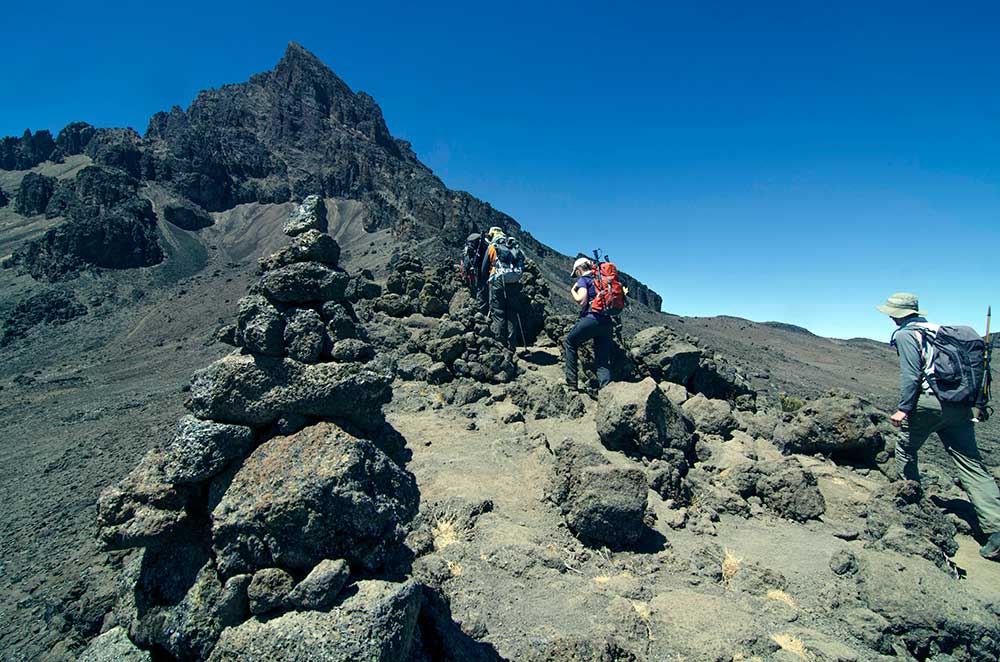
The route begins in the lush rainforest, where you’ll likely experience humid conditions and frequent rain showers. As you climb higher, you transition into the heath and moorland zones, which are cooler and can be windy. Above this, the landscape changes dramatically to alpine desert, characterized by sparse vegetation, rocky terrain, and significantly colder temperatures, especially at night. The final ascent to the summit passes through the arctic zone, where you can expect snow, ice, and severe wind chill. The rapid change in altitude and the exposure to these varied elements are what define the Umbwe weather experience.
Why Umbwe Weather Demands Special Attention
Choosing the Umbwe route signifies a commitment to a more challenging climb. The weather Umbwe presents is a significant factor in this difficulty. Unlike gentler routes that allow for more leisurely acclimatization, Umbwe’s steepness means you gain altitude quickly. This rapid ascent exacerbates the effects of altitude sickness if not managed properly. Furthermore, the route’s directness often means less shelter from wind and precipitation compared to longer, winding paths.
Trekkers on Umbwe must be prepared for:
- Rapid Temperature Fluctuations: From warm and humid at the start to freezing at the summit.
- Increased Precipitation: Especially in the lower rainforest and during the shoulder seasons.
- Strong Winds: Particularly as you ascend into the alpine zones and near the summit.
- Snow and Ice: Common above the clouds, especially on summit night.
A thorough understanding of these conditions is not just about comfort; it’s about safety. Being equipped for the worst-case weather scenarios on Umbwe is essential for a successful climb.
Best Time to Trek the Umbwe Route
While it’s possible to trek Kilimanjaro year-round, certain periods offer significantly more favorable weather Umbwe conditions. The mountain has two main dry seasons and two rainy seasons, each influencing the trekking experience.
| Season | Months | Weather Characteristics | Umbwe Suitability |
|---|---|---|---|
| Dry Season 1 (Summer) | June – October | Cooler temperatures, clear skies, low humidity, minimal rain. Can be windy at higher altitudes. | Excellent. Generally considered the best time for Umbwe due to dry conditions and good visibility. Still requires preparation for cold. |
| Short Rains (Autumn) | November – December | Intermittent light rains, occasional cloudy skies, temperatures start to warm up. | Fair to Good. Possible, but expect some wet days and potentially reduced visibility. Less crowded. |
| Dry Season 2 (Winter) | January – March | Warmer temperatures, clear skies, very low humidity. Can be very cold at the summit, especially in March. | Excellent. Another prime window for Umbwe. Ideal for clear views and dry conditions, though summit night will be very cold. |
| Long Rains (Spring) | April – May | Heavy and persistent rainfall, cloudy skies, higher humidity, significantly reduced visibility. Snowfall is possible at higher elevations. | Poor. Generally not recommended for Umbwe due to the high risk of prolonged rain, slippery trails, and poor visibility. |
Choosing Your Trekking Window for 2026 and 2027
When planning your 2026 or 2027 Umbwe trek, aim for the dry seasons. June through October offers pleasant temperatures and dry trails, though you must be prepared for cold at altitude. January through March is also fantastic, with generally warmer days and dry conditions, but summit nights can be exceptionally cold.
If you prefer fewer crowds and don’t mind the possibility of some rain, the short rainy season (November-December) can be an option, but it’s less predictable. The long rainy season (April-May) is best avoided for any Kilimanjaro route, but especially for Umbwe, where the steep, direct path can become treacherous in heavy rain and fog.
Umbwe Route Stages and Associated Weather
The Umbwe route typically spans 5 to 7 days. Each stage presents distinct environmental conditions influenced by altitude and the mountain’s weather systems. Understanding these stages helps you anticipate the weather Umbwe will throw at you.
Sample 6-Day Umbwe Route Itinerary & Weather Considerations
-
Day 1: Umbwe Gate (1800m) to Umbwe Cave Camp (2940m)
- Trek: 5-7 hours.
- Environment: Dense rainforest.
- Weather: Expect warm, humid conditions with high chances of rain. Trails can be muddy and slippery. Temperature around 15-25°C.
-
Day 2: Umbwe Cave Camp (2940m) to Barranco Camp (3950m) via Lava Tower (4600m)
- Trek: 6-8 hours.
- Environment: Transition from rainforest to moorland and then alpine desert.
- Weather: Rapidly changes. Cooler, potentially windy. You’ll likely encounter fog or clouds as you gain altitude. Temperatures drop significantly, especially in the evening. Lava Tower is exposed.
-
Day 3: Barranco Camp (3950m) to Karanga Camp (3960m)
- Trek: 3-5 hours.
- Environment: Alpine desert.
- Weather: Generally dry but can be cold and windy, especially in the morning. The famous Barranco Wall climb can be challenging in misty or wet conditions. Temperatures hover around 5-15°C during the day, dropping below freezing at night.
-
Day 4: Karanga Camp (3960m) to Barafu Camp (4640m)
- Trek: 4-6 hours.
- Environment: High alpine desert.
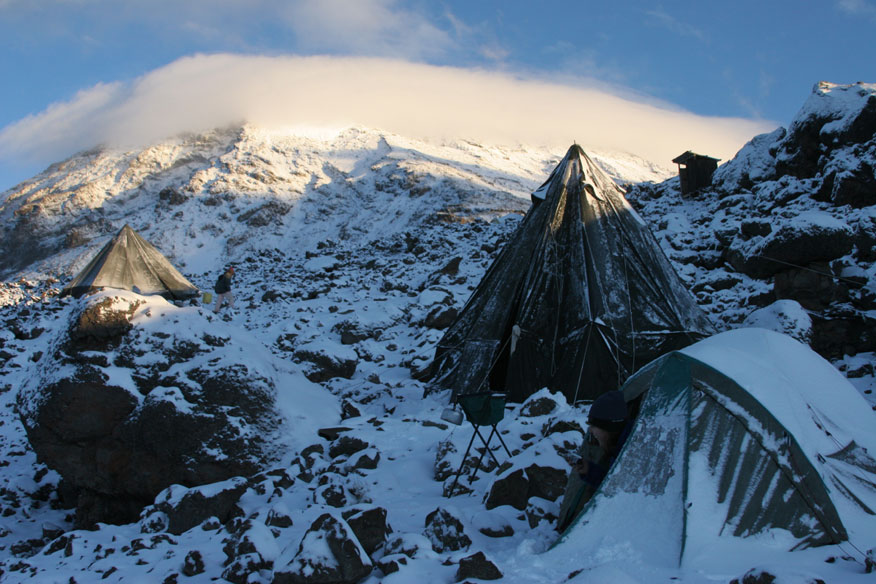
- Weather: Increasingly cold and dry. Wind becomes a significant factor. Daytime temperatures are cool (0-10°C), but nights are very cold (below -5°C).
-
Day 5: Barafu Camp (4640m) to Summit (Uhuru Peak, 5895m) and down to Mweka Camp (3100m)
- Trek: 7-8 hours to summit, 4-5 hours to Barafu, 4-6 hours down to Mweka.
- Environment: Arctic zone.
- Weather: Extreme cold, high winds, ice, and snow. Summit night is the most challenging weather-wise. Temperatures can plummet to -15°C or lower with wind chill. Descending to Mweka Camp brings you back into cooler alpine and then moorland zones.
-
Day 6: Mweka Camp (3100m) to Mweka Gate (1640m)
- Trek: 3-5 hours.
- Environment: Rainforest.
- Weather: Warmer, humid, and likely rainy. Trails will be muddy. Temperature around 15-25°C.
The Critical Summit Night Weather
Summit night is the culmination of your Umbwe trek and is heavily influenced by the mountain’s weather. Starting from Barafu Camp in the late evening or early morning, you ascend towards Uhuru Peak. This is the coldest and most exposed part of the climb. The weather Umbwe presents at this altitude is unforgiving: biting winds, sub-zero temperatures, and potentially snow or ice cover on the trail. Visibility can be zero if clouds are present. It is imperative to be equipped with extreme cold-weather gear for this section.
Preparing for Umbwe Weather: Packing and Gear
Given the challenging weather Umbwe route is known for, meticulous packing is non-negotiable. Layering is key to managing the extreme temperature fluctuations. You’ll need gear suitable for hot, humid rainforests, cold alpine deserts, and arctic summit conditions.
Essential Packing List for Umbwe Weather
- Base Layers: Moisture-wicking thermal tops and bottoms (merino wool or synthetic).
- Mid Layers: Fleece jackets or sweaters for insulation.
- Outer Layer (Insulation): A warm, down or synthetic insulated jacket (puffy jacket). Essential for summit night and cold evenings.
- Outer Layer (Shell): Waterproof and windproof jacket and trousers. Gore-Tex or similar breathable material is vital.
- Headwear: Warm woolen hat, sun hat with a brim, balaclava or neck gaiter for wind protection.
- Handwear: Warm, waterproof gloves or mittens, liner gloves for dexterity.
- Footwear: Broken-in, waterproof hiking boots; thermal socks (wool or synthetic), camp shoes or sandals.
- Sleeping Bag: Rated to at least -15°C (0°F); a warmer bag is recommended for summit night.
- Backpack: 30-40 liter daypack for essentials, plus a larger duffel bag for porters.
- Trekking Poles: Essential for stability on steep and slippery terrain.
- Headlamp: With extra batteries (crucial for summit night).
- Sun Protection: High SPF sunscreen, lip balm with SPF, sunglasses.
- Hydration: Water bottles or hydration reservoir (ensure it won’t freeze). Water purification tablets or filter.
- First-Aid Kit: Personal medications, blister treatment, pain relievers, altitude sickness medication (consult your doctor).
- Other Essentials: Toiletries, hand sanitizer, quick-dry towel, camera, power bank.
Acclimatization and Hydration: Fighting the Altitude
The rapid ascent on the Umbwe route means acclimatization is paramount. Your body needs time to adjust to lower oxygen levels. While the route itself doesn’t offer the best acclimatization profile, you can support your body by:
- Drinking Plenty of Water: Aim for 4-5 liters per day. Dehydration exacerbates altitude sickness symptoms.
- Eating Well: High-carbohydrate meals provide energy.
- Ascending Slowly (where possible): Although Umbwe is steep, listen to your guides.
- Avoiding Alcohol and Caffeine: These can contribute to dehydration.
- Recognizing Symptoms: Headache, nausea, dizziness, fatigue. Inform your guide immediately if you experience them.
Proper hydration is critical, especially when dealing with the dry air at higher altitudes and the potential for dehydration caused by exertion and cold. Ensure your water bottles are insulated or kept inside your jacket to prevent freezing.
Common Mistakes to Avoid on Umbwe
Many trekkers make common errors that can impact their experience and safety, especially on a demanding route like Umbwe. Being aware of these pitfalls can help you prepare better for the weather Umbwe and the climb itself.
- Underestimating the Route: Treating Umbwe as just another path is a mistake. Its directness requires a higher level of fitness and mental preparedness.
- Inadequate Gear: Not packing sufficient warm layers, waterproofs, or sturdy boots is a recipe for discomfort and potential hypothermia.
- Poor Hydration: Dehydration is a major contributor to altitude sickness.
- Ignoring Altitude Sickness Symptoms: Pushing on despite feeling unwell can lead to serious consequences. Always communicate with your guide.
- Going Too Fast: While Umbwe is steep, maintaining a slow, steady pace (pole pole) is still crucial for acclimatization.
- Not Breaking in Boots: New boots can cause blisters, which are debilitating on a multi-day trek.
- Over-reliance on Medication: Diamox (acetazolamide) can help with acclimatization, but it’s not a substitute for proper ascent and hydration. Consult your doctor.
Who is the Umbwe Route Best Suited For?
The Umbwe route is not for beginners or those seeking a leisurely trek. It appeals to a specific type of adventurer:
- Experienced Trekkers: Those who have previously undertaken multi-day hikes at altitude and are familiar with challenging terrain.
- Physically Fit Individuals: Excellent cardiovascular fitness and stamina are essential.
- Mentally Resilient Climbers: Those who can cope with demanding conditions, potential discomfort, and the psychological challenge of a steep ascent.
- Adventurous Spirits: Climbers looking for a less crowded, more rugged, and direct path to the summit.
- Those Prioritizing Speed (with caveats): While shorter in distance, the steepness and acclimatization challenges mean it’s not necessarily faster in terms of success rate than longer routes.
If you are a first-time trekker or have concerns about altitude, routes like Marangu, Machame, or Lemosho might be more suitable due to their longer acclimatization profiles.
Alternatives to the Umbwe Route
If the weather Umbwe and its demanding nature seem daunting, or if you’re looking for different experiences on Kilimanjaro, consider these popular alternatives:
| Route | Length | Acclimatization Profile | Scenery | Crowds | Best For |
|---|---|---|---|---|---|
| Umbwe | Shortest distance, 5-7 days | Poor, steep ascent | Rainforest to Arctic desert | Low | Experienced, fit trekkers seeking challenge |
| Machame | Medium, 6-7 days | Good, “climb high, sleep low” | Varied, beautiful rainforest to alpine | High | Most trekkers, good balance of scenery & acclimatization |
| Lemosho | Long, 7-8 days | Excellent, gradual ascent | Stunning, diverse, remote start | Medium (starts low, gets busy) | Best acclimatization, great scenery, higher success rate |
| Marangu | Medium, 5-7 days | Fair, “huts” route | Rainforest, moorland, less scenic high up | Medium | Budget travelers, those preferring huts over camping |
| Mweka | Short, 5 days | Poor | Similar to Umbwe but starts higher | Low | Rarely used, not recommended for acclimatization |
Each route offers a different perspective on Kilimanjaro, with varying degrees of challenge and exposure to different weather conditions. The Machame and Lemosho routes are generally recommended for their superior acclimatization profiles, which can lead to higher success rates and a more enjoyable experience, especially when dealing with unpredictable weather.
Planning Your 2026/2027 Umbwe Trek
Planning a Kilimanjaro trek, particularly via the Umbwe route, requires foresight and attention to detail. The weather Umbwe presents is a significant factor, but so is the logistics of the climb. Here’s how to approach your 2026 or 2027 expedition.
1. Choose Your Operator Wisely: Select a reputable tour operator. Look for companies with extensive experience on Kilimanjaro, knowledgeable guides, and a strong safety record. They will manage permits, park fees, food, and logistics.
2. Select the Right Time: As discussed, aim for the dry seasons (January-March or June-October) for the best chance of favorable weather. Consider your tolerance for cold and crowds.
3. Book in Advance: Especially for peak seasons in 2026 and 2027, booking 6-12 months ahead is advisable to secure your preferred dates and operators.
4. Physical Preparation: Begin a rigorous training program at least 3-6 months before your trek. Focus on cardiovascular fitness (hiking, running, cycling) and strength training, especially for your legs and core.
5. Gear Acquisition: Invest in or rent high-quality gear. Ensure your waterproofs are reliable and your warm layers are sufficient for arctic conditions. Test your boots thoroughly.
6. Health Check-up: Consult your doctor about altitude sickness medication, vaccinations, and any personal health concerns.
7. Understand the Itinerary: Ensure your chosen operator offers a sensible itinerary, ideally 7 days for the Umbwe route, to maximize acclimatization chances. Shorter itineraries on Umbwe significantly increase the risk of failure due to altitude.
Booking Your Umbwe Trek: What to Expect
When you decide to book your Umbwe trek, understanding the process and what’s typically included is crucial. Your tour operator will be your main point of contact.
| Typically Included | Typically Excluded |
|---|---|
| Park entrance fees | International flights |
| Camping fees | Visa fees |
| Rescue fees | Travel insurance (mandatory) |
| All meals on the mountain | Personal gear (sleeping bag, trekking poles, etc., unless rented) |
| Trained guides and porters | Tips for guides, porters, and cooks |
| Cooks | Lunches and drinks in hotels before/after the trek |
| Tents and cooking equipment | Personal expenses (souvenirs, laundry) |
| Bottled drinking water on the mountain | Optional activities |
| Government taxes | Extra hotel nights |
Choosing the Right Operator for Umbwe
For a challenging route like Umbwe, the quality of your operator directly impacts your safety and success. Look for:
- Experienced Guides: Certified, knowledgeable guides who understand altitude sickness and emergency procedures.
- Good Equipment: Reliable tents, warm sleeping bags, and quality cooking gear.
- Fair Porter Treatment: Ethical treatment of porters is a sign of a responsible company.
- Safety Protocols: Availability of oxygen, first-aid kits, and emergency evacuation plans.
- Clear Communication: Responsiveness to your questions and clear information about the trek.
Don’t hesitate to ask potential operators detailed questions about their safety measures, guide training, and how they handle adverse weather Umbwe conditions.
Frequently Asked Questions about Umbwe Weather
FAQs
- Q1: Is the Umbwe route always rainy?
- No, Umbwe experiences distinct rainy and dry seasons like the rest of Kilimanjaro. However, it can be wetter than some other routes, especially during the shoulder months. The rainforest zone at the base is always prone to rain.
- Q2: What is the coldest temperature I can expect on Umbwe?
- On summit night, temperatures can drop to -15°C (5°F) or even lower with wind chill. Daytime temperatures in the alpine and arctic zones can range from -5°C to 10°C (23°F to 50°F), but it feels much colder with wind.
- Q3: How does Umbwe weather compare to Machame?
- Umbwe is generally steeper and more direct, leading to faster altitude gain and potentially more extreme weather exposure due to less time for acclimatization. Machame offers better acclimatization and generally more varied scenery, though it can be busier.
- Q4: Can I trek Umbwe in the rainy season (April-May)?
- It is strongly advised against trekking Umbwe during the long rainy season (April-May). The trails become extremely muddy, visibility is poor, and the risk of landslides or getting stuck is higher. This can make the already challenging weather Umbwe presents even more dangerous.
- Q5: What are the chances of snow on Umbwe?
- Snow is common at the summit and on the upper slopes year-round, especially during the dry seasons when the air is colder. You should always be prepared for icy conditions and potential snow, particularly on summit night.
- Q6: Is Umbwe a good route for 2026/2027?
- Yes, Umbwe can be a great route for 2026 and 2027 if you are well-prepared, physically fit, and understand its challenges. The best months within these years would be January-March or June-October.
- Q7: How much does the Umbwe route cost?
- Costs vary significantly by operator, but a typical 6-7 day Umbwe trek package can range from $1500 to $3000+ per person, excluding international flights and tips. Prices depend on the quality of service, group size, and inclusions.
- Q8: What is the most important gear for Umbwe weather?
- The most critical gear includes waterproof and windproof outer layers, warm insulation (down jacket), thermal base layers, sturdy waterproof boots, and warm gloves and hat. Proper layering is essential to manage the extreme temperature shifts.
- Q9: Should I use Diamox for the Umbwe route?
- Consult your doctor. Diamox (acetazolamide) can help with acclimatization by speeding up the process. However, it is not a substitute for proper acclimatization techniques like slow ascent, hydration, and rest. It is particularly useful on faster routes like Umbwe.
- Q10: What if the weather is bad on summit night?
- Your guides will constantly monitor the weather. If conditions become dangerously severe (e.g., extreme wind, blizzard), they have the authority to turn climbers back for safety reasons. This is a crucial part of the weather Umbwe preparation and decision-making process.
Your Umbwe Adventure Awaits
Trekking Kilimanjaro via the Umbwe route is an unforgettable experience, offering a direct and challenging path to Africa’s roof. Understanding the weather Umbwe presents is fundamental to your preparation and success. By choosing the right time to climb, packing appropriately, training diligently, and partnering with an experienced tour operator, you can mitigate the risks associated with its demanding conditions.
For a truly memorable and safe journey in 2026 or 2027, meticulous planning is key. We specialize in creating tailor-made Tanzanian adventures, including Kilimanjaro climbs via challenging routes like Umbwe. Our expert guides are trained to handle all conditions and prioritize your safety and well-being.
Ready to take on the Umbwe challenge? Get in touch with our team to discuss your dream climb. We can help you craft an itinerary that suits your fitness level and aspirations, ensuring you’re fully prepared for the weather Umbwe and the incredible summit experience.
Contact us today:
- WhatsApp: +255616946642
- Email: topguideadventures@gmail.com
- Backup Email: info@topguideadventures.com
Plan your weather umbwe with Top Guide Adventures
Tell us your travel dates, group size, comfort level, and dream experience. We will help you shape a clear, realistic, and memorable Tanzania itinerary.







 Veedesigner
 Fatma Kizanga
 Benjamin Waryuba
 Philip Philip
 John jr Itaja
 Antonia Optatus
 Edith Kanyere
 Neema Iddy
 Kelvin Boniphace
 Damari Maiga



