
Updated planning guide for 2026, 2027
Where Can I Store Excess Baggage On Kilimanjaro Hike: Best Guide
Find out the practical solutions for storing your excess luggage while trekking Mount Kilimanjaro. This guide covers your options, costs, and best practices to ensure your belongings are secure.
WhatsApp +255616946642 | topguideadventures@gmail.com | info@topguideadventures.com
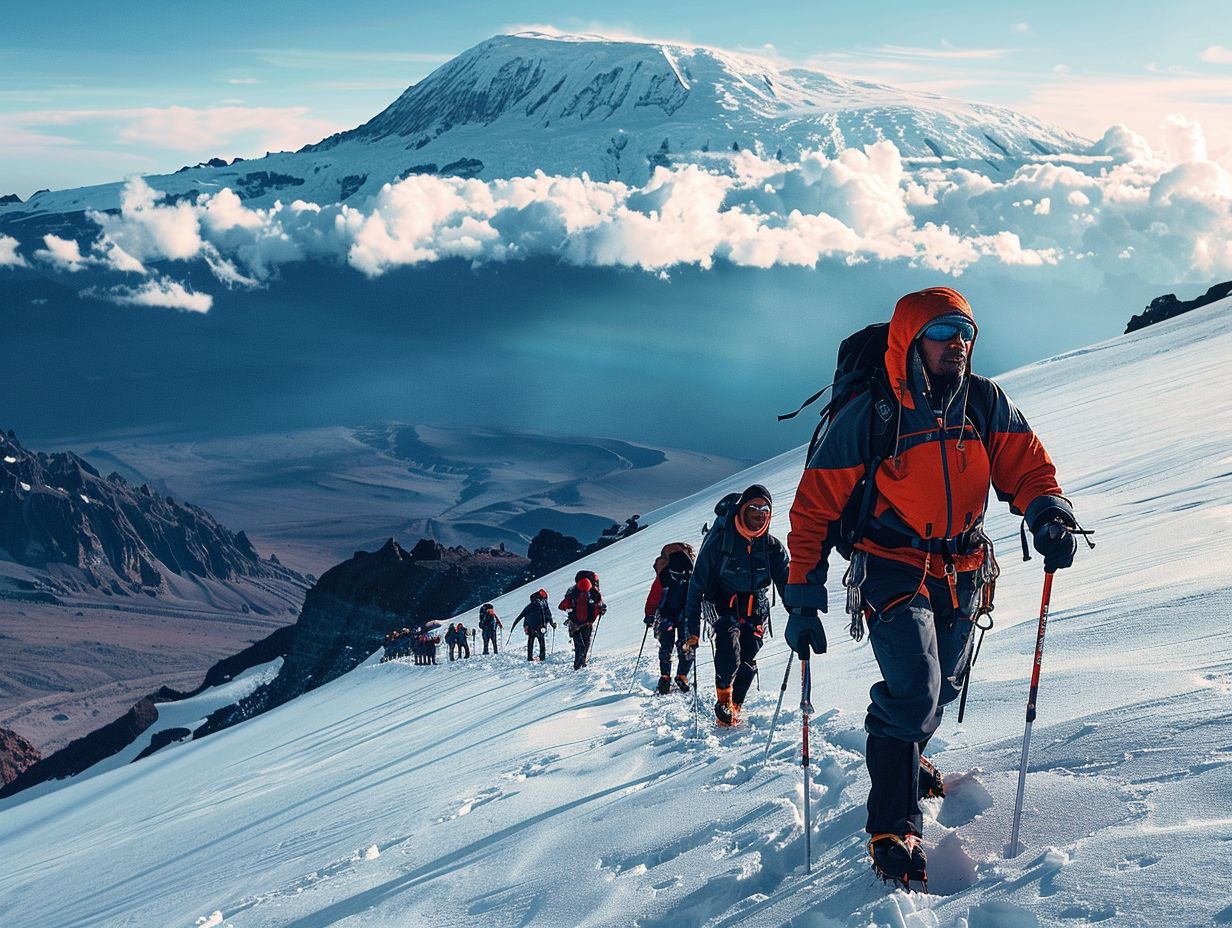
Where Can I Store Excess Baggage on Kilimanjaro Hike? Your Complete Guide
Tackling Mount Kilimanjaro is a dream for many adventurers. As you prepare for this incredible journey, one practical question often arises: where can I store excess baggage on Kilimanjaro hike? You’ll be carrying only essentials on the mountain, leaving behind items like suitcases, travel clothes, and other personal belongings not needed for the trek. Knowing your options for storing these items securely and affordably is crucial for a stress-free experience. This comprehensive guide will walk you through everything you need to consider, from typical storage solutions to making the most of your pre- and post-climb arrangements.
Quick Answer: Storing Your Excess Baggage
The most common and practical solution for storing excess baggage while you hike Kilimanjaro is with your tour operator. Reputable operators, like Best Tanzania tour operator, typically offer complimentary storage for your main luggage at their offices or hotels in Moshi or Arusha. This ensures your belongings are safe and readily available upon your return from the mountain. Some hotels also offer luggage storage services for their guests.
| Aspect | Details |
|---|---|
| Primary Storage Location | Your tour operator’s office or affiliated hotel. |
| Cost | Usually complimentary with reputable tour operators. |
| Security | Generally secure, managed by the operator. |
| Items Stored | Suitcases, travel clothes, valuables not needed on trek. |
| Alternative | Hotel luggage storage (may incur a fee). |
Understanding the Need for Baggage Storage
Climbing Kilimanjaro is a high-altitude trek. The gear you’ll need on the mountain is specialized: warm clothing, waterproofs, sturdy boots, sleeping bags, and personal items for several days. Lugging your entire travel wardrobe, large suitcases, and non-essential items up the mountain is impractical and unnecessary. Park regulations also limit the size and weight of duffel bags carried by porters. Therefore, storing your excess baggage is not just a convenience; it’s a logistical necessity for a successful and comfortable climb.
Your main luggage will consist of two bags:
- Duffel Bag: This is the primary bag carried by porters. It should be a large, soft-sided duffel bag (typically 80-100 liters), waterproof or water-resistant, and sturdy enough to withstand the elements. This bag contains your daily trekking clothes, sleeping bag, warm layers, toiletries, and personal items for the trek.
- Daypack: This is the bag you carry yourself each day. It holds water, snacks, rain gear, a camera, sunscreen, and other essentials you need access to during the hike.
Anything beyond these two bags that you bring to Tanzania – your main suitcases, extra shoes, formal wear, or bulky items – needs a safe place to stay while you are on the mountain for 5 to 9 days.
Your Primary Options for Storing Excess Baggage
When you ask yourself, where can I store excess baggage on Kilimanjaro hike, your tour operator should be your first point of contact. Here’s a breakdown of the typical solutions:
1. Tour Operator’s Luggage Storage
This is the most common and recommended method. Almost all reputable Kilimanjaro tour operators provide complimentary luggage storage for their clients. Here’s why this works best:
- Convenience: You typically hand over your excess luggage to your operator upon arrival in Tanzania, often at the airport or your hotel in Moshi/Arusha. They store it at their main office or a secure facility.
- Security: Reputable operators have secure storage areas. They understand the importance of your belongings and manage them professionally.
- Accessibility: Your luggage will be ready and waiting for you upon your return from the mountain. Many operators arrange for it to be delivered to your post-climb hotel or collect you from the base.
- Cost-Effective: This service is almost always included in your tour package price, meaning no extra charges for you.
How it works: Before your trek, you’ll pack your duffel bag and daypack. Your suitcases and any other bags you won’t need on the mountain are then handed over to your tour operator’s representative. They will tag them and store them securely. When you descend Kilimanjaro, your luggage will be returned to you, usually at your hotel in Moshi.
2. Hotel Luggage Storage
If you are staying at a hotel in Moshi or Arusha before and after your climb, you can inquire about their luggage storage facilities. Many hotels offer this service, especially for guests who are undertaking Kilimanjaro climbs or safaris.
- Pros: Convenient if you are already staying at the hotel.
- Cons: May incur a fee, especially if you are not staying at the hotel for the duration of your trek. Security can vary, so it’s wise to check the hotel’s policies and reputation. You’ll need to arrange transport for your luggage to and from the hotel yourself if it’s not part of your tour operator’s logistics.
Recommendation: While this is an option, relying on your tour operator is generally more straightforward and often free. It integrates better with your overall trekking logistics.
Preparing Your Luggage for Storage
Before you hand over your excess baggage, consider these tips:
- Pack Smartly: Ensure that everything you need for your return journey is easily accessible. You might want to keep a change of clothes, toiletries, and any personal items you’ll need immediately upon descent in a smaller bag that you keep with you or that is returned directly to you.
- Secure Valuables: While tour operators are generally reliable, it’s always best practice to not store highly valuable items (large amounts of cash, expensive jewelry) in your main stored luggage. Keep these on your person or in a very secure, small bag that you keep with you.
- Label Clearly: Make sure all your luggage, especially the items being stored, is clearly labeled with your name and contact information. This prevents mix-ups. Your tour operator will likely provide luggage tags.
- What to Store: Generally, you should store your main suitcases, extra shoes (apart from your hiking boots), casual clothing for before and after the trek, toiletries you won’t use on the mountain, and any electronics or documents you won’t need during the climb.
What You Need for the Mountain (and Won’t Store)
To reiterate, the items you won’t be storing are those essential for your Kilimanjaro trek. These will go into your duffel bag and daypack:
Duffel Bag Contents (Carried by Porters)
- Sleeping bag (rated to -10°C or -20°C)
- Sleeping bag liner
- Warm hat and gloves/mittens
- Balaclava or neck gaiter
- Thermal base layers (top and bottom)
- Mid-layers (fleece jacket or similar)
- Insulated, waterproof outer jacket (down or synthetic)
- Insulated, waterproof outer trousers
- Hiking trousers (2-3 pairs)
- Hiking shirts (moisture-wicking, 3-4)
- Warm socks (wool or synthetic, 4-6 pairs)
- Hiking boots (broken in!)
- Camp shoes or comfortable shoes for evenings
- Water bottles or hydration reservoir (3-4 liters capacity)
- Headlamp with extra batteries
- Sunscreen (SPF 30+) and lip balm
- Sunglasses
- Personal toiletries (biodegradable soap, toothbrush, toothpaste, wet wipes)
- Small towel
- Personal medications
- Snacks (energy bars, nuts, dried fruit)
- Camera and spare batteries/power bank
- Book or journal
- Passport and visa (keep secure and separate)
- Cash for tips and personal expenses
Daypack Contents (Carried by You)
- Water bottles/hydration reservoir
- Snacks for the day
- Rain gear (jacket and trousers)
- Warm layer (fleece or down jacket)
- Sunscreen and lip balm
- Sunglasses
- Hat (for sun protection)
- Headlamp (in case of early starts or late finishes)
- Camera
- First-aid kit (basic personal items)
- Hand sanitizer
- Toilet paper/tissues
- Passport and cash (kept securely)
Common Mistakes to Avoid Regarding Baggage
When planning your Kilimanjaro trip, overlooking baggage storage can lead to last-minute stress. Here are common mistakes:
- Assuming Hotels Will Store Everything Indefinitely: While hotels offer storage, they might have limits on duration or availability, especially if you’re not a current guest. Relying solely on a hotel without confirming arrangements can be risky.
- Not Confirming Storage with Your Operator: Always double-check with your tour operator if luggage storage is included and what their procedure is. Don’t assume it’s a standard offering, though it usually is with established companies.
- Packing Too Much for the Mountain: Overpacking for your duffel bag means porters carry more weight, which can be uncomfortable for them and potentially lead to issues. Stick to the essentials.
- Leaving Valuables Unattended: Even with secure storage, it’s prudent to keep your most valuable and essential items (passport, cash, credit cards, essential medications) with you or in a small, secure bag that you manage personally.
- Not Labeling Luggage: Unlabeled bags can get lost or mixed up. Ensure all your items, especially those being stored, have clear identification.
Who is Kilimanjaro Trekking For?
Kilimanjaro is a trek, not a technical climb, but it’s still a significant physical challenge. It’s suitable for:
- Fit Individuals: People who are generally healthy and have a good level of cardiovascular fitness. Regular hiking, running, or gym workouts are beneficial.
- Adventurous Spirits: Those looking for a rewarding challenge and an unforgettable experience in nature.
- First-Time High-Altitude Trekkers: With proper preparation and a sensible itinerary (longer routes are better for acclimatization), Kilimanjaro can be a great introduction to high-altitude trekking.
- Anyone Seeking a Physical and Mental Challenge: The climb tests endurance, mental fortitude, and adaptability.
It is generally not suitable for individuals with serious heart conditions, severe respiratory problems, or other medical conditions that could be exacerbated by high altitude. Consulting with a doctor before booking is always recommended.
Choosing the Right Route and Duration
The route you choose significantly impacts your experience, including the acclimatization profile and how smoothly your pre- and post-climb logistics (including baggage) are handled. Longer routes generally have higher success rates due to better acclimatization.
| Route | Days | Scenery | Acclimatization | Typical Storage Needs |
|---|---|---|---|---|
| Marangu (Coca-Cola Route) | 5-6 days | Forest, moorland, alpine desert, arctic zone. Huts available. | Moderate. Higher failure rate due to rapid ascent. | Standard. Operator storage is essential. |
| Machame (Whiskey Route) | 6-7 days | Varied, beautiful scenery, including the Barranco Wall. Camping. | Good. Utilizes the ‘climb high, sleep low’ principle effectively. | Standard. Operator storage is essential. |
| Lemosho | 7-8 days | Remote, scenic, diverse vegetation, excellent acclimatization. Camping. | Excellent. One of the best routes for success. | Standard. Operator storage is essential. |
| Shira | 7-8 days | Similar to Lemosho but starts at a higher altitude. Camping. | Good, but starting altitude requires careful monitoring. | Standard. Operator storage is essential. |
| Rongai | 6-7 days | Starts from the north side, drier, often less crowded. Camping. | Moderate. Less scenic variety initially. | Standard. Operator storage is essential. |
| Northern Circuit | 9-10 days | Longest route, offers the best acclimatization and panoramic views. Camping. | Excellent. Highest success rate. | Standard. Operator storage is essential. |
| Umbwe | 5-6 days | Steep, direct, challenging route. Camping. | Poor. Highest failure rate due to rapid ascent and poor acclimatization. | Standard. Operator storage is essential. |
For any route, your tour operator will handle the logistics of storing your excess baggage. Longer routes like Lemosho or the Northern Circuit are highly recommended for better acclimatization and a more enjoyable experience, and they don’t change the fundamental need for baggage storage.
Planning Your Kilimanjaro Trip for 2026 and 2027
Planning ahead is key for a successful Kilimanjaro expedition, especially for peak seasons. When considering where can I store excess baggage on Kilimanjaro hike, this planning also extends to booking your operator and flights well in advance.
Best Time to Climb:
| Season | Months | Conditions | Crowds |
|---|---|---|---|
| Dry Season 1 (Peak) | January – March | Clear skies, good visibility, cold nights. | Moderate to High |
| Short Rains | April – May | Rainy, cloudy, muddy trails. Generally avoided. | Low |
| Dry Season 2 (Peak) | June – October | Clear skies, cooler temperatures, less rain. Very popular. | High |
| Short Rains | November – December | Intermittent rain, can be clear and cold. Less predictable. | Moderate |
For 2026 and 2027, aim for the dry seasons (January-March and June-October) for the best weather. Booking your tour operator and flights 6-12 months in advance is advisable, especially for these peak times. This lead time also allows you to confirm all the details regarding luggage storage with your chosen operator.
Pre-Trip Logistics for 2026/2027 Treks:
- Book Your Tour Operator: Secure your spot with a reputable company. Discuss your plans for excess baggage storage.
- Book Flights: Aim to arrive in Kilimanjaro International Airport (JRO) at least two days before your trek begins. This buffer allows for any flight delays and for you to meet your guide and attend a pre-climb briefing.
- Arrange Airport Transfers: Ensure your operator provides or helps you arrange transfers from the airport to your hotel in Moshi or Arusha.
- Pre-Climb Briefing: Most operators schedule a briefing the day before your trek. This is the perfect time to hand over your excess luggage.
What to Expect on Your Return from Kilimanjaro
The descent from Kilimanjaro is often faster than the ascent, and you’ll likely feel a mix of exhaustion and exhilaration. Upon reaching the park gate, you’ll meet your guide and crew, complete formalities, and then board your vehicle. Your operator will typically:
- Transfer you to your hotel: Usually in Moshi.
- Return your stored luggage: It will be waiting for you at the hotel. You might need to sign for it.
- Provide a celebration: Many operators offer a celebratory meal or drinks.
- Debrief: A chance to discuss your climb and provide feedback.
Having your main luggage back means you can shower, change into comfortable clothes, and relax properly after your incredible achievement.
Alternatives to Storing Baggage
While tour operator storage is standard, consider these less common alternatives:
- Left Luggage Facilities at Airports: Kilimanjaro International Airport (JRO) does not typically have extensive left luggage facilities for extended periods. It’s not a reliable option for multi-day treks.
- Shipping Services: Sending items ahead via courier services within Tanzania is possible but can be complex, costly, and time-consuming. It’s generally not practical for tourist luggage.
- Arranging with Friends/Contacts: If you have local contacts, you could potentially leave items with them, but this is usually only feasible if you have established relationships.
For the vast majority of trekkers, the tour operator’s storage solution is by far the most practical and recommended approach.
Booking Your Kilimanjaro Adventure
Choosing the right tour operator is paramount to a safe and enjoyable Kilimanjaro climb. When you inquire about where can I store excess baggage on Kilimanjaro hike, also consider:
- Operator Reputation: Look for companies with excellent safety records, experienced guides, and positive reviews.
- Inclusions: What is included in the price? (e.g., park fees, crew wages, food, accommodation before/after, transfers).
- Safety Standards: Do they carry supplementary oxygen? Do they have strict protocols for altitude sickness?
- Group Size: Do you prefer a small, intimate group or a larger one?
- Communication: How responsive and helpful are they during the booking process?
Best Tanzania tour operator prides itself on providing exceptional service, including secure and complimentary luggage storage for all our clients. We understand the importance of seamless logistics so you can focus on your climb.
Contact Us to Plan Your Climb:
Ready to take on Kilimanjaro? We are here to help you every step of the way, from planning your itinerary to ensuring your luggage is safely stored. Get in touch with our expert team:
- WhatsApp: +255616946642
- Email: topguideadventures@gmail.com
- Backup Email: info@topguideadventures.com
Let us help you make your Kilimanjaro dream a reality for 2026 or 2027!
Frequently Asked Questions (FAQs)
Q1: Where is the best place to store excess baggage when I hike Kilimanjaro?
A: The best and most convenient place to store excess baggage while you hike Kilimanjaro is with your reputable tour operator. They typically offer complimentary, secure storage at their offices or affiliated hotels in Moshi or Arusha.
Q2: Is there a cost for storing my luggage with the tour operator?
A: For most reputable Kilimanjaro tour operators, luggage storage is a complimentary service included in your trek package. It’s always good to confirm this when booking.
Q3: What kind of luggage can I store?
A: You can store your main travel suitcases, extra clothing, shoes, and any personal items that you will not need during your 5-9 day trek on the mountain. This typically includes items you’ll use before and after your climb.
Q4: What should I keep with me and not store?
A: You should keep your duffel bag (for porters) and your daypack (for yourself) with you. These contain all your essential trekking gear, clothing, water, snacks, camera, and personal items needed on the mountain. Valuables like passports and cash should also be kept securely with you.
Q5: Can I store my luggage at hotels in Moshi or Arusha?
A: Yes, many hotels in Moshi and Arusha offer luggage storage services for guests. However, this may incur a fee, and it’s best to confirm their policies and security measures. Relying on your tour operator is usually more straightforward.
Q6: How much luggage can porters carry on Kilimanjaro?
A: Porters typically carry a maximum of 15kg (33 lbs) per trekker. This weight limit applies to your duffel bag, which contains your mountain gear. Your tour operator will manage the distribution of this weight.
Q7: What happens to my stored luggage when I finish the climb?
A: Upon your descent from Kilimanjaro, your tour operator will return your stored luggage to you, usually at your hotel in Moshi. It will be ready for you to access and repack for your onward journey.
Q8: Should I worry about the security of my stored luggage?
A: Reputable tour operators take the security of your belongings very seriously and have secure storage facilities. However, it’s always wise to not store extremely high-value items and to ensure your luggage is clearly labeled.
Q9: When should I hand over my excess baggage?
A: You typically hand over your excess baggage to your tour operator on the day before your trek begins, often during a pre-climb briefing at their office or your hotel.
Q10: What if I am only doing a safari after Kilimanjaro?
A: If your safari follows your Kilimanjaro climb, your tour operator will usually continue to store your excess baggage securely until you are ready to depart Tanzania or until your safari begins, depending on your itinerary. This is all part of the integrated service.
Q11: Are there any luggage storage options at Kilimanjaro International Airport (JRO)?
A: Kilimanjaro International Airport (JRO) does not typically offer long-term luggage storage facilities suitable for multi-day treks. It is not a reliable option for storing items while you are on the mountain.
Q12: How can I be sure my tour operator will store my baggage safely for my 2026 climb?
A: To ensure safety for your 2026 climb, choose a well-established tour operator with a proven track record and positive reviews. Ask them directly about their luggage storage procedures and security measures during your booking inquiry. Best Tanzania tour operator guarantees secure storage.
Planning your Kilimanjaro hike involves many details, and knowing where can I store excess baggage on Kilimanjaro hike is a key part of that preparation. By understanding your options and working with a trusted tour operator, you can ensure your belongings are safe and secure, allowing you to focus entirely on the incredible journey to the Roof of Africa.
Ready to Climb Kilimanjaro?
Let Best Tanzania tour operator handle all the logistics, including secure storage for your excess baggage. We offer tailored safari and Kilimanjaro trekking experiences for 2026 and 2027. Contact us today to start planning your unforgettable adventure!
WhatsApp: +255616946642
Email: topguideadventures@gmail.com
Backup Email: info@topguideadventures.com
Plan your where can i store excess baggage on kilimanjaro hike with Top Guide Adventures
Tell us your travel dates, group size, comfort level, and dream experience. We will help you shape a clear, realistic, and memorable Tanzania itinerary.







 Veedesigner
 Fatma Kizanga
 Benjamin Waryuba
 Philip Philip
 John jr Itaja
 Antonia Optatus
 Edith Kanyere
 Neema Iddy
 Kelvin Boniphace
 Damari Maiga



