
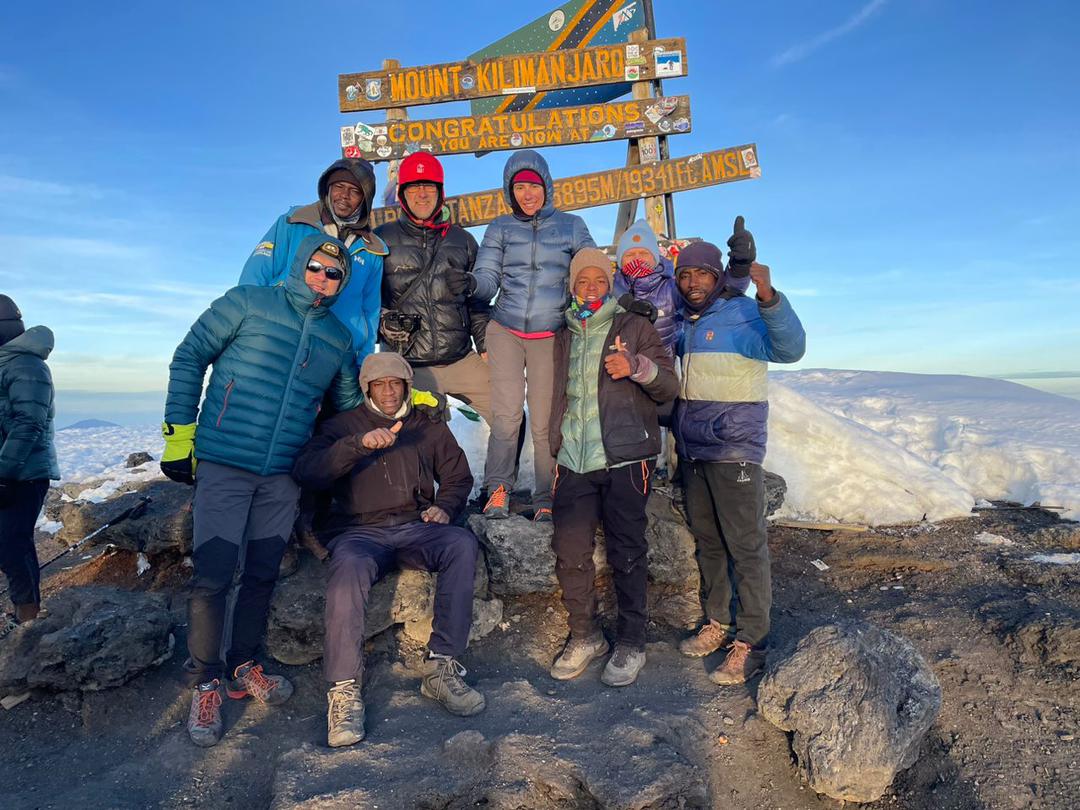
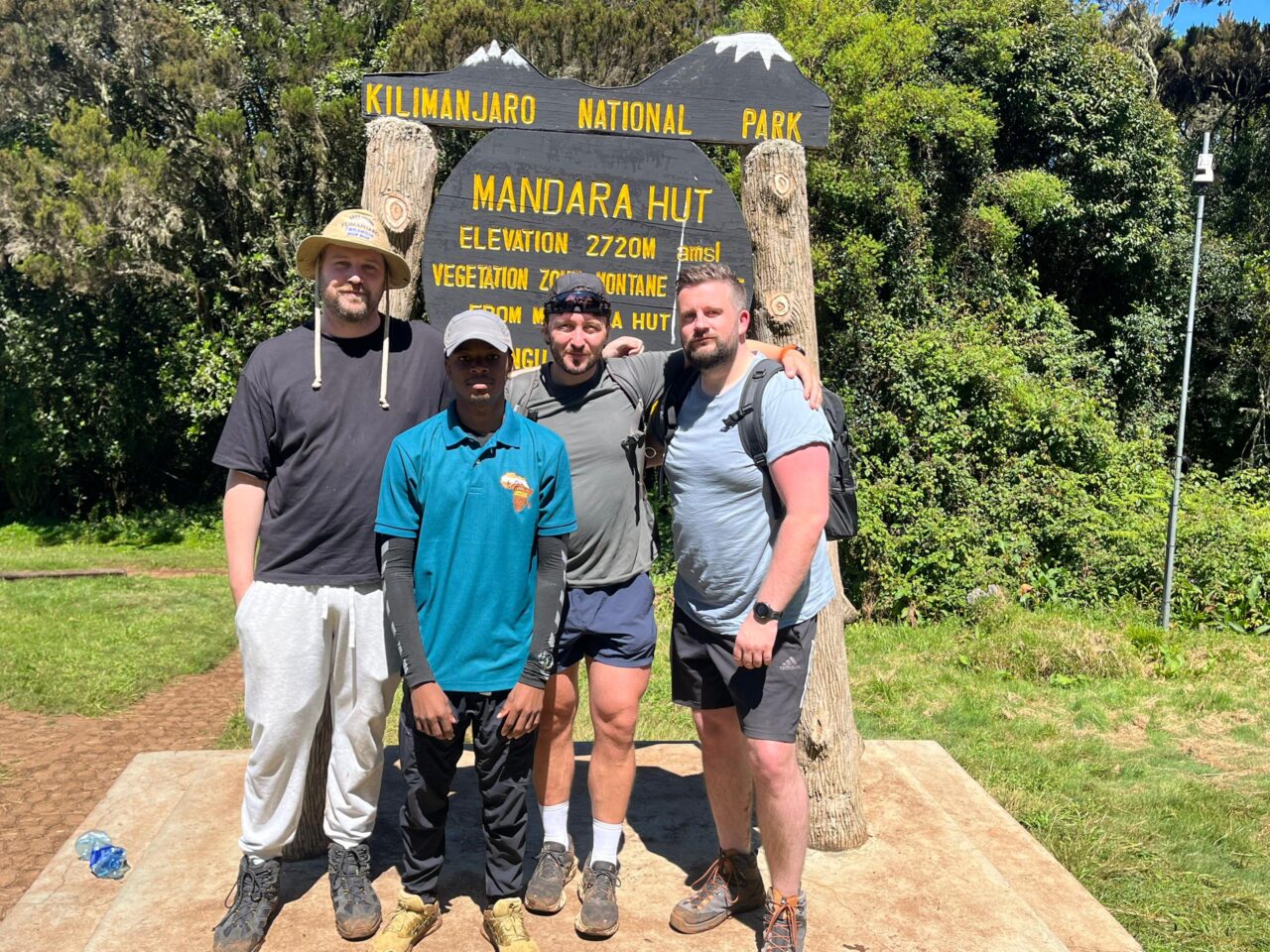
The Luxury Lemosho Route is widely considered Kilimanjaro’s most scenic and best all-around trek, offering a high success rate due to its gradual ascent profile and extended duration, typically 7 to 8 days. It’s ideal for trekkers seeking comfort, superior views, and a more relaxed pace, with premium operator services and accommodations enhancing the experience for climbs planned in 2026 and 2027.
Understanding the Luxury Lemosho Route’s Appeal
The name itself, “Luxury Lemosho Route,” evokes a sense of elevated experience, and for good reason. While Kilimanjaro trekking is inherently challenging, the Lemosho Route, when approached with a luxury operator, transforms the journey into an adventure marked by comfort, exceptional service, and a deep appreciation for the mountain’s grandeur. This isn’t about opulent hotels; it’s about maximizing your chances of success and enjoyment on the Roof of Africa through thoughtful planning and superior logistics.
For trekkers planning their expedition in 2026 or 2027, choosing a luxury Lemosho experience means investing in a higher probability of reaching Uhuru Peak while savoring every moment. The “luxury” aspect manifests in several key areas: experienced guides with excellent medical training, high-quality camping equipment, nutritious and varied meals prepared by dedicated cooks, ample oxygen support if needed, and a lower client-to-guide ratio, ensuring personalized attention.
This route’s popularity stems from its unique combination of factors:
- Exceptional Scenery: Lemosho is renowned for its visual splendor, traversing diverse landscapes from lush rainforests to the stark alpine desert and glacial zones.
- High Success Rates: Its longer duration and gradual acclimatization profile significantly increase the likelihood of reaching the summit.
- Lower Crowds (Initially): Starting on the western side, Lemosho offers a more secluded beginning, allowing for a more intimate connection with the mountain environment before eventually merging with other routes.
- Comfort and Support: Luxury operators elevate the camping experience with better tents, more comfortable sleeping mats, and gourmet meals.
Planning for 2026-2027 means securing your spot with reputable operators who specialize in this premium trek. The investment pays dividends in comfort, safety, and the sheer joy of the climb.
Why Choose Lemosho Over Other Kilimanjaro Routes?
Kilimanjaro offers several popular routes, each with its own character. However, the Lemosho route consistently emerges as a favorite for those prioritizing a balance of scenery, acclimatization, and overall experience. When comparing it to other routes, especially for a luxury trek:
- Machame Route: Often called the “Whiskey Route” for its popularity, Machame is also scenic and offers good acclimatization. However, it can be more crowded than Lemosho, and the ascent profile, while good, is often considered slightly steeper in parts. The Lemosho route’s initial days on the western side are less frequented, offering a quieter start.
- Marangu Route: Known as the “Coca-Cola Route” or “Sod Route,” Marangu is the only route with dormitory-style hut accommodation. While it’s the shortest and cheapest option, its rapid ascent profile leads to significantly lower success rates and less scenic diversity compared to Lemosho. It’s generally not considered a luxury option.
- Shira Route: Shira shares some of its path with Lemosho but starts at a higher altitude, which can pose acclimatization challenges for some. Lemosho’s lower starting point is a distinct advantage for gradual acclimatization.
- Northern Circuit: This is the longest route and offers the highest success rates and most comprehensive views, circling the mountain. It is an excellent luxury option, but Lemosho is often preferred for its slightly shorter duration while still providing excellent acclimatization and scenery.
- Rongai Route: Rongai approaches from the north, making it a good option during the rainy season. It’s generally less scenic than Lemosho and has a more direct ascent.
The Lemosho route’s advantage for a luxury trek lies in its ability to provide a more exclusive feel in the initial days, a superior acclimatization curve, and access to truly impressive vistas that unfold gradually. For 2026-2027 planning, its reputation for delivering a successful and memorable summit bid is a significant draw.
The Lemosho Route Itinerary: A Day-by-Day Luxury Experience
The true essence of the Luxury Lemosho Route is revealed in its carefully crafted itinerary, designed to maximize acclimatization, comfort, and immersion in Kilimanjaro’s diverse ecosystems. While variations exist, a typical 7-day or 8-day Lemosho trek with a luxury operator provides an exceptional journey. The 8-day itinerary is generally recommended by top guides for its enhanced acclimatization and higher success rates.
7-Day Luxury Lemosho Itinerary
This is a popular option for those with less time but still seeking the Lemosho experience. It offers a good balance of acclimatization and journey.
Day 1: Londorossi Gate to Mti Mkubwa Camp
Start Point: Londorossi Gate (2,360m / 7,743 ft)
End Point: Mti Mkubwa Camp (2,820m / 9,252 ft)
Trekking Time: Approximately 3-4 hours
Distance: About 6 km / 3.7 miles
Habitat: Rainforest
Your adventure begins with a scenic drive to the Londorossi Gate. After park formalities, you’ll commence a gentle trek through the montane forest, accompanied by porters carrying your gear. The path is relatively well-maintained, and the air is rich with the sounds and smells of the rainforest. Keep an eye out for colobus monkeys and diverse birdlife. Mti Mkubwa, meaning “Big Tree,” is your first camp, offering a comfortable introduction to camping on Kilimanjaro.
Luxury Touch: Expect a welcome drink and a warm meal upon arrival at camp, with well-pitched tents and comfortable sleeping arrangements.
Day 2: Mti Mkubwa Camp to Shira 1 Camp
Start Point: Mti Mkubwa Camp (2,820m / 9,252 ft)
End Point: Shira 1 Camp (3,500m / 11,483 ft)
Trekking Time: Approximately 5-7 hours
Distance: About 8 km / 5 miles
Habitat: Moorland
Today’s trek takes you out of the dense forest and into the expansive moorland zone. The terrain becomes more open, offering glimpses of Kilimanjaro’s volcanic cones. The ascent is steady, gradually increasing your altitude. Shira 1 Camp is situated on the Shira Plateau, a vast, ancient volcanic caldera, offering stunning panoramic views, especially at sunset. The air is cooler and thinner here.
Luxury Touch: A hot shower might be available at this camp, and the evening meal will be a hearty affair designed to replenish your energy.
Day 3: Shira 1 Camp to Shira 2 Camp
Start Point: Shira 1 Camp (3,500m / 11,483 ft)
End Point: Shira 2 Camp (3,850m / 12,631 ft)
Trekking Time: Approximately 3-4 hours
Distance: About 5 km / 3 miles
Habitat: Moorland
This is a shorter, acclimatization-focused day. You’ll trek across the Shira Plateau, a relatively flat and beautiful landscape. The goal is to gain altitude comfortably. Shira 2 Camp is located further along the plateau, offering different perspectives and setting you up for the challenges ahead. The altitude gain today is moderate, aiding acclimatization.
Luxury Touch: You might enjoy a “sundowner” with snacks and drinks as the sun sets over the plateau, a delightful pause before dinner.
Day 4: Shira 2 Camp to Barranco Camp (via Lava Tower)
Start Point: Shira 2 Camp (3,850m / 12,631 ft)
End Point: Barranco Camp (3,950m / 12,960 ft)
Trekking Time: Approximately 6-8 hours
Distance: About 10 km / 6 miles
Habitat: Alpine Desert
This is a challenging but rewarding day, known as “pole pole” (slowly, slowly) day. You’ll ascend towards Lava Tower (4,630m / 15,190 ft), a prominent landmark and a crucial acclimatization point. After a break and lunch at Lava Tower, you’ll descend to Barranco Camp. This descent is vital for acclimatization, allowing your body to adjust to lower pressures after reaching a significant altitude. Barranco Camp is dramatically situated beneath the towering Barranco Wall.
Luxury Touch: The camp setup here is often spectacular, with tents strategically placed for views. A hot water basin for washing up upon arrival is a common luxury amenity.
Day 5: Barranco Camp to Karanga Camp
Start Point: Barranco Camp (3,950m / 12,960 ft)
End Point: Karanga Camp (4,200m / 13,780 ft)
Trekking Time: Approximately 4-5 hours
Distance: About 5 km / 3 miles
Habitat: Alpine Desert
The highlight of today is the ascent of the Barranco Wall, a challenging scramble that requires using your hands. It’s not technical climbing, but it’s a steep and exhilarating section. Once over the wall, the terrain is less demanding, leading you through alpine desert landscapes towards Karanga Camp. Karanga means “Groundnut” in Swahili, and the camp is situated on a ridge overlooking the Karanga Valley.
Luxury Touch: Enjoying the panoramic views from atop the Barranco Wall with your guide and a well-deserved snack is a memorable moment. Hot drinks are often served en route.
Day 6: Karanga Camp to Barafu Camp
Start Point: Karanga Camp (4,200m / 13,780 ft)
End Point: Barafu Camp (4,650m / 15,250 ft)
Trekking Time: Approximately 3-4 hours
Distance: About 4 km / 2.5 miles
Habitat: Alpine Desert
This is another shorter day, designed to position you perfectly for the summit attempt. The trail is rocky and ascends steadily towards Barafu Camp, which means “Ice” in Swahili. Barafu Camp is located on a rocky ridge with no vegetation, offering stark, exposed views. You’ll arrive early, rest, and have an early dinner before attempting the summit overnight.
Luxury Touch: Your guide will brief you thoroughly on the summit night. Camps are equipped with excellent sleeping tents, and the meals are designed for maximum energy. Some luxury operators might offer a small, heated common tent for pre-summit briefings or relaxation.
Day 7: Barafu Camp to Summit to Mweka Camp
Start Point: Barafu Camp (4,650m / 15,250 ft)
End Point: Uhuru Peak (5,895m / 19,341 ft), then descend to Mweka Camp (3,100m / 10,171 ft)
Trekking Time: Approximately 12-15 hours (summit day)
Habitat: Arctic
The summit push begins around midnight. This is the most demanding part of the trek, moving slowly uphill on scree and volcanic scree in the dark, guided by headlamps. You’ll pass Stella Point (5,756m / 18,885 ft) on the crater rim before continuing the final push to Uhuru Peak, the highest point in Africa. After celebrating your achievement, you’ll descend back to Barafu Camp for a short rest before continuing the long descent to Mweka Camp. This descent is significant and requires careful footing.
Luxury Touch: Extra snacks, warm drinks are provided throughout the night. Your guide is trained to monitor your condition closely. Upon reaching Mweka Camp, a celebratory meal awaits, and your tent will be a welcome sanctuary.
Day 8: Mweka Camp to Mweka Gate & Departure
Start Point: Mweka Camp (3,100m / 10,171 ft)
End Point: Mweka Gate (1,640m / 5,380 ft)
Trekking Time: Approximately 3-4 hours
Distance: About 10 km / 6 miles
Habitat: Rainforest
Your final day on the mountain. The descent is through the lush rainforest, often muddy and slippery but filled with life. You’ll reach Mweka Gate, where you’ll be met by your driver for the transfer back to your hotel in Moshi or Arusha. Congratulations!
Luxury Touch: A certificate presentation and a farewell lunch or dinner are often included by luxury operators.
8-Day Luxury Lemosho Itinerary: The Gold Standard
For trekkers aiming for the highest success rates and the most comfortable acclimatization, the 8-day Lemosho route is the ultimate choice. It adds an extra day on the Shira Plateau or between Shira and Barranco, allowing for more “climb high, sleep low” opportunities and a more leisurely pace.
Day 1: Londorossi Gate to Mti Mkubwa Camp
Same as 7-day itinerary.
Day 2: Mti Mkubwa Camp to Shira 1 Camp
Same as 7-day itinerary.
Day 3: Shira 1 Camp to Shira 2 Camp
Same as 7-day itinerary.
Day 4: Shira 2 Camp to Lava Tower (4,630m / 15,190 ft) then down to Karanga Valley Camp (4,200m / 13,780 ft)
Trekking Time: Approx. 6-8 hours
Distance: Approx. 7 km / 4.3 miles
Habitat: Alpine Desert
This day offers a significant altitude gain to Lava Tower for acclimatization, followed by a descent to Karanga Valley for the night. This “climb high, sleep low” strategy is a cornerstone of successful acclimatization and is a key feature of the 8-day Lemosho.
Luxury Touch: The added rest at a lower altitude after a high-altitude exposure is invaluable for recovery and preparation.
Day 5: Karanga Valley Camp to Barafu Camp
Start Point: Karanga Valley Camp (4,200m / 13,780 ft)
End Point: Barafu Camp (4,650m / 15,250 ft)
Trekking Time: Approximately 4-5 hours
Distance: About 4 km / 2.5 miles
Habitat: Alpine Desert
This is a more direct approach to Barafu Camp than in the 7-day itinerary, as you’ve already gained altitude the previous day. The trek is still challenging but allows for more rest at Barafu Camp before the summit night.
Luxury Touch: Arriving at Barafu with more energy reserves due to the extra acclimatization day.
Day 6: Summit Day – Barafu Camp to Uhuru Peak to Mweka Camp
Trekking Time: Approximately 12-15 hours
Habitat: Arctic
Summit night and descent. This day is identical in structure to Day 7 of the 7-day itinerary, but you will be better rested and acclimatized.
Day 7: Mweka Camp to Mweka Gate & Departure
Same as Day 8 of the 7-day itinerary.
Day 8: Extra Acclimatization Day (Optional but Recommended)
This day is often incorporated between Shira 2 Camp and Lava Tower, or between Lava Tower and Karanga Valley, allowing for an even more relaxed pace and deeper acclimatization. Some operators build this in as standard for their luxury packages.
For 2026-2027 bookings, opting for the 8-day Lemosho is a wise decision for maximizing your comfort and success prospects on this magnificent mountain.
What Makes a Kilimanjaro Trek “Luxury”?
The term “luxury” on Kilimanjaro doesn’t mean five-star hotels and Michelin-starred dining in the traditional sense. Instead, it refers to a significantly elevated level of service, equipment, and support designed to enhance safety, comfort, and the overall trekking experience. For the Luxury Lemosho Route, this translates to:
- Superior Camping Equipment: High-quality, spacious tents (often 4-season tents) for sleeping, dining tents that are comfortable and well-ventilated, and separate toilet tents.
- Gourmet Meals: Experienced camp cooks prepare a varied and nutritious menu, often exceeding expectations with fresh ingredients, multiple courses, and accommodating dietary needs. Think fresh bread, soups, stews, grilled meats, and delicious desserts.
- Professional & Experienced Guides and Crew: A higher guide-to-client ratio ensures more personalized attention. Guides are highly trained in wilderness first aid and altitude sickness management. Porters are well-equipped and treated ethically.
- Enhanced Comforts: This can include portable flush toilets, hot water for washing at camps, comfortable sleeping mats or even camp beds, and complimentary bottled water.
- Safety and Medical Support: Well-stocked medical kits, pulse oximeters to monitor oxygen levels, and readily available emergency oxygen cylinders are standard. Some luxury operators may also offer a dedicated “safety officer” or medic.
- Logistics and Planning: smooth transfers, pre-climb briefings, and meticulous attention to detail in all aspects of the trip.
- Smaller Group Sizes: Often, luxury treks operate with smaller groups, fostering a more intimate and supportive atmosphere.
When planning your 2026-2027 Lemosho adventure, inquire specifically about these elements to ensure you are booking a truly premium experience. Top Guide Adventures prides itself on delivering this level of quality and care.
Preparing for Your Luxury Lemosho Trek: Fitness, Gear, and Acclimatization
Even with the “luxury” aspect, Kilimanjaro remains a serious high-altitude trek. Preparation is paramount. Your luxury operator will guide you, but understanding the key preparation areas is crucial.
Physical Fitness
This is non-negotiable. While Lemosho’s gradual ascent helps, you need endurance and strength.
- Cardiovascular Training: Aim for at least 3-4 sessions per week, focusing on activities like hiking (with a backpack), running, cycling, or swimming. Build up duration and intensity.
- Strength Training: Focus on leg strength (squats, lunges) and core stability.
- Hiking Practice: The most important training is hiking. Go on multi-hour hikes, ideally with hills, and carry a weighted backpack similar to what you’ll use on the mountain. This helps your body adapt to the specific demands of trekking.
- Consistency: Start training at least 2-3 months before your trek.
Essential Gear for the Luxury Lemosho Route
Luxury operators provide high-quality tents and often communal gear, but you’ll need your personal clothing and equipment. Investing in good quality gear is essential for comfort and safety.
- Layering System: This is key. You’ll need base layers (merino wool or synthetic), mid-layers (fleece or down jacket), and an outer shell (waterproof and windproof jacket and trousers).
- Footwear: Broken-in, waterproof hiking boots are essential. Bring comfortable camp shoes or sandals.
- Headwear: A warm hat, sun hat, and balaclava for summit night.
- Gloves: Waterproof outer gloves and warm liner gloves.
- Sleeping Bag: A 4-season sleeping bag rated to at least -15°C (0°F) is recommended. Luxury operators might offer rentals, but bringing your own ensures quality.
- Backpack: A comfortable daypack (30-40 liters) for essentials during the day. Porters will carry your main duffel bag.
- Trekking Poles: Highly recommended for reducing strain on knees, especially on descents.
- Headlamp: Essential for summit night and navigating camp in the dark. Bring spare batteries.
- Sun Protection: High SPF sunscreen, lip balm, and sunglasses.
- Hydration: Water bottles or a hydration reservoir. Water purification tablets are a good backup.
- Personal Items: Toiletries, basic first-aid kit, blister treatment, personal medications.
Tip for 2026-2027 Trekkers: Start acquiring your gear early. Many high-quality items require a break-in period. Your luxury tour operator will provide a comprehensive packing list.
Acclimatization Strategies
While the Lemosho route is designed for acclimatization, proactive measures enhance your chances:
- Hydration: Drink plenty of water (3-5 liters per day). Avoid alcohol and caffeine, which can dehydrate you.
- Pacing: “Pole pole” (slowly, slowly) is the mantra. Move at a pace that allows you to talk without gasping for breath.
- Altitude Medication: Consult your doctor about Diamox (acetazolamide). It can significantly help prevent or alleviate altitude sickness symptoms.
- Listen to Your Body: Communicate any symptoms of altitude sickness (headache, nausea, dizziness) to your guide immediately.
- Pre-Trek Acclimatization: If possible, spend a couple of days at a higher altitude (e.g., in Arusha or Moshi) before starting your trek.
The Role of Guides and Crew on a Luxury Lemosho Expedition
On any Kilimanjaro climb, the guides and support crew are your lifeline. On a luxury trek, their expertise, dedication, and professionalism are amplified, ensuring a safe and enjoyable journey.
Lead Guides
Your lead guides are experienced mountaineers with extensive knowledge of Kilimanjaro. They are responsible for:
- Route Navigation: Ensuring you stay on the correct path.
- Pacing: Setting a sustainable pace for the group.
- Acclimatization Monitoring: Constantly assessing the group’s condition and managing altitude sickness risks.
- Safety: Making critical decisions regarding safety, especially on summit night.
- Morale Boosting: Providing encouragement and support throughout the trek.
Luxury operators ensure their lead guides have advanced medical training (e.g., Wilderness First Responder or equivalent) and significant experience on Kilimanjaro.
Assistant Guides
These guides work closely with the lead guide, providing additional support. They often focus on individual trekkers, ensuring everyone is keeping up and feeling well.
Cooks
On a luxury trek, the cook is a culinary artist. They prepare delicious, nutritious meals using fresh ingredients, often adapting to dietary restrictions. Their creativity ensures you have hearty meals to fuel your ascent.
Porters
Porters are the backbone of Kilimanjaro trekking, carrying tents, food, cooking equipment, and your personal duffel bags. Luxury operators prioritize ethical treatment, fair wages, and proper equipment for their porters, ensuring they are well-supported and respected.
The Luxury Difference
With a luxury operator, you’ll typically experience a higher guide-to-client ratio (e.g., 1:2 or 1:3 for guides), meaning more personalized attention. The crew is not just efficient; they are trained to anticipate needs, provide exceptional service, and create a positive, supportive atmosphere.
For your 2026-2027 Lemosho climb: Choosing a reputable luxury operator like Top Guide Adventures means your crew is not just skilled but also deeply committed to your well-being and success. We ensure our guides and porters are among the best in the industry.
Cost of a Luxury Lemosho Route Trek (2026-2027 Estimates)
Understanding the cost is a crucial part of planning. A luxury Lemosho Route trek will naturally be more expensive than budget or mid-range options due to the superior services and equipment involved. For 2026-2027, expect prices to reflect these higher standards.
Factors Influencing Cost
- Duration: 8-day treks are more expensive than 7-day treks due to additional costs for crew, food, and park fees.
- Operator’s Standards: The quality of tents, food, guide training, and crew welfare significantly impacts price.
- Group Size: Private luxury treks are more expensive per person than joining a small group luxury departure.
- Inclusions: What is included? Park fees, rescue fees, meals, accommodation before/after the climb, transfers, equipment rental, and porter insurance vary.
- Time of Year: Peak seasons (e.g., January-March, June-October) may have slightly higher prices than shoulder seasons.
Estimated Price Range (Per Person) for 2026-2027
For a 7-day or 8-day Luxury Lemosho Route trek with a reputable operator, you can typically expect to pay between $3,000 to $5,000+ USD per person. This range covers:
- All park and rescue fees.
- Experienced guides and trained crew.
- High-quality camping equipment (tents, mattresses, dining tent).
- All meals on the mountain.
- Boiled water and hot drinks.
- Accommodation in Arusha/Moshi before and after the climb.
- Airport transfers.
- Portable toilet.
What’s Typically NOT Included
- International flights.
- Visa fees.
- Travel insurance (mandatory).
- Personal gear (sleeping bag, clothing, etc.).
- Tips for guides and crew (a significant expense, budget $250-$400+ per trekker).
- Lunches and dinners in Arusha/Moshi (unless specified).
- Personal expenses (souvenirs, drinks).
- Optional oxygen system rental (usually only for emergencies).
For accurate, up-to-date pricing for your 2026-2027 Luxury Lemosho Route expedition, contact Top Guide Adventures directly. We offer transparent pricing with no hidden fees, detailing exactly what you can expect for your investment.
WhatsApp: +255616946642
Email: topguideadventures@gmail.com
Investing in a luxury trek is an investment in your safety, comfort, and overall chance of summit success. The difference in crew professionalism, equipment quality, and food can make a profound impact on your Kilimanjaro experience.
Choosing the Right Time to Climb the Luxury Lemosho Route (2026-2027)
Kilimanjaro can be climbed year-round, but certain periods offer more favorable weather conditions, significantly enhancing your experience on the Luxury Lemosho Route. For 2026 and 2027, consider these seasons:
- Dry Seasons (Best):
- January – March: Generally clear skies, good visibility, and moderate temperatures. Can be colder, especially at higher altitudes. This is a popular time.
- June – October: The longest dry season. Cooler temperatures, but excellent clear skies and low rainfall. This is peak season, offering the best conditions.
- Wet Seasons (More Challenging):
- April – May: The main rainy season. Expect frequent rain, clouds, and potentially snow at higher elevations. Trails can be muddy and slippery. Success rates can be lower due to conditions.
- November – December: A shorter, less intense rainy season. Often characterized by afternoon showers rather than all-day rain. Can still be a viable option, often with fewer crowds and lower prices.
Peak vs. Shoulder vs. Low Season for 2026-2027
- Peak Season (June-October, Jan-March): Best weather, highest success rates, but also the busiest and potentially most expensive. Book well in advance for 2026-2027.
- Shoulder Season (November, December): Moderate weather, fewer crowds, good value. Still a good option for the Lemosho Route.
- Low Season (April, May): Wettest months, challenging conditions, lowest prices, and fewest crowds. Only recommended for experienced trekkers prepared for adverse weather.
For a luxury experience, aiming for the dry seasons (June-October or January-March) in 2026 or 2027 will maximize your chances of clear views and comfortable trekking. However, the quality of a luxury operator means you can still have a fantastic trek in the shoulder seasons.
Booking Your Luxury Lemosho Route Expedition
Selecting the right tour operator is as crucial as choosing the route itself, especially for a luxury trek. For your 2026-2027 Kilimanjaro adventure via the Luxury Lemosho Route, consider these points:
- Reputation and Reviews: Look for operators with consistently positive reviews on platforms like TripAdvisor.
- Experience: How long have they been operating? Do they specialize in Kilimanjaro?
- Safety Standards: Do they have robust safety protocols, emergency oxygen, and well-trained guides?
- Crew Welfare: Do they treat their porters and guides ethically and fairly? This is a hallmark of responsible luxury operators.
- Inclusions and Transparency: Is their pricing clear? What is included, and what are the exclusions?
- Communication: Are they responsive and helpful during the planning stages?
Top Guide Adventures is a leading Tanzanian tour operator committed to providing exceptional Luxury Lemosho Route experiences. We focus on safety, sustainability, and ensuring every trekker has the best possible chance of summit success while enjoying unparalleled comfort and service. Our team is ready to help you plan your dream 2026-2027 Kilimanjaro climb.
Ready to plan your 2026-2027 Luxury Lemosho Route climb? Contact Top Guide Adventures for a personalized quote and expert advice. Let us help you make your Kilimanjaro dream a reality with a trek that prioritizes your comfort, safety, and success.
WhatsApp: +255616946642
Email: topguideadventures@gmail.com
Backup Email: info@topguideadventures.com
Website: www.topguideadventures.com
Check Availability for The Luxury Lemosho Route: Your Premier Kilimanjaro Ascent In 2026-2027
Ready to compare dates, prices, and the best option for your group? Send the package name and travel month so the team can reply with a clear quote, availability, and what is included.

8-Day Lemosho Route Climb In February 2026-2027
8-Day Lemosho Route Climb in February is explained with current 2026-2027 planning, price, itinerary and booking information.
View package details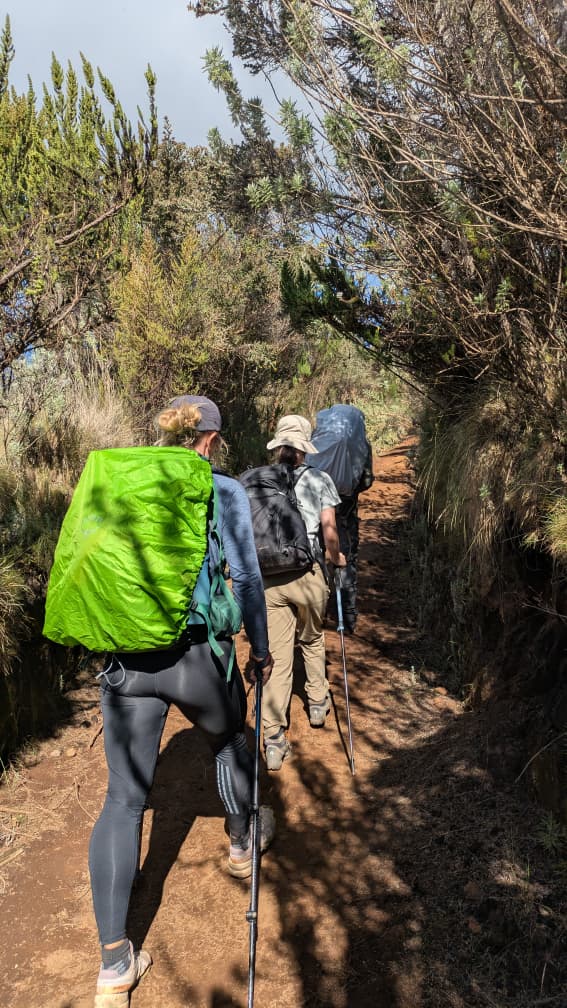
8-Day Lemosho Route Kilimanjaro Climb In January | Top Guide Adventures
An in-depth guide to the 8-day Lemosho Route Kilimanjaro climb during January, detailing the itinerary, weather, costs, and preparation needed for a successful trek in 2026-2027. Expert...
View package details
8-Day Lemosho Route Kilimanjaro Climb In December | Top Guide Adventures
Discover the magic of an 8-day Lemosho Route Kilimanjaro climb in December. This guide details what to expect regarding weather, acclimatization, and preparation for your 2026-2027...
View package details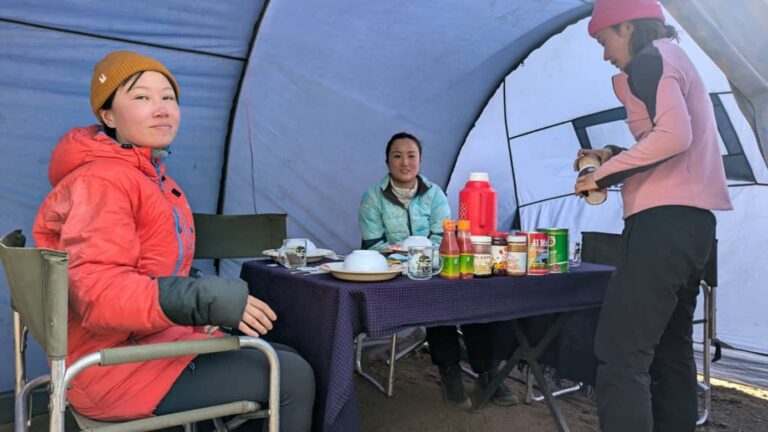
8-Day Lemosho Route Kilimanjaro Climb In November | Top Guide Adventures
The 8-day Lemosho Route offers a high success rate and stunning scenery for your Kilimanjaro climb in November. This guide covers everything from weather to packing for your 2026-2027...
View package details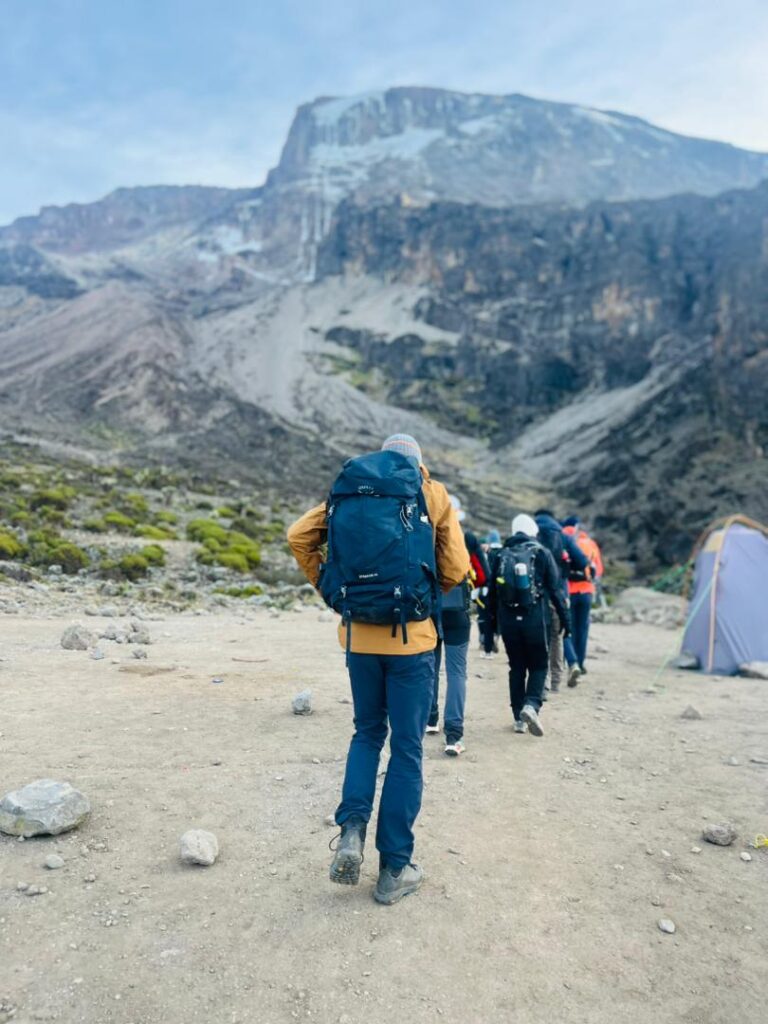
8-Day Lemosho Route Kilimanjaro Climb In October : Your Expert Guide 2026-2027
An in-depth guide to climbing Kilimanjaro via the 8-day Lemosho Route in October, detailing weather, itinerary, preparation, and what to expect in 2026-2027. Perfect for trekkers seeking...
View package details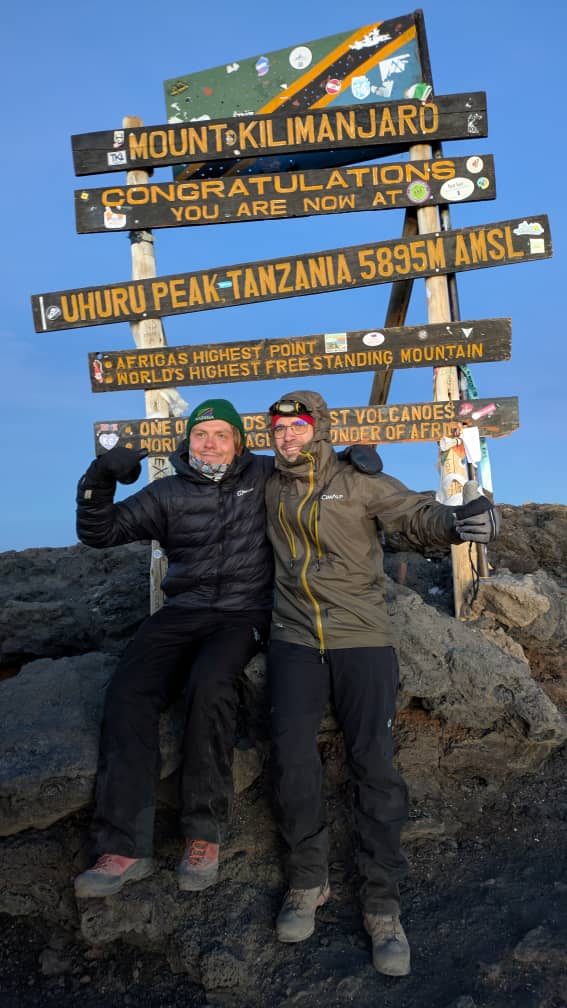
December Kilimanjaro Luxury Festive Expedition: Your Ultimate Guide 2026-2027
Experience a special December Kilimanjaro Luxury Festive Expedition in 2026-2027. This guide covers everything from route selection and peak weather to luxury accommodations and festive...
View package details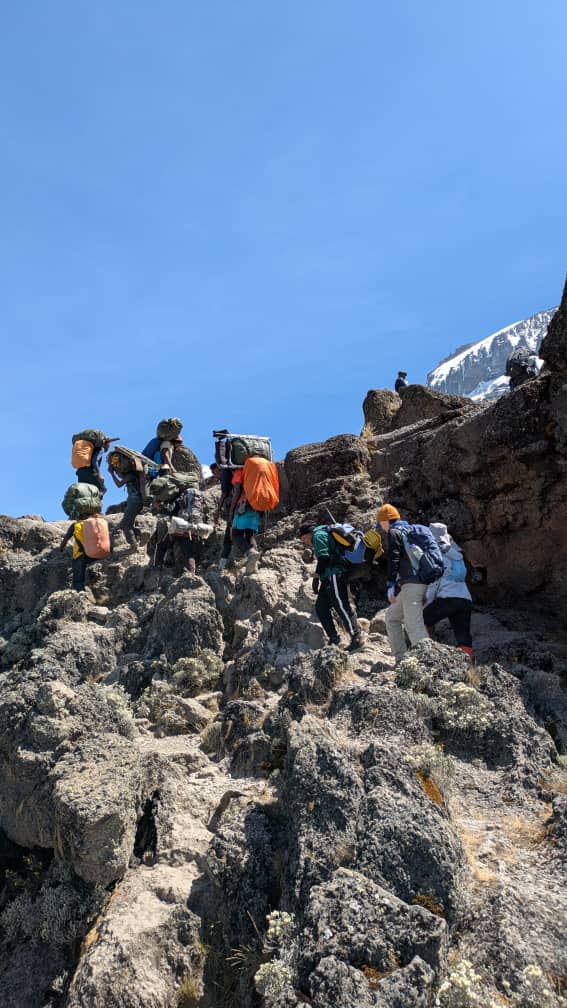
November Kilimanjaro Luxury Private Expedition | Top Guide Adventures
Experience the ultimate Kilimanjaro climb with a luxury private expedition in November 2026 or 2027. Top Guide Adventures offers tailored itineraries, premium services, and expert guidance...
View package details
October Kilimanjaro Luxury Camping Package: Your Ultimate Adventure 2026-2027
Secure your spot on a 2026 or 2027 October Kilimanjaro luxury camping adventure with Top Guide Adventures. This package offers premium service, expert guidance, and a comfortable climb.
View package details7-Day Rongai Route Kilimanjaro Climb In May: Your Ultimate Guide 2026-2027
Your comprehensive guide to conquering Kilimanjaro via the Rongai Route in May over 7 days. Learn about the itinerary, what to pack, acclimatization, and why May is a great month for this...
View package details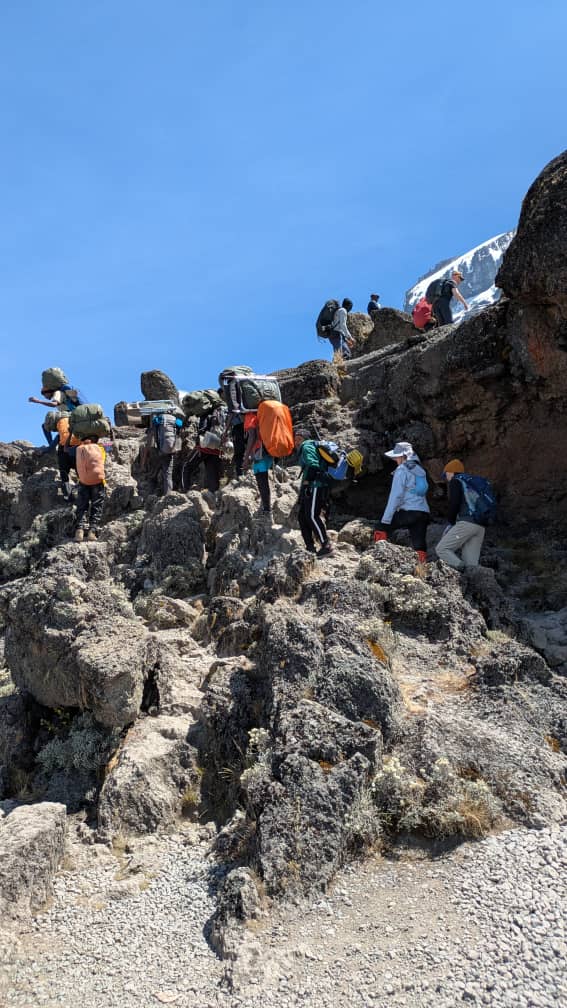
Best Kilimanjaro Route For A May Summit In : Your Expert Guide 2026-2027
Planning a Kilimanjaro climb in May? This guide details the best routes for a successful summit, considering weather patterns, acclimatization, and scenery for your 2026-2027 adventure.
View package details7-Day Rongai Route Kilimanjaro Climb In April: Your Expert Guide For 2026-2027
The 7-Day Rongai Route offers a unique and often drier approach to climbing Kilimanjaro, especially beneficial in April. This guide provides an in-depth look at the itinerary, essential...
View package details6-Day Marangu Route Kilimanjaro Climb In December 2026-2027
Discover everything you need to know for a 6-day Marangu Route Kilimanjaro climb during December 2026-2027. This guide covers weather expectations, essential gear, itinerary details...
View package detailsNo related package matches those filters. Clear one or more filters to see the other topic-matched options.



