
A 5-day Mahale fly-in safari offers an exclusive and efficient way to experience the world’s most renowned wild chimpanzee population in Tanzania’s Mahale Mountains National Park, typically starting with a flight from Arusha or Dar es Salaam to the park’s airstrip, followed by primate tracking, relaxation by Lake Tanganyika, and cultural insights, all within a condensed, luxurious timeframe ideal for those with limited vacation time planning for 2026 or 2027.
Experiencing Mahale: Why a 5-Day Fly-In Safari is Uniquely Rewarding
Mahale Mountains National Park is a jewel in Tanzania’s crown, a place where dense rainforest meets the vast, shimmering expanse of Lake Tanganyika. It’s most famous for its habituated wild chimpanzees, offering one of the planet’s most profound wildlife encounters. While reaching Mahale traditionally involves significant travel time, a 5-day fly-in safari fundamentally changes the accessibility, making this remote paradise reachable for those with tighter schedules or seeking a more comfortable, expedited journey. This itinerary is crafted for travelers in 2026-2027 who wish to maximize their time experiencing the magic of these intelligent primates and the unique ecosystem of Mahale without the long overland transit.
The essence of a fly-in safari to Mahale is efficiency and immersion. By bypassing lengthy drives, you gain more precious hours on the ground, directly engaging with the park’s star attractions. Imagine stepping off a small aircraft directly into a world of verdant hills, crystal-clear waters, and the promise of encountering our closest relatives in their natural habitat. This approach is particularly appealing for discerning travelers seeking a high-quality, exclusive experience, focusing on the core activities of chimpanzee tracking and appreciating the serene beauty of Lake Tanganyika.
Who is the 5-Day Mahale Fly-In Safari For?
This specific safari package is ideally suited for several types of travelers:
- Time-Conscious Adventurers: For those with limited annual leave, perhaps planning a trip in 2026 or 2027, who want to experience Mahale without dedicating two weeks to travel.
- Wildlife Enthusiasts: Primarily those who are passionate about primates and seek a high chance of observing wild chimpanzees in a protected, natural environment.
- Comfort Seekers: Travelers who prefer to minimize long, bumpy road journeys and opt for the convenience and speed of light aircraft travel.
- Luxury Travelers: The fly-in nature often correlates with stays in more exclusive, remote lodges, offering a higher level of comfort and service.
- Photography Buffs: The unique landscapes and intimate wildlife encounters provide unparalleled photographic opportunities, enhanced by the direct access.
The Mahale Experience: Beyond Just Chimpanzees
While the chimpanzees are the undisputed stars of Mahale, the park offers a rich mix of experiences that a 5-day fly-in safari allows you to appreciate. The landscape itself is breathtaking – a dramatic mountain range cloaked in dense tropical rainforest plunging towards the shores of the world’s longest freshwater lake. Lake Tanganyika, with its astonishingly clear, turquoise waters, is not just a backdrop but an integral part of the Mahale experience.
Beyond the thrilling primate tracking, your days might include:
- Beach Relaxation: The shores of Lake Tanganyika offer pristine, sandy beaches perfect for unwinding after a trek. Enjoy swimming, kayaking, or simply soaking in the serene atmosphere.
- Snorkeling and Diving: Lake Tanganyika is known for its exceptional biodiversity, boasting more endemic fish species than any other lake on Earth. The clear waters make it a fantastic spot for snorkeling and diving, revealing a vibrant underwater world.
- Sunset Cruises: Witnessing a sunset over Lake Tanganyika, with the silhouettes of the Mahale Mountains in the background, is an unforgettable spectacle. Many lodges offer boat trips for this purpose.
- Bird Watching: The park is a haven for diverse birdlife, with numerous species inhabiting the forests and shores.
- Exploring the Forest: Guided walks through the verdant rainforest can reveal other fascinating inhabitants, from troops of colobus monkeys to an array of insects and unique flora.
A 5-day itinerary is carefully designed to balance these activities, ensuring you get a comprehensive taste of Mahale’s natural wonders without feeling rushed.
Structuring Your 5-Day Mahale Fly-In Safari Itinerary (2026-2027)
A typical 5-day Mahale fly-in safari is structured to maximize your time in the park, focusing on efficient travel and immersive experiences. The exact timing and order of activities can vary based on flight schedules, lodge locations, and the specific preferences of the traveler, but here’s a common framework you can expect when planning for 2026 or 2027:
Day 1: Arrival in Mahale & Lakeside Welcome
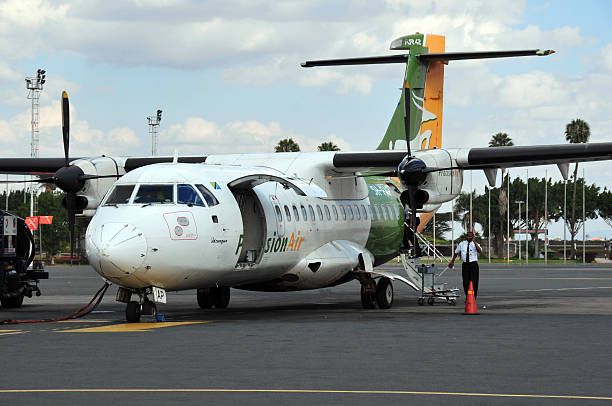
Your adventure begins with a morning flight from a major Tanzanian hub like Arusha or Dar es Salaam (often via Kilimanjaro International Airport – JRO, or Julius Nyerere International Airport – DAR) to the Mahale airstrip. These flights are typically chartered or scheduled light aircraft. Upon arrival, you’ll be met by representatives from your chosen lodge and transferred, often by boat or 4×4, to your accommodation situated along the shores of Lake Tanganyika. After settling in and enjoying lunch, the afternoon is usually dedicated to relaxation, perhaps a gentle walk along the beach, or an introductory boat trip on the lake to acclimatize and enjoy the stunning scenery. The first evening often includes a briefing about the chimpanzee tracking protocols and the plan for the coming days.
Day 2: The Quest for Chimpanzees
This is the day dedicated to your primary goal: chimpanzee trekking. After an early breakfast, you’ll head out with experienced local guides into the Mahale Mountains. Tracking wild chimpanzees involves following their movements through the dense rainforest, which can require a moderate level of fitness and patience. Your guides are expert trackers, using their knowledge of the forest and chimpanzee behavior to locate the habituated troops. The encounter itself is often described as deeply moving, observing these intelligent primates in their natural social structures. The trek can last anywhere from a few hours to a full day, depending on the chimpanzees’ location. After the trek, you’ll return to your lodge for a well-deserved rest, sharing stories of your sightings over dinner.
Day 3: Exploring Lake Tanganyika & Forest Trails
Today offers a change of pace and a chance to explore more of Mahale’s diverse offerings. You might opt for a morning spent exploring the lake. This could involve snorkeling or diving in the clear waters to witness the unique cichlid fish, or perhaps a kayaking excursion along the shoreline. Alternatively, you could start another guided forest walk, focusing on birdwatching or searching for other primate species like the Angolan colobus monkeys, red-tailed monkeys, and blue monkeys. The afternoon could be spent relaxing by the lake, enjoying the lodge’s amenities, or taking a guided nature walk closer to your accommodation. A sunset boat trip on Lake Tanganyika is often a highlight of this day.
Day 4: Deeper Immersion or Relaxation
Depending on your interests and energy levels, Day 4 can be tailored. You might choose a second chimpanzee tracking experience, perhaps seeking out a different habituated group or revisiting a favorite spot for more observation. Some visitors enjoy revisiting the forest trails to capture more photographs or to simply absorb the tranquility. Others might prefer a more leisurely day, enjoying the lodge’s facilities, reading a book with a view of the lake, or taking a final swim. Many lodges also offer cultural visits to nearby local communities, providing insight into the lives of the people who call this region home. The final evening is often a special occasion, with a farewell dinner celebrating your Mahale adventure.
Day 5: Departure from Mahale
After a final breakfast overlooking Lake Tanganyika, you’ll be transferred back to the Mahale airstrip for your onward flight. This flight will typically take you back to Arusha or Dar es Salaam, connecting you to your international departure or your next Tanzanian destination. The timing of this flight is coordinated with your lodge and the safari operator to ensure a smooth transition.
Logistics of a Mahale Fly-In Safari: Flights, Accommodation & Timing
Understanding the logistical components is crucial when planning your 5-day Mahale fly-in safari, especially for future travel in 2026-2027. The success of such a trip hinges on smooth coordination of flights, comfortable lodging, and choosing the right time to visit.
Getting There: The Fly-In Component
The ‘fly-in’ aspect is what makes this safari efficient. The primary gateway airports for these flights are:
- Arusha Airport (ARK): Often the starting point for safaris in northern Tanzania.
- Julius Nyerere International Airport (DAR) in Dar es Salaam: Tanzania’s largest city and main international gateway.
- Kilimanjaro International Airport (JRO): Serves Arusha and Moshi, often used for northern circuit safaris.
Flights to Mahale are typically operated by small charter or scheduled bush plane companies. These flights are often multi-leg, meaning they might stop at other airstrips en route, such as the Serengeti or Selous (Nyerere National Park). The flight duration from Arusha or Dar es Salaam to Mahale can range from 1.5 to 3 hours, depending on the route and stops. It’s important to note that luggage restrictions on these small aircraft are strict, usually around 15-20 kg per person in soft-sided bags.
Where to Stay: Mahale’s Exclusive Lodges
Accommodation in Mahale is limited and typically consists of high-end lodges or tented camps strategically located to offer stunning lake views and easy access to the park’s core attractions. These lodges are designed to blend with the environment and provide a comfortable sanctuary after days of exploration. Expect:
- Luxury Tented Camps: Offering spacious canvas tents with en-suite bathrooms, comfortable bedding, and often private verandas with lake views.
- Boutique Lodges: Smaller, more intimate properties often built with natural materials, providing a personalized experience.
Popular lodges include Greystoke Mahale (known for its iconic location and luxurious treehouse-style bandas) and Chada Katavi (though primarily in Katavi, it sometimes offers packages that can be combined with Mahale). When booking for 2026-2027, it’s advisable to book well in advance, as availability is highly limited.
Best Time to Visit Mahale (2026-2027 Travel)
Mahale National Park experiences a tropical climate, with distinct wet and dry seasons. The best time for a 5-day Mahale fly-in safari, especially for chimpanzee tracking and general comfort, is during the dry season:
- June to October: This period offers sunny days, lower humidity, and less rain, making trekking more comfortable and increasing the chances of spotting wildlife as they may congregate near water sources. The lake is also calmer, ideal for boat trips and water activities.
- November to May: This is the wet season. While it can still be possible to visit, the rains can make trekking more challenging, roads (if applicable) and trails muddy, and flights potentially delayed. However, the landscape is incredibly lush and green, and there are fewer tourists, which can offer a more solitary experience. Chimpanzee tracking is possible year-round, but conditions are optimal during the dry months.
For 2026-2027, the peak dry season months of July, August, September, and October are highly recommended for optimal safari conditions.
What to Pack for Your Mahale Fly-In Adventure
Packing smart is essential for a comfortable and enjoyable 5-day Mahale fly-in safari, especially given the luggage restrictions on small aircraft. Focus on lightweight, versatile items suitable for a tropical environment and jungle trekking.
Clothing Essentials:
- Lightweight, breathable long-sleeved shirts and trousers: To protect against sun and insects, especially during treks. Neutral colors (khaki, green, beige) are best.
- T-shirts and shorts: For relaxing at the lodge and warmer afternoons.
- Fleece or light jacket: Evenings can sometimes be cooler, especially by the lake.
- Swimsuit: For enjoying Lake Tanganyika.
- Comfortable walking/hiking boots: Broken-in and waterproof if possible, for trekking.
- Sandals or flip-flops: For around the lodge.
- Socks: Several pairs, including moisture-wicking options.
- Hat: Wide-brimmed for sun protection.
Gear and Accessories:
- Binoculars: For wildlife viewing.
- Camera and extra batteries/memory cards: You’ll want to capture everything!
- Sunscreen, insect repellent (with DEET), and after-bite lotion.
- Personal toiletries and any necessary medications.
- Small backpack or daypack: For carrying water, snacks, camera, and rain gear during treks.
- Reusable water bottle.
- Headlamp or small flashlight: Useful for navigating at night.
- Dry bag: Recommended for protecting electronics during boat trips or if unexpected rain occurs.
- Personal first-aid kit.
Important Note: Remember the luggage weight restrictions (usually 15-20 kg per person) for bush flights. Soft-sided duffel bags are often preferred over hard suitcases.
Chimpanzee Trekking in Mahale: Expectations and Etiquette
The highlight for most visitors is the chance to see Mahale’s chimpanzees. To ensure a safe and respectful experience for both the primates and the visitors, strict guidelines are in place. Understanding these is key to a successful trek.
The Tracking Process:
- Habituation: The chimpanzee groups you will visit have undergone a habituation process, meaning they are accustomed to the presence of humans at a respectful distance. This process takes years and is managed by park authorities and researchers.
- Guides are Essential: You will always be accompanied by experienced, armed park rangers and guides. They are responsible for your safety, for locating the chimpanzees, and for enforcing the rules.
- Distance: Maintain a minimum distance of 7-10 meters from the chimpanzees at all times. Do not approach them.
- Time Limit: Typically, you are allowed a maximum of one hour with the chimpanzees. This ensures the animals are not overly stressed and have time to themselves.
- Group Size: Trekking groups are usually small (around 6-8 people) to minimize disturbance.
Key Etiquette Rules:
- No Flash Photography: The flash can startle and disturb the chimpanzees.
- Keep Noise Levels Down: Speak softly. Avoid shouting or loud noises that could frighten the animals.
- Do Not Feed the Chimpanzees: This is strictly prohibited and can have severe health consequences for them.
- Do Not Touch or Try to Interact: Respect their space and wild nature.
- Cover Your Mouth: If you feel a cough or sneeze coming on, turn away from the chimpanzees and cover your mouth. This is crucial to prevent the transmission of human diseases to the primates, to whom we are biologically very similar.
- Stay on Designated Paths: Where possible, to minimize impact on the environment.
- Leave No Trace: Pack out everything you pack in. Do not leave any litter behind.
Adhering to these guidelines ensures the long-term conservation of Mahale’s chimpanzee population and provides a more authentic, respectful encounter for future visitors planning their trips in 2026-2027 and beyond.
Comparing Mahale with Other Tanzanian Safari Destinations
While Tanzania is famed for its vast savannahs and iconic wildlife parks like the Serengeti and Ngorongoro Crater, Mahale offers a distinctly different, yet equally captivating, safari experience. Understanding these differences helps in choosing the right destination for your 2026-2027 travel plans.
Mahale vs. Northern Circuit (Serengeti, Ngorongoro, Tarangire)
- Wildlife Focus: The Northern Circuit is renowned for the ‘Big Five’ (lion, leopard, elephant, rhino, buffalo) and the Great Migration. Mahale’s primary draw is its chimpanzee population. While other wildlife exists in Mahale (like monkeys, forest antelopes, and diverse birdlife), the large predators and megafauna that characterize the Serengeti are absent.
- Landscape: The Northern Circuit features classic savannah landscapes – vast grasslands, acacia woodlands, and volcanic craters. Mahale is characterized by dense rainforests and the shores of Lake Tanganyika.
- Safari Style: Traditional game drives are the norm in the Northern Circuit. In Mahale, the primary activity is walking safaris and chimpanzee trekking, complemented by lake activities.
- Accessibility: The Northern Circuit is relatively accessible via road from Arusha, with many lodges and camps. Mahale is remote and best accessed via fly-in safaris, making it more exclusive and often more expensive.
- Experience: Northern Circuit safaris offer the iconic African wildlife spectacle. Mahale provides a unique, intimate encounter with primates in a stunning, less-trodden environment.
Mahale vs. Southern Circuit (Selous/Nyerere, Ruaha)
- Wildlife: The Southern Circuit offers a wilder, less crowded experience than the North, with excellent chances for lions, leopards, elephants, and wild dogs, particularly in Ruaha. Selous (Nyerere) is known for its large elephant and buffalo herds and boat safaris. Mahale’s focus remains on chimpanzees.
- Landscape: The South features a mix of miombo woodlands, savannah, and riverine forests. Mahale’s unique rainforest and lake environment stand apart.
- Safari Style: Game drives are prevalent in the South, with boat safaris being a key feature of Selous (Nyerere). Mahale emphasizes walking and primate tracking.
- Accessibility: Southern parks are generally accessible by road or by flight from Dar es Salaam, offering a good balance between remoteness and accessibility. Mahale is typically accessed via more specialized fly-in arrangements.
For travelers specifically seeking chimpanzee encounters and a unique rainforest/lake environment, Mahale is unparalleled. If the ‘Big Five’ and classic savannah game drives are your priority, the Northern or Southern Circuits might be more suitable. A 5-day Mahale fly-in safari is often a complementary experience, added to a longer Tanzanian itinerary to provide a diverse range of wildlife and landscape encounters for trips planned in 2026-2027.
Cost Considerations for a 5-Day Mahale Fly-In Safari
A 5-day Mahale fly-in safari is generally considered a premium travel experience, and its cost reflects the exclusivity, remoteness, and specialized logistics involved. When budgeting for 2026-2027, expect the following factors to influence the overall price:
Key Cost Components:
- Flights: The most significant component is often the charter or scheduled light aircraft flights from Arusha or Dar es Salaam to Mahale and back. These flights are priced per person and can be substantial.
- Accommodation: Lodges in Mahale are typically high-end, offering luxury amenities and prime locations. Prices are usually quoted on a per-person, per-night basis, often on a full-board or all-inclusive basis (including meals, local drinks, and some activities).
- Park Fees: Mahale Mountains National Park has daily entrance fees, which are mandatory and contribute to conservation efforts. These are typically charged per person, per day.
- Activities: While chimpanzee tracking and guided walks are usually included in lodge rates, specific activities like diving, snorkeling equipment rental, or specialized boat excursions might incur additional charges.
- Transfers: Boat or 4×4 transfers from the airstrip to the lodge are generally included in the lodge package.
- Tanzania Visa and Travel Insurance: These are essential but separate costs.
- Gratuities: Tips for guides, lodge staff, and rangers are customary.
Estimated Price Range (for 2026-2027):
Due to the variable nature of flight costs and lodge pricing, exact figures are best obtained through a personalized quote. However, as a general guide, a 5-day Mahale fly-in safari can range from approximately $3,500 to $7,000+ per person, depending on the level of luxury, specific lodge chosen, and time of year.
Important Budgeting Tips:
- Book in Advance: Especially for peak season travel in 2026-2027, booking 6-12 months ahead is recommended to secure preferred lodges and flights.
- Consider Shoulder Seasons: If your schedule allows, traveling just outside the peak dry season might offer slightly lower rates without significantly compromising the experience.
- All-Inclusive Packages: Look for packages that include flights, accommodation, meals, park fees, and core activities to simplify budgeting.
For a precise quote tailored to your 2026-2027 travel dates and preferences, contacting a reputable tour operator is the best approach.
Planning Your 2026-2027 Mahale Fly-In Safari with Top Guide Adventures
Embarking on a 5-day Mahale fly-in safari is an extraordinary undertaking, promising intimate wildlife encounters and breathtaking scenery. At Top Guide Adventures, we specialize in crafting smooth and unforgettable Tanzanian travel experiences, including exclusive fly-in safaris to remote gems like Mahale. We understand the intricacies of planning such a journey, from securing the best flights and accommodations to ensuring you have the most enriching experience on the ground.
Whether you are planning for 2026 or 2027, our team is ready to assist you. We can help you:
- Design a personalized 5-day Mahale itinerary that matches your interests and budget.
- Arrange all necessary flight bookings from Arusha, Dar es Salaam, or other points.
- Select the perfect lodge that suits your comfort and style preferences.
- Provide expert advice on the best time to visit and what to pack.
- Coordinate all logistics for a stress-free adventure.
We pride ourselves on offering authentic Tanzanian hospitality and in-depth knowledge of its national parks. Let us help you create memories that will last a lifetime. To start planning your dream 5-Day Mahale Fly-In Safari, or to inquire about other Tanzanian adventures, please reach out to us:
WhatsApp: +255616946642
Email: topguideadventures@gmail.com
Backup Email: info@topguideadventures.com
We look forward to helping you discover the magic of Mahale!
Check Availability for 5-Day Mahale Fly-In Safari: Chimp Trekking & Lake Tanganyika Adventures
Ready to compare dates, prices, and the best option for your group? Send the package name and travel month so the team can reply with a clear quote, availability, and what is included.
 4-Day Mahale Mountains Adventure: Chimpanzee Trekking & Lake TanganyikaA detailed 2026-2027 guide to 4-Day Mahale Mountains Adventure, with clear planning and booking information for travelers.View package
 Gombe Private Primate Safari GuideDiscover the ultimate Gombe Private Primate Safari, offering unparalleled access to chimpanzees and the stunning landscapes of Gombe Stream…View package
 Gombe Fly-In Safari: Your Ultimate Guide To Chimpanzee Encounters In 2026-2027Discover the magic of a Gombe Fly-In Safari, offering exclusive access to chimpanzee tracking in Tanzania's Gombe Stream National Park. This…View package
 3-Day Gombe Stream Safari: Ultimate Chimpanzee Encounters In TanzaniaA 3-day Gombe Stream safari offers an unparalleled opportunity to witness chimpanzees in their natural habitat. This condensed itinerary focuses…View package
 Gombe Family Adventure: A Guide To Chimpanzee Encounters And Coastal TanzaniaAn ultimate guide to planning a Gombe Family Adventure, focusing on chimpanzee encounters in Gombe National Park and combining it with the…View package
 Gombe Photography Expedition GuideAn in-depth guide to planning and executing a Gombe Photography Expedition in Tanzania, focusing on capturing iconic chimpanzee behavior and the…View package
 Gombe Birdwatching Tour: Your Ultimate Guide For 2026-2027start a specialized birdwatching tour in Gombe Stream National Park, Tanzania. This guide details the exceptional avian diversity, prime viewing…View packageGombe Boat And Forest Adventure: Your Ultimate Tanzania Wildlife ExperienceExplore the unique Gombe Stream National Park with a combined boat and forest adventure. Witness chimpanzee communities, diverse wildlife, and…View package


