
A Tarangire Baobab Photography Tour is an expertly guided safari experience focused on capturing the iconic ancient baobab trees and diverse wildlife of Tarangire National Park, Tanzania, during optimal light conditions for photography. These tours are designed for photographers seeking to document the park’s unique landscapes, large elephant herds, and other resident animals, often including specialized vehicles and guidance for creative shots, with ideal planning for 2026-2027 adventures.
Why Tarangire is a Photographer’s Dream for Baobabs and Wildlife
Tarangire National Park stands out as a premier destination for photographers, especially those drawn to the dramatic silhouettes of its ancient baobab trees and the abundant wildlife that congregates within its borders. The park’s landscape is defined by these majestic, sprawling giants, which are not merely trees but living monuments that have witnessed centuries of life unfold. For photographers, they offer an unparalleled backdrop, creating scenes of raw, natural beauty that are both humbling and visually striking. The interplay of light and shadow around their massive trunks, especially during the golden hours of sunrise and sunset, provides endless creative opportunities.
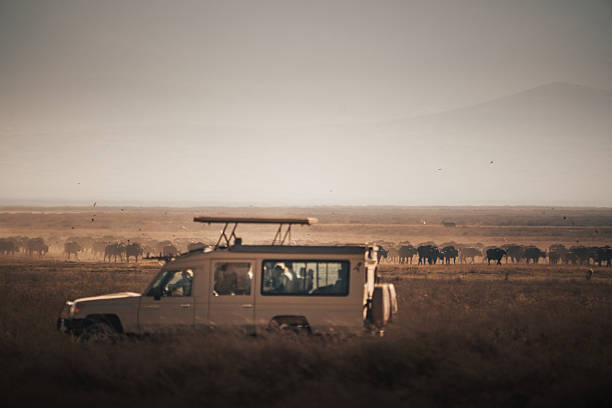
Beyond the baobabs, Tarangire is renowned for its significant elephant populations, often seen in large herds, particularly during the dry season when the Tarangire River becomes a vital water source. These magnificent creatures, alongside lions, leopards, cheetahs, giraffes, zebras, and a variety of antelope species, offer dynamic subjects for wildlife photography. The park’s relatively open terrain, punctuated by acacia woodlands and rocky kopjes, allows for excellent viewing and photographic access. A dedicated Tarangire Baobab Photography Tour focuses on maximizing these opportunities, guiding you to the best locations and times to capture the essence of this unique Tanzanian ecosystem.
The Unique Appeal of Baobab Trees in Photography
The African baobab (Adansonia digitata) is an icon of the savanna, and in Tarangire, they reach a scale and density that is truly awe-inspiring. Their distinctive, bottle-shaped trunks, often wider at the base and tapering towards the top, and their sparse, often contorted branches give them an almost prehistoric appearance. These trees are not just landscape elements; they are characters in the natural drama of the park.
For photographers, baobabs present a multitude of challenges and rewards:
- Scale and Perspective: Their sheer size demands attention to composition. Shooting from a low angle can emphasize their grandeur, while including wildlife near their base provides a sense of scale.
- Light Interaction: The rough bark and intricate branch structures catch light beautifully. Silhouetting baobabs against a vibrant sunset or sunrise is a classic, yet always effective, photographic technique. Backlighting can reveal the textures of their leaves (when present) and the shapes of their branches.
- Weather and Atmosphere: Baobabs look spectacular under stormy skies, dusted with morning mist, or standing starkly against a clear blue African sky. Their presence adds a sense of permanence and resilience to any image.
- Symbolism: These trees are often called the “Tree of Life.” Their ancient presence evokes a sense of deep time and connection to the land, adding a layer of narrative to photographic work.
A specialized Tarangire Baobab Photography Tour understands how to utilize these elements. Guides will position vehicles to make the most of the light, suggest compositions, and ensure you have ample time at prime baobab locations, often away from the main tourist paths.
Planning Your Tarangire Baobab Photography Tour for 2026-2027
Timing is crucial for any safari, and particularly for a photography-focused trip. For a Tarangire Baobab Photography Tour, the dry season is generally the most rewarding period, typically from June through October. During these months:
- Wildlife Concentration: Animals, especially elephants, gather around the Tarangire River and other diminishing water sources, making them easier to find and photograph.
- Clearer Skies: While occasional rain showers can add drama, the dry season often offers clear, crisp light, ideal for landscape and wildlife shots. Sunrises and sunsets are often spectacular.
- Vegetation: The landscape becomes drier, making the baobab trees stand out more dramatically against the muted tones of the savanna.
However, the shoulder months, such as late May and early November, can also offer excellent photographic opportunities with fewer crowds. The green season (November to May) presents a different kind of beauty, with lush landscapes and newborn animals, but wildlife can be more dispersed, and light can be softer due to cloud cover. For those planning for 2026-2027, booking well in advance is highly recommended, especially for peak dry season dates (July-September), as specialized vehicles and expert guides are in demand.
When considering your 2026-2027 trip, think about:
- Duration: A minimum of 3-4 days in Tarangire is recommended to truly explore its photographic potential. Longer stays allow for more in-depth exploration and opportunities to capture different light conditions and wildlife behaviors.
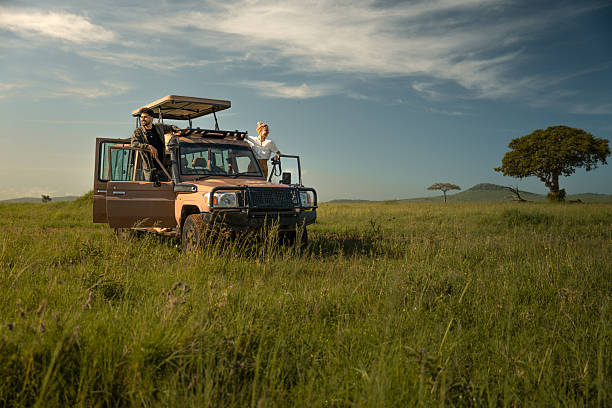
- Vehicle Choice: A pop-up roof safari vehicle is essential for photography, providing unobstructed 360-degree views. Some specialized photography tours might offer vehicles with custom camera mounts or beanbags.
- Guide Expertise: Look for tour operators who understand photography. A guide who can anticipate animal movements, knows the best light for specific locations, and understands photographic composition is invaluable.
Key Considerations for 2026-2027 Bookings
To secure your preferred dates and ensure the best photographic opportunities for your Tarangire Baobab Photography Tour in 2026-2027, it’s advisable to book at least 6-12 months in advance. This is particularly true for peak season travel and if you require specific vehicle types or guides.
What to Expect on a Tarangire Baobab Photography Tour
A typical Tarangire Baobab Photography Tour is more than just a game drive; it’s an orchestrated experience designed to maximize photographic output. You can anticipate:
- Early Morning and Late Afternoon Shoots: These are the golden hours, offering the softest, most dramatic light. Your tour will be scheduled to be in prime locations during these times.
- Extended Time at Locations: Unlike standard safaris, photography tours allow for longer stays at scenic spots or where interesting wildlife activity is observed, giving you time to compose and capture the perfect shot.
- Focus on Baobab Landscapes: Dedicated stops will be made at areas famous for their baobab concentrations, allowing you to photograph them individually, in groves, and as part of the wider landscape.
- Wildlife Tracking and Patience: While Tarangire has abundant wildlife, your guide will be skilled in tracking animals and understanding their behavior, leading you to opportunities for capturing compelling wildlife portraits and action shots. Patience is key; waiting for the right moment is often rewarded.
- Vehicle Comfort and Access: Safari vehicles will have pop-up roofs for clear views. Some operators may offer beanbags for stabilizing lenses or even specialized low-profile vehicles for unique perspectives.
- Expert Guidance: Your guide will not only be knowledgeable about wildlife and the park but also about photographic principles, helping you with composition, understanding light, and anticipating animal behavior.
Essential Photography Gear for Tarangire
To make the most of your Tarangire Baobab Photography Tour, having the right gear is important. While a good zoom lens is paramount for wildlife, don’t forget lenses that can capture the grand scale of the baobabs and their surroundings.
Camera Body and Lenses
- DSLR or Mirrorless Camera: A camera that allows manual control over settings (aperture, shutter speed, ISO) is essential. Full-frame or APS-C sensors are both suitable.
- Telephoto Zoom Lens: A 100-400mm or 150-600mm lens is ideal for wildlife. This allows you to capture distant animals without disturbing them.
- Mid-Range Zoom Lens: A 24-70mm or 24-105mm lens is versatile for landscapes, larger animals that are closer, and general scenes.
- Wide-Angle Lens: For capturing the immense scale of the baobab trees and the vast savanna landscapes, a 16-35mm or similar wide-angle lens is highly beneficial.
- Prime Lens (Optional): A fast prime lens (e.g., 50mm f/1.8 or 85mm f/1.8) can be useful for low-light situations or creating portraits with blurred backgrounds.
Accessories
- Tripod or Monopod: While challenging in a moving vehicle, a sturdy tripod can be invaluable for landscape shots of baobabs at sunrise/sunset or for capturing static wildlife scenes. A monopod offers better stability than handheld shooting.
- Extra Batteries and Memory Cards: You’ll be shooting a lot, so ensure you have plenty of power and storage.
- Lens Cleaning Kit: Dust is inevitable; keep your lenses clean for sharp images.
- Camera Bag: A comfortable, durable bag that can protect your gear from dust and the elements. A backpack style is often preferred for safaris.
- Beanbag (Optional): Many photographers find beanbags useful for stabilizing lenses on vehicle window ledges or pop-up roofs. Some tour operators provide these.
- Circular Polarizing Filter (CPL): Helps reduce glare, enhance sky colors, and increase saturation, especially useful for landscapes and foliage.
Clothing and Protection
- Neutral-Colored Clothing: Earth tones (khaki, beige, olive green) are best to avoid startling wildlife.
- Sun Protection: Hat, sunglasses, and sunscreen are crucial.
- Dust Protection: A bandana or scarf can be useful for protecting your face and camera gear from dust.
The Tarangire Ecosystem: More Than Just Baobabs
While the baobabs are a major draw, Tarangire’s ecological richness ensures constant photographic opportunities. The park’s landscape is a mosaic of:
- Acacia Woodlands: Dominated by umbrella thorn acacias and sausage trees, these offer shade and habitat for numerous species. They provide excellent framing for wildlife shots.
- Grasslands: Open plains dotted with trees, ideal for spotting predators and herds of grazing animals. These are prime spots for capturing large herds of wildebeest and zebra.
- Rocky Kopjes: These granite outcrops provide vantage points for predators like lions and cheetahs, and are also home to klipspringers.
- Seasonal Swamps: Especially active during the dry season, these areas attract large numbers of water birds and provide crucial water for mammals.
The sheer density of life, particularly elephants, is astounding. Herds of up to 300 elephants are common, offering incredible opportunities for capturing their social interactions, the young playing, and the immense power of the adults. The park is also a birdwatcher’s paradise, with over 550 bird species recorded, including many large, colorful species that make for rewarding photography.
Capturing Elephants in Tarangire: A Photographer’s Focus
Tarangire is often called the “land of giants,” and this refers as much to its elephants as its baobabs. A Tarangire Baobab Photography Tour will naturally dedicate significant time to these intelligent and social animals. Success in photographing elephants lies in understanding their behavior and positioning yourself for impactful shots.
Tips for Elephant Photography:
- Focus on Interaction: Capture mothers with calves, playful juveniles, or the dynamics within a herd. These moments tell a story.
- Eye Contact: When an elephant looks towards the camera, it creates a powerful connection.
- Detail Shots: The texture of their skin, their massive tusks, or the way they use their trunks are fascinating details.
- Contextual Shots: Photographing elephants against the backdrop of baobab trees or drinking at the river adds environmental context and scale.
- Behavioral Shots: Observe and photograph them dusting themselves, bathing, foraging, or communicating.
Your photography tour guide will be adept at finding these elephants and positioning the vehicle to give you the best angles, respecting the animals’ space while maximizing your photographic potential.
Beyond Elephants: Other Wildlife for Your Lens
While elephants dominate the narrative, Tarangire offers a rich diversity of other photographic subjects:
- Lions: Tarangire is known for its tree-climbing lions, a behavior less common in other parks. Capturing them resting in the branches of acacia trees or baobabs is a unique photographic prize.
- Leopards and Cheetahs: These elusive cats are present, though sightings require patience and a keen eye. Your guide’s expertise is invaluable here.
- Giraffes: The Masai giraffe, with its distinct jagged patches, is a common sight, often seen browsing from acacia trees.
- Zebras and Wildebeest: Especially during the dry season, large herds can be found, offering opportunities for wide-angle shots of the savanna teeming with life.
- Birds: Tarangire is a hotspot for ornithologists and bird photographers. Look for the African Fish Eagle, Lilac-breasted Roller, Superb Starling, Kori Bustard, and many other colorful species.
- Smaller Mammals: Don’t overlook the smaller creatures like dik-diks, warthogs, mongoose, and various monkeys, which add charm and detail to your portfolio.
Best Times for a Tarangire Baobab Photography Tour
The success of a photography tour hinges on optimal conditions. For Tarangire, these generally align with the dry season:
Dry Season (June – October)
- Pros: Concentrated wildlife, clear skies, dramatic light for baobabs, easier animal tracking. This is the prime time for 2026-2027 planning if these conditions are your priority.
- Cons: Higher visitor numbers, potentially higher prices.
Shoulder Seasons (Late May, November)
- Pros: Fewer crowds, good photographic light, potential for lush landscapes mixed with dry areas.
- Cons: Weather can be unpredictable; wildlife might start dispersing or gathering.
Green Season (December – April)
- Pros: Lush green landscapes, newborn animals, excellent birding, fewer tourists, lower prices.
- Cons: Wildlife can be dispersed, rain can interrupt game drives, light can be softer or obscured by clouds.
For a dedicated Tarangire Baobab Photography Tour, the dry season (June to October) is generally the most recommended. The stark beauty of the baobabs against the dry earth, combined with the high concentration of wildlife around the river, creates the most iconic photographic scenes. Planning for 2026-2027 during these months will offer the best chance for classic Tarangire imagery.
Choosing the Right Tour Operator
Selecting the right tour operator is paramount for a successful Tarangire Baobab Photography Tour. Look for companies that:
- Specialize in Photography Tours: They understand the specific needs of photographers, such as timing, vehicle setup, and guiding for photographic opportunities.
- Employ Experienced Guides: Guides should have extensive knowledge of Tarangire’s wildlife, its best photographic spots, and an understanding of light and composition.
- Offer Customized Vehicles: Pop-up roof vehicles are standard, but some may offer beanbags, charging ports, or even more specialized setups.
- Provide Clear Itineraries: Understand how much time will be dedicated to photography versus general game driving.
- Have Good Reviews: Check platforms like TripAdvisor for testimonials from other photographers.
- Offer Competitive Pricing: Understand what is included (park fees, accommodation, meals, guiding, vehicle).
Top Guide Adventures is a Tanzanian-based operator with deep local knowledge. We specialize in creating bespoke safari experiences, including photography-focused tours. Our guides are trained to assist photographers, understanding the need for patience and optimal positioning. For your 2026-2027 Tarangire Baobab Photography Tour, we can tailor an itinerary to your specific photographic interests.
Sample Itinerary Structure (Customizable)
While every tour is unique, a typical 4-day Tarangire Baobab Photography Tour might look something like this:
Day 1: Arrival in Tarangire & Baobab Encounters
Arrive at Tarangire National Park. Begin with an afternoon game drive focusing on the southern and central areas, known for their baobab clusters and elephant sightings. Capture the late afternoon light on the ancient trees and herds.
Day 2: Elephant Herds & Riverine Photography
Spend the full day exploring the Tarangire River valley, the heart of the park during the dry season. Focus on large elephant herds, lions, and diverse birdlife. Utilize the morning and late afternoon light for dramatic shots.
Day 3: Landscape & Wildlife Portraits
Explore the northern and western parts of the park. Seek out unique baobab formations and look for predators like leopards and cheetahs. Photograph giraffes and other herbivores against varied backdrops.
Day 4: Sunrise & Departure
An early morning game drive to capture the sunrise over the savanna, perhaps with baobabs in silhouette. After breakfast, depart from Tarangire.
This is a flexible framework. A longer tour could include more in-depth exploration, visits to less-trafficked areas, or focus on specific photographic themes like birds or predators. For 2026-2027, we can build this around your exact needs.
Photography Tips for Tarangire’s Baobabs and Wildlife
Beyond gear, technique is key. Here are some tips specifically for photographing Tarangire:
- Master the Golden Hour: Sunrise and sunset provide warm, soft light that accentuates textures and creates beautiful silhouettes. Position yourself with baobabs or wildlife during these times.
- Use the Rule of Thirds: Place key elements (a baobab, an elephant’s eye) along the intersecting lines of a grid to create a more balanced and engaging composition.
- Incorporate Foreground Elements: Use grasses, flowers, or smaller trees to add depth to your landscape shots of baobabs.
- Capture Scale: Include a small animal or a person (if permitted and appropriate) near a baobab to emphasize its massive size.
- Shoot in RAW: This format provides the most flexibility for post-processing, allowing you to adjust exposure, white balance, and recover details in highlights and shadows.
- Understand Animal Behavior: Learn to anticipate actions. A guide’s knowledge is crucial here. Patience is often rewarded with a great shot.
- Focus on Eyes: For wildlife, sharp focus on the eyes creates a connection with the viewer.
- Experiment with Shutter Speed: Use a fast shutter speed to freeze action (e.g., a lion pouncing) or a slower one with panning to show motion (e.g., a herd running).
- Look for Storytelling Moments: Beyond a single animal, capture interactions, feeding, or family dynamics.
- Embrace the Dust: Sometimes, dust kicked up by animals can create atmospheric effects, especially when backlit by the sun.
Cost Factors for a Tarangire Baobab Photography Tour
The cost of a Tarangire Baobab Photography Tour can vary significantly based on several factors. Understanding these will help you budget for your 2026-2027 adventure:
- Duration of the Tour: Longer trips naturally cost more.
- Accommodation Level: Options range from budget-friendly tented camps to luxury lodges, each impacting the overall price.
- Vehicle Type: While pop-up roof vehicles are standard, specialized photography vehicles or private hires might incur extra costs.
- Group Size: Private tours are more expensive per person than shared group departures.
- Time of Year: Peak season (dry season) rates are typically higher than low season (green season).
- Inclusions: Most reputable tours will include park entry fees, accommodation, meals, a professional guide, and the safari vehicle. Flights to/from the park, tips, and personal expenses are usually extra.
For a mid-range to luxury private 4-day Tarangire Baobab Photography Tour, expect costs to range approximately from $1,800 to $3,500+ per person. Shared group departures, if available for photography-specific tours, could be lower. For the most accurate pricing for your 2026-2027 travel dates, it’s best to request a custom quote.
Budgeting for Your 2026-2027 Photography Safari
When budgeting for your Tarangire Baobab Photography Tour, consider these key components:
- Tour Package: Covers accommodation, park fees, vehicle, and guide.
- International Flights: To Kilimanjaro International Airport (JRO).
- Visas: If required for Tanzania.
- Travel Insurance: Essential for any safari.
- Tips for Staff: Guides, camp staff, etc.
- Personal Expenses: Souvenirs, drinks, laundry.
- Photography Gear: If you need to rent or purchase anything specific.
Top Guide Adventures offers transparent pricing. Contact us for a detailed quote tailored to your 2026-2027 plans.
Sustainability and Responsible Photography in Tarangire
As photographers, we have a responsibility to minimize our impact on the environment and wildlife. A Tarangire Baobab Photography Tour should adhere to responsible tourism principles:
- Respect Wildlife Distances: Never approach animals too closely. Your guide will ensure safe and ethical distances are maintained.
- Minimize Noise: Avoid loud noises that can disturb animals.
- Do Not Feed Wildlife: This is detrimental to their health and natural behavior.
- Stay on Designated Tracks: To protect vegetation and prevent soil erosion.
- Leave No Trace: Pack out everything you pack in.
- Be Mindful of Other Visitors: Share viewing opportunities and avoid blocking paths unnecessarily.
- Support Local Communities: Choose operators that employ local staff and contribute to community projects.
By practicing responsible photography, you help ensure that Tarangire’s unique beauty and wildlife can be enjoyed by generations to come, including future visitors in 2026-2027 and beyond.
Combining Tarangire with Other Tanzanian Destinations
While Tarangire offers incredible photographic opportunities, it’s often part of a larger Tanzanian safari circuit. You can easily combine a Tarangire Baobab Photography Tour with:
- Serengeti National Park: Famous for the Great Migration and vast, open plains.
- Ngorongoro Conservation Area: Home to the Ngorongoro Crater, a caldera teeming with wildlife.
- Lake Manyara National Park: Known for its tree-climbing lions and large bird populations.
- Kilimanjaro: For trekkers, a climb can be combined with a safari.
- Zanzibar: For a relaxing beach extension after your safari adventure.
A well-planned itinerary can maximize your photographic output across these diverse landscapes. For example, a northern circuit safari often includes Tarangire, Lake Manyara, Serengeti, and Ngorongoro, offering a comprehensive wildlife and landscape photography experience.
Booking Your Tarangire Baobab Photography Tour with Top Guide Adventures
Ready to capture the ancient giants and abundant wildlife of Tarangire? Top Guide Adventures specializes in crafting unforgettable safari experiences tailored to photographers. We understand the nuances of capturing the best light, wildlife behavior, and dramatic landscapes.
For your 2026-2027 Tarangire Baobab Photography Tour, we offer:
- Customizable itineraries to suit your photographic interests and schedule.
- Experienced, photography-aware guides.
- Reliable, comfortable safari vehicles.
- A commitment to responsible and sustainable tourism.
Let us help you plan the photographic safari of a lifetime. Contact us today to discuss your dream trip:
WhatsApp: +255616946642
Email: topguideadventures@gmail.com
Backup Email: info@topguideadventures.com
We look forward to helping you create stunning images in the land of baobabs and elephants.
Check Availability for Tarangire Baobab Photography Tour: Capture Giants In Tanzanias Wild…
Ready to compare dates, prices, and the best option for your group? Send the package name and travel month so the team can reply with a clear quote, availability, and what is included.
Kilimanjaro Climb & West Safari: The Ultimate Tanzania Adventure 2026-2027
Experience the pinnacle of Tanzania with a combined Kilimanjaro climb and West Kilimanjaro safari. This guide details itineraries, preparation, and what to expect for your 2026-2027...
View package details
Kilimanjaro Climb With Mkomazi Rhino Safari 2026-2027
Kilimanjaro Climb with Mkomazi Rhino Safari is explained with current 2026-2027 planning, price, itinerary and booking information.
View package details
Kilimanjaro Climb With Amboseli Safari Extension: Your Ultimate Tanzania
Experience the pinnacle of African adventure by combining a challenging Kilimanjaro climb with a impressive safari in Amboseli National Park. This guide details itineraries, costs, best...
View package details
18-Day Kilimanjaro And Northern Tanzania Grand Adventure: Trek, Safari &
An 18-day itinerary blending Kilimanjaro's summit with Northern Tanzania's wildlife and culture offers a comprehensive African experience. This adventure typically includes a multi-day trek...
View package details
17-Day Kilimanjaro, Serengeti, Ngorongoro & Zanzibar Tour: Your Ultimate
This 17-day tour combines the iconic Mount Kilimanjaro climb with unparalleled wildlife safaris in the Serengeti and Ngorongoro Crater, culminating in a relaxing beach escape in Zanzibar...
View package details
15-Day Kilimanjaro, Great Migration & Zanzibar Beach Package | Top Guide
Combine the thrill of summiting Mount Kilimanjaro, witnessing the iconic Great Migration in the Serengeti, and unwinding on the pristine beaches of Zanzibar in one unforgettable 15-day...
View package details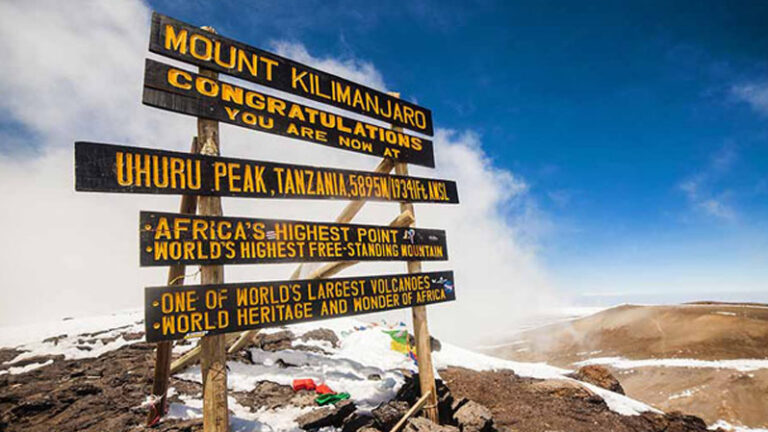
11-Day Kilimanjaro Acclimatization, Summit And Safari Package 2026-2027
11-Day Kilimanjaro Acclimatization, Summit and Safari Package is explained with current 2026-2027 planning, price, itinerary and booking information.
View package details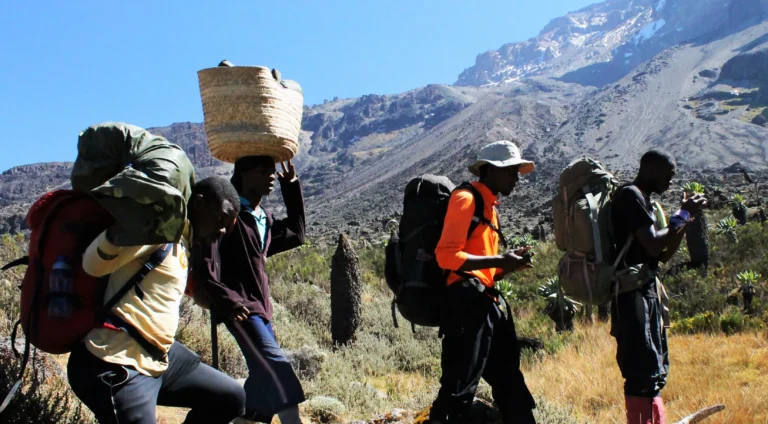
Kilimanjaro Safari First Vs Zanzibar 2026-2027
Kilimanjaro Safari First vs Zanzibar First is explained with current 2026-2027 planning, price, itinerary and booking information.
View package detailsKilimanjaro Safari And Climb Package For Seniors: Your Adventure 2026-2027
Top Guide Adventures offers tailored Kilimanjaro safari and climb packages for seniors in 2026-2027, focusing on safety, comfort, and an unforgettable Mount Kilimanjaro experience. Explore...
View package details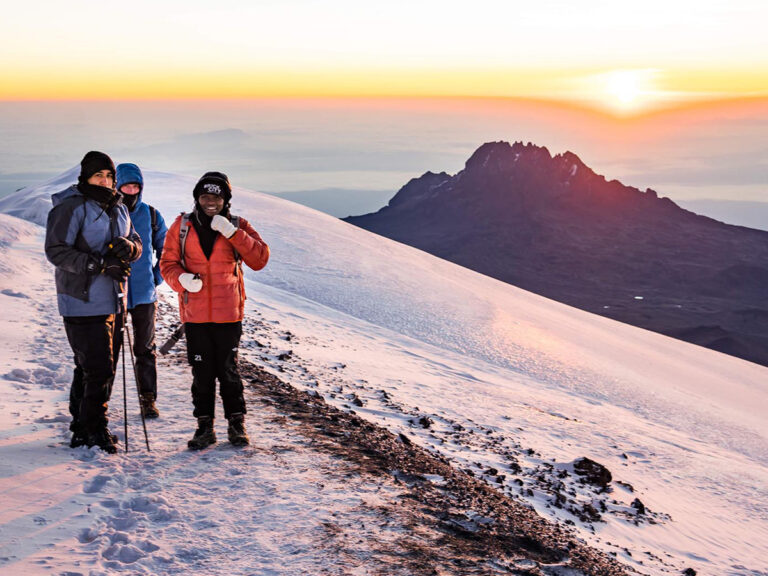
Kilimanjaro Graduation And Family Safari Package: Summit Success & Wildlife
Combine the ultimate achievement of summiting Mount Kilimanjaro with an unforgettable family safari in Tanzania. Top Guide Adventures curates these packages, blending adventure, cultural...
View package details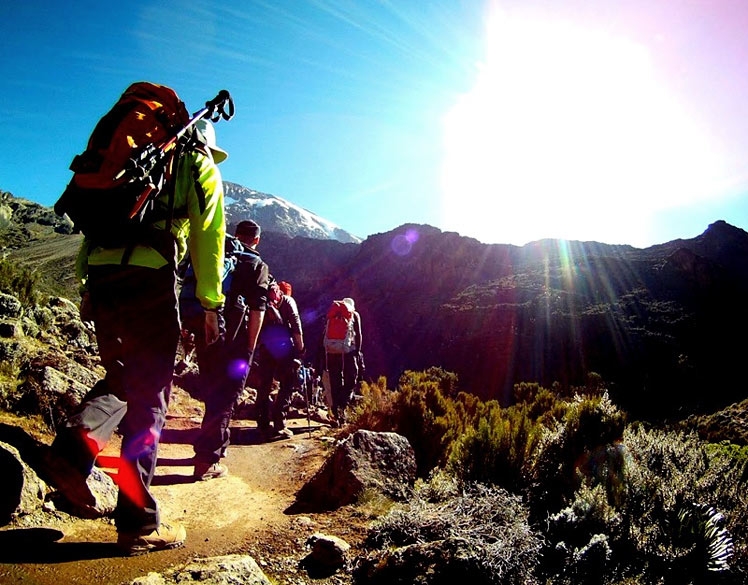
Kilimanjaro Family Safari After The Summit Guide
Extend your incredible Kilimanjaro achievement with a family safari in Tanzania. Top Guide Adventures crafts unforgettable post-summit experiences for 2026-2027, blending the thrill of...
View package detailsNo related package matches those filters. Clear one or more filters to see the other topic-matched options.



