
A Londorossi Gate tour from Arusha is your gateway to the scenic western approach of Mount Kilimanjaro, typically commencing with a drive from Arusha to the gate, followed by a multi-day trek utilizing routes like the Lemosho or Northern Circuit, offering stunning vistas and a gradual acclimatization profile for your 2026-2027 climb.

Understanding the Londorossi Gate Approach to Kilimanjaro
The Londorossi Gate marks the entry point for trekkers aiming to ascend Mount Kilimanjaro via its western slopes. Unlike the more direct routes that start lower down the mountain, the Londorossi Gate offers a more remote and visually diverse experience. When you book a Londorossi Gate tour from Arusha, you’re choosing a path renowned for its beauty and for providing a slower, more methodical ascent, which significantly aids in acclimatization – a critical factor for success on Kilimanjaro. This approach is often combined with the Lemosho or the longer Northern Circuit routes, both of which are highly regarded for their scenic rewards and higher success rates due to superior acclimatization.
Arusha, the vibrant safari capital of Tanzania, serves as the primary staging ground for most Kilimanjaro expeditions. It’s from here that your journey to the Londorossi Gate begins, usually via a scenic drive that takes you through rural Tanzanian landscapes. The Londorossi Gate itself is located at a significant altitude, meaning your trek starts at a higher elevation than many other routes, immediately setting a different pace for your climb. For trekkers planning their 2026-2027 Kilimanjaro adventure, understanding the nuances of the Londorossi Gate entry is key to selecting the right route and preparing adequately.
Why Choose Londorossi Gate for Your Kilimanjaro Climb?
The appeal of the Londorossi Gate lies in several factors that resonate with trekkers seeking an exceptional Kilimanjaro experience:
- Scenic Beauty: The western and northern slopes of Kilimanjaro, accessed via Londorossi, are considered by many to be the most beautiful. You’ll traverse lush rainforests, alpine meadows, and dramatic volcanic landscapes, often with fewer crowds than on the eastern routes.
- Excellent Acclimatization: Routes originating from Londorossi, particularly the Lemosho and Northern Circuit, are known for their ‘climb high, sleep low’ philosophy. This gradual ascent profile is crucial for allowing your body to adjust to the altitude, thereby increasing your chances of reaching the summit.
- Remote Experience: While Kilimanjaro is a popular mountain, the initial days on the Londorossi approach offer a sense of solitude and wilderness, allowing for a more profound connection with the mountain’s environment.
- Higher Success Rates: Due to the excellent acclimatization and often longer duration of these routes, trekkers generally report higher success rates compared to shorter, more aggressive itineraries.
Londorossi Gate vs. Other Kilimanjaro Entry Points
To fully appreciate the Londorossi Gate’s advantages, it’s helpful to compare it with other common entry points:
- Marangu Gate: The oldest and most direct route. It’s known for its hut accommodations but is very crowded and offers poor acclimatization, leading to lower success rates.
- Machame Gate: A popular route, often called the ‘Whiskey Route,’ offering good scenery and a reasonable acclimatization profile. It’s more challenging than Marangu but generally more crowded than routes starting from Londorossi.
- Mweka Gate: Primarily used as a descent point for Machame, Shira, and Lemosho routes. It’s not an entry gate for ascending climbs.
The Londorossi Gate, by contrast, serves as the starting point for routes that often combine the best of scenery and acclimatization, making it a preferred choice for discerning trekkers, especially those planning for 2026 or 2027 and wanting to maximize their chances of success and enjoyment.
The Journey from Arusha to Londorossi Gate
Your Londorossi Gate tour from Arusha begins not on the mountain itself, but with the journey to its base. Arusha is the bustling hub where you’ll typically meet your guide, finalize gear checks, and receive a pre-climb briefing. It’s a city that buzzes with anticipation, filled with fellow adventurers and the infrastructure to support your Kilimanjaro dream.
The drive from Arusha to Londorossi Gate is an experience in itself. It typically takes around 3-4 hours, depending on road conditions and the specific location of the gate entrance. You’ll leave the city behind and travel through verdant farmlands, passing coffee plantations and small villages. As you gain altitude, the landscape transforms, offering glimpses of Kilimanjaro’s lower slopes, often shrouded in mist or standing majestically under clear skies. The drive can be bumpy as you approach the park boundaries, but the excitement of starting your trek builds with every mile.
Logistics of the Transfer
Top Guide Adventures ensures this transfer is as comfortable and efficient as possible. We arrange for sturdy 4×4 vehicles equipped to handle the terrain, driven by experienced local drivers who know the routes intimately. Your guide will accompany you, using this time to answer any last-minute questions and point out interesting features of the landscape. The transfer is included in most Kilimanjaro trekking packages from Arusha that utilize the Londorossi Gate, so you don’t need to worry about separate arrangements.
Upon arrival at Londorossi Gate (approximately 2,360 meters / 7,740 feet), the formal park registration process begins. This involves checking your permits and park fees, which are always pre-arranged by your tour operator. This administrative step is essential before you can commence your trek. The gate area itself is usually a small outpost, a clear demarcation between the populated lowlands and the wild mountain slopes.
What to Expect at the Gate
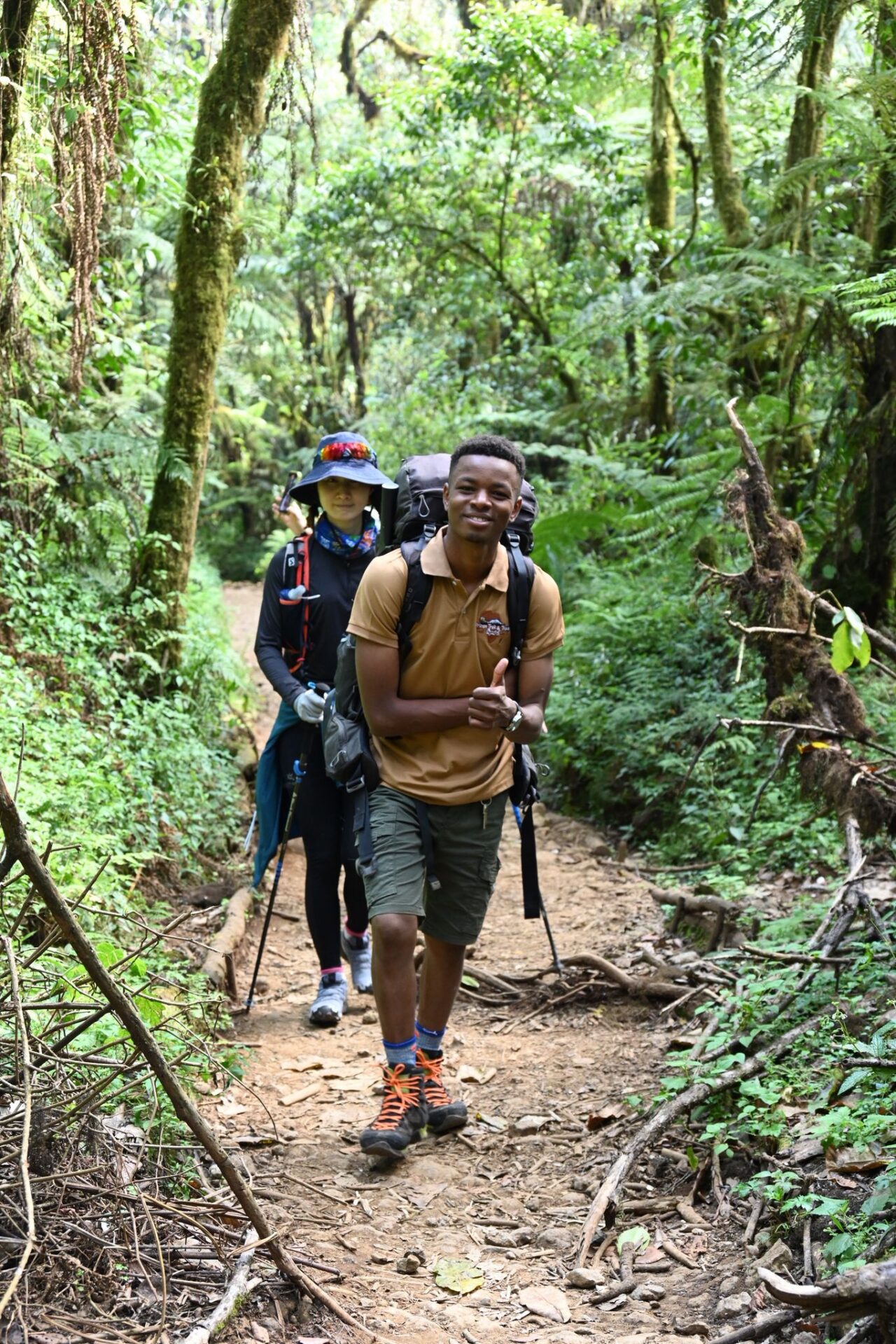
At Londorossi Gate, you’ll have a final opportunity to organize your gear with your porters. This is also where you’ll say goodbye to your driver and begin your trek with your climbing crew. The air is cooler and thinner here, a tangible reminder that your ascent has truly begun. The initial part of the trek from Londorossi often leads through dense montane forest, characterized by tall trees, mosses, and a rich variety of birdlife. The path is usually well-defined but can be muddy, especially during the rainy seasons.
For those booking their 2026-2027 Kilimanjaro expeditions, understanding this initial transfer sets the stage for the entire trek. It’s the first step in a carefully orchestrated adventure, designed for both safety and an unforgettable experience.
Popular Kilimanjaro Routes Starting from Londorossi Gate
The Londorossi Gate is the entry point for two of Kilimanjaro’s most celebrated and scenic routes: the Lemosho Route and the Northern Circuit. Both offer distinct advantages and are ideal for trekkers prioritizing acclimatization and spectacular views.
The Lemosho Route
The Lemosho Route is perhaps the most popular route originating from Londorossi. It’s celebrated for its beauty, gradual acclimatization, and high success rates. It typically takes 7 to 8 days to complete, allowing ample time for the body to adjust to the increasing altitude.
Key Features of the Lemosho Route:
- Duration: Commonly 7 or 8 days.
- Scenery: Starts in the rainforest, traverses the Shira Plateau, and offers panoramic views of the Maasai Steppe and Mount Meru. The final ascent is typically via the Barafu or Stella Point.
- Acclimatization: Excellent, due to its ‘climb high, sleep low’ profile and longer duration.
- Crowds: Generally less crowded than Machame or Marangu, especially in the initial days.
- Starting Point: Londorossi Gate.
- Ending Point: Mweka Gate.
An 8-day Lemosho itinerary is highly recommended for trekkers planning their 2026-2027 climb, as the extra day significantly improves acclimatization and reduces fatigue before the summit push.
The Northern Circuit
The Northern Circuit is the longest and arguably the most scenic route on Kilimanjaro. It circles the mountain, offering unparalleled views and the best acclimatization profile of all routes. It typically requires 9 to 10 days to complete.
Key Features of the Northern Circuit:
- Duration: Commonly 9 or 10 days.
- Scenery: Offers impressive, ever-changing vistas from all sides of the mountain, including the remote northern slopes, views of Kenya, and unique geological formations.
- Acclimatization: Superior, due to its extended duration and the ‘climb high, sleep low’ principle applied throughout the entire trek.
- Crowds: The least crowded route on Kilimanjaro, offering a truly wild and remote trekking experience.
- Starting Point: Londorossi Gate.
- Ending Point: Mweka Gate.
For trekkers aiming for the highest success rates and the most comprehensive Kilimanjaro experience, the Northern Circuit is an outstanding choice for their 2026-2027 expeditions. Its length allows for a deep appreciation of the mountain’s diverse ecosystems.
Comparing Lemosho and Northern Circuit
While both routes start from Londorossi Gate and offer excellent acclimatization, the Northern Circuit is longer, more expensive (due to more guide/porter days), and provides an even more in-depth and less crowded experience. The Lemosho is a fantastic option for those who want a great balance of scenery, acclimatization, and duration, often being a more budget-conscious choice than the Northern Circuit for 2026-2027 bookings.
What to Expect on a Londorossi Gate Trek: Day-by-Day Itinerary Example (Lemosho Route – 8 Days)
To provide a concrete understanding of a Londorossi Gate tour from Arusha, here is a sample 8-day Lemosho Route itinerary. This provides a detailed look at the progression, daily distances, and altitude gains, highlighting the gradual acclimatization.
Day 1: Arusha to Mti Mkubwa Camp
Drive: Arusha to Londorossi Gate (approx. 3-4 hours).
Park Registration: Londorossi Gate (2,360m / 7,740ft).
Trek Start: From the gate.
Trek Duration: 3-4 hours.
Distance: Approx. 6 km / 3.7 miles.
Camp: Mti Mkubwa Camp (2,820m / 9,250ft).
Habitat: Montane forest.
Description: After registration, you begin your trek through the dense rainforest. The path is often muddy but rich with flora and fauna. You’ll reach Mti Mkubwa (‘Big Tree’) camp in the late afternoon.
Day 2: Mti Mkubwa Camp to Shira 1 Camp
Trek Duration: 5-7 hours.
Distance: Approx. 10 km / 6.2 miles.
Camp: Shira 1 Camp (3,500m / 11,500ft).
Habitat: Moorland.
Description: Today’s trek involves a significant altitude gain as you leave the forest and enter the moorland zone. You’ll cross a scenic ridge and descend slightly before reaching the Shira Plateau, a vast, ancient volcanic crater. Shira 1 camp is situated on this plateau.
Day 3: Shira 1 Camp to Shira 2 Camp
Trek Duration: 4-6 hours.
Distance: Approx. 8 km / 5 miles.
Camp: Shira 2 Camp (3,850m / 12,630ft).
Habitat: Moorland.
Description: A shorter day allowing for acclimatization. You’ll trek across the Shira Plateau, enjoying stunning views of Kilimanjaro’s western face. Shira 2 camp is located at a higher point on the plateau, offering even more expansive vistas.
Day 4: Shira 2 Camp to Lava Tower to Karanga Camp
Trek Duration: 7-8 hours.
Distance: Approx. 10 km / 6.2 miles.
Camp: Karanga Camp (3,995m / 13,110ft).
Habitat: Alpine desert.
Description: This is a crucial acclimatization day. You’ll climb steadily towards Lava Tower (4,630m / 15,190ft), a prominent volcanic plug. After a break for lunch, you’ll descend to Karanga Camp. This ‘climb high, sleep low’ strategy is vital for preparing your body for higher altitudes.
Day 5: Karanga Camp to Barafu Camp
Trek Duration: 4-5 hours.
Distance: Approx. 6 km / 3.7 miles.
Camp: Barafu Camp (4,640m / 15,220ft).
Habitat: Alpine desert.
Description: Today involves a steep ascent up rocky slopes. You’ll reach Barafu Camp, the base camp for the summit attempt, by early afternoon. After resting and having an early dinner, you’ll prepare for the midnight summit push.
Day 6: Summit Day! Barafu Camp to Uhuru Peak and down to Mweka Camp
Trek Duration: 10-12 hours (summit push) + 4-6 hours (descent).
Distance: Approx. 5 km / 3.1 miles (ascent) + 12 km / 7.5 miles (descent).
Summit: Uhuru Peak (5,895m / 19,341ft).
Camp: Mweka Camp (3,100m / 10,170ft).
Habitat: Arctic and alpine desert.
Description: The most challenging day. You’ll start around midnight, trekking through the night towards Stella Point (5,756m / 18,885ft) on the crater rim. From Stella Point, it’s a further 1-2 hour walk to Uhuru Peak, the roof of Africa. After celebrating at the summit, you’ll descend steeply past Barafu Camp all the way to Mweka Camp in the forest zone, a long but rewarding day.
Day 7: Mweka Camp to Mweka Gate and back to Arusha
Trek Duration: 3-4 hours.
Distance: Approx. 10 km / 6.2 miles.
End Point: Mweka Gate (1,640m / 5,380ft).
Return: Drive back to Arusha.
Description: A relatively easy trek through the remaining forest down to Mweka Gate. You’ll receive your summit certificates and then be transferred back to your hotel in Arusha to rest and celebrate your incredible achievement.
Day 8: Relaxation or Departure from Arusha
Description: This day is usually reserved for resting, souvenir shopping, or embarking on further adventures like a safari, depending on your overall travel plans for Tanzania in 2026-2027.
Pricing and Inclusions for Londorossi Gate Tours
The cost of a Londorossi Gate tour from Arusha can vary significantly based on the route chosen (Lemosho vs. Northern Circuit), the duration of the trek, the level of service provided (e.g., private vs. group climb, quality of accommodation before/after the trek), and the specific inclusions offered by the tour operator. For 2026-2027 planning, it’s essential to understand what is typically covered.
General Cost Factors:
- Route Length: Longer routes like the Northern Circuit are more expensive due to more days with guides, porters, and park fees.
- Number of Days: More trekking days mean higher overall costs.
- Group Size: Private climbs are more expensive per person than joining a group.
- Service Level: Higher quality equipment, food, and support staff contribute to higher prices.
- Time of Year: Peak seasons (e.g., January-March, June-October) might see slightly higher prices than shoulder or low seasons.
Typical Inclusions
Reputable operators like Top Guide Adventures usually include the following in their Kilimanjaro trekking packages:
- Park entrance fees, camping fees, and rescue fees.
- Professional guides (licensed and experienced).
- Assistant guides (ratio usually 1:2).
- Porters for carrying group gear and personal luggage (usually up to 15kg per climber).
- All meals during the trek (breakfast, lunch, dinner).
- Boiled water during the trek.
- Accommodation in Arusha before and after the climb (often 2 nights).
- Ground transport from Arusha to the gate and back.
- Tents, sleeping mats, cooking equipment.
- Crampons and walking poles (often provided or available for rent).
- Emergency oxygen and comprehensive first-aid kit.
What is Usually Not Included
Be aware of common exclusions:
- International flights.
- Visa fees.
- Travel and medical insurance (mandatory).
- Tips for guides, assistant guides, and porters (a significant cost, budget accordingly).
- Personal climbing gear (boots, warm clothing, sleeping bag – though some can be rented).
- Lunches and dinners in Arusha (unless specified).
- Alcoholic beverages and personal expenses.
- Optional hot shower fees at certain campsites.
Budgeting for 2026-2027 Climbs
For a Londorossi Gate tour from Arusha via the Lemosho route (7-8 days), you might expect prices to range roughly from $1,800 to $3,000 USD per person for a mid-range to upper-mid-range operator. The Northern Circuit (9-10 days) will typically be higher, perhaps $2,300 to $3,800+ USD per person. These are indicative ranges for 2026-2027; exact quotes should always be obtained directly from operators.
Important Note: Be wary of extremely low prices, as they often indicate compromises on safety, guide quality, porter welfare, or equipment. Top Guide Adventures prioritizes safety, ethical treatment of staff, and providing a quality experience. For a personalized quote tailored to your 2026-2027 Kilimanjaro plans, contact us directly.
Preparing for Your Londorossi Gate Kilimanjaro Trek
Successful ascent of Kilimanjaro, especially via the scenic Londorossi Gate routes, hinges on thorough preparation. This involves physical conditioning, mental readiness, and appropriate gear selection.
Physical Training
Kilimanjaro is a strenuous trek, not a technical climb. The primary challenge is the altitude. Your training should focus on cardiovascular endurance and leg strength.
- Cardiovascular Exercise: Engage in activities like hiking (with a backpack), running, cycling, or swimming for at least 3-4 times a week. Aim for sessions of 1-2 hours.
- Strength Training: Focus on leg muscles (squats, lunges) and core strength.
- Hiking Practice: The most relevant training. Hike regularly, ideally on varied terrain, and gradually increase the duration and pack weight. Practice hiking on consecutive days if possible to simulate trek conditions.
- Altitude Simulation: If you live at high altitude, this is an advantage. If not, focus on the other elements, as there’s no perfect substitute for actual high-altitude exposure.
Start your training at least 2-3 months before your planned 2026-2027 trek.
Essential Gear Checklist
Proper gear is crucial for comfort and safety. While your operator will provide tents and cooking gear, you need to bring your personal clothing and equipment.
Clothing:
- Moisture-wicking base layers (tops and bottoms)
- Warm mid-layers (fleece jackets or down vests)
- Insulated waterproof and windproof outer jacket (hardshell)
- Waterproof and windproof trousers
- Insulated down jacket (for summit night and evenings)
- Thermal underwear
- Trekking trousers (quick-drying)
- Trekking shirts (short and long-sleeved)
- Warm hat (wool or fleece)
- Sun hat or cap
- Gloves: Liner gloves, waterproof/warm outer gloves
Footwear:
- Broken-in waterproof hiking boots
- Camp shoes or trainers
- Thick wool hiking socks (several pairs)
- Liner socks
Equipment:
- Duffel bag (waterproof, 80-100 litres) for porters
- Daypack (30-40 litres) for essentials
- Sleeping bag (rated to -15°C / 0°F or colder)
- Trekking poles (highly recommended)
- Headlamp with extra batteries
- Water bottles or hydration reservoir (at least 3 liters capacity)
- Water purification tablets or filter
- Sunglasses (UV protection)
- Sunscreen (SPF 30+) and lip balm
- Personal first-aid kit (including blister treatment, pain relievers, personal medications)
- Toiletries (biodegradable soap, toothbrush, toothpaste, wet wipes)
- Quick-dry towel
- Camera and extra batteries/power bank
- Snacks (energy bars, nuts, dried fruit)
- Passport, visa, flight details, insurance details
- Cash for tips and personal expenses
Acclimatization Strategies
Beyond choosing a route like Lemosho or Northern Circuit that naturally aids acclimatization, there are other strategies:
- Hydration: Drink plenty of water (3-4 liters per day). Avoid alcohol and caffeine, which can dehydrate you.
- Pacing: ‘Pole pole’ (slowly, slowly) is the mantra. Walk at a pace that allows you to hold a conversation.
- Nutrition: Eat well, even if your appetite is reduced. High-carbohydrate meals are best.
- Monitor Symptoms: Be aware of symptoms of Acute Mountain Sickness (AMS) such as headache, nausea, dizziness, and fatigue. Inform your guide immediately if symptoms worsen.
- Ascend Slowly: The longer routes from Londorossi are designed for this.
Travel Insurance
Comprehensive travel insurance is non-negotiable. Ensure it covers:
- High-altitude trekking up to 5,895 meters.
- Emergency medical evacuation (including helicopter rescue if applicable).
- Trip cancellation and interruption.
- Lost or delayed baggage.
Always check the policy details carefully. For your 2026-2027 travel, secure this well in advance.
The Role of Guides and Porters on a Londorossi Gate Expedition
The success and safety of your Kilimanjaro trek, particularly a Londorossi Gate tour from Arusha, are profoundly dependent on the expertise and dedication of your climbing crew. Top Guide Adventures places immense value on its team, ensuring they are well-trained, well-equipped, and treated ethically.
Your Expert Guides
Your lead guide and assistant guides are the backbone of your expedition. They are:
- Experienced Climbers: They have extensive knowledge of Kilimanjaro’s routes, weather patterns, and terrain.
- Certified: Many hold certifications in wilderness first aid and advanced medical care.
- Altitude Specialists: They are trained to recognize and manage altitude sickness, making critical decisions for your safety.
- Cultural Ambassadors: They provide insights into the local culture and environment.
- Logistics Managers: They oversee camp setup, meal preparation, and daily trek progression.
Their primary responsibility is your safety and well-being. Trust their judgment implicitly, especially regarding pace and any health concerns.
The Indispensable Porters
Porters are essential for carrying the bulk of the equipment, including tents, food, cooking gear, and your personal duffel bag (typically up to 15kg). They are:
- Strong and Resilient: They are accustomed to the mountain’s demands and carry loads efficiently.
- Vital Support: Without them, carrying all necessary gear would be impossible for trekkers.
- Ethically Treated: Reputable companies like Top Guide Adventures adhere to strict porter welfare guidelines, ensuring fair wages, adequate food, proper equipment, and humane treatment. This is a critical ethical consideration when choosing an operator for your 2026-2027 climb.
Tipping Guidelines
Tipping is customary and a significant part of the crew’s income. While amounts can vary, a common guideline for a 7-8 day Lemosho climb is:
- Lead Guide: $20-25 USD per day
- Assistant Guide: $15-20 USD per day per assistant guide
- Cook: $10-15 USD per day
- Porter: $8-10 USD per day per porter
These amounts are per trekker. Tips are usually pooled and distributed by the lead guide at the end of the trek. It’s best to ask your tour operator for their specific recommended tipping structure. Preparing cash in USD for tips is advisable.
Environmental Responsibility on Kilimanjaro
Kilimanjaro is a UNESCO World Heritage site, and preserving its pristine environment is paramount. Operators like Top Guide Adventures are committed to sustainable trekking practices. When you book a Londorossi Gate tour from Arusha, you’re contributing to a responsible tourism model.
- Leave No Trace: Pack out everything you pack in. This includes all trash, food scraps, and even biodegradable items like orange peels.
- Stay on Trails: Avoid shortcuts, as they cause erosion and damage fragile vegetation.
- Waste Management: All waste is carried down the mountain by porters.
- Camp Sites: Use designated campsites and latrines. Avoid contaminating water sources.
- Respect Wildlife: Do not feed animals.
- Cultural Sensitivity: Be respectful of local customs and people.
Adhering to these principles ensures that Kilimanjaro remains a spectacular destination for future generations, including those planning climbs in 2026-2027 and beyond.
Booking Your Londorossi Gate Tour from Arusha in 2026-2027
Planning your Kilimanjaro adventure well in advance is highly recommended, especially if you are targeting specific dates in 2026 or 2027. Early booking allows for better availability of preferred dates and routes, and provides ample time for preparation.
Why Book with Top Guide Adventures?
- Expertise: Years of experience guiding climbers on Kilimanjaro.
- Safety First: Comprehensive safety protocols and well-trained staff.
- Ethical Operations: Fair treatment of guides and porters is a core value.
- Quality Experience: High-quality equipment, delicious food, and personalized service.
- Customization: We can tailor itineraries to your needs and preferences.
To discuss your Londorossi Gate tour from Arusha for 2026-2027, or to request a personalized quote, please reach out to us. We are passionate about helping you achieve your Kilimanjaro dream safely and memorably.
Contact Us:
- WhatsApp: +255616946642
- Email: topguideadventures@gmail.com
- Backup Email: info@topguideadventures.com
Let Top Guide Adventures be your trusted partner for an unforgettable Kilimanjaro experience via the Londorossi Gate. We look forward to helping you plan your 2026-2027 adventure!
Check Availability for Londorossi Gate Tour From Arusha – Kilimanjaro Scenic Visit 2026-2027
Ready to compare dates, prices, and the best option for your group? Send the package name and travel month so the team can reply with a clear quote, availability, and what is included.
Kilimanjaro Airport Vs Arusha For Climbers: The Definitive Guide 2026-2027
A comprehensive comparison of Kilimanjaro International Airport (JRO) and Arusha Airport (ARK) for trekkers planning a Mount Kilimanjaro climb, detailing pros, cons, and booking advice for...
View package details
Kilimanjaro Airport Transfer For Large Groups: Smooth Travel With Top Guide
Top Guide Adventures specializes in Kilimanjaro Airport transfers for large groups, ensuring a smooth and comfortable journey from Kilimanjaro International Airport (JRO) to your...
View package details
What Does Kilimanjaro Rainforest Look Like? A Trekkers Visual Guide 2026-2027
The Kilimanjaro rainforest is a vibrant, humid zone of dense vegetation, towering trees, and diverse plant life found on the mountain's lower slopes. It's the first major ecosystem trekkers...
View package details
Kilimanjaro Climb With A Personal Support Assistant: Your Ultimate Guide
Climbing Mount Kilimanjaro with a personal support assistant offers unparalleled safety, comfort, and focus on your summit goals. This guide details what a personal assistant entails, its...
View package details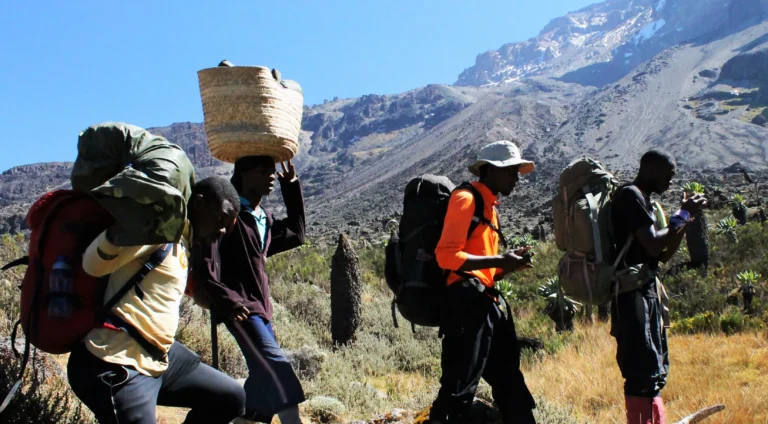
How To Know Whether You Are Ready For Kilimanjaro: A Comprehensive Guide
Climbing Mount Kilimanjaro is a significant undertaking. This guide helps you evaluate your physical, mental, and logistical readiness to ensure a safe and successful trek in 2026 or 2027...
View package details
Kilimanjaro Hydration Mistakes Climbers Make And How To Avoid Them 2026-2027
Proper hydration is critical for a successful Kilimanjaro climb. This guide details common hydration mistakes climbers make, from under-drinking to choosing the wrong fluids, and provides...
View package details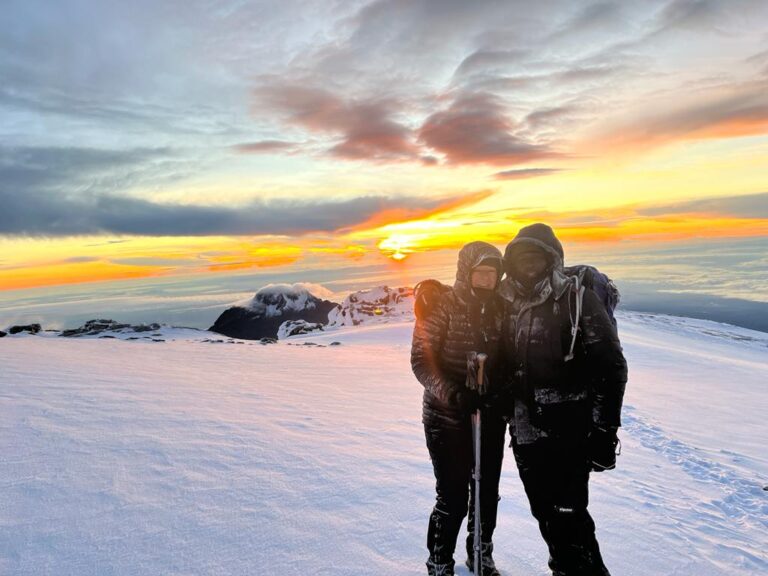
Kilimanjaro Altitude-Sickness Mistakes 2026-2027
Kilimanjaro Altitude-Sickness Mistakes is explained with current 2026-2027 planning, price, itinerary and booking information.
View package details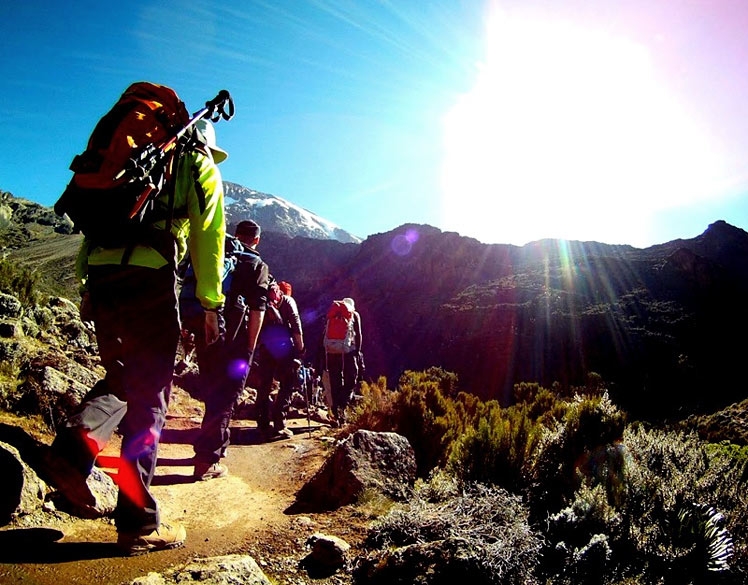
Kilimanjaro Summit-Night Mistakes To Avoid: Your Essential Guide For Climbs
Summit night on Kilimanjaro is the most challenging part of the climb. Avoiding common mistakes in acclimatization, gear, hydration, and pacing is crucial for success. This guide details...
View package details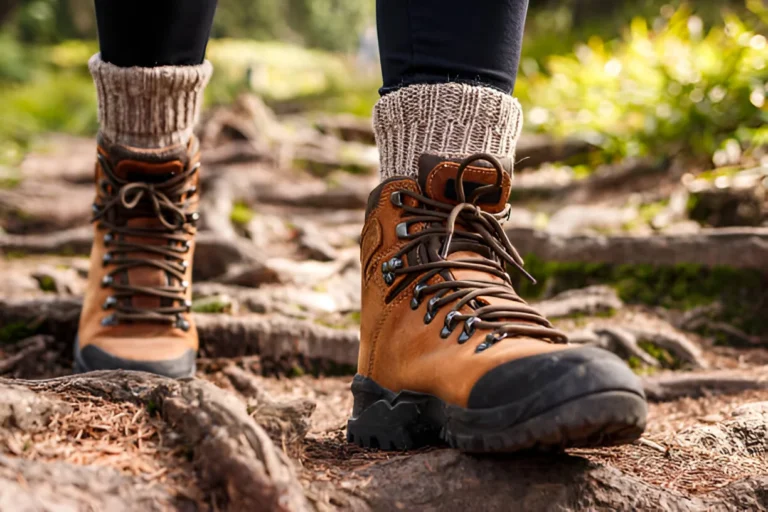
Kilimanjaro Training Mistakes That Reduce Summit Success 2026-2027
Kilimanjaro Training Mistakes that Reduce Summit Success is explained with current 2026-2027 planning, price, itinerary and booking information.
View package details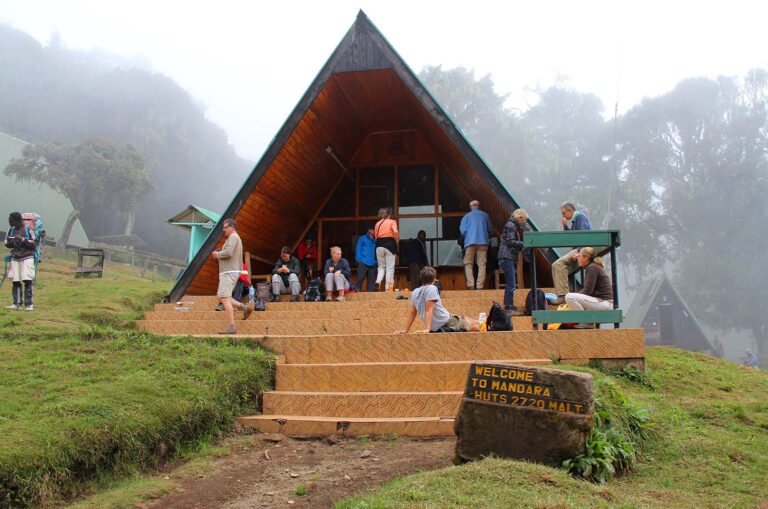
Kilimanjaro Personal Porter Vs Standard Support 2026-2027
Kilimanjaro Personal Porter vs Standard Porter Support is explained with current 2026-2027 planning, price, itinerary and booking information.
View package details
Kilimanjaro Climb For Retired Couples: Planning Your Adventure 2026-2027
Planning a Kilimanjaro climb as a retired couple is an achievable and rewarding goal. This guide offers in-depth advice on route selection, physical preparation, essential gear, and the...
View package details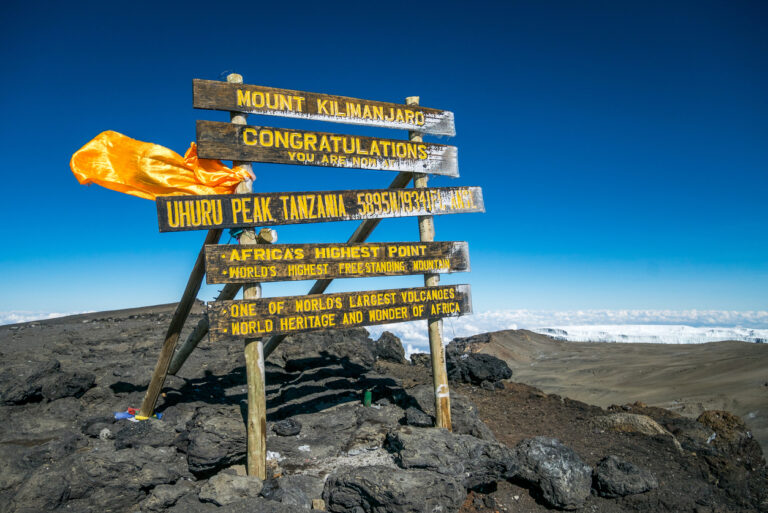
Kilimanjaro Training Plan For Climbers Over 60 2026-2027
Kilimanjaro Training Plan for Climbers over 60 is explained with current 2026-2027 planning, price, itinerary and booking information.
View package detailsNo related package matches those filters. Clear one or more filters to see the other topic-matched options.



