
A March Kilimanjaro adventure holiday in Tanzania offers a unique window for climbing, often characterized by the tail end of the short rainy season, leading into drier conditions. This period can provide fewer crowds than the peak dry seasons, with opportunities for dramatic cloud formations and lush landscapes, making it an appealing time for trekkers seeking a slightly different experience, especially for 2026 and 2027 planning.

March Kilimanjaro Adventure Holiday: An Overview for 2026-2027
Embarking on a Kilimanjaro adventure holiday in March is a decision many trekkers consider, especially those looking to avoid the busiest periods. While March falls within Kilimanjaro’s shoulder season, bridging the short rains and the start of the longer dry season, it presents a compelling proposition for the adventurous traveler. The mountain’s weather is notoriously variable, but March typically sees a decrease in rainfall towards the latter half of the month, offering clearer skies and more stable trekking conditions. This makes it a viable, and often rewarding, time for a Kilimanjaro climb for those planning their expedition for 2026 or 2027.
Top Guide Adventures specializes in crafting unforgettable Kilimanjaro expeditions. Understanding the nuances of each month, including March, is crucial for a successful and enjoyable trek. This guide aims to provide comprehensive insights into what you can expect during a March Kilimanjaro adventure holiday, from weather patterns and route recommendations to essential preparation and what makes this time of year special.
Understanding Kilimanjaro’s Climate in March
Kilimanjaro experiences distinct seasons, each influencing the trekking experience. March is a transitional month. It marks the end of the short rainy season (which typically runs from November to mid-December) and the beginning of the long dry season (June to October). This transitional period means you might encounter some rainfall, particularly in the early part of the month, but conditions generally improve as March progresses.
Rainfall Patterns in March
The early weeks of March can still see scattered showers, especially on the lower slopes and within the montane forest zone. However, these are usually short-lived, often occurring in the afternoon or overnight, leaving mornings and afternoons clear for trekking. As the month advances, the frequency and intensity of rain tend to decrease significantly. By the end of March, you’re often looking at conditions that are drier and more stable, resembling the start of the main dry season.
Temperature Fluctuations
Temperatures on Kilimanjaro vary dramatically with altitude and time of day. During March, you can expect:
- Lower slopes (1,800m – 3,000m): Daytime temperatures can be warm, ranging from 15°C to 25°C (59°F to 77°F). Nights will be cooler, dropping to around 5°C to 10°C (41°F to 50°F).
- Mid-altitudes (3,000m – 4,500m): Daytime temperatures might hover between 5°C and 15°C (41°F to 59°F). Nights can be significantly colder, often falling below freezing point, from -5°C to 5°C (23°F to 41°F).
- Summit region (above 4,500m): Temperatures are consistently below freezing. Daytime highs might reach 0°C (32°F), while nighttime lows can plummet to -15°C or even -20°C (-5°F to -4°F), especially on summit night.
The combination of potential rain and cold requires careful preparation for a March Kilimanjaro adventure holiday.
Visibility and Cloud Cover
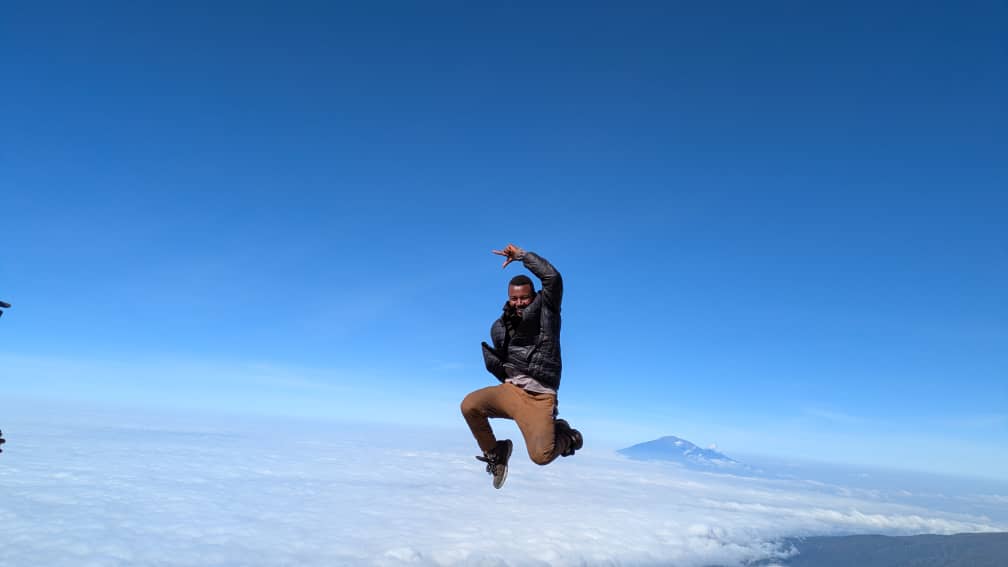
One of the unique aspects of trekking in March is the potential for dramatic cloud formations. While heavy cloud cover can sometimes obscure distant views, it can also create stunning photographic opportunities, particularly during sunrise and sunset. As the month progresses and rains subside, visibility generally improves, offering clearer panoramas of the surrounding landscape and, on clear days, views of Mount Meru and the plains below.
Why Choose March for Your Kilimanjaro Adventure Holiday?
While the peak dry seasons (June-October and December-February) are popular, March offers distinct advantages for trekkers planning their Kilimanjaro adventure holiday.
Fewer Crowds
March is generally less crowded than the primary dry seasons. This means more tranquility on the trails, more availability at campsites, and a more personal experience with your guide and porter team. For trekkers who prefer a quieter journey, March is an excellent choice for their 2026 or 2027 expedition.
Lush, Vibrant Scenery
The preceding short rains leave the mountain’s lower and middle slopes incredibly green and vibrant. The vegetation is lush, the flowers are in bloom, and the landscape appears more alive. This can make the initial stages of the trek particularly beautiful and photogenic.
Potential for Lower Prices
Sometimes, operators may offer slightly more competitive pricing during shoulder seasons like March, although this is not always guaranteed. It’s always wise to compare quotes and understand what’s included in your package.
Improved Conditions Towards the End of the Month
As mentioned, March is a transitional month. The latter half often offers excellent trekking conditions with significantly less rain and improving visibility, providing a great balance between avoiding peak season crowds and enjoying favorable weather.
Best Kilimanjaro Routes for a March Climb
The choice of route is critical for any Kilimanjaro climb, but especially important during transitional months like March. Some routes are better suited due to their acclimatization profiles and exposure to weather. Top Guide Adventures recommends the following routes for a March Kilimanjaro adventure holiday:
1. Machame Route (Whiskey Route)
The Machame Route is one of the most popular and scenic routes, known for its excellent acclimatization profile. It offers a ‘climb high, sleep low’ strategy, which is beneficial for adjusting to altitude. The route is longer (7 days is common, 8 is better for acclimatization), increasing summit success rates.
- Pros for March: Good acclimatization, stunning scenery, high summit success rate. The varied terrain provides interesting views even with occasional cloud cover.
- Considerations: Can be busy even in shoulder season. Requires good physical fitness.
- Duration: Typically 6-8 days. For a March climb, 7 or 8 days is highly recommended by Top Guide Adventures for optimal acclimatization.
You can find specific departure dates and details for the Machame Route, including potential March departures for 2026-2027, at Machame Route Kilimanjaro Group Departures Dates.
2. Lemosho Route
The Lemosho Route is another highly recommended option, particularly for its longer duration (7-8 days) and excellent acclimatization profile. It starts in the west, offering some of the most beautiful and remote scenery on the mountain, including the Shira Plateau.
- Pros for March: Excellent acclimatization, remote and beautiful scenery, good for photography with dramatic skies.
- Considerations: Longer and generally more expensive than shorter routes.
- Duration: Typically 7-8 days. An 8-day Lemosho trek is ideal for March.
3. Rongai Route
The Rongai Route approaches Kilimanjaro from the north, bordering Kenya. It is considered one of the drier routes on the mountain, making it a strong contender for a March Kilimanjaro adventure holiday. It typically has lower rainfall compared to routes on the southern or western sides.
- Pros for March: Drier conditions, less crowded, good acclimatization over 7 days.
- Considerations: Scenery is less varied than Machame or Lemosho, especially in the lower sections.
- Duration: Typically 6-7 days.
Routes to Consider Carefully for March
While any route can be climbed in March with proper preparation, some might be less ideal due to potential weather exposure:
- Marangu Route (Coca-Cola Route): This is the only route with hut accommodation. While convenient, its rapid ascent profile means poorer acclimatization. In March, the potential for rain on the lower sections could make the hut experience less appealing, and the quicker ascent is riskier.
- Umbwe Route: This is the shortest and most direct route, known for its steepness and difficulty. It offers poor acclimatization and is generally recommended only for experienced mountaineers who are already well-acclimatized. Its directness and steepness make it more challenging in potentially wet conditions.
Preparing for Your March Kilimanjaro Adventure Holiday
Successful preparation is key to any Kilimanjaro climb, and March requires specific attention to clothing and gear due to the transitional weather.
Essential Gear List
You’ll need high-quality gear suitable for varying temperatures and potential precipitation. Layering is crucial.
Clothing Layers:
- Base Layers: Moisture-wicking thermal tops and bottoms (merino wool or synthetic).
- Mid Layers: Fleece jackets or vests for insulation. A down or synthetic insulated jacket is essential for summit night and cold evenings.
- Outer Layer (Shell): Waterproof and windproof jacket and trousers (Gore-Tex or similar). This is critical for March.
- Trekking Trousers: Quick-drying, comfortable trekking pants (not jeans).
- Shirts: Long-sleeved and short-sleeved moisture-wicking shirts.
Headwear & Handwear:
- Warm Hat: Wool or fleece hat that covers the ears.
- Sun Hat: Wide-brimmed hat for sun protection.
- Balaclava or Buff: For face protection against wind and cold.
- Gloves: Lightweight liner gloves and warm, waterproof outer gloves or mittens.
Footwear:
- Hiking Boots: Broken-in, waterproof, sturdy hiking boots with good ankle support.
- Camp Shoes: Comfortable shoes or sandals for camp.
- Socks: Several pairs of warm wool or synthetic hiking socks.
Sleeping Gear:
- Sleeping Bag: Rated to at least -10°C to -20°C (0°F to -4°F). A 4-season bag is recommended for March.
- Sleeping Bag Liner: Adds warmth and keeps your bag clean.
Other Essentials:
- Backpack: A comfortable daypack (30-40 liters) for essentials you carry daily.
- Duffel Bag: A large, waterproof duffel bag (80-100 liters) for your main gear, carried by porters.
- Headlamp: With extra batteries. Essential for summit night.
- Water Bottles/Hydration Reservoir: At least 3 liters capacity. Consider insulated bottles to prevent freezing.
- Trekking Poles: Highly recommended for stability and reducing strain on knees.
- Sunscreen: High SPF.
- Lip Balm: With SPF.
- Sunglasses: UV protection.
- Personal First-Aid Kit: Including any personal medications, blister treatment, pain relievers, etc.
- Toiletries: Biodegradable soap, toothbrush, toothpaste, wet wipes.
- Snacks: High-energy snacks like energy bars, nuts, dried fruit.
- Camera & Power Bank: To capture the memories.
Physical Training
Kilimanjaro is a demanding trek. Consistent cardiovascular training is essential. Focus on activities like hiking (with a weighted pack), running, cycling, and swimming. Aim for endurance rather than speed. Start your training at least 3-6 months before your March Kilimanjaro adventure holiday.
Acclimatization Strategies
While route choice is the primary factor, other strategies help:
- Ascend Slowly: Choose longer routes (7-8 days) as recommended.
- Hydrate: Drink plenty of water (3-4 liters per day).
- Eat Well: Maintain energy levels with regular meals and snacks.
- Avoid Alcohol and Smoking: These can hinder acclimatization.
- Listen to Your Body: Report any symptoms of altitude sickness to your guide immediately.
What to Expect on Your March Kilimanjaro Adventure Holiday
A March climb offers a unique blend of challenges and rewards. Here’s a day-by-day glimpse of what you might encounter:
Day 1-2: Lower Slopes & Montane Forest
You’ll start your ascent through the lush montane forest. Depending on the specific weather patterns of early March, you might experience light rain showers. The trails can be muddy, but the dense forest canopy often provides shelter. Temperatures are relatively mild, but the humidity can be high.
Day 3-4: Moorland & High Altitude Desert
As you climb higher, the vegetation changes to moorland, characterized by heather, giant groundsels, and lobelias. The landscape becomes more open. Rainfall typically decreases in this zone. Temperatures drop noticeably, especially at night. You’ll start to feel the effects of altitude more keenly.
Day 5-6: Arctic Zone & Summit Push
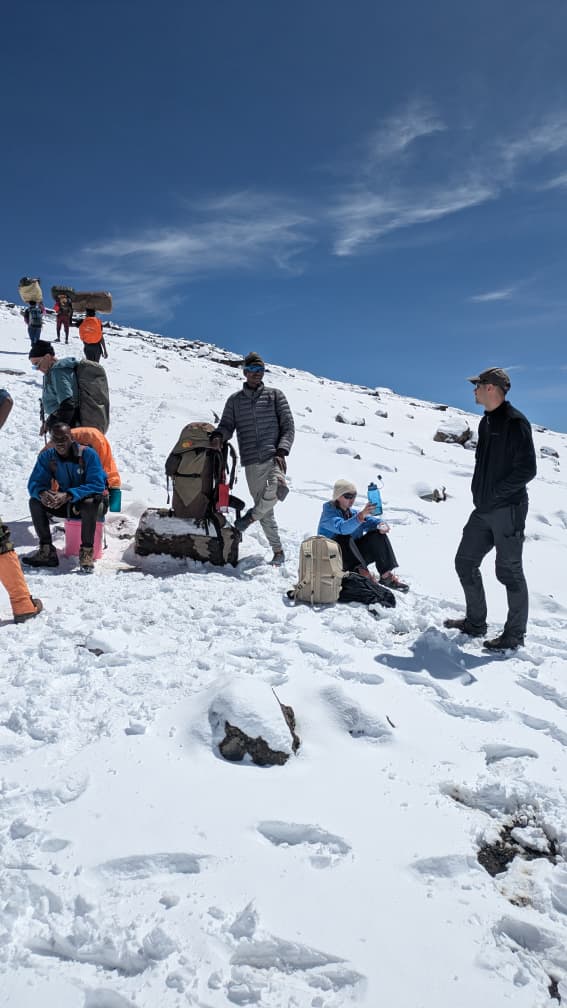
The terrain transitions to the barren Arctic zone, resembling a lunar landscape. Temperatures are significantly colder, and the risk of frostbite increases. Summit night (usually starting around midnight on Day 5 or 6, depending on the route and duration) is the most challenging part. You’ll ascend in the dark, often in freezing temperatures, aiming to reach Stella Point or Uhuru Peak by sunrise. While March can bring clear skies for sunrise, occasional cloud cover is possible. The wind can be a significant factor.
Day 7-8: Descent
The descent is generally faster and less taxing physically, though it can be hard on the knees. The scenery changes rapidly as you descend through the different vegetation zones. By the time you reach the park gates, you’ll likely experience warmer temperatures again. Celebrating your achievement with your team is a highlight.
Potential Challenges and How to Overcome Them
March Kilimanjaro adventure holidays are rewarding but come with specific considerations:
- Rainfall: Even towards the end of the short rains, showers are possible. Ensure your waterproof gear is top-quality. Gaiters can prevent water from entering your boots. Take breaks during heavier downpours and continue when it eases.
- Cold: Temperatures drop significantly, especially at higher altitudes and on summit night. Layering is your best defense. A good sleeping bag is non-negotiable. Hand warmers can be a lifesaver.
- Altitude Sickness (AMS): This is a risk on any Kilimanjaro climb, regardless of the month. Following acclimatization guidelines, ascending slowly, and communicating with your guide are paramount.
- Muddy Trails: Lower sections can be muddy. Trekking poles help with balance. Waterproof boots and gaiters are essential.
Costs for a March Kilimanjaro Adventure Holiday (2026-2027)
The cost of a Kilimanjaro climb can vary significantly based on the route, duration, operator, and inclusions. For a March Kilimanjaro adventure holiday in 2026 or 2027, expect prices to fall within the following general ranges:
- Budget Operators: May start from around $1,200 – $1,800 USD per person for a 6-7 day climb. These often have fewer inclusions (e.g., exclude park fees, oxygen, tips).
- Mid-Range Operators (like Top Guide Adventures): Typically range from $1,800 – $3,000 USD per person for a 7-8 day climb. These usually include park fees, quality equipment, experienced guides, porters, meals, and accommodation before/after the climb.
- Luxury/Premium Operators: Can range from $3,000 USD upwards, offering higher-end equipment, more personalized service, and potentially additional comforts.
Key factors influencing cost:
- Route Length: Longer routes (7-8 days) cost more due to additional park fees and crew days.
- Number of Trekkers: Private climbs are more expensive per person than group climbs.
- Inclusions: Always check what is included. Park fees are a significant cost (approx. $70-80 USD per person per day). High-quality gear rental, meals, transport, and crew salaries are also major components.
- Operator Reputation: Reputable companies like Top Guide Adventures invest in crew welfare, safety equipment, and experienced guides, which is reflected in their pricing.
For a personalized quote for your March 2026 or 2027 Kilimanjaro adventure holiday, including detailed breakdowns of inclusions and exclusions, contact Top Guide Adventures directly. We pride ourselves on transparency and providing excellent value for a safe and memorable climb.
Typical Inclusions with Top Guide Adventures for a March Climb:
- Kilimanjaro National Park entry fees, camping/hut fees, and rescue fees.
- All meals on the mountain (breakfast, lunch, dinner).
- Boiled water for drinking.
- Professional, English-speaking mountain guides, assistant guides, cooks, and porters.
- All camping equipment (tents, mess tent, table, chairs, cooking gear).
- Portable toilet tent.
- Accommodation in a hotel in Moshi before and after the climb (may be optional/upgrade).
- All transfers to and from the mountain gate.
- Oxygen cylinders for emergency use.
- First-aid kit and extensive medical support planning.
- A fair wage and good working conditions for all crew members.
Exclusions typically include:
- International flights.
- Visa fees.
- Travel insurance (mandatory).
- Tips for the mountain crew (a significant but necessary expense).
- Personal climbing gear (rentals available).
- Soft drinks, alcoholic beverages, and personal expenses.
- Vaccinations and medications.
Booking Your March Kilimanjaro Adventure Holiday
Planning your March Kilimanjaro adventure holiday for 2026 or 2027 requires booking in advance, especially if you have specific dates in mind. Reputable tour operators like Top Guide Adventures recommend booking at least 6-12 months ahead to secure your preferred dates and routes.
Why Book with Top Guide Adventures?
As one of Tanzania’s trusted tour companies, Top Guide Adventures offers:
- Expertise: Deep knowledge of Kilimanjaro and its routes, including the nuances of climbing in March.
- Safety First: Experienced guides trained in wilderness first aid, comprehensive safety protocols, and emergency oxygen.
- Crew Welfare: We ensure our guides, porters, and cooks are well-paid, well-equipped, and treated with respect, which translates to a better experience for you.
- Personalized Service: We provide dedicated support from your initial inquiry through to your post-climb celebration.
- Tailor-Made Journeys: We can customize itineraries to suit your preferences and fitness levels.
Next Steps for Your 2026-2027 Climb
Ready to plan your March Kilimanjaro adventure holiday? Here’s how to get started:
- Contact Us: Reach out to Top Guide Adventures via WhatsApp +255616946642 or email us at topguideadventures@gmail.com. You can also use our backup email: info@topguideadventures.com.
- Discuss Your Preferences: Let us know your desired dates for March 2026 or 2027, preferred route, group size, and any specific requirements.
- Receive a Custom Itinerary & Quote: We will provide a detailed proposal tailored to your needs.
- Book Your Expedition: Secure your climb with a deposit.
- Prepare: Begin your training and gear preparation with our expert guidance.
Choosing March for your Kilimanjaro adventure holiday can lead to a unique and rewarding experience. With the right preparation and a trusted partner like Top Guide Adventures, you can confidently tackle the Roof of Africa. We look forward to helping you achieve your mountaineering dreams in 2026 and 2027!
Frequently Asked Questions about March Kilimanjaro Treks
Here are answers to common questions regarding a March Kilimanjaro adventure holiday:
Is March a good month to climb Kilimanjaro?
Yes, March can be a good month. It’s a transitional period, meaning you might encounter some rain, especially early in the month, but conditions generally improve towards the end of March, leading into the drier season. It offers fewer crowds and lush scenery.
What is the weather like on Kilimanjaro in March?
The weather in March is variable. Early March may still have some rain from the short rainy season, often in the afternoons or evenings. Temperatures range from warm on the lower slopes to well below freezing at the summit. Visibility can be dramatic with cloud formations, but often clears as the month progresses.
Will I need waterproof gear for a March climb?
Absolutely. High-quality waterproof and windproof outer layers (jacket and trousers) are essential for a March Kilimanjaro adventure holiday. Gaiters are also highly recommended to keep your feet dry.
Which route is best for March?
The Machame and Lemosho routes are excellent choices due to their good acclimatization profiles and scenic beauty. The Rongai route is also a strong contender as it tends to be drier. Longer routes (7-8 days) are generally preferred for better acclimatization in any month, including March.
Are there fewer crowds in March?
Yes, March typically sees fewer trekkers compared to the peak dry seasons (June-October and December-February). This allows for a more serene trekking experience.
What is the risk of altitude sickness in March?
The risk of altitude sickness is present on any Kilimanjaro climb, regardless of the month. Choosing a longer route (7-8 days), ascending slowly, staying hydrated, and communicating openly with your guide are the best ways to mitigate this risk during your March 2026 or 2027 trek.
How much does a March Kilimanjaro climb cost?
Costs for a March Kilimanjaro adventure holiday in 2026-2027 typically range from $1,200 to $3,000+ USD per person, depending on the operator, route, duration, and inclusions. Reputable companies like Top Guide Adventures offer comprehensive packages starting from around $1,800 USD for 7-8 day treks.
When should I book my March 2027 Kilimanjaro climb?
It is advisable to book your March 2027 Kilimanjaro adventure holiday at least 6-12 months in advance to ensure availability, especially for specific routes or dates. Early booking allows for better planning and secures your spot with your chosen operator.
The Unique Appeal of a March Kilimanjaro Adventure Holiday
While the allure of Kilimanjaro is year-round, a March Kilimanjaro adventure holiday offers a distinct experience that appeals to a specific type of trekker. It’s for those who appreciate a slightly wilder, less predictable environment, who find beauty in dramatic skies, and who value solitude on the trails. The vibrant greenery post-rains, coupled with the gradual transition to drier conditions, provides a dynamic backdrop for your ascent. For trekkers planning their 2026 or 2027 expedition, considering March means embracing these unique elements.
Top Guide Adventures is dedicated to making your Kilimanjaro journey safe, memorable, and successful. We understand the challenges and rewards of climbing during transitional months and are equipped to guide you every step of the way. If you’re considering a March Kilimanjaro adventure holiday, we invite you to connect with us to discuss your plans and ensure your trek is everything you hope for.
Contact Top Guide Adventures today to start planning your 2026-2027 March Kilimanjaro adventure holiday: WhatsApp +255616946642 | Email: topguideadventures@gmail.com | Backup Email: info@topguideadventures.com
Explore more about group departures and other adventures with Top Guide Adventures:
- See all Tanzania safaris and group departure dates: Tanzania Safaris Group Departures
- Learn more about Machame route departures: Machame Route Departures
- Read our Tanzania Safari Tours Blog: Tanzania Safari Blog
- Follow us on Instagram for stunning visuals: Top Guide Adventures Instagram
- Read reviews on TripAdvisor: Top Guide Adventures TripAdvisor
- Visit our main website: Top Guide Adventures
Check Availability for March Kilimanjaro Adventure Holiday In Tanzania: Your Ultimate Guide…
Ready to compare dates, prices, and the best option for your group? Send the package name and travel month so the team can reply with a clear quote, availability, and what is included.
December Kilimanjaro Family Holiday Package: Your Ultimate Adventure Guide
Explore Top Guide Adventures' December Kilimanjaro family holiday packages for 2026-2027. This comprehensive guide covers everything families need to know, from route selection and...
View package details
November Kilimanjaro Thanksgiving Holiday Package | Top Guide Adventures
Plan your Kilimanjaro climb this Thanksgiving with Top Guide Adventures. Our November packages offer a unique blend of challenge and celebration, ensuring an unforgettable mountain...
View package details
November Kilimanjaro And Safari Package: Your Ultimate Tanzania Adventure
Explore comprehensive details for a November Kilimanjaro and Safari package in Tanzania, covering the best routes, packing essentials, safari experiences, and planning tips for 2026-2027...
View package details
Kilimanjaro Easter Holiday Summit Package | Top Guide Adventures 2026-2027
Secure your Kilimanjaro Easter Holiday Summit Package for 2026 or 2027 with Top Guide Adventures. This guide covers everything you need to know about climbing Africa's highest peak during...
View package details
December Vs January Kilimanjaro Holiday Climb 2026-2027
December vs January Kilimanjaro Holiday Climb is explained with current 2026-2027 planning, price, itinerary and booking information.
View package details
March Vs April Kilimanjaro Weather Comparison For Climbs 2026-2027
Choosing between March and April for your Kilimanjaro climb involves understanding subtle yet significant weather differences. Both months fall within Kilimanjaro's second-best trekking...
View package details
February Vs March Kilimanjaro Climbing Conditions 2026-2027
February vs March Kilimanjaro Climbing Conditions is explained with current 2026-2027 planning, price, itinerary and booking information.
View package details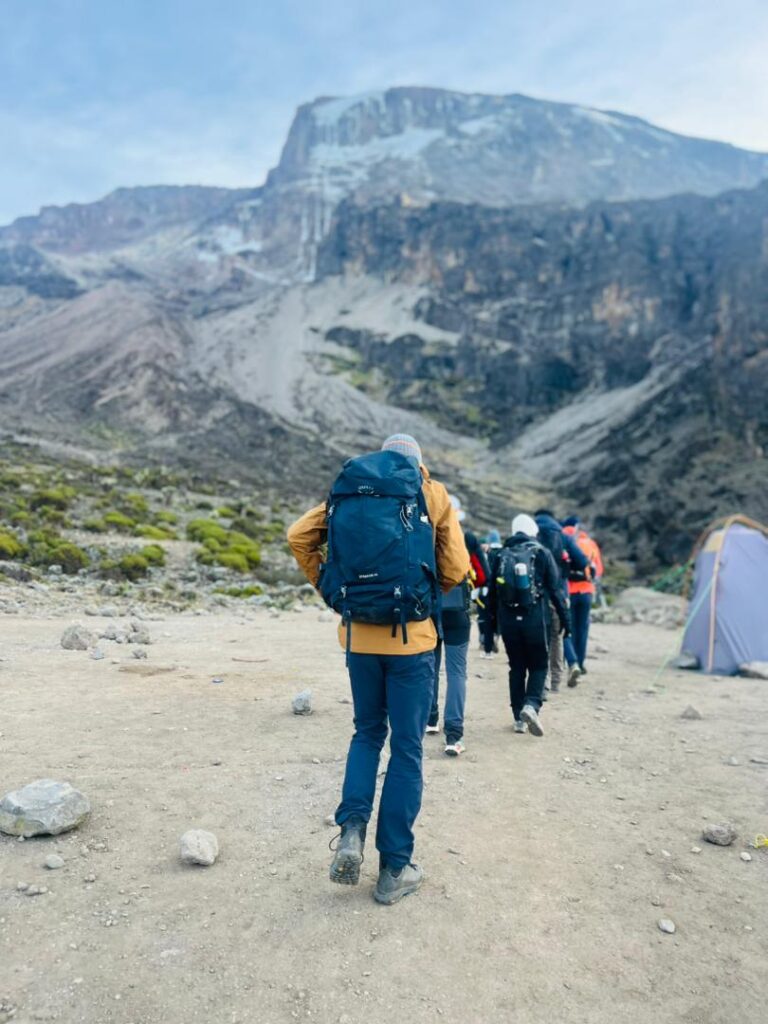
March Kilimanjaro Solo Traveller Group: Your Ultimate Guide For 2026-2027
Planning to climb Kilimanjaro solo in March? This guide connects you with group departures specifically for solo travellers, covering routes, costs, preparation, and what to expect in...
View package details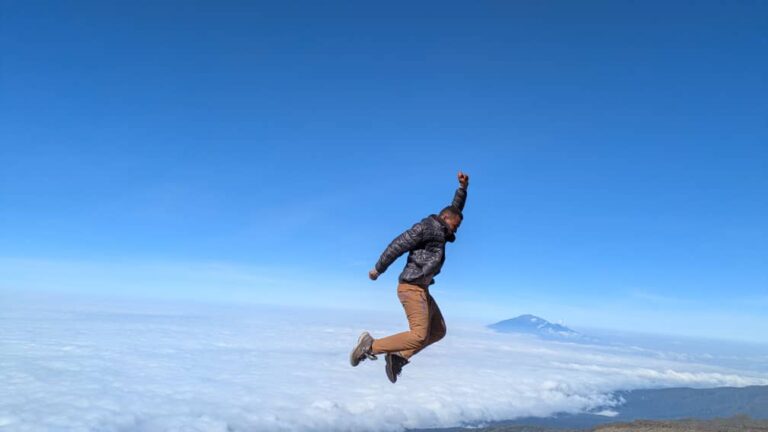
March Kilimanjaro Climb For Couples: Your Ultimate Guide 2026-2027
Planning a Kilimanjaro climb for couples in March? This guide covers everything from ideal routes and weather conditions to essential packing advice and booking considerations for your...
View package detailsDecember Kilimanjaro Last-Minute Holiday Deals For Climbs 2026-2027
Planning a Kilimanjaro climb in December 2026 or 2027? Discover last-minute holiday deals, essential tips for winter ascents, and how Top Guide Adventures can make your dream a reality.
View package details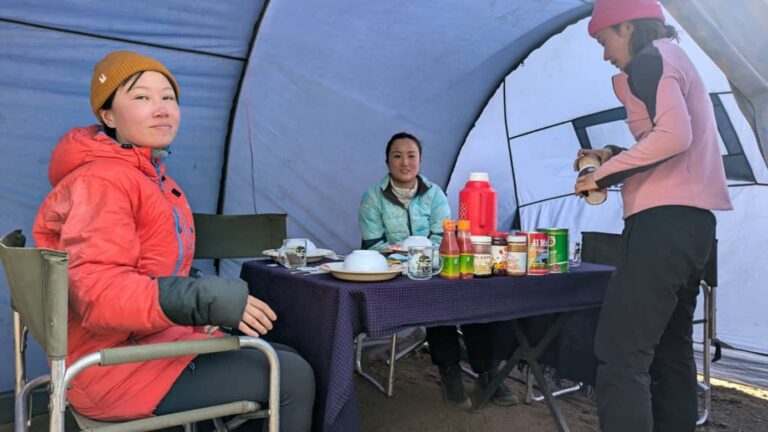
December Kilimanjaro And Zanzibar Christmas Package : Your Ultimate Holiday
Combine the thrill of climbing Mount Kilimanjaro with the relaxation of a Zanzibar Christmas. This guide details packages for December 2026 and 2027, offering adventure and festive cheer.
View package details
December Kilimanjaro And Safari Holiday: Your Ultimate Guide 2026-2027
Discover the magic of a December Kilimanjaro and Safari holiday in Tanzania. This comprehensive guide covers everything from choosing the right Kilimanjaro route and safari destinations to...
View package detailsNo related package matches those filters. Clear one or more filters to see the other topic-matched options.



