
For a Kilimanjaro climb in 2026 or 2027, March and April both offer good trekking conditions as they fall within the ‘shoulder season’ following the dry period and preceding the main rainy season. March typically sees slightly warmer temperatures and potentially more sunshine, but with a slightly increased chance of short, localized showers as the month progresses. April is generally considered the start of the main rainy season, meaning higher chances of consistent rain, cloud cover, and lower visibility, especially on the upper slopes and summit. Therefore, if you prioritize clearer views and drier trekking, March is often the marginally better choice, though both months require preparedness for variable mountain weather.


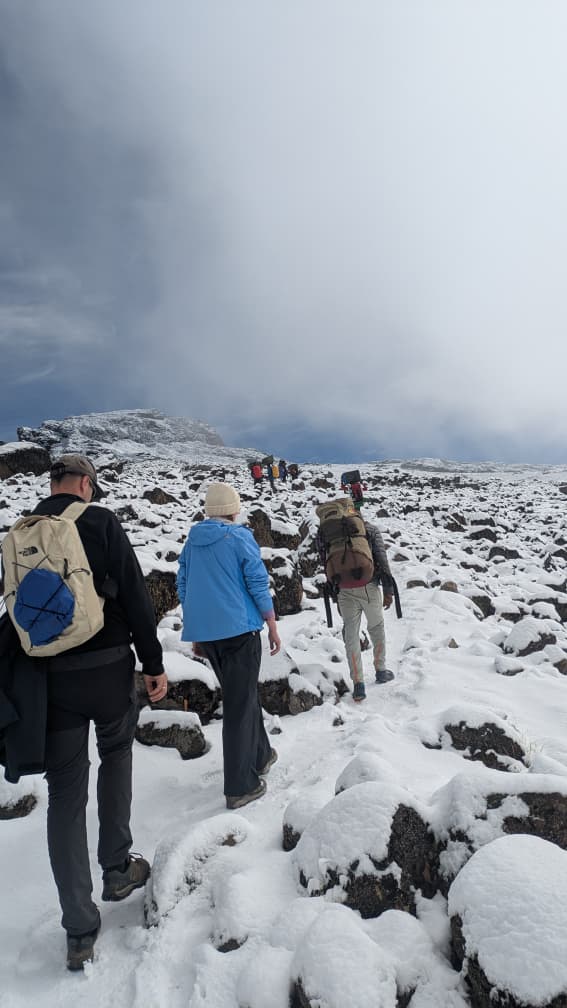
Understanding Kilimanjaro’s Climate Zones
Mount Kilimanjaro, standing at 5,895 meters (19,341 feet), is not just a mountain; it’s a world unto itself, featuring distinct climatic zones that dramatically influence the trekking experience. Understanding these zones is crucial for any climber, especially when comparing months like March and April. The mountain’s immense size and altitude create a microclimate that changes significantly as you ascend, from the lush rainforests at the base to the desolate arctic-like summit.
The Five Distinct Climate Zones
Kilimanjaro is typically divided into five distinct ecological zones, each with its own unique weather patterns:
- Cultivation Zone (1,000m – 1,800m / 3,300ft – 5,900ft): This is the fertile lower slope, characterized by farmland and forests. It experiences warm temperatures and receives substantial rainfall throughout the year, supporting agriculture. When climbing, you’ll pass through this zone relatively quickly, but it sets the tone for the humid environment at the start of your trek.
- Rainforest Zone (1,800m – 2,800m / 5,900ft – 9,200ft): As you ascend, the landscape transforms into dense, misty rainforest. This zone is humid and receives considerable rainfall, often in the form of mist and drizzle, especially during wetter months. Temperatures begin to cool, but the humidity can still make it feel warm. This zone is vital for wildlife and provides a beautiful, green start to the climb.
- Heath Zone (2,800m – 4,000m / 9,200ft – 13,100ft): Moving higher, the trees become sparser, giving way to hardy shrubs, heather, and moorland vegetation. The air becomes drier and cooler, and you’ll likely experience more dramatic weather shifts, including wind and potentially the first signs of frost at night. Cloud cover can be prevalent here.
- Alpine Desert Zone (4,000m – 5,000m / 13,100ft – 16,400ft): Above the heath zone lies a stark, desert-like landscape. Vegetation is scarce, consisting of mosses and lichens. This zone is characterized by significant temperature fluctuations – cold nights with frost and ice, and surprisingly warm, sunny days. Rainfall is minimal, but strong winds and low humidity are common. This is where altitude sickness becomes a more significant concern.
- Arctic Zone (5,000m / 16,400ft and above): The summit zone is an extreme environment with minimal oxygen, freezing temperatures, and often fierce winds. Snow and ice are permanent features, particularly around the crater rim and the very peak. Visibility can drop to zero in clouds or blizzards. This is the most challenging zone, demanding peak physical and mental endurance.
The transition between these zones is gradual, but the weather experienced on Kilimanjaro during March and April will be heavily influenced by which zones your itinerary covers during specific days. For example, a longer route spends more time in the higher, more exposed zones where weather is more critical.
Kilimanjaro Weather Patterns: The Big Picture
Kilimanjaro experiences two distinct rainy seasons and two dry seasons each year. The weather is primarily dictated by the Intertropical Convergence Zone (ITCZ), which shifts north and south of the equator, influencing rainfall patterns across East Africa. Understanding these cycles is key to choosing the best month for your climb.
- Long Rains (March – May): This is the period of heaviest rainfall. Skies are often overcast, and significant precipitation, including snow at higher altitudes, is common.
- Short Rains (November): A less intense rainy period, usually characterized by afternoon showers.
- Dry Season (June – October): This is generally considered the best time to climb, with clear skies, low humidity, and minimal rain.
- Second Dry Season / Shoulder Season (January – February): Also excellent for climbing, often with clear skies and moderate temperatures.
The months of March and April fall within the ‘Long Rains’ season, but they are at the beginning of this period. This means that while the risk of rain is higher than in the dry seasons, the conditions are often more manageable than in the heart of the rainy season (April-May). This makes them popular ‘shoulder months’ for climbers seeking slightly fewer crowds and potentially lower prices, while still experiencing reasonably good weather.
Detailed Weather Comparison: March vs. April
When directly comparing March and April for your Kilimanjaro adventure in 2026 or 2027, several factors come into play. While both months are part of the larger rainy season, there are nuances in temperature, rainfall, and visibility that can influence your decision.
March Kilimanjaro Weather
March marks the transition from the second dry season into the main rainy season. This means that the early part of March can still feel quite dry and pleasant, while the latter half will show increasing signs of the approaching heavier rains.
- Temperatures: March is generally warmer than April, especially at lower and mid-altitudes. Daytime temperatures can reach the low 20s Celsius (around 70°F) in the rainforest zone. At the summit, temperatures remain consistently below freezing, ranging from -5°C to -15°C (23°F to 5°F), but the warmer baseline at lower altitudes can make the initial days of the trek more comfortable.
- Rainfall: While March is the start of the rainy season, the rainfall is often characterized by afternoon showers rather than all-day downpours, especially in the first half of the month. As March progresses, the frequency and intensity of rain, particularly on the upper slopes and summit, tend to increase. You can expect a higher chance of precipitation compared to the dry months, but it’s unlikely to be continuous.
- Visibility: Visibility in March can be good, especially in the mornings. However, as clouds build up during the day, particularly in the rainforest and heath zones, mist and fog can reduce visibility. On the summit day, clear skies are still possible, but cloud cover is more likely than in the dry seasons.
- Crowds: March is a popular month due to its generally favorable conditions and it being a ‘shoulder season’ month. It sees more trekkers than the peak dry months but fewer than during the absolute height of the rainy season.
- Trail Conditions: Trails can become muddy and slippery, especially in the rainforest zone, due to increasing rainfall. Good waterproof gear and sturdy hiking boots are essential.
April Kilimanjaro Weather
April is widely recognized as the peak of Kilimanjaro’s ‘Long Rains’ season. This means it is statistically the wettest month on the mountain, and trekkers should be prepared for significant rainfall and cloud cover.
- Temperatures: April tends to be slightly cooler than March, particularly at the lower and mid-altitudes, due to increased cloud cover and rainfall. Summit temperatures remain similar to March, hovering between -5°C and -15°C (23°F to 5°F). The cooler daytime temperatures can make the trek feel more challenging, especially when combined with wet conditions.
- Rainfall: April typically experiences the highest amount of rainfall of the year. This often manifests as consistent rain, sometimes heavy, especially in the afternoons and evenings. Snowfall is also more likely at higher altitudes, potentially affecting the summit routes. Trekkers must be prepared for wet conditions for a significant portion of their climb.
- Visibility: Visibility in April is often reduced due to persistent cloud cover and mist, especially in the rainforest and heath zones. This can mean less scenic views during the day. Summit day visibility is also significantly impacted, with a higher chance of fog, clouds, and snow obscuring the panoramic views.
- Crowds: April is less popular than March or the dry season months due to the higher likelihood of rain. This can mean fewer trekkers on the mountain, offering a more solitary experience. However, some operators might offer slightly reduced prices during this period.
- Trail Conditions: Trails in April are almost certainly muddy, slippery, and potentially waterlogged, especially in the lower rainforest sections. Streams can swell, and crossing them might become more challenging. Excellent waterproof gear and appropriate footwear are non-negotiable.
Direct Comparison: Key Differences in March vs. April
To make an informed decision for your 2026 or 2027 Kilimanjaro climb, let’s break down the core differences between March and April:
March vs. April: The Crucial Differences
- Rainfall Intensity: April is statistically wetter than March. While March sees increasing rain, April is the peak of the heavy rainfall season.
- Temperature: March is generally a bit warmer at lower and mid-altitudes than April, making the initial days of the trek more comfortable.
- Visibility & Views: March typically offers better chances for clear views, especially in the mornings, whereas April is more prone to persistent cloud cover and fog, particularly impacting summit day vistas.
- Crowd Levels: March tends to be busier than April, as it’s the first month of the ‘shoulder season’ and offers a better balance of weather and crowds for many. April sees fewer trekkers due to its status as the heart of the rainy season.
- Trail Conditions: Trails are likely to be muddy and slippery in both months, but April’s conditions will almost certainly be more challenging due to heavier and more consistent rain.
Choosing the Right Month for Your Climb in 2026-2027
The choice between March and April for your Kilimanjaro climb in 2026 or 2027 depends heavily on your priorities and tolerance for variable weather.
Who Should Choose March?
- Prioritizing slightly better weather: If you want to maximize your chances of drier conditions and clearer views, March is the better option.
- Seeking a balance of good weather and fewer crowds: March offers a good compromise between the dry season’s popularity and the rainy season’s solitude.
- Comfort during initial days: The slightly warmer temperatures at lower altitudes can make the first few days of the trek more pleasant.
- Budget-conscious but risk-averse: While not the absolute cheapest, March can sometimes offer better value than peak season without the extreme weather risks of peak rainy months.
Who Should Choose April?
- Seeking solitude: If your primary goal is to avoid crowds and have a more personal experience on the mountain, April is an excellent choice.
- Budget-focused: Operators might offer slightly lower prices in April due to lower demand, though this is not guaranteed and depends on the operator.
- Well-prepared for rain: If you are an experienced trekker, have excellent waterproof gear, and are mentally prepared for potentially challenging wet conditions, April can still be a rewarding climb.
- Flexibility with dates: If your travel dates are fixed and fall within April, and you are prepared for the weather, there’s no reason not to go.
Impact of Route Choice on March vs. April Weather Experience
The route you choose for your Kilimanjaro climb in March or April can significantly influence your experience of the weather. Longer routes tend to ascend more gradually, allowing for better acclimatization, but they also expose you to a wider range of weather conditions for a longer duration.
- Machame Route: This popular route is known for its scenic beauty and good acclimatization profile. In March and April, you’ll experience the full spectrum of zones. The rainforest can be particularly lush but also very muddy. The higher zones will be exposed to whatever weather March and April bring.
- Lemosho Route: Similar to Machame, Lemosho is a longer, scenic route. The extra days can be beneficial for acclimatization, but they also mean more exposure to potential March/April rains and clouds. The higher camps on Lemosho can be quite exposed.
- Marangu Route: This is the only route with dormitory-style huts. While offering shelter from rain, the huts themselves can be damp. The route is also more direct, meaning less acclimatization and potentially a quicker exposure to summit conditions, which can be challenging in April’s rain and snow.
- Northern Circuit: Being the longest route, it offers the best acclimatization. This is a significant advantage in any weather, as it reduces the risk of altitude sickness. However, more days on the mountain mean more potential days of rain in March and April, especially on the exposed northern slopes.
- Rongai Route: This route approaches from the north, which is drier. While this can offer some advantage, especially in the early days, the upper reaches of Kilimanjaro are still subject to the prevailing weather patterns, so you will still encounter rain and clouds as you ascend.
Regardless of the route, summit night is the most critical part of the climb. In both March and April, expect cold temperatures and potential precipitation. April’s higher likelihood of snow and storms on summit night can make it particularly challenging. Choosing a longer route generally improves acclimatization, which is your best defense against altitude sickness regardless of the month.
Essential Gear for March and April Climbs
Proper gear is paramount for any Kilimanjaro climb, but it becomes even more critical when trekking during the transitional rainy season months of March and April. Investing in high-quality, waterproof, and warm clothing is essential.
Gear Checklist Highlights for March/April Climbs:
- Waterproof Outerwear: A high-quality waterproof and breathable jacket and trousers are non-negotiable. Ensure they have taped seams.
- Layering System: Multiple insulating layers (fleece, down jacket) are crucial for adapting to changing temperatures.
- Waterproof Hiking Boots: Well-worn-in, waterproof hiking boots are essential to keep your feet dry and prevent blisters. Consider gaiters to prevent water and mud from entering your boots.
- Warm Hat and Gloves: Wool or fleece hats and waterproof gloves are vital, especially for summit night. Consider liner gloves for dexterity.
- Sleeping Bag: A 4-season sleeping bag (rated to at least -15°C / 5°F) is recommended for the cold nights, especially at higher camps.
- Waterproof Backpack Cover: To protect your gear inside your main backpack.
- Trekking Poles: Extremely useful for stability on slippery, muddy, or rocky terrain, and for reducing strain on your knees.
- Headlamp: With extra batteries. Essential for summit night and early morning starts.
- Sun Protection: Even with clouds, the sun’s UV rays are strong at altitude. High SPF sunscreen, sunglasses, and a wide-brimmed hat are necessary.
- Hydration System: Insulated water bottles or a hydration pack with an insulated hose to prevent freezing.
Remember that your tour operator will provide tents, sleeping mats, and cooking equipment, but personal clothing and gear are your responsibility. Top Guide Adventures can provide detailed gear lists upon booking to ensure you are fully prepared for the conditions you might encounter in March or April 2026/2027.
Pros and Cons of Climbing in March and April
To summarize the decision-making process, here’s a quick rundown of the advantages and disadvantages of choosing March or April for your Kilimanjaro trek.
Climbing Kilimanjaro in March:
Pros:
- Generally warmer temperatures at lower/mid altitudes.
- Still offers a good chance of clearer mornings and better visibility than April.
- A good balance between decent weather and fewer crowds than peak season.
- The start of the ‘shoulder season’ can sometimes mean slightly better availability or deals.
Cons:
- Rainfall is increasing and can occur, especially in the afternoons/evenings.
- Latter half of March sees a noticeable increase in precipitation.
- Trails can become muddy and slippery.
Climbing Kilimanjaro in April:
Pros:
- Significantly fewer crowds, offering a more serene experience.
- Potentially lower prices from some operators due to reduced demand.
- The mountain is incredibly green and lush (though this also means mud!).
Cons:
- Highest likelihood of consistent, heavy rainfall.
- Persistent cloud cover and fog, significantly reducing visibility and views.
- Trails will be very muddy, slippery, and potentially waterlogged.
- Summit night can be extremely challenging due to wet, cold, and potentially snowy conditions.
- Higher risk of route closures or delays due to extreme weather.
Planning Your 2026-2027 Kilimanjaro Climb with Top Guide Adventures
When planning your Kilimanjaro expedition for 2026 or 2027, choosing the right month is just one piece of the puzzle. Selecting a reputable tour operator is equally important. Top Guide Adventures is committed to providing safe, memorable, and well-organized climbs, regardless of the season.
Our expert guides and support teams are experienced in navigating Kilimanjaro’s challenging conditions year-round. We understand the nuances of weather patterns in March and April and can advise you on the best routes and preparations based on your specific preferences and travel dates.
Why Choose Top Guide Adventures for Your March or April Climb?
- Experienced Local Guides: Our guides are certified, highly experienced, and possess intimate knowledge of Kilimanjaro’s routes and weather.
- Safety First Approach: We prioritize your safety with well-trained crew, comprehensive emergency protocols, and a commitment to proper acclimatization.
- Quality Equipment: We use high-quality tents and equipment to ensure your comfort and safety, even in challenging weather.
- Personalized Service: We offer tailored itineraries and dedicated support throughout your journey, from initial inquiry to post-climb celebration.
- Transparent Pricing: We provide clear and honest pricing, with no hidden costs, so you know exactly what to expect for your 2026-2027 adventure.
Whether you’re leaning towards the slightly more favorable conditions of March or embracing the solitude of April, Top Guide Adventures is here to help you achieve your Kilimanjaro dream. We can discuss specific itinerary options, group departures for 2026 and 2027, and provide detailed quotes.
For personalized advice on planning your Kilimanjaro climb in March or April, or to inquire about our 2026 and 2027 group departure dates, please don’t hesitate to reach out. We are dedicated to ensuring your climb is a success and a truly unforgettable experience. You can contact us directly via WhatsApp at +255616946642, email us at topguideadventures@gmail.com or info@topguideadventures.com. Visit our website Top Guide Adventures for more information on our services and Tanzania tours.
Climbing Kilimanjaro is a significant undertaking. By carefully considering the weather differences between March and April, understanding the impact of route choice, and preparing with the right gear, you can significantly enhance your chances of a successful and enjoyable ascent. Let Top Guide Adventures be your trusted partner in this incredible journey.
Check Availability for March Vs April Kilimanjaro Weather Comparison For Climbs 2026-2027
Ready to compare dates, prices, and the best option for your group? Send the package name and travel month so the team can reply with a clear quote, availability, and what is included.
September Vs October Kilimanjaro Weather Comparison 2026-2027
September vs October Kilimanjaro Weather Comparison is explained with current 2026-2027 planning, price, itinerary and booking information.
View package details
April Vs May Kilimanjaro Rain And Trail Conditions: Your Expert Guide
Deciding between April and May for your Kilimanjaro climb? This in-depth guide compares the rain, trail conditions, crowds, and overall experience for both months in 2026-2027 to help you...
View package details
February Vs March Kilimanjaro Climbing Conditions 2026-2027
February vs March Kilimanjaro Climbing Conditions is explained with current 2026-2027 planning, price, itinerary and booking information.
View package details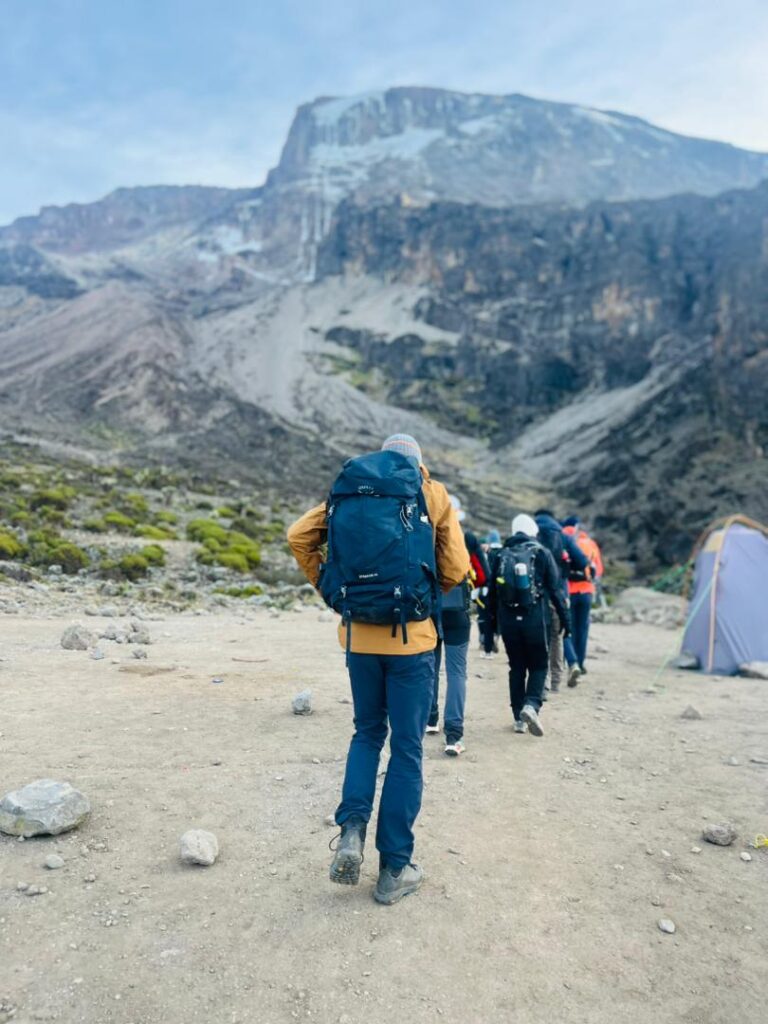
March Kilimanjaro Solo Traveller Group: Your Ultimate Guide For 2026-2027
Planning to climb Kilimanjaro solo in March? This guide connects you with group departures specifically for solo travellers, covering routes, costs, preparation, and what to expect in...
View package details7-Day Rongai Route Kilimanjaro Climb In April: Your Expert Guide For 2026-2027
The 7-Day Rongai Route offers a unique and often drier approach to climbing Kilimanjaro, especially beneficial in April. This guide provides an in-depth look at the itinerary, essential...
View package details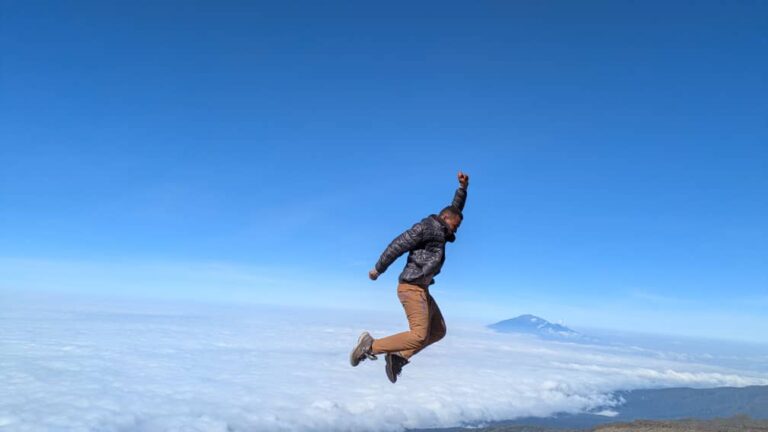
March Kilimanjaro Climb For Couples: Your Ultimate Guide 2026-2027
Planning a Kilimanjaro climb for couples in March? This guide covers everything from ideal routes and weather conditions to essential packing advice and booking considerations for your...
View package details
November Kilimanjaro Summit Night Weather: What To Expect And How To Prepare
Climbing Kilimanjaro in November? This guide details the summit night weather, including temperature ranges, wind chill, precipitation chances, and crucial preparation tips for a successful...
View package details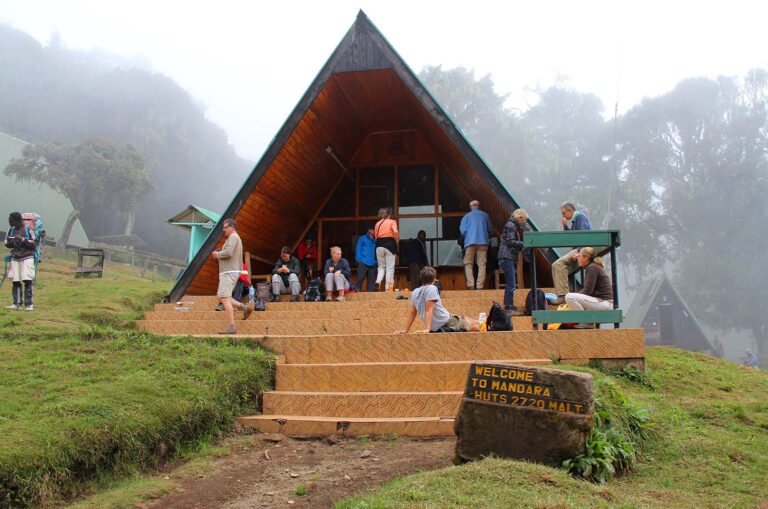
December Vs January Kilimanjaro Holiday Climb 2026-2027
December vs January Kilimanjaro Holiday Climb is explained with current 2026-2027 planning, price, itinerary and booking information.
View package details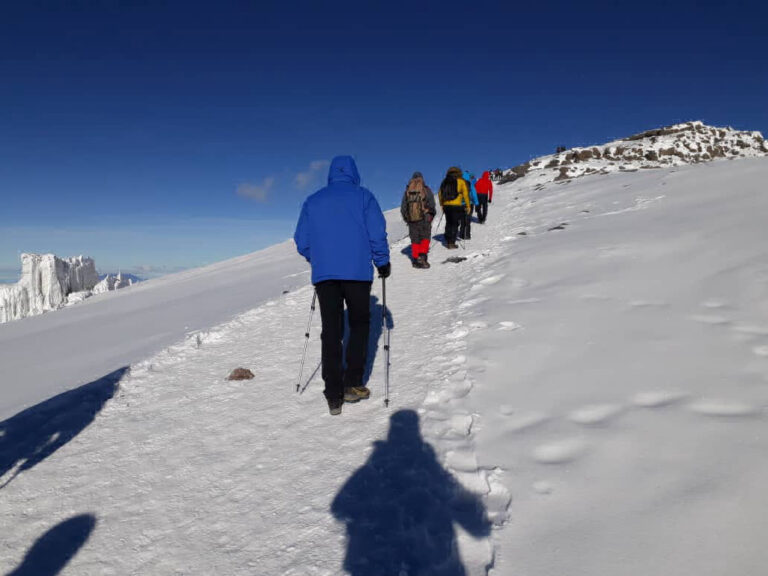
November Vs December Kilimanjaro Climbing Conditions Guide
Choosing between November and December for your Kilimanjaro climb? This guide details the distinct conditions, weather patterns, crowd levels, and cost considerations for each month...
View package detailsOctober Vs November Kilimanjaro Rainfall Guide 2026-2027
October vs November Kilimanjaro Rainfall Guide is explained with current 2026-2027 planning, price, itinerary and booking information.
View package details
July Vs August Kilimanjaro Climbing: The Ultimate Comparison For 2026-2027
Choosing between July and August for your Kilimanjaro climb? This in-depth comparison details weather patterns, crowd levels, route popularity, and essential planning tips for 2026-2027 to...
View package details
June Vs July Kilimanjaro Weather And Crowds 2026-2027
June vs July Kilimanjaro Weather and Crowds is explained with current 2026-2027 planning, price, itinerary and booking information.
View package detailsNo related package matches those filters. Clear one or more filters to see the other topic-matched options.



