
For climbing Kilimanjaro during the April rains, the Lemosho Route and the Northern Circuit are generally considered the best options due to their longer acclimatization profiles and varied terrain, which can offer better shelter and potentially clearer views on certain days. While April is a significant part of Kilimanjaro’s long rainy season, these routes provide a higher success rate for trekkers in 2026 and 2027 by allowing more time for the body to adjust to the altitude, a critical factor when facing challenging weather conditions.

Understanding Kilimanjaro’s April Weather for Your 2026-2027 Climb
April falls squarely within Kilimanjaro’s major rainy season, which typically spans from late March through May. This period is characterized by heavy rainfall, particularly at lower and mid-altitudes, cloud cover, and potentially strong winds at higher elevations. Snow is also common at the summit, even in wetter months. However, this doesn’t mean a climb is impossible or undesirable. For many, climbing during the shoulder seasons or even the main rainy season offers fewer crowds and a unique, dramatic landscape. The key to a successful Kilimanjaro route during the April rains lies in choosing the right path, being adequately prepared, and maintaining a positive mindset.
The rainfall in April can be substantial, often manifesting as heavy downpours in the afternoons and evenings, with mornings sometimes offering clearer conditions. Visibility can be significantly reduced due to clouds and mist, impacting the stunning panoramic views Kilimanjaro is famous for. Temperatures will be cooler than during the dry seasons, especially at night and on the summit. Despite these challenges, many trekkers choose this time for its solitude and the raw beauty of a rain-soaked mountain. Understanding these conditions is the first step in selecting the best Kilimanjaro route for April.
Why Route Choice is Crucial for April Treks
Kilimanjaro boasts several established trekking routes, each with its own characteristics regarding length, acclimatization profile, scenery, and difficulty. When planning for the April rains, these factors become even more critical. A longer route with a gradual ascent profile offers better acclimatization, which is vital for any Kilimanjaro climb but especially important when dealing with the added physical stress of adverse weather. Shorter, steeper routes can increase the risk of altitude sickness, a danger amplified by cold, wet conditions.
Furthermore, some routes offer more varied terrain that can provide natural shelter. For instance, routes that traverse different ecological zones might allow trekkers to find temporary respite from heavy rain in forested areas. The availability of campsites and the overall camping experience can also differ. Choosing a route with well-established, protected campsites can make a significant difference in comfort and safety during the wet season. For trekkers aiming for Kilimanjaro in 2026 or 2027, understanding these nuances will significantly influence their choice of the best Kilimanjaro route during the April rains.
Top Route Recommendations for April Kilimanjaro Climbs
Based on acclimatization, scenery, and potential for better weather windows, two routes stand out as the most suitable for climbing Kilimanjaro in April:
1. Lemosho Route: The All-Rounder for Challenging Conditions
The Lemosho Route is a popular choice for its scenic beauty and excellent acclimatization profile. It’s one of the longer routes, typically taking 7 to 8 days to complete. This extended duration is a significant advantage during the rainy season.
Lemosho Route: Key Features for April Treks
- Duration: 7-8 days (8 days recommended for April).
- Acclimatization: Excellent. The gradual ascent allows the body to adapt to altitude effectively.
- Scenery: Highly varied, starting in lush rainforests and progressing through moorland, alpine desert, and arctic zones. The western approach offers stunning views.
- Crowds: Less crowded than Marangu or Machame, especially in the initial days.
- Success Rate: Generally high, further boosted by the longer itinerary for better acclimatization.
The Lemosho Route begins in the west and crosses the Shira Plateau. Its extended itinerary means trekkers spend more days on the mountain, which is crucial for acclimatization, especially when facing the damp, cool conditions of April. The route’s path often provides opportunities to find shelter within the dense rainforest in the lower sections. While the higher alpine desert and arctic zones offer less natural cover, the improved acclimatization significantly aids in managing the physical demands. For those seeking the best Kilimanjaro route during the April rains, Lemosho offers a compelling combination of beauty and a solid chance of success.
2. Northern Circuit: The Longest and Safest Bet
The Northern Circuit is the longest route on Kilimanjaro, typically spanning 9 to 10 days. Its extended duration and unique circumnavigation of the mountain’s northern and western slopes make it the route with the highest acclimatization profile and, consequently, the highest success rate.
Northern Circuit: Why It Excels in April
- Duration: 9-10 days (highly recommended for April).
- Acclimatization: Superior. The sheer length of the trek provides the best possible acclimatization, significantly reducing the risk of altitude sickness.
- Scenery: Unparalleled. It offers a 360-degree view of Kilimanjaro and the surrounding landscape, including remote, untouched areas.
- Crowds: The least crowded route, offering a truly wild and serene trekking experience.
- Success Rate: The highest on the mountain, making it an excellent choice for challenging conditions like April.
The Northern Circuit’s main advantage during the April rains is its unparalleled acclimatization. By spending more days on the mountain, trekkers’ bodies have more time to adjust to the thinning air. This is critical when dealing with the added physical exertion and potential discomfort caused by wet and cold weather. The route also offers diverse landscapes, and its circumnavigation means trekkers experience different microclimates. While no route can guarantee sunshine in April, the Northern Circuit’s design maximizes the chances of a safe and successful summit bid, making it arguably the best Kilimanjaro route during the April rains for those prioritizing success and a more comfortable journey.
Other Routes and Their April Suitability
While Lemosho and the Northern Circuit are top recommendations, other routes can be considered, though with more caveats:
Machame Route (The “Whiskey” Route)
Machame is a popular 6-7 day route known for its scenic beauty and good acclimatization profile, especially when extended to 7 days. It’s often compared to Lemosho but is typically busier. While feasible in April, its 7-day variation is essential for adequate acclimatization. The route can be quite steep in sections, and the heavy rains can make the paths muddy and slippery.
Marangu Route (The “Coca-Cola” Route)
Marangu is the oldest and arguably the most famous route. It’s known for its hut accommodations, which can be a significant advantage during the rainy season, offering shelter from the elements that camping cannot. However, it is the shortest route (5-6 days) and has the poorest acclimatization profile, leading to lower success rates, particularly in challenging weather like April. While the huts offer comfort, the rapid ascent makes it less ideal for the April rains if success is the primary goal.
Rongai Route
Rongai approaches Kilimanjaro from the north, in Kenya. It’s generally drier than the southern routes, as it lies in the rain shadow of Mount Meru. This can be an advantage in April. However, it is a longer route (6-7 days) and can be less scenic than Lemosho or Machame, especially in its initial stages. While drier, it doesn’t offer the same level of acclimatization as the 8-day Lemosho or the 9-day Northern Circuit, which are preferred for April.
Umbwe Route
Umbwe is the shortest, steepest, and most challenging route. It has a poor acclimatization profile and is generally not recommended for inexperienced climbers, let alone during the rainy season. Its direct and rapid ascent makes it very difficult to acclimatize properly, and the risks are significantly heightened in April’s weather conditions.
Comparing Routes for the April Rains: A Deeper Dive for 2026-2027 Climbers
When selecting the best Kilimanjaro route during the April rains, a detailed comparison of the most viable options is essential. For 2026 and 2027 expeditions, prioritizing acclimatization and potential comfort during adverse weather is paramount.
| Route | Typical Duration (Days) | April Suitability Score (1-5) | Acclimatization Profile | Scenery | Crowds | Pros for April | Cons for April |
| Northern Circuit | 9-10 | 5/5 | Excellent | 360° panoramic, remote | Very Low | Highest success rate, superior acclimatization, solitude | Longest, highest cost |
| Lemosho | 7-8 | 4.5/5 | Very Good | Diverse, rainforest to alpine desert | Low to Moderate | Good acclimatization, scenic, reasonable duration | Can be busy on shared sections, weather still a factor |
| Machame (7-day) | 7 | 3.5/5 | Good | Diverse, dramatic | High | Scenic, good acclimatization if 7 days | Steep sections can be slippery, very crowded, lower success than Lemosho/NC |
| Rongai (7-day) | 7 | 3/5 | Moderate | Less varied initially, drier | Low | Potentially drier side, fewer crowds | Less scenic start, moderate acclimatization, northern approach |
| Marangu (6-day) | 5-6 | 2/5 | Poor | Forest and moorland | Highest | Hut accommodation offers shelter | Lowest success rate, rapid ascent, very crowded |
| Umbwe | 5-6 | 1/5 | Very Poor | Steep, direct | Very Low | Fewest crowds | Extremely high risk of altitude sickness, not recommended for April |
For trekkers planning their expedition for April 2026 or April 2027, the Northern Circuit and Lemosho routes stand out. The Northern Circuit’s 9-10 days offer the best chance of acclimatization, crucial for mitigating the effects of heavy rain and cold. Lemosho, at 7-8 days, provides a strong balance of acclimatization, scenery, and a manageable itinerary. Machame, when extended to 7 days, is a viable, albeit busier, alternative. Rongai’s drier side might appeal, but its acclimatization is less robust. Marangu and Umbwe are generally not advised for April climbs due to their poor acclimatization profiles, which are exacerbated by challenging weather.
Preparing for Kilimanjaro’s April Rains: Gear and Packing Essentials
Success on Kilimanjaro in April hinges significantly on proper preparation and gear. The weather can change rapidly, and being equipped for rain, cold, and wind is non-negotiable. Investing in high-quality waterproof and insulating gear is essential.
Clothing Layers: The Key to Comfort
Layering is fundamental for managing temperature fluctuations and moisture. Aim for a system that allows you to add or remove layers easily.
- Base Layers: Moisture-wicking thermal tops and bottoms (merino wool or synthetic). Avoid cotton.
- Mid Layers: Fleece jackets or insulated vests for warmth.
- Outer Layer: Waterproof and windproof jacket and trousers (Gore-Tex or similar). This is critical for April.
Footwear: Dry and Comfortable Feet
Your feet are vital. Wet boots can lead to blisters and frostbite.
- Waterproof Hiking Boots: Broken-in, sturdy, waterproof boots with good ankle support.
- Socks: Several pairs of wool or synthetic hiking socks. Bring liner socks to prevent blisters.
- Gaiters: Essential for keeping mud and water out of your boots.
Headwear and Handwear: Protecting Extremities
These areas lose heat quickly.
- Warm Hat: Wool or fleece, covering the ears.
- Gloves: Waterproof outer gloves and warm liner gloves. Consider mittens for summit night.
- Balaclava or Buff: For face protection against wind and cold.
Other Essential Gear for April
- Backpack: A comfortable daypack (30-40 liters) for essentials.
- Duffel Bag: A large, waterproof duffel bag (80-100 liters) for your main gear, carried by porters.
- Sleeping Bag: A 4-season sleeping bag rated to at least -10°C (0°F).
- Headlamp: With extra batteries.
- Sun Protection: Sunscreen, sunglasses, and lip balm, even with cloud cover.
- Water Bottles/Hydration System: Insulated bottles are recommended to prevent freezing. Carry at least 3 liters.
- Trekking Poles: Highly recommended for stability on slippery trails and reducing knee strain.
- Waterproof Bag Covers: For your backpack and duffel bag.
- Personal First-Aid Kit: Including blister treatment and any personal medications.
- Toiletries: Biodegradable soap, toothbrush, toothpaste, wet wipes.
Top Guide Adventures can provide a detailed packing list tailored to your specific climb and the season. Proper gear ensures you are comfortable and safe, allowing you to focus on the climb itself. For your Kilimanjaro route during the April rains in 2026 or 2027, do not compromise on waterproofs and warm layers.
Important Note on April Weather Variability
While April is a wet month, weather patterns can vary. Some days might be surprisingly clear and pleasant, while others can be relentlessly wet and cold. Flexibility and a positive attitude are as important as your gear. The key is to be prepared for the worst-case scenario.
Acclimatization Strategies for April Climbers
Altitude sickness (Acute Mountain Sickness – AMS) is the primary reason people fail to summit Kilimanjaro. Effective acclimatization is crucial for any climb, but especially during the April rains when the added physical stress of cold and wet conditions can make trekkers more susceptible.
1. Choose a Longer Route
As discussed, routes like the Northern Circuit (9-10 days) and Lemosho (7-8 days) are ideal because they offer more days to ascend gradually. This allows your body to produce more red blood cells to carry oxygen, adapting to the lower atmospheric pressure at higher altitudes.
2. Ascend Slowly, Sleep Low
The principle of ‘climb high, sleep low’ is vital. While Kilimanjaro’s campsites are fixed, guides strategically plan daily ascents to gain altitude and then descend slightly or stay at a similar elevation to sleep. This process helps your body adapt without the constant stress of sleeping at extreme altitudes.
3. Hydration is Key
Drink plenty of water – at least 3-4 liters per day. Dehydration can mimic symptoms of AMS and makes acclimatization harder. Avoid alcohol and caffeine, as they can contribute to dehydration.
4. Pace Yourself
Walk ‘pole pole’ (slowly, slowly). This is the most important piece of advice for any Kilimanjaro trekker. A slow, steady pace conserves energy and allows your body to acclimatize more effectively. Rushing will increase your heart rate and breathing, hindering acclimatization.
5. Monitor Symptoms
Be aware of AMS symptoms: headache, nausea, dizziness, fatigue, and loss of appetite. Communicate any symptoms to your guide immediately. They are trained to assess the situation and make decisions regarding medication or descent.
6. Consider Diamox (Acetazolamide)
Consult your doctor about taking Diamox. This prescription medication can help speed up acclimatization. It is not a substitute for proper acclimatization techniques but can be a useful aid for some trekkers. Ensure you discuss its use and potential side effects with your physician well before your April 2026 or April 2027 climb.
Acclimatization Checklist for April Treks
- Route Selection: Prioritize 7+ day routes (Northern Circuit, Lemosho).
- Hydration: Aim for 3-4 liters daily.
- Pacing: Walk ‘pole pole’ consistently.
- Monitoring: Report any symptoms to your guide promptly.
- Rest: Ensure adequate sleep, though it may be challenging at altitude.
- Nutrition: Eat well, even if appetite is reduced.
- Avoid: Alcohol, caffeine, overexertion.
- Medical Consultation: Discuss Diamox with your doctor.
The Summit Night Experience in April
Summit night is the most challenging part of any Kilimanjaro climb. It typically begins around midnight from the last camp (e.g., Kibo Hut or Barafu Camp) and involves ascending steeply in the dark, cold, and often windy conditions towards Uhuru Peak. In April, this experience is amplified by the rain and cold.
Challenges of April Summit Night
- Extreme Cold: Temperatures can drop to -10°C to -20°C (-4°F to -4°F) or lower, especially with wind chill.
- Heavy Rainfall/Snow: Expect rain, sleet, or snow, making the terrain slippery and visibility poor.
- Strong Winds: High winds can make it difficult to stand and increase the feeling of cold.
- Reduced Visibility: Clouds and mist can obscure the path and the stunning sunrise views.
- Physical Exertion: The combination of altitude, steepness, cold, and wet conditions is physically demanding.
Strategies for a Successful Summit Night
- Layer Up: Wear your warmest clothing, including your waterproof outer shell.
- Protect Extremities: Ensure your gloves, hat, and balaclava are effective.
- Stay Hydrated and Fueled: Sip water and eat energy snacks frequently.
- Move Slowly and Steadily: ‘Pole pole’ is even more critical on summit night.
- Trust Your Guide: Your guide will monitor your condition and the weather, making critical decisions.
- Mental Fortitude: Summit night is a mental battle as much as a physical one. Stay positive and focused.
Choosing a longer route like the Northern Circuit or Lemosho for your Kilimanjaro route during the April rains significantly improves your chances of having the physical reserves and acclimatization needed to tackle summit night successfully in 2026 or 2027.
The Role of Your Tour Operator in April
Selecting a reputable and experienced tour operator is perhaps the most critical decision when planning a Kilimanjaro climb, especially during the rainy season. For climbs in April 2026 or April 2027, an operator like Top Guide Adventures brings invaluable expertise.
Why Experience Matters in April
- Safety Protocols: Experienced operators have robust safety procedures, including oxygen supplies, comprehensive first-aid kits, and evacuation plans.
- Guide Training: Their guides are highly trained in high-altitude trekking, first aid, AMS recognition, and emergency response. They are also skilled in route selection and weather assessment.
- Logistics: They manage all logistics, including park fees, permits, food, equipment, and porter coordination, ensuring a smooth operation even in challenging conditions.
- Equipment Quality: Reputable companies provide high-quality, well-maintained camping gear, including tents that can withstand heavy rain and wind.
- Route Knowledge: They understand the nuances of each route and can advise on the best option for the specific season and individual climber’s needs.
Top Guide Adventures has extensive experience guiding clients up Kilimanjaro, including during the shoulder and rainy seasons. Their commitment to client safety and success means they prioritize longer routes with better acclimatization profiles for April expeditions. They understand the specific challenges posed by the April rains and equip their teams and clients accordingly. Choosing a company that prioritizes your well-being and success is paramount when tackling the best Kilimanjaro route during the April rains.
Planning Your April Kilimanjaro Climb with Top Guide Adventures
Ready to take on Kilimanjaro in April 2026 or 2027? Top Guide Adventures offers expertly guided climbs, prioritizing your safety and success. We specialize in longer, acclimatization-focused routes like the Lemosho and Northern Circuit, which are ideal for the rainy season. Our experienced guides, quality equipment, and comprehensive support ensure a memorable and achievable adventure.
Contact us today to discuss your expedition:
- WhatsApp: +255616946642
- Email: topguideadventures@gmail.com
- Backup Email: info@topguideadventures.com
Let us help you plan the best Kilimanjaro route during the April rains for an unforgettable experience.
What to Expect: The Kilimanjaro Landscape in April
While often perceived negatively, the rainy season transforms Kilimanjaro’s landscape into something uniquely beautiful. Understanding this can help set expectations for your Kilimanjaro route during the April rains.
- Lush Rainforest: The lower montane forest zone becomes incredibly vibrant and green. Abundant rainfall supports rich vegetation, making the initial days of the trek lush and alive. Expect mist and humidity here.
- Dramatic Skies: Clouds often shroud the upper reaches of the mountain, creating dramatic, moody vistas. Sunrises and sunsets, when visible through breaks in the clouds, can be spectacular.
- Waterfalls and Streams: The increased rainfall feeds numerous streams and small waterfalls that are often dry during the dry seasons.
- Reduced Dust: Unlike the dry seasons, the trails are less dusty, though they can become very muddy.
- Fewer Crowds: The most significant advantage is the solitude. You’ll likely encounter fewer trekkers on the mountain, offering a more personal and serene experience.
The challenge lies in the reduced visibility and the physical demands of trekking through wet, potentially slippery conditions. However, the sheer beauty of a rain-fed mountain and the tranquility of having the trails largely to yourself can be incredibly rewarding. For those who choose the best Kilimanjaro route during the April rains, the experience can be profound and memorable.
Is Climbing Kilimanjaro in April Worth It?
Absolutely, for the right type of trekker. If you are seeking fewer crowds, a more dramatic and wild mountain experience, and are well-prepared for challenging weather, then climbing Kilimanjaro in April can be incredibly rewarding.
Who Should Consider April?
- Experienced Trekkers: Those who have previously trekked in adverse weather conditions and understand the demands.
- Budget-Conscious Travelers: Sometimes, off-season or shoulder-season travel can offer slightly lower prices, though Kilimanjaro pricing is less seasonal than other destinations.
- Those Seeking Solitude: If avoiding crowds is a priority, April is an excellent choice.
- Photographers: The moody atmosphere, dramatic clouds, and lush landscapes offer unique photographic opportunities.
Who Might Prefer a Different Time?
- First-Time Trekkers: If you are new to trekking and prefer guaranteed good weather and clear views, consider the drier months (January-February or June-October).
- Those Prioritizing Summit Views: While possible, clear summit views are less frequent in April.
- Climbers Unprepared for Cold/Wet: If the thought of rain and cold is unappealing, opt for a drier season.
Ultimately, the decision depends on your priorities, experience, and willingness to prepare for the conditions. For those ready for the challenge, the best Kilimanjaro route during the April rains, combined with expert guidance from operators like Top Guide Adventures, can lead to a successful and deeply satisfying climb in 2026 or 2027.
Frequently Asked Questions about April Kilimanjaro Climbs
Q1: Is April a bad month to climb Kilimanjaro?
April is one of Kilimanjaro’s wettest months, with heavy rainfall common. However, it’s not necessarily a ‘bad’ month. It offers fewer crowds and a dramatically lush landscape. Success is achievable with the right route (like Lemosho or Northern Circuit), proper preparation, and an experienced guide.
Q2: Which Kilimanjaro route is best for April?
The Northern Circuit (9-10 days) and the Lemosho Route (7-8 days) are the best choices for April. Their longer durations provide superior acclimatization, significantly increasing the chances of success during the rainy season.
Q3: What kind of weather can I expect on Kilimanjaro in April?
Expect significant rainfall, especially at lower and mid-altitudes. Temperatures will be cool to cold, with potential for snow at the summit. Cloud cover is common, reducing visibility. Mornings can sometimes be clearer than afternoons.
Q4: Do I need waterproof gear for an April climb?
Yes, high-quality waterproof and windproof outer layers (jacket and trousers) are absolutely essential for an April climb. Good waterproof boots and gaiters are also critical to keep your feet dry and comfortable.
Q5: Will I see the sunrise from the summit in April?
Summit sunrises in April can be spectacular but are less predictable due to cloud cover. While possible, clear views are not guaranteed. The focus should be on reaching the summit safely, regardless of the view.
Q6: Are Kilimanjaro climbs still possible in the April rains?
Yes, climbs are definitely possible and regularly undertaken in April. Choosing the right route, being well-prepared with appropriate gear, and trekking with a reputable operator like Top Guide Adventures are key to a successful April climb.
Q7: How does April compare to May for climbing Kilimanjaro?
Both April and May are part of the main rainy season. April often sees heavier rainfall, while May can be slightly drier towards the end of the month, marking a transition into the short dry season. Both months require similar preparation for rain and cold.
Q8: What is the success rate for Kilimanjaro in April?
Success rates vary greatly depending on the route chosen and the operator. For routes like the Northern Circuit (9 days) or Lemosho (8 days) with experienced operators, success rates can be high, often exceeding 80-90%. Shorter routes have significantly lower success rates in April.
Q9: Should I book my April 2026 or April 2027 climb now?
Yes, it is advisable to book your April 2026 or April 2027 Kilimanjaro climb well in advance, especially if you want to secure specific dates or preferred operators. This also allows ample time for training and gear acquisition.
Final Thoughts on Your April Kilimanjaro Adventure
Climbing Kilimanjaro in April presents a unique set of challenges and rewards. While the rains demand extra preparation and a resilient spirit, the opportunity to experience the mountain with fewer crowds and a dramatically vibrant landscape is compelling. By selecting the best Kilimanjaro route during the April rains – favoring longer, acclimatization-focused options like the Northern Circuit or Lemosho – and partnering with an experienced operator like Top Guide Adventures, you significantly enhance your chances of a safe and successful summit. Remember to pack appropriately, listen to your body, and trust your guides. Your April 2026 or April 2027 Kilimanjaro adventure awaits, promising an unforgettable journey.
For personalized advice and to book your expedition, reach out to Top Guide Adventures:
- WhatsApp: +255616946642
- Email: topguideadventures@gmail.com
- Backup Email: info@topguideadventures.com
Check Availability for Best Kilimanjaro Route During The April Rains: Your Guide 2026-2027
Ready to compare dates, prices, and the best option for your group? Send the package name and travel month so the team can reply with a clear quote, availability, and what is included.
Best Kilimanjaro Route In November : Your Expert Guide 2026-2027
Planning a Kilimanjaro climb in November? This guide details the best routes, considering the transition from the short rainy season, offering insights into weather patterns, crowd levels...
View package details
6-Day Marangu Route Kilimanjaro Climb In December 2026-2027
Discover everything you need to know for a 6-day Marangu Route Kilimanjaro climb during December 2026-2027. This guide covers weather expectations, essential gear, itinerary details...
View package details8-Day Lemosho Route Kilimanjaro Climb In December | Top Guide Adventures
Discover the magic of an 8-day Lemosho Route Kilimanjaro climb in December. This guide details what to expect regarding weather, acclimatization, and preparation for your 2026-2027...
View package details
Your 7-Day Machame Route Kilimanjaro Climb In December : Expert Guide
A comprehensive guide to undertaking a 7-day Machame Route Kilimanjaro climb during December. Learn about the conditions, best practices, and what to expect for your 2026-2027 adventure.
View package details
Best Kilimanjaro Route For December : Your Ultimate Climbing Guide 2026-2027
Choosing the best Kilimanjaro route for a December climb requires understanding the unique weather patterns and operational considerations of this popular month. While December marks the...
View package details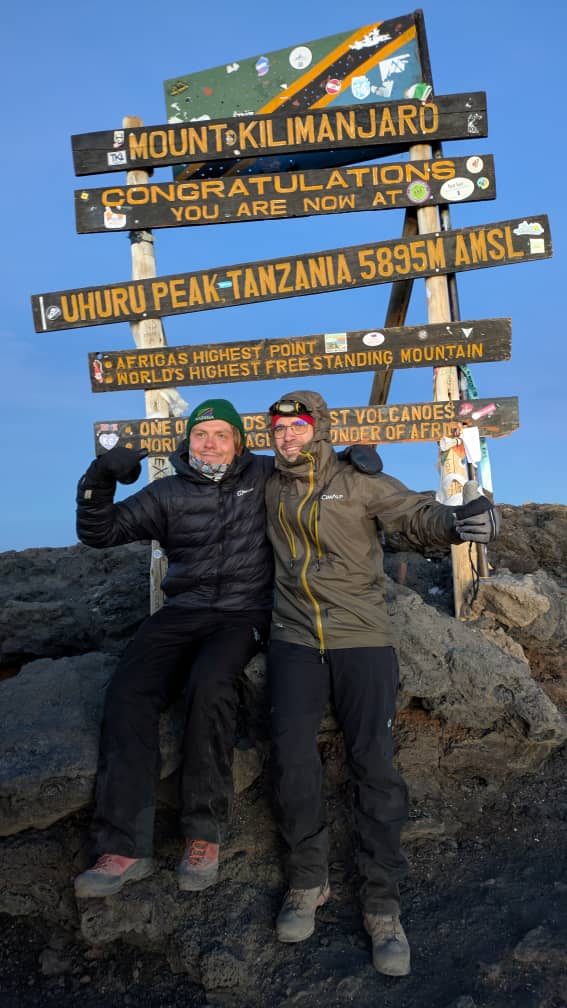
7-Day Machame Route Kilimanjaro Climb In November 2026-2027
start a 7-day Machame Route Kilimanjaro climb in November. This guide details the itinerary, weather, what to pack, costs, and why November is a great month for this challenging yet...
View package details8-Day Lemosho Route Kilimanjaro Climb In November | Top Guide Adventures
The 8-day Lemosho Route offers a high success rate and stunning scenery for your Kilimanjaro climb in November. This guide covers everything from weather to packing for your 2026-2027...
View package details
7-Day Rongai Route Kilimanjaro Climb In November 2026-2027
A detailed 2026-2027 guide to 7-Day Rongai Route Kilimanjaro Climb in November, with clear planning and booking information for travelers.
View package details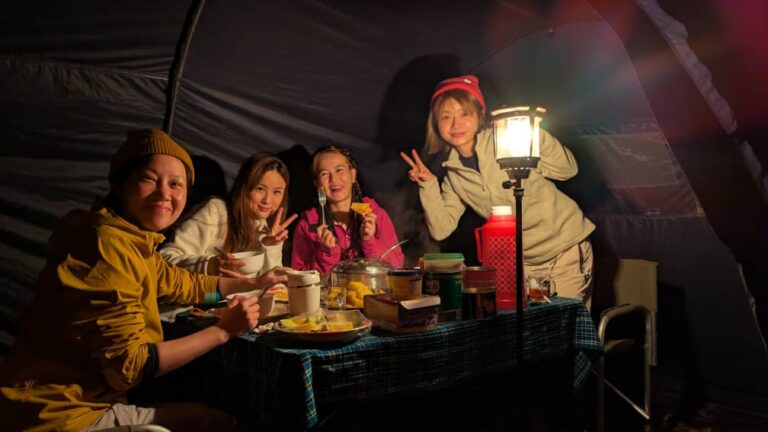
Kilimanjaro Climbing In November : Rain And Route Guide 2026-2027
Discover the nuances of climbing Mount Kilimanjaro in November 2027. This guide details the expected weather, optimal routes to navigate the rainy season, and essential preparation tips to...
View package details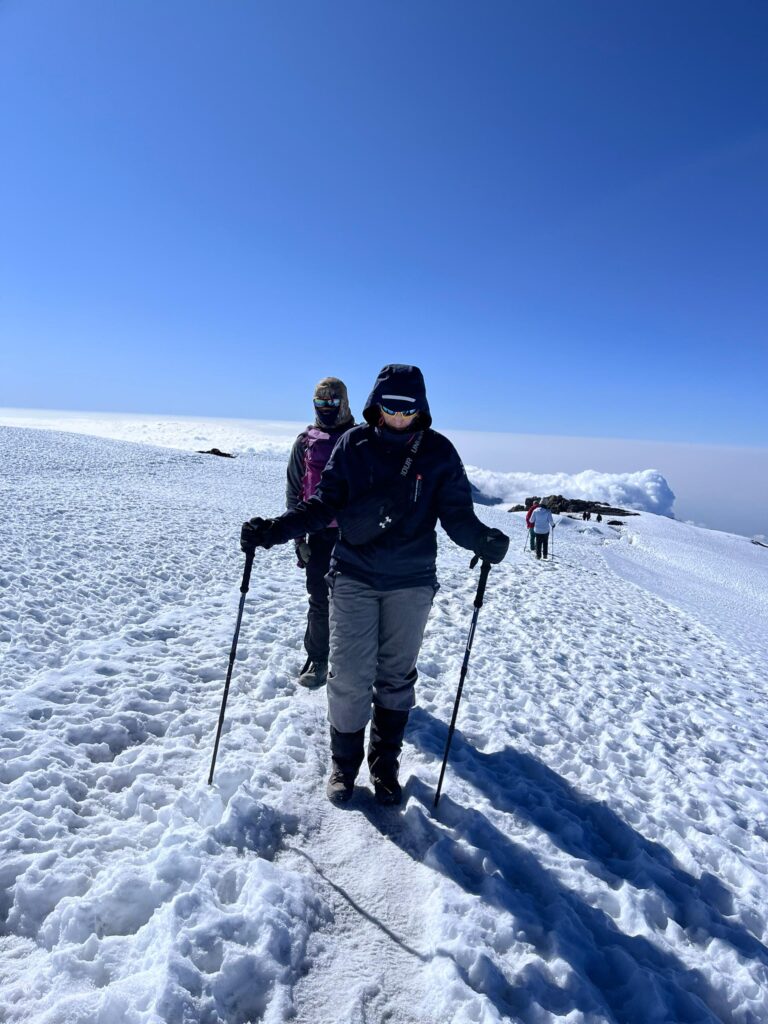
Kilimanjaro Weather During Christmas: Your Guide 2026-2027
Discover the Kilimanjaro weather conditions you can expect during the Christmas season, with detailed insights for 2026-2027 climbs. Learn about temperatures, precipitation, and how to...
View package details
Is December A Good Month To Climb Kilimanjaro? Your Guide 2026-2027
December offers a unique window for Kilimanjaro climbs, balancing good weather with fewer crowds. This guide explores its advantages and considerations for 2026-2027.
View package details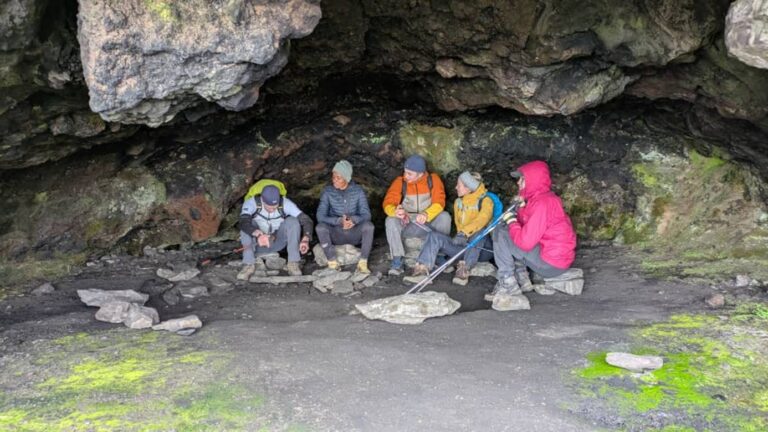
December Kilimanjaro Peak-Season Prices: Guide 2026-2027
Planning a Kilimanjaro climb in December? This guide breaks down peak-season pricing for 2026-2027, covering route options, inclusions, and what impacts the cost. Discover how to budget...
View package detailsNo related package matches those filters. Clear one or more filters to see the other topic-matched options.



