
An 8-day Lemosho Route Kilimanjaro climb in April presents an excellent opportunity for trekkers seeking favorable weather conditions and a less crowded experience on Africa’s highest peak, with April typically falling within the shoulder season offering a good balance of clear skies and manageable temperatures before the main rainy season fully sets in. This extended duration on the Lemosho route is crucial for proper acclimatization, significantly increasing your chances of reaching Uhuru Peak safely and successfully in 2026 and 2027.

Choosing the 8-Day Lemosho Route for Your April Kilimanjaro Expedition
The quest to stand atop Kilimanjaro is a dream for many adventurers. When planning this significant undertaking, the choice of route and timing are paramount. For those targeting an ascent in April, the 8-day Lemosho Route emerges as a highly recommended option. This route is celebrated not only for its scenic beauty and gradual acclimatization profile but also for its relatively higher success rates, a factor amplified by its longer duration. April, while sometimes considered a transitional month, often provides a sweet spot for climbing, bridging the end of the long rains and the start of the drier, warmer period. This makes an 8-day Lemosho climb in April 2026 or 2027 a strategic decision for serious trekkers.
At Top Guide Adventures, we understand that your Kilimanjaro climb is more than just a trek; it’s a life-changing experience. We are dedicated to providing comprehensive support, expert guidance, and a safe, memorable journey. This detailed guide focuses specifically on what an 8-day Lemosho Route Kilimanjaro climb entails during April, covering everything from the unique advantages of this timing and route to practical considerations for your 2026-2027 expedition.
Why April is a Smart Choice for Kilimanjaro Trekkers
While June to October is often touted as the prime trekking season for Kilimanjaro, April offers compelling advantages, particularly when combined with the 8-day Lemosho Route. Understanding the microclimates and rainfall patterns of Kilimanjaro is key to successful planning.
April Weather on Kilimanjaro: A Closer Look
Kilimanjaro experiences distinct wet and dry seasons. The long rainy season typically runs from March to May. However, by April, the intensity of the rains often begins to subside. This means you can expect:
- Decreasing Rainfall: While showers are still possible, they are often less prolonged and intense than in March or early May. You might experience sunny mornings followed by afternoon cloud build-up and occasional rain, or even dry spells lasting several days.
- Lush Scenery: The preceding rains mean the vegetation is vibrant and green, making the lower slopes particularly beautiful. Water sources are generally plentiful.
- Moderate Temperatures: Temperatures remain relatively mild, especially at lower altitudes. As you ascend, it will get colder, but April generally avoids the extreme cold of the dry season’s peak. Expect daytime temperatures to range from 15-25°C (59-77°F) at the base, dropping to -10 to -20°C (14 to -4°F) at the summit.
- Fewer Crowds: April falls outside the peak trekking months. This translates to a more serene experience on the mountain, with less competition for campsites and a greater sense of solitude on the trails. This is a significant plus for many climbers in 2026 and 2027.
The 8-Day Lemosho Route: A Superior Acclimatization Profile
The Lemosho Route is widely regarded as one of the most beautiful and best routes for acclimatization on Kilimanjaro. Its popularity stems from its gradual ascent, which allows the body more time to adjust to the increasing altitude. The 8-day itinerary is particularly effective:
- Extended Acclimatization: The extra day compared to a 7-day Lemosho itinerary provides a crucial buffer. This allows for slower trekking, more rest, and better adaptation to the altitude, which is the single most important factor in summit success.
- Scenic Variety: The Lemosho Route traverses diverse ecological zones, starting in the lush rainforest, moving through heath and moorland, and finally into the alpine desert and arctic summit zone. The longer trek allows you to appreciate this transition more fully.
- Higher Success Rates: Studies and operator experience consistently show that longer routes with better acclimatization profiles lead to higher summit success rates. The 8-day Lemosho is designed precisely for this.
- Less Congestion: Especially when compared to shorter routes like Marangu or Machame, Lemosho is generally less crowded. An April climb further enhances this feeling of space and tranquility.
The 8-Day Lemosho Route Itinerary: A Day-by-Day Breakdown
Top Guide Adventures crafts its 8-day Lemosho Route itineraries with meticulous attention to acclimatization, scenery, and your overall well-being. Below is a typical itinerary, which can be customized for your 2026-2027 adventure. Note that the specific campsites and daily distances can vary slightly based on guide decisions and group pace.
Day 1: Lemosho Gate (2,100m/6,890ft) to Mti Mkubwa Camp (2,820m/9,250ft)
Your Kilimanjaro journey begins with a scenic drive from Moshi to the Lemosho Gate. After park registration, you’ll commence your trek through the dense rainforest. The path is often muddy and can be steep in places, but the abundant flora and fauna, including colobus monkeys and various bird species, make it a delightful start. Your first day’s hike is relatively short, allowing for a gentle introduction to trekking at altitude. The goal is to reach Mti Mkubwa (Big Tree) Camp, where you’ll settle in for your first night on the mountain.
Day 2: Mti Mkubwa Camp (2,820m/9,250ft) to Shira 1 Camp (3,500m/11,500ft)
Today, you’ll continue your ascent through the rainforest, which gradually thins out as you gain elevation. The trail becomes more open, offering glimpses of the surrounding landscape. You’ll eventually emerge into the heath and moorland zone. The trek to Shira 1 Camp is a significant gain in altitude, and it’s essential to pace yourself and drink plenty of water. Shira 1 is located on the Shira Plateau, a vast, high-altitude savanna with stunning views. You’ll likely experience cooler temperatures as you reach this camp.
Day 3: Shira 1 Camp (3,500m/11,500ft) to Shira 2 Camp (3,850m/12,630ft)
This day involves a relatively short but significant ascent across the Shira Plateau. You’ll trek towards Shira 2 Camp, which is situated at a higher elevation. The landscape is characterized by rolling moorlands and dramatic rock formations. The key objective today is further acclimatization. You’ll hike slowly, enjoying the panoramic views of the Shira Plateau and potentially Kibo peak in the distance. This gradual increase in altitude is vital for your body’s adaptation process. The camp itself offers a starkly beautiful, high-altitude environment.
Day 4: Shira 2 Camp (3,850m/12,630ft) to Barranco Camp (3,950m/12,960ft) via Lava Tower (4,650m/15,250ft)
This is a crucial day for acclimatization, often referred to as a “climb high, sleep low” day, though the “sleep low” aspect is modified on Lemosho. You’ll ascend towards Lava Tower, a prominent volcanic plug offering spectacular views. Reaching Lava Tower at 4,650 meters is a significant altitude milestone. After a break and lunch at Lava Tower, you’ll descend to Barranco Camp. This descent is critical for acclimatization, as it allows your body to adjust to the lower pressure after reaching a high point. Barranco Camp is located in a stunning valley below the famous Barranco Wall.
Day 5: Barranco Camp (3,950m/12,960ft) to Karanga Camp (4,000m/13,120ft)
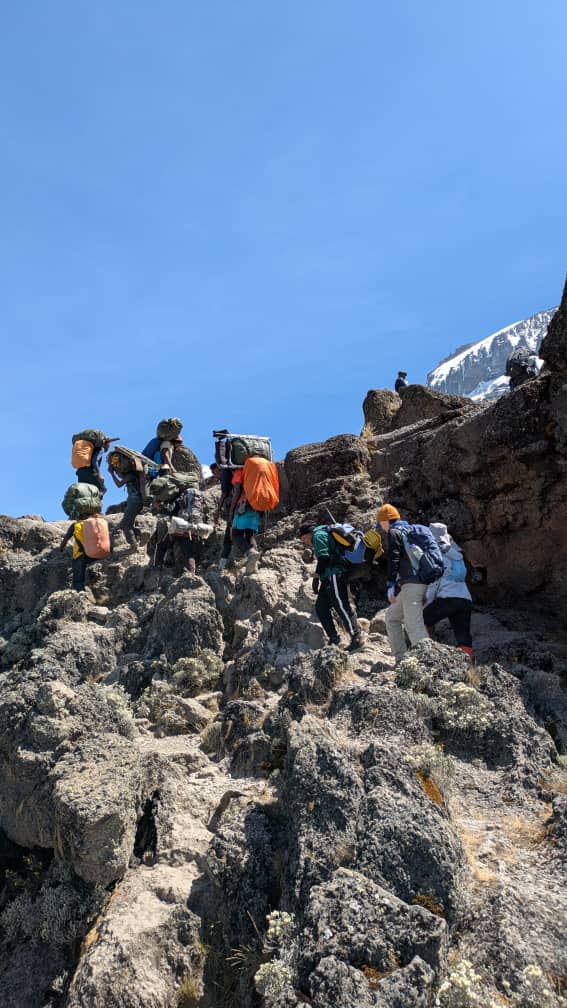
The highlight of today is the ascent of the Barranco Wall, a challenging but rewarding scramble. While it looks daunting, the path is well-trodden and manageable for most trekkers with the assistance of guides. The climb is steep but offers incredible photographic opportunities. After conquering the wall, the terrain becomes less steep, and you’ll continue to Karanga Camp. Karanga Camp is situated at a similar altitude to Barranco, allowing for further acclimatization. The views from Karanga, looking back at the Barranco Wall and towards Kibo, are impressive.
Day 6: Karanga Camp (4,000m/13,120ft) to Barafu Camp (4,640m/15,220ft)
Today’s trek takes you across a barren alpine desert landscape. The trail is less vegetated and more rocky. You’ll gradually ascend towards Barafu Camp, the base camp for your summit attempt. Barafu Camp is situated on a rocky ridge and is exposed to the elements. The goal today is to reach Barafu in good time, allowing for rest and preparation for the summit push. You’ll have an early dinner and try to get some sleep before midnight. The air is noticeably thinner here, and the temperature drops significantly.
Day 7: Summit Day! Barafu Camp (4,640m/15,220ft) to Uhuru Peak (5,895m/19,341ft) and down to Mweka Camp (3,100m/10,170ft)
This is the most challenging day of your trek. You’ll start your ascent in the early hours of the morning, typically around midnight to 1 am. The trek from Barafu to the summit is a steep ascent over scree and volcanic scree. You’ll pass Stella Point (5,756m/18,885ft) on the crater rim before continuing to Uhuru Peak, the true summit of Kilimanjaro. The sunrise from the crater rim is an unforgettable spectacle. After celebrating your achievement, you’ll begin the long descent. You’ll pass Barafu Camp and continue down to Mweka Camp, where you’ll rest for the night. This descent is physically demanding but offers a different perspective of the mountain.
Day 8: Mweka Camp (3,100m/10,170ft) to Mweka Gate (1,640m/5,380ft) and transfer to Moshi
After breakfast at Mweka Camp, you’ll complete the final descent through the rainforest to Mweka Gate. Upon arrival at the gate, you’ll be met by your driver and transferred back to your hotel in Moshi. This is a time for celebration and rest after your incredible achievement. You’ll likely be tired but exhilarated, with memories that will last a lifetime. Your 8-day Lemosho Route Kilimanjaro climb in April concludes here, with Top Guide Adventures ensuring a smooth transition back to civilization.
What to Expect During an 8-Day Lemosho Climb in April
Beyond the itinerary, understanding the day-to-day experience is crucial for preparation. The 8-day Lemosho route in April offers a unique blend of challenge and reward.
The Trekking Experience
The Lemosho Route is known for its gradual ascent, which is its primary advantage for acclimatization. The first few days are spent trekking through dense rainforest and then into the moorland. The terrain can be varied, from muddy paths after rain to rocky ascents and descents. The 8-day schedule allows for a more relaxed pace, giving your body more time to adapt. You’ll typically walk for 4-8 hours per day, with breaks for meals and rest.
Acclimatization and Altitude Sickness
Altitude sickness (Acute Mountain Sickness – AMS) is a risk on any Kilimanjaro climb. The 8-day Lemosho Route is designed to mitigate this risk through its slow ascent profile. However, it’s still essential to be aware of the symptoms:
- Headache
- Nausea and vomiting
- Dizziness
- Fatigue
- Loss of appetite
- Difficulty sleeping
Your guides are trained to monitor for AMS. Staying hydrated, ascending slowly, and listening to your body are paramount. The extra day on the 8-day itinerary significantly improves your chances of avoiding severe AMS. In April, the cooler temperatures might mask some early symptoms, so staying vigilant is key.
Daily Camp Life
Life at camp is organized and comfortable, thanks to the dedicated team of porters and cooks. You can expect:
- Accommodation: You’ll sleep in spacious tents, usually shared with one or two other trekkers.
- Meals: Delicious and nutritious meals are prepared daily, including breakfast, lunch, dinner, and snacks. Expect a variety of local and international dishes, catering to dietary needs.
- Hygiene: Portable toilets are provided at each campsite. Handwashing stations with warm water are available.
- Evenings: After dinner, your guide will brief you on the next day’s trek. Evenings are typically spent relaxing in your tent or the communal mess tent (if provided).
The Summit Night
Summit night is the most demanding part of the climb. Starting in the dark, you’ll ascend for 5-7 hours to reach the crater rim, then continue for another 1-2 hours to Uhuru Peak. The cold, wind, and altitude make this a physical and mental challenge. However, the sense of accomplishment upon reaching the summit, especially witnessing the sunrise, is unparalleled. The descent is also long and requires focus.
Preparing for Your 8-Day Lemosho Climb in April 2026-2027
Thorough preparation is the cornerstone of a successful and enjoyable Kilimanjaro climb. This includes physical training, mental preparation, and packing the right gear. For an April climb on the 8-day Lemosho Route, specific considerations apply.
Physical Training and Fitness
While you don’t need to be an elite athlete, a good level of cardiovascular fitness is essential. Focus on:
- Cardiovascular Endurance: Regular activities like hiking, running, cycling, or swimming for at least 3-4 times a week.
- Strength Training: Focus on leg strength (squats, lunges) and core strength.
- Hiking Practice: The most crucial training is hiking with a weighted backpack. Aim for long hikes (4-6 hours) on varied terrain, including hills and stairs, in the months leading up to your climb.
For an 8-day Lemosho climb, your training should emphasize endurance. The extra day means longer trekking periods and better acclimatization, but it still requires sustained effort.
Essential Gear for an April Climb
Packing the right gear is critical for comfort and safety, especially in April when conditions can be variable. Layering is key. Here’s a list of essentials:
- Clothing:
- Moisture-wicking base layers (thermal tops and bottoms)
- Insulating mid-layers (fleece jacket or down vest)
- Waterproof and windproof outer shell (jacket and trousers)
- Warm trekking trousers (quick-drying)
- T-shirts and long-sleeved shirts
- Warm hat (covering ears)
- Sun hat or cap
- Gloves (warm, waterproof outer, thinner liner gloves)
- Footwear:
- Broken-in hiking boots (waterproof, ankle support)
- Camp shoes or trainers
- Several pairs of warm hiking socks (wool or synthetic)
- Gear:
- Backpack (50-70 liters)
- Daypack (25-35 liters)
- Sleeping bag (rated to -15°C/5°F or lower)
- Sleeping pad (if not provided/preferred)
- Trekking poles
- Headlamp with extra batteries
- Water bottles or hydration reservoir (at least 3 liters capacity)
- Water purification tablets or filter (backup)
- Sunglasses (UV protection)
- Sunscreen (high SPF)
- Lip balm with SPF
- Personal first-aid kit
- Toiletries (biodegradable soap, toothbrush, toothpaste)
- Quick-dry towel
- Hand sanitizer
- Camera and extra batteries/power bank
- Snacks (energy bars, nuts, dried fruit)
- Passport, visa, and other essential documents
- Cash (for tips and personal expenses)
Note for April: While April can be wet, the rains often mean more mud. Waterproof gear is essential. Temperatures can fluctuate significantly, so layering is crucial. A good sleeping bag is non-negotiable for the cold nights at higher altitudes.
Altitude Sickness Prevention and Management
Beyond the physical trek, proactive measures against altitude sickness are vital:
- Hydration: Drink at least 4-5 liters of water per day. Avoid alcohol and caffeine.
- Pacing: “Pole pole” (slowly, slowly) is the mantra. Walk at a pace that allows you to talk comfortably.
- Medication: Consult your doctor about Diamox (acetazolamide). It can help speed up acclimatization but requires a prescription and proper usage.
- Listen to Your Body: Report any symptoms immediately to your guide.
Mental Preparation
Climbing Kilimanjaro is as much a mental challenge as a physical one. The long days, cold nights, and physical exertion require resilience. The 8-day Lemosho route, while offering better acclimatization, still demands perseverance, especially on summit night. Visualize success, focus on one step at a time, and trust your guides.
Cost Considerations for an 8-Day Lemosho Kilimanjaro Climb in April 2026-2027
The cost of climbing Kilimanjaro varies significantly depending on the operator, route, duration, and inclusions. For an 8-day Lemosho Route climb in April 2026 or 2027, you should expect a range. Top Guide Adventures provides competitive pricing for a comprehensive experience.
What Typically Influences the Cost?
- Operator Type: Local Tanzanian operators (like Top Guide Adventures) are often more affordable than international ones, offering excellent value and local expertise.
- Route Duration: Longer routes like the 8-day Lemosho are naturally more expensive than shorter ones due to more days of park fees, staff wages, and supplies.
- Inclusions: Key inclusions usually cover park fees, camping fees, rescue fees, guide and porter salaries, all meals on the mountain, purified water, and transfers. Some operators may include pre/post-climb accommodation or gear rental.
- Group Size: Private climbs are more expensive per person than group climbs.
Estimated Cost Range for 2026-2027
For an 8-day Lemosho Route climb with a reputable local operator like Top Guide Adventures, you can anticipate costs typically ranging from $2,000 to $3,500 USD per person for 2026-2027. This range typically covers:
- Park Fees: A significant portion of the cost, covering daily entrance, camping, and conservation fees.
- Staff: Experienced guides (including assistant guides), cooks, and porters.
- Food: All meals on the mountain and drinking water.
- Accommodation: Tents and camping equipment.
- Transfers: From Kilimanjaro International Airport (JRO) to your hotel and to/from the mountain gates.
- Emergency: Rescue fees and oxygen (if needed).
Exclusions typically include: tips for the crew, personal gear rental, travel insurance, visa fees, flights, and accommodation before and after the climb.
Tips for Budgeting
- Book with Reputable Local Operators: Companies like Top Guide Adventures offer great value and ensure ethical treatment of staff.
- Factor in Tips: Tipping is customary and expected. Budget around $250-$350 USD per climber for the entire crew.
- Gear Rental: If you don’t own all the necessary gear, factor in rental costs.
- Travel Insurance: Ensure your policy covers high-altitude trekking and emergency evacuation.
For a precise quote tailored to your 2026 or 2027 8-day Lemosho Route Kilimanjaro climb, we encourage you to contact Top Guide Adventures directly.
Why Choose Top Guide Adventures for Your 8-Day Lemosho Climb?
Selecting the right tour operator is crucial for a safe, enjoyable, and successful Kilimanjaro climb. Top Guide Adventures is committed to providing an exceptional experience for every trekker.
Our Commitment to Safety and Success
- Experienced Guides: Our guides are certified, highly experienced, and trained in wilderness first aid and high-altitude trekking. They prioritize your safety above all else.
- Quality Equipment: We provide well-maintained tents, sleeping bags (available for rent), and other camping gear to ensure your comfort and safety.
- Proper Acclimatization: Our itineraries, like the 8-day Lemosho, are designed with acclimatization as the top priority, maximizing your chances of reaching the summit.
- Emergency Preparedness: We carry supplementary oxygen and have established protocols for emergency evacuations.
Ethical Trekking and Staff Welfare
Top Guide Adventures believes in responsible tourism. We ensure our guides, cooks, and porters are treated fairly, paid well, and provided with appropriate gear and food. We are members of KPAP (Kilimanjaro Porter Assistance Project) or adhere to similar ethical standards, guaranteeing fair wages and working conditions for our mountain crew.
Personalized Service and Support
From your initial inquiry to your return to Moshi, you’ll receive personal attention. We offer:
- Pre-climb Briefings: Comprehensive information and a gear check before you start.
- 24/7 Support: Our team is available to answer your questions and address any concerns.
- Tailor-Made Options: While the 8-day Lemosho is a popular standard, we can customize aspects of your trip for 2026 or 2027.
Why the 8-Day Lemosho in April is Ideal with Us
Combining the benefits of the 8-day Lemosho route’s superior acclimatization with April’s favorable weather conditions and the expertise of Top Guide Adventures creates the perfect recipe for a successful Kilimanjaro climb. We are passionate about sharing the magic of Kilimanjaro with you and ensuring your journey is as rewarding as the summit itself.
Frequently Asked Questions About 8-Day Lemosho Route in April
Here are some common questions about undertaking an 8-day Lemosho Kilimanjaro climb during April, particularly for planning in 2026-2027.
Is April a good month to climb Kilimanjaro via the Lemosho Route?
Yes, April is generally considered a good month, often falling into the shoulder season. While it’s at the tail end of the long rainy season, the rains typically lessen in intensity by mid-April. You can expect fewer crowds, lush scenery, and a good chance of clear weather interspersed with occasional showers. The 8-day Lemosho route’s excellent acclimatization profile is a significant advantage during this transitional period.
What are the chances of rain on an 8-day Lemosho climb in April?
There is a moderate chance of rain, especially in the first few days through the rainforest. However, by mid-April, the downpours are usually less frequent and shorter-lived than in March. You should be prepared for wet conditions with waterproof gear, but extended periods of heavy rain are less likely than in the peak rainy months.
How cold will it be on an 8-day Lemosho climb in April?
Temperatures vary significantly with altitude. Lower down, expect mild to warm conditions (15-25°C). As you ascend, temperatures will drop considerably. At Barafu Camp (4,640m), nighttime temperatures can be around freezing (0°C / 32°F). On summit night, temperatures can plummet to -10°C to -20°C (-4°F to -4°F), exacerbated by wind chill. Layering is essential to manage these temperature fluctuations.
Is the 8-day Lemosho Route harder than other routes?
The 8-day Lemosho is considered one of the more challenging routes primarily due to its length and the altitude it reaches. However, its gradual ascent profile is designed for better acclimatization, which actually increases your chances of success and can make the climb feel more manageable than shorter, steeper routes. The physical difficulty is significant but well-supported by the extended itinerary.
What is the success rate for the 8-day Lemosho Route in April?
The 8-day Lemosho Route generally has a high success rate, often cited as 85-90% or even higher with reputable operators. This is due to its excellent acclimatization profile. While April’s weather can sometimes be a factor, the extended duration of the 8-day climb significantly boosts your chances of reaching Uhuru Peak in 2026 or 2027.
What kind of clothing is recommended for an April Lemosho climb?
Layering is key. You’ll need moisture-wicking base layers, insulating mid-layers (fleece, down), and waterproof/windproof outer shells. Warm hats, gloves, and waterproof trousers are essential. Good quality, broken-in hiking boots are a must. Be prepared for both rain and cold, especially at higher altitudes and on summit night.
Do I need Diamox for an 8-day Lemosho climb in April?
Consulting your doctor is the best course of action. Diamox (acetazolamide) can aid acclimatization but is not a substitute for proper ascent and hydration. Many climbers use it successfully, but it requires a prescription and understanding of potential side effects. The 8-day Lemosho’s slow ascent profile is designed to minimize the need for medication.
Final Thoughts: Your 2026-2027 Kilimanjaro Dream Awaits
An 8-day Lemosho Route Kilimanjaro climb in April offers a fantastic blend of natural beauty, excellent acclimatization, and a less crowded mountain experience. By choosing this route and timing for your 2026 or 2027 adventure, you are setting yourself up for a high probability of success and an unforgettable journey. Top Guide Adventures is here to guide you every step of the way, ensuring your climb is safe, ethical, and immensely rewarding.
We pride ourselves on providing personalized service, expert guidance, and a deep commitment to the well-being of our clients and our mountain crew. Whether you’re planning for 2026 or 2027, let us help you conquer Kilimanjaro. Contact us today to discuss your dream climb:
WhatsApp: +255616946642
Email: topguideadventures@gmail.com
Backup Email: info@topguideadventures.com
Your adventure of a lifetime awaits!
Check Availability for 8-Day Lemosho Route Kilimanjaro Climb In April | Top Guide Adventures
Ready to compare dates, prices, and the best option for your group? Send the package name and travel month so the team can reply with a clear quote, availability, and what is included.
8-Day Lemosho Route Kilimanjaro Climb In May 2026-2027
An in-depth guide to the 8-day Lemosho Route Kilimanjaro climb during May, detailing itineraries, weather, costs, and preparation for your 2026-2027 adventure.
View package details
7-Day Machame Route Kilimanjaro Climb In April : Your Expert Guide 2026-2027
Your comprehensive guide to undertaking a 7-day Machame Route Kilimanjaro climb during April. We cover itinerary details, essential gear, weather expectations, acclimatization strategies...
View package details
8-Day Lemosho Route Kilimanjaro Climb In March: Your Expert Guide 2026-2027
The 8-day Lemosho Route offers an excellent balance of acclimatization and scenic beauty for a Kilimanjaro climb in March. This guide covers everything from March weather patterns to...
View package details8-Day Lemosho Route Kilimanjaro Climb In June | Top Guide Adventures 2026-2027
The 8-day Lemosho Route offers a balanced approach to climbing Kilimanjaro in June, providing excellent acclimatization and stunning scenery. This guide details the itinerary, challenges...
View package details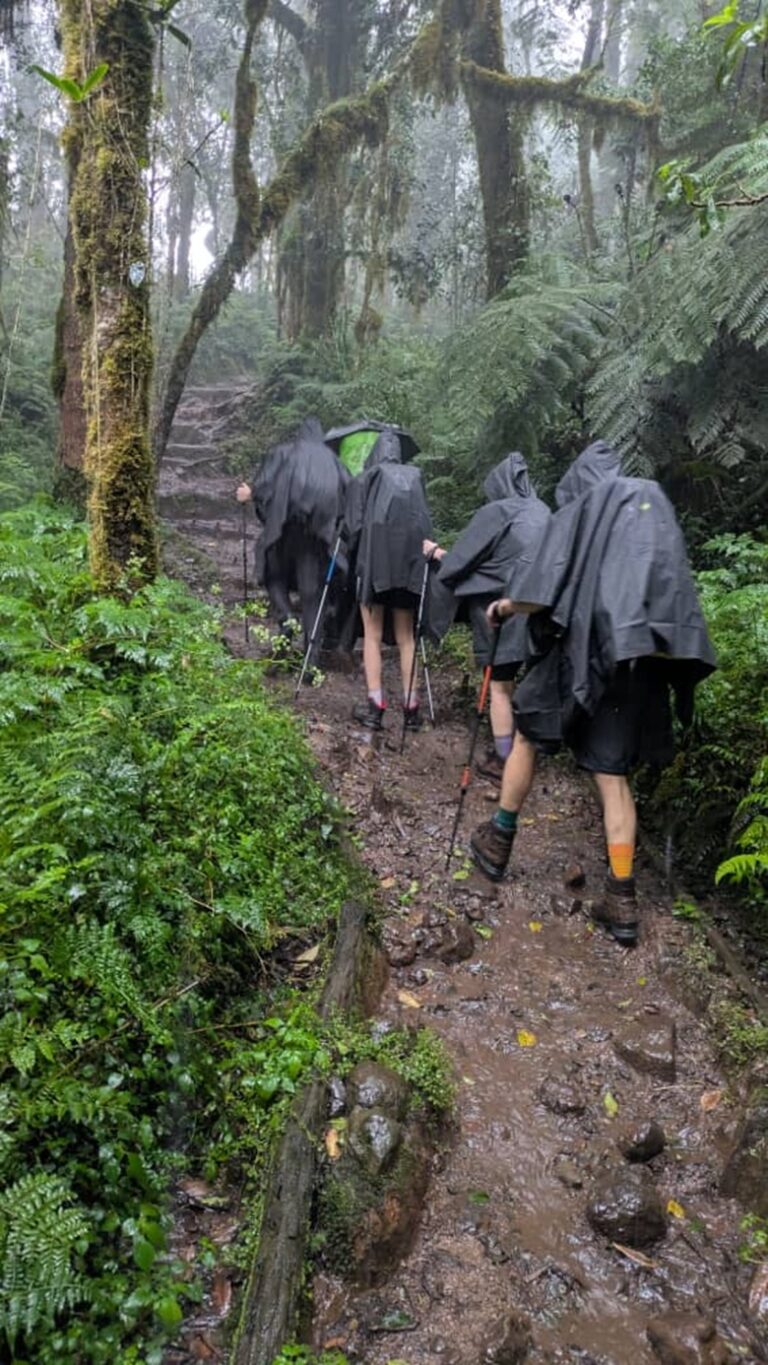
7-Day Machame Route Kilimanjaro Climb In March : Your Expert Guide 2026-2027
start an unforgettable 7-day Machame Route Kilimanjaro climb in March 2026-2027. This guide details the itinerary, weather, packing, and essential tips for a successful ascent with Top...
View package details
7-Day Machame Route Kilimanjaro Climb In June : Your Expert Guide 2026-2027
A comprehensive guide to undertaking a 7-day Machame Route Kilimanjaro climb in June, detailing itinerary, weather, gear, and preparation for 2026-2027.
View package details7-Day Rongai Route Kilimanjaro Climb In January | Top Guide Adventures
Planning a 7-day Rongai Route Kilimanjaro climb in January offers excellent weather conditions for a successful ascent. This guide details the itinerary, preparation, and booking with Top...
View package details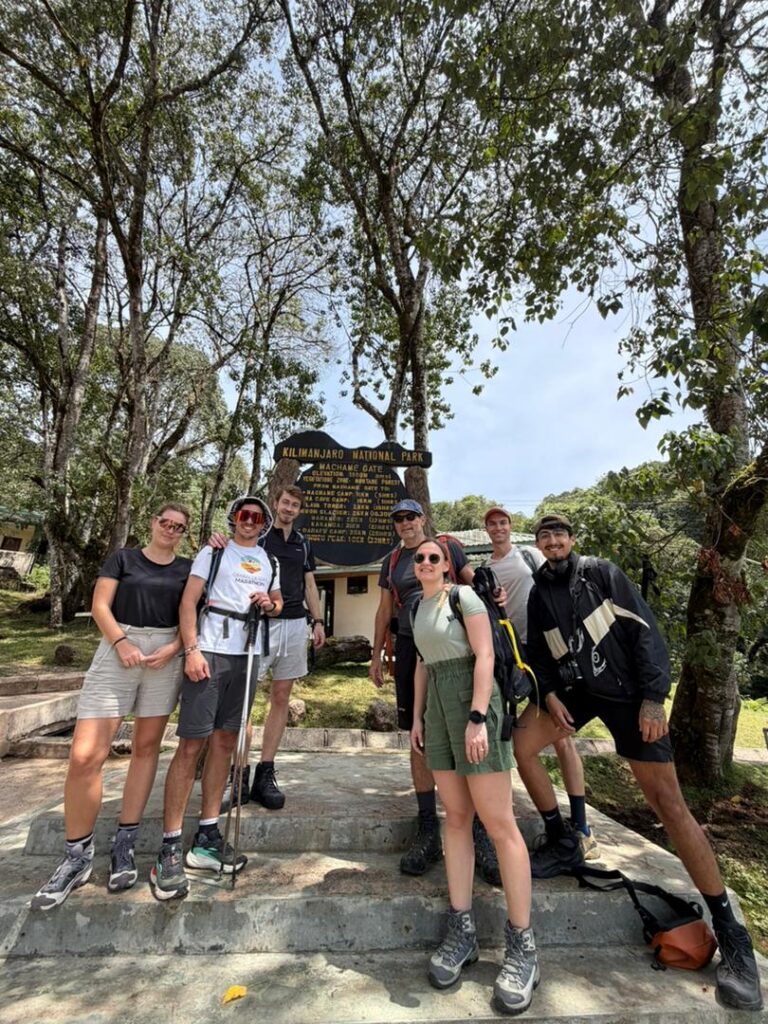
7-Day Machame Route Kilimanjaro Climb In January 2026-2027
Detailed guide to undertaking a 7-day Machame Route climb on Mount Kilimanjaro during January. Covers itinerary, weather expectations for 2026-2027, packing, costs, and preparation for this...
View package details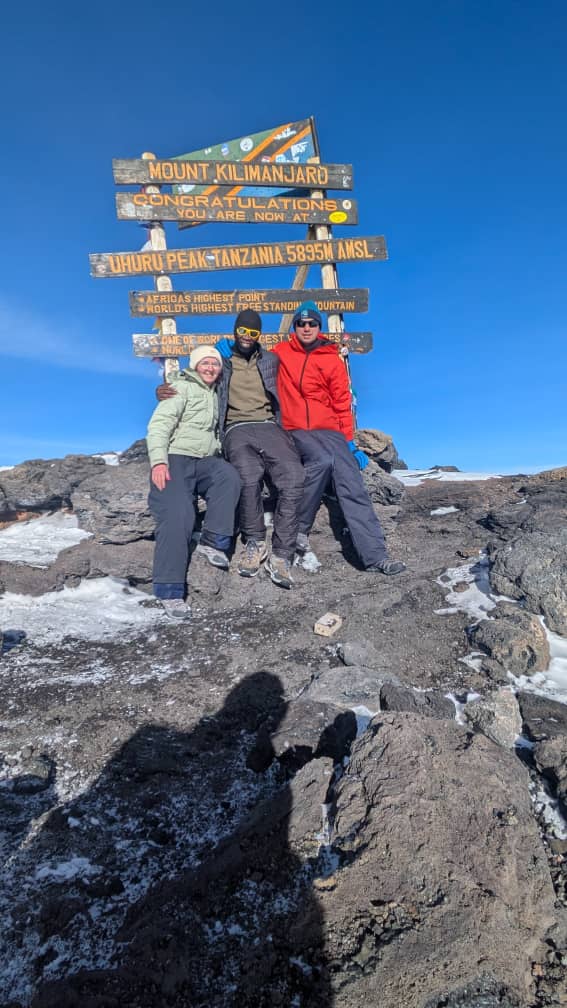
6-Day Marangu Route Kilimanjaro Climb In May | Top Guide Adventures 2026-2027
start a 6-day Marangu Route Kilimanjaro climb in May 2026-2027. This guide details the itinerary, weather expectations, essential packing, and what makes May an excellent time to ascend...
View package details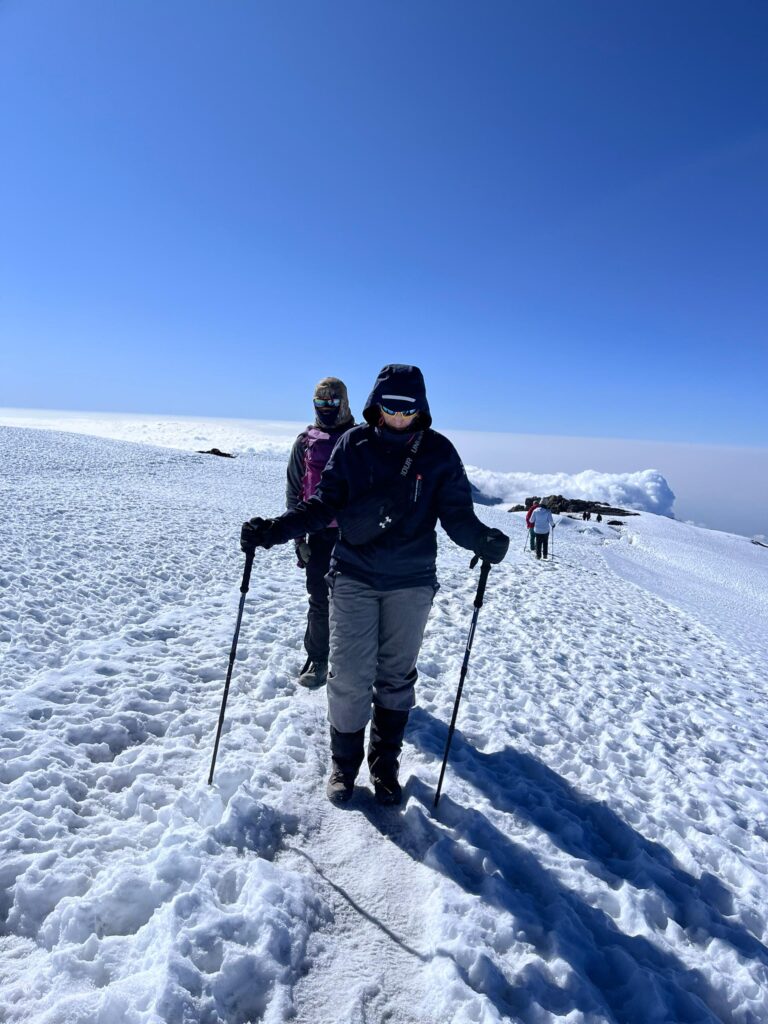
April Kilimanjaro Climb With Private Toilet Tent Guide
Discover everything you need to know about climbing Kilimanjaro in April with the comfort of a private toilet tent. This guide covers the best routes for the season, essential gear...
View package details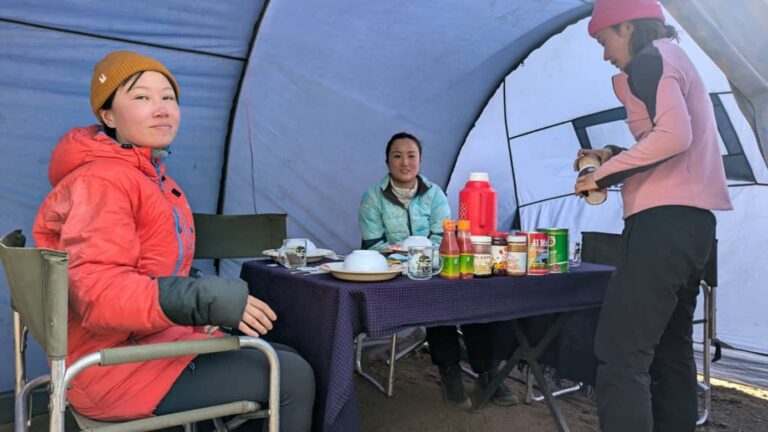
April Kilimanjaro Low-Season Packages: Your Expert Guide To Climbs 2026-2027
Planning a Kilimanjaro climb in April? This guide covers everything you need to know about low-season packages, weather, routes, and preparation for your 2026-2027 trek.
View package details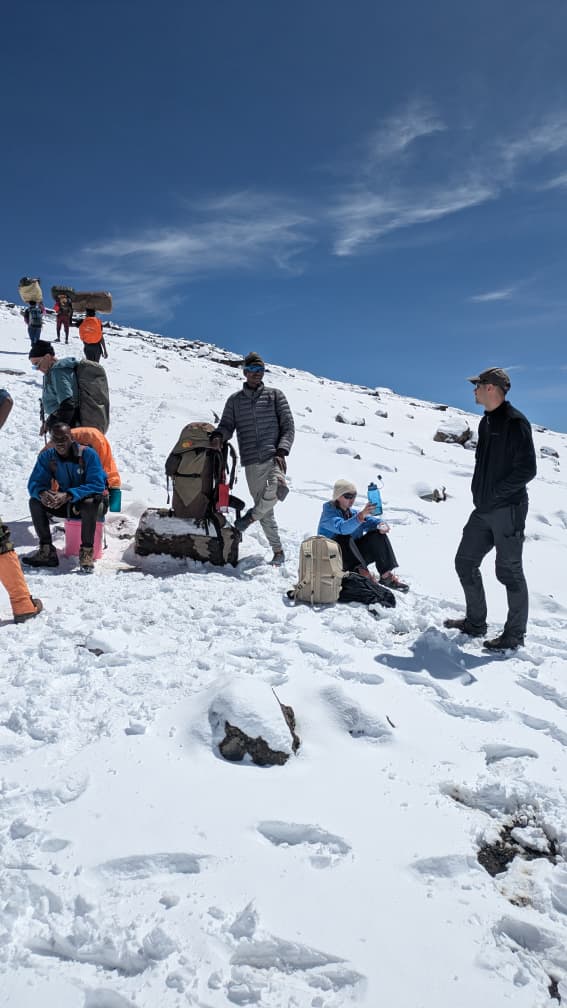
Can You Climb Kilimanjaro In April? Your Guide 2026-2027
Climbing Kilimanjaro in April is a viable option, offering unique advantages like fewer crowds and lush scenery, though it falls within the shoulder season for rain. This comprehensive...
View package detailsNo related package matches those filters. Clear one or more filters to see the other topic-matched options.



