
An April Kilimanjaro climb with a private toilet tent offers a comfortable and manageable trekking experience, balancing favorable weather with fewer crowds compared to peak seasons. This month typically falls within Kilimanjaro’s ‘long rains’ season, but the precipitation is often intermittent, allowing for clear trekking days with morning sunshine and afternoon showers. Opting for a private toilet tent significantly enhances comfort and privacy, a key consideration for many trekkers, especially during this transitional weather period. Top Guide Adventures specializes in creating memorable Kilimanjaro climbs for 2026 and 2027, ensuring you have the necessary support and amenities, including the highly sought-after private toilet tent, for a successful summit bid.
Why Choose April for Your Kilimanjaro Ascent?
Climbing Kilimanjaro is a dream for many, and timing your expedition is crucial for maximizing your chances of success and enjoyment. April presents a unique window for trekkers seeking a balance between weather patterns and crowd levels. While often categorized as part of the ‘long rains’ season, April on Kilimanjaro is not characterized by continuous downpours. Instead, expect a mix of conditions: sunny mornings, occasional cloud build-up in the afternoons, and rain showers that can be intense but are typically brief. This means you can still experience many clear days with stunning mountain views, while the higher humidity can make the air feel a bit milder at lower altitudes.
One of the significant advantages of trekking in April is the reduced number of fellow climbers on the mountain. Unlike the bustling months of January-February or June-October, April offers a more serene experience. This allows for a more personal connection with the mountain environment and can contribute to a more relaxed pace, which is beneficial for acclimatization. For those planning their adventure for 2026 or 2027, April is an excellent month to consider if you prioritize fewer crowds and are prepared for varied weather.
The Added Comfort: Private Toilet Tent on Kilimanjaro
The decision to include a private toilet tent on your Kilimanjaro climb, especially for an April expedition, is one that dramatically enhances overall comfort and hygiene. Standard Kilimanjaro treks typically utilize communal pit latrines set up by park authorities or basic portable toilets shared among multiple trekking groups. These can often be unhygienic, poorly maintained, and lack privacy. A private toilet tent, provided exclusively for your group, offers a dedicated, clean, and private space for your needs throughout the trek.
A private toilet tent is essentially a sturdy, pop-up tent structure that houses a portable chemical toilet or a simple bucket system, managed by your own support crew. This ensures:
- Enhanced Hygiene: Your toilet is cleaned and maintained by your dedicated guides and porters, ensuring a sanitary environment.
- Privacy: No more waiting in lines or sharing facilities with strangers. You have your own private space, especially valuable during the night or when weather conditions are poor.
- Comfort: The tent provides shelter from rain, wind, and sun, making the experience significantly more pleasant. It also offers a small sense of personal space and security.
- Convenience: Having a toilet readily available near your campsite eliminates the need for long treks to communal facilities, particularly useful when nature calls at inconvenient times.
For an April Kilimanjaro climb, where weather can be unpredictable, having this dedicated, sheltered facility is particularly beneficial. It adds a layer of comfort that can make a significant difference to your overall trekking experience and morale. Top Guide Adventures understands this need and highly recommends this amenity for all its clients, especially those looking for a more comfortable journey in 2026 and 2027.
Kilimanjaro Routes Suitable for an April Climb
While all routes remain open in April, some are better suited for the varying weather conditions and offer a more rewarding experience. The primary goal when choosing a route, especially during a shoulder season like April, is to prioritize acclimatization and scenic diversity. Longer routes generally offer better acclimatization profiles, increasing your summit success rates.
The Machame Route: A Popular Choice
The Machame Route, often referred to as the ‘Whiskey Route’, is one of the most popular choices for Kilimanjaro climbs, and for good reason. It is known for its scenic beauty and excellent acclimatization profile due to its ‘climb high, sleep low’ strategy. Typically completed over 6 or 7 days, the 7-day Machame route is highly recommended for April trekkers to ensure adequate acclimatization.
Why it’s good for April: The Machame route’s diverse terrain, from rainforest to alpine desert, means you experience varied microclimates. The route’s popularity also means well-established campsites, which are beneficial during potentially wetter periods. The higher frequency of porters and guides on this route ensures that even if the weather is challenging, the support infrastructure is robust.
Itinerary Snapshot (7-Day Machame):
- Day 1: Machame Gate to Machame Camp
- Day 2: Machame Camp to Shira 2 Camp
- Day 3: Shira 2 Camp to Barranco Camp
- Day 4: Barranco Camp to Karanga Camp
- Day 5: Karanga Camp to Barafu Camp
- Day 6: Barafu Camp to Summit to Mweka Camp
- Day 7: Mweka Camp to Mweka Gate
Booking your Machame route climb for April 2026 or 2027 with Top Guide Adventures ensures you have experienced guides who can navigate the terrain and weather effectively.
The Lemosho Route: Scenic Excellence
The Lemosho Route is another excellent option, particularly favored for its stunning scenery and high success rates. It is a longer route, typically 7 or 8 days, which significantly aids acclimatization. Lemosho starts in the west and traverses the mountain, offering varied landscapes and a gradual ascent.
Why it’s good for April: The extended duration of the Lemosho route (7 or 8 days) is a major advantage for acclimatization, crucial when weather can be less predictable. Its western starting point can sometimes offer slightly different weather patterns compared to other routes. The scenic beauty, including the famous Barranco Wall, is spectacular even under cloudy skies.
Itinerary Snapshot (8-Day Lemosho):
- Day 1: Londorossi Gate to Mti Mkubwa Camp
- Day 2: Mti Mkubwa Camp to Shira 1 Camp
- Day 3: Shira 1 Camp to Shira 2 Camp
- Day 4: Shira 2 Camp to Barranco Camp
- Day 5: Barranco Camp to Karanga Camp
- Day 6: Karanga Camp to Barafu Camp
- Day 7: Barafu Camp to Summit to Mweka Camp
- Day 8: Mweka Camp to Mweka Gate
For those booking an April 2026 or 2027 Lemosho climb, the extra day provides a buffer and improves acclimatization, making it a top choice for comfort and success.
The Marangu Route: The ‘Coca-Cola’ Trail
The Marangu Route is the oldest and most established route. It’s known for its unique accommodation in dormitory-style huts rather than tents, offering a different kind of comfort. It’s also the only route with a shorter 5-day option, though a 6-day option is strongly recommended for better acclimatization.
Why it’s good for April: The hut accommodation provides excellent shelter from the elements, which is a significant benefit during the rainy season. This route is also generally less physically demanding in terms of steepness, though its rapid ascent profile means acclimatization is a key concern.
Considerations for April: While the huts offer shelter, the Marangu route’s shorter duration and direct ascent mean acclimatization is more challenging. For an April climb, especially if prioritizing comfort and success, the 6-day Marangu itinerary is advisable. However, routes like Machame or Lemosho generally offer better acclimatization profiles. If you choose Marangu and want the private toilet experience, it would typically be an add-on to the hut accommodation, potentially requiring a separate tent setup near the huts.
Preparing for Your April Kilimanjaro Climb
A successful Kilimanjaro climb, especially in April with its unique weather patterns, requires thorough preparation. This involves physical conditioning, mental readiness, and meticulous packing.
Physical Training and Acclimatization
Kilimanjaro is a high-altitude trek, and your body needs to be prepared. While you don’t need to be an elite athlete, a good level of cardiovascular fitness is essential. Focus on:
- Aerobic Exercises: Hiking, running, cycling, and swimming should be incorporated into your routine for at least 2-3 months leading up to your climb.
- Strength Training: Focus on leg and core strength to handle steep ascents and descents.
- Practice Hikes: The best preparation is hiking on varied terrain, ideally with a weighted backpack. Try to simulate the climbing conditions as much as possible.
Acclimatization is paramount. Kilimanjaro’s altitude gain is rapid, and your body needs time to adapt. This is why choosing a longer route (7-8 days) is crucial, especially for an April climb. Listen to your body, stay hydrated, and ascend slowly. Your guides will monitor you closely, but understanding the principles of acclimatization yourself is vital.
Essential Gear for an April Climb
Packing correctly is critical for comfort and safety. The weather on Kilimanjaro can change dramatically throughout the day and with altitude. For an April climb, layering is key. You’ll need gear for warmth, rain protection, and sun exposure.
Key Gear Checklist:
- Clothing:
- Moisture-wicking base layers (thermal tops and bottoms)
- Mid-layers (fleece jackets or sweaters)
- Insulating outer layer (down jacket or heavy synthetic jacket)
- Waterproof and windproof outer shell (jacket and trousers)
- Hiking trousers (quick-drying, not jeans)
- Trekking shirts (long and short-sleeved)
- Warm hat (fleece or wool)
- Sun hat or cap
- Gloves (liner gloves and waterproof outer gloves)
- Warm socks (wool or synthetic, multiple pairs)
- Camp shoes or comfortable trainers
- Footwear:
- Broken-in, waterproof hiking boots
- Gaiters (to keep mud and stones out of boots)
- Equipment:
- Durable backpack (50-70 liters)
- Daypack (20-30 liters) for essentials during the day
- Sleeping bag (rated to -10°C to -20°C / 0°F to -4°F)
- Trekking poles (highly recommended for knees and balance)
- Headlamp with extra batteries
- Water bottles or hydration reservoir (at least 2-3 liters capacity)
- Sunglasses (UV protection)
- Sunscreen (high SPF)
- Lip balm with SPF
- Personal first-aid kit (including any personal medications)
- Insect repellent (for lower altitudes)
- Hand sanitizer
- Toiletries (biodegradable soap, toothbrush, toothpaste)
- Quick-drying towel
- Camera and spare batteries/power bank
- Book or entertainment for downtime
- Snacks (energy bars, nuts, dried fruit)
Special consideration for April: Pack extra warm layers and robust waterproofs. A good quality down jacket is essential for summit night. Ensure your sleeping bag is warm enough for sub-zero temperatures at high altitudes. Top Guide Adventures provides a comprehensive packing list to all clients booked for 2026 or 2027 climbs.
The Private Toilet Tent Specifics
When you book an April Kilimanjaro climb with a private toilet tent through Top Guide Adventures, here’s what you can generally expect:
- Setup: The tent is set up by your porters at each campsite, usually near your sleeping tent.
- Contents: It typically contains a portable chemical toilet or a sturdy bucket with a lid, often with toilet paper provided. Some operators may offer a small mat for the floor.
- Maintenance: Your crew will regularly empty and clean the toilet system, ensuring hygiene standards are maintained throughout the trek.
- Privacy: The tent offers complete privacy, a significant comfort, especially during the cold nights or when you need a moment alone.
This amenity is particularly valued on longer routes and during seasons with variable weather, making your April Kilimanjaro climb with a private toilet tent a more comfortable and enjoyable experience.
Understanding Kilimanjaro’s Weather in April
Kilimanjaro’s weather is dictated by altitude and season. April falls within the ‘long rains’ season, which typically runs from March to May. However, it’s crucial to understand what this means in practical terms for trekkers.
Typical April Conditions:
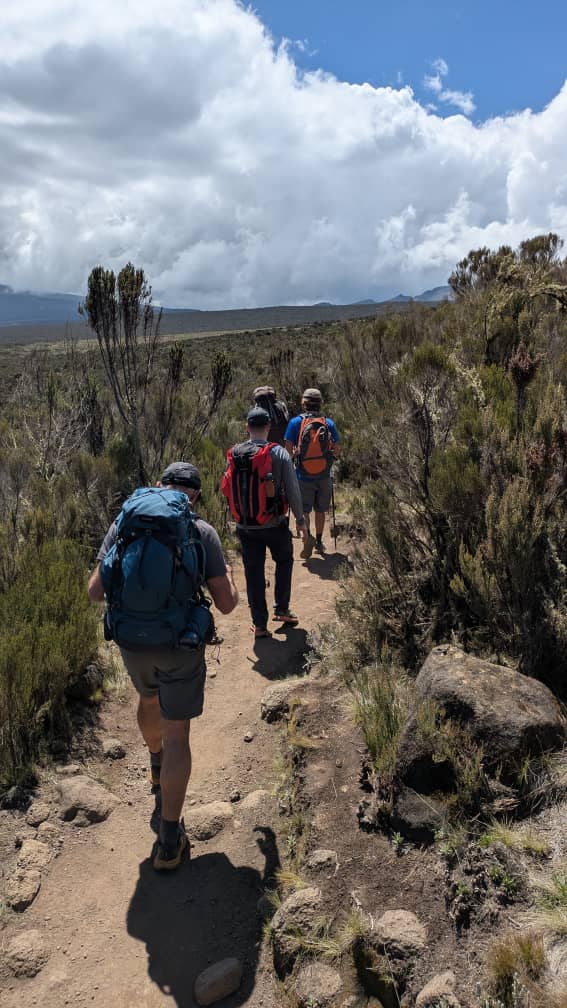
- Rainfall: Expect intermittent rain, particularly in the afternoons and evenings. The rain can range from light drizzles to heavy downpours. Lower slopes (rainforest zone) will be wetter than the higher alpine desert and arctic zones.
- Temperature: Temperatures vary significantly with altitude. Lower camps might be mild to warm (15-25°C), while higher camps and summit night will be very cold (-5°C to -15°C or colder, with wind chill).
- Clouds and Fog: Mornings are often clearer, with clouds and fog building up during the day, especially in the rainforest and moorland zones. This can obscure views but also adds to the dramatic mountain atmosphere.
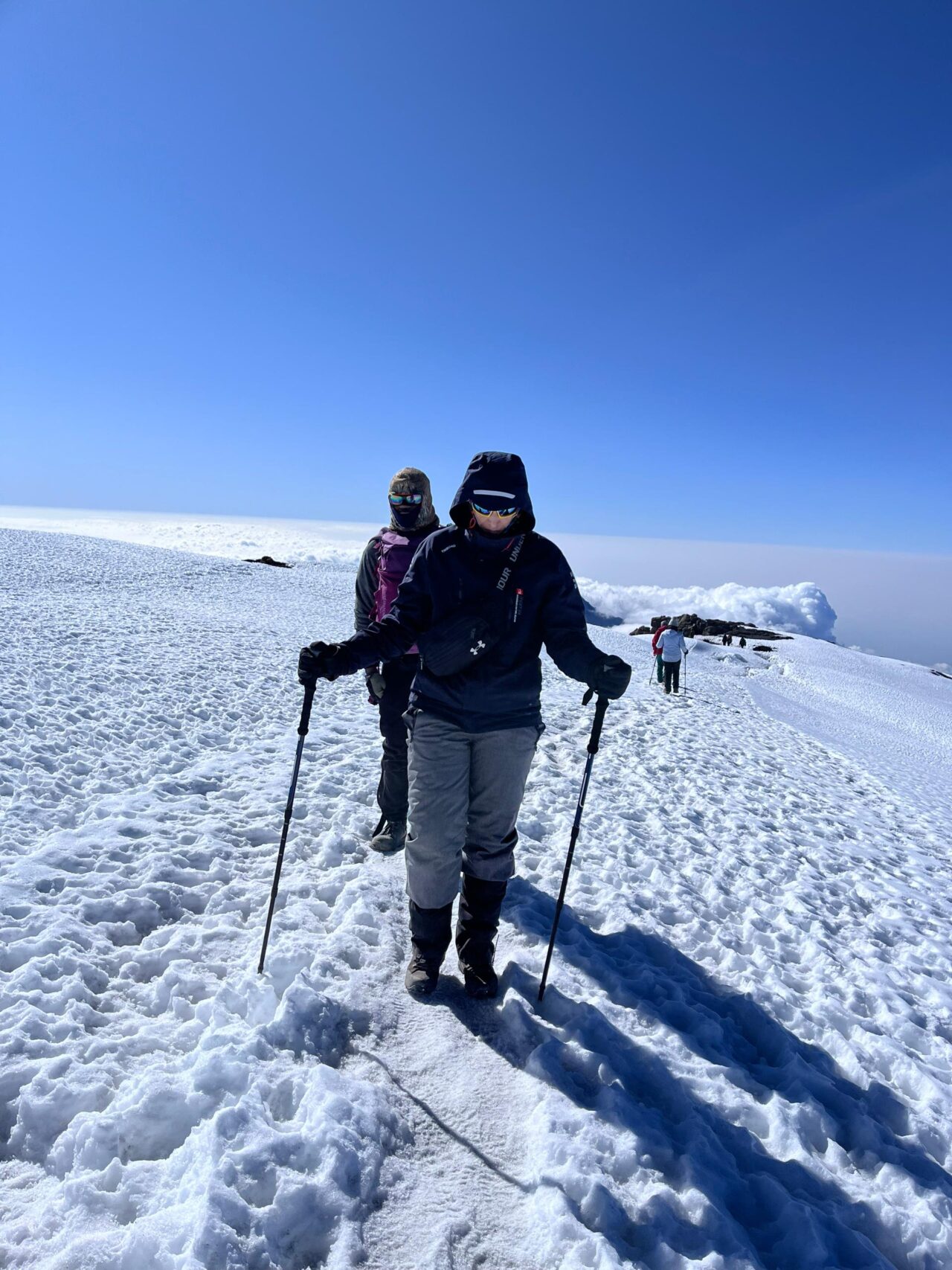
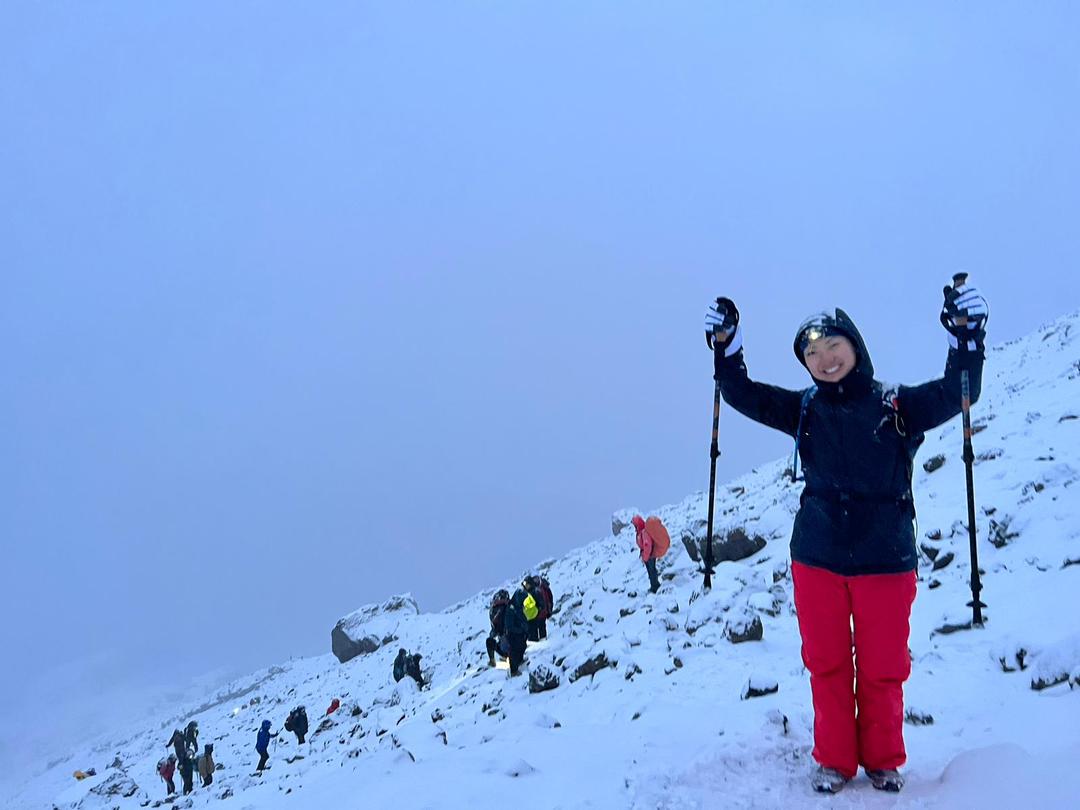
- Snow: Light snow can fall at the highest elevations, especially around the crater rim and summit, but it rarely accumulates significantly in April due to the warmer temperatures at that altitude compared to winter months.
- Wind: Wind can be a significant factor, especially on exposed sections and at higher altitudes. Wind chill can make temperatures feel much colder.
How to Prepare:
- Waterproofs: High-quality waterproof and windproof jacket and trousers are non-negotiable.
- Layering System: Essential for managing temperature fluctuations.
- Waterproof Boots and Gaiters: Keep your feet dry and comfortable.
- Trekking Poles: Aid stability on slippery or muddy terrain.
- Positive Attitude: Embrace the elements; they are part of the Kilimanjaro adventure!
The private toilet tent offers a crucial advantage in April, providing a dry and sheltered space for essential needs when the weather turns, significantly improving comfort levels.
The Role of Guides and Porters in April
Your success and safety on Kilimanjaro hinge on the expertise and dedication of your guides and porters. In April, their role becomes even more critical due to potentially challenging conditions.
Experienced Guides:
- Route Navigation: They are skilled in navigating all routes, even in low visibility or muddy conditions.
- Acclimatization Monitoring: They are trained to recognize the signs of altitude sickness and will manage your pace and hydration accordingly.
- Safety First: Your guides are responsible for your well-being and will make critical decisions regarding your climb based on weather and your health.
- Morale Boosting: They provide encouragement and support, which is invaluable, especially during difficult stretches.
Dedicated Porters:
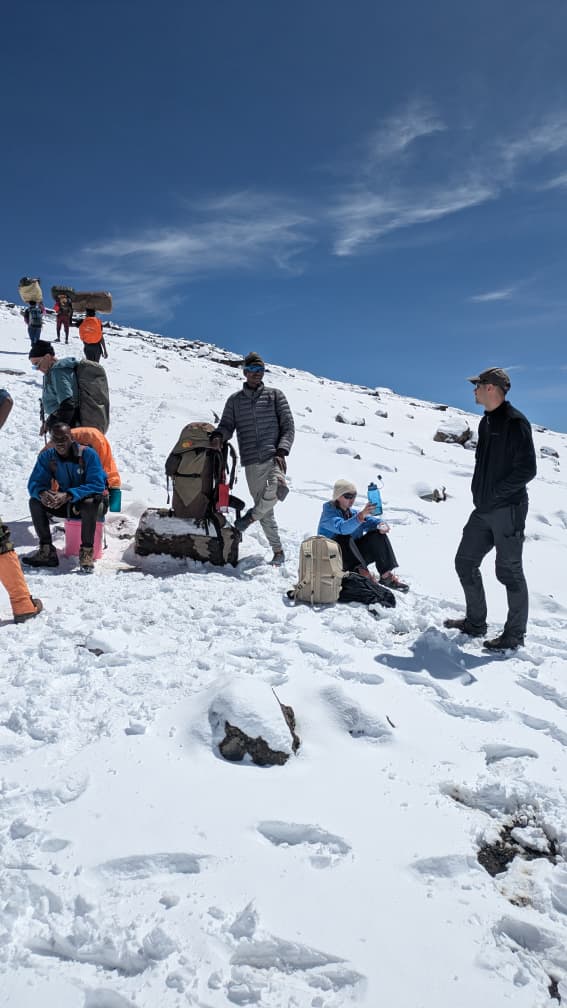
- Carrying Gear: They carry the bulk of your equipment, food, tents, and communal gear, allowing you to focus on your trek.
- Camp Setup: They efficiently set up and dismantle camp each day, including pitching your private toilet tent.
- Logistics: They manage the flow of supplies and ensure everything runs smoothly.
Top Guide Adventures prioritizes the welfare and training of its crew. We ensure our teams are well-equipped and experienced in handling April conditions, providing you with the best possible support for your 2026 or 2027 Kilimanjaro climb. The provision and maintenance of your private toilet tent are handled by this dedicated team.
Summit Night in April
Summit night is the most challenging part of the Kilimanjaro climb. It typically begins around midnight from Barafu Camp (base camp for most routes) and involves a steep, sustained ascent to Uhuru Peak, the highest point in Africa. In April, summit night conditions can be particularly demanding.
What to Expect:
- Extreme Cold: Temperatures can plummet to -15°C (5°F) or lower, with wind chill making it feel even colder.
- Wind: High winds are common and can make the ascent feel significantly colder and more difficult.
- Ice and Snow: While not guaranteed, patches of ice and snow are possible, especially on the scree slopes above Stella Point.
- Low Visibility: Fog or clouds can reduce visibility, making navigation more challenging for guides.
- Altitude Effects: The altitude is at its peak, and symptoms of altitude sickness are most pronounced.
Preparation for Summit Night:
- Layering: Wear multiple layers of thermal clothing, fleece, and a heavy down jacket.
- Waterproofs: Your outer shell must be fully waterproof and windproof.
- Warm Accessories: Include thick gloves, a warm hat, and a balaclava or neck gaiter.
- Hydration: Drink plenty of fluids in the days leading up to summit night and carry water that won’t freeze (insulated bottles or hydration packs with insulated tubes).
- Energy: Eat well at dinner the night before and carry high-energy snacks for the ascent.
- Headlamp: A powerful headlamp with spare batteries is essential for navigating in the dark.
- Trekking Poles: Crucial for stability on potentially icy or slippery terrain.
While a private toilet tent is not available on summit night itself (as you’re moving continuously), its presence at the preceding camps significantly contributes to your overall well-being and readiness for this ultimate challenge. Ensuring you are well-rested and comfortable in the days before summit night is key, and the private toilet tent plays a role in that.
Post-Climb Considerations and Descent
The descent from Kilimanjaro is often faster than the ascent, but it presents its own challenges. The scree slopes can be tough on the knees, and the rapid change in altitude can sometimes bring on mild altitude sickness symptoms as your body adjusts.
Descent Routes:
- Most routes descend via the Mweka or Miriakamba trails, which are generally steeper and more direct than the ascent paths.
- The Mweka route is common for Machame, Lemosho, and Shira routes.
- The Marangu route descends the same way it ascends.
After the Climb:
- Rest and Recovery: You’ll likely be exhausted but exhilarated. Plan for at least a day or two of rest in Moshi or Arusha before continuing your travels.
- Celebration: Most tours include a celebratory dinner or drinks.
- Gratuities: It is customary to tip your guides, porters, and cook. Top Guide Adventures provides guidance on appropriate tipping amounts.
- Optional Activities: Consider a safari in the Serengeti or Ngorongoro Crater, or a relaxing beach holiday in Zanzibar to complement your Kilimanjaro achievement.
Your private toilet tent experience ends as you descend from your last camp, but the comfort and hygiene it provided will be a memorable part of your journey. Top Guide Adventures ensures a smooth transition from mountain to relaxation for all clients completing their climbs in 2026 or 2027.
Booking Your April Kilimanjaro Climb with Top Guide Adventures
Choosing the right tour operator is paramount for a safe, enjoyable, and successful Kilimanjaro climb. Top Guide Adventures is a leading Tanzanian company committed to providing exceptional trekking experiences with personal attention and dedicated support.
Why Book with Top Guide Adventures:
- Local Expertise: As a Tanzanian company, we have unparalleled knowledge of Kilimanjaro and the surrounding region.
- Experienced Crew: We employ highly trained and certified guides, cooks, and porters who are passionate about the mountain and your safety.
- Quality Equipment: We provide high-quality camping gear, including tents, sleeping bags, and crucially, the option for a private toilet tent for your comfort.
- Safety Standards: Safety is our top priority. Our guides are certified in wilderness first aid, and we carry comprehensive medical kits.
- Personalized Service: We offer tailor-made itineraries and ensure individual attention for every client, from initial inquiry to post-climb support.
- Ethical Treatment: We are committed to fair wages and ethical treatment for all our staff.
Booking for 2026-2027:
Planning ahead is recommended, especially for popular months. However, April is generally less crowded, offering more flexibility. We encourage you to reach out to us well in advance to discuss your specific needs and preferences for your April Kilimanjaro climb with a private toilet tent. Whether you are looking for a private climb or wish to join a group, we can accommodate you.
Contact us to plan your April Kilimanjaro adventure:
- WhatsApp: +255616946642
- Email: topguideadventures@gmail.com
- Backup Email: info@topguideadventures.com
We look forward to helping you achieve your dream of summiting Kilimanjaro in 2026 or 2027, with the added comfort and convenience of a private toilet tent during your April climb.
Frequently Asked Questions about April Kilimanjaro Climbs
Is April a good month to climb Kilimanjaro?
April is generally considered a good month for climbing Kilimanjaro, falling within the ‘long rains’ season. While you should expect some rainfall, it is often intermittent, with clear mornings and afternoons. The advantage is fewer crowds compared to peak seasons, offering a more serene experience. The higher humidity can also make the air feel slightly milder at lower altitudes.
What is the main advantage of a private toilet tent?
The main advantage of a private toilet tent is enhanced comfort, hygiene, and privacy. It provides a dedicated, clean, and sheltered space for your personal needs, managed exclusively by your group. This is particularly beneficial during rainy weather or at night, offering a significant upgrade from shared, often less-maintained facilities.
Which Kilimanjaro route is best for April?
Longer routes like the Machame Route (7-day) or the Lemosho Route (7 or 8-day) are highly recommended for April climbs. Their longer duration allows for better acclimatization, which is crucial when weather can be variable. They also offer diverse scenery and well-established campsites.
What kind of weather can I expect in April on Kilimanjaro?
Expect a mix of conditions. Mornings are often sunny, but afternoons can bring rain showers, fog, and clouds, especially in the lower rainforest and moorland zones. Temperatures vary significantly with altitude, from mild at the base to well below freezing on summit night. Wind can also be a factor, making it feel colder.
Do I really need a private toilet tent for an April climb?
While not strictly mandatory, a private toilet tent significantly enhances comfort and hygiene, making it highly recommended, especially for an April climb. The added privacy and cleanliness contribute greatly to your overall well-being and enjoyment of the trek, particularly if the weather is wet.
How much does a private toilet tent add to the cost?
The cost of a private toilet tent is typically an add-on service. The exact price varies by operator, but it generally ranges from $100 to $250 USD per person for the entire trek. Top Guide Adventures can provide a detailed quote for your specific itinerary. It’s a worthwhile investment for the comfort it provides.
What should I pack specifically for an April climb?
Pack for variable weather with a strong emphasis on layering. Essential items include waterproof and windproof outer layers (jacket and trousers), warm mid-layers (fleece), thermal base layers, a heavy down jacket for summit night, waterproof hiking boots, warm gloves, and a warm hat. Ensure your sleeping bag is rated for cold temperatures.
How can I book my April Kilimanjaro climb with Top Guide Adventures for 2026 or 2027?
You can book by contacting Top Guide Adventures directly. Reach out via WhatsApp at +255616946642, email at topguideadventures@gmail.com, or backup email info@topguideadventures.com. They will guide you through itinerary options, pricing, and the booking process for your desired dates in 2026 or 2027.
An April Kilimanjaro climb with a private toilet tent represents a fantastic opportunity for trekkers seeking a balance of manageable weather, fewer crowds, and enhanced comfort. By choosing the right route, preparing adequately, and partnering with an experienced operator like Top Guide Adventures, you can ensure a safe, successful, and unforgettable journey to the Roof of Africa in 2026 or 2027.
Check Availability for April Kilimanjaro Climb With Private Toilet Tent Guide
Ready to compare dates, prices, and the best option for your group? Send the package name and travel month so the team can reply with a clear quote, availability, and what is included.
Private Kilimanjaro Climbing Packages In April | Top Guide Adventures
Planning a private Kilimanjaro climb in April 2026 or 2027? Discover the advantages of a private package, ideal routes, weather expectations, and how Top Guide Adventures can tailor your...
View package details
April Kilimanjaro Private Couple Expedition: Your Ultimate Guide For 2026-2027
Discover everything you need to know for an April Kilimanjaro private couple expedition. This guide covers route selection, preparation, costs, and what to expect during your 2026-2027...
View package details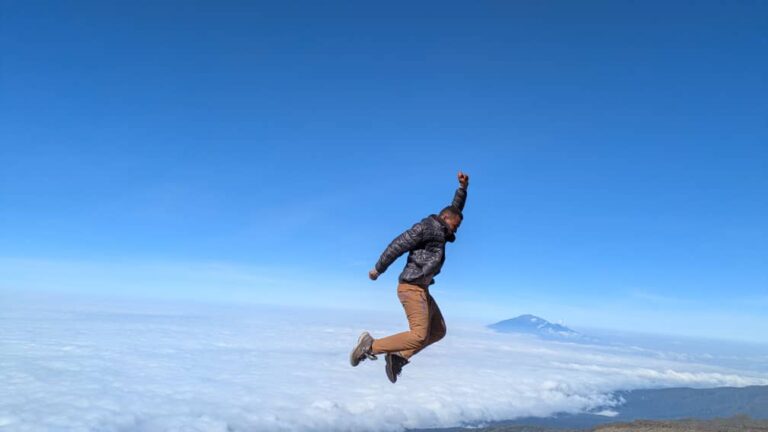
July Kilimanjaro Private Climb For Couples: Your Guide 2026-2027
Planning a romantic and adventurous Kilimanjaro climb for two in July? This guide covers everything couples need to know, from choosing the best route and packing essentials to...
View package detailsJune Kilimanjaro Luxury Climb With Private Guide In | Top Adventures 2026-2027
Plan your ultimate June Kilimanjaro luxury climb with a private guide for 2026-2027. This comprehensive guide from Top Guide Adventures covers routes, gear, preparation, and what makes a...
View package details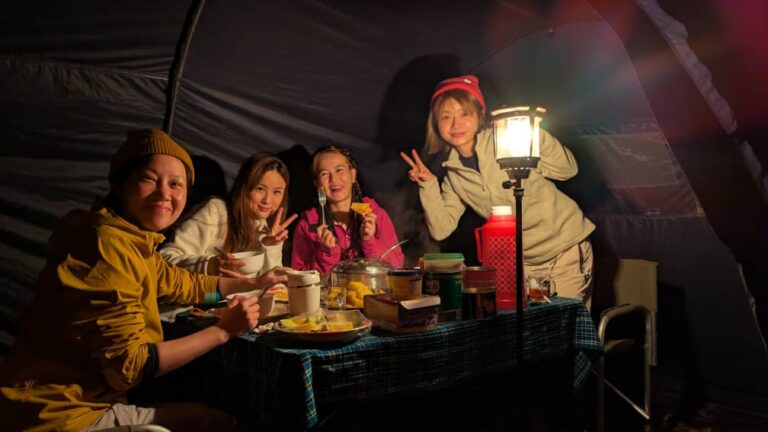
May Kilimanjaro Luxury Private Expedition: Your Ultimate Guide 2026-2027
Discover the unparalleled experience of a May Kilimanjaro luxury private expedition. This guide details everything you need to know for a successful 2026-2027 climb, focusing on premium...
View package details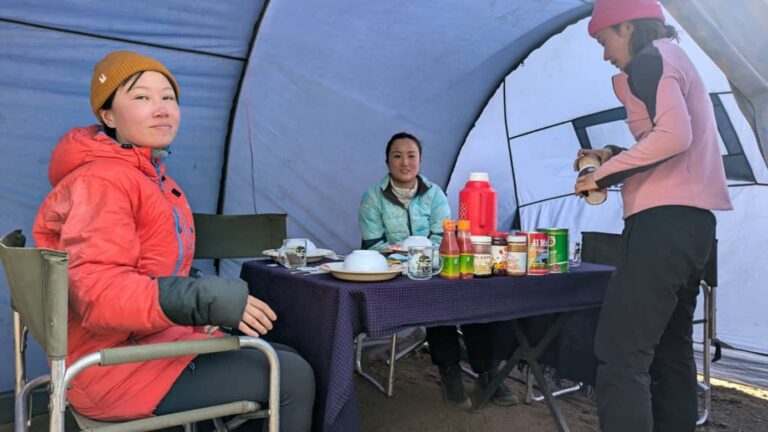
April Kilimanjaro Low-Season Packages: Your Expert Guide To Climbs 2026-2027
Planning a Kilimanjaro climb in April? This guide covers everything you need to know about low-season packages, weather, routes, and preparation for your 2026-2027 trek.
View package detailsCan You Climb Kilimanjaro In April? Your Guide 2026-2027
Climbing Kilimanjaro in April is a viable option, offering unique advantages like fewer crowds and lush scenery, though it falls within the shoulder season for rain. This comprehensive...
View package details
April Kilimanjaro Climb With Fewer Crowds 2026-2027
April Kilimanjaro Climb with Fewer Crowds is explained with current 2026-2027 planning, price, itinerary and booking information.
View package details
7-Day Machame Route Kilimanjaro Climb In April : Your Expert Guide 2026-2027
Your comprehensive guide to undertaking a 7-day Machame Route Kilimanjaro climb during April. We cover itinerary details, essential gear, weather expectations, acclimatization strategies...
View package details
8-Day Lemosho Route Kilimanjaro Climb In April | Top Guide Adventures
The 8-day Lemosho Route offers a high success rate for summiting Kilimanjaro in April, known for its dry weather and fewer crowds. This comprehensive guide covers everything from...
View package details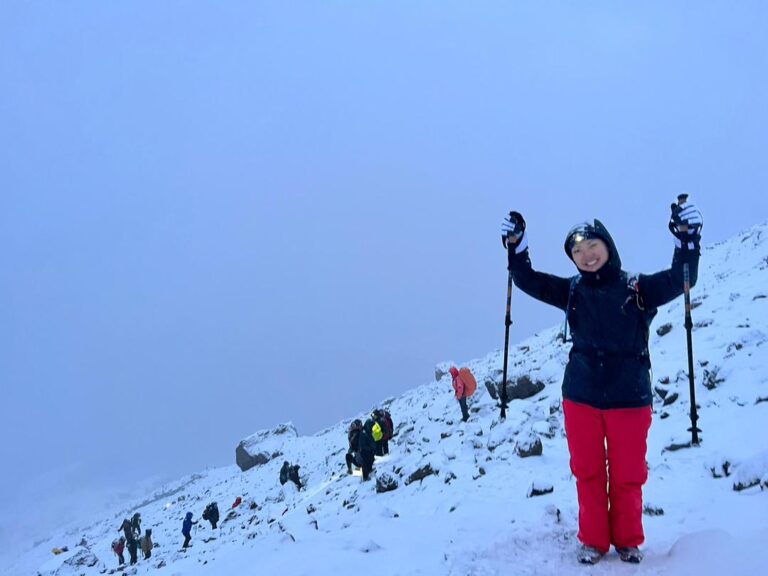
May Kilimanjaro Climb With Extra Acclimatization Guide
Planning a Kilimanjaro climb in May? Adding extra acclimatization significantly boosts your chances of reaching Uhuru Peak. This guide covers the best routes for May, why extra days matter...
View package details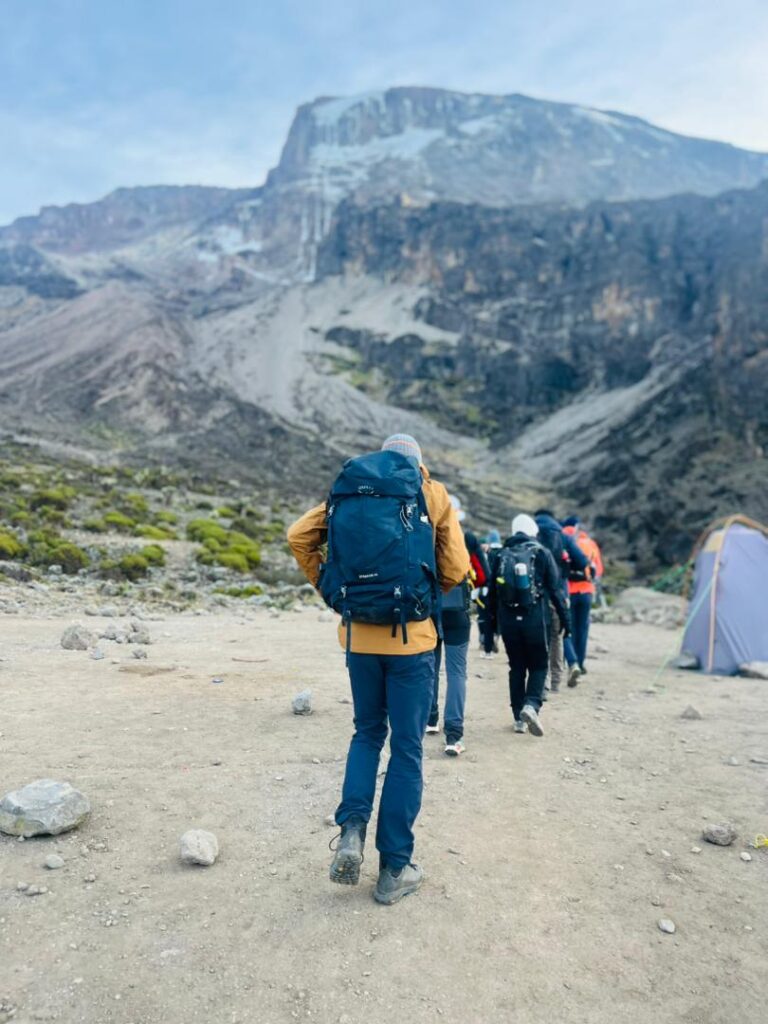
May Kilimanjaro Climb And Wildlife Safari Guide
Combine the thrill of summiting Mount Kilimanjaro with an unforgettable wildlife safari in Tanzania during May. This guide covers everything you need to know for an epic adventure in...
View package detailsNo related package matches those filters. Clear one or more filters to see the other topic-matched options.



