
A 7-day Machame Route Kilimanjaro climb in April offers a good balance between success rates and manageable crowds, though it falls within the shoulder season for the ‘long rains’. Expect varied weather, including potential rain showers and cooler temperatures at higher altitudes, but also periods of clear skies. This route is highly recommended for its scenic beauty and excellent acclimatization profile, making it suitable for trekkers aiming for summit success in 2026 or 2027.


Understanding the 7-Day Machame Route Kilimanjaro Climb in April
The Machame Route is often referred to as the “Whiskey Route” due to its reputation for providing a more challenging yet rewarding ascent with a higher success rate compared to some other paths. Its popularity stems from its stunning scenery, varied landscapes, and a well-paced itinerary that allows for gradual acclimatization. Opting for a 7-day itinerary on the Machame Route is a strategic choice for many climbers, offering a solid chance of reaching Uhuru Peak while minimizing the risk of altitude sickness through adequate rest days and progressive ascent.
April falls within Kilimanjaro’s transitional periods. It’s generally considered part of the ‘long rains’ season, which typically spans from March to May. However, this doesn’t mean continuous rain. Instead, expect a mix of weather: sunny mornings, rain showers in the afternoon or evening, and potentially mist. The advantage of climbing in April is fewer crowds compared to the peak dry seasons (January-February and June-September), offering a more serene trekking experience. For those planning their ascent for 2026 or 2027, understanding the nuances of April weather is crucial for preparation.
Top Guide Adventures specializes in creating memorable and safe Kilimanjaro expeditions. Our 7-day Machame Route packages are meticulously designed to optimize your chances of success, emphasizing proper acclimatization, experienced guides, quality equipment, and delicious, energy-rich meals. We are committed to providing personal attention and dedicated support throughout your journey.
Why Choose the 7-Day Machame Route for Your April Expedition?
The 7-day Machame Route is a strong contender for Kilimanjaro climbers for several compelling reasons, especially when considering an April expedition:
- Acclimatization Profile: The 7-day version of the Machame Route includes a crucial acclimatization day, typically on day 4 or 5, which significantly increases your chances of reaching the summit. This ‘climb high, sleep low’ principle is vital for adapting to the thinning air.
- Scenery and Landscape Diversity: This route traverses through Kilimanjaro’s distinct ecological zones: rainforest, moorland, alpine desert, and arctic summit. The visual progression is remarkable, offering constant new vistas.
- Higher Success Rates: Generally, the Machame Route boasts higher success rates than shorter routes, attributed to its gradual ascent and the 7-day itinerary’s inclusion of an extra day for acclimatization.
- Crowd Management in April: While April is part of the rainy season, it’s often less crowded than the peak dry months. This means more solitude on the trails and a more personal experience.
- Value for Money: While not the cheapest route, the 7-day Machame offers excellent value considering its success rate, scenery, and the quality of experience it provides, especially when booked with a reputable operator like Top Guide Adventures for 2026 or 2027.
Kilimanjaro in April: Weather Expectations for Your 7-Day Machame Climb
April is a transitional month on Kilimanjaro, moving from the ‘long rains’ towards the drier season. Understanding the typical weather patterns is key to packing appropriately and managing expectations for your 7-day Machame Route Kilimanjaro climb in April.
Rainfall Patterns
The defining characteristic of April is its potential for rain. However, it’s rarely continuous. You can anticipate:
- Afternoon Showers: The most common pattern is clear, sunny mornings, followed by cloud build-up and rain showers in the afternoon or evening.
- Mist and Fog: The rainforest zone (lower altitudes) is particularly prone to mist and fog, which can reduce visibility but also adds to the mystical atmosphere.
- Snow at Altitude: While rain is common at lower and middle elevations, precipitation at the summit and on the upper slopes is almost always snow, especially during the wetter months.
Temperature Fluctuations
Temperatures vary dramatically with altitude and time of day:
- Lower Slopes (Rainforest): Expect warm and humid conditions, typically 20-25°C (68-77°F).
- Middle Altitudes (Moorland/Alpine Desert): Temperatures become cooler, ranging from 10-20°C (50-68°F) during the day, dropping to near freezing at night.
- Summit Day (Arctic Zone): This is the most extreme. Temperatures can be as low as -10°C (14°F) and plummet further with wind chill, especially during the pre-dawn hours.
Visibility and Sunshine
While rain is possible, you can still expect periods of brilliant sunshine, particularly in the mornings. Visibility can be excellent on clear days, offering spectacular views of Kilimanjaro’s glaciers and the surrounding plains. However, mist and clouds can obscure views, especially in the forest and moorland zones.
Pro Tip for 2026-2027 Climbers: Always pack for all four seasons. Even in April, you might experience sunny days, rain, wind, and freezing temperatures. Layering is your best strategy. Top Guide Adventures provides detailed packing lists to ensure you are well-prepared for these variable conditions.
The 7-Day Machame Route Itinerary: A Day-by-Day Breakdown
The 7-day Machame Route itinerary is designed to maximize acclimatization and enjoyment. Here’s a typical progression:
Day 1: Machame Gate (1,800m/5,905ft) to Machame Camp (3,050m/10,007ft)
Distance: 11 km / 7 miles
Time: 5-7 hours trekking
Zone: Rainforest
Your Kilimanjaro adventure begins after a scenic drive to Machame Gate. After registration and final gear checks, you’ll start your trek through the lush rainforest. The trail is well-maintained but can be muddy and slippery in April. Expect to see diverse flora and possibly monkeys. You’ll reach Machame Camp by late afternoon, where your crew will have set up tents and prepared dinner.
Day 2: Machame Camp (3,050m/10,007ft) to Shira 2 Camp (3,850m/12,631ft)
Distance: 5 km / 3 miles
Time: 4-6 hours trekking
Zone: Rainforest, Moorland
Today’s trek takes you out of the rainforest and into the moorland zone. The path is steeper and involves crossing a ridge. You’ll gain significant altitude, and the views open up dramatically. Shira 2 Camp is situated on a high-altitude plateau, offering spectacular sunset views. Acclimatization is key, so drink plenty of water and move slowly.
Day 3: Shira 2 Camp (3,850m/12,631ft) to Lava Tower (4,600m/15,091ft) then to Barranco Camp (3,950m/12,960ft)
Distance: 10 km / 6 miles
Time: 6-8 hours trekking
Zone: Moorland, Alpine Desert
This is a crucial day for acclimatization. You’ll trek east towards the Lava Tower, a prominent volcanic plug. Reaching Lava Tower at 4,600m allows your body to adapt to higher altitudes. After lunch and a rest, you’ll descend to Barranco Camp. This ‘climb high, sleep low’ strategy is vital. Barranco Camp is known for its stunning location beneath the Great Barranco Wall.
Day 4: Barranco Camp (3,950m/12,960ft) to Karanga Camp (4,200m/13,780ft)
Distance: 5 km / 3 miles
Time: 4-5 hours trekking
Zone: Alpine Desert
Today involves the famous scramble up the Great Barranco Wall. While it looks daunting, it’s a manageable climb, aided by your guides. The views from the top are immense. After the wall, the terrain becomes less steep, and you’ll trek across alpine deserts to Karanga Camp. Karanga Camp is situated at a significant altitude, making rest and hydration paramount.
Day 5: Karanga Camp (4,200m/13,780ft) to Barafu Camp (4,650m/15,256ft)
Distance: 4 km / 2.5 miles
Time: 3-5 hours trekking
Zone: Alpine Desert
This is a relatively short trekking day, allowing you to rest and prepare for summit night. You’ll ascend through a rocky landscape with sparse vegetation. Barafu Camp is exposed and windy, located on a narrow ridge. You’ll have an early dinner and attempt to get as much sleep as possible before the midnight start for the summit push.
Day 6: Barafu Camp (4,650m/15,256ft) to Uhuru Peak (5,895m/19,341ft) and down to Mweka Camp (3,100m/10,171ft)
Distance: 7 km / 4.5 miles ascent, 11 km / 7 miles descent
Time: 10-15 hours trekking
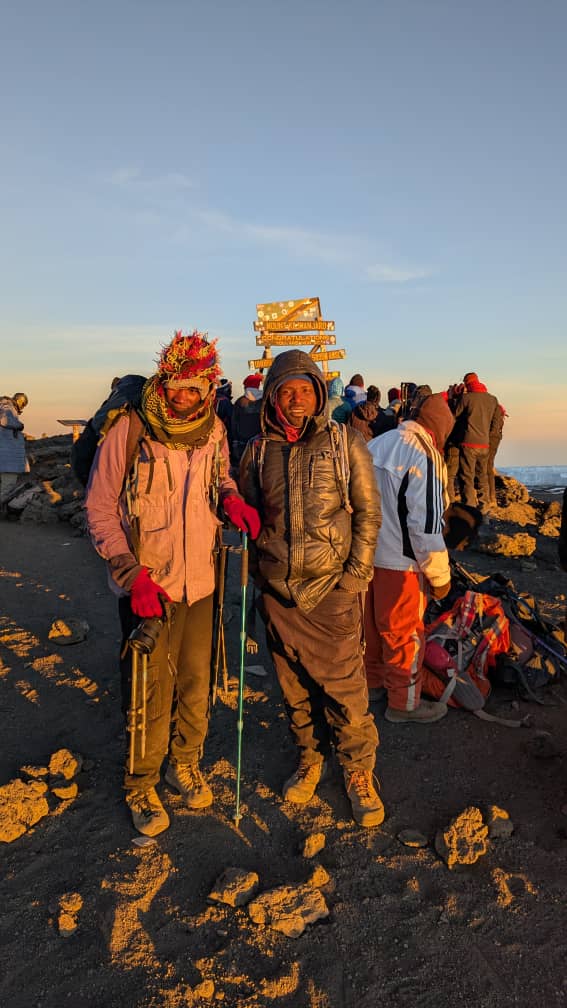
Summit night begins around midnight. You’ll trek slowly upwards towards Stella Point (5,756m/18,885ft) via the scree slopes. From Stella Point, you’ll continue along the crater rim to Uhuru Peak, the Roof of Africa. This is the most challenging part of the climb. After celebrating at the summit, you’ll begin the long descent, passing Barafu Camp and continuing down to Mweka Camp. The descent is tough on the knees but offers incredible views.
Day 7: Mweka Camp (3,100m/10,171ft) to Mweka Gate (1,650m/5,413ft)
Distance: 10 km / 6 miles
Time: 3-4 hours trekking
Your final day involves a trek through the rainforest to Mweka Gate. You’ll likely be met by your driver and transported back to your hotel in Moshi or Arusha. Congratulations on completing your 7-day Machame Route Kilimanjaro climb in April!
Preparing for Your April Kilimanjaro Climb: Essential Considerations
Successful preparation is the cornerstone of any Kilimanjaro climb. For your 7-day Machame Route Kilimanjaro climb in April, specific considerations come into play:
Physical Fitness
Kilimanjaro is a challenging trek, not a technical climb. However, excellent cardiovascular fitness is essential. Focus on activities that build endurance:
- Hiking: Regular hikes, especially those with significant elevation gain, are invaluable.
- Cardio: Running, cycling, swimming, and stair climbing will improve your aerobic capacity.
- Strength Training: Focus on legs and core strength to handle long days and steep ascents/descents.
- Practice: Hike with a weighted backpack to simulate trekking conditions.
Start your training at least 3-6 months before your climb. Consistency is more important than intensity.
Altitude Sickness (Acute Mountain Sickness – AMS)
AMS is a significant risk on Kilimanjaro. Prevention and awareness are key:
- Ascend Slowly: The 7-day Machame Route is designed for this.
- Hydrate: Drink 3-5 liters of water daily.
- Avoid Alcohol and Smoking: These hinder acclimatization.
- Medication: Consult your doctor about Diamox (acetazolamide). It can aid acclimatization but is not a substitute for slow ascent.
- Listen to Your Body: Report any symptoms (headache, nausea, dizziness) to your guide immediately.
Packing Essentials for April
April’s variable weather demands a comprehensive packing list. Layering is crucial:
Clothing Layers
- Base Layers: Moisture-wicking thermal tops and bottoms (synthetic or merino wool).
- Mid Layers: Fleece jackets or vests for insulation.
- Outer Layer (Insulation): A warm down or synthetic jacket.
- Waterproof Outer Shell: Waterproof and breathable jacket and pants (Gore-Tex or similar). Essential for April showers.
- Trekking Pants: Lightweight, quick-drying hiking pants (2-3 pairs). Avoid cotton.
- Trekking Shirts: Moisture-wicking shirts (short and long-sleeved).
Headwear and Handwear
- Warm Hat: Wool or fleece hat that covers your ears.
- Sun Hat: Wide-brimmed hat for sun protection.
- Balaclava/Buff: For face and neck protection against wind and cold.
- Gloves: Lightweight liner gloves and warm, waterproof outer gloves or mittens.
Footwear
- Hiking Boots: Broken-in, waterproof, mid-to-high ankle support boots.
- Camp Shoes: Comfortable shoes or sandals for camp.
- Socks: Several pairs of wool or synthetic hiking socks.
- Gaiters: To keep mud and scree out of your boots.
Gear
- Backpack: A comfortable daypack (30-40 liters) for essentials.
- Duffel Bag: Waterproof duffel bag (80-100 liters) for your main gear, carried by porters.
- Sleeping Bag: Rated to at least -10°C (14°F), preferably -20°C (-4°F) for summit night.
- Sleeping Pad: For added insulation and comfort (Top Guide Adventures often provides these).
- Trekking Poles: Highly recommended for stability and reducing knee strain.
- Headlamp: With extra batteries. Essential for summit night.
- Water Bottles/Hydration Reservoir: At least 2-3 liters capacity. Insulated covers are useful in cold.
- Sunscreen: High SPF.
- Sunglasses: UV protection.
- Lip Balm: With SPF.
- Personal First-Aid Kit: Include blister treatment, pain relievers, antiseptic wipes, personal medications.
- Toiletries: Biodegradable soap, toothbrush, toothpaste, wet wipes.
- Snacks: Energy bars, nuts, dried fruit.
- Camera: With extra batteries and memory cards.
- Passport, Visa, Travel Insurance Documents.
- Cash: For tips and personal expenses.
Importance of a Reputable Tour Operator
Choosing the right tour operator is paramount for a safe and successful 7-day Machame Route Kilimanjaro climb in April. Top Guide Adventures is a leading local operator committed to:
- Experienced Guides: Certified, knowledgeable guides trained in wilderness first aid and mountain rescue.
- Quality Equipment: Providing sturdy tents, good quality food, and reliable transport.
- Ethical Porter Treatment: Ensuring porters are well-treated, fed, and equipped.
- Safety Protocols: Carrying comprehensive first-aid kits, oxygen cylinders, and having clear emergency evacuation plans.
- Personalized Service: Offering dedicated support from booking to the summit and beyond.
When planning for 2026 or 2027, research operators thoroughly. Look for reviews, compare inclusions, and understand their safety standards. Top Guide Adventures prides itself on its high client satisfaction and safety record.
Costs and Inclusions for a 7-Day Machame Route Climb in April 2026-2027
The cost of a 7-day Machame Route Kilimanjaro climb in April can vary significantly based on the operator, group size, and level of service. For 2026 and 2027, expect prices to reflect the quality of service, safety measures, and the overall experience provided.
Typical Cost Factors
- Operator Type: Local operators like Top Guide Adventures generally offer more competitive pricing than international companies, while often providing superior local knowledge and support.
- Group Size: Private climbs are more expensive per person than group climbs. Shared or scheduled departures offer cost savings.
- Inclusions: What is included in the price varies. Top Guide Adventures typically includes park fees, accommodation before and after the climb, meals on the mountain, experienced guides and crew, tents, and transport.
- Accommodation Level: Pre- and post-climb hotel standards can affect the overall cost.
- Quality of Service: Higher quality food, more experienced guides, better equipment, and robust safety measures (like oxygen) often come at a higher price point.
What’s Typically Included (Top Guide Adventures Example)
When you book a 7-day Machame Route Kilimanjaro climb in April with Top Guide Adventures, you can expect:
- Kilimanjaro National Park entrance fees, camping fees, and rescue fees.
- Accommodation in Moshi/Arusha before and after the climb (usually 2 nights total).
- All meals and purified drinking water on the mountain.
- Experienced, licensed mountain guides, assistant guides, cooks, and porters.
- High-quality, waterproof tents (sleeping tents, dining tent, toilet tent).
- Campsite equipment (tables, chairs, cooking equipment).
- Oxygen cylinders and a comprehensive first-aid kit.
- Transfer from Kilimanjaro International Airport (JRO) to your hotel and back to the airport.
- All transfers between the hotel and the mountain gate.
What’s Typically Not Included
- Visa fees.
- Travel insurance (mandatory).
- Flights to and from Kilimanjaro.
- Personal climbing gear (sleeping bag, warm clothing, boots etc.).
- Tips for guides, porters, and cooks.
- Beverages other than water (e.g., soda, beer).
- Personal expenses (e.g., souvenirs, laundry).
- Pre- or post-climb accommodation beyond what’s specified.
Budgeting for Tips
Tipping is customary and a significant part of the crew’s income. A general guideline for a 7-day Machame Route Kilimanjaro climb in April is:
- Lead Guide: $20-25 per day
- Assistant Guide: $15-20 per day
- Cook: $12-15 per day
- Porter: $10-12 per day
These amounts are per climber and should be given in a sealed envelope at the end of the trek. Top Guide Adventures can provide specific recommendations upon request.
For precise pricing for your 2026 or 2027 expedition, we encourage you to contact us directly. We offer competitive packages tailored to provide the best value and safety.
Comparing the 7-Day Machame Route with Other Options in April
While the 7-day Machame is a popular choice, it’s helpful to understand how it compares to other routes, especially considering April’s weather. For a 7-day Machame Route Kilimanjaro climb in April, consider these comparisons:
Machame (7 Days) vs. Lemosho (8 Days) in April
- Machame (7 Days): Offers a good acclimatization profile with the crucial extra day. It’s scenic and generally has a higher success rate than shorter routes. In April, it can be busy with other trekkers, though less so than in dry seasons.
- Lemosho (8 Days): This route is known for its stunning scenery and excellent acclimatization due to its longer duration. The extra day provides more flexibility. However, Lemosho is typically more expensive. In April, Lemosho’s longer duration might offer more buffer against potential rain delays, but it also means more time exposed to potentially wet conditions in the rainforest section.
Recommendation for April: The 7-day Machame offers a great balance. If budget is a concern and you want a high success rate, it’s excellent. Lemosho (8 days) is ideal if you prioritize scenery and acclimatization above all else and have the budget, but the extra day doesn’t necessarily guarantee better weather in April.
Machame (7 Days) vs. Marangu (6 or 7 Days) in April
- Machame (7 Days): Camping route, generally better acclimatization and scenery, higher success rates.
- Marangu (6 or 7 Days): Known as the “Coca-Cola Route,” it’s the only route with hut accommodation. It’s also the shortest and steepest, leading to lower success rates, especially on the 6-day option. The 7-day Marangu offers an acclimatization day. In April, Marangu’s rainforest section can be very wet and muddy. The huts offer shelter, which can be a significant advantage during rainy periods.
Recommendation for April: If you strongly prefer huts and shelter from rain, Marangu might be considered. However, for a higher success rate and a more authentic mountain experience, the 7-day Machame is superior, provided you are prepared for potential rain.
Machame (7 Days) vs. Rongai (7 Days) in April
- Machame (7 Days): Ascends from the south, traverses diverse ecological zones, generally considered more scenic.
- Rongai (7 Days): Approaches from the north, drier side of Kilimanjaro. This can be an advantage in April, as it might experience less rainfall compared to the southern routes. It’s a camping route with good acclimatization.
Recommendation for April: Rongai might offer slightly drier conditions in April due to its location. However, the Machame route is often considered more visually spectacular. If maximizing chances of drier weather is the top priority, Rongai is a strong alternative. For overall experience and scenery, the 7-day Machame remains a top choice.
For trekkers planning their 2026 or 2027 climb, the choice often comes down to a balance of success rate, scenery, cost, and accommodation preference. The 7-day Machame Route consistently ranks high across these factors.
Summit Night on Kilimanjaro in April
Summit night is the most demanding and critical part of any Kilimanjaro climb, including the 7-day Machame Route Kilimanjaro climb in April. Here’s what to expect and how to prepare:
The Challenge
- Timing: You’ll start around midnight from Barafu Camp (4,650m).
- Conditions: Extreme cold (-10°C to -20°C or colder with wind chill), high altitude (up to 5,895m), and steep, often scree-covered slopes.
- Pacing: The ascent is slow and steady (‘pole pole’). Your guides will ensure you maintain a consistent pace.
- Visibility: In April, you might encounter fog or clouds, but on a clear night, the view of the stars and the sunrise from the crater rim is unforgettable.
- Physical Toll: Lack of sleep, extreme cold, and altitude make this the most physically and mentally taxing part of the trek.
Tips for Summit Night Success
- Rest is Crucial: Try to sleep for a few hours after dinner at Barafu Camp. Even if you can’t sleep, resting in your tent is beneficial.
- Hydrate: Drink water before you start. Ensure your water bottles are insulated to prevent freezing.
- Eat Enough: Have a high-energy snack before you leave.
- Layer Up: Wear all your warm layers. It’s easier to take layers off than to add them if you’re too cold initially.
- Headlamp: Ensure your headlamp is bright and you have spare batteries.
- Listen to Your Guides: They are experienced and will monitor your condition closely. Follow their instructions on pacing and hydration.
- Positive Mental Attitude: Break the climb into small segments. Focus on reaching the next marker, not the entire distance.
- Summit Sunrise: If the weather permits, the sunrise from the crater rim is a truly spectacular reward.
Even with excellent preparation, summit night in April can be challenging due to weather. However, the 7-day Machame’s acclimatization profile gives you a strong foundation for success. Top Guide Adventures prioritizes safety, and guides are trained to make the difficult decision to turn climbers back if their health is at risk.
Post-Climb Considerations and Celebrations
After successfully completing your 7-day Machame Route Kilimanjaro climb in April, the journey isn’t quite over. The descent and return to your hotel mark the beginning of your recovery and celebration.
The Descent and Arrival
The descent, especially on summit day, is long and can be hard on your body. Mweka Camp offers a chance to rest before the final trek to Mweka Gate. Upon arrival at the gate, you’ll complete the formalities and be greeted by your driver. The drive back to Moshi or Arusha is a time for reflection and shared accomplishment with your fellow climbers and guides.
Recovery
You’ll likely feel exhausted, sore, and possibly a bit dehydrated. Your hotel room will be a welcome sight. Focus on:
- Rest: Sleep is the best medicine.
- Hydration: Continue drinking plenty of fluids.
- Nutrition: Enjoy hearty meals. Your appetite will likely return quickly.
- Gentle Movement: Light walking can help prevent stiffness.
- Hot Showers: A much-appreciated luxury after days on the mountain.
Celebrating Your Achievement
Reaching the summit of Kilimanjaro is a significant achievement. Top Guide Adventures encourages you to celebrate your success:
- With Your Crew: They are instrumental to your success. A farewell dinner or sharing a drink is a great way to show appreciation.
- Local Culture: Explore Moshi or Arusha. Visit local markets, enjoy Tanzanian cuisine, or relax at your hotel.
- Souvenirs: Purchase authentic Tanzanian crafts or artwork to remember your journey.
- Optional Extensions: Consider adding a safari to the Serengeti or Ngorongoro Crater, or a relaxing beach holiday in Zanzibar. Top Guide Adventures can arrange these smooth extensions for your 2026-2027 travel plans.
Planning Your 2026-2027 Kilimanjaro Adventure
Booking your 7-day Machame Route Kilimanjaro climb in April for 2026 or 2027 requires careful planning. Here’s a guide to the booking process and important timelines:
When to Book
It’s advisable to book your Kilimanjaro climb at least 6-12 months in advance, especially if you have specific dates in mind for 2026 or 2027. This allows ample time for:
- Securing your preferred climbing dates.
- Making necessary travel arrangements (flights).
- Adequate physical training.
- Arranging travel insurance.
- Preparing your gear.
Choosing Your Operator
As mentioned, Top Guide Adventures is a trusted local operator. We offer:
- Personalized Itineraries: Tailoring your climb to your needs.
- Competitive Pricing: For high-quality, safe expeditions.
- Experienced Local Team: Providing authentic insights and dedicated support.
- Safety First: Our top priority, with comprehensive safety protocols.
You can reach us for a personalized quote or to discuss your 2026-2027 climb:
- WhatsApp: +255616946642
- Email: topguideadventures@gmail.com
- Backup Email: info@topguideadventures.com
Visa and Health Requirements
Visas: Most nationalities require a visa for Tanzania. Check the latest requirements for your country. This can often be obtained online or on arrival. Start the process well in advance.
Health: Consult your doctor or a travel clinic 4-6 weeks before your trip regarding vaccinations (e.g., Yellow Fever, Hepatitis A, Typhoid) and malaria prevention. Diamox for altitude sickness should also be discussed.
Travel Insurance
Comprehensive travel insurance is mandatory for all Kilimanjaro climbs. Ensure it covers:
- High-altitude trekking up to 6,000m.
- Emergency medical evacuation and repatriation.
- Trip cancellation and interruption.
Frequently Asked Questions about the 7-Day Machame Route in April
Here are some common questions regarding a 7-day Machame Route Kilimanjaro climb in April:
Is April a good month to climb Kilimanjaro via the Machame Route?
April is a shoulder month, falling within the ‘long rains’ season. While there’s a higher chance of rain and mist, it’s not continuous. The benefits include fewer crowds and potentially lower prices. For trekkers prepared for variable weather, it can be a rewarding time to climb, offering spectacular scenery without the peak season crowds. The 7-day Machame’s acclimatization profile remains effective regardless of the month.
What is the success rate for the 7-day Machame Route in April?
The 7-day Machame Route generally has a high success rate, often cited between 80-90%. The inclusion of an acclimatization day is crucial. While April’s weather can present challenges, proper preparation, a good operator like Top Guide Adventures, and listening to your body significantly contribute to summit success. Success rates can be slightly lower during peak rainy months due to weather conditions, but the 7-day Machame still offers the best chance among routes of similar duration.
What kind of gear do I absolutely need for an April climb?
Essential gear includes waterproof and breathable outer layers (jacket and pants), warm layers (fleece, down jacket), thermal base layers, waterproof hiking boots, warm hat and gloves, and a good quality sleeping bag rated to at least -10°C. Trekking poles are highly recommended. Layering is key to managing the temperature fluctuations. Top Guide Adventures provides detailed packing lists.
How cold will it be on summit night in April?
Summit night temperatures can range from -10°C (14°F) to -20°C (-4°F), and can feel even colder with wind chill. Layering warm clothing, including thermal base layers, fleece, a down jacket, a balaclava, and warm gloves, is essential. Your sleeping bag should also be rated for these extreme temperatures.
Should I take altitude sickness medication for my April climb?
Many climbers opt to take Diamox (acetazolamide) to help prevent or mitigate altitude sickness. It’s crucial to consult with your doctor well in advance of your 2026 or 2027 climb to discuss its suitability for you, dosage, and potential side effects. Remember, medication aids acclimatization but does not replace the need for a slow ascent and proper hydration.
What are the main advantages of Top Guide Adventures for a 7-day Machame Route climb?
Top Guide Adventures offers a combination of experienced local guides, a strong focus on safety with oxygen and first-aid provisions, quality equipment, ethical treatment of crew, and personalized support. As a trusted Tanzanian operator, we provide excellent value for a safe and memorable 7-day Machame Route Kilimanjaro climb in April or any other month. We are dedicated to ensuring your expedition is successful and enjoyable.
Your Kilimanjaro Dream Awaits with Top Guide Adventures
Embarking on a 7-day Machame Route Kilimanjaro climb in April is an extraordinary adventure. The route’s beauty, its challenging yet rewarding ascent, and the unique experience of trekking in April make it an unforgettable journey. With Top Guide Adventures, you gain a partner dedicated to your safety, success, and overall experience. We manage the complexities of logistics, guide you through the mountain’s challenges, and ensure you have the support needed to reach the Roof of Africa.
Whether you are planning for 2026 or 2027, now is the time to start preparing. Let us help you turn your Kilimanjaro dream into a reality. Contact us to discuss your expedition:
- WhatsApp: +255616946642
- Email: topguideadventures@gmail.com
- Backup Email: info@topguideadventures.com
We look forward to guiding you on your incredible 7-day Machame Route Kilimanjaro climb in April.
Check Availability for 7-Day Machame Route Kilimanjaro Climb In April : Your Expert Guide 2026-2027
Ready to compare dates, prices, and the best option for your group? Send the package name and travel month so the team can reply with a clear quote, availability, and what is included.

8-Day Lemosho Route Kilimanjaro Climb In April | Top Guide Adventures
The 8-day Lemosho Route offers a high success rate for summiting Kilimanjaro in April, known for its dry weather and fewer crowds. This comprehensive guide covers everything from...
View package details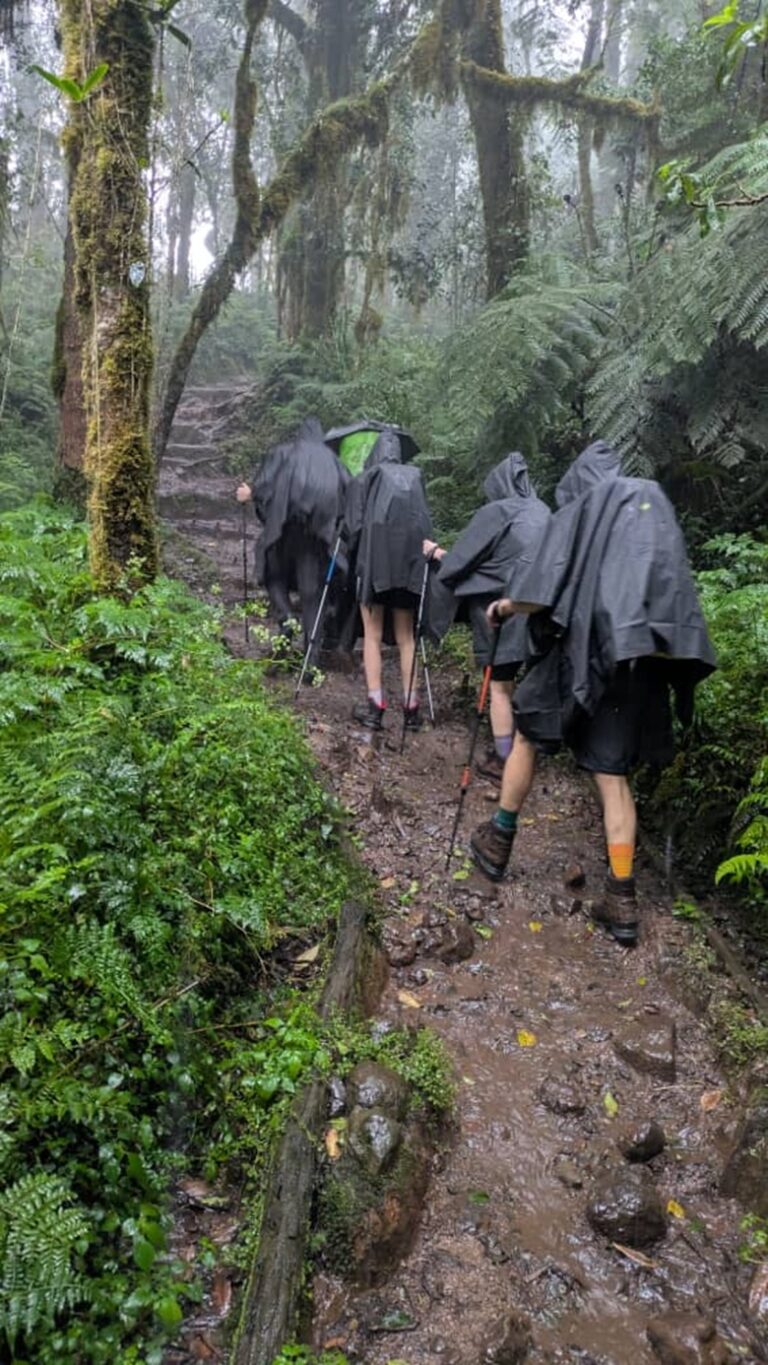
7-Day Machame Route Kilimanjaro Climb In March : Your Expert Guide 2026-2027
start an unforgettable 7-day Machame Route Kilimanjaro climb in March 2026-2027. This guide details the itinerary, weather, packing, and essential tips for a successful ascent with Top...
View package details
7-Day Machame Route Kilimanjaro Climb In June : Your Expert Guide 2026-2027
A comprehensive guide to undertaking a 7-day Machame Route Kilimanjaro climb in June, detailing itinerary, weather, gear, and preparation for 2026-2027.
View package details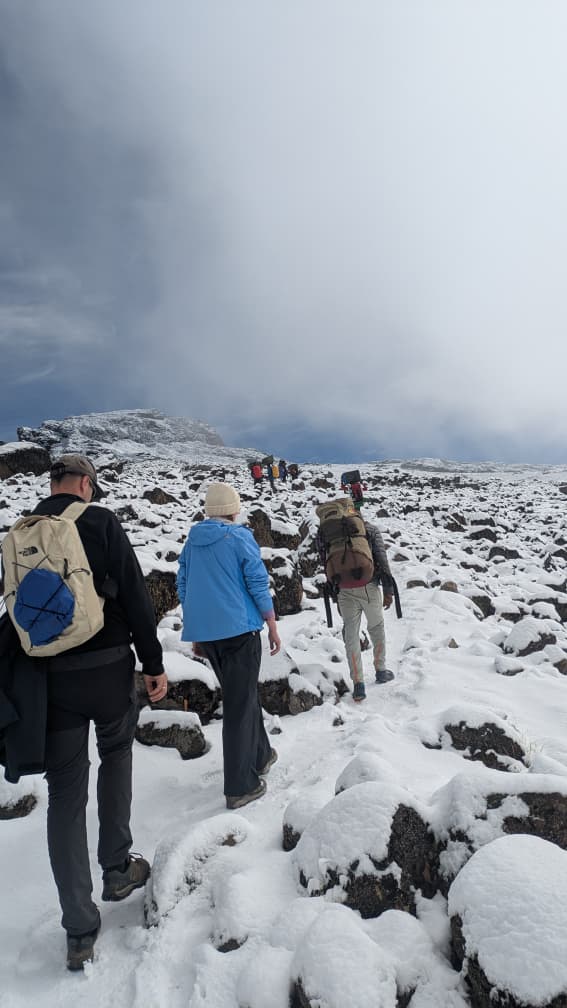
8-Day Lemosho Route Kilimanjaro Climb In May 2026-2027
An in-depth guide to the 8-day Lemosho Route Kilimanjaro climb during May, detailing itineraries, weather, costs, and preparation for your 2026-2027 adventure.
View package details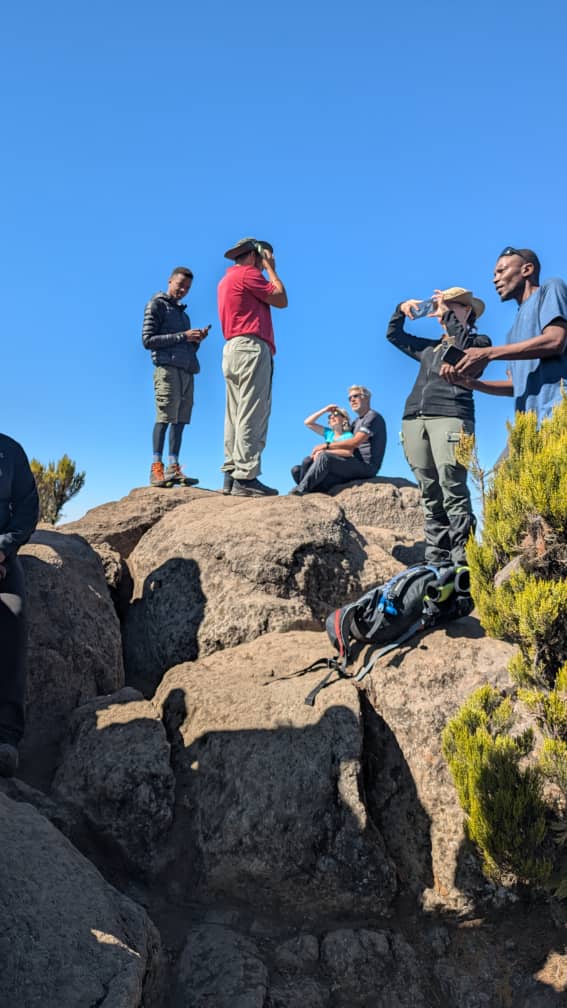
8-Day Lemosho Route Kilimanjaro Climb In March: Your Expert Guide 2026-2027
The 8-day Lemosho Route offers an excellent balance of acclimatization and scenic beauty for a Kilimanjaro climb in March. This guide covers everything from March weather patterns to...
View package details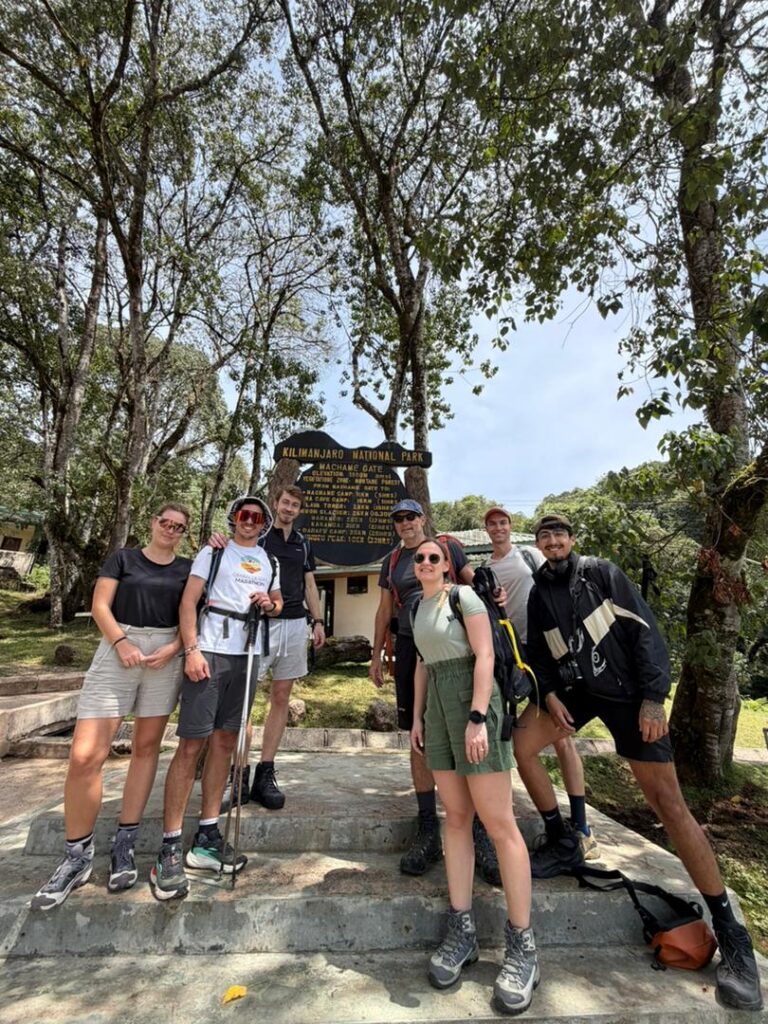
7-Day Machame Route Kilimanjaro Climb In January 2026-2027
Detailed guide to undertaking a 7-day Machame Route climb on Mount Kilimanjaro during January. Covers itinerary, weather expectations for 2026-2027, packing, costs, and preparation for this...
View package details8-Day Lemosho Route Kilimanjaro Climb In June | Top Guide Adventures 2026-2027
The 8-day Lemosho Route offers a balanced approach to climbing Kilimanjaro in June, providing excellent acclimatization and stunning scenery. This guide details the itinerary, challenges...
View package details7-Day Machame Route Climb In February : Your Expert Guide 2026-2027
Discover everything you need to know for a 7-day Machame Route climb on Kilimanjaro in February. This guide covers weather, gear, acclimatization, and booking tips for your 2026-2027...
View package details7-Day Rongai Route Kilimanjaro Climb In January | Top Guide Adventures
Planning a 7-day Rongai Route Kilimanjaro climb in January offers excellent weather conditions for a successful ascent. This guide details the itinerary, preparation, and booking with Top...
View package details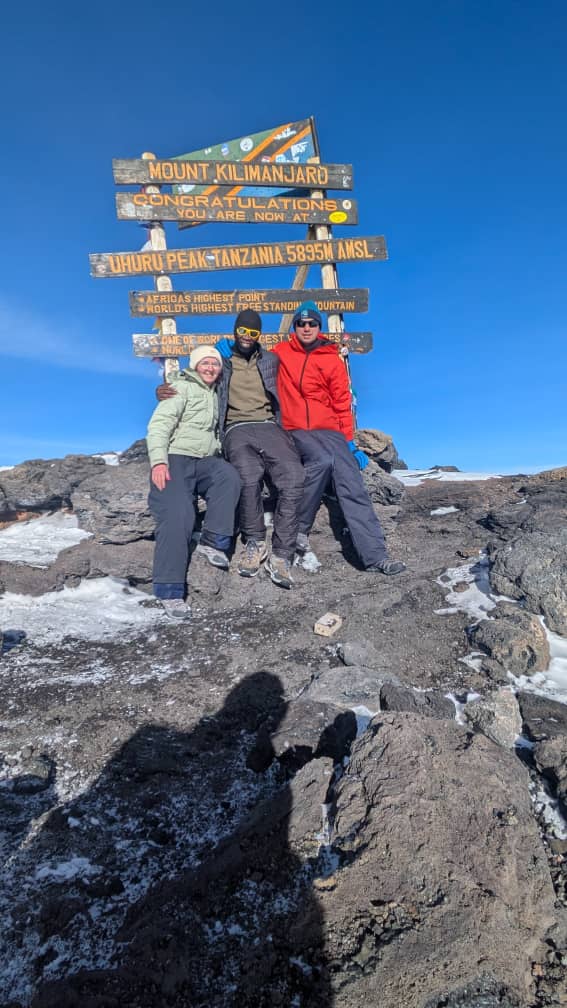
6-Day Marangu Route Kilimanjaro Climb In May | Top Guide Adventures 2026-2027
start a 6-day Marangu Route Kilimanjaro climb in May 2026-2027. This guide details the itinerary, weather expectations, essential packing, and what makes May an excellent time to ascend...
View package details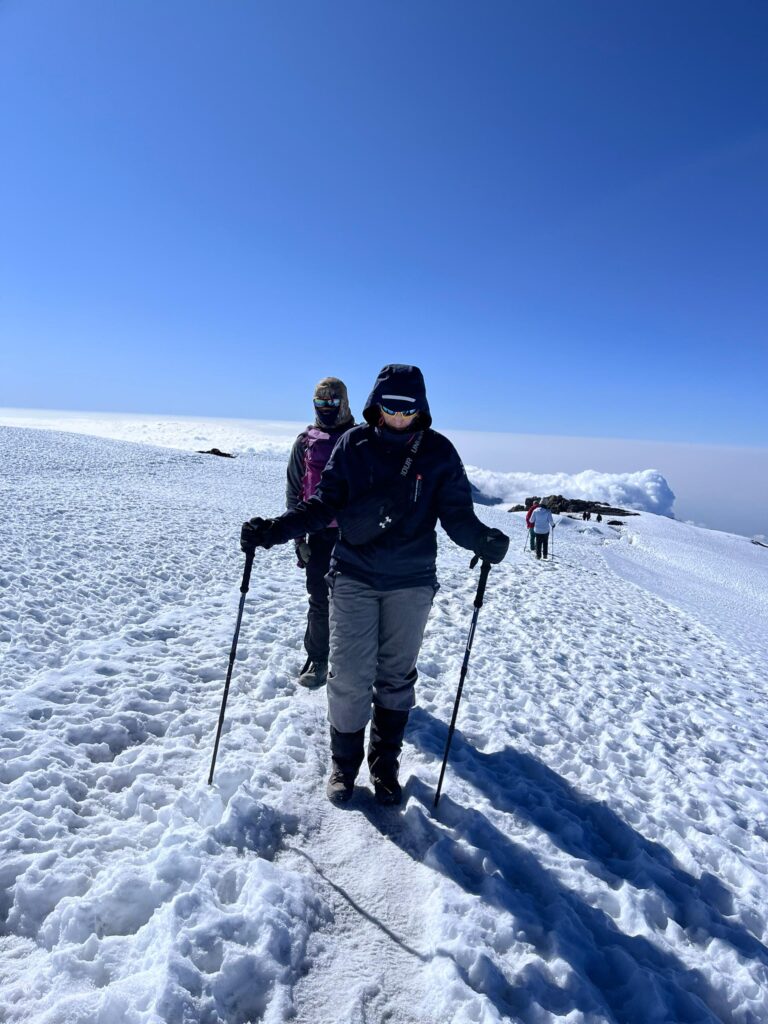
April Kilimanjaro Climb With Private Toilet Tent Guide
Discover everything you need to know about climbing Kilimanjaro in April with the comfort of a private toilet tent. This guide covers the best routes for the season, essential gear...
View package details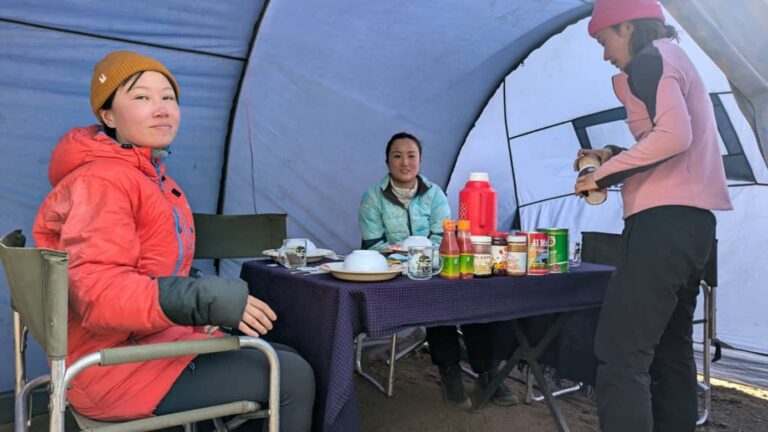
April Kilimanjaro Low-Season Packages: Your Expert Guide To Climbs 2026-2027
Planning a Kilimanjaro climb in April? This guide covers everything you need to know about low-season packages, weather, routes, and preparation for your 2026-2027 trek.
View package detailsNo related package matches those filters. Clear one or more filters to see the other topic-matched options.



