
A 7-day Machame Route Kilimanjaro climb in January offers a prime window for reaching the summit, characterized by generally dry weather and clear skies, making it an excellent choice for trekkers in 2026 and 2027. This duration provides a good balance between acclimatization and ascent, with the Machame Route being favored for its scenic beauty and higher success rates due to its gradual acclimatization profile. Expect temperatures to vary significantly with altitude, from warm at the base to freezing near the summit, and plan for crowds to be moderate, less than peak seasons but still present.

Understanding the 7-Day Machame Route Kilimanjaro Climb in January
The 7-day Machame Route Kilimanjaro climb in January represents one of the most sought-after trekking experiences on Africa’s highest peak. January falls within Kilimanjaro’s short dry season, offering trekkers some of the best conditions for ascent. This period typically boasts clear skies, lower humidity, and minimal rainfall, which are crucial factors for a successful and enjoyable climb. The Machame Route itself, often called the “Whiskey Route,” is known for its stunning scenery, diverse ecosystems, and a more challenging but rewarding acclimatization profile compared to shorter routes, leading to generally higher summit success rates.
Choosing a 7-day itinerary on the Machame Route is a strategic decision. While shorter Machame itineraries exist (like 6 days), the 7-day option is highly recommended by experienced guides and operators, including Top Guide Adventures. This extra day is dedicated to slower ascents and more rest, significantly enhancing your body’s ability to acclimatize to the extreme altitude. Proper acclimatization is the single most important factor in reaching Uhuru Peak (5,895 meters / 19,341 feet) safely and successfully. For trekkers planning their adventure for the January 2026 Kilimanjaro climb or the January 2027 Kilimanjaro climb, understanding these nuances is key to preparation and expectation setting.
This comprehensive guide will walk you through everything you need to know about embarking on a 7-day Machame Route Kilimanjaro climb in January, from the specific itinerary and expected weather patterns to essential packing lists, cost considerations, and preparation strategies. Top Guide Adventures, as a leading tour operator in Tanzania, is dedicated to providing complete travel experiences, ensuring your Kilimanjaro journey is supported with personal attention, care, and expert guidance.
Why January is Ideal for Climbing Kilimanjaro via Machame
January is part of Kilimanjaro’s longest dry season, which typically runs from late December through February. This period is highly attractive to trekkers for several compelling reasons:
- Dry Conditions: Rainfall is minimal, meaning fewer muddy trails and a much lower chance of prolonged rain, which can make trekking uncomfortable and increase the risk of hypothermia.
- Clear Skies: Expect excellent visibility. The panoramic views from the higher slopes and the summit are often spectacular, offering unobstructed vistas of the surrounding landscape and neighboring Mount Meru.
- Moderate Temperatures: While the summit remains extremely cold year-round, the lower and middle altitudes are pleasant, often warm during the day with cooler nights. This makes the trekking days more manageable.
- Less Crowded Than Peak Seasons: While January is popular due to good weather, it is generally less crowded than the absolute peak months of July, August, and September. This can lead to a more serene trekking experience.
However, it’s crucial to remember that Kilimanjaro’s weather can be unpredictable. Even in the dry season, short, unexpected showers can occur, and temperatures at the summit will always be below freezing. Proper preparation is therefore non-negotiable, regardless of the month.
The 7-Day Machame Route Itinerary: A Detailed Breakdown
The 7-day Machame Route itinerary is designed to maximize acclimatization, offering a more gradual ascent than the 6-day version. This slower pace significantly improves your chances of reaching Uhuru Peak. Here’s a typical breakdown:
Day 1: Machame Gate (1,800m / 5,905ft) to Machame Camp (3,050m / 10,007ft)
Trek: Approximately 11 km / 7 miles, 5-7 hours.
Habitat: Rainforest.
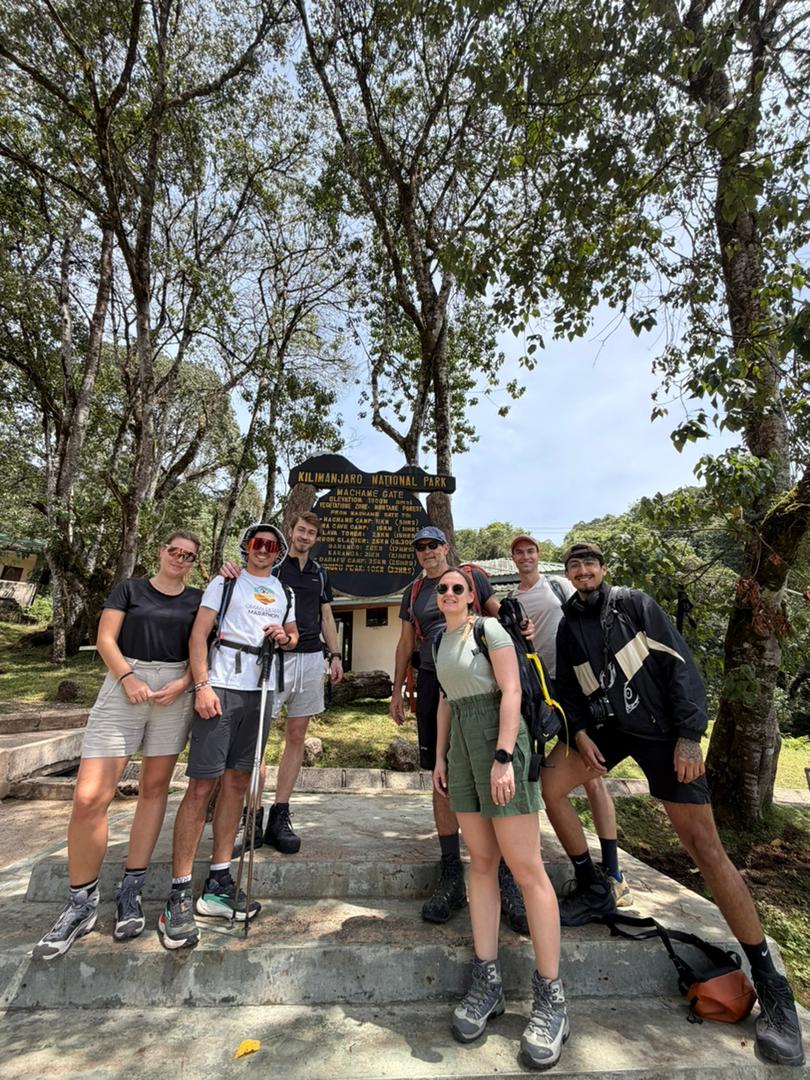
Description: Your adventure begins at the Machame Gate, where you’ll complete registration formalities. The trek starts through a dense, lush rainforest. The trail is often muddy and steep in places, with opportunities to spot monkeys and diverse birdlife. You’ll gain significant altitude today, so pace yourself and stay hydrated. Your first night is spent at Machame Camp.
Day 2: Machame Camp (3,050m) to Shira 2 Camp (3,850m / 12,631ft)
Trek: Approximately 5 km / 3 miles, 4-6 hours.
Habitat: Moorland.
Description: Today’s trek is shorter but steeper, taking you out of the rainforest and into the moorland zone. The landscape opens up, offering stunning views of the Shira Plateau. You’ll cross streams and navigate rocky terrain. Reaching Shira 2 Camp provides a good acclimatization step, with a noticeable drop in temperature as you gain altitude.
Day 3: Shira 2 Camp (3,850m) to Lava Tower (4,600m / 15,092ft) and then to Barranco Camp (3,950m / 12,960ft)
Trek: Approximately 10 km / 6 miles, 6-8 hours.
Habitat: Alpine Desert.
Description: This is a crucial acclimatization day. You’ll ascend steadily towards Lava Tower, a prominent volcanic plug. After lunch at Lava Tower, you’ll descend to Barranco Camp. This “climb high, sleep low” strategy is vital for acclimatization. The landscape becomes increasingly barren and rocky, resembling an alpine desert.
Day 4: Barranco Camp (3,950m) to Karanga Camp (4,035m / 13,238ft)
Trek: Approximately 5 km / 3 miles, 4-5 hours.
Habitat: Alpine Desert.
Description: Today involves navigating the famous Barranco Wall, a challenging but rewarding scramble. While it looks daunting, it’s not technical climbing and is managed with the help of your guides. The rest of the trek to Karanga Camp is relatively short, allowing for recovery and acclimatization. Karanga Camp is situated in a valley with dramatic views.
Day 5: Karanga Camp (4,035m) to Barafu Camp (4,640m / 15,223ft)
Trek: Approximately 4 km / 2.5 miles, 3-4 hours.
Habitat: Alpine Desert.
Description: This is another shorter trekking day, but you are now at a significant altitude. The trail ascends steadily towards Barafu Camp, the base camp for your summit attempt. You’ll reach Barafu Camp by early afternoon, giving you ample time to rest, hydrate, and prepare for the challenging summit night. The landscape is stark and rocky, with the summit ridge visible above.
Day 6: Barafu Camp (4,640m) to Uhuru Peak (5,895m / 19,341ft) and descend to Mweka Camp (3,100m / 10,171ft)
Trek: Approximately 15 km / 9 miles, 10-15 hours (summit day).
Habitat: Arctic.
Description: This is the most demanding day. You’ll start your ascent around midnight, trekking in the dark with headlamps. The path is steep and challenging, often on scree. You’ll reach Stella Point (5,756m / 18,885ft) at sunrise, then continue the final push to Uhuru Peak, the roof of Africa. After celebrating your achievement, you’ll descend back to Barafu Camp for a short rest before continuing down to Mweka Camp. This descent is long and can be tiring.
Day 7: Mweka Camp (3,100m) to Mweka Gate (1,500m / 4,921ft)
Trek: Approximately 10 km / 6 miles, 3-5 hours.
Habitat: Rainforest.
Description: After breakfast, you’ll complete the final descent through the rainforest to Mweka Gate. Here, you’ll receive your summit certificates and celebrate your incredible achievement with your trekking team. From Mweka Gate, you’ll be transferred back to your hotel in Moshi or Arusha.
Weather Expectations for a 7-Day Machame Route Climb in January
January on Kilimanjaro is generally characterized by dry, clear weather, making it a favorable month for climbing. However, “dry” does not mean warm, especially at higher altitudes.
- Lower Slopes (1,800m – 3,000m): Expect pleasant, warm temperatures during the day, potentially reaching 20-25°C (68-77°F). Nights will be cooler, dropping to around 10-15°C (50-59°F). These areas are often humid and covered in rainforest.
- Middle Altitudes (3,000m – 4,500m): Temperatures decrease significantly. Daytime highs might be around 10-15°C (50-59°F), while nights can fall to 0-5°C (32-41°F). This is the moorland and alpine desert zone, where conditions become more challenging.
- Summit Zone (Above 4,500m): Conditions are harsh and cold. Temperatures can range from -5°C to -15°C (23°F to 5°F) during the day, and plummet to -15°C to -25°C (5°F to -13°F) or even colder on summit night, especially with wind chill.
While January is dry, occasional light showers are possible, particularly in the lower rainforest section. Snow is unlikely at lower and middle altitudes but is common on the summit itself and the crater rim. High winds can also be a factor, especially at the higher camps and on summit night, drastically increasing the perceived cold.
For your January 2026 Kilimanjaro climb or January 2027 Kilimanjaro climb, always pack for a wide range of conditions, prioritizing layers and high-quality, waterproof outerwear.
Kilimanjaro Packing List for a 7-Day Machame Route Climb in January
Packing correctly is vital for comfort, safety, and success. The key is layering to adapt to the extreme temperature variations. Top Guide Adventures provides a comprehensive packing list to all clients, but here are the essentials:
Clothing (Layering System):
- Base Layers: 2-3 sets of moisture-wicking thermal underwear (long johns and long-sleeved tops). Synthetic or merino wool are best.
- Mid Layers: 2-3 fleece jackets or sweaters. A heavier fleece is recommended for higher altitudes.
- Insulation Layer: 1 down or synthetic insulated jacket. This is crucial for warmth, especially on summit night.
- Outer Shell (Waterproof & Windproof): 1 high-quality waterproof and breathable jacket (Gore-Tex or similar) and 1 pair of waterproof trousers.
- Trekking Trousers: 2-3 pairs of comfortable, quick-drying trekking trousers (not jeans). Zip-off legs can be useful.
- Shirts: Several moisture-wicking t-shirts and long-sleeved shirts for warmer days.
- Headwear: 1 warm fleece hat or beanie, 1 sun hat with a wide brim, and 1 balaclava or neck gaiter for summit night.
- Gloves: 1 pair of thin liner gloves, 1 pair of warm waterproof/windproof gloves or mittens.
- Socks: 5-7 pairs of thick hiking socks (wool or synthetic blend) and 2-3 pairs of liner socks.
Footwear:
- Hiking Boots: Well broken-in, waterproof, mid-to-high ankle support hiking boots.
- Camp Shoes: Comfortable trainers or sandals for wearing around camp.
Equipment:
- Backpack: A comfortable daypack (30-40 liters) for carrying essentials during the trek (water, snacks, rain gear, camera).
- Duffel Bag: A large, waterproof duffel bag (80-100 liters) for your main gear, carried by porters.
- Sleeping Bag: A 4-season (-20°C / -4°F comfort rating) sleeping bag.
- Sleeping Pad: For added comfort and insulation (though camps often provide basic mats).
- Trekking Poles: Highly recommended for stability and reducing strain on knees, especially on descents.
- Headlamp: With extra batteries. Essential for summit night.
- Water Bottles/Hydration Reservoir: At least 3 liters capacity. Insulated covers are recommended to prevent freezing.
- Sunglasses: High UV protection.
- Sunscreen: High SPF.
- Lip Balm: With SPF.
- Personal First-Aid Kit: Include personal medications, blister treatment, pain relievers, antiseptic wipes, etc.
- Toiletries: Biodegradable soap, toothbrush, toothpaste, wet wipes, hand sanitizer.
- Towel: Quick-drying travel towel.
- Camera: With extra batteries and memory cards.
- Power Bank: To charge electronics.
- Snacks: Energy bars, nuts, dried fruit, chocolate.
- Book/Journal: For downtime.
- Passport & Visa: Keep copies separate.
- Cash: For tips and personal expenses.
Costs and Budget Considerations for a January 2026/2027 Climb
The cost of a 7-day Machame Route Kilimanjaro climb can vary significantly based on the tour operator, the level of service, and what’s included. For a 7-day Machame Route Kilimanjaro climb in January 2026 or January 2027, expect prices to range from approximately $1,500 to $3,500 USD per person for a reputable operator like Top Guide Adventures. This typically covers:
- Park fees (including entry, camping, and rescue fees)
- Experienced, licensed guides and support crew (cooks, porters)
- All meals on the mountain
- Accommodation in tents on the mountain
- Boiled water on the mountain
- Temporary shelters at campsites
- Transfers to and from the mountain gate
- Basic medical kit and oxygen cylinder for emergencies
What is typically NOT included:
- Flights to Tanzania
- Visa fees
- Travel insurance (mandatory)
- Personal gear (sleeping bag, clothing, etc.)
- Tips for guides, porters, and cooks (a significant part of their income)
- Lunches and dinners in hotels before and after the climb
- Alcoholic beverages and soft drinks
- Personal expenses
- Vaccinations and medications
- Optional pre- and post-climb safaris or Zanzibar holidays
Factors influencing cost:
- Operator Reputation: Established companies with strong safety records and ethical treatment of staff often charge more.
- Group Size: Private climbs are more expensive per person than joining a group.
- Inclusions: Some operators might include items like a first-night hotel stay, airport transfers, or gratuities, affecting the overall price.
- Quality of Gear: The quality of tents, sleeping mats, and cooking equipment can differ.
For the January 2026 Kilimanjaro climb or January 2027 Kilimanjaro climb, it’s wise to book well in advance, especially if you have specific dates in mind, as popular operators fill up quickly. Top Guide Adventures offers competitive pricing for quality service. For a personalized quote, you can reach them via WhatsApp at +255616946642 or email at topguideadventures@gmail.com.
Physical Preparation for a 7-Day Machame Route Climb
While the Machame Route is not technically difficult, the altitude and sustained effort require good physical fitness. The 7-day itinerary helps with acclimatization, but a solid foundation of fitness is still essential.
- Cardiovascular Fitness: Focus on activities that improve your stamina, such as hiking, running, cycling, or swimming. Aim for at least 3-4 sessions per week for several months leading up to your climb.
- Hiking: This is the most relevant training. Undertake long hikes (4-6 hours) with a backpack, ideally on hilly or mountainous terrain. Practice walking uphill and downhill.
- Strength Training: Focus on leg strength (squats, lunges) and core strength. Strong legs will help with the ascents and descents, and a strong core improves balance and endurance.
- Altitude Acclimatization Training (if possible): If you live at high altitude, this is a significant advantage. If not, focus on the other aspects of training.
- Mental Preparation: Kilimanjaro is as much a mental challenge as a physical one. Be prepared for cold, fatigue, and the need for perseverance, especially on summit night.
Start your training at least 3-6 months before your January 2026 Kilimanjaro climb or January 2027 Kilimanjaro climb. Consistency is key.
Health and Safety Considerations
Your health and safety are paramount. Top Guide Adventures prioritizes these aspects on all climbs.
- Altitude Sickness (AMS): This is the most significant risk. Symptoms include headache, nausea, dizziness, and fatigue. The 7-day Machame route is designed to minimize this risk through gradual ascent. Your guides are trained to recognize and manage AMS. It’s crucial to communicate any symptoms you experience immediately.
- Hydration: Drink plenty of water (3-4 liters per day) to help your body acclimatize and combat dehydration.
- Nutrition: Eat well on the mountain. Your guides will provide nutritious meals.
- Medical Kit: Guides carry a comprehensive medical kit, including oxygen and a portable hyperbaric chamber (Gamow bag).
- Emergency Evacuation: Ensure your travel insurance covers emergency helicopter evacuation from Kilimanjaro.
- Vaccinations: Consult your doctor or a travel clinic regarding recommended vaccinations and malaria precautions for Tanzania.
- Pre-existing Conditions: If you have any medical conditions, consult your doctor before booking your climb.
Choosing a Tour Operator for Your January Climb
Selecting the right tour operator is critical for a safe, enjoyable, and successful Kilimanjaro climb. Top Guide Adventures stands out as a trusted partner in Tanzania, committed to providing exceptional service and support.
Why choose Top Guide Adventures for your 7-day Machame Route Kilimanjaro climb in January:
- Experienced Guides: Our guides are highly trained, licensed, and possess extensive knowledge of Kilimanjaro, first aid, and altitude management.
- Safety First: We maintain a low climber-to-guide ratio, carry emergency oxygen, and have robust emergency protocols.
- Ethical Porter Treatment: We adhere to fair wages and working conditions for our porters, ensuring they are well-equipped and treated with respect.
- Quality Equipment: We use high-quality tents, mattresses, and cooking gear to ensure your comfort and safety.
- Personalized Service: From initial inquiry to post-climb support, we offer dedicated attention to each client.
- Comprehensive Inclusions: Our packages are designed to provide excellent value, covering all essential on-mountain services.
- Local Expertise: As a Tanzanian company, we have deep roots and understanding of the local culture and environment.
When planning for January 2026 Kilimanjaro climbs or January 2027 Kilimanjaro climbs, consider operators who prioritize safety, sustainability, and client satisfaction. You can explore group departure dates for the Machame Route at Machame Route Group Departures.
What to Expect After the Climb
Upon successful completion of your 7-day Machame Route Kilimanjaro climb in January, you’ll receive your summit certificate, a tangible symbol of your achievement. Top Guide Adventures will arrange your transfer back to your hotel in Moshi or Arusha. Many trekkers combine their climb with a Tanzanian safari or a relaxing holiday in Zanzibar. You can explore various safari options at Tanzania Safari Tours.
After the physical exertion of the climb, a day or two of rest is highly recommended before embarking on further adventures or your journey home. Enjoy a hot shower, a comfortable bed, and delicious food. Reflect on your incredible journey to the roof of Africa.
Booking Your January 2026/2027 Kilimanjaro Adventure
To secure your spot for a 7-day Machame Route Kilimanjaro climb in January 2026 or January 2027, it’s best to book several months in advance, especially if you aim for specific dates or wish to join a group departure. Early booking allows for better flight arrangements and ensures availability with your preferred operator.
Contact Top Guide Adventures today to discuss your Kilimanjaro plans:
- WhatsApp: +255616946642
- Email: topguideadventures@gmail.com
- Backup Email: info@topguideadventures.com
Our team is ready to assist you with detailed itineraries, personalized quotes, and all the information you need to prepare for an unforgettable Kilimanjaro experience. We pride ourselves on providing personalized attention, care, and dedicated support for every client, ensuring your climb is as safe and rewarding as possible.
Comparing 7-Day Machame vs. Other Routes in January
While the 7-day Machame Route is a fantastic choice for a January climb, understanding how it compares to other routes can help solidify your decision for 2026 or 2027.
- Marangu Route (5-6 days): Often called the “Coca-Cola Route,” it’s the oldest and most popular. It uses dormitory-style huts instead of camping. While generally easier and shorter, its direct ascent profile leads to lower acclimatization and summit success rates. The 5-day option is particularly difficult for acclimatization. A 6-day Marangu is better but still less scenic and acclimatized than Machame.
- Machame Route (6-7 days): As detailed, the 7-day Machame offers superior acclimatization and scenery, with higher success rates. The 6-day Machame is an option but sacrifices a crucial acclimatization day.
- Lemosho Route (7-8 days): Similar to Machame in terms of scenery and acclimatization, Lemosho is often considered slightly more scenic in its early days and starts from the west. It typically takes 7-8 days and is also an excellent choice for January, offering very high success rates. The main difference is often the starting point and slightly longer duration.
- Shira Route (7-8 days): Similar to Lemosho but starts at a higher altitude, potentially leading to faster initial acclimatization but also increased risk of AMS early on.
- Rongai Route (6-7 days): Approaches from the north, offering a different perspective and typically drier conditions as it bypasses the wetter southern slopes. It’s a good option if other routes are very crowded, but Machame or Lemosho are generally preferred for scenery and acclimatization profile.
- Northern Circuit (9-10 days): The longest route, offering the best acclimatization and highest success rates. It circles the mountain. While excellent, it requires more time, which might not suit everyone planning a January 2026 Kilimanjaro climb if they have limited vacation days.
For a 7-day Machame Route Kilimanjaro climb in January, you are choosing a route that balances scenic beauty, good acclimatization, and a strong chance of summit success, making it a top recommendation for most trekkers, especially for 2026 and 2027 adventures.
What to Pack: Beyond the Basics for January Climbs
While the general packing list covers essentials, a few specific items can make your 7-day Machame Route Kilimanjaro climb in January significantly more comfortable and safer:
- Gaiters: Essential for keeping mud, dust, and small stones out of your boots, especially in the rainforest and scree sections.
- Waterproof Bag Covers/Dry Bags: For protecting electronics, sleeping bag, and spare clothing within your duffel bag, even if the duffel is water-resistant.
- Duct Tape: Invaluable for quick repairs to gear, boots, or trekking poles.
- Small Repair Kit: Needle, thread, safety pins.
- Hand Warmers/Foot Warmers: Chemical warmers can provide an extra boost of warmth on summit night.
- Pee Bottle: For use inside your tent at night, avoiding the need to go outside in the cold.
- Earplugs: Can help with sleeping in windy conditions or if you’re a light sleeper.
- Snacks with Variety: While meals are provided, having your preferred high-energy snacks can be a morale booster. Consider things like dried fruit, nuts, energy bars, or even chocolate.
- Electrolyte Tablets/Powder: To add to your water, helping with hydration and replenishing salts lost through sweat.
- Small Backpack Rain Cover: To keep your daypack contents dry during unexpected showers.
Remember that porters will carry your main duffel bag, but you need to have essentials for the day easily accessible in your daypack. Weight limits for duffel bags are typically around 15kg (33 lbs).
Training Regimen: Tailoring for Machame’s Demands
To excel on the 7-day Machame Route, your training should mimic the demands of the trek:
Cardiovascular Endurance:
Aim for 4-5 sessions per week. Include activities like running, cycling, swimming, or brisk walking for at least 45-60 minutes per session. Incorporate interval training to push your limits.
Strength Training:
2-3 sessions per week. Focus on compound exercises for legs (squats, lunges, step-ups with weight), core (planks, Russian twists), and upper body (for carrying your daypack). Weighted step-ups onto a bench or box are excellent practice for Kilimanjaro’s ascents.
Hiking Practice:
This is paramount. Plan at least one long hike (6+ hours) per month in the 3-6 months leading up to your climb. Wear your hiking boots and carry a pack with similar weight to what you’ll have on the mountain. Try to find trails with significant elevation gain.
Flexibility and Mobility:
Incorporate stretching and yoga to improve flexibility and prevent injuries. Good mobility helps with navigating uneven terrain and recovering faster.
For those planning a January 2026 Kilimanjaro climb or January 2027 Kilimanjaro climb, starting your training program early and being consistent will make a significant difference in your comfort and success on the mountain.
Understanding Kilimanjaro Park Fees and Regulations
Kilimanjaro National Park fees are a substantial part of the overall climb cost and are regulated by the Tanzania National Parks Authority (TANAPA). These fees contribute to park conservation, infrastructure, and rescue services. For 2026 and 2027, expect these fees to remain consistent, though minor adjustments are always possible.
Key fees typically include:
- Park Entrance Fee: Charged per person, per day.
- Camping/Hut Fee: Charged per person, per night, depending on the campsite or hut used.
- Climbing Permit: A general permit required for all climbers.
- Rescue Fee: A mandatory fee for rescue services.
Reputable operators like Top Guide Adventures include all mandatory park fees in their quoted prices, providing transparency. It’s important to ensure your chosen operator covers these costs, as they are non-negotiable. Rangers also conduct checks on the mountain to verify permits.
Regulations on Kilimanjaro are strictly enforced to protect the environment and ensure climber safety:
- Leave No Trace: Pack out all your trash, including biodegradable items.
- Stay on Trails: Do not cut switchbacks or wander off designated paths.
- No Littering: Absolutely no littering is permitted.
- Waste Disposal: All waste must be carried down to the designated disposal points.
- Porter Support: Climbing Kilimanjaro requires a support crew (guides, porters, cooks). Independent climbing is not allowed.
- Campfires: Strictly prohibited. Cooking is done using gas stoves or kerosene.
Adhering to these regulations ensures the preservation of Kilimanjaro’s unique ecosystem for future generations of trekkers planning their January 2026 Kilimanjaro climb or January 2027 Kilimanjaro climb.
The Role of Guides and Porters on Your Climb
Your success and safety on the 7-day Machame Route Kilimanjaro climb in January are heavily dependent on your mountain crew. Top Guide Adventures employs experienced, professional, and dedicated staff.
- Guides: Your lead guide and assistant guides are responsible for your safety. They are trained in wilderness first aid, altitude sickness management, navigation, and Kilimanjaro’s environment. They make critical decisions regarding pace, rest stops, and, if necessary, descent. They are your primary point of contact for any concerns.
- Porters: These strong individuals carry the bulk of your gear, including tents, food, cooking equipment, and your duffel bag. They set up camp and ensure you have a comfortable base each night. Their strength and efficiency are crucial to the expedition’s smooth running.
- Cooks: They prepare nutritious and delicious meals on the mountain, ensuring you have the energy needed for the trek.
Ethical treatment of porters is a serious concern in the industry. Top Guide Adventures is committed to fair wages, proper food, adequate clothing, and respectful treatment of all crew members. This ensures a motivated and efficient team supporting your climb.
Summit Night: The Ultimate Challenge
Summit night is the most physically and mentally demanding part of any Kilimanjaro climb. For your 7-day Machame Route Kilimanjaro climb in January, this typically occurs on the night of Day 6.
- Start Time: You’ll typically start trekking around midnight from Barafu Camp (4,640m).
- Pace: The pace will be very slow, a “pole pole” (slowly, slowly) approach, as you ascend steep scree slopes in the dark.
- Conditions: Expect extreme cold (often -15°C to -25°C or colder with wind chill), darkness, and potentially high winds. You’ll be relying on your headlamp and the guidance of your trekking team.
- Breathing: Oxygen levels are critically low at this altitude. Focus on deep, steady breaths.
- Stella Point: Reaching Stella Point (5,756m) on the crater rim is a major achievement. From here, it’s another hour or so to Uhuru Peak.
- Uhuru Peak: The summit (5,895m). Take photos, celebrate, but don’t linger too long due to the extreme conditions.
- Descent: The descent is long and tiring, often taking longer than the ascent. You’ll descend back to Barafu Camp for a brief rest before continuing down to Mweka Camp.
Proper preparation, including acclimatization, hydration, and the right gear, is essential for tackling summit night successfully. Your guides will be with you every step of the way.
Booking Your January 2026/2027 Kilimanjaro Adventure with Top Guide Adventures
Securing your place for a memorable 7-day Machame Route Kilimanjaro climb in January 2026 or January 2027 is a straightforward process with Top Guide Adventures. We specialize in creating complete travel experiences across Tanzania, offering personal attention, care, and dedicated support for every client.
To begin planning your Kilimanjaro expedition or to request a personalized quote, please reach out to our team:
- Direct WhatsApp Inquiry: +255616946642
- Primary Email: topguideadventures@gmail.com
- Alternative Email: info@topguideadventures.com
We are passionate about helping you achieve your dream of climbing Kilimanjaro. Whether you’re interested in group departures, private climbs, or combining your trek with a Tanzanian safari or Zanzibar holiday, we can tailor a journey to your specific needs. Our commitment is to provide a safe, ethical, and unforgettable adventure. Consider checking our TripAdvisor reviews to see what our past clients have experienced.
Your 7-day Machame Route Kilimanjaro climb in January awaits, offering a unique blend of natural beauty, physical challenge, and personal triumph. Let Top Guide Adventures guide you to the roof of Africa.
Check Availability for 7-Day Machame Route Kilimanjaro Climb In January 2026-2027
Ready to compare dates, prices, and the best option for your group? Send the package name and travel month so the team can reply with a clear quote, availability, and what is included.
Kilimanjaro Climb With A Personal Support Assistant: Your Ultimate Guide
Climbing Mount Kilimanjaro with a personal support assistant offers unparalleled safety, comfort, and focus on your summit goals. This guide details what a personal assistant entails, its...
View package detailsKilimanjaro Hydration Mistakes Climbers Make And How To Avoid Them 2026-2027
Proper hydration is critical for a successful Kilimanjaro climb. This guide details common hydration mistakes climbers make, from under-drinking to choosing the wrong fluids, and provides...
View package details
Kilimanjaro Summit-Night Mistakes To Avoid: Your Essential Guide For Climbs
Summit night on Kilimanjaro is the most challenging part of the climb. Avoiding common mistakes in acclimatization, gear, hydration, and pacing is crucial for success. This guide details...
View package details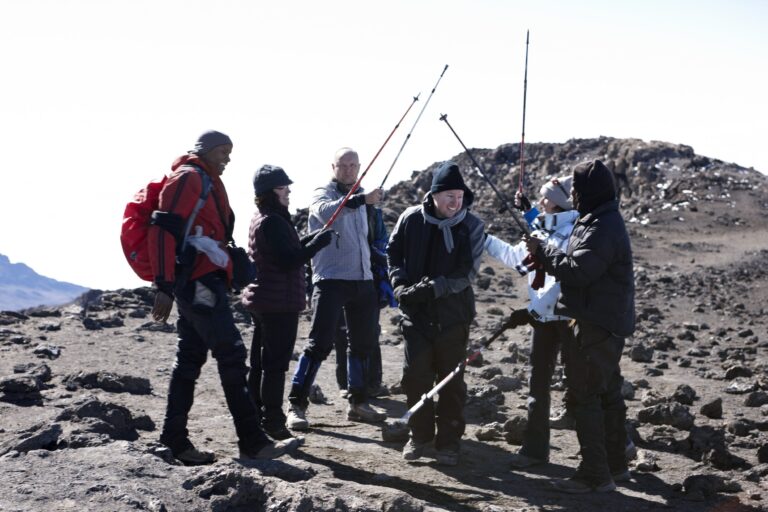
Kilimanjaro Airport Vs Arusha For Climbers: The Definitive Guide 2026-2027
A comprehensive comparison of Kilimanjaro International Airport (JRO) and Arusha Airport (ARK) for trekkers planning a Mount Kilimanjaro climb, detailing pros, cons, and booking advice for...
View package details
Kilimanjaro Climb For Retired Couples: Planning Your Adventure 2026-2027
Planning a Kilimanjaro climb as a retired couple is an achievable and rewarding goal. This guide offers in-depth advice on route selection, physical preparation, essential gear, and the...
View package details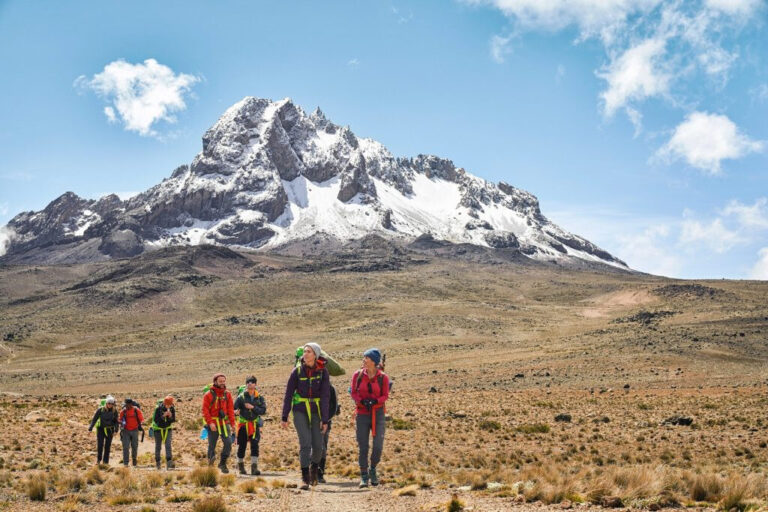
Can A 16-Year-Old Climb Kilimanjaro? Your Essential Guide 2026-2027
Discover if a 16-year-old can summit Kilimanjaro. This comprehensive guide covers age requirements, health, fitness, essential gear, and planning for younger trekkers aiming for Africa's...
View package details
Content For Parents And Young Climbers: Conquering Kilimanjaro Safely
Planning a Kilimanjaro climb with children or as a young climber requires special attention. This guide provides comprehensive content for parents and young adventurers, covering...
View package details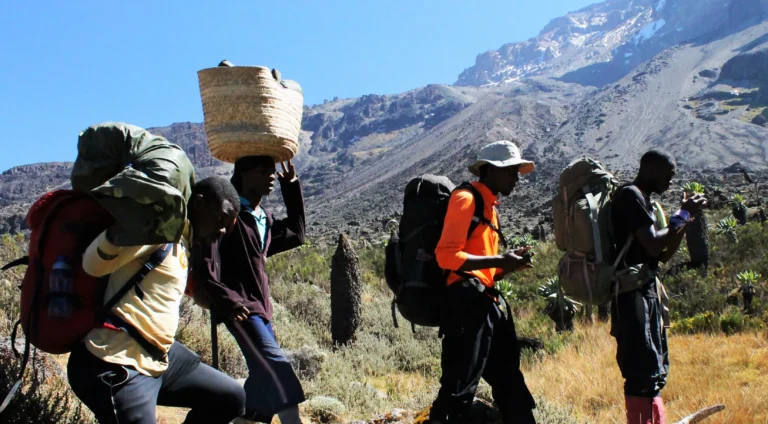
Kilimanjaro Tree-Planting Climbing Package Guide
Combine your dream Kilimanjaro climb with a meaningful conservation effort. Our Kilimanjaro Tree-Planting Climbing Package allows you to ascend Africa's highest peak while actively...
View package details
What Happens If It Rains Throughout Your Kilimanjaro Climb? 2026-2027
What Happens If It Rains throughout Your Kilimanjaro Climb? is explained with current 2026-2027 planning, price, itinerary and booking information.
View package details
Kilimanjaro Early-Bird Climbing Discounts For Adventures 2026-2027
Plan your 2026-2027 Kilimanjaro climb and take advantage of early-bird discounts. Top Guide Adventures offers savings for those who book in advance, ensuring a memorable and affordable...
View package details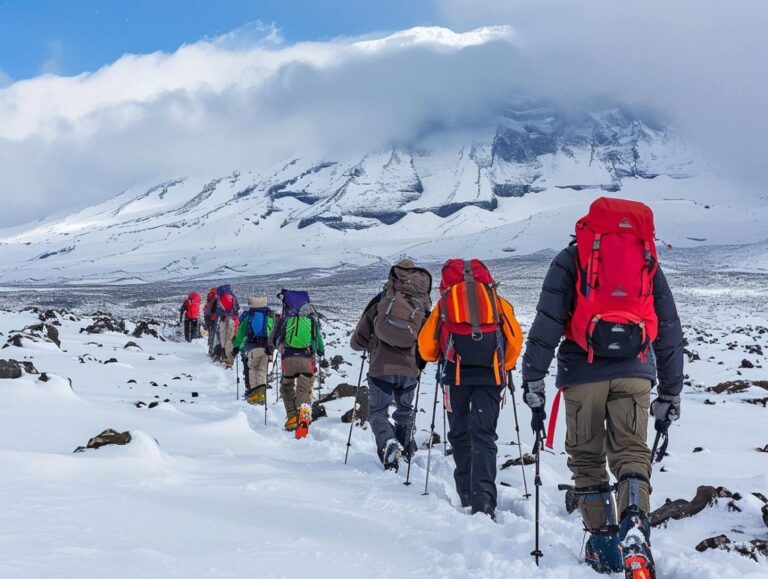
Kilimanjaro Private Climb Price For One Person: Your Guide 2026-2027
Planning a solo ascent of Mount Kilimanjaro? This guide details the Kilimanjaro private climb price for one person, covering cost factors, inclusions, and essential planning for 2026-2027.
View package details
Kilimanjaro Wellness Retreat For Non-Climbers: Rejuvenate Near Africas
Experience the serene beauty and restorative power of Tanzania without the arduous climb. Our Kilimanjaro wellness retreats for non-climbers offer a unique blend of relaxation, cultural...
View package detailsNo related package matches those filters. Clear one or more filters to see the other topic-matched options.



