
A 6-day Marangu Route Kilimanjaro climb in January offers a good chance of clear skies and stable weather for your ascent in 2026-2027, though it remains a challenging trek requiring acclimatization and preparation. This popular route, often called the “Coca-Cola” route, is the oldest and most established, featuring comfortable hut accommodations and a gradual ascent profile, making it a viable option for those seeking a slightly less strenuous Kilimanjaro experience compared to other routes, though the 6-day duration is still demanding.

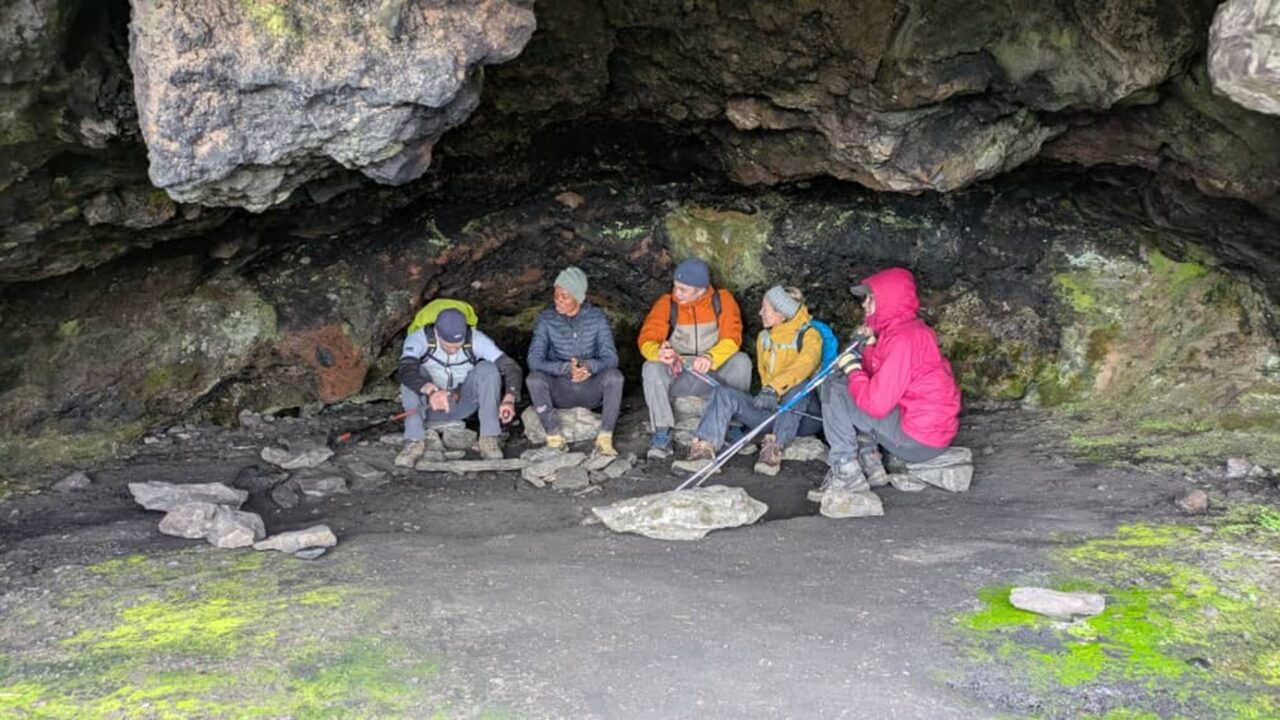

Understanding the 6-Day Marangu Route Kilimanjaro Climb in January
January marks the beginning of Kilimanjaro’s dry season, offering some of the best climbing conditions of the year. The weather is typically stable, with clear skies and less rainfall, which significantly enhances the trekking experience and visibility. For those considering a 6-day Marangu Route Kilimanjaro climb in January 2026-2027, this period presents a compelling opportunity to reach Uhuru Peak. The Marangu Route, known for its unique hut accommodations rather than camping, provides a comfortable base each night. The 6-day itinerary is the shortest option on Marangu, which means a faster ascent and a more condensed acclimatization period. While this can be appealing for those with limited time, it also increases the risk of altitude sickness, making careful preparation and listening to your body paramount.
Top Guide Adventures specializes in organizing Kilimanjaro climbs, including the 6-day Marangu Route. We understand the nuances of climbing during different seasons and can tailor your trip to maximize your chances of success and enjoyment. Our team provides comprehensive support, from initial planning to the summit bid and descent, ensuring a safe and memorable adventure. When planning for January 2026-2027, booking well in advance is advisable due to the popularity of this dry season window.
Why Choose January for Your Kilimanjaro Climb?
January falls within Kilimanjaro’s primary dry season, which generally runs from late December to February. This period is characterized by:
- Clear Skies: Expect excellent visibility, offering stunning panoramic views of the surrounding landscape and the African plains from higher altitudes.
- Stable Weather: While mountain weather is always unpredictable, January generally offers more consistent conditions with less cloud cover and minimal rainfall.
- Moderate Temperatures: Daytime temperatures on the lower slopes are pleasant, while the summit region remains very cold, requiring appropriate gear.
- Lower Humidity: This can make the trekking more comfortable, especially on the ascent through the rainforest.
While January is a fantastic month for climbing, it is also a popular time. This means the mountain can be busier than during the shoulder seasons. For the 6-day Marangu Route Kilimanjaro climb in January 2026-2027, booking your expedition with a reputable operator like Top Guide Adventures ensures you have secured your preferred dates and services.
The Marangu Route: “Coca-Cola” or “Tourist” Route
The Marangu Route is often referred to as the “Coca-Cola” route or the “Tourist” route. It’s the oldest and arguably the most well-known path up Kilimanjaro. Its popularity stems from several key features:
- Hut Accommodation: Unlike other routes that involve camping, Marangu offers basic dormitory-style huts at each campsite. This means you sleep in a bed, rather than a tent, and have access to basic toilet facilities.
- Gradual Ascent Profile: The route ascends and descends via the same path, which can be a disadvantage for acclimatization as you don’t “climb high, sleep low.” However, the overall gradient is less steep in its initial stages compared to some other routes.
- Scenic Beauty: The route traverses diverse ecological zones, from lush rainforest to alpine desert and arctic summit zones, offering a varied landscape experience.
- Accessibility: It’s generally considered one of the more comfortable routes due to the hut system and perceived gentler climb.
The 6-day Marangu Route Kilimanjaro climb in January is a condensed version. While the 7-day option is often recommended for better acclimatization, the 6-day itinerary is still a popular choice for those seeking a shorter expedition during the favorable January weather window of 2026-2027.
The 6-Day Marangu Route Itinerary: A Day-by-Day Breakdown
The 6-day itinerary on the Marangu Route is designed for efficiency, but it demands a strong pace and careful attention to acclimatization. Here’s a typical day-by-day breakdown for a 6-day Marangu Route Kilimanjaro climb in January:
Day 1: Marangu Gate to Mandara Huts
Distance: Approximately 8 km (5 miles)
Time: 3-4 hours
Altitude: 1800m to 2700m (5,905 ft to 8,858 ft)
Habitat: Montane forest
Your Kilimanjaro adventure begins at the Marangu Gate (1800m). After completing park formalities and meeting your guide and porters, you’ll begin your trek through the dense montane rainforest. The trail is well-maintained and relatively gentle. You’ll likely encounter diverse flora and fauna, including monkeys and various bird species. The hike culminates at Mandara Huts, where you’ll spend your first night. Dinner is served, and you can rest in the basic but functional huts.
Day 2: Mandara Huts to Horombo Huts
Distance: Approximately 12 km (7.5 miles)
Time: 5-6 hours
Altitude: 2700m to 3700m (8,858 ft to 12,139 ft)
Habitat: Heath and moorland
Today, you’ll leave the forest behind and enter the heath and moorland zone. The landscape opens up, offering more expansive views. The path becomes steeper in places as you gain altitude. You’ll pass through a transition zone with giant heathers and senecios. The destination is Horombo Huts, situated at 3700m. This is a significant altitude gain, and it’s crucial to stay hydrated and move slowly. The views from Horombo can be spectacular, often encompassing Mount Mawenzi.
Day 3: Horombo Huts to Acclimatization Day (Optional) or Kibo Huts
Distance: Approximately 10 km (6 miles) to Kibo Huts
Time: 5-7 hours to Kibo Huts
Altitude: 3700m to 4700m (12,139 ft to 15,420 ft)
Habitat: Alpine desert
On the 6-day itinerary, Day 3 often involves trekking directly to Kibo Huts. Some operators may build in an acclimatization day at Horombo Huts, which is highly recommended for a 7-day climb but often sacrificed on the 6-day version. If you proceed directly, you’ll traverse the stark alpine desert. The terrain becomes rocky, and vegetation is sparse. The air thins considerably, and you’ll feel the effects of the altitude more acutely. Reaching Kibo Huts (4700m) sets you up for the summit attempt. Rest is vital.
Day 4: Summit Night and Descent to Horombo Huts
Distance: Approximately 6 km (3.7 miles) ascent, 16 km (10 miles) descent
Time: 11-15 hours total
Altitude: 4700m to 5895m (15,420 ft to 19,341 ft) and down to 3700m
This is the most challenging day. You’ll typically start your ascent around midnight to reach Gilman’s Point (5685m) by sunrise. The climb from Kibo Huts to Gilman’s Point is steep and demanding in the dark and cold. From Gilman’s Point, it’s a further hour to Uhuru Peak (5895m), the roof of Africa. After celebrating briefly and taking photos, you’ll begin your descent. Descending through Kibo Huts, you’ll continue down to Horombo Huts. This is a long, tiring day, and you’ll likely sleep soundly upon arrival.
Day 5: Horombo Huts to Marangu Gate
Distance: Approximately 20 km (12.5 miles)
Time: 7-8 hours
Altitude: 3700m to 1800m (12,139 ft to 5,905 ft)
Habitat: Heath and moorland, Montane forest
After breakfast, you’ll descend from Horombo Huts back through the moorland and forest zones. The descent is faster than the ascent, but your knees might feel the strain. You’ll reach Mandara Huts for a brief stop before continuing the final stretch to Marangu Gate. At the gate, you’ll be greeted by your guide, receive your summit certificates, and meet your driver for the transfer back to your hotel in Moshi or Arusha. A celebratory dinner is usually in order.
Day 6: Buffer Day / Departure
The 6-day itinerary often concludes with the descent on Day 5. Day 6 is typically reserved as a buffer day for potential delays due to weather or acclimatization issues, or it can be used for departure from Kilimanjaro International Airport (JRO) or onward travel. If your itinerary includes a full 6 days on the mountain, it might involve an extra acclimatization day or a slightly different pace, but the standard 6-day Marangu Route finishes with the descent to Marangu Gate on Day 5.
Altitude Sickness and Acclimatization on the 6-Day Marangu Route
Altitude sickness, or Acute Mountain Sickness (AMS), is a significant concern on any Kilimanjaro climb, and particularly on shorter itineraries like the 6-day Marangu Route. The rapid ascent means less time for your body to adapt to the lower oxygen levels at higher elevations. Understanding and managing AMS is critical for a successful and safe climb in January 2026-2027.
Understanding AMS
AMS symptoms can range from mild to severe:
- Mild AMS: Headache, nausea, dizziness, fatigue, loss of appetite, difficulty sleeping.
- Moderate AMS: Worsening of mild symptoms, shortness of breath at rest, increased heart rate, reduced coordination (ataxia).
- Severe AMS: Pulmonary Edema (fluid in the lungs) or Cerebral Edema (fluid in the brain), which can be life-threatening if not treated immediately.
Strategies for Acclimatization
While the 6-day Marangu Route is inherently fast, there are strategies to mitigate AMS risk:
- Ascend Slowly: Follow the “pole pole” (slowly, slowly) principle. Walk at a pace that allows you to hold a conversation without getting breathless.
- Hydrate: Drink plenty of fluids (3-4 liters per day) – water, herbal teas, or electrolyte drinks. Avoid alcohol and caffeine.
- Eat Well: Consume high-carbohydrate meals. Your appetite may decrease, but it’s important to fuel your body.
- Avoid Overexertion: Especially on the first few days, take it easy.
- Monitor Symptoms: Be honest with yourself and your guide about how you are feeling. Your guide is trained to recognize AMS symptoms.
- Medication: Diamox (Acetazolamide) is a prescription medication that can aid acclimatization. Consult your doctor well before your January 2026-2027 climb.
- Descent is the Cure: If AMS symptoms become moderate or severe, immediate descent is the only effective treatment. Your safety is Top Guide Adventures’ top priority.
The 6-day Marangu Route’s main drawback is its rapid ascent to Kibo Huts. The 7-day option includes an extra acclimatization day at Horombo Huts, which significantly improves acclimatization success rates. If possible, consider the 7-day itinerary for a more comfortable and safer experience, even in January.
What to Pack for Your 6-Day Marangu Route Climb in January
Packing correctly is essential for comfort and safety on Kilimanjaro, especially during January’s dry but cold conditions. Layering is key to managing temperature fluctuations from the rainforest floor to the arctic summit.
Clothing Layers
- Base Layers: Moisture-wicking thermal tops and bottoms (merino wool or synthetic). Bring 2-3 sets.
- Mid Layers: Fleece jackets or sweaters for insulation.
- Outer Layer (Shell): Waterproof and windproof jacket and trousers. Essential for unpredictable weather, especially at higher altitudes.
- Insulation Layer: A warm down or synthetic insulated jacket for summit night and cold evenings.
Headwear and Handwear
- Warm Hat: Fleece or wool hat that covers your ears.
- Sun Hat: Wide-brimmed hat for sun protection during the day.
- Balaclava/Buff: For face and neck protection against wind and cold.
- Gloves: Lightweight liner gloves and warm, waterproof outer gloves or mittens.
Footwear
- Hiking Boots: Waterproof, sturdy, broken-in hiking boots with good ankle support.
- Camp Shoes: Comfortable shoes or sandals for wearing at the huts.
- Socks: Several pairs of warm wool or synthetic hiking socks.
Sleeping Gear
- Sleeping Bag: A 4-season sleeping bag rated to at least -10°C (15°F) is recommended for January.
- Sleeping Bag Liner: Adds warmth and keeps your bag cleaner.
Trekking Gear
- Backpack: A comfortable daypack (30-40 liters) for essentials you need during the day.
- Duffel Bag: A large, waterproof duffel bag (80-100 liters) for your main gear, carried by porters.
- Trekking Poles: Highly recommended for reducing strain on knees during ascents and descents.
- Water Bottles/Hydration Reservoir: Capacity for 3-4 liters. Insulated covers are useful in cold weather.
- Headlamp: With extra batteries, essential for summit night.
- Sunglasses: High UV protection.
- Sunscreen: High SPF.
- Lip Balm: With SPF.
- Personal First-Aid Kit: Including any personal medications, blister treatment, pain relievers.
- Toiletries: Biodegradable soap, toothbrush, toothpaste, wet wipes.
- Snacks: High-energy snacks like energy bars, nuts, dried fruit.
- Camera and Power Bank: For capturing memories.
Top Guide Adventures provides a detailed packing list upon booking your 6-day Marangu Route Kilimanjaro climb in January 2026-2027. We also offer gear rental services for items like sleeping bags and jackets.
Costs and Inclusions for a 6-Day Marangu Route Climb in January
The cost of a 6-day Marangu Route Kilimanjaro climb in January can vary significantly depending on the tour operator, the services included, and the group size (private vs. group). When planning for 2026-2027, it’s crucial to understand what is covered in the price.
Typical Inclusions
Reputable operators like Top Guide Adventures usually include:
- Park Fees: All necessary Kilimanjaro National Park entry fees, camping/hut fees, and conservation fees. These are a significant portion of the total cost.
- Guides and Crew: Experienced, licensed guides, assistant guides, and porters.
- Accommodation: Hut accommodation on the mountain (Marangu Route).
- Meals: All meals on the mountain (breakfast, lunch, dinner), prepared by cook staff.
- Water: Boiled or treated drinking water on the mountain.
- Transfers: Airport transfers and transfers to/from the mountain gate.
- Acclimatization: A pre-climb briefing and guidance on acclimatization.
- Emergency Support: Oxygen cylinders and first-aid kits.
Typical Exclusions
Common exclusions often are:
- Flights: International airfare to Kilimanjaro International Airport (JRO).
- Visas: Tanzania visa fees.
- Travel Insurance: Comprehensive travel and medical insurance, including emergency evacuation.
- Tips: Gratuities for guides, porters, and cooks. This is a significant cultural expectation.
- Personal Gear: Sleeping bags, trekking poles, personal clothing, etc. (unless rented).
- Drinks: Soft drinks, alcoholic beverages, and bottled water (though treated water is provided).
- Lunches/Dinners in Town: Meals before and after the climb.
- Vaccinations and Medications: Personal medical expenses.
Price Range (Estimate for 2026-2027)
For a 6-day Marangu Route Kilimanjaro climb in January 2026-2027 with a reputable company like Top Guide Adventures, you can expect prices to range roughly from $1,500 to $2,500 USD per person for a private climb. Group or shared climbs might be slightly less. It’s crucial to compare what’s included, as cheaper options often cut corners on guide experience, safety equipment, or porter welfare.
Important Note on Pricing: Always ensure that the quoted price includes all mandated park fees, which are substantial. Top Guide Adventures is transparent about its pricing and inclusions. We recommend contacting us directly for a personalized quote for your January 2026-2027 climb.
Get a Custom Quote for Your 2026-2027 Climb!
Ready to conquer Kilimanjaro? Contact Top Guide Adventures for a detailed itinerary and quote tailored to your 6-day Marangu Route Kilimanjaro climb in January 2026-2027. We offer personalized service and expert guidance.
WhatsApp: +255616946642
Email: topguideadventures@gmail.com
Backup Email: info@topguideadventures.com
Training and Physical Preparation for the 6-Day Marangu Route
A 6-day Marangu Route Kilimanjaro climb in January requires a good level of physical fitness. While the Marangu Route is often considered less strenuous than others, the altitude and duration are still significant challenges. January’s clear weather can tempt trekkers to underestimate the effort required.
Cardiovascular Fitness
Focus on aerobic activities that build endurance. Aim for:
- Running, Jogging, or Cycling: 3-4 times per week for at least 45-60 minutes.
- Hiking: Regularly hike with a weighted backpack (5-10 kg / 10-20 lbs). Gradually increase the duration and elevation gain of your hikes. Weekend hikes in hilly or mountainous terrain are ideal.
- Swimming or Elliptical Training: Good low-impact options to supplement your training.
Strength Training
Strengthen your legs and core, as these are crucial for climbing:
- Squats and Lunges: For leg strength.
- Calf Raises: To prepare for uphill and downhill sections.
- Core Exercises: Planks, crunches, and back extensions to improve stability.
Altitude Acclimatization Training (Simulated)
While true altitude acclimatization can only happen at altitude, you can simulate some conditions:
- High-Intensity Interval Training (HIIT): Can improve your body’s efficiency in using oxygen.
- Hiking at Altitude: If you live near mountains, try to do some training hikes at higher elevations.
Mental Preparation
Kilimanjaro is as much a mental challenge as a physical one. Be prepared for long days, cold temperatures, and potential discomfort. Positive self-talk and visualizing success can be very powerful.
When to Start Training
Begin your training program at least 2-3 months before your planned 6-day Marangu Route Kilimanjaro climb in January 2026-2027. Consistency is more important than intensity in the initial stages.
Safety on the Mountain: Your Well-being with Top Guide Adventures
Safety is paramount on any Kilimanjaro climb, and Top Guide Adventures prioritizes the well-being of every trekker undertaking a 6-day Marangu Route Kilimanjaro climb in January.
Our Safety Protocols
- Experienced Guides: Our guides are certified in Wilderness First Aid and have extensive experience with altitude physiology and rescue procedures.
- Emergency Oxygen: We carry medical-grade oxygen cylinders on every climb for emergency use.
- Pulse Oximeters: Guides regularly monitor trekkers’ oxygen saturation and heart rate.
- Communication: Guides carry radios or satellite phones for emergency communication.
- Porter Welfare: We adhere to fair porter treatment standards, ensuring they are well-equipped, fed, and not overloaded. Happy and healthy porters contribute to a safer climb.
- Risk Management: We have established procedures for managing emergencies, including prompt evacuation when necessary.
Your Role in Safety
Your active participation is crucial for a safe climb:
- Communicate: Be open and honest with your guide about how you are feeling. Report any symptoms of altitude sickness immediately.
- Stay Hydrated: Drink plenty of fluids throughout the day.
- Eat Properly: Maintain your energy levels with regular meals and snacks.
- Listen to Your Guide: Follow their instructions regarding pace, hydration, and any medical concerns.
- Use Your Gear: Wear appropriate clothing and footwear to prevent hypothermia and frostbite.
Choosing a responsible operator like Top Guide Adventures for your January 2026-2027 climb means you are partnering with a team committed to providing a safe, ethical, and enjoyable experience on Kilimanjaro.
Comparing 6-Day vs. 7-Day Marangu Route in January
When planning your 6-day Marangu Route Kilimanjaro climb in January 2026-2027, it’s essential to understand the trade-offs compared to the 7-day option. The primary difference lies in acclimatization.
The 6-Day Marangu Route
- Pros: Shorter duration, potentially lower cost, fits tighter schedules.
- Cons: Significantly higher risk of altitude sickness due to rapid ascent, less time for body to adapt, more demanding pace, often omits acclimatization day at Horombo.
The 7-Day Marangu Route
- Pros: Includes an extra acclimatization day at Horombo Huts, significantly increasing success rates and reducing AMS risk, more relaxed pace, better enjoyment of the scenery.
- Cons: Longer duration, slightly higher cost.
For January, with its generally favorable weather, a 6-day climb is *possible*, but the 7-day itinerary is *recommended* by most experienced guides and operators for better acclimatization and a higher chance of reaching the summit comfortably. If your schedule allows, the 7-day Marangu Route in January 2026-2027 provides a more robust acclimatization profile.
Preparing for Kilimanjaro: Pre-Climb Briefing and Logistics
Before you even set foot on the mountain for your 6-day Marangu Route Kilimanjaro climb in January 2026-2027, thorough preparation is key. Top Guide Adventures ensures you are well-equipped mentally and logistically.
Pre-Climb Briefing
Typically held the day before your climb begins, the briefing covers:
- Itinerary Review: A detailed walkthrough of the daily schedule.
- Gear Check: Ensuring you have all necessary equipment and that it fits correctly.
- Health and Safety: Discussing altitude sickness, hydration, nutrition, and emergency procedures.
- Meet the Crew: An opportunity to meet your lead guide and some of the support team.
- Q&A: Addressing any last-minute questions or concerns.
Logistics Handled by Top Guide Adventures
- Permits and Fees: All park entries and necessary permits are secured.
- Transportation: Arrangements for your airport pick-up and transfers to Marangu Gate and back to your hotel.
- Accommodation: Booking your pre- and post-climb hotel nights in Moshi or Arusha.
- Food and Water: Provision of all meals and safe drinking water on the mountain.
We aim to make your preparation as smooth as possible so you can focus on the excitement of your upcoming January 2026-2027 Kilimanjaro expedition.
The Summit Night Experience: Uhuru Peak in January
Summit night is the culmination of your 6-day Marangu Route Kilimanjaro climb in January. It’s an unforgettable, albeit demanding, experience. The goal is to reach Uhuru Peak (5895m) by sunrise.
Timing and Conditions
You’ll typically start your ascent from Kibo Huts around midnight. The trail is steep, rocky, and often covered in scree. The temperature can drop significantly, often between -10°C to -20°C (14°F to -4°F), with wind chill making it feel even colder. January’s dry conditions mean less chance of snow but potentially icy patches.
What to Expect
- Slow Pace: Guides will lead you at a very slow, steady pace (“pole pole”).
- Headlamp Light: Your only illumination will be your headlamp, guiding you on the winding path.
- Breathing: You’ll be breathing heavily, and oxygen levels are roughly half of those at sea level.
- Gilman’s Point: Reaching Gilman’s Point (5685m) is a major achievement. The views as dawn breaks are spectacular.
- Uhuru Peak: The final push to Uhuru Peak is about an hour from Gilman’s Point. The glacial formations and the iconic “Kilimanjaro” signpost await.
- Descent: The journey down is often underestimated. It’s long and tiring, but crucial for recovery and avoiding altitude sickness. You’ll descend past Kibo Huts to Horombo Huts.
The clear skies of January often provide unparalleled views of the sunrise and the surrounding glaciers, making the challenging summit night incredibly rewarding. Proper preparation and gear are non-negotiable for this part of your January 2026-2027 climb.
Post-Climb: Celebrating and Recovering
After successfully completing your 6-day Marangu Route Kilimanjaro climb in January, the feeling of accomplishment is immense. Top Guide Adventures ensures your transition back to civilization is comfortable.
Celebration
Upon returning to Marangu Gate and then to your hotel, there’s usually time for rest and a celebratory meal. Many trekkers enjoy sharing stories of their adventure.
Recovery
Your body will be tired. Allow yourself time to rest and recover. Hydration and good nutrition are still important in the days following your climb. Gentle stretching can help alleviate muscle soreness.
Optional Extensions
Many clients choose to combine their Kilimanjaro climb with other Tanzanian experiences:
- Safari: Explore the Serengeti, Ngorongoro Crater, Tarangire, or Lake Manyara.
- Zanzibar: Relax on the pristine beaches of Zanzibar, explore Stone Town, or go diving.
Top Guide Adventures can help you plan these extensions seamlessly into your January 2026-2027 travel plans.
Booking Your 6-Day Marangu Route Kilimanjaro Climb in January 2026-2027
Ready to book your unforgettable 6-day Marangu Route Kilimanjaro climb in January 2026-2027? Top Guide Adventures is your trusted partner for a safe, well-organized, and memorable mountain experience.
We pride ourselves on offering personalized service, expert guides, and a commitment to ethical tourism. Our team is available to answer all your questions and help you prepare for every aspect of your climb.
Don’t miss out on the prime climbing conditions of January. Contact us today to secure your spot for the 2026-2027 season.
Start Planning Your Kilimanjaro Adventure!
For inquiries, custom quotes, or to book your 6-day Marangu Route Kilimanjaro climb in January, please reach out to our expert team:
WhatsApp: +255616946642
Email: topguideadventures@gmail.com
Backup Email: info@topguideadventures.com
Visit our website for more information on Kilimanjaro climbs and Tanzania safaris.
Check Availability for 6-Day Marangu Route Kilimanjaro Climb In January 2026-2027
Ready to compare dates, prices, and the best option for your group? Send the package name and travel month so the team can reply with a clear quote, availability, and what is included.
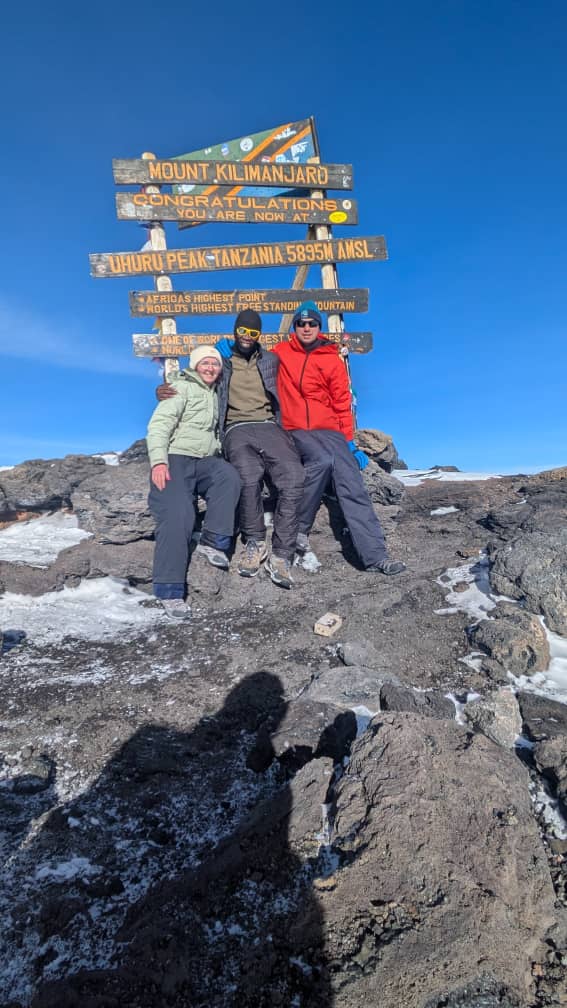
6-Day Marangu Route Kilimanjaro Climb In May | Top Guide Adventures 2026-2027
start a 6-day Marangu Route Kilimanjaro climb in May 2026-2027. This guide details the itinerary, weather expectations, essential packing, and what makes May an excellent time to ascend...
View package details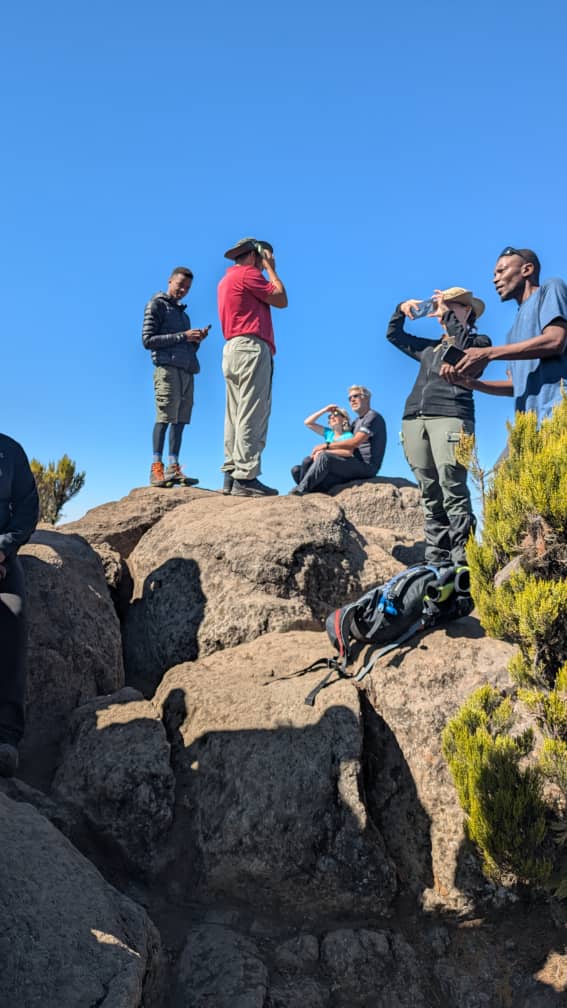
6-Day Marangu Route Kilimanjaro Climb In March : Your Expert Guide 2026-2027
A 6-day Marangu Route Kilimanjaro climb in March offers a unique window with potentially clearer skies and fewer crowds, making it an attractive option for trekkers aiming for summit...
View package details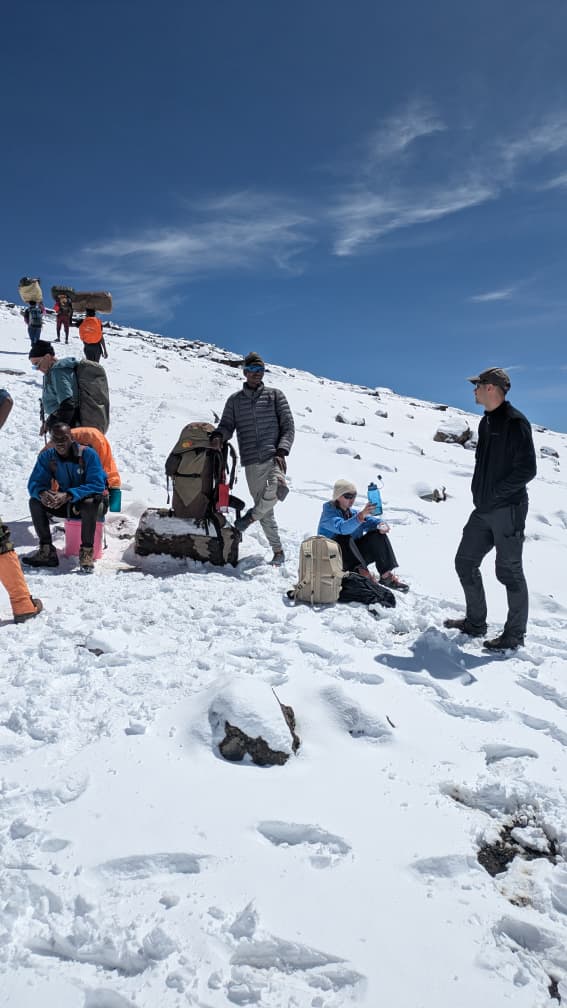
6-Day Marangu Route Climb In February : Your Comprehensive Guide 2026-2027
start a 6-day Marangu Route climb in February, a prime time for Kilimanjaro ascents. This guide details the itinerary, weather, gear, and essential tips for a successful trek in 2026-2027.
View package details
7-Day Rongai Route Kilimanjaro Climb In January | Top Guide Adventures
Planning a 7-day Rongai Route Kilimanjaro climb in January offers excellent weather conditions for a successful ascent. This guide details the itinerary, preparation, and booking with Top...
View package details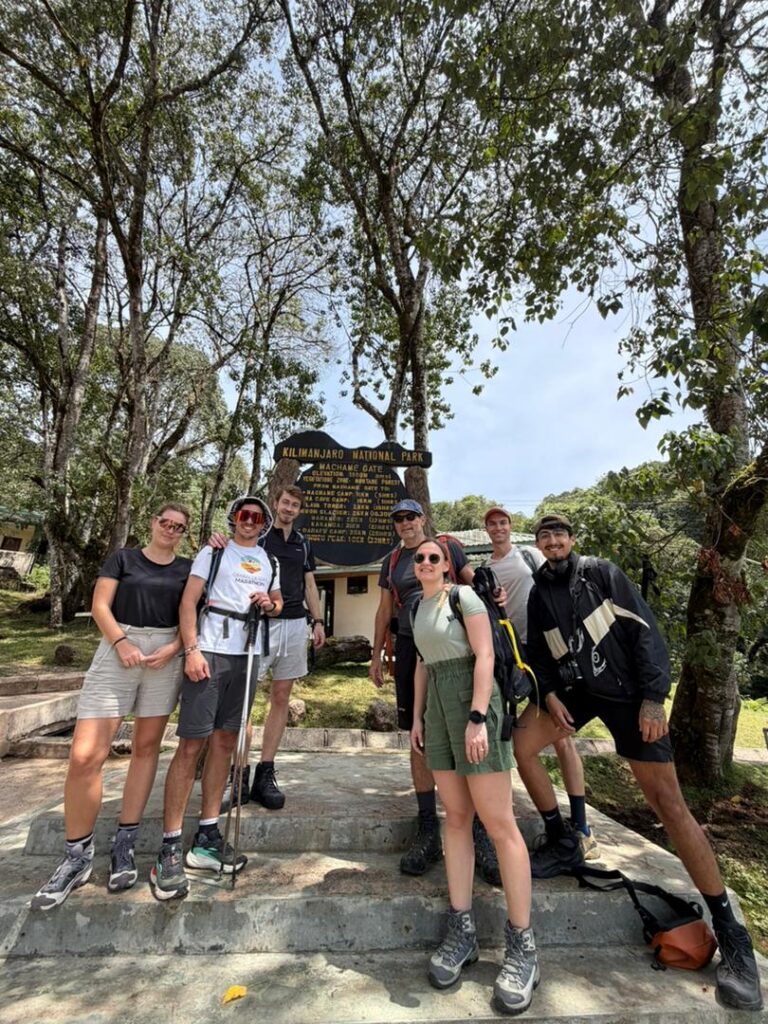
7-Day Machame Route Kilimanjaro Climb In January 2026-2027
Detailed guide to undertaking a 7-day Machame Route climb on Mount Kilimanjaro during January. Covers itinerary, weather expectations for 2026-2027, packing, costs, and preparation for this...
View package details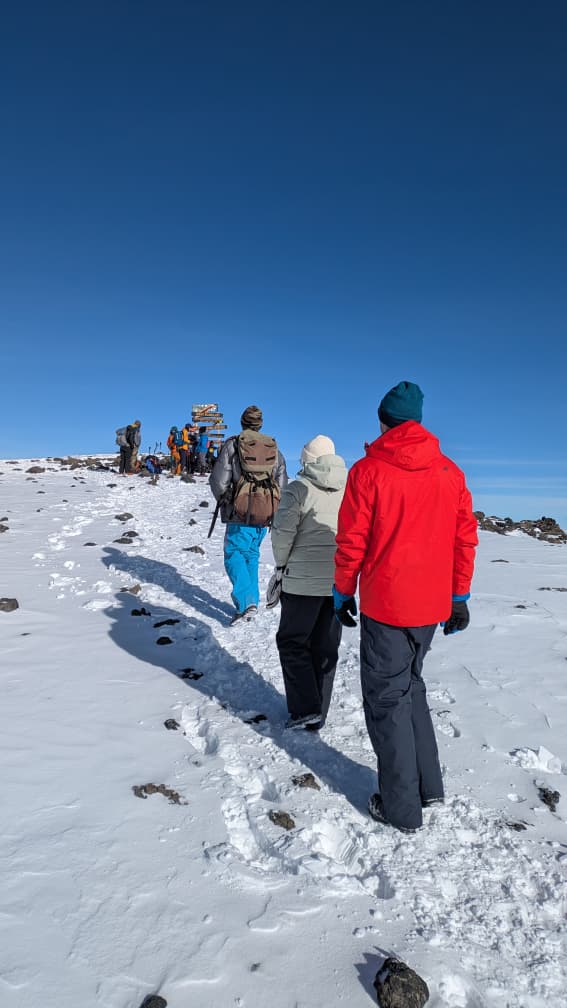
Kilimanjaro Climbing In January : Routes, Weather, And Prices With Top Guide
Planning a Kilimanjaro climb for January 2027? This comprehensive guide covers the best routes, the specific weather patterns you can expect, and detailed pricing information from Top Guide...
View package details8-Day Lemosho Route Kilimanjaro Climb In June | Top Guide Adventures 2026-2027
The 8-day Lemosho Route offers a balanced approach to climbing Kilimanjaro in June, providing excellent acclimatization and stunning scenery. This guide details the itinerary, challenges...
View package details
7-Day Machame Route Kilimanjaro Climb In June : Your Expert Guide 2026-2027
A comprehensive guide to undertaking a 7-day Machame Route Kilimanjaro climb in June, detailing itinerary, weather, gear, and preparation for 2026-2027.
View package details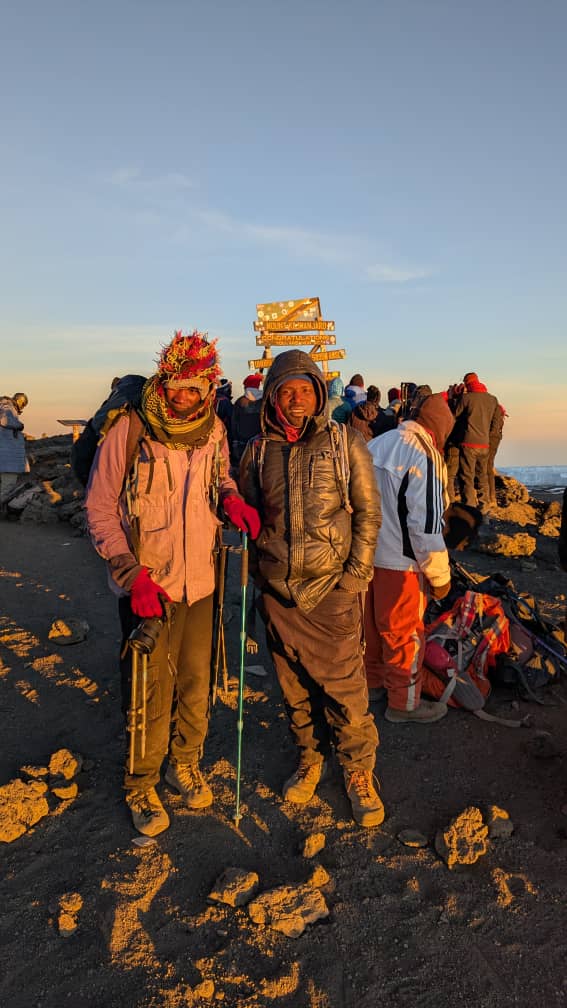
Best Kilimanjaro Routes For June Climbs In | Top Guide Adventures 2026-2027
Planning a Kilimanjaro climb in June 2026 or 2027? This guide details the best routes, considering weather patterns, scenery, and acclimatization for a successful summit experience.
View package details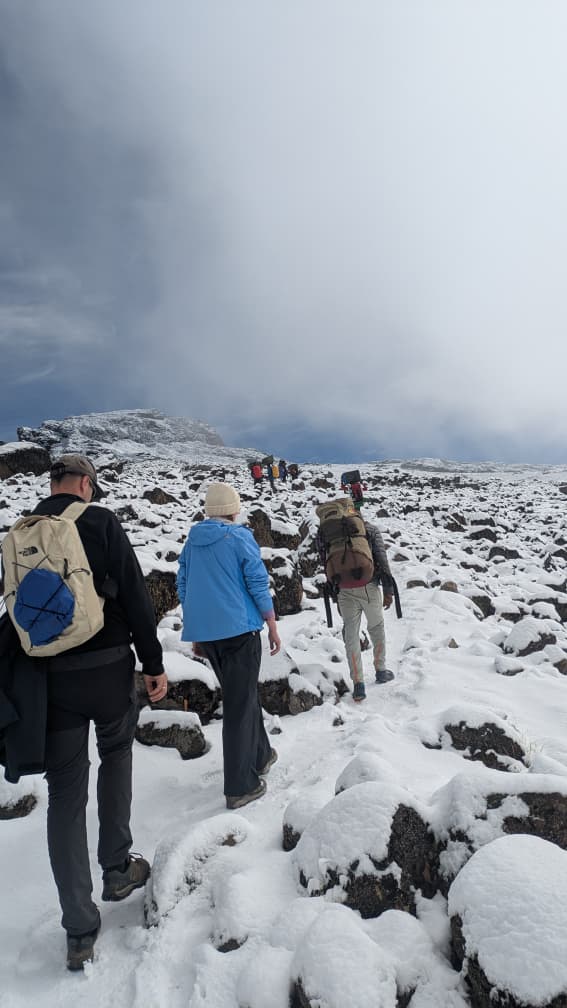
8-Day Lemosho Route Kilimanjaro Climb In May 2026-2027
An in-depth guide to the 8-day Lemosho Route Kilimanjaro climb during May, detailing itineraries, weather, costs, and preparation for your 2026-2027 adventure.
View package details
7-Day Machame Route Kilimanjaro Climb In April : Your Expert Guide 2026-2027
Your comprehensive guide to undertaking a 7-day Machame Route Kilimanjaro climb during April. We cover itinerary details, essential gear, weather expectations, acclimatization strategies...
View package details8-Day Lemosho Route Kilimanjaro Climb In April | Top Guide Adventures
The 8-day Lemosho Route offers a high success rate for summiting Kilimanjaro in April, known for its dry weather and fewer crowds. This comprehensive guide covers everything from...
View package detailsNo related package matches those filters. Clear one or more filters to see the other topic-matched options.



