
An 8-day Lemosho Route Kilimanjaro climb in May offers an excellent opportunity for a successful summit, with generally good weather conditions featuring fewer crowds than peak seasons, moderate temperatures, and lower chances of rain as the dry season begins to solidify. This extended duration on the Lemosho route allows for superior acclimatization, significantly increasing your chances of reaching Uhuru Peak while providing a more scenic and rewarding trekking experience through diverse landscapes.

Choosing the 8-Day Lemosho Route for Your May Kilimanjaro Expedition
When planning a Kilimanjaro climb, the choice of route and timing is paramount to success and enjoyment. The 8-day Lemosho Route Kilimanjaro climb in May stands out as a particularly attractive option for trekkers aiming for the Roof of Africa. May falls within Kilimanjaro’s shoulder season, bridging the late rainy season and the start of the main dry season. This unique timing often presents a sweet spot: fewer trekkers compared to the busy June-October period, yet with weather patterns that are typically improving, offering a good balance of clear skies and manageable trekking conditions.
The Lemosho Route itself is renowned for its scenic beauty and high success rates. Its longer duration, especially the 8-day variant, is a critical factor. This extended itinerary provides trekkers with more days for acclimatization, a fundamental element in summiting Kilimanjaro safely and comfortably. Proper acclimatization helps your body adjust to the decreasing oxygen levels at higher altitudes, reducing the risk of altitude sickness. For those considering an 8-day Lemosho Route Kilimanjaro climb in May 2026 or May 2027, understanding the nuances of this specific route and month is key to effective preparation.
Top Guide Adventures specializes in creating memorable and safe Kilimanjaro experiences. We understand the importance of choosing the right route and the right time. Our expertly crafted 8-day Lemosho itinerary is designed to maximize your acclimatization, enjoyment, and chances of reaching the summit, making it an ideal choice for your May adventure.
Why May is a Smart Choice for the 8-Day Lemosho Route
May in Kilimanjaro marks a transition. While it can still see some residual rain showers from the preceding wetter months, these are typically less frequent and shorter in duration than in April. As the month progresses, the weather patterns stabilize, leading into the dry season. This means you can anticipate a mix of conditions:
- Improving Weather: Expect clearer mornings and evenings, with clouds often forming later in the day. The landscape is often vibrant and lush from recent rains.
- Fewer Crowds: Compared to the peak dry seasons of June to October, May sees significantly fewer trekkers on the mountain. This allows for a more serene and personal trekking experience, with easier access to campsites and a less congested summit path.
- Moderate Temperatures: While summit night will always be cold, daytime temperatures on the lower slopes are generally pleasant. Higher up, temperatures will be cool to cold, typical for Kilimanjaro’s altitude.
- Water Availability: The recent rains ensure that water sources are generally plentiful, which is beneficial for trekking and for the porters who carry water.
For an 8-day Lemosho Route Kilimanjaro climb in May, these conditions translate to a higher likelihood of good visibility for the stunning views the Lemosho route offers, from the Shira Plateau to the Barranco Wall. The reduced foot traffic also contributes to a more authentic and less rushed journey.
The 8-Day Lemosho Route: A Detailed Itinerary Breakdown
The 8-day Lemosho Route is celebrated for its gradual ascent, scenic diversity, and high success rates. Its extended duration is its greatest asset for acclimatization. Here’s a typical day-by-day itinerary:
Day 1: Lemosho Gate (2,100m/6,890ft) to Mti Mkubwa Camp (2,820m/9,250ft)
The adventure begins with a drive from Moshi to the Lemosho Gate, located on the western side of Kilimanjaro. After completing park formalities, you’ll start your trek through the lush rainforest. The trail is relatively gentle, winding through dense vegetation that is home to various bird species and possibly colobus monkeys. The walk takes approximately 3-4 hours, covering about 6 kilometers (3.7 miles). The elevation gain is moderate, making it a good introduction to the climb. Mti Mkubwa means ‘Big Tree’ in Swahili, and the camp is situated in a forest clearing.
Key Highlights: Entering the montane forest, initial acclimatization, sighting of diverse flora and fauna.
Day 2: Mti Mkubwa Camp (2,820m/9,250ft) to Shira 1 Camp (3,500m/11,480ft)
Today, the trail continues to ascend through the rainforest, which gradually gives way to moorland. You’ll notice the vegetation changing as you gain altitude. The path can be steeper in sections, and you’ll begin to feel the effects of the altitude. The trek typically takes 5-7 hours, covering around 10 kilometers (6.2 miles). Shira 1 Camp is situated on the Shira Plateau, a vast, windswept moorland with stunning views of the surrounding landscape and Mount Meru in the distance. The plateau offers a unique, almost lunar-like environment.
Key Highlights: Transition from forest to moorland, crossing the Shira Ridge, expansive views from the Shira Plateau.
Day 3: Shira 1 Camp (3,500m/11,480ft) to Shira 2 Camp (3,850m/12,630ft)
This day involves a shorter but significant ascent across the Shira Plateau. The trek is generally less strenuous in terms of distance, taking around 3-5 hours and covering approximately 7 kilometers (4.3 miles). The primary goal today is to continue acclimatizing by gaining altitude gradually. You’ll walk across the plateau, enjoying panoramic views. Shira 2 Camp is located at a higher elevation on the plateau, offering even more dramatic vistas. The terrain is open and exposed, so be prepared for wind.
Key Highlights: Exploring the Shira Plateau, high-altitude acclimatization, spectacular views of Kilimanjaro’s western face.
Day 4: Shira 2 Camp (3,850m/12,630ft) to Barranco Camp (3,950m/12,960ft) via Lava Tower (4,630m/15,190ft)
This is a crucial acclimatization day, often referred to as ‘climb high, sleep low’. You’ll ascend towards Lava Tower, a prominent volcanic plug, reaching an altitude of 4,630 meters (15,190 feet). This significant altitude gain helps your body adapt to thinner air. After lunch at Lava Tower, you’ll descend to Barranco Camp. The descent is vital for acclimatization, as it allows your body to rest at a lower altitude after the high-altitude exposure. The trek takes 6-8 hours and covers about 10 kilometers (6.2 miles). Barranco Camp is situated at the base of the imposing Barranco Wall.
Key Highlights: Reaching Lava Tower, significant acclimatization, dramatic descent, arrival at the base of the Barranco Wall.
Day 5: Barranco Camp (3,950m/12,960ft) to Karanga Camp (4,035m/13,240ft)
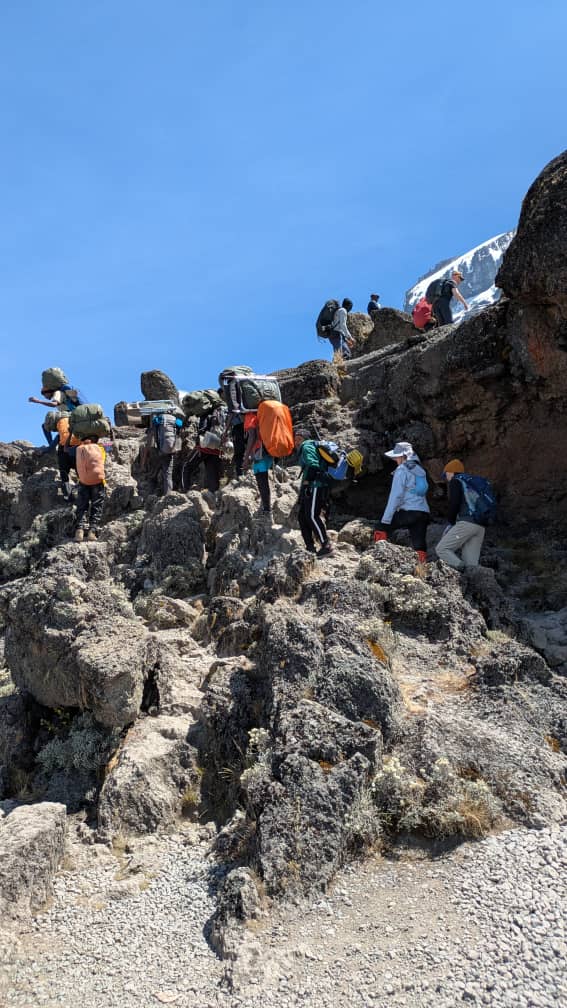
Today’s trek involves conquering the famous Barranco Wall, a challenging but rewarding scramble. While it looks daunting, the path is well-trodden and requires no technical climbing skills, but rather careful hand and foot placement. The climb takes about 1-2 hours. After cresting the wall, the route continues through a series of ascents and descents across alpine desert landscapes. The trek is approximately 7 kilometers (4.3 miles) and takes 5-7 hours. Karanga Camp is located in the Karanga Valley, offering a welcome respite after the day’s efforts.
Key Highlights: Scrambling the Barranco Wall, traversing the Karanga Valley, experiencing the alpine desert environment.
Day 6: Karanga Camp (4,035m/13,240ft) to Barafu Camp (4,640m/15,220ft)
This day’s trek is primarily an ascent through a rocky alpine desert. The trail becomes steeper and the air thinner. You’ll trek towards Barafu Camp, the base camp for the summit push. The journey takes about 4-5 hours and covers approximately 5 kilometers (3.1 miles). Barafu Camp is situated on a rocky ridge and offers stunning views of Kibo’s summit. After arriving at camp, you’ll have an early dinner and rest as much as possible before the final summit attempt, which begins around midnight.
Key Highlights: Ascending to high alpine desert, reaching Barafu Camp, preparing for summit night.
Day 7: Barafu Camp (4,640m/15,220ft) to Uhuru Peak (5,895m/19,341ft) and descend to Mweka Camp (3,100m/10,170ft)
This is the most challenging day: summit night. Starting around midnight, you’ll ascend steeply towards Stella Point (5,756m/18,885ft) on the crater rim. This section is slow and demanding, often done in darkness with headlamps. From Stella Point, you’ll continue along the crater rim to Uhuru Peak, the highest point in Africa. The sunrise from the crater rim or summit is an unforgettable experience. After celebrating at Uhuru Peak, you’ll begin the long descent back to Barafu Camp for a short break, then continue descending to Mweka Camp. The total trekking time is 10-14 hours, covering about 18 kilometers (11.2 miles) round trip from Barafu to Uhuru and down to Mweka.
Key Highlights: Summit night ascent, reaching Stella Point and Uhuru Peak, witnessing sunrise from the Roof of Africa, challenging descent.
Day 8: Mweka Camp (3,100m/10,170ft) to Mweka Gate (1,640m/5,380ft) and departure
The final day involves a relatively short descent through the rainforest. The trail is usually muddy and can be slippery, especially in May. You’ll trek for about 3-4 hours, covering approximately 10 kilometers (6.2 miles) to Mweka Gate. At the gate, you’ll receive your summit certificates and then transfer back to Moshi. This marks the end of your incredible Kilimanjaro journey.
Key Highlights: Final descent through the rainforest, receiving summit certificates, return to Moshi.
Acclimatization: The Cornerstone of Success on the 8-Day Lemosho
The 8-day Lemosho Route Kilimanjaro climb in May is specifically designed with acclimatization in mind. Unlike shorter routes, the 8-day itinerary allows for a more gradual ascent, giving your body ample time to adjust to the decreasing oxygen levels. This is crucial for preventing or minimizing Acute Mountain Sickness (AMS).
Key acclimatization strategies employed on the Lemosho route include:
- Gradual Altitude Gain: The route starts at a lower elevation and progresses slowly, avoiding rapid ascents that can overwhelm the body.
- ‘Pole Pole’ (Slowly, Slowly): Your guides will constantly remind you to walk at a slow, steady pace. This conserves energy and allows for better oxygen utilization.
- ‘Climb High, Sleep Low’: Day 4 is a prime example, where you ascend to Lava Tower (4,630m) and then descend to sleep at Barranco Camp (3,950m). This process stimulates red blood cell production.
- Hydration: Drinking plenty of water (3-4 liters per day) is vital. It helps your body function optimally at altitude and can alleviate some AMS symptoms.
- Adequate Rest: Getting enough sleep and resting during the day is essential for recovery and adaptation.
- Monitoring Symptoms: Experienced guides are trained to recognize the signs of AMS and will monitor each climber closely. They will make decisions regarding descent if symptoms become severe.
The 8-day duration significantly enhances the effectiveness of these strategies, making it a highly recommended option for trekkers, especially when climbing in May.
What to Pack for Your May Kilimanjaro Climb
Packing correctly is vital for comfort and safety on Kilimanjaro. While May weather is improving, you can still encounter a range of conditions, from warm on the lower slopes to freezing at the summit. Layering is key.
Clothing Essentials:
- Base Layers: Moisture-wicking thermal tops and bottoms (merino wool or synthetic). 3-4 sets.
- Mid Layers: Fleece jackets or vests for insulation. 2-3.
- Outer Layer (Insulation): A warm down or synthetic insulated jacket. Essential for summit night.
- Outer Layer (Shell): Waterproof and windproof jacket and trousers (Gore-Tex or similar).
- Trekking Trousers: Comfortable, quick-drying trousers. 2-3 pairs. Avoid jeans.
- Trekking Shirts: Long-sleeved and short-sleeved moisture-wicking shirts. 4-5.
- Headwear: Warm fleece hat or beanie, sun hat with a wide brim, balaclava or neck gaiter for summit night.
- Gloves: Warm waterproof outer gloves and thinner liner gloves.
- Socks: Wool or synthetic hiking socks. 5-7 pairs. Liner socks can prevent blisters.
- Camp Shoes: Comfortable shoes or sandals for wearing around camp.
Footwear:
- Hiking Boots: Broken-in, waterproof, sturdy hiking boots with good ankle support.
- Gaiters: To keep debris and water out of your boots.
Gear and Equipment:
- Backpack: A comfortable daypack (30-40 liters) for daily essentials.
- Duffel Bag: A large, waterproof duffel bag (80-100 liters) for porters to carry.
- Sleeping Bag: A 4-season sleeping bag rated to at least 0°F (-18°C).
- Sleeping Pad: For added comfort and insulation.
- Trekking Poles: Highly recommended for stability and reducing knee strain.
- Headlamp: With extra batteries. Essential for summit night.
- Water Bottles/Hydration Reservoir: At least 3 liters capacity. Insulated covers are useful in cold weather.
- Sunglasses: High UV protection.
- Sunscreen: High SPF.
- Lip Balm: With SPF.
- Personal First-Aid Kit: Including blister treatment, pain relievers, antiseptic wipes, personal medications.
- Toiletries: Biodegradable soap, toothbrush, toothpaste, wet wipes, hand sanitizer.
- Camera: With extra batteries and memory cards.
- Power Bank: For charging electronics.
- Snacks: High-energy snacks like nuts, dried fruit, energy bars.
- Book/Journal: For downtime.
- Water Purification Tablets: As a backup.
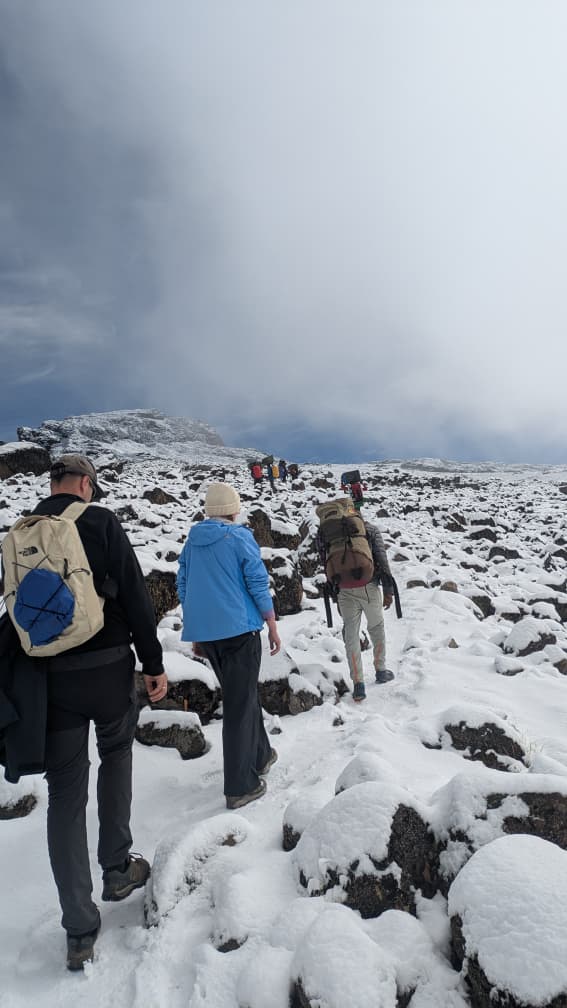
For an 8-day Lemosho Route Kilimanjaro climb in May, focus on versatile, layered clothing. While heavy snow is unlikely on the Lemosho route in May, expect cold temperatures, especially on summit night. Ensure your waterproofs are in good condition, as occasional showers are possible.
Cost Considerations for an 8-Day Lemosho Climb in May
The cost of an 8-day Lemosho Route Kilimanjaro climb in May can vary significantly depending on the tour operator, the level of service provided, and the inclusions. As a general guideline for 2026-2027, you can expect prices to range from $1,800 to $3,500+ per person for a reputable operator like Top Guide Adventures.
Key factors influencing the price include:
- Group Size: Private climbs are more expensive than group climbs. Shared departures offer the most economical option.
- Inclusions: What is included in the price? Look for:
- Park fees (crucial and substantial)
- Accommodation before and after the climb
- All meals on the mountain
- Porters and guide salaries and welfare
- Quality camping equipment
- Oxygen cylinders (for emergencies)
- Transfers to and from the mountain
- Operator Reputation and Quality: Higher-priced operators often invest more in experienced guides, better equipment, higher staff-to-client ratios, and ethical treatment of porters, which directly impacts safety and success rates.
- Time of Year: While May is shoulder season, prices generally don’t drop dramatically compared to peak season, as the costs of permits and staff remain constant.
Important Note on Park Fees: Kilimanjaro National Park fees are substantial and non-negotiable. Ensure any quote you receive clearly itemizes these fees. For 2026-2027, expect these fees to constitute a significant portion of the overall cost.
What is typically NOT included:
- International flights
- Visa fees
- Travel insurance (mandatory)
- Tips for guides and porters (a significant cultural expectation)
- Personal gear (clothing, sleeping bag, etc.)
- Lunches and drinks in Moshi before/after the climb
- Optional hot showers or bottled drinks on the mountain
When comparing prices for an 8-day Lemosho Route Kilimanjaro climb in May, always compare what is included. A cheaper option might seem appealing, but it could mean compromising on safety, quality, or ethical treatment of staff. Top Guide Adventures provides transparent pricing, detailing all essential inclusions for a safe and successful climb.
Estimated Cost Breakdown (per person, for a mid-range operator in 2026-2027):
- Park & Camping Fees: $800 – $1000
- Guide & Porter Wages: $500 – $700
- Food & Cooking Equipment: $200 – $300
- Logistics & Transport: $150 – $250
- Accommodation (Pre/Post Climb): $100 – $200
- Contingency/Overhead: $200 – $400
- Total Estimated Range: $1,950 – $2,850 (This excludes tips, flights, and personal items)
Note: Prices are indicative and subject to change. Contact Top Guide Adventures for a precise quote for your May 2026 or May 2027 climb.
Training and Physical Preparation for the 8-Day Lemosho
Successfully completing an 8-day Lemosho Route Kilimanjaro climb in May requires a good level of physical fitness. While you don’t need to be an elite athlete, consistent training in the months leading up to your climb is crucial. The focus should be on cardiovascular endurance, strength, and hiking-specific fitness.
Cardiovascular Endurance:
- Aerobic Exercise: Aim for at least 3-4 sessions per week of activities like running, cycling, swimming, or brisk walking. Gradually increase the duration and intensity.
- Hiking: The most important training. Try to do at least one long hike (4-6 hours) every week, ideally with significant elevation gain. Practice hiking with the backpack you’ll use, including some weight.
Strength Training:
- Leg Strength: Focus on exercises like squats, lunges, step-ups (especially with weight), and calf raises. Strong legs are essential for the long ascents and descents.
- Core Strength: Exercises like planks, crunches, and back extensions will help with stability and carrying your daypack.
- Back and Shoulder Strength: Important for carrying your backpack comfortably.
Altitude Acclimatization Training (Simulated):
- While difficult to simulate perfectly, training at higher altitudes if possible can be beneficial. If not, focus on pushing your cardiovascular limits during your regular workouts.
Mental Preparation:
- Climbing Kilimanjaro is as much a mental challenge as a physical one. Prepare yourself for long days, cold temperatures, and the potential discomfort of altitude. Visualizing success and maintaining a positive attitude are key.
Specific focus for May climbs: Since May can still have some rain, practice hiking in wet conditions with your waterproof gear. Ensure your boots are well-waterproofed.
Start your training program at least 3 months before your expedition. Consistency is more important than sporadic intense bursts of activity.
Health and Safety on the Mountain
Your health and safety are the top priorities for Top Guide Adventures. The 8-day Lemosho Route Kilimanjaro climb in May, like any Kilimanjaro trek, carries inherent risks, primarily related to altitude and weather. We employ stringent safety protocols:
- Experienced Guides: Our guides are certified, highly experienced in high-altitude trekking, and trained in wilderness first aid and altitude sickness management. They carry comprehensive medical kits.
- Oxygen Monitoring: Guides will monitor climbers for signs of AMS. They carry pulse oximeters to measure blood oxygen saturation and heart rate.
- Emergency Procedures: We have clear protocols for emergencies, including evacuation plans and communication systems. Emergency oxygen is carried on all climbs.
- Porter Welfare: We are committed to the ethical treatment of our porters, ensuring they are well-equipped, fed, and fairly compensated. This contributes to a safer and more positive environment for everyone.
- Communication: Guides carry satellite phones or radios for emergency communication.
Altitude Sickness (AMS):
Acute Mountain Sickness is the most common illness on Kilimanjaro. Symptoms can include headache, nausea, dizziness, fatigue, and loss of appetite. The best prevention is slow ascent and proper acclimatization, which the 8-day Lemosho route excels at. If symptoms appear, it’s crucial to inform your guide immediately. Treatment usually involves descending to a lower altitude.
Other Health Considerations:
- Pre-Climb Medical Check-up: Consult your doctor before your trip to ensure you are fit for high-altitude trekking. Discuss any pre-existing conditions.
- Vaccinations: Consult your doctor or a travel clinic for recommended vaccinations for Tanzania.
- Travel Insurance: Comprehensive travel insurance covering high-altitude trekking and emergency evacuation is mandatory for all our clients. Ensure your policy covers up to 6,000 meters.
By choosing a reputable operator like Top Guide Adventures and following our safety guidelines, you significantly enhance your chances of a safe and successful 8-day Lemosho Route Kilimanjaro climb in May 2026 or 2027.
Comparing the 8-Day Lemosho with Other Routes for a May Climb
While the 8-day Lemosho Route is an excellent choice for May, it’s helpful to understand how it compares to other popular routes, especially considering the month’s specific weather patterns.
8-Day Lemosho vs. 7-Day Lemosho: The 8-day itinerary offers one extra day for acclimatization, making it superior for success rates and comfort, particularly for less experienced trekkers. The extra day allows for a more relaxed pace and better adaptation.
8-Day Lemosho vs. Machame Route (7 or 8 days): The Machame route is popular and also offers good acclimatization over 7 or 8 days. However, Lemosho is generally considered more scenic, especially in the early stages through the rainforest and across the Shira Plateau. The Lemosho also starts from the less crowded western side. In May, both routes can experience similar weather, but Lemosho’s higher success rate due to its acclimatization profile remains a strong advantage.
8-Day Lemosho vs. Marangu Route (5 or 6 days): The Marangu route is the oldest and only route with hut accommodation. Its shorter duration (5 or 6 days) means significantly poorer acclimatization and lower success rates, especially for the summit. While it might be slightly cheaper and offers comfort in huts, it’s not recommended for those prioritizing success and a well-acclimatized experience. For a May climb, the 8-day Lemosho provides a far better chance of summiting.
8-Day Lemosho vs. Rongai Route (7 days): Rongai approaches Kilimanjaro from the north, bordering Kenya. It’s known for being drier, which can be an advantage in wetter months. However, Lemosho is widely considered more scenic, offering a more diverse range of landscapes. In May, while Rongai might offer slightly drier conditions, the Lemosho’s acclimatization profile and beauty often make it the preferred choice for many, especially with the improving weather in May.
Conclusion for May: The 8-day Lemosho Route Kilimanjaro climb in May provides the best balance of scenery, acclimatization, and manageable weather. Its longer duration is a significant asset for maximizing success rates during this transitional month.
Tips for a Successful 8-Day Lemosho Climb in May
To ensure your 8-day Lemosho Route Kilimanjaro climb in May 2026 or 2027 is as successful and enjoyable as possible, consider these practical tips:
- Book with a Reputable Operator: Choose a company with a proven track record, experienced guides, and ethical porter treatment. Top Guide Adventures is committed to your safety and success.
- Train Consistently: Do not underestimate the physical demands. Start your training months in advance.
- Pack Appropriately: Layering is key. Ensure you have good quality waterproofs and warm gear for summit night.
- Stay Hydrated: Drink 3-4 liters of water daily. Use electrolyte supplements if needed.
- Eat Well: Consume the meals provided on the mountain, even if your appetite is reduced. High-energy foods are essential.
- Listen to Your Body: Communicate any symptoms of altitude sickness to your guide immediately. Don’t push through severe symptoms.
- Walk ‘Pole Pole’: Maintain a slow, steady pace. This is the most effective acclimatization technique.
- Manage Your Gear: Keep essentials like water, snacks, sunscreen, and a camera in your daypack. Your main duffel will be carried by porters.
- Mental Fortitude: Be prepared for challenges. A positive attitude and determination are crucial.
- Respect the Environment: Follow Leave No Trace principles. Do not litter, and stay on marked trails.
- Embrace the Experience: Enjoy the incredible scenery, the camaraderie with your team, and the unique challenge.
The Role of Guides and Porters
The success of your 8-day Lemosho Route Kilimanjaro climb in May hinges significantly on the expertise and dedication of your guides and porters. At Top Guide Adventures, we consider our team to be the backbone of our operations.
Your Guides:
- Expertise: They possess extensive knowledge of the mountain, its routes, flora, and fauna.
- Safety Officers: Their primary role is your safety. They are trained in high-altitude medicine, first aid, and emergency response. They monitor your health daily and make critical decisions regarding your well-being.
- Acclimatization Specialists: They understand the principles of acclimatization and ensure the trek follows a safe pace (‘pole pole’).
- Logistics Managers: They manage camp setup, meal times, and the overall flow of the trek.
Your Porters:
- Support System: They carry the majority of your gear, including tents, food, cooking equipment, and your duffel bag. This allows you to focus on walking.
- Efficiency: They are incredibly efficient, setting up camp and preparing meals quickly, ensuring you have a comfortable base each night.
- Morale Boosters: Their cheerful disposition and support contribute significantly to the overall morale of the climbing team.
Ethical Treatment: Top Guide Adventures is committed to fair wages, adequate food, proper equipment, and respectful treatment for all our staff. This ensures they are motivated, healthy, and able to provide the best possible service, contributing to a safer and more enjoyable climb for you. We adhere to the guidelines set by the Kilimanjaro Porters Assistance Project (KPAP).
Tipping your guides and porters is a customary and highly appreciated gesture for their hard work and dedication. Your tour operator will provide guidelines on appropriate tipping amounts.
Preparing for Summit Night
Summit night is the culmination of your 8-day Lemosho Route Kilimanjaro climb in May and is the most demanding part of the trek. Proper preparation is essential for success and safety.
- Rest at Barafu Camp: After arriving at Barafu Camp (4,640m) on Day 6, you will have an early dinner and attempt to sleep for a few hours. It’s unlikely you’ll get deep sleep, but resting is crucial.
- Hydration and Nutrition: Drink plenty of fluids and eat a good meal before attempting to sleep. Keep snacks and water accessible.
- Gear Check: Ensure all your gear is ready and easily accessible:
- Warmest layers (down jacket, fleece, thermal base layers)
- Waterproof and windproof outer shell
- Warm hat, gloves (liner and outer), balaclava
- Hiking boots (ensure they are not too tight with thick socks)
- Headlamp with fresh batteries (carry spares)
- Trekking poles
- Water bottles (insulated covers recommended) or hydration pack (prone to freezing)
- High-energy snacks
- Start Time: You’ll typically start your ascent between 11:30 PM and 1:00 AM. This allows you to reach Stella Point by sunrise and then Uhuru Peak.
- Pace: Walk ‘pole pole’ – extremely slowly. Focus on placing one foot in front of the other. Your guides will set a manageable pace.
- Breathing: Concentrate on deep, rhythmic breathing.
- Monitor Yourself: Be aware of any signs of altitude sickness. Inform your guide immediately if you feel unwell.
- Stay Positive: Summit night is a mental battle. Focus on small milestones, like reaching the next switchback or a particular rock.
The descent from the summit back to Barafu Camp is also very demanding, as you are tired and the terrain is loose scree. From Barafu, you continue down to Mweka Camp. The full day can be 10-14 hours of trekking.
Booking Your 8-Day Lemosho Kilimanjaro Climb in May 2026-2027
Ready to experience the magic of Kilimanjaro via the Lemosho Route in May? Top Guide Adventures is your trusted partner for an unforgettable journey. We offer expertly guided climbs with a focus on safety, acclimatization, and client satisfaction. Our 8-day Lemosho Route Kilimanjaro climb in May packages are designed to give you the best possible chance of reaching Uhuru Peak while enjoying the stunning scenery.
Why Book with Top Guide Adventures?
- Experienced Team: Highly trained guides and dedicated support staff.
- Safety First: Comprehensive safety protocols and emergency preparedness.
- Ethical Operations: Fair treatment and welfare for porters and guides.
- Customizable Options: We can tailor your climb to your specific needs.
- Value for Money: Competitive pricing with clear inclusions.
To get started or to request a personalized quote for your May 2026 or May 2027 expedition, please contact us:
- WhatsApp: +255616946642
- Email: topguideadventures@gmail.com
- Backup Email: info@topguideadventures.com
We look forward to helping you achieve your Kilimanjaro dream. Explore our website for more information on our services, including Tanzania safaris and other adventure tours.
Check Availability for 8-Day Lemosho Route Kilimanjaro Climb In May 2026-2027
Ready to compare dates, prices, and the best option for your group? Send the package name and travel month so the team can reply with a clear quote, availability, and what is included.
Kilimanjaro Climb With A Personal Support Assistant: Your Ultimate Guide
Climbing Mount Kilimanjaro with a personal support assistant offers unparalleled safety, comfort, and focus on your summit goals. This guide details what a personal assistant entails, its...
View package details
Kilimanjaro Hydration Mistakes Climbers Make And How To Avoid Them 2026-2027
Proper hydration is critical for a successful Kilimanjaro climb. This guide details common hydration mistakes climbers make, from under-drinking to choosing the wrong fluids, and provides...
View package details
Kilimanjaro Summit-Night Mistakes To Avoid: Your Essential Guide For Climbs
Summit night on Kilimanjaro is the most challenging part of the climb. Avoiding common mistakes in acclimatization, gear, hydration, and pacing is crucial for success. This guide details...
View package details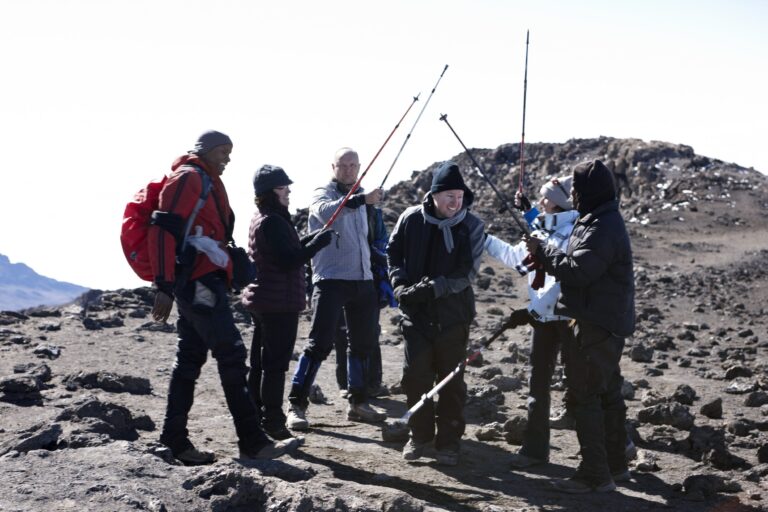
Kilimanjaro Airport Vs Arusha For Climbers: The Definitive Guide 2026-2027
A comprehensive comparison of Kilimanjaro International Airport (JRO) and Arusha Airport (ARK) for trekkers planning a Mount Kilimanjaro climb, detailing pros, cons, and booking advice for...
View package details
Kilimanjaro Climb For Retired Couples: Planning Your Adventure 2026-2027
Planning a Kilimanjaro climb as a retired couple is an achievable and rewarding goal. This guide offers in-depth advice on route selection, physical preparation, essential gear, and the...
View package details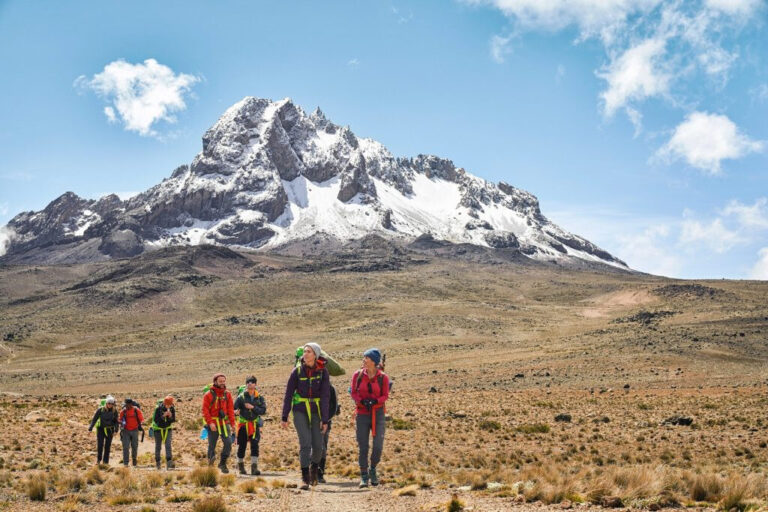
Can A 16-Year-Old Climb Kilimanjaro? Your Essential Guide 2026-2027
Discover if a 16-year-old can summit Kilimanjaro. This comprehensive guide covers age requirements, health, fitness, essential gear, and planning for younger trekkers aiming for Africa's...
View package details
Content For Parents And Young Climbers: Conquering Kilimanjaro Safely
Planning a Kilimanjaro climb with children or as a young climber requires special attention. This guide provides comprehensive content for parents and young adventurers, covering...
View package details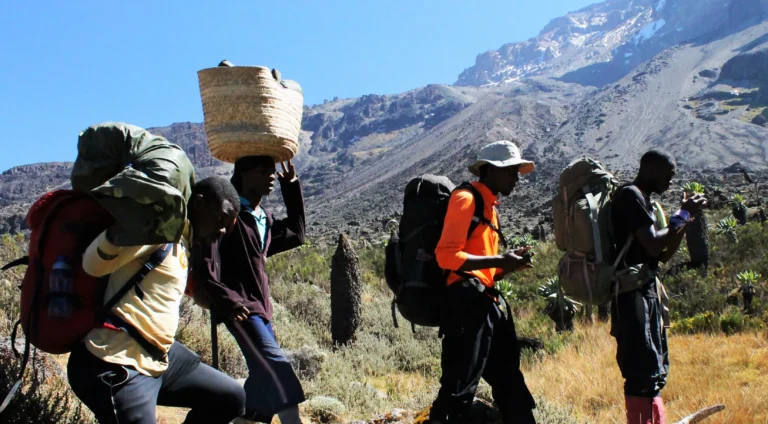
Kilimanjaro Tree-Planting Climbing Package Guide
Combine your dream Kilimanjaro climb with a meaningful conservation effort. Our Kilimanjaro Tree-Planting Climbing Package allows you to ascend Africa's highest peak while actively...
View package details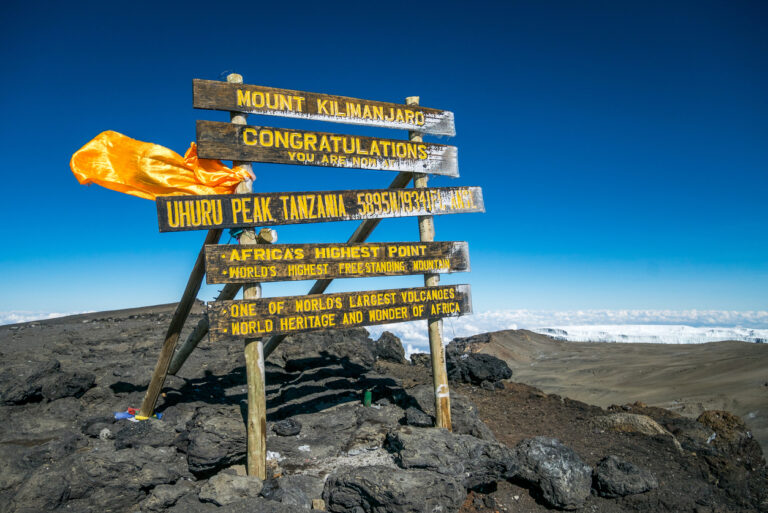
What Happens If You Miss Your Kilimanjaro Departure? Guide
If you miss your scheduled Kilimanjaro departure, your trek may be cancelled, and you could forfeit your deposit and payments. Rebooking is often possible but incurs additional costs and...
View package details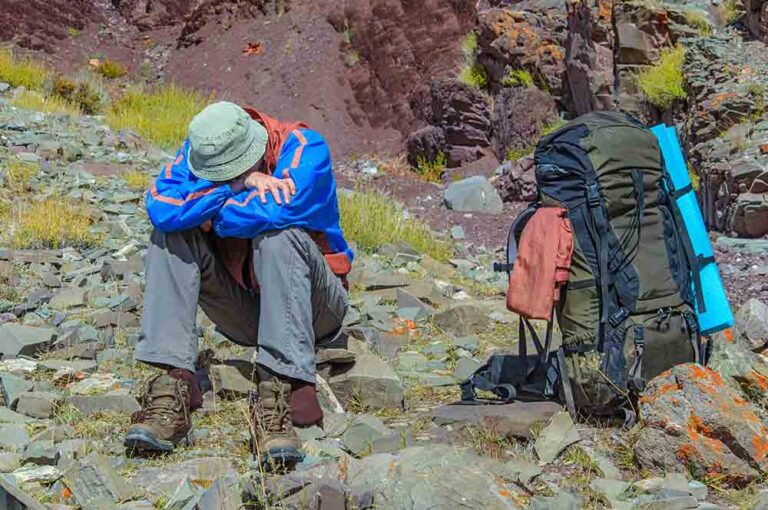
What Happens If It Rains Throughout Your Kilimanjaro Climb? 2026-2027
What Happens If It Rains throughout Your Kilimanjaro Climb? is explained with current 2026-2027 planning, price, itinerary and booking information.
View package details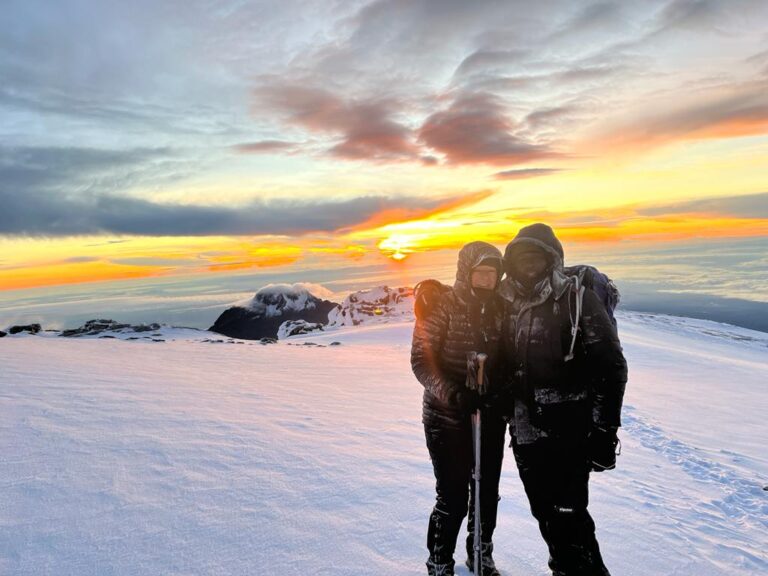
Kilimanjaro Early-Bird Climbing Discounts For Adventures 2026-2027
Plan your 2026-2027 Kilimanjaro climb and take advantage of early-bird discounts. Top Guide Adventures offers savings for those who book in advance, ensuring a memorable and affordable...
View package details
Kilimanjaro Private Climb Price For One Person: Your Guide 2026-2027
Planning a solo ascent of Mount Kilimanjaro? This guide details the Kilimanjaro private climb price for one person, covering cost factors, inclusions, and essential planning for 2026-2027.
View package detailsNo related package matches those filters. Clear one or more filters to see the other topic-matched options.



