
A 6-day Marangu Route Kilimanjaro climb in May offers a good balance of favorable weather and fewer crowds compared to peak seasons, with May typically presenting clear skies and moderate temperatures ideal for ascending Mount Kilimanjaro. This popular “Coca-Cola” route is known for its gradual ascent and comfortable hut accommodations, making it a viable option for many trekkers aiming for the summit during the 2026 or 2027 trekking seasons.
Your 6-Day Marangu Route Kilimanjaro Climb in May: A Comprehensive Guide
Choosing the Marangu Route for your Kilimanjaro ascent is a decision many trekkers make, and undertaking this journey in May adds another layer of strategic planning. As one of Tanzania’s most trusted tour operators, Top Guide Adventures is here to provide an in-depth look at what to expect for a 6-day Marangu Route Kilimanjaro climb in May. We’ll cover everything from the specific weather patterns of May to detailed itinerary breakdowns, crucial preparation advice, and why this route and month combination is a smart choice for your 2026 or 2027 adventure.
The Marangu Route, often called the “Coca-Cola” route due to its popularity and accessibility, is the oldest and arguably the most established path up Kilimanjaro. Its appeal lies in its gradual slope and the unique offering of sleeping in communal huts rather than tents, providing a more comfortable trekking experience. Opting for a 6-day itinerary on this route means a faster ascent, which requires careful acclimatization planning to maximize your chances of reaching Uhuru Peak.
May falls within Kilimanjaro’s shoulder season, bridging the end of the ‘long rains’ and the beginning of the drier, cooler months. This timing often means fewer trekkers on the mountain compared to the absolute peak seasons of January-March and June-October. For trekkers planning for 2026-2027, May presents an excellent opportunity to experience Kilimanjaro’s grandeur with a greater sense of solitude and potentially better value for their investment.
At Top Guide Adventures, we pride ourselves on offering personalized service and expert guidance. Our team is dedicated to ensuring your 6-day Marangu Route Kilimanjaro climb in May is not just a trek, but a safe, memorable, and successful expedition. We understand the nuances of Kilimanjaro’s microclimates and the specific demands of each route, especially when factoring in the month of May.
Why May is a Strategic Choice for Your Marangu Route Climb
May is often considered part of the ‘shoulder season’ on Mount Kilimanjaro. While April is typically the end of the heavy rainy season, May usually sees a significant reduction in rainfall. This transition period offers a compelling set of advantages for trekkers:
- Decreasing Rainfall: While not entirely dry, May generally experiences considerably less rain than April. Showers tend to be shorter and less frequent, often occurring in the afternoons or evenings, leaving mornings and early afternoons clearer for trekking.
- Lush Scenery: The preceding rains mean that Kilimanjaro’s lower slopes are vibrantly green and lush in May. The vegetation is at its finest, offering beautiful and scenic trekking through the rainforest zone.
- Fewer Crowds: Compared to the peak dry seasons (June-October and December-February), May typically has fewer trekkers on the mountain. This allows for a more serene and personal experience, with less competition for space at campsites or huts and a greater feeling of solitude on the trails.
- Moderate Temperatures: Temperatures in May are generally mild. While it will be cold at higher altitudes and especially at the summit, the lower and middle sections of the mountain are usually pleasant. The higher temperatures of the preceding months have usually subsided.
- Visibility: While cloud cover can still be a factor, especially in the mornings, May often offers good visibility. Clearer days increase the chances of stunning panoramic views from higher up the mountain.
For those looking ahead to 2026 or 2027, booking a May trek on the Marangu Route offers a unique opportunity to experience Kilimanjaro in a less crowded, beautiful, and generally cooperative weather window.
The 6-Day Marangu Route Itinerary: A Day-by-Day Breakdown
The Marangu Route is one of the most direct routes to the summit, and the 6-day option is a popular choice for those seeking a quicker ascent. It’s crucial to understand that a 6-day itinerary on any Kilimanjaro route, including Marangu, presents a higher risk of altitude sickness due to a faster rate of ascent. Proper acclimatization is paramount. Top Guide Adventures designs itineraries with this in mind, though individual acclimatization varies.
Day 1: Marangu Gate (1,860m / 6,100ft) to Mandara Huts (2,700m / 8,860ft)
Distance: 8 km / 5 miles
Time: 3-4 hours
Habitat: Rainforest
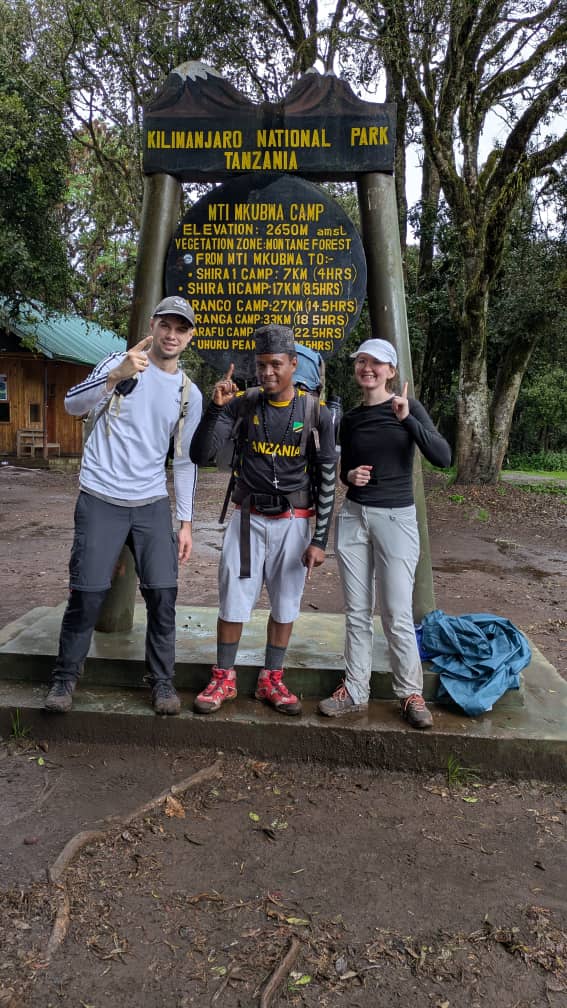
Your Kilimanjaro adventure begins at the Marangu Gate, where you’ll complete registration formalities. The trek starts immediately, leading you through a beautiful montane rainforest. The path is well-maintained and relatively gentle. Keep an eye out for colobus monkeys and various bird species. You’ll arrive at Mandara Huts in the afternoon, a collection of A-frame wooden structures set in a clearing. After settling in and having dinner, you can take a short walk to the nearby Maundi Crater for your first expansive views of the surrounding landscape, weather permitting.
Day 2: Mandara Huts (2,700m / 8,860ft) to Horombo Huts (3,700m / 12,140ft)
Distance: 12 km / 7.5 miles
Time: 5-6 hours
Habitat: Heath and Moorland
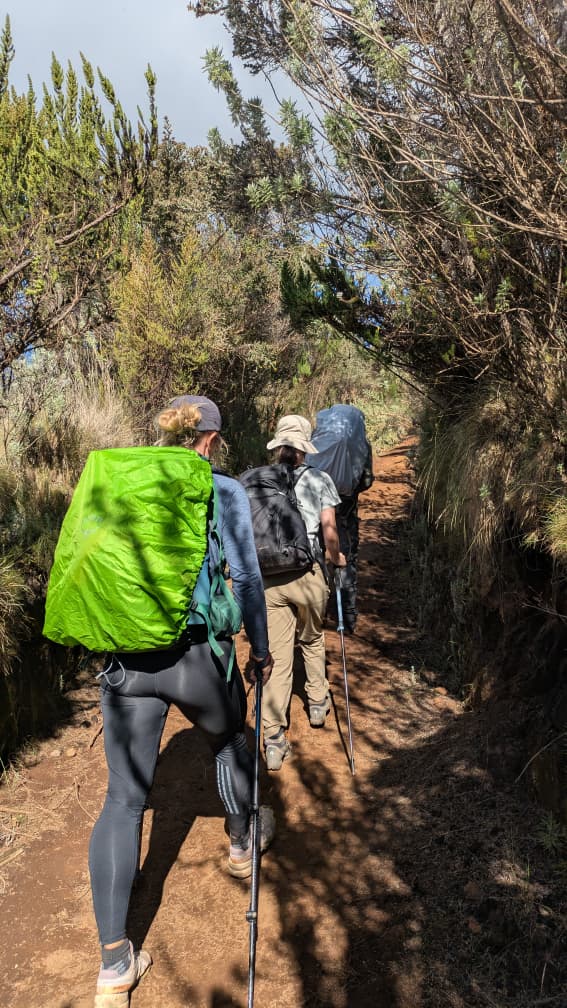
Today’s trek takes you out of the rainforest and into the heath and moorland zone. The vegetation changes dramatically, with giant heathers and senecios becoming prominent. The path becomes steeper, and the air thinner. You’ll likely start experiencing the effects of altitude more noticeably. Horombo Huts are situated on a ridge, offering impressive views of the Kibo and Mawenzi peaks on clear days. You’ll spend the night in these huts, enjoying the change in scenery and preparing for the higher altitudes ahead.
Day 3: Horombo Huts (3,700m / 12,140ft) – Acclimatization Day (Optional)
Habitat: Heath and Moorland
While the standard 6-day Marangu itinerary often pushes directly to Kibo Hut, many operators, including Top Guide Adventures, recommend or include an acclimatization day at Horombo. This involves a hike to a higher altitude (e.g., towards Mawenzi Tarn) and then returning to Horombo Huts. This strategy significantly improves acclimatization and summit success rates. If included, this day allows you to explore the unique alpine desert landscape further, observe the changing flora, and get accustomed to the altitude. If this day is omitted in a strict 6-day plan, be extra mindful of your body’s signals.
Day 4: Horombo Huts (3,700m / 12,140ft) to Kibo Hut (4,700m / 15,400ft)
Distance: 10 km / 6 miles
Time: 5-6 hours
Habitat: Alpine Desert
This is a significant day as you transition into the stark alpine desert, the zone above the clouds. The landscape becomes rocky and barren. The trek is generally less steep than the previous day but covers a considerable distance. As you gain altitude, the air becomes noticeably colder and thinner. Kibo Hut is a basic camp situated at the base of the saddle between Kibo and Mawenzi peaks. The goal here is to rest and prepare for the ultimate challenge: the summit night. You’ll have an early dinner and try to get some sleep before the pre-dawn start.
Day 5: Kibo Hut (4,700m / 15,400ft) to Uhuru Peak (5,895m / 19,341ft) and down to Horombo Huts (3,700m / 12,140ft)
Distance: 6 km / 3.7 miles ascent + 16 km / 9.9 miles descent
Time: 6-8 hours to summit, 4-5 hours to Horombo
Habitat: Arctic Zone and Alpine Desert
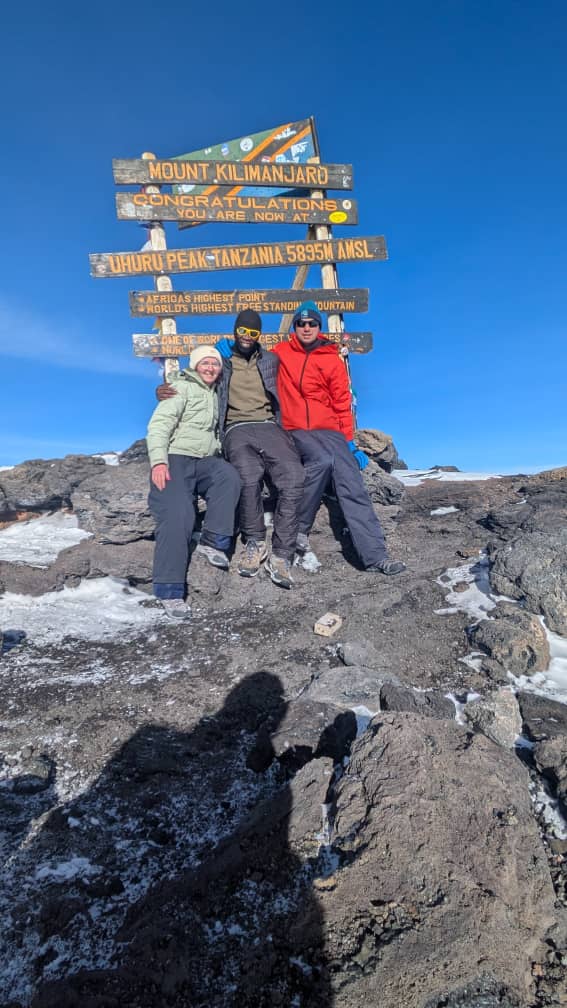
This is summit day, arguably one of the most demanding physical and mental challenges you will undertake. You’ll start your ascent around midnight, trekking in the dark by headlamp. The path is steep and often scree-covered. You’ll pass Gilman’s Point (5,681m / 18,638ft) on the crater rim and continue along the rim to Uhuru Peak, the highest point in Africa. Reaching the summit is an unforgettable achievement. After celebrating briefly and taking photos, you begin the descent. The descent is much faster and less strenuous than the ascent, but the scree slopes can be challenging. You’ll pass Kibo Hut and continue down to Horombo Huts, where you’ll spend your final night on the mountain, likely exhausted but exhilarated.
Day 6: Horombo Huts (3,700m / 12,140ft) to Marangu Gate (1,860m / 6,100ft)
Distance: 20 km / 12.5 miles
Time: 5-7 hours
Habitat: Heath and Moorland to Rainforest
After breakfast, you’ll complete the final descent back to Marangu Gate. The trek down is pleasant, offering a chance to reflect on your journey and enjoy the scenery one last time. Upon arrival at the gate, you’ll have a small ceremony and receive your climbing certificates. Our team will be there to greet you and transfer you back to your hotel in Moshi or Arusha. This marks the end of your incredible 6-day Marangu Route Kilimanjaro climb in May.
Understanding the Marangu Route’s 6-Day vs. 7-Day Options
The Marangu Route is unique in that it offers both a 5-day, 6-day, and 7-day (or longer) itinerary. For a 6-day Marangu Route Kilimanjaro climb in May, the itinerary is compressed. Here’s a comparison to help you understand the implications:
6-Day Marangu Route: This itinerary involves trekking directly from Horombo Huts to Kibo Hut on Day 3 (or Day 4 if an acclimatization day is inserted). This faster pace means less time for the body to acclimatize, increasing the risk of altitude sickness. Summit success rates can be lower on the 6-day option compared to longer itineraries. It’s suitable for individuals with excellent physical fitness and prior experience with high altitudes.
7-Day Marangu Route: This itinerary typically includes an extra acclimatization day, often spent at Horombo Huts. This allows for a more gradual ascent, significantly improving acclimatization and thus increasing the chances of reaching the summit safely and comfortably. This is the recommended option for most trekkers, especially for those who haven’t climbed at high altitudes before or are concerned about altitude sickness.
For a 6-day Marangu Route Kilimanjaro climb in May 2026-2027, it is vital to choose a reputable operator like Top Guide Adventures that emphasizes safety, proper acclimatization strategies, and has experienced guides who can monitor your health closely. While a 6-day trek is possible, the 7-day option is generally more advisable for a higher success rate and a more enjoyable experience.
Kilimanjaro Weather in May: What to Expect
May is a transitional month on Kilimanjaro. It marks the end of the ‘long rains’ season, which typically runs from March to May. However, by May, the intensity of the rainfall usually decreases significantly.
- Temperatures: Expect mild temperatures in the lower rainforest zone (15-25°C or 59-77°F), cooler in the heath and moorland zones (5-15°C or 41-59°F), and cold to freezing at higher altitudes, especially during the summit night (-5 to -15°C or 23-5°F, potentially colder with wind chill).
- Rainfall: While not guaranteed to be completely dry, May typically sees fewer rainy days than April. Showers are often intermittent, shorter, and less intense. You might experience some rain, especially in the lower forest, but clear spells are common.
- Cloud Cover: Cloud cover can still be present, particularly in the mornings and at mid-altitudes. However, as you ascend towards the alpine desert and summit, you’re more likely to break through the clouds into clearer skies.
- Wind: Wind can be a factor, especially at higher altitudes and on the summit. Wind chill can make the already cold temperatures feel much colder.
- Visibility: On clear days, visibility can be excellent, offering spectacular views of the plains below and the surrounding peaks.
Overall, May provides a good compromise. You benefit from the lush scenery created by the rains, while the frequency and intensity of precipitation are typically lower than in April. It’s a good month for trekkers who prefer fewer crowds and are prepared for variable weather conditions.
Essential Gear for Your 6-Day Marangu Route Climb in May
Packing appropriately is crucial for comfort and safety on Kilimanjaro, especially during a transitional month like May. Layering is key, as temperatures and conditions can change dramatically throughout the day and at different altitudes. Here’s a checklist of essential gear:
Clothing (Layering System):
- Base Layers: Moisture-wicking thermal tops and bottoms (merino wool or synthetic). 2-3 sets.
- Mid Layers: Fleece jackets or vests. 2-3.
- Insulation Layer: A warm, down or synthetic insulated jacket. Essential for summit night.
- Outer Shell (Waterproof/Windproof): Waterproof and breathable jacket and trousers. Must be reliable for rain and wind.
- Trekking Trousers: 2-3 pairs, quick-drying, comfortable. Avoid jeans.
- Trekking Shirts: 3-4 short and long-sleeved, moisture-wicking.
- Warm Hat: Fleece or wool, covers ears.
- Sun Hat: Wide-brimmed for sun protection.
- Gloves: Thin liner gloves and warm, waterproof outer gloves or mittens.
- Socks: 5-7 pairs of wool or synthetic hiking socks.
- Camp Shoes/Sandals: For relaxing at the huts.
Footwear:
- Hiking Boots: Broken-in, waterproof, sturdy, with good ankle support.
- Gaiters: To keep mud, rocks, and snow out of your boots.
Equipment:
- Backpack: A comfortable daypack (25-35 liters) for essentials.
- Duffel Bag: A large, waterproof duffel bag (80-100 liters) for your main gear, carried by porters.
- Sleeping Bag: A warm, 4-season sleeping bag rated to at least -10°C (0°F).
- Sleeping Bag Liner: Adds warmth and keeps your bag cleaner.
- Trekking Poles: Highly recommended for stability and reducing knee strain, especially on descents.
- Headlamp: With extra batteries. Essential for summit night and around camp.
- Water Bottles/Hydration Reservoir: Capacity for at least 3 liters. Insulated covers are useful for preventing freezing.
- Sunglasses: High UV protection.
- Sunscreen: High SPF.
- Lip Balm: With SPF.
- Insect Repellent: Especially for the rainforest section.
- Personal First-Aid Kit: Include personal medications, blister treatment, pain relievers, antiseptic wipes, bandages, etc.
- Toiletries: Biodegradable soap, toothbrush, toothpaste, wet wipes.
- Towel: Quick-drying.
- Camera: With extra batteries and memory cards.
- Power Bank: For charging devices.
- Snacks: Energy bars, nuts, dried fruit, chocolate.
Documents & Money:
- Passport
- Visa (if required)
- Flight tickets
- Travel insurance details
- Cash (USD for tips and souvenirs)
Remember to pack light for your daypack, carrying only essentials like water, snacks, extra layers, sunscreen, and your camera. Your main gear will be carried by porters.
Acclimatization: The Key to Summit Success on the 6-Day Marangu
The most critical factor for success on any Kilimanjaro climb, and particularly on a faster itinerary like the 6-day Marangu Route, is proper acclimatization. Altitude sickness (Acute Mountain Sickness – AMS) is a serious concern and can affect anyone, regardless of fitness level. The Marangu route’s 6-day option ascends relatively quickly, which can be challenging for the body’s adaptation to lower oxygen levels.
Key Principles for Acclimatization:
- Ascend Slowly: “Pole Pole” (slowly, slowly) is the mantra on Kilimanjaro. This applies not just to walking pace but to the overall itinerary. While the 6-day route is inherently faster, maximizing your time at each altitude camp is important.
- Hydration: Drink plenty of water – at least 3-4 liters per day. This helps your body function optimally at altitude and can aid acclimatization. Avoid alcohol and caffeine, which can dehydrate you.
- Eat Well: Consume regular, nutritious meals. Your appetite may decrease at higher altitudes, but it’s vital to keep your energy levels up.
- Listen to Your Body: Be aware of symptoms of AMS, which include headache, nausea, dizziness, fatigue, and loss of appetite. Report any symptoms to your guide immediately.
- “Climb High, Sleep Low”: This principle is harder to implement strictly on the 6-day Marangu but is still relevant. If your itinerary includes a day hike from a camp (like the optional acclimatization day at Horombo), you ascend to a higher altitude during the day and then return to sleep at a lower altitude, aiding acclimatization.
- Medication (Diamox): Acetazolamide (Diamox) is a prescription medication that can help speed up acclimatization. Discuss its use with your doctor well in advance of your trip. It’s not a substitute for proper acclimatization but can be a valuable aid.
For your 6-day Marangu Route Kilimanjaro climb in May 2026-2027, Top Guide Adventures strongly recommends considering the 7-day itinerary for a safer and more successful climb. If you are set on the 6-day option, ensure you are in excellent physical condition, have prior high-altitude experience if possible, and are prepared to be extremely vigilant about your body’s responses to altitude.
Costs and Budget Considerations for May 2026-2027 Climbs
The cost of a Kilimanjaro climb can vary significantly based on the route, duration, operator, and what is included. For a 6-day Marangu Route Kilimanjaro climb in May, you can expect pricing to be competitive, as May is not a peak season. However, it’s essential to look beyond just the price and consider the value and inclusions offered by the tour operator.
Factors Influencing Cost:
- Park Fees: These are fixed by Kilimanjaro National Park and are a significant portion of the overall cost. They are the same regardless of the operator.
- Operator Type: Local Tanzanian operators often offer more competitive pricing than international operators. Top Guide Adventures is a leading local operator committed to fair wages for staff and sustainable tourism practices.
- Inclusions: What is included in the price? Look for: meals, accommodation (huts on Marangu), experienced guides, assistant guides, porters, park fees, rescue fees, bottled oxygen (on standby), transportation to/from the mountain, and quality equipment.
- Group Size: Private climbs are more expensive per person than joining a group.
- Duration: Longer treks are generally more expensive due to more days of park fees and services.
- Accommodation before/after the climb: Hotel stays are usually separate costs unless specified.
Typical Cost Range (Estimate for 2026-2027):
For a 6-day Marangu Route Kilimanjaro climb in May with a reputable local operator like Top Guide Adventures, you might expect costs to range from approximately $1,400 to $2,500 USD per person for a group climb. Private climbs would be higher. This estimate typically covers all the essentials listed above, excluding tips, personal gear, and flights.
What to Look For in a Quote:
- Clear breakdown of costs: Ensure park fees, rescue fees, and services are itemized.
- Guide-to-client ratio: A good ratio ensures personalized attention and safety.
- Porter welfare: Reputable companies ensure porters are treated ethically and paid fairly.
- Emergency procedures: What is the plan in case of a medical emergency?
- Safety equipment: Availability of oxygen, pulse oximeters, and first-aid kits.
When planning for 2026 or 2027, booking in advance is recommended, especially if you have specific date requirements. Contacting operators like Top Guide Adventures early for a personalized quote is the best way to get accurate pricing based on your needs.
Tips for a Successful 6-Day Marangu Climb in May
Beyond the itinerary and gear, several practical tips can significantly enhance your experience and chances of summit success on your 6-day Marangu Route Kilimanjaro climb in May.
Pre-Trip Preparation:
- Physical Fitness: Focus on cardiovascular endurance (hiking, running, cycling) and strength training, especially for your legs and core. Train by hiking with a weighted backpack.
- Mental Preparation: Understand the challenges of high altitude and the demanding nature of the climb. Stay positive and determined.
- Acclimatization Practice: If possible, spend a night or two at moderate altitude (e.g., 2,500-3,000m) before your climb.
- Medical Check-up: Consult your doctor about high-altitude trekking and discuss any necessary vaccinations or medications (like Diamox).
On the Mountain:
- Pace Yourself: “Pole Pole” is essential. Don’t push too hard, especially on the first few days.
- Stay Hydrated: Drink constantly throughout the day.
- Eat Regularly: Even if you don’t feel hungry, eat the meals provided and supplement with your own snacks.
- Communicate with Your Guide: Be honest about how you feel. Your guide is your most valuable resource for safety and acclimatization.
- Sleep as Much as Possible: Rest is crucial for recovery and acclimatization.
- Stay Warm: Layer up before you get cold. Keep your extremities (hands, feet, head) warm.
- Summit Night Strategy: Start slow, focus on breathing, and take one step at a time. Break the climb into small segments.
- Respect the Environment: Follow Leave No Trace principles. Pack out everything you pack in.
- Tipping: Tipping your guide, assistant guides, cook, and porters is customary and a significant part of their income. Prepare cash (USD) for this at the end of the trek.
By adhering to these tips, you’ll be well on your way to a successful and enjoyable 6-day Marangu Route Kilimanjaro climb in May 2026-2027.
Why Choose Top Guide Adventures for Your Kilimanjaro Expedition?
When planning a significant adventure like climbing Mount Kilimanjaro, choosing the right tour operator is paramount. Top Guide Adventures is committed to providing an exceptional experience, prioritizing safety, sustainability, and client satisfaction. Here’s why we are your ideal partner for a 6-day Marangu Route Kilimanjaro climb in May:
- Expert Local Knowledge: As a leading Tanzanian company, we have intimate knowledge of Kilimanjaro, its routes, and its environment. Our guides are highly trained, experienced, and certified in wilderness first aid.
- Safety First: Your safety is our utmost priority. We carry extensive safety equipment, including portable oxygen, pulse oximeters, and comprehensive first-aid kits. Our guides are trained to recognize and manage altitude sickness.
- Ethical Trekking: We are committed to the fair treatment and ethical treatment of our crew. Porters are provided with adequate clothing, food, and wages, and we adhere to the Kilimanjaro Porters Assistance Project (KPAP) guidelines.
- Personalized Service: We believe in offering personal attention to every client. From your initial inquiry to your return from the mountain, you’ll receive dedicated support.
- Comprehensive Inclusions: Our packages are designed to be comprehensive, covering most of the essential costs, so you can focus on your climb.
- Proven Success Rates: We focus on well-designed itineraries that prioritize acclimatization and safety, contributing to higher summit success rates for our clients.
- Flexibility: While we offer standard itineraries, we can also tailor trips to meet your specific needs and preferences for your 2026-2027 adventure.
We invite you to explore our client testimonials and reviews, such as those found on TripAdvisor, to see why trekkers trust Top Guide Adventures for their Kilimanjaro climbs.
Frequently Asked Questions about the 6-Day Marangu Route in May
Here are some common questions potential trekkers have about undertaking a 6-day Marangu Route Kilimanjaro climb in May.
Is May a good month to climb Kilimanjaro via the Marangu Route?
Yes, May is generally a good month. It’s the end of the long rainy season, meaning rainfall decreases significantly, though occasional showers are still possible. Temperatures are moderate, and there are fewer crowds than in peak dry seasons, offering a more serene trekking experience.
What is the main difference between the 6-day and 7-day Marangu Route?
The primary difference is the pace and acclimatization. The 6-day itinerary is faster, with less time for the body to adjust to altitude, increasing the risk of AMS. The 7-day itinerary includes an extra acclimatization day, typically at Horombo Huts, significantly improving comfort and summit success rates.
What are the accommodation facilities on the Marangu Route?
The Marangu Route is unique in that it uses communal huts for accommodation, not tents. These huts are basic but offer beds, mattresses, and a common dining area, providing a more comfortable experience compared to camping.
How cold will it be on my 6-day Marangu Route climb in May?
Temperatures vary by altitude. Lower sections can be mild (15-25°C), but at higher altitudes and during summit night, temperatures can drop significantly, often ranging from -5°C to -15°C (23°F to 5°F), with wind chill making it feel even colder. Proper layering is essential.
What is the success rate for the 6-day Marangu Route?
Success rates for the 6-day Marangu Route are generally lower than for longer itineraries, often estimated around 60-70%. This is primarily due to the rapid ascent and limited acclimatization time. The 7-day itinerary typically boasts success rates of 85-90% or higher. Top Guide Adventures prioritizes safety, and our guides will make the final decision on whether it is safe for you to continue to the summit based on your condition.
Should I use Diamox for my climb?
Diamox (Acetazolamide) can aid acclimatization for some individuals but is not a substitute for a well-paced itinerary and proper hydration. It’s crucial to consult with your doctor well in advance of your 2026-2027 climb to discuss if Diamox is suitable for you, its dosage, and potential side effects.
What are the tipping guidelines for guides and porters in May 2026-2027?
Tipping is customary and appreciated. While amounts can vary, a common guideline is around $20-25 USD per day for guides, $15-20 USD per day for assistant guides, and $10-15 USD per day for cooks and porters, per trekker. It’s best to ask your operator for their specific recommended tipping structure. We recommend preparing cash (USD) for this at the end of your trek.
Book Your 6-Day Marangu Route Kilimanjaro Climb in May 2026-2027 with Top Guide Adventures
A 6-day Marangu Route Kilimanjaro climb in May offers a unique blend of beautiful scenery, fewer crowds, and manageable weather. While the compressed itinerary demands careful preparation and a keen awareness of altitude, it remains a popular choice for many adventurers. For those planning their expedition for 2026 or 2027, May presents a compelling window of opportunity.
Top Guide Adventures is dedicated to making your Kilimanjaro dream a reality. We combine expert local knowledge, unwavering commitment to safety, and personalized service to ensure your climb is a success. Whether you’re drawn to the comfort of the huts on the Marangu Route or considering other options, we are here to guide you every step of the way.
Ready to take on the challenge? Don’t hesitate to reach out to our team for a personalized quote, to discuss your specific needs, or to ask any further questions. We can help you plan the perfect 6-day Marangu Route Kilimanjaro climb in May, or any other Kilimanjaro trek, tailored for 2026-2027.
Contact us today:
- WhatsApp: +255616946642
- Email: topguideadventures@gmail.com
- Backup Email: info@topguideadventures.com
Let Top Guide Adventures be your trusted partner in conquering Kilimanjaro.
Check Availability for 6-Day Marangu Route Kilimanjaro Climb In May | Top Guide Adventures…
Ready to compare dates, prices, and the best option for your group? Send the package name and travel month so the team can reply with a clear quote, availability, and what is included.

6-Day Marangu Route Kilimanjaro Climb In December 2026-2027
Discover everything you need to know for a 6-day Marangu Route Kilimanjaro climb during December 2026-2027. This guide covers weather expectations, essential gear, itinerary details...
View package details
7-Day Rongai Route Kilimanjaro Climb In May: Your Ultimate Guide 2026-2027
Your comprehensive guide to conquering Kilimanjaro via the Rongai Route in May over 7 days. Learn about the itinerary, what to pack, acclimatization, and why May is a great month for this...
View package details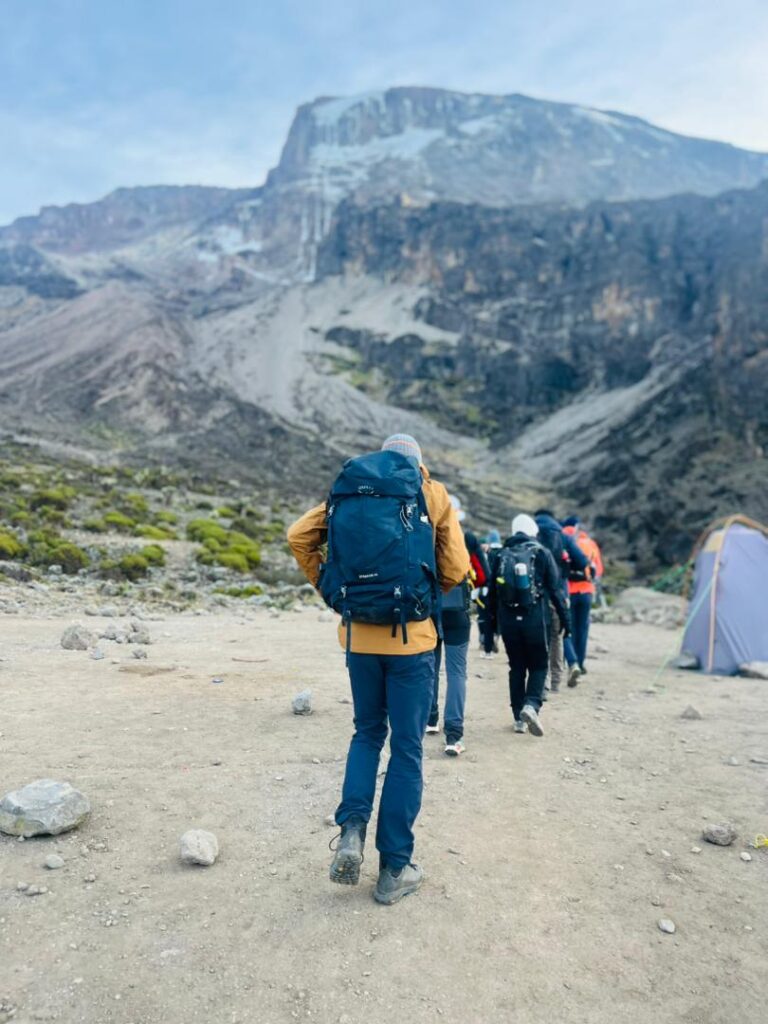
7-Day Rongai Route Kilimanjaro Climb In April: Your Expert Guide For 2026-2027
The 7-Day Rongai Route offers a unique and often drier approach to climbing Kilimanjaro, especially beneficial in April. This guide provides an in-depth look at the itinerary, essential...
View package details8-Day Lemosho Route Kilimanjaro Climb In December | Top Guide Adventures
Discover the magic of an 8-day Lemosho Route Kilimanjaro climb in December. This guide details what to expect regarding weather, acclimatization, and preparation for your 2026-2027...
View package details
Your 7-Day Machame Route Kilimanjaro Climb In December : Expert Guide
A comprehensive guide to undertaking a 7-day Machame Route Kilimanjaro climb during December. Learn about the conditions, best practices, and what to expect for your 2026-2027 adventure.
View package detailsBest Kilimanjaro Route For December : Your Ultimate Climbing Guide 2026-2027
Choosing the best Kilimanjaro route for a December climb requires understanding the unique weather patterns and operational considerations of this popular month. While December marks the...
View package details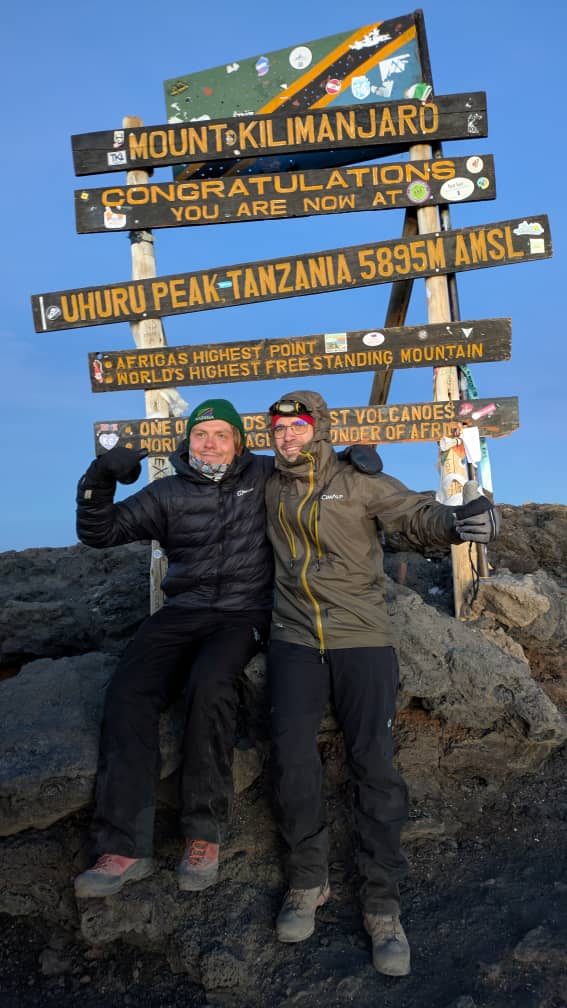
7-Day Machame Route Kilimanjaro Climb In November 2026-2027
start a 7-day Machame Route Kilimanjaro climb in November. This guide details the itinerary, weather, what to pack, costs, and why November is a great month for this challenging yet...
View package details8-Day Lemosho Route Kilimanjaro Climb In November | Top Guide Adventures
The 8-day Lemosho Route offers a high success rate and stunning scenery for your Kilimanjaro climb in November. This guide covers everything from weather to packing for your 2026-2027...
View package details
7-Day Rongai Route Kilimanjaro Climb In November 2026-2027
A detailed 2026-2027 guide to 7-Day Rongai Route Kilimanjaro Climb in November, with clear planning and booking information for travelers.
View package detailsMarch Vs April Kilimanjaro Weather Comparison For Climbs 2026-2027
Choosing between March and April for your Kilimanjaro climb involves understanding subtle yet significant weather differences. Both months fall within Kilimanjaro's second-best trekking...
View package details
May Kilimanjaro Climb For Solo Travellers: Your Expert Guide 2026-2027
Discover everything solo travellers need to know about climbing Kilimanjaro in May. This guide covers route selection, essential gear, training, safety, and typical costs for 2026-2027.
View package details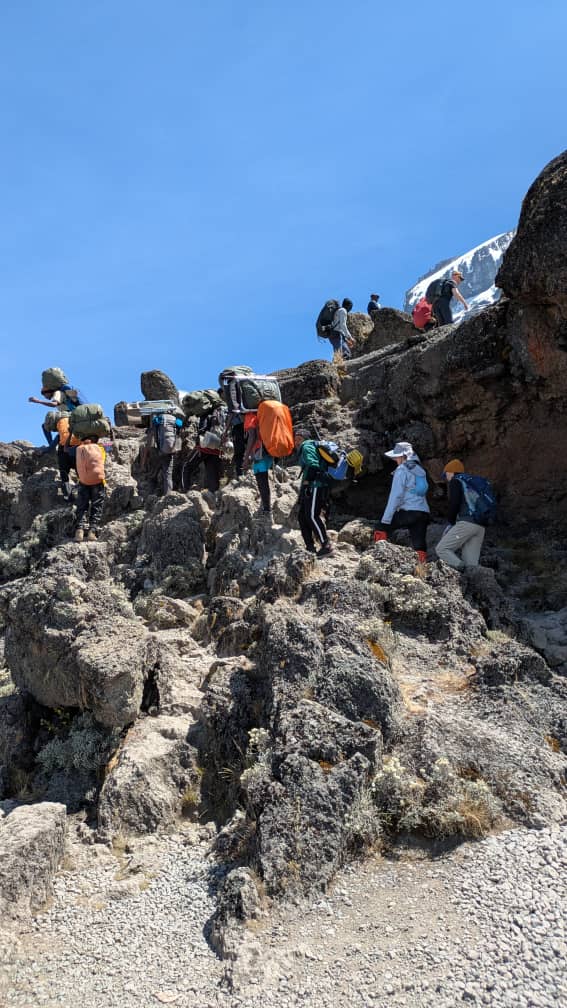
Best Kilimanjaro Route For A May Summit In : Your Expert Guide 2026-2027
Planning a Kilimanjaro climb in May? This guide details the best routes for a successful summit, considering weather patterns, acclimatization, and scenery for your 2026-2027 adventure.
View package detailsNo related package matches those filters. Clear one or more filters to see the other topic-matched options.



